

All our destinations and cities in Brazil at a glance. Find inspiration, choose your favourite places and let us help you put together your ideal tour.
Peru - Cusco and Machu Picchu
Cuzco, the ancient capital of the Inca Empire at an altitude of 3,400 metres in the Peruvian Andes, is the base for Machu Picchu, the Sacred Valley and the Inca ruins around the city. The centre has been a UNESCO World Heritage Site since 1983. Allow 4 to 5 nights for Cuzco, the Sacred Valley and Machu Picchu together; the best time to travel is May to October.
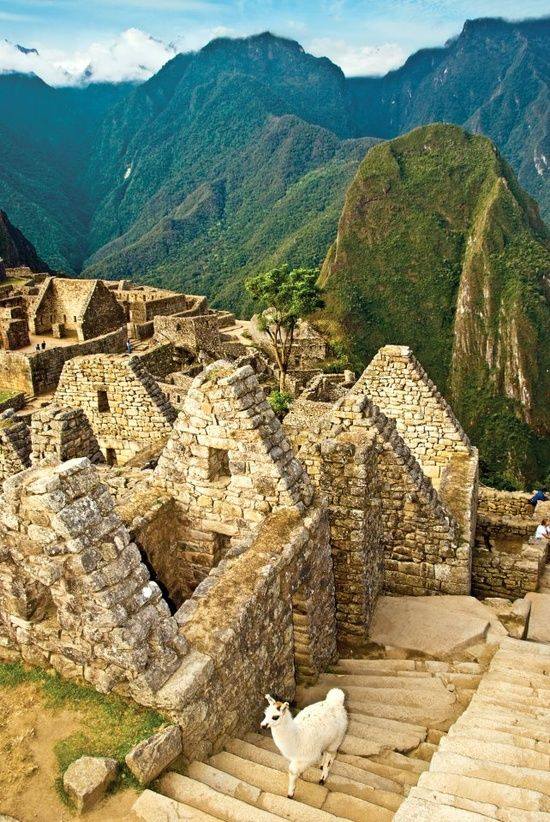
Cuzco means 'navel' in Quechua: the centre of the world of the Incas. The Spaniards built their churches and palaces on the Inca foundations, and that combination defines the streetscape: perfectly cut stone walls beneath baroque façades. Machu Picchu, discovered for the outside world by Hiram Bingham in 1911, was never found by the Spaniards and is therefore exceptionally well preserved.
Highlights of Cuzco and Machu Picchu
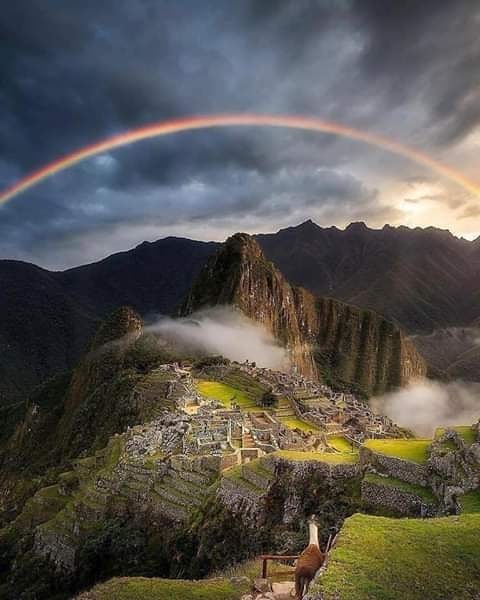
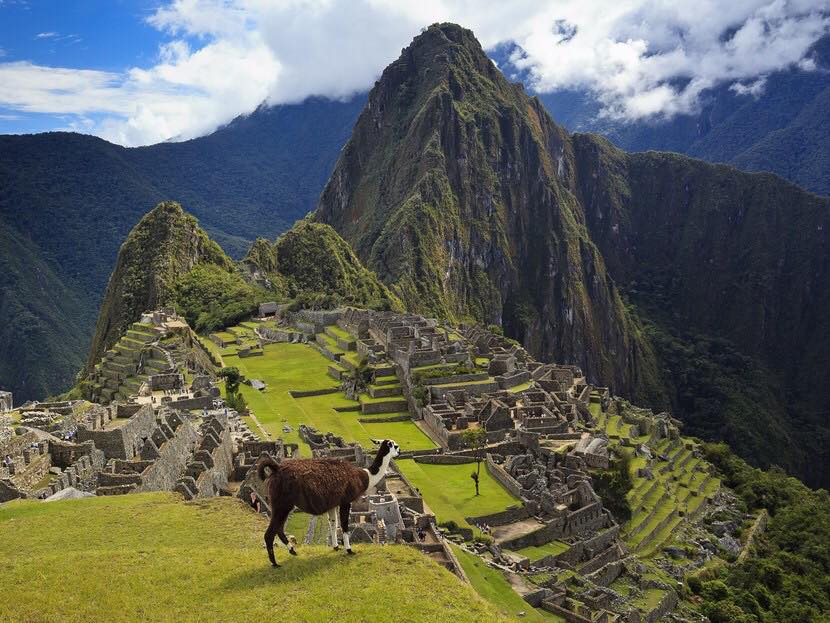
- Machu Picchu: the Inca city at 2,400 metres, hidden among steep mountains above the Urubamba river. By train from Ollantaytambo or Cuzco to Aguas Calientes and a bus up.
- Sacred Valley: the market of Pisac, the terraces of Moray, the salt pans of Maras and the Inca fortress of Ollantaytambo.
- Sacsayhuamán: the gigantic Inca walls above Cuzco, with Q'enqo, Puka Pukara and Tambomachay.
- Plaza de Armas and Qorikancha: the central square with the cathedral and the Temple of the Sun beneath the Santo Domingo monastery.
- San Blas: the artists' quarter with steep little streets and studios.
- Inca Trail: the four-day trek to the Sun Gate of Machu Picchu; permits sell out months in advance.
Best time to travel to Cuzco and Machu Picchu
The dry season from May to October has clear days with 18–22 °C and cold nights; June to August is the busiest. November to March is the rainy season, green and quieter, but with a chance of clouds at Machu Picchu; in February the Inca Trail is closed. April and October are a good compromise.
Getting there and travel time
Cuzco (CUZ) is a 1 hour 20 minute flight from Lima. You travel to Machu Picchu via the Sacred Valley: 1.5 hours by car to Ollantaytambo, 1.5 hours by train to Aguas Calientes and 25 minutes by bus to the entrance. Entrance tickets for Machu Picchu are tied to time slots and circuits and must be booked well in advance; we arrange tickets, train, guide and hotels.
How many days in Cuzco and Machu Picchu?
We recommend 4 to 5 nights: first 1 to 2 nights in the lower-lying Sacred Valley to get used to the altitude, then a night in Aguas Calientes for an early visit to Machu Picchu, and 2 nights in Cuzco for the city and Sacsayhuamán. Those who walk the Inca Trail should add 3 extra nights.
Combines well with
You combine Cuzco and Machu Picchu with Lima as the point of arrival and departure. As an extension to a trip to Brazil, Peru can be done in 8 to 10 days after Rio de Janeiro or Foz do Iguaçu; we put the combination together tailor-made.
Frequently asked questions about Cuzco and Machu Picchu
How do I cope with the altitude?
Start in the Sacred Valley (2,800 metres), drink plenty of water and coca tea, eat lightly and take it easy on the first day. If you have heart or lung problems, consult your doctor beforehand.
How far in advance do I need to book Machu Picchu?
Tickets at least 2 to 3 months in advance in high season; the Inca Trail 5 to 6 months. We arrange this when the trip is confirmed.
Can I do Machu Picchu in one day from Cuzco?
You can, but it is a long day (departure before 5 am). A night in Aguas Calientes gives you the morning without the crowds.
Is the visit strenuous?
The site itself is manageable on foot with steps and uneven paths, 2 to 3 hours. Huayna Picchu or Machu Picchu Mountain involve extra climbing with a separate ticket.
Tip from Brazil Travel Specialist
Sleep in the Sacred Valley before you visit Cuzco: you get used to the altitude, see Pisac and Ollantaytambo on the way and, the morning after Aguas Calientes, are standing at Machu Picchu at first light. Save Cuzco itself for the end, when the altitude is no longer a problem.