


remarks
Day 01: 2 July 2027 (Arrival in Rio de Janeiro, start of land package)
Day 19: 20 July 2027 (End of land package: private transfer from Barreirinhas to São Luís airport; return flight on 21 July at 00:45)
Price of the land package:
- € 3,709 per person, based on 7 people in two double rooms and a triple room.
- Discount: € 100 per person if booked by 29 October 2026 at the latest; price of the trip after discount € 3,609 per person (€ 25,263 for 7 people).
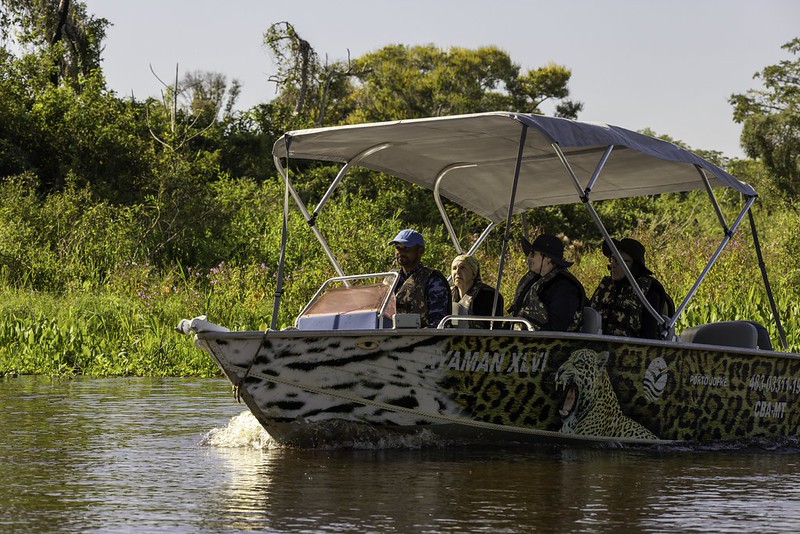
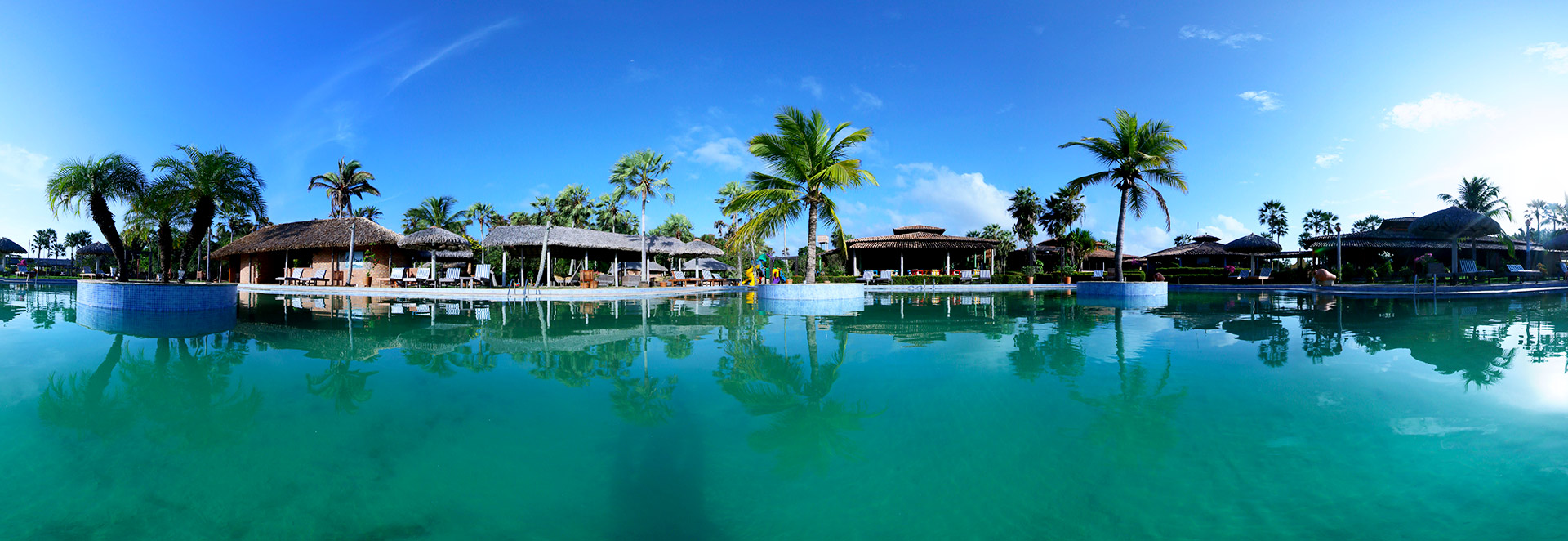
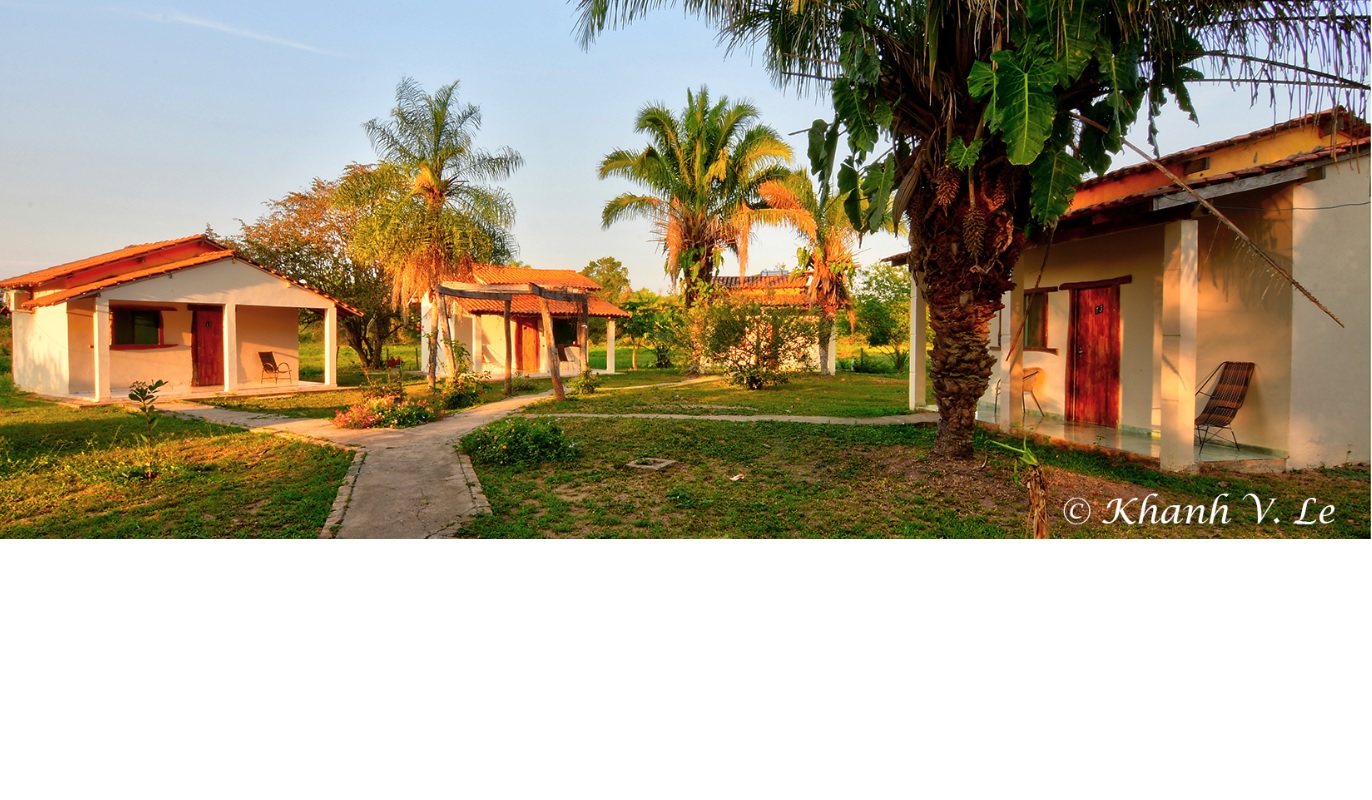
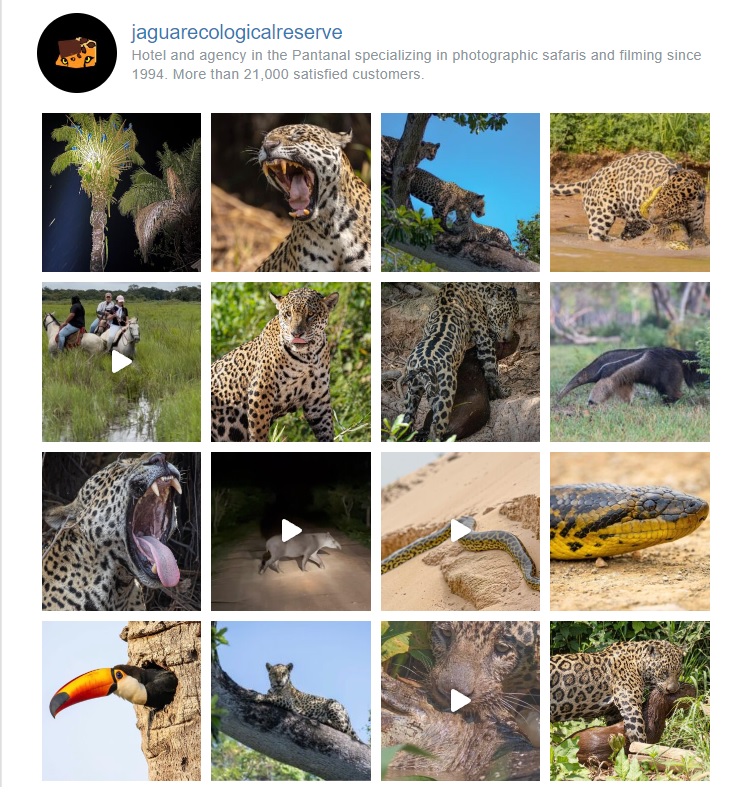
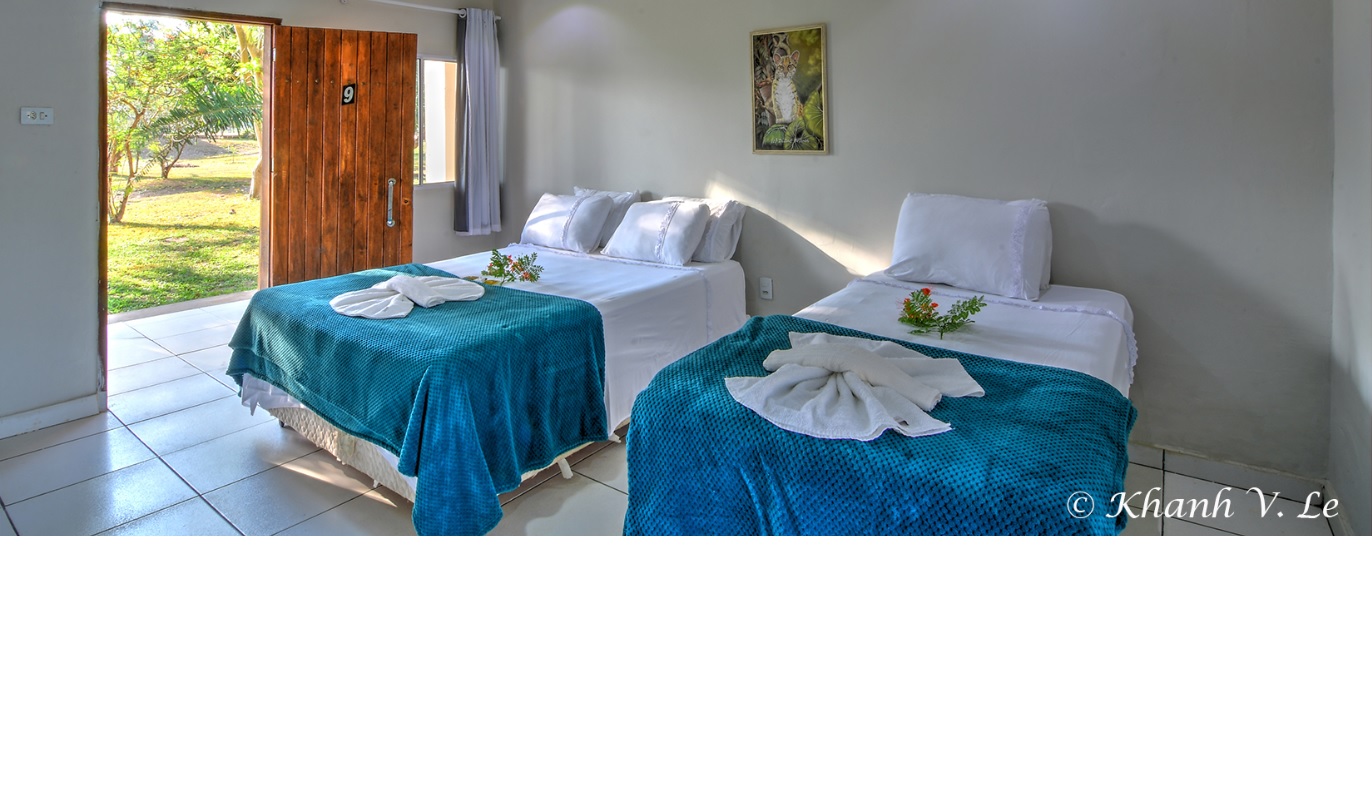
- Optional upgrade Pantanal: Jaguar Ecological Reserve instead of the UeSo Lodge, supplement € 866 per person, including two day excursions spotting jaguars from Porto Jofre (at the UeSo Lodge one). See the hotels tab, mid-range.
- After your approval we will book all parts of the trip and, once all confirmed travel elements have been received (this takes a number of days), we will send the travel documents and invoice.
- The deposit for this trip is 20% of the price of the trip and the remaining amount must be transferred 6 weeks before departure.
Price of the flight package:
- € 2,873 per person for the international flights Brussels – Rio de Janeiro and São Luís – Brussels with TAP Portugal via Lisbon and the domestic flights Rio de Janeiro – Foz do Iguaçu, Foz do Iguaçu – Cuiabá, Cuiabá – Manaus and Manaus – São Luís; see the flight schedule. Flights are day prices, are guaranteed upon issue, must be paid 100% in advance and are invoiced separately.
Included:
- All hotels and meals mentioned, see hotels tab
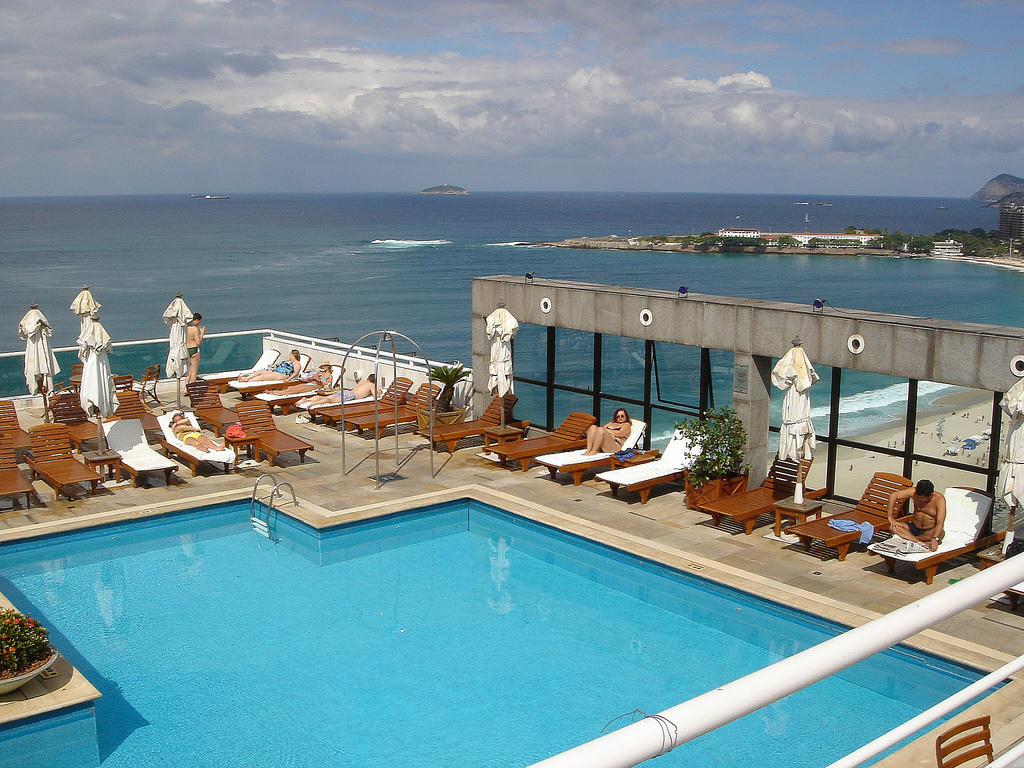
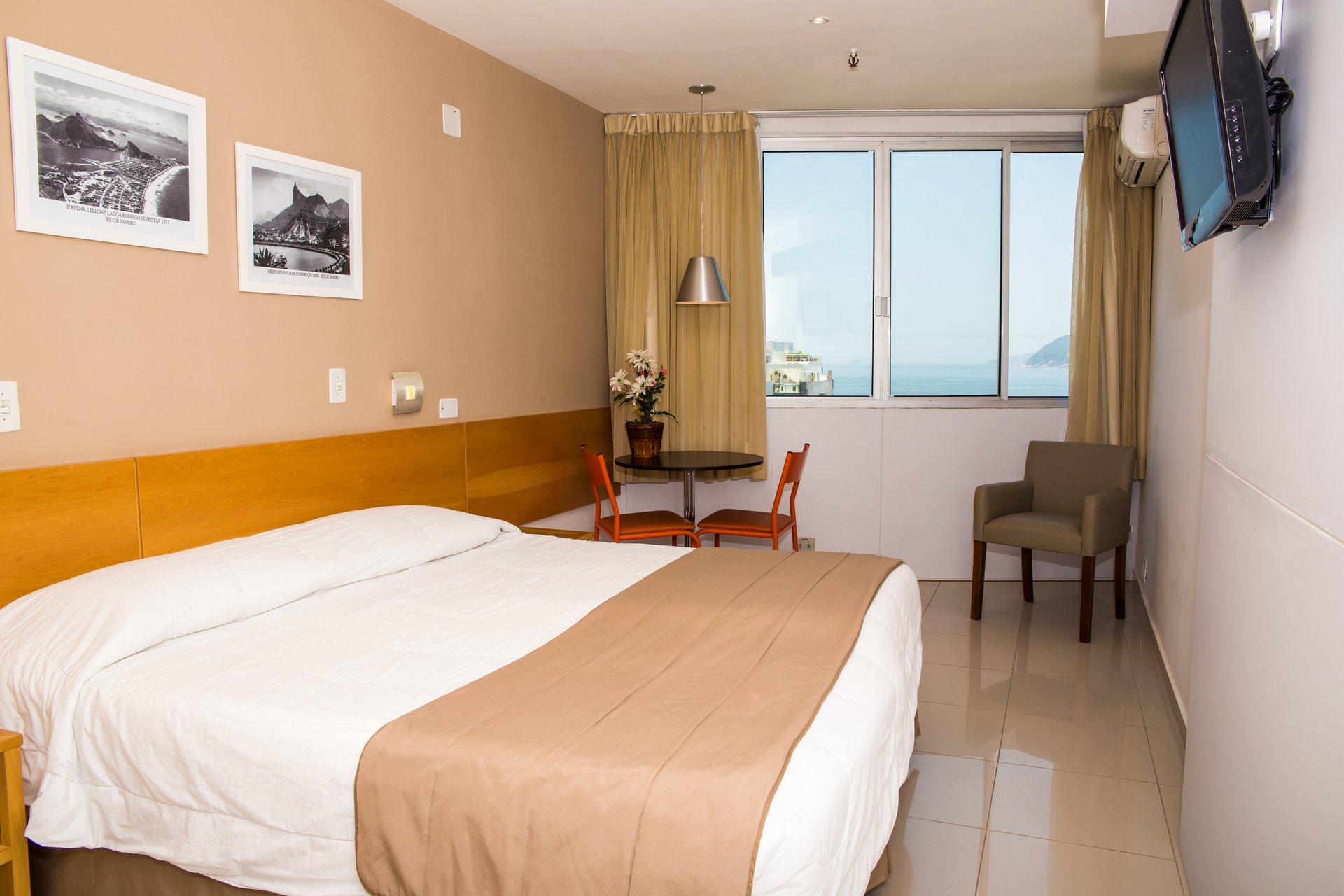
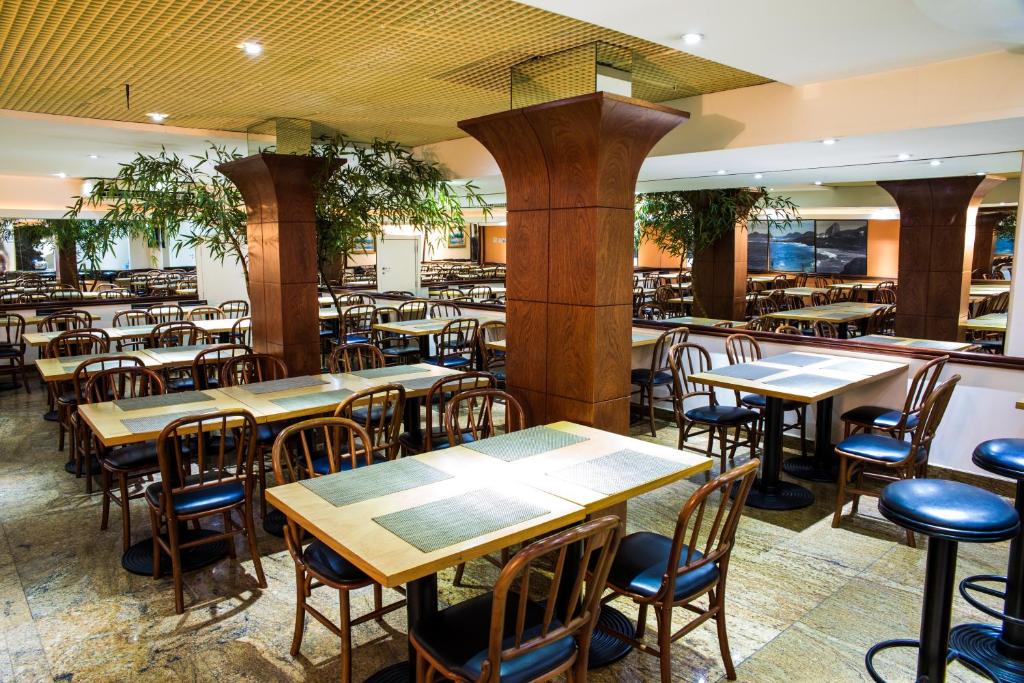
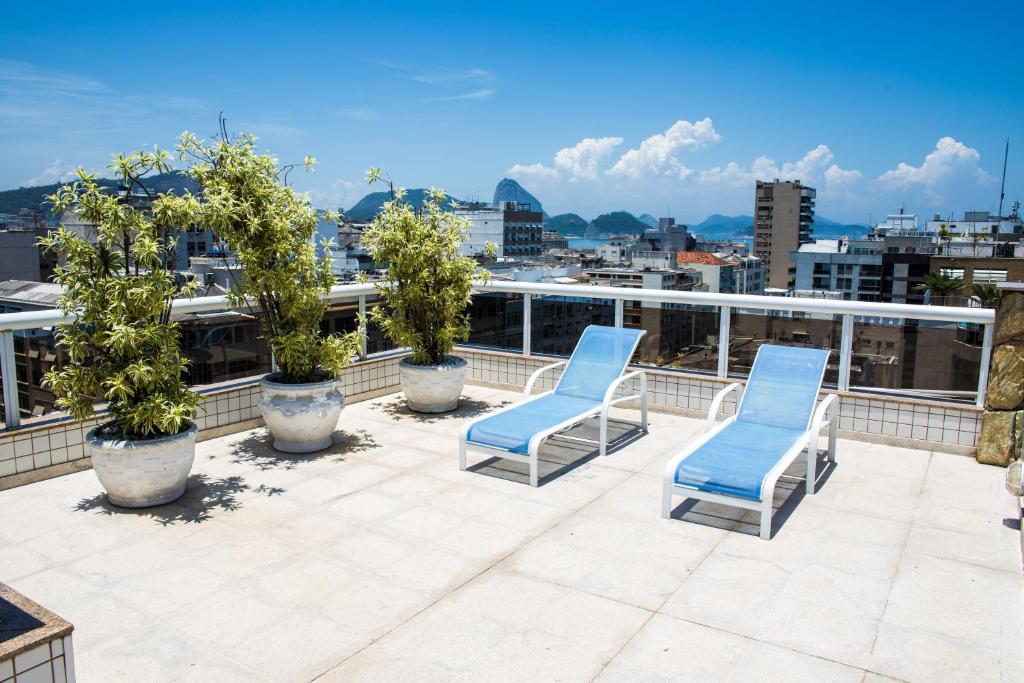
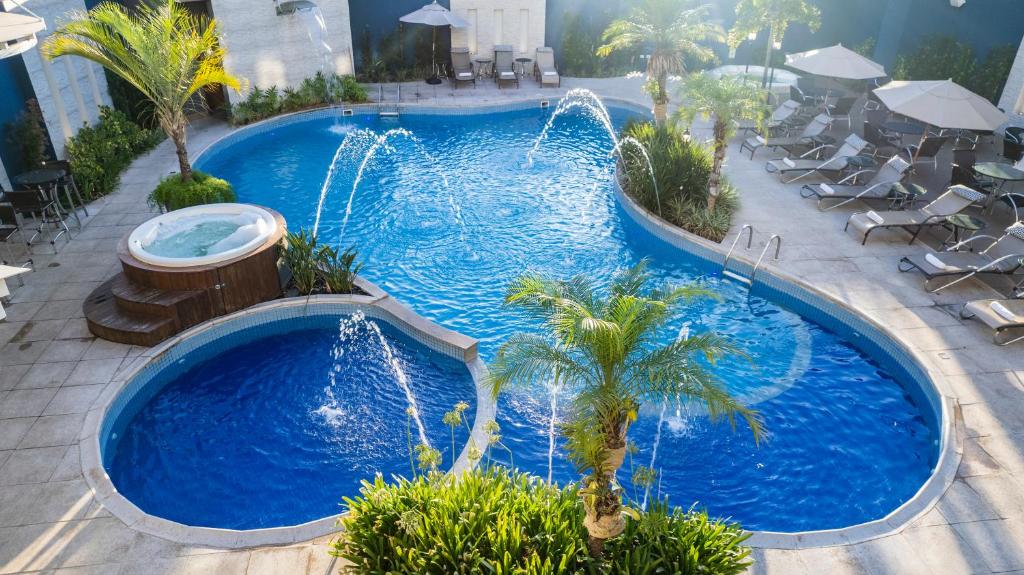
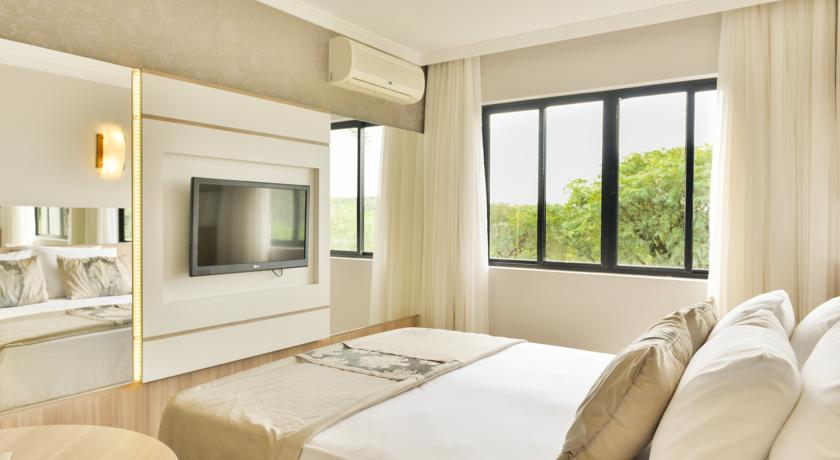
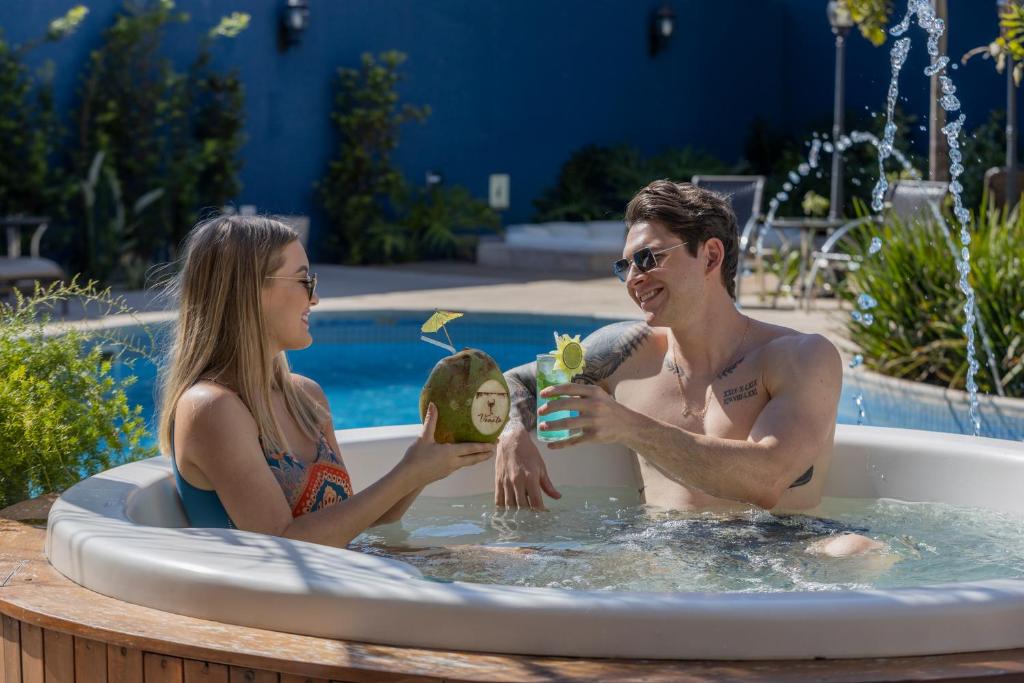
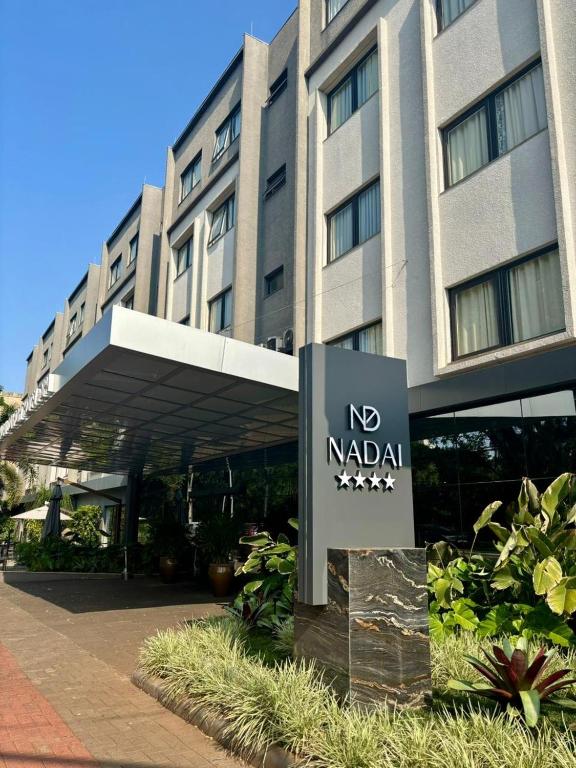
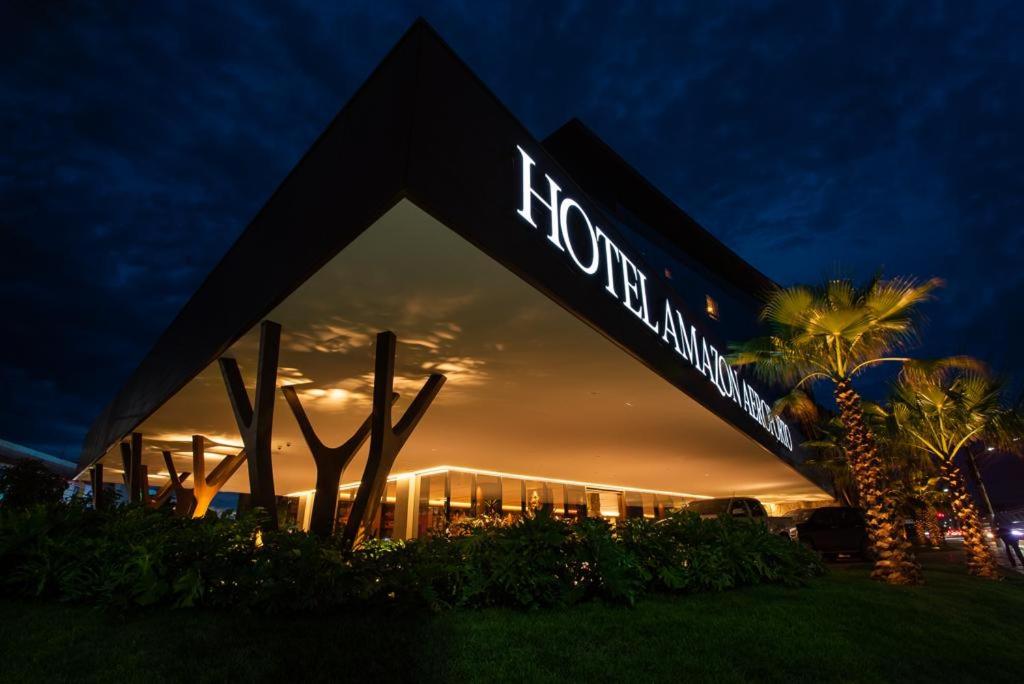
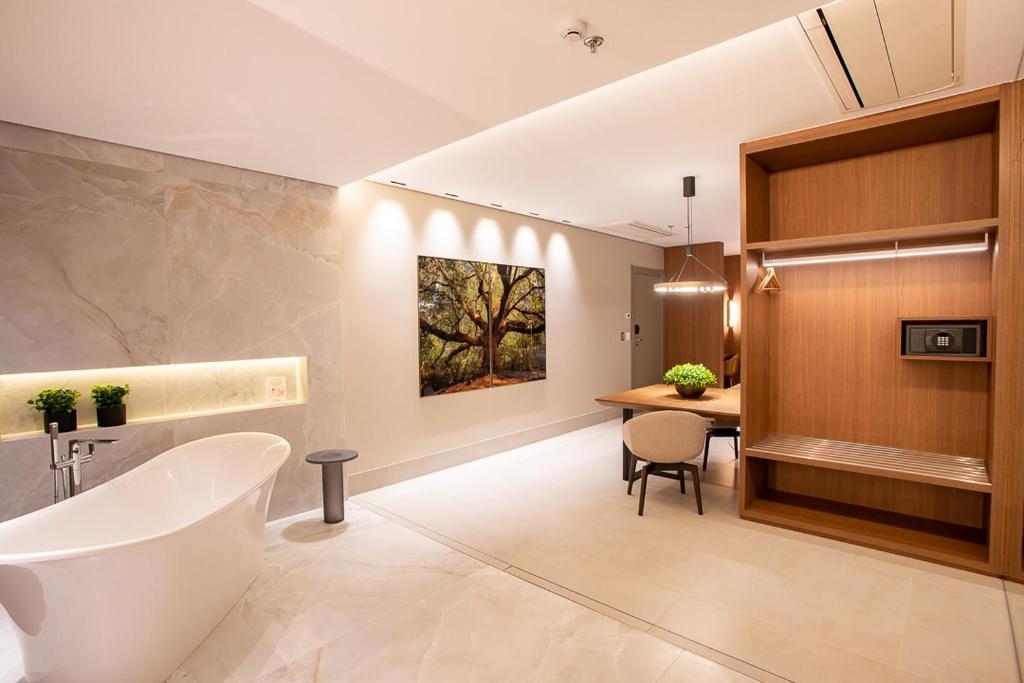
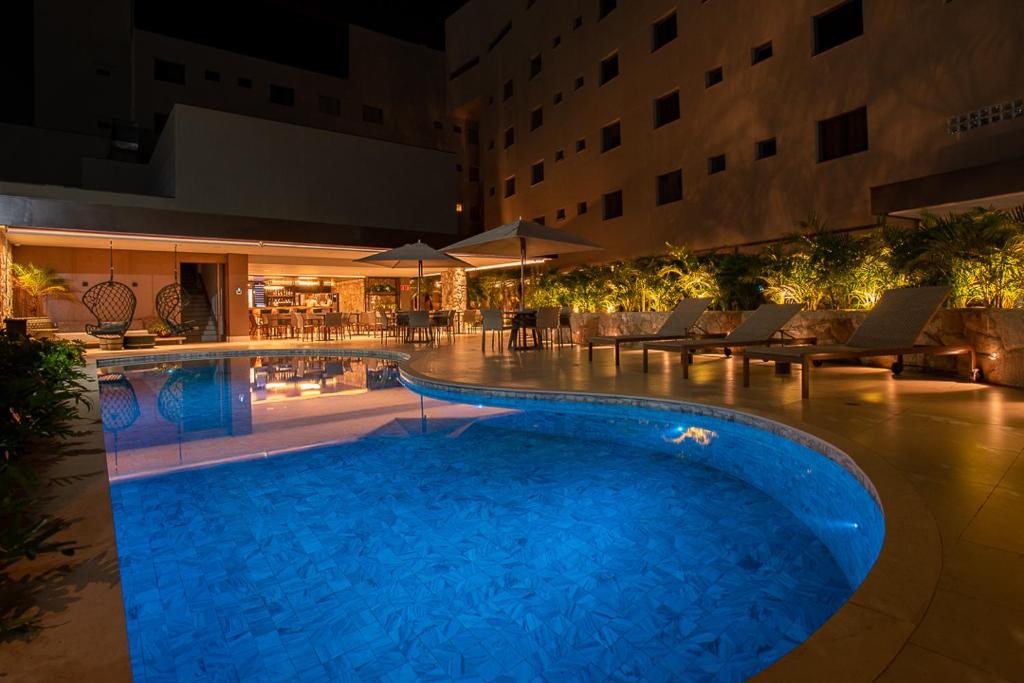
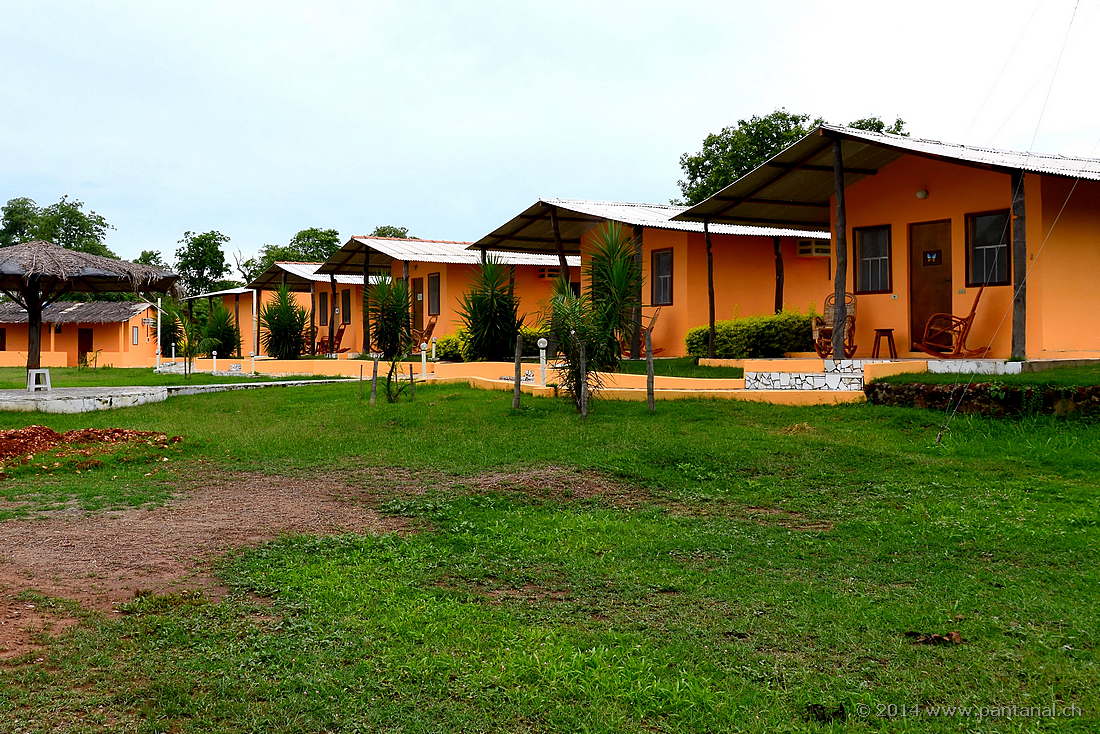
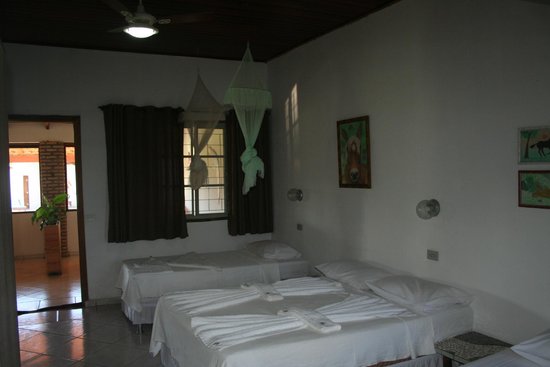
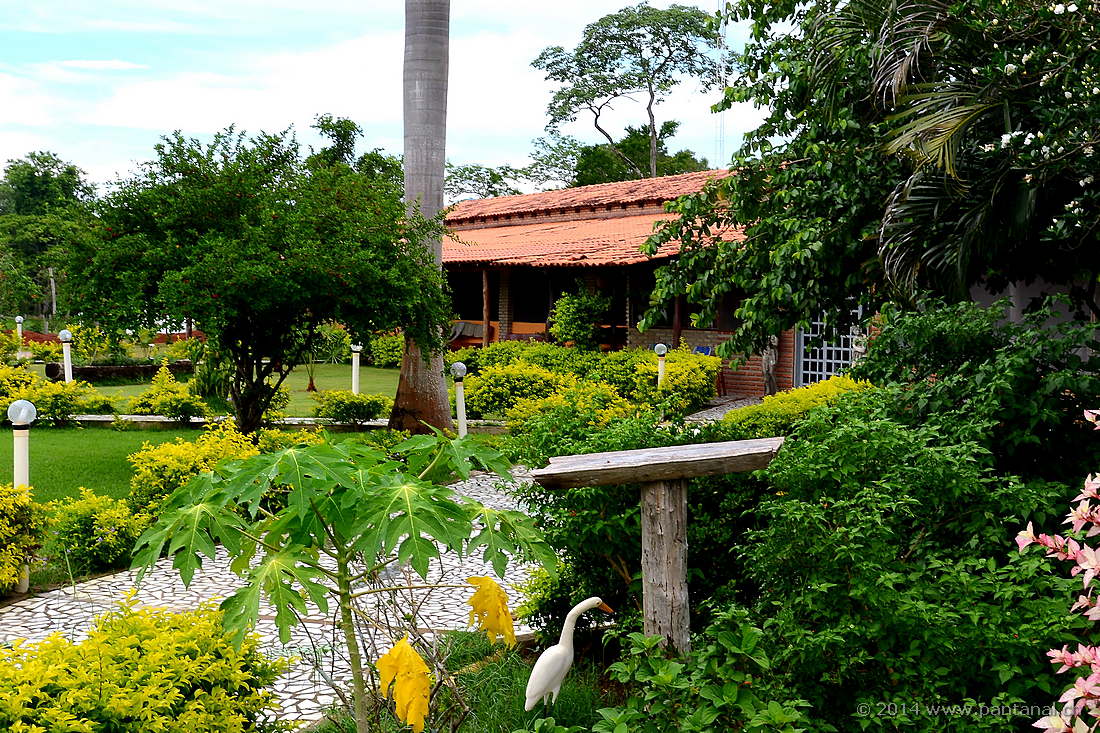
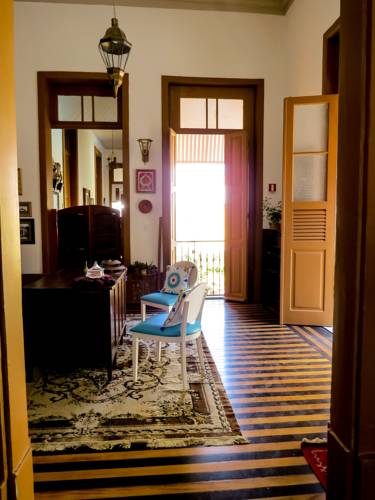
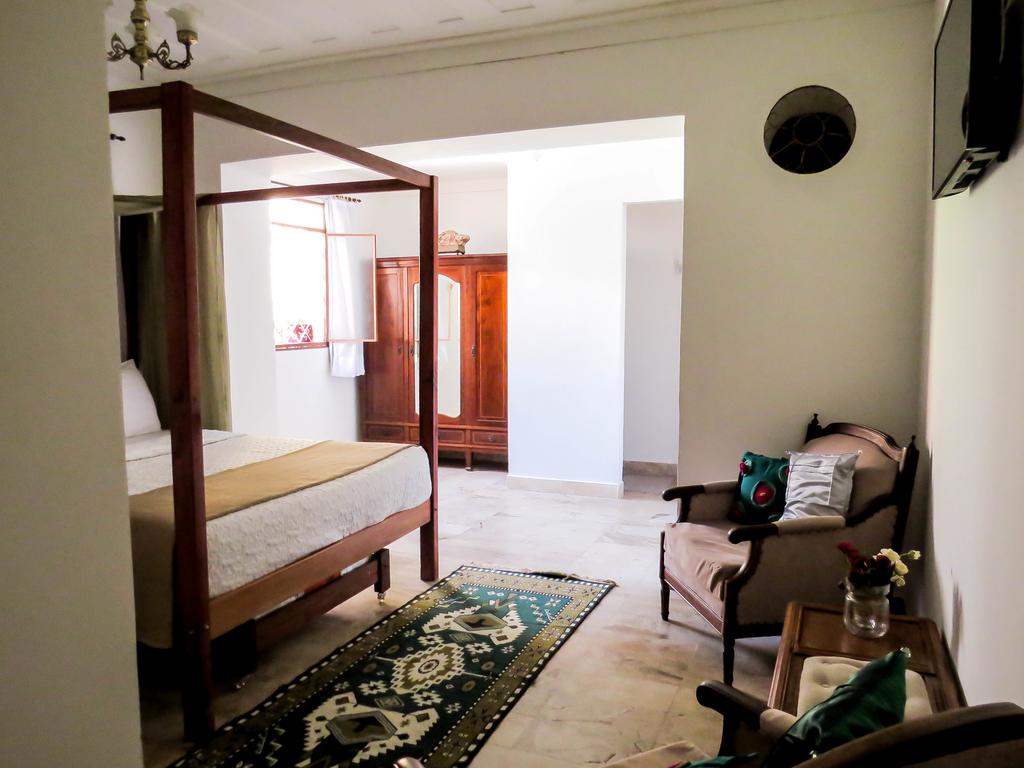
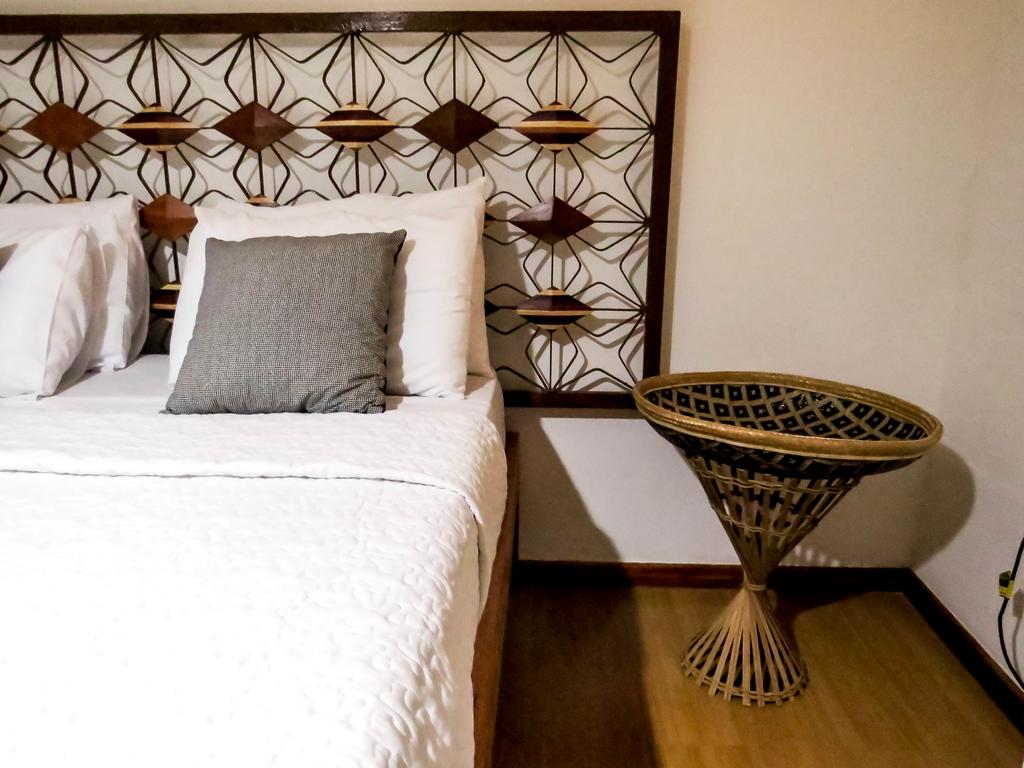
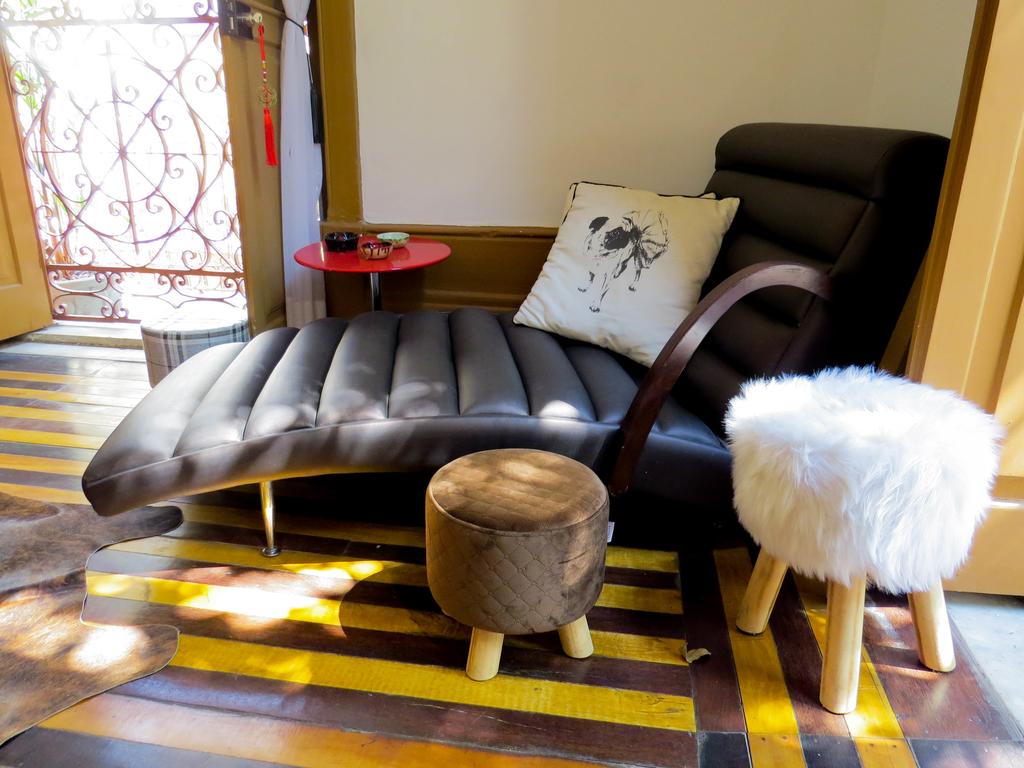
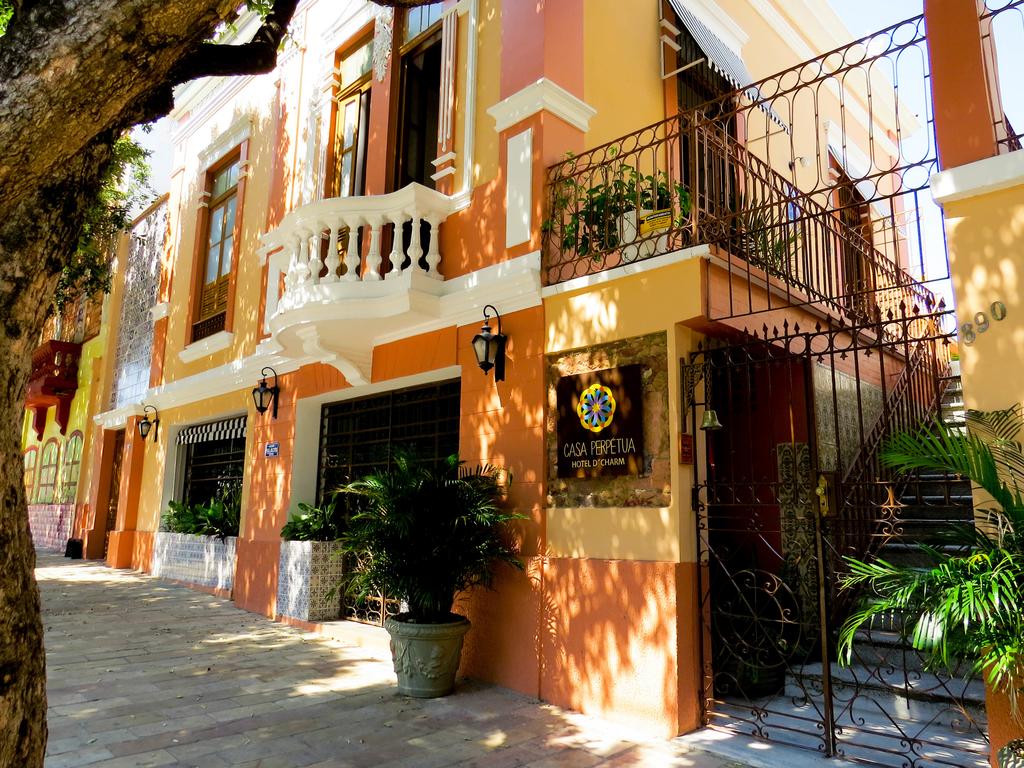
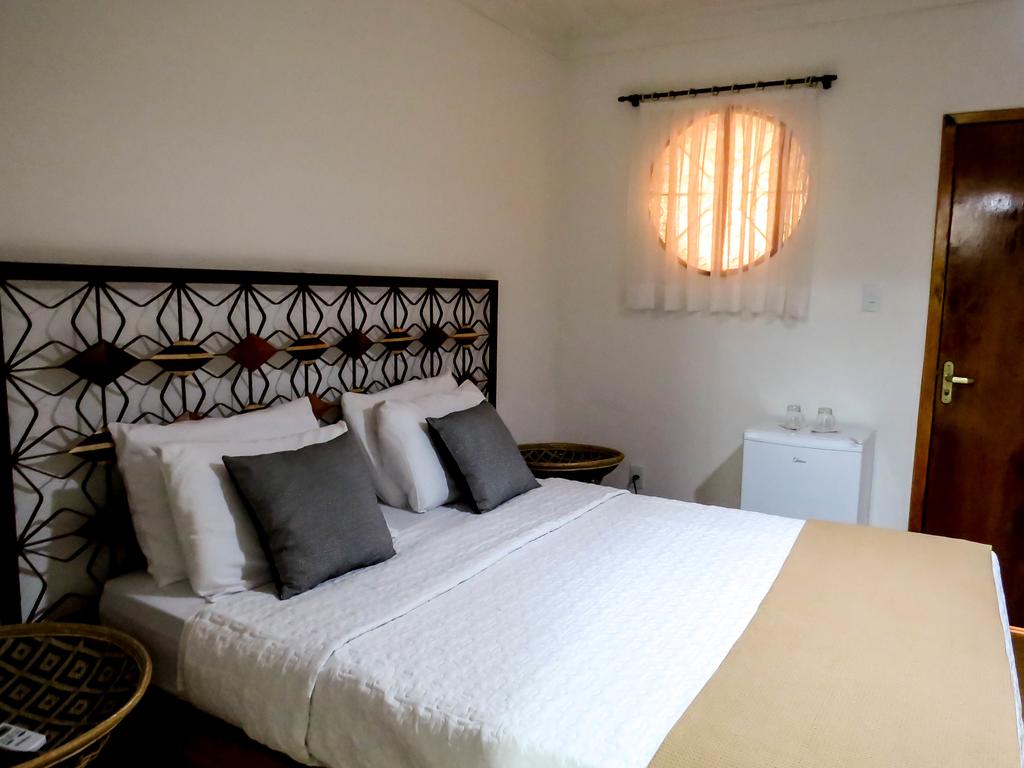
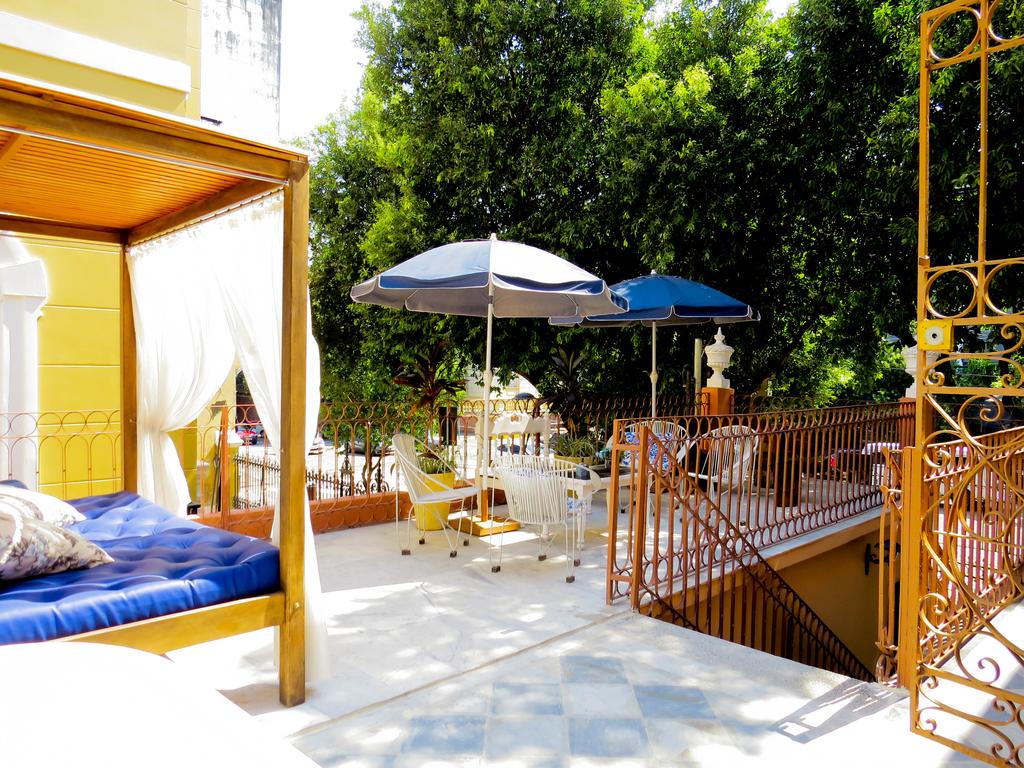
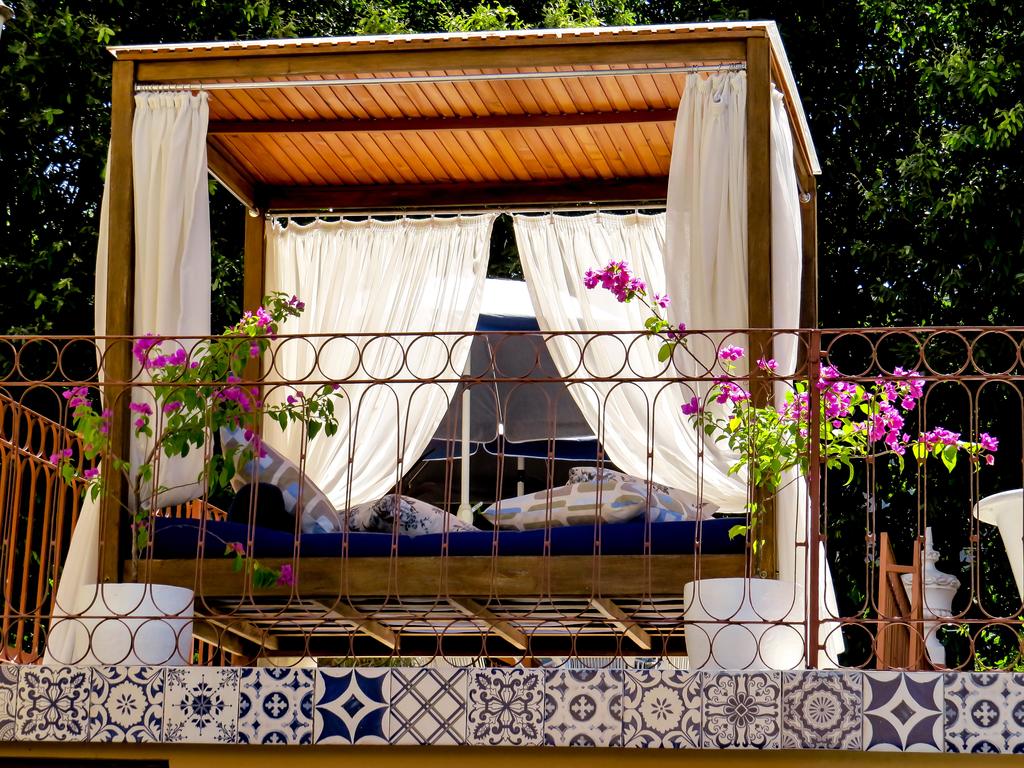
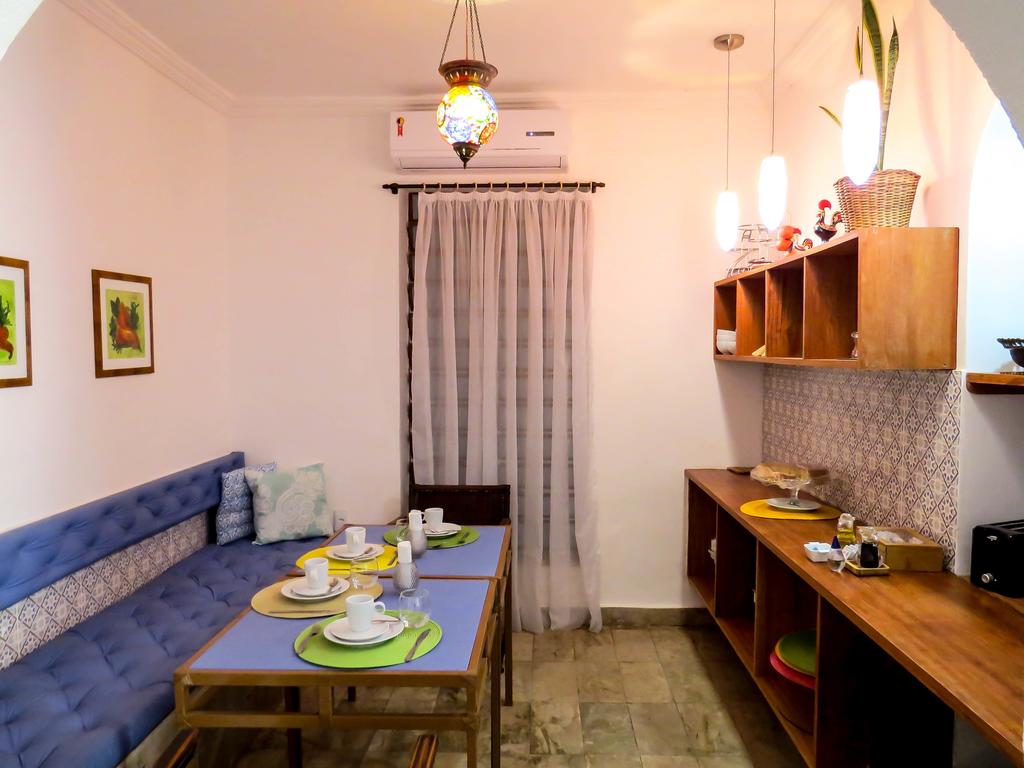
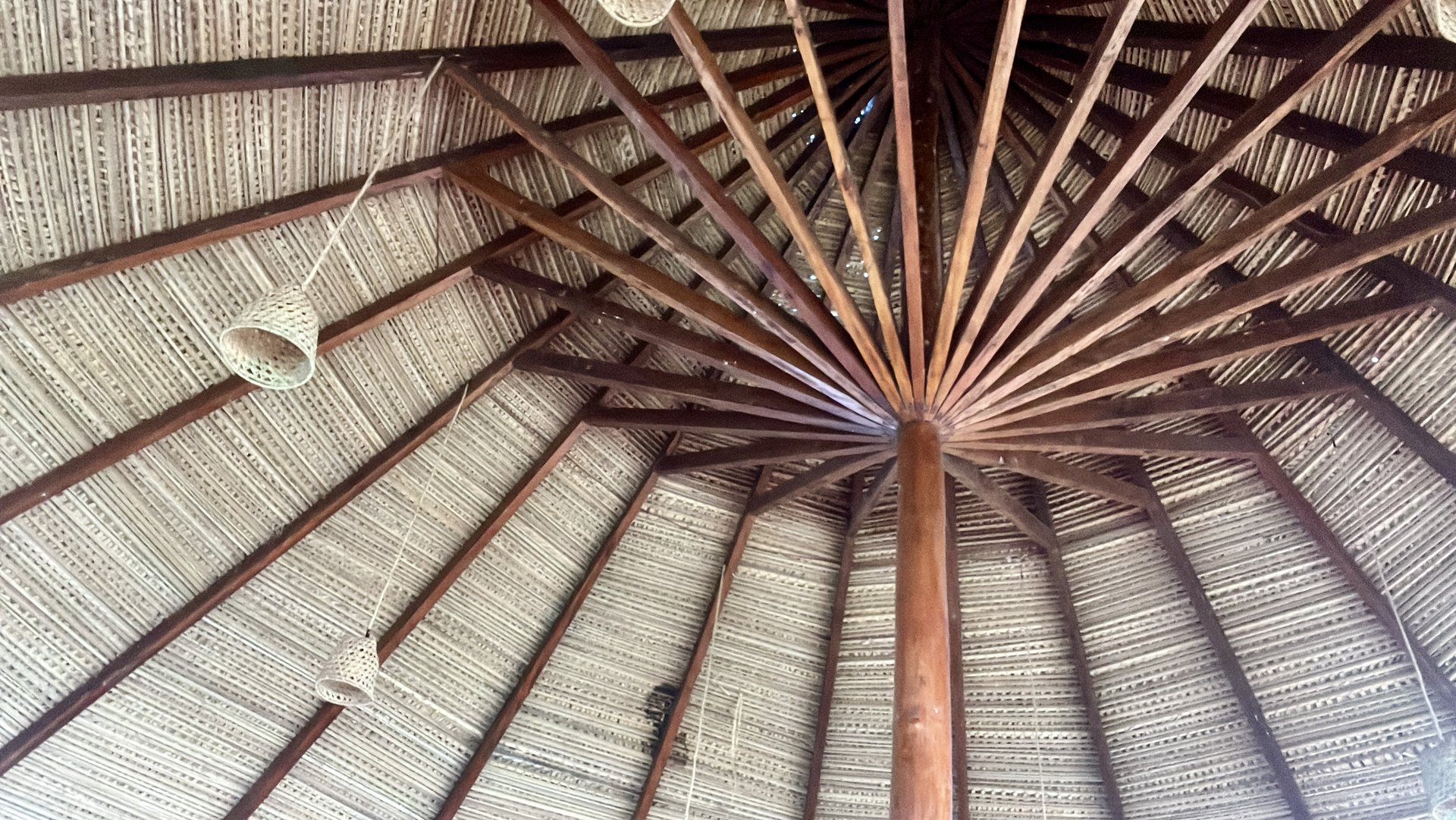
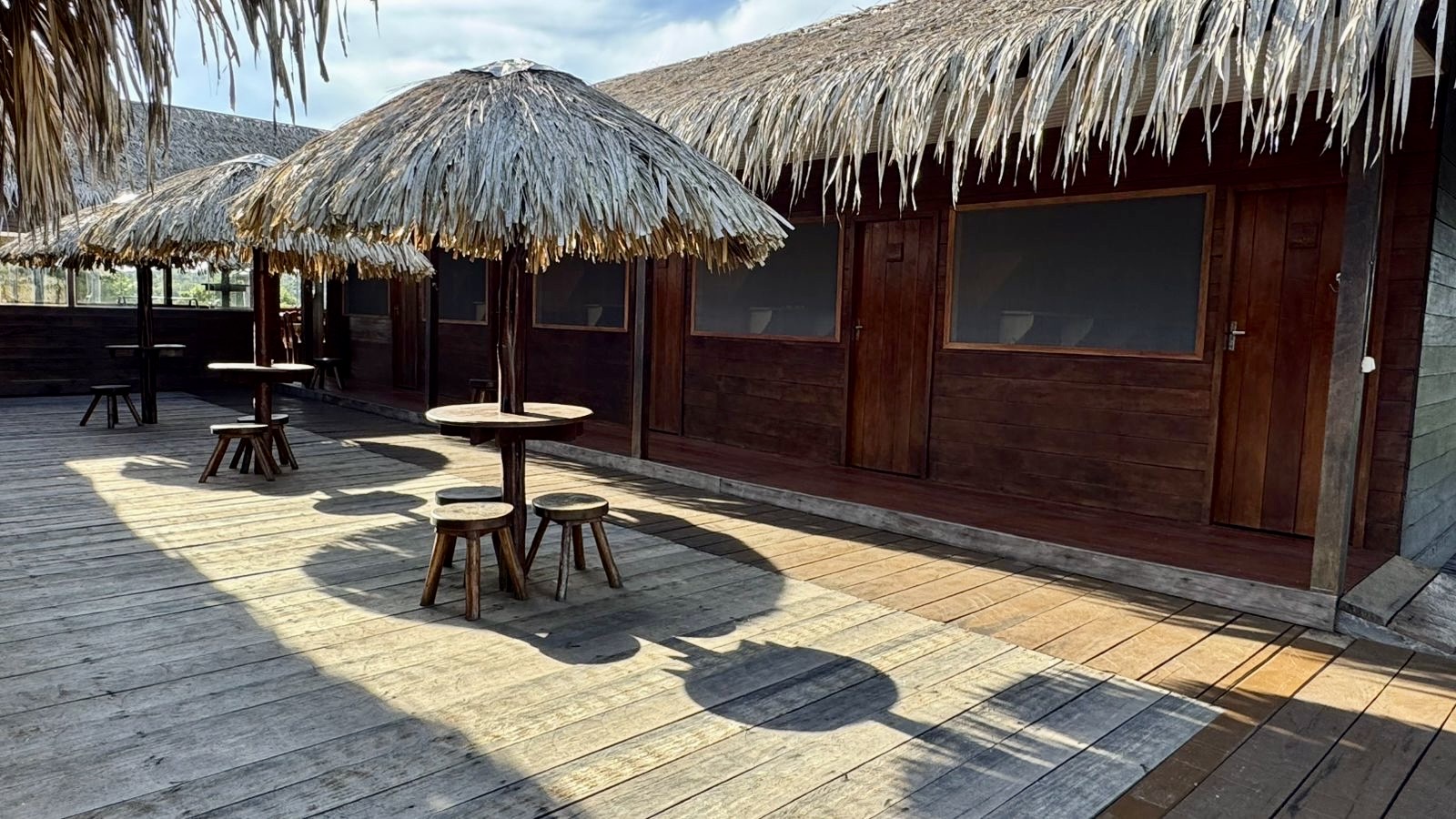
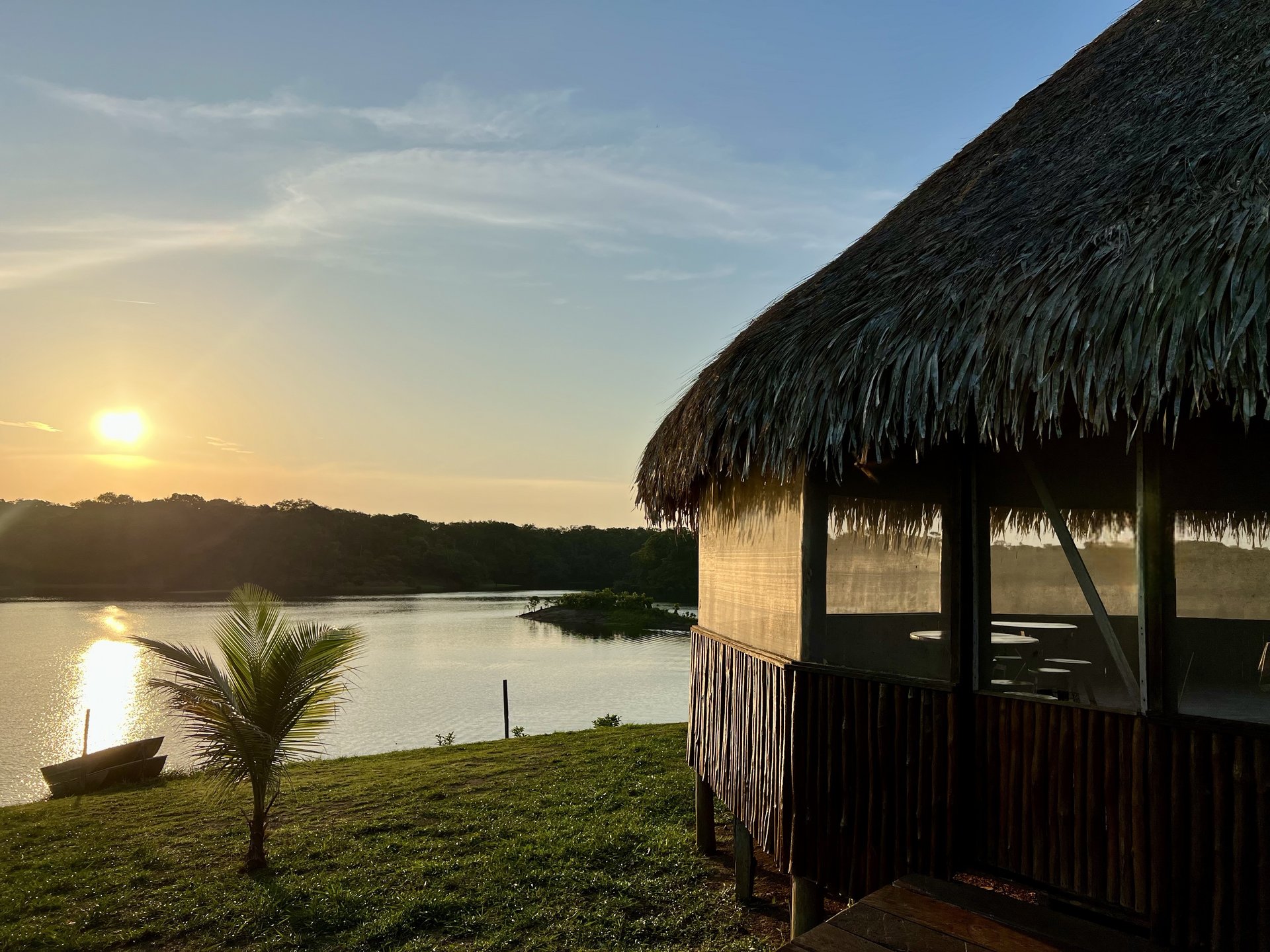
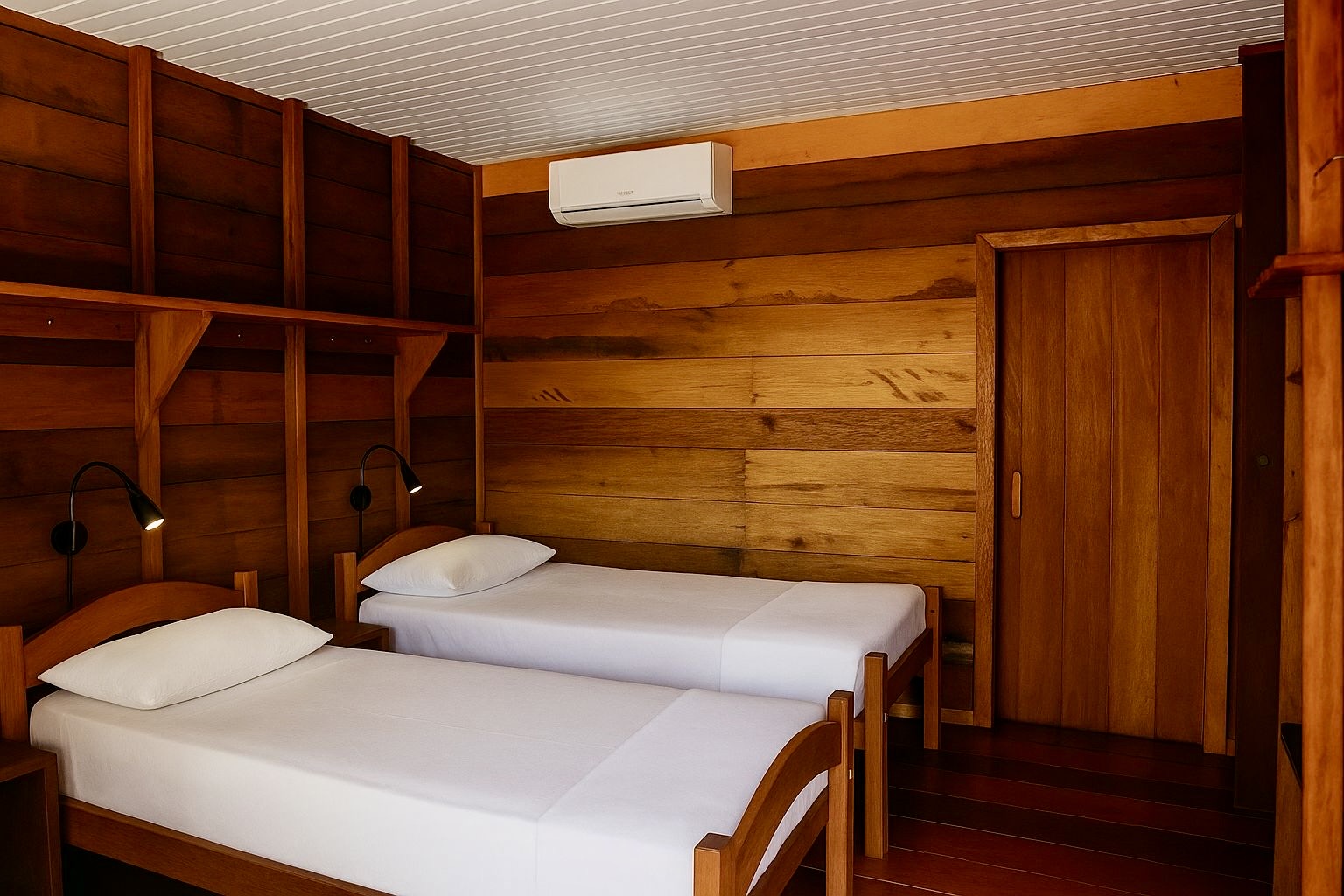
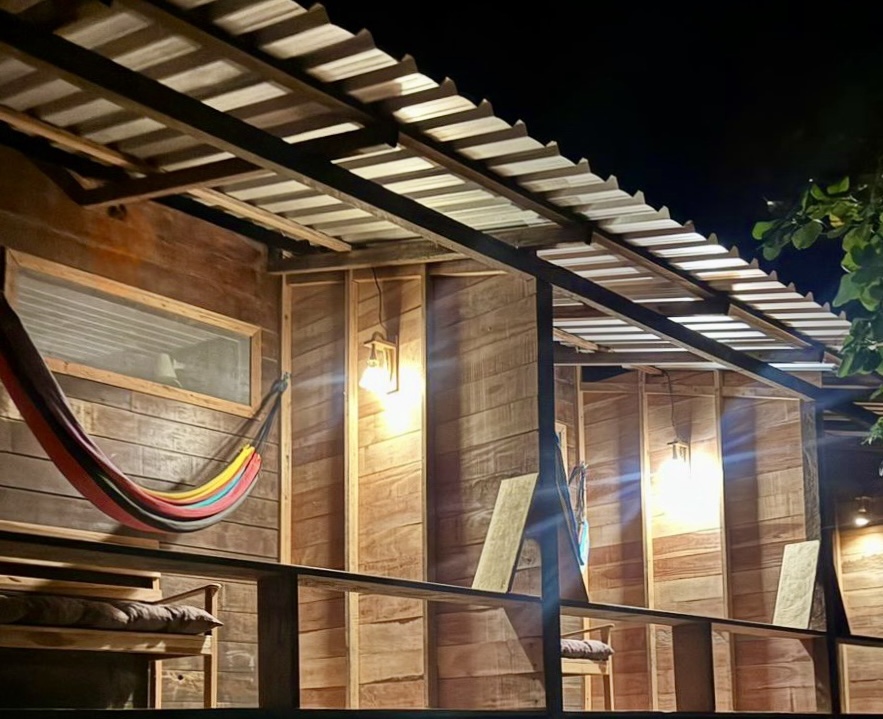
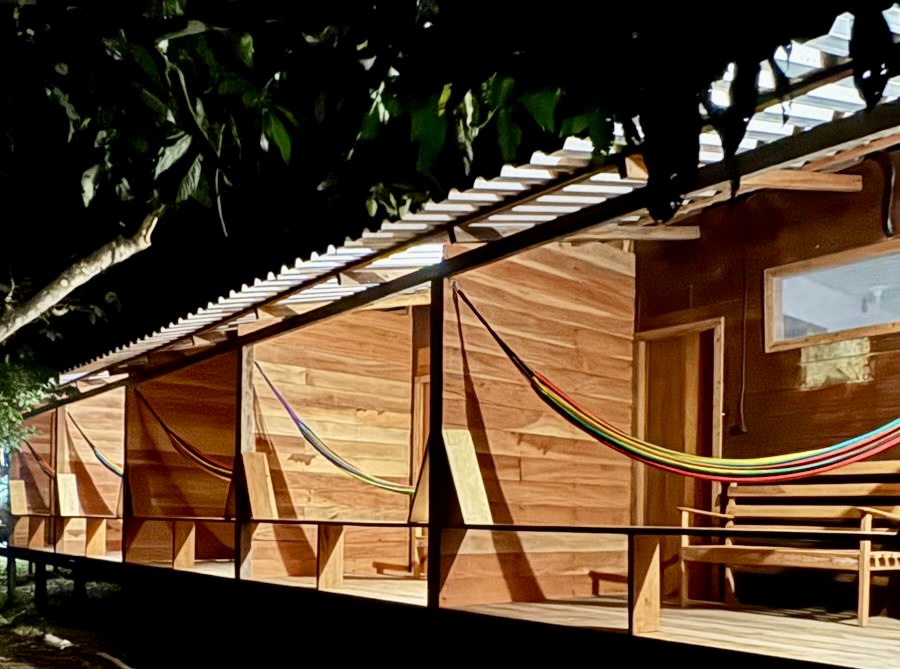
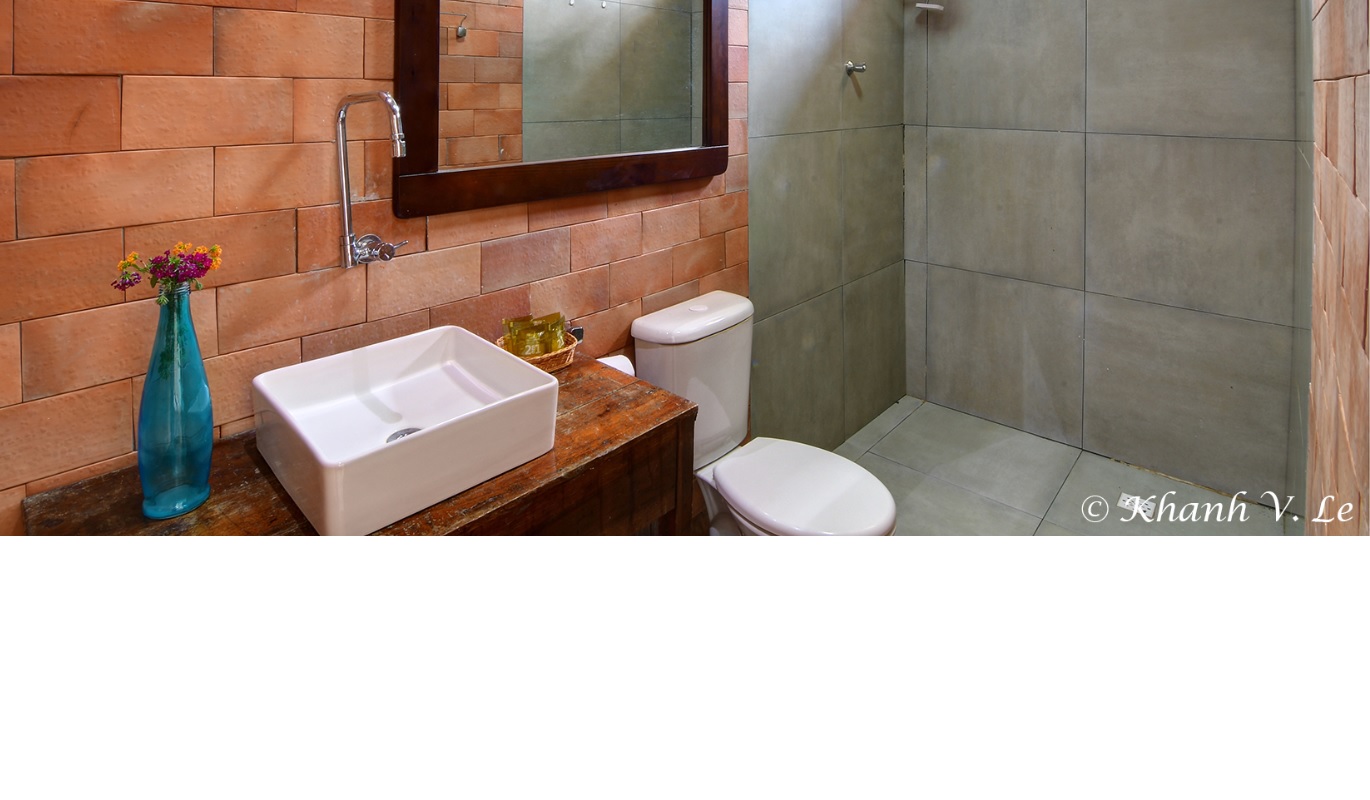
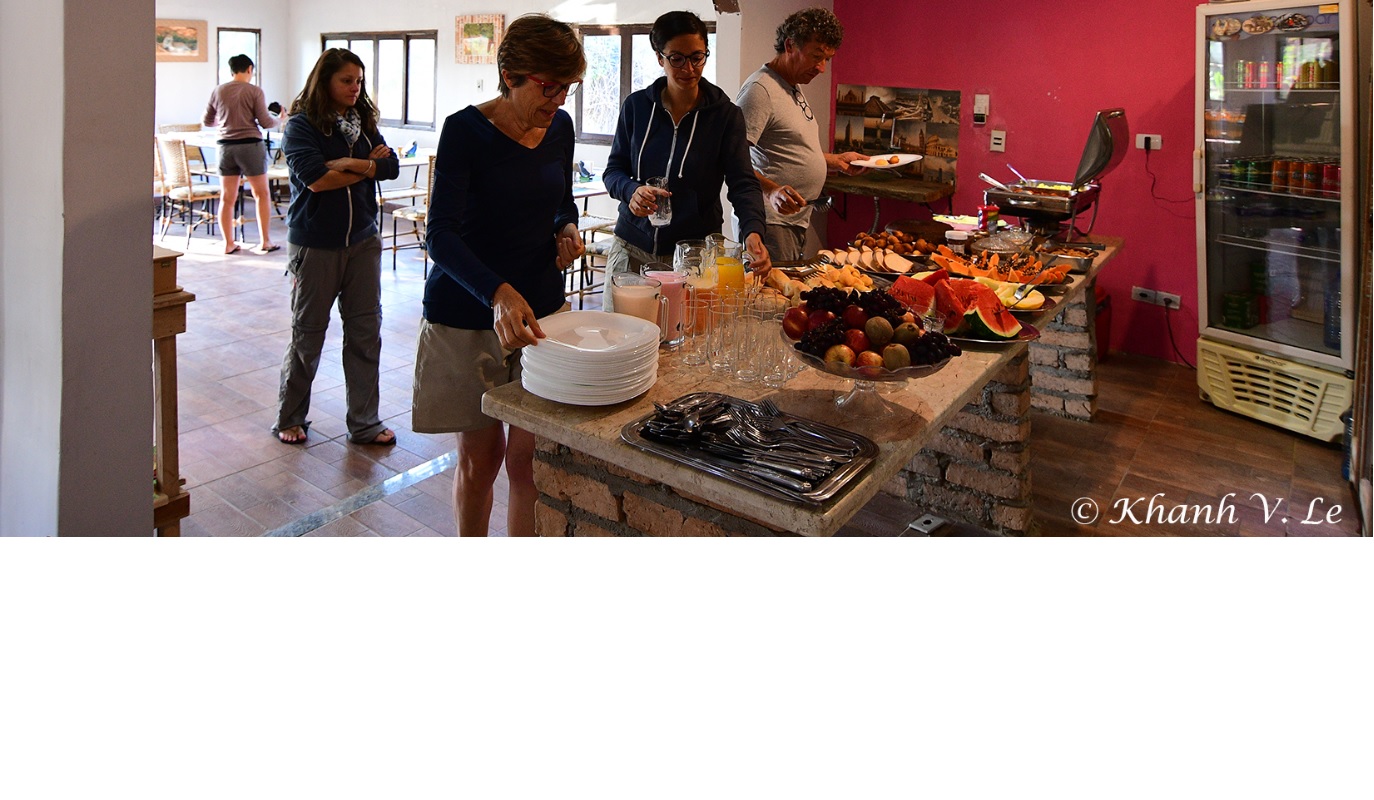
Two nights in Rio de Janeiro (Hotel Atlantis Copacabana, breakfast), three nights in Foz do Iguaçu (Nadai Confort Hotel & Spa, breakfast), one night near Cuiabá airport (Amazon Aeroporto Hotel, breakfast), four nights in the Northern Pantanal (UeSo Lodge, full board), two separate nights in Manaus (Casa Perpétua, breakfast), three nights in the Amazon (Amazon Riverside Lodge, full board) and four nights in Barreirinhas (Porto Preguiças Resort, breakfast), in two double rooms and a triple room. - Transport:
All private transfers between airports and hotels in Rio de Janeiro, Foz do Iguaçu, Cuiabá and Manaus, the transfers to and from the UeSo Lodge and the Amazon Riverside Lodge (part of the packages) and the private transfers São Luís – Barreirinhas and Barreirinhas – São Luís. - Excursions:
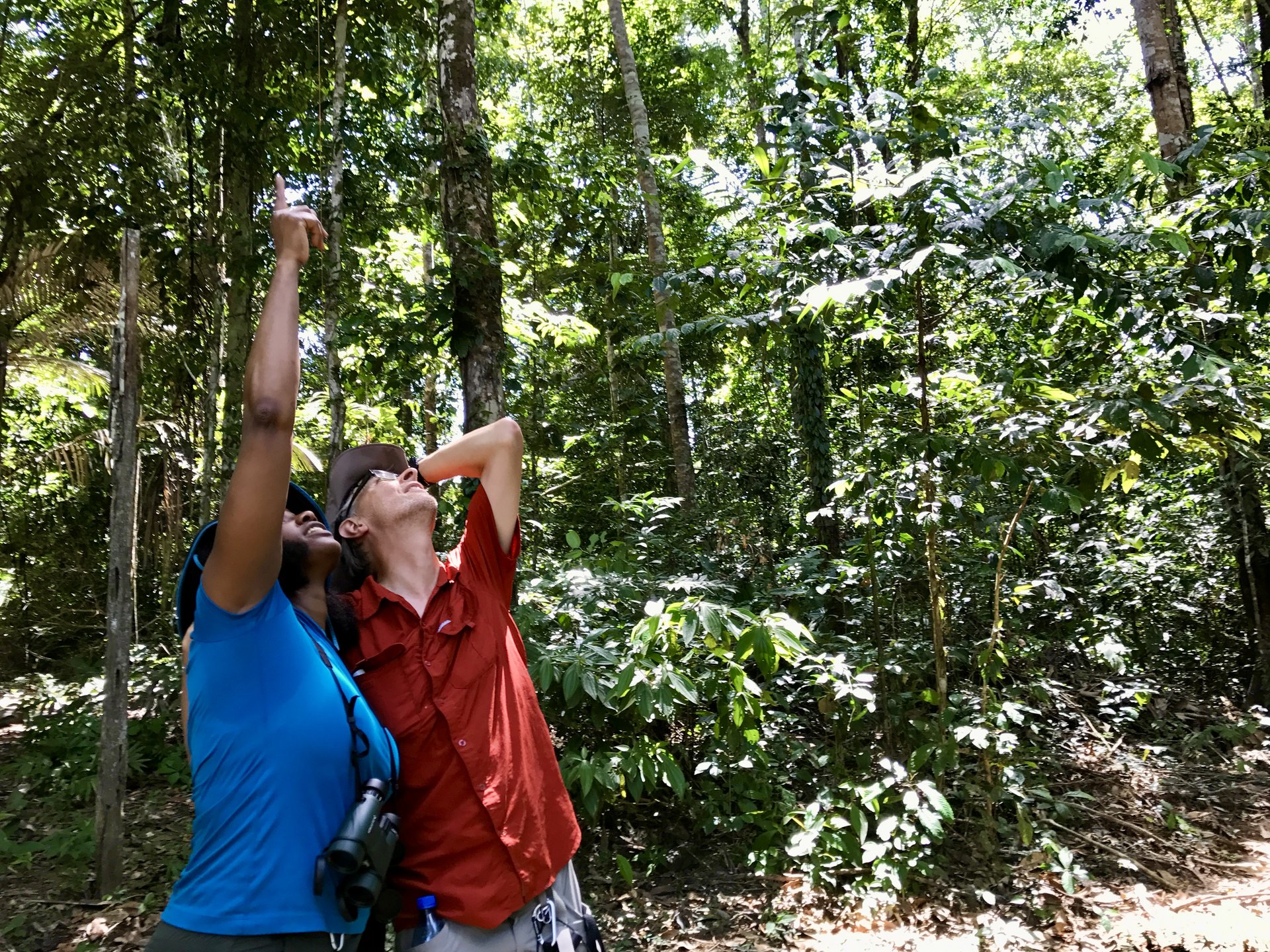
Excursions mentioned in the excursions tab or the day-by-day description: a six-hour private tour with driver and guide in Rio de Janeiro, the Brazilian and the Argentine side of the Iguaçu Falls (private, with transfers), the excursion programme of the UeSo Lodge including a day excursion spotting jaguars, the programme of the Amazon Riverside Lodge and in the Lençóis Maranhenses the day trip to Santo Amaro, the 4x4 day excursion to Atins and the excursion to Lagoa Azul and Lagoa Bonita (shared, with transfers). - Travel assistance;
During the trip we offer local representation on the spot at each destination in Brazil, whom you can turn to for tips, travel support and optional excursions. This way you enjoy the freedom of travelling independently, but always with support on the spot. - The general terms and conditions of BRS apply to this trip. https://www.braziltravelspecialist.com/terms-and-conditions
- Sustainable travel: Our mission is not only to let you experience the breathtaking beauty of Brazil, but also to actively contribute to its preservation. By choosing a trip with Brazil Travel Specialist, you contribute directly to the reforestation efforts of the Black Jaguar Foundation. For every booking, part of the proceeds goes to planting trees along the Araguaia River, a crucial biodiversity corridor that connects the Amazon River and the Cerrado savannah.
Every traveller who books with us receives a certificate from the Black Jaguar Foundation as proof of the contribution to this transformative project. This certificate not only gives satisfaction about supporting nature, but also serves as a lasting reminder of your unique travel experience in Brazil. Find more information about the project here. - Guarantees;
Brazil Travel Specialist is a member of VZR Garant, VvKR, DRV and the Calamiteitenfonds. This assures you that BRS meets the strictest standards that can be set for a Dutch travel organisation. VZR Garant protects prepaid travel money of travellers who book a package holiday with a VZR Garant participant. All travel and accommodation agreements are financially covered by VZR-Garant in accordance with the guarantee scheme https://vzr-garant.nl/reizigers - BRS Travel Companion - support on the road
a digital travel assistant for travel tips, practical questions and support with travel problems. - Travel advice Brazil:
Make sure you take out travel insurance that provides cover in case of code orange, corona, repatriation and extended stay.
The most recent travel advice for travel to Brazil can be found on the website of the Ministry of Foreign Affairs. https://www.nederlandwereldwijd.nl/landen/brazilie/reizen/reisadvies
Not included:
- Meals and drinks that are not mentioned, tips and personal expenses.
- Any local tourist tax that is levied on the spot.
- Travel and cancellation insurance.
Day-by-day itinerary
Travel details
02.07.2027 Rio de Janeiro - Arrival
After arriving in Rio de Janeiro, you will be welcomed at the airport and taken by private transfer to your hotel in Rio de Janeiro. The rest of the day is yours to spend as you wish, for example to start discovering vibrant Rio. During the day you can enjoy a lovely stroll along the Copacabana promenade, which stretches for kilometres and is full of charming kiosks where you can drink a delicious Brazilian Caipirinha (Brazilian cocktail).
- See the hotels tab for the accommodation selection during your stay in Rio de Janeiro
03.07.2027 Rio de Janeiro - Tour (6 hours), Driver with private guide
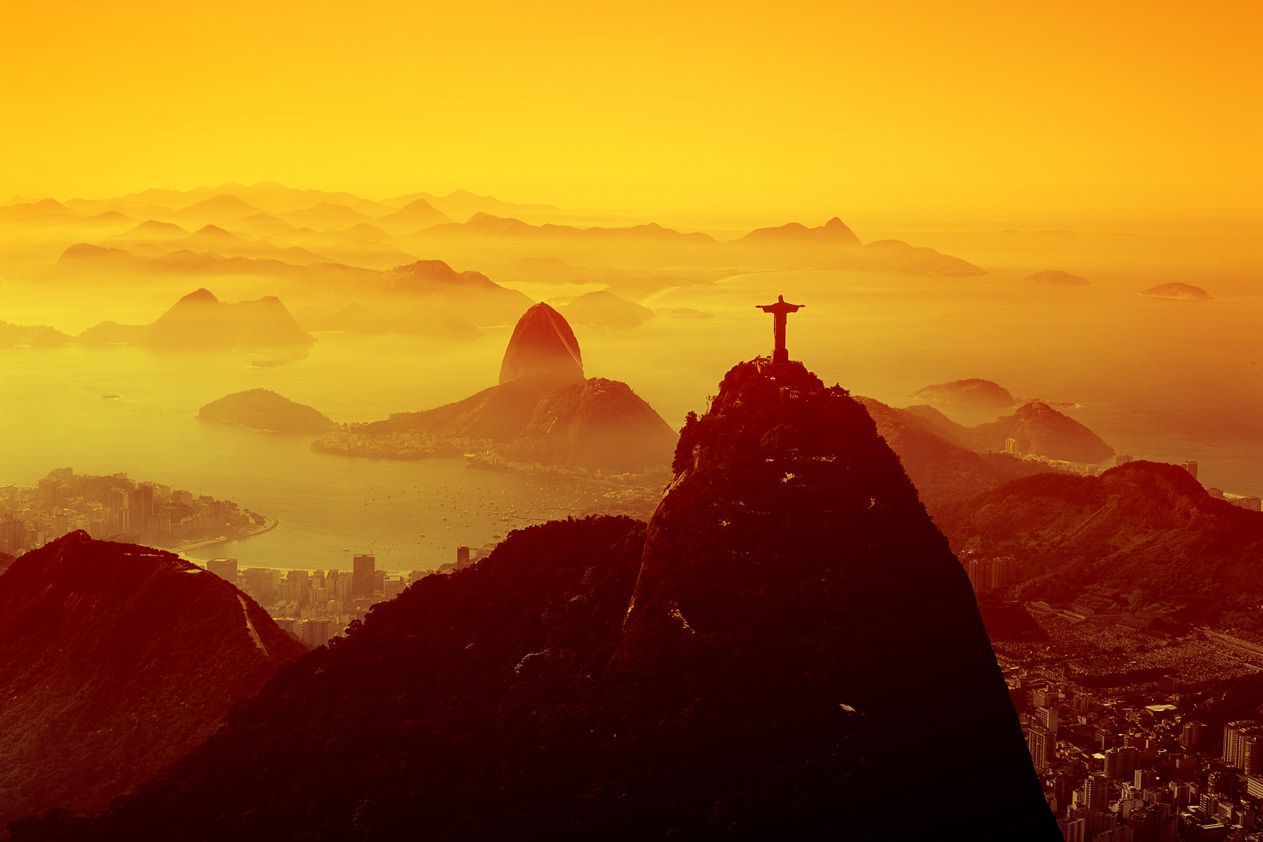
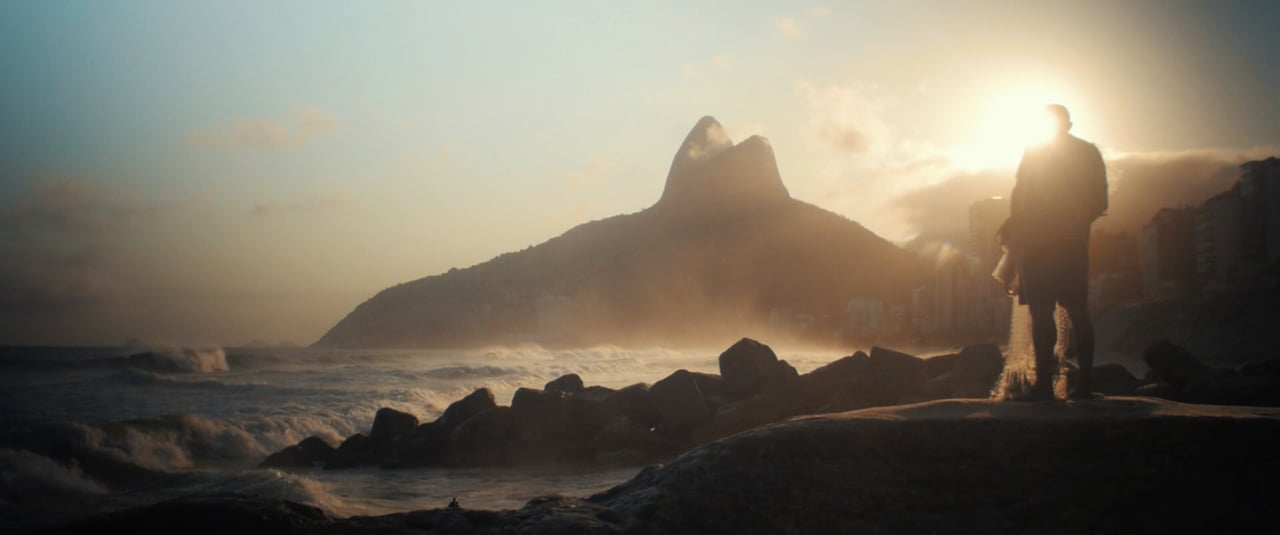
Today a driver with a private guide is at your disposal for 6 hours. Decide together with the guide which highlights of Rio you would like to visit today. Discover the iconic statue of Christ the Redeemer, admire the colourful Selarón Steps, or stroll through the historic district of Santa Teresa. Take the cable car to the top of Sugarloaf Mountain for a breathtaking view over the city, visit the famous Copacabana beach, or explore the Tijuca rainforest. The choice is yours to experience the culture, nature and liveliness of Rio. Let us know your wishes and the guide will tailor the programme to them. Entrance fees for the sights are not included and are paid on the spot.
04.07.2027 Rio de Janeiro - Foz do Iguaçu
Today the package in Rio de Janeiro comes to an end. You will be picked up from your hotel and taken to the airport by private transfer, followed by the domestic flight to Foz do Iguaçu. After arrival you will be welcomed at the airport and taken to your hotel by private transfer. The rest of the day is yours to spend as you wish.
- See the hotels tab for the accommodation selection during your stay in Foz do Iguaçu
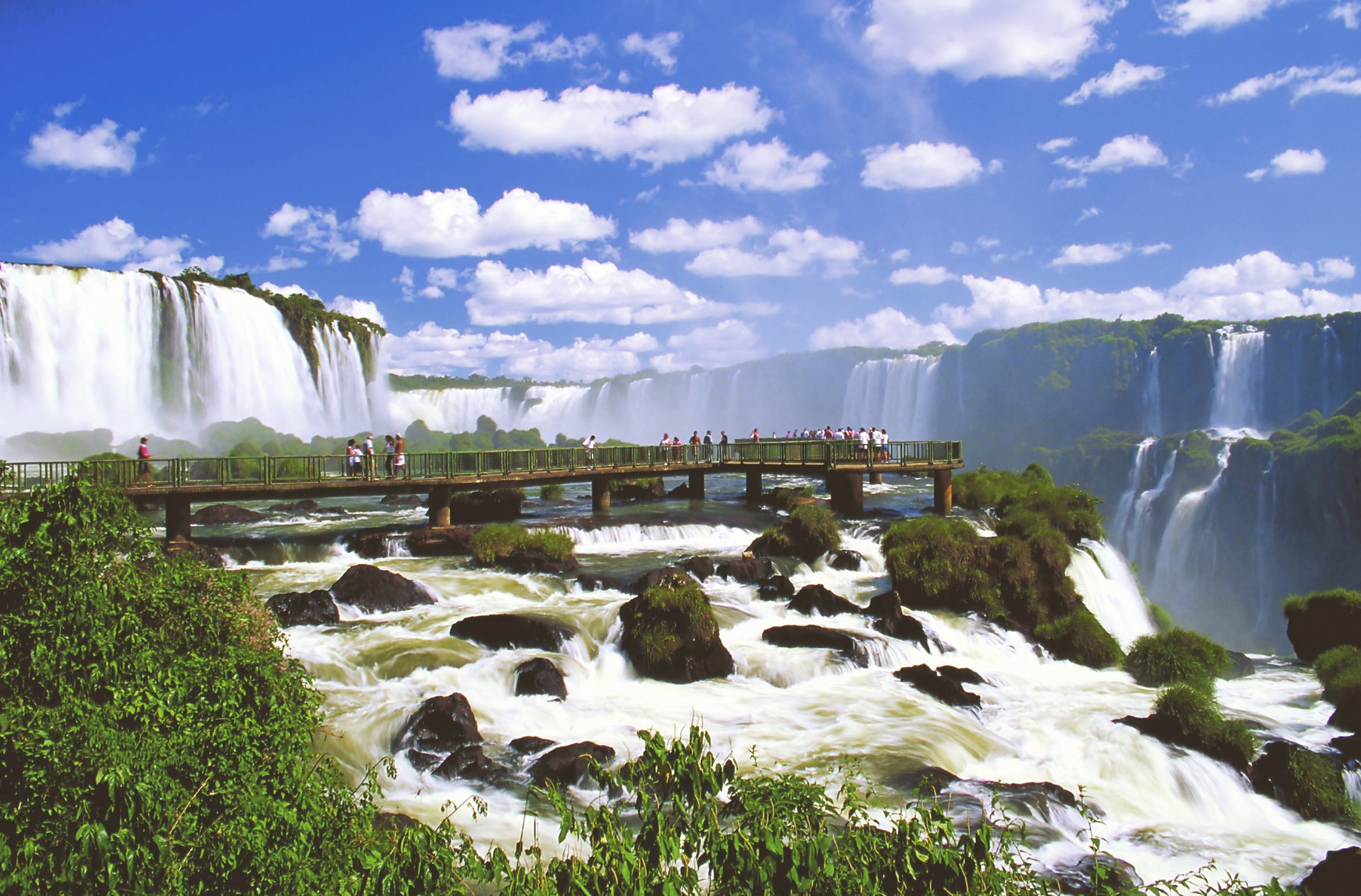
05.07.2027 Foz do Iguaçu - Excursion to the Brazilian side of the falls (private) (IGUEX1)
Today a 3-hour private excursion to the Brazilian side of the falls is on the programme. You will be picked up from and dropped off at your hotel for this.
06.07.2027 Foz do Iguaçu - Excursion to the Argentinian side of the falls (private) (IGUEX3)
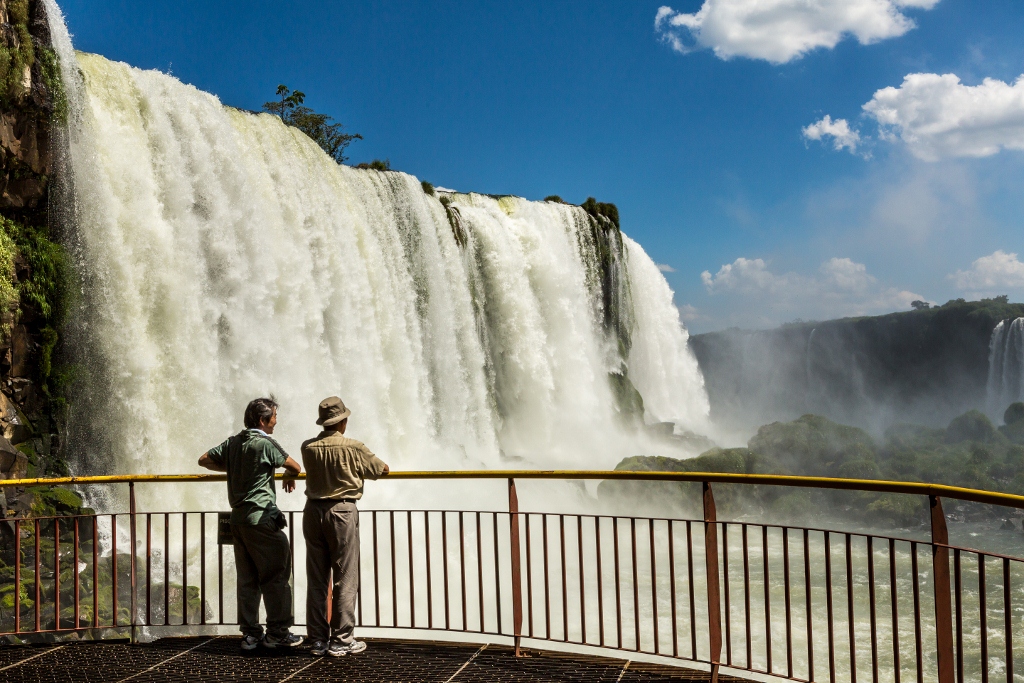
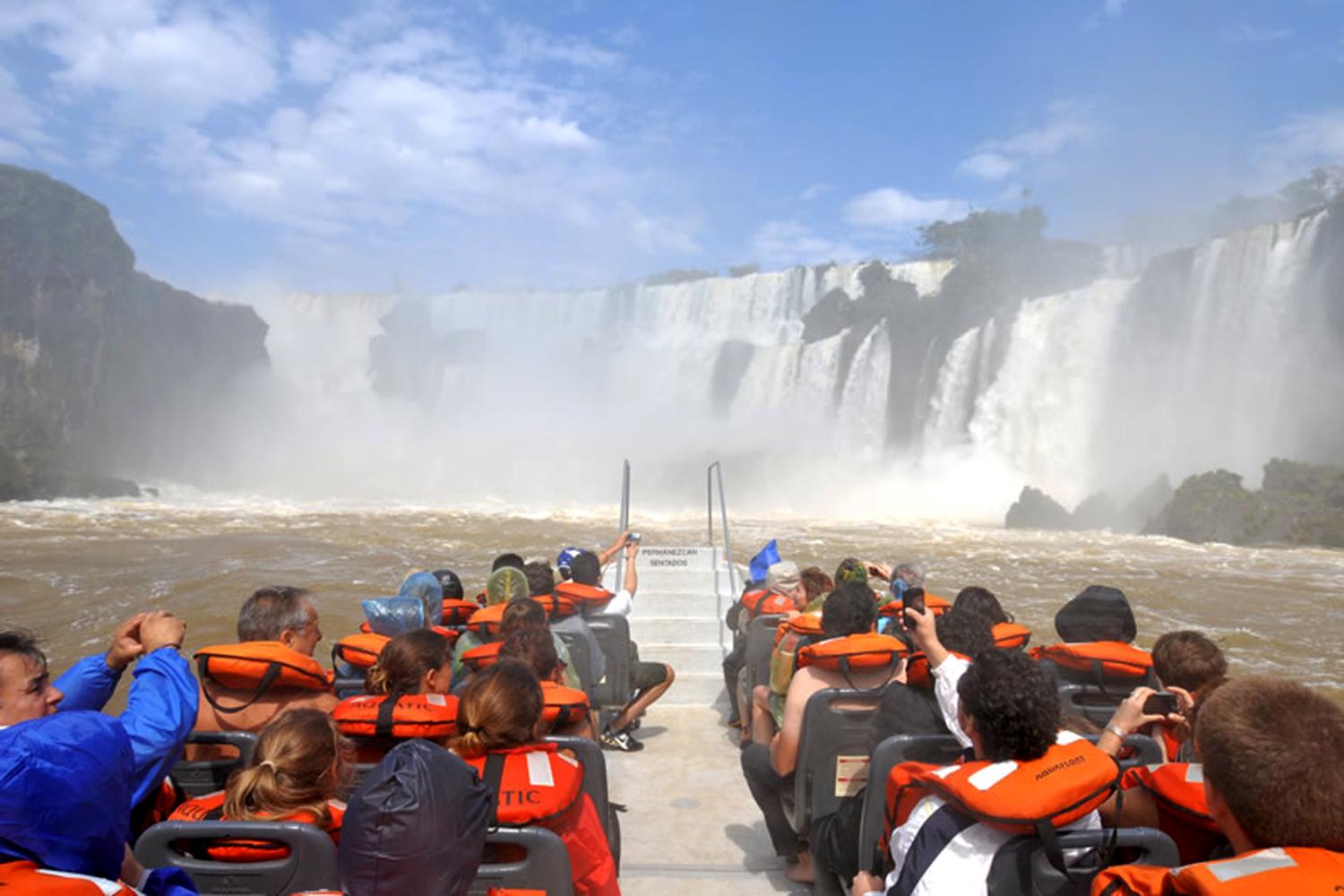
Today a half-day private excursion to the Argentinian side of the falls is on the programme. You will be picked up from and dropped off at your hotel for this. During the visit to the Argentinian side of the falls, it is possible to add a fantastic jungle and waterfall boat excursion to your booking, the Gran Aventura Boat tour.
07.07.2027 Foz do Iguaçu - Cuiabá
Today the Foz do Iguaçu package ends. You are collected at the hotel and taken to the airport by private transfer, followed by the domestic flight to Cuiabá (change of planes on the way). After arrival you are welcomed at Cuiabá airport and taken to the hotel by private transfer.
- See the hotels tab for the accommodation choice during your stay in Cuiabá
08.07.2027 Cuiabá - Pousada UESO (Start of package)
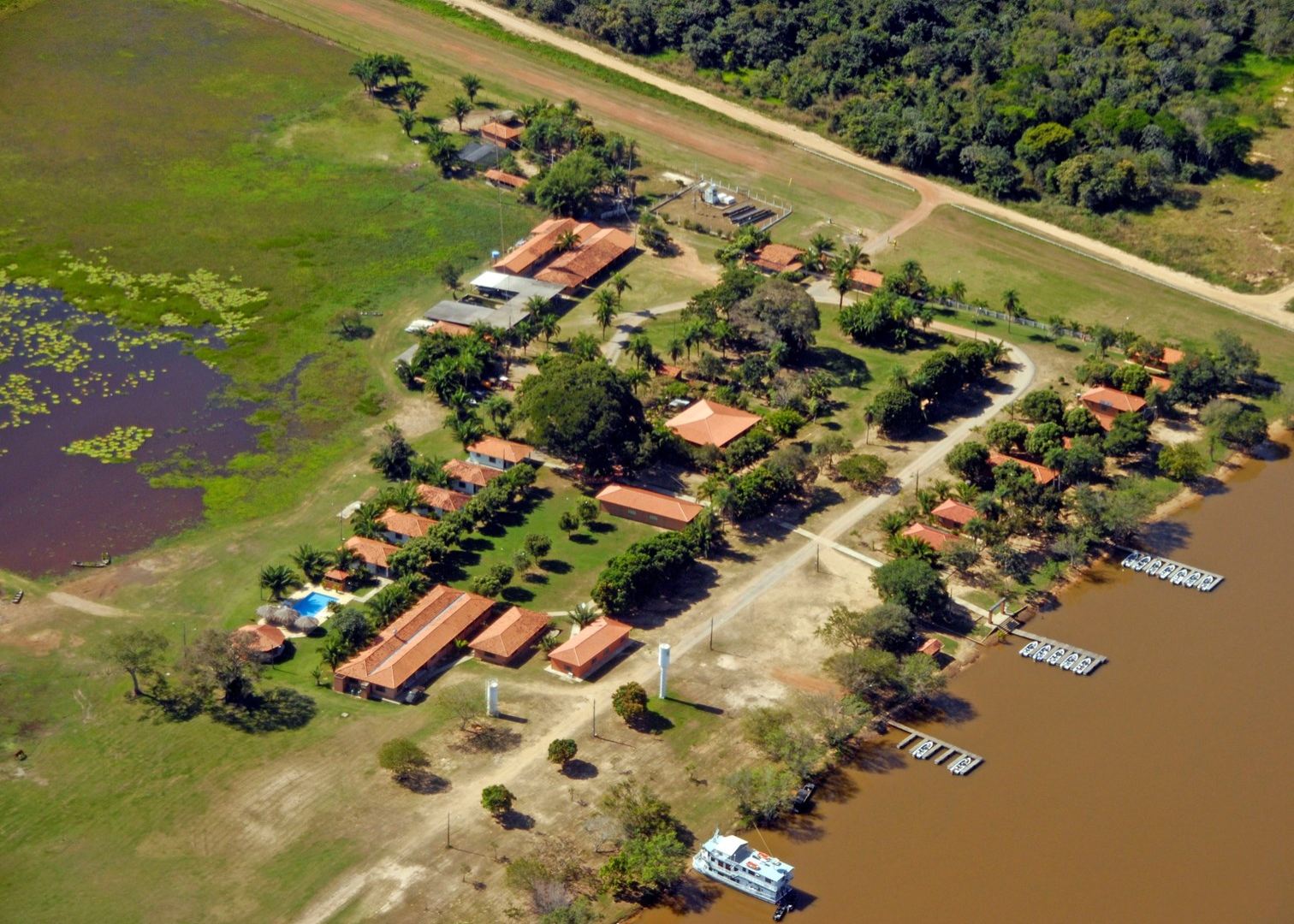
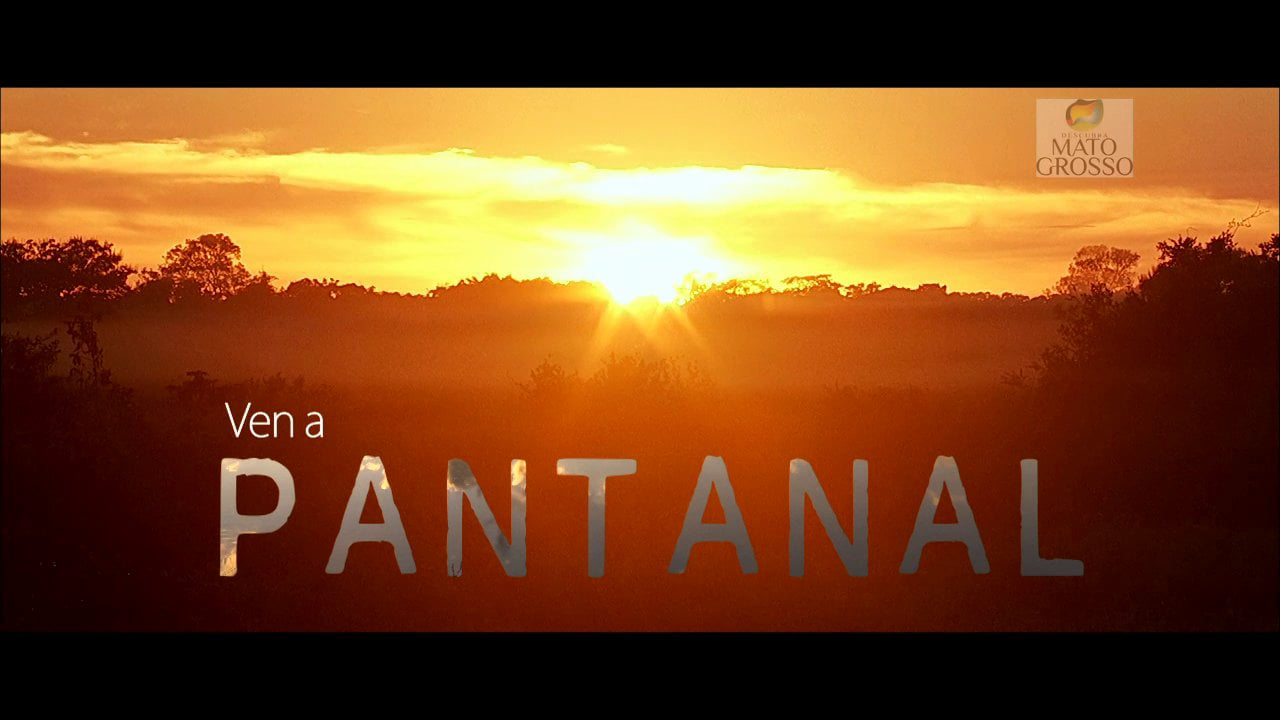
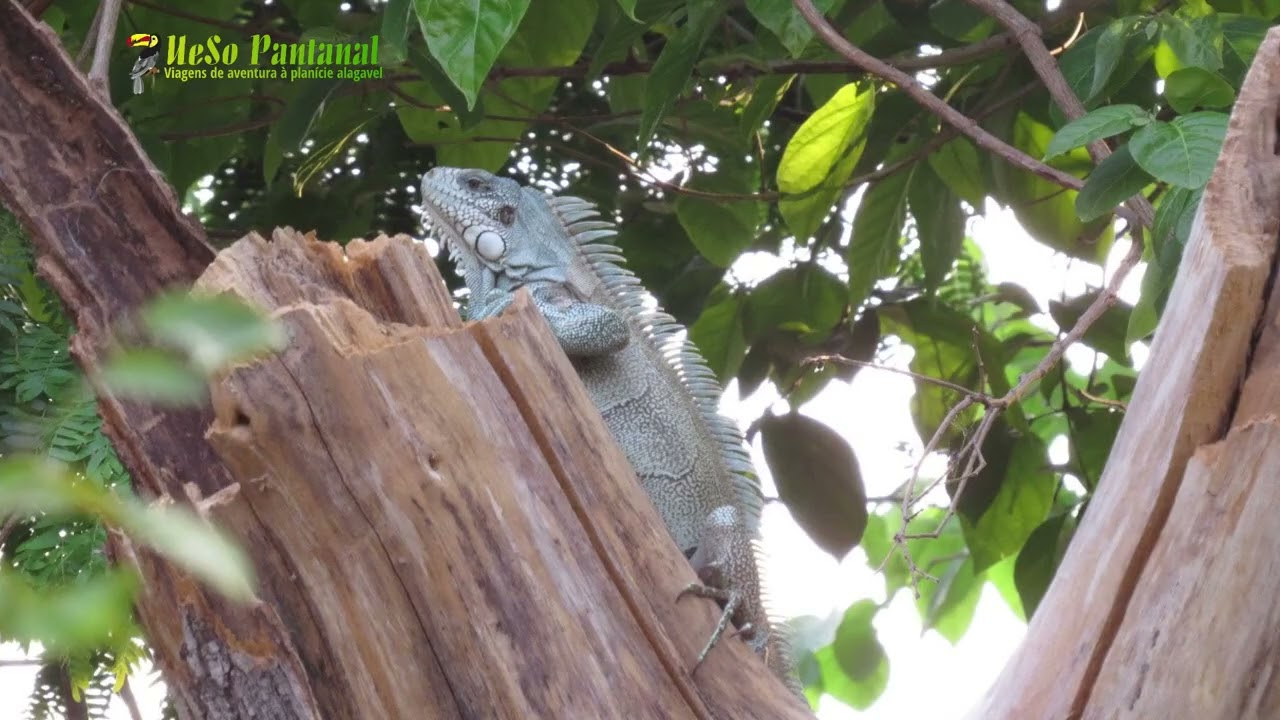
From the airport or the hotel there is a transfer to Poconé, 100km further on. Then we continue along the famous natural road Transpantaneira to Pousada UeSo - Estância Vitória - km 38. On this part of the Transpantaneira you can already see various wild animals such as caimans, capivaras, jabiru storks etc. On arrival at the Pousada lunch is served as a buffet (depending on the arrival time at the airport). After that there is a short break. In the late afternoon you take a walk to track down animals. Dinner is at the lodge. On request a night safari on foot can be organised after dinner to track down nocturnal animals. Do not forget to bring your torch.
- The stay at the lodge is on a full board basis and with daily excursions included
09.07.2027 Pantanal - UESO Lodge (day 2 of the 5-day package)
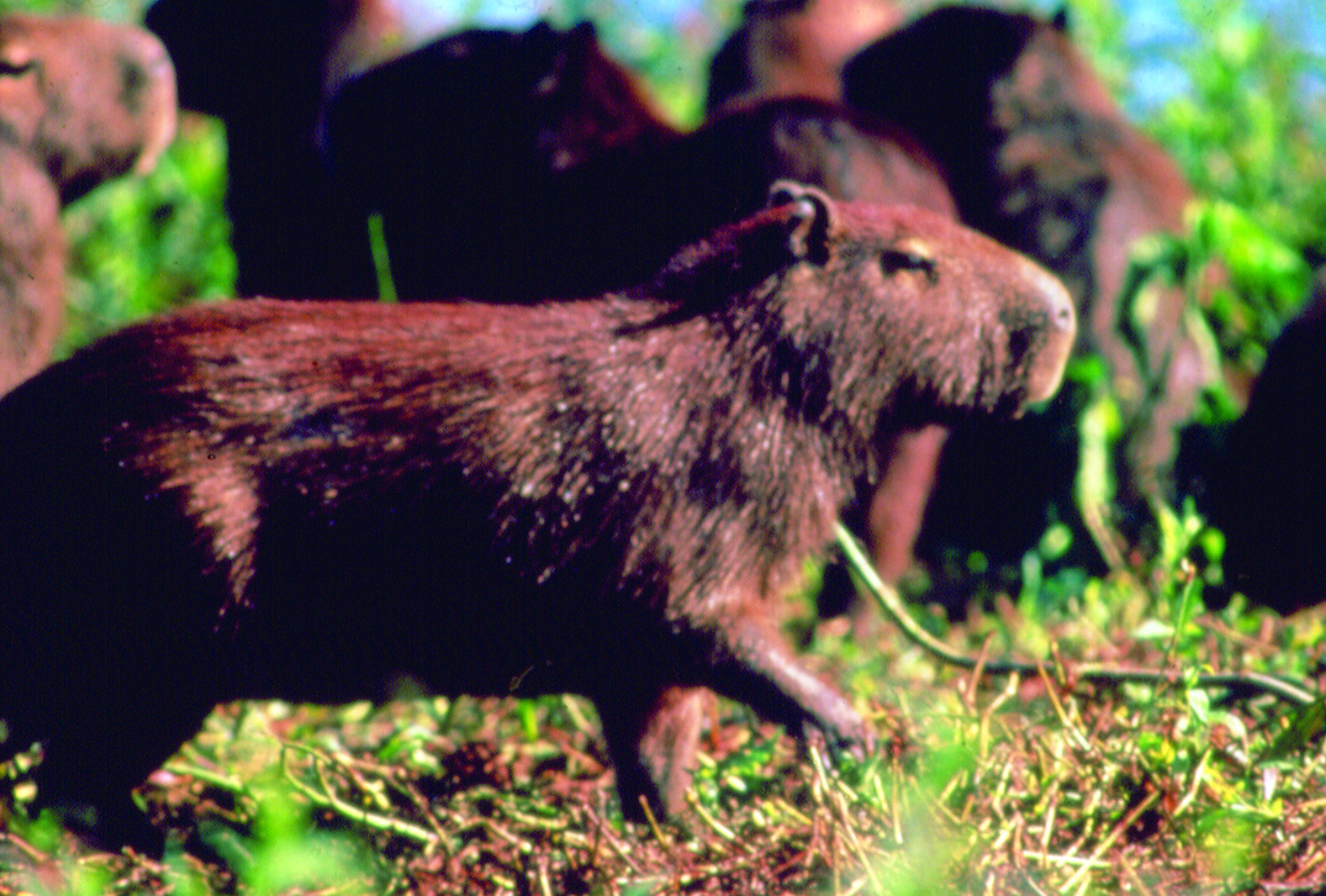
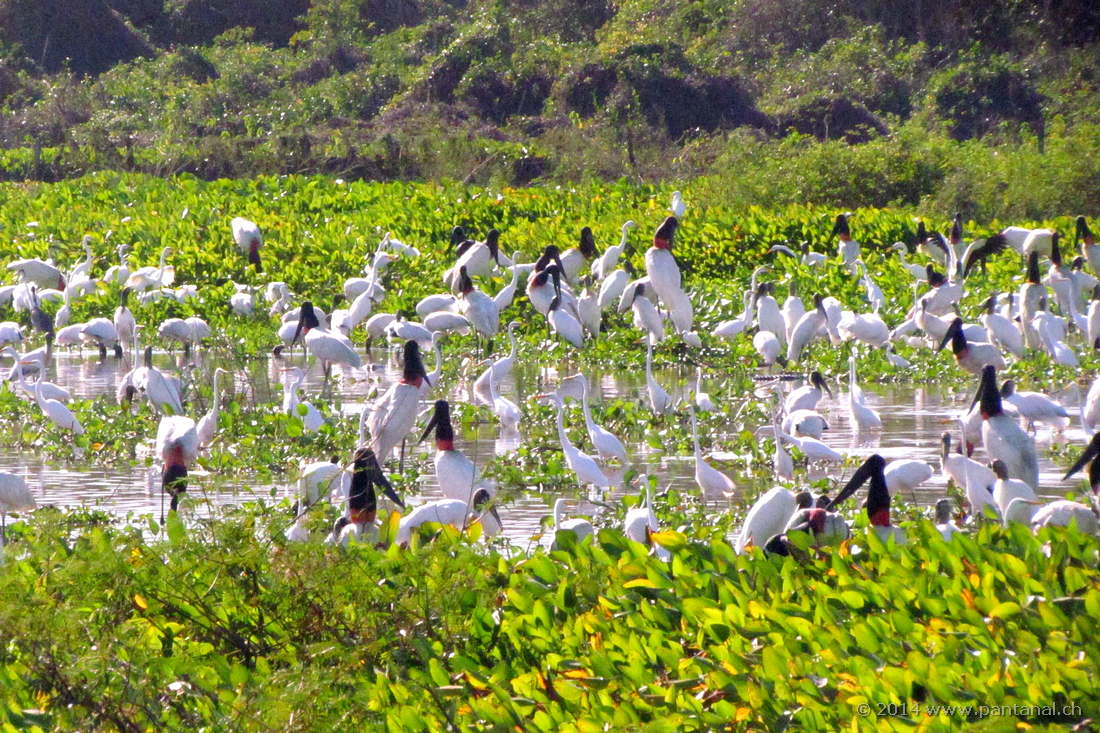
In the morning at 5 o'clock before breakfast we begin our walk at sunrise. Enjoy the awakening of the Pantanal, a natural spectacle you must not miss. After breakfast you go on a horse ride (also suitable for people without riding experience). Lunch is then back at the pousada. In the late afternoon we drive along the Transpantaneira to see some mammals and birds such as capybaras, Tuiuiús (Jabirus), Jacarés (caimans). Perhaps the guide will even discover an anteater or tapir in the wild. In the evening you return to the lodge for dinner.
10.07.2027 Pantanal - UESO Lodge (day 3 of the 5-day package)
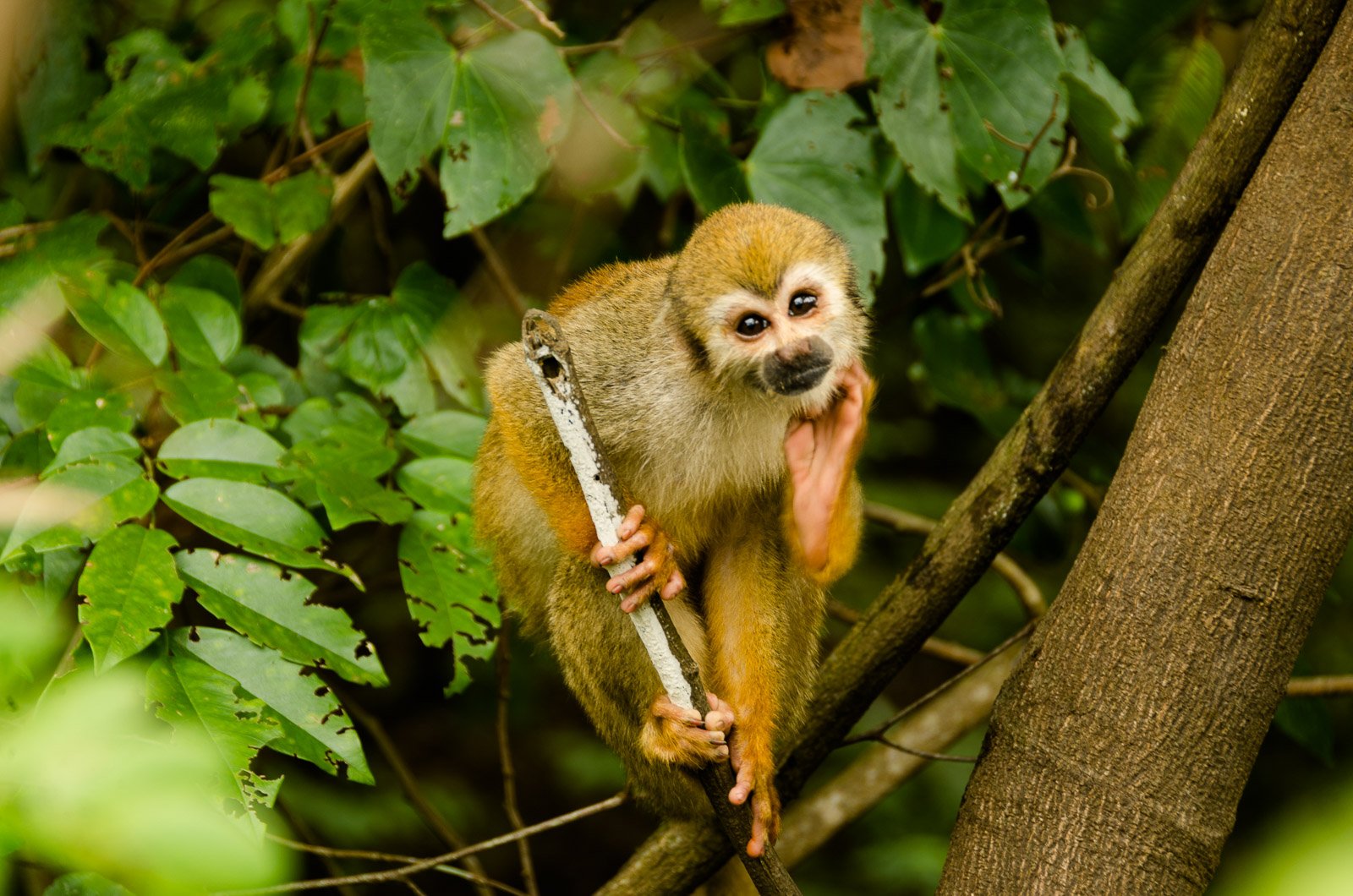
After breakfast we go on a river safari by boat. We deliberately travel without a motor. The noise of the motors scares off the shy birds, and the other animals do not like this noise either. After lunch you can relax by the pool, there is time at your disposal. Afterwards we go on foot in search of monkeys. Dinner is at the lodge. If desired, a night safari can be organised after dinner to track animals that are active at dusk.
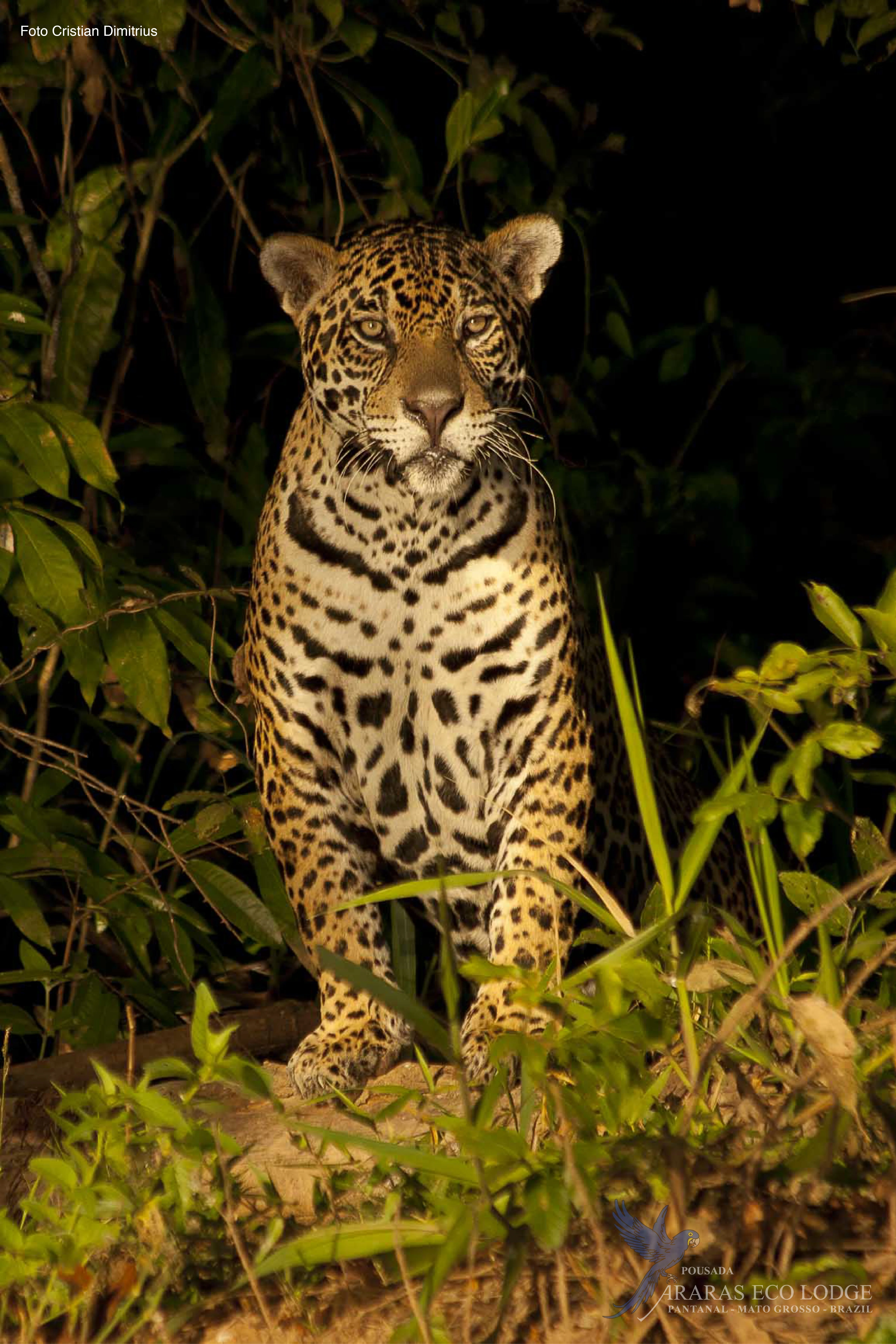
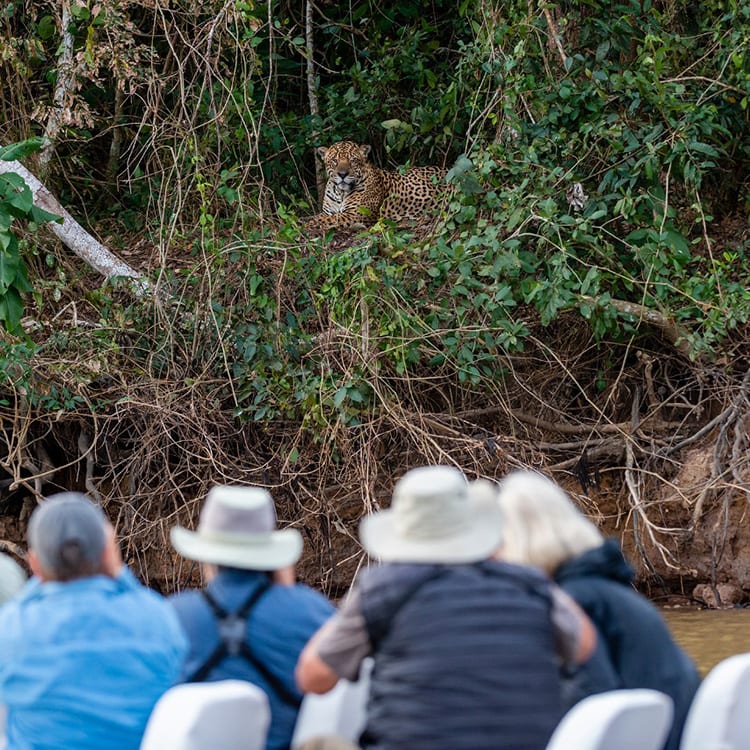
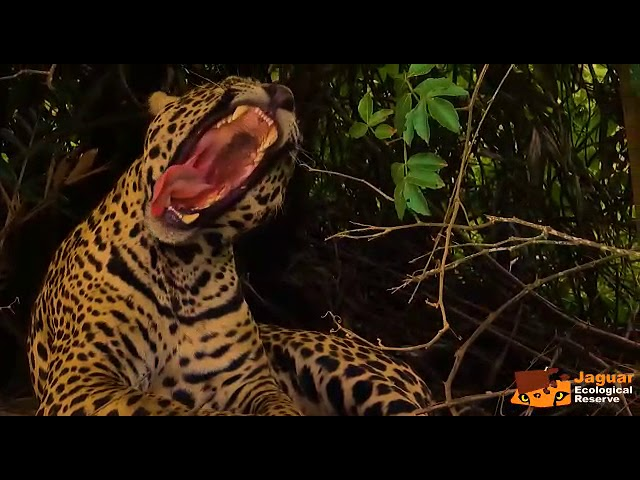
11.07.2027 UeSo - Jaguar safari (day excursion)
This day tour is entirely devoted to spotting jaguars:
You get up around 5:00. We serve you coffee or tea. We then travel to Porto Jofre, the end of the Transpantaneira, along an unpaved road of about 107 km. On the way to Porto Jofre you have the chance to encounter many mammals and birds. Breakfast at Camp Porto Jofre. After breakfast we begin a boat trip deep into the Cerrado. Amid unspoilt nature you will be able to track down jaguars in the area of Rio Cuiabá, Rio Tres Irmãos, Rio São Lourenço and Rio Piquiri. Lunch at Camp Porto Jofre. After that another boat trip is planned, lasting about 3 hours. Late in the afternoon we return to the UeSo lodge.
Dinner and overnight stay at the UeSo Lodge
12.07.2027 Northern Pantanal - Manaus
Today you will be collected from the lodge in the Pantanal and taken to Cuiaba airport. This is followed by a flight to Manaus (with a change on the way). After arrival you will be welcomed at Manaus airport and taken to the hotel by private transfer.
- See the hotels tab for the accommodation selection during your stay in Manaus
13.07.2027 Amazon Rainforest - Amazon Riverside lodge (Start of package)
Accompanied by an experienced nature guide, you leave the hotel in the morning for a drive of approx. 20 minutes to the river port of Ceasa. Here you board a speedboat and sail in about 30 minutes to the village of Careiro da Várzea.
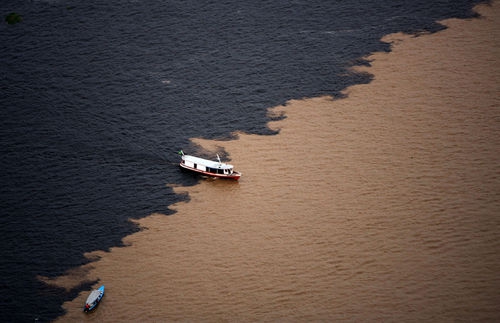
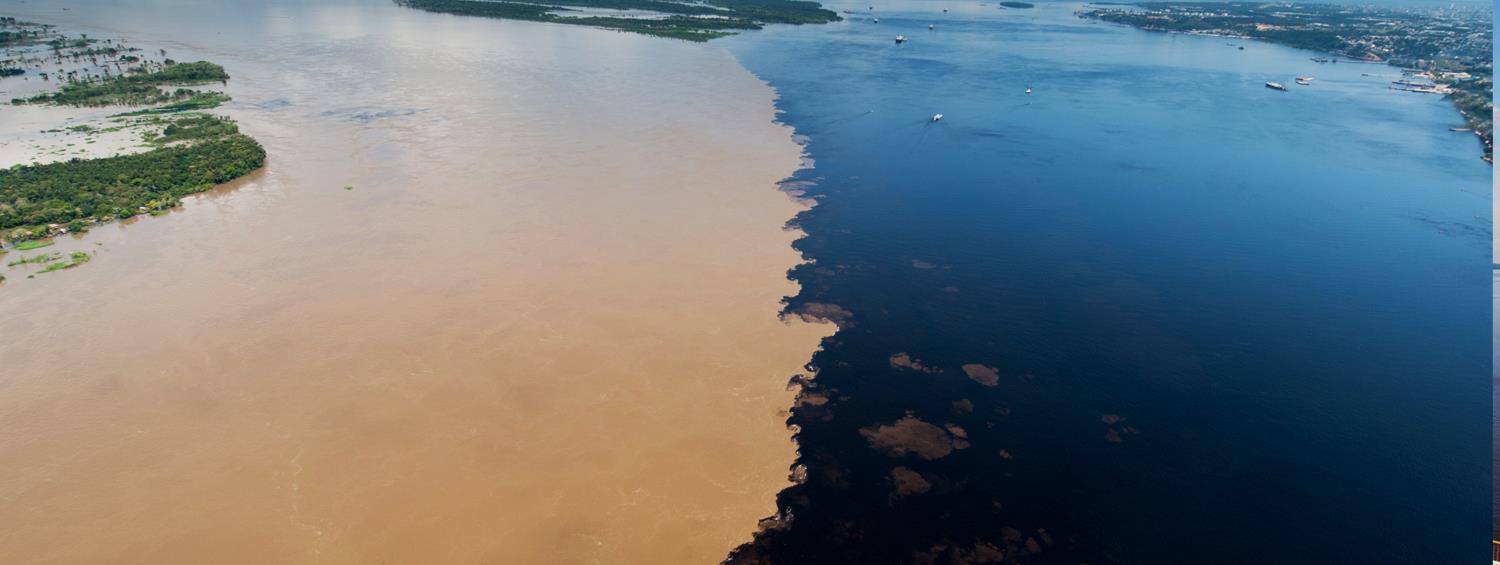
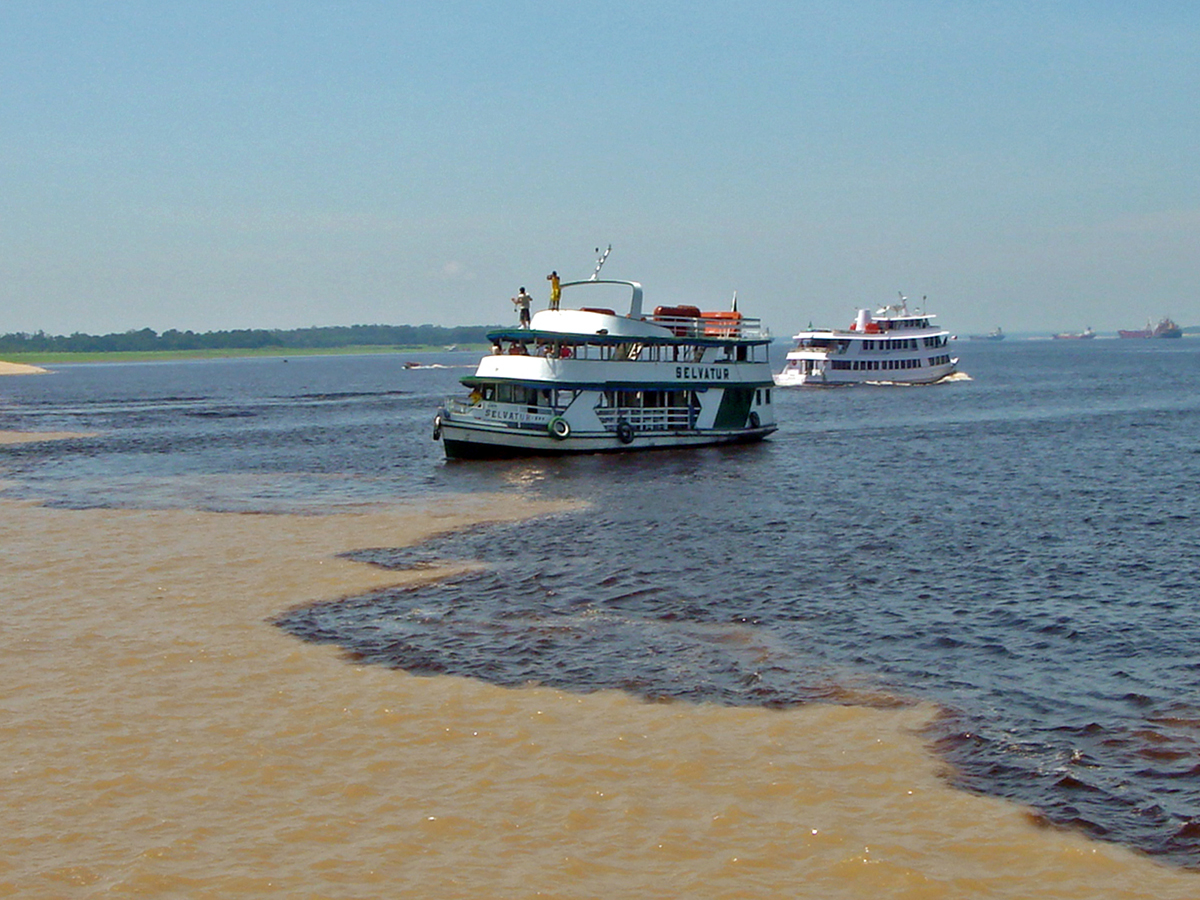
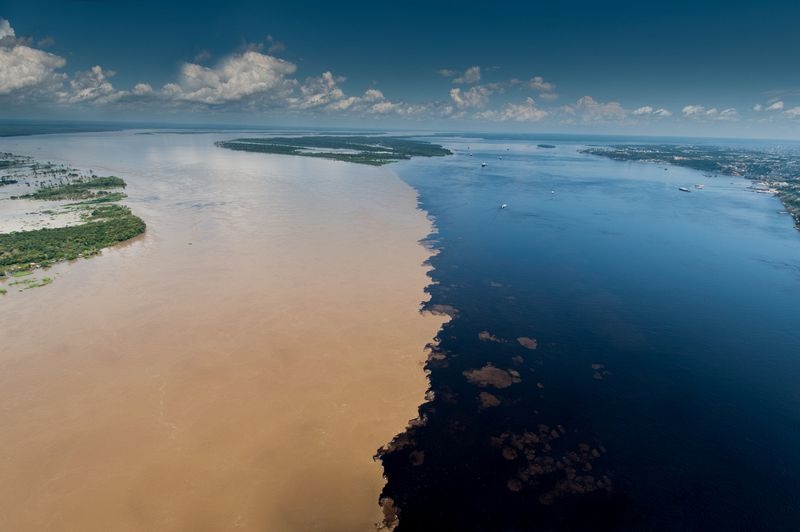
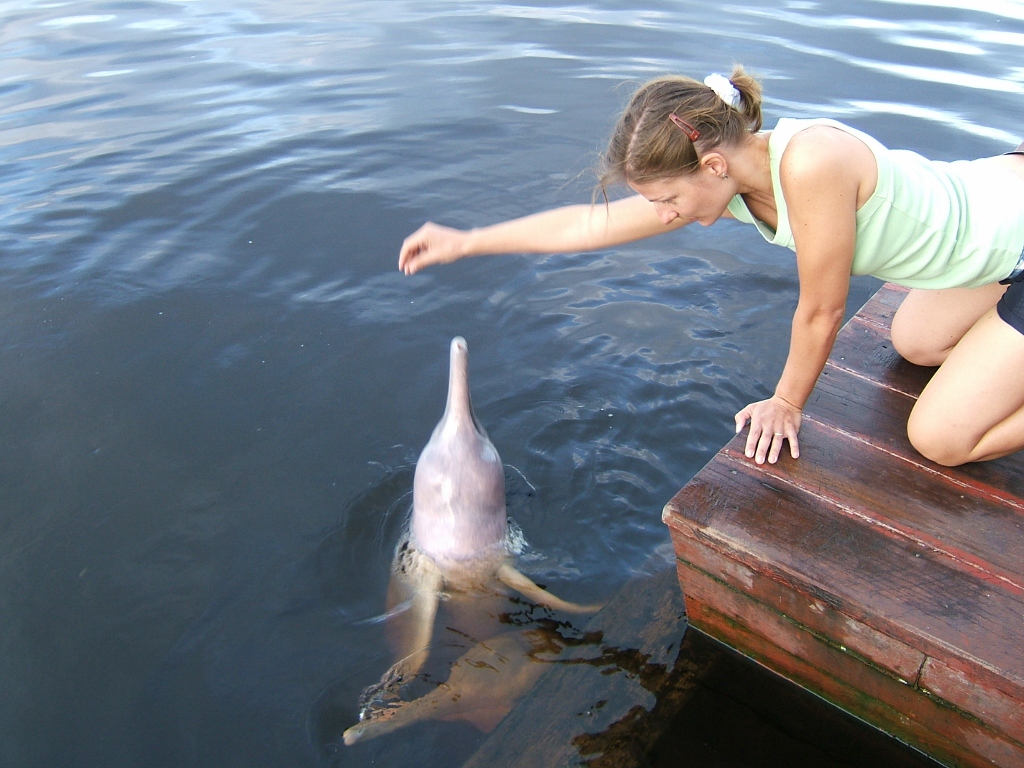
On the way you visit the famous Meeting of the Waters, where the dark Rio Negro and the light Rio Solimões flow side by side for kilometres without mixing. From this impressive point the rivers together form the mighty Amazon, which flows all the way to the Atlantic Ocean. It is a remarkable natural phenomenon and with a bit of luck you may also see pink river dolphins swimming here.
After a short stop at a local market you continue by minibus along the Manaus–Porto Velho highway (BR-319) for approx. 40 minutes, as far as Lake Maçarico.
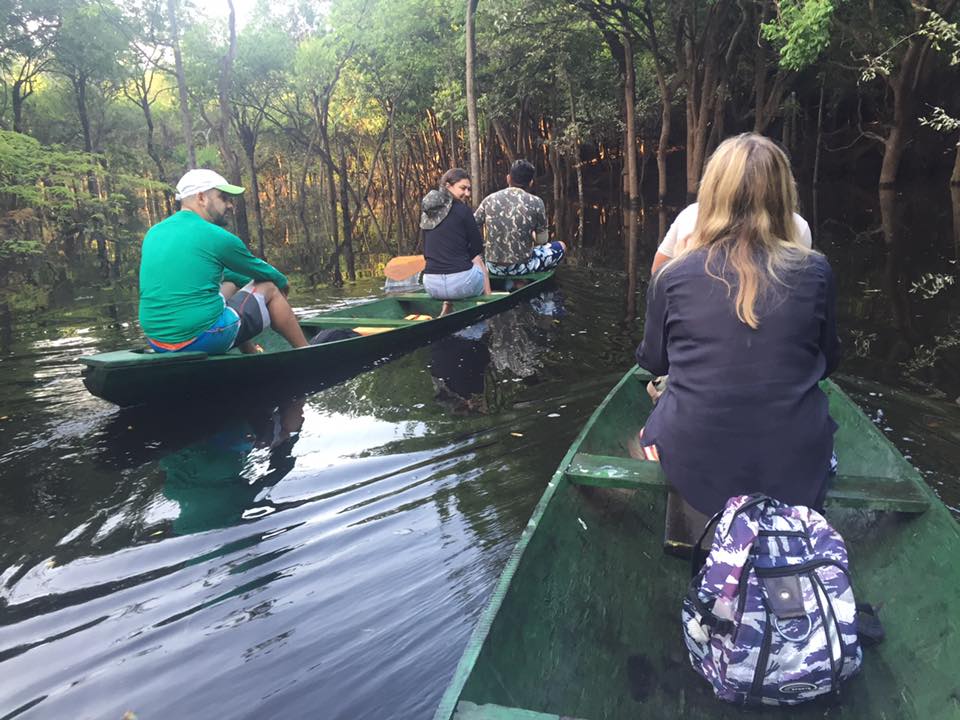
From here you explore the area by small boat. During a quiet trip of about 15 minutes you sail via narrow creeks and still lakes, rich in flora and fauna, towards the Amazon Riverside Lodge. On the way you can spot various bird species and other wildlife.
On arrival you receive a welcome briefing, in which you are introduced to the iNaturalist app. This is a worldwide citizen-science platform with which travellers can record observations of animals and plants. By taking and sharing photos, you help identify species and make a valuable contribution to research into biodiversity. In this way you become actively involved in discovering and documenting the remarkable life of the Amazon region.
14.07.2027 Amazon Rainforest - Amazon Riverside lodge (Day 2 of package)
Day 2 – Jungle and river experience
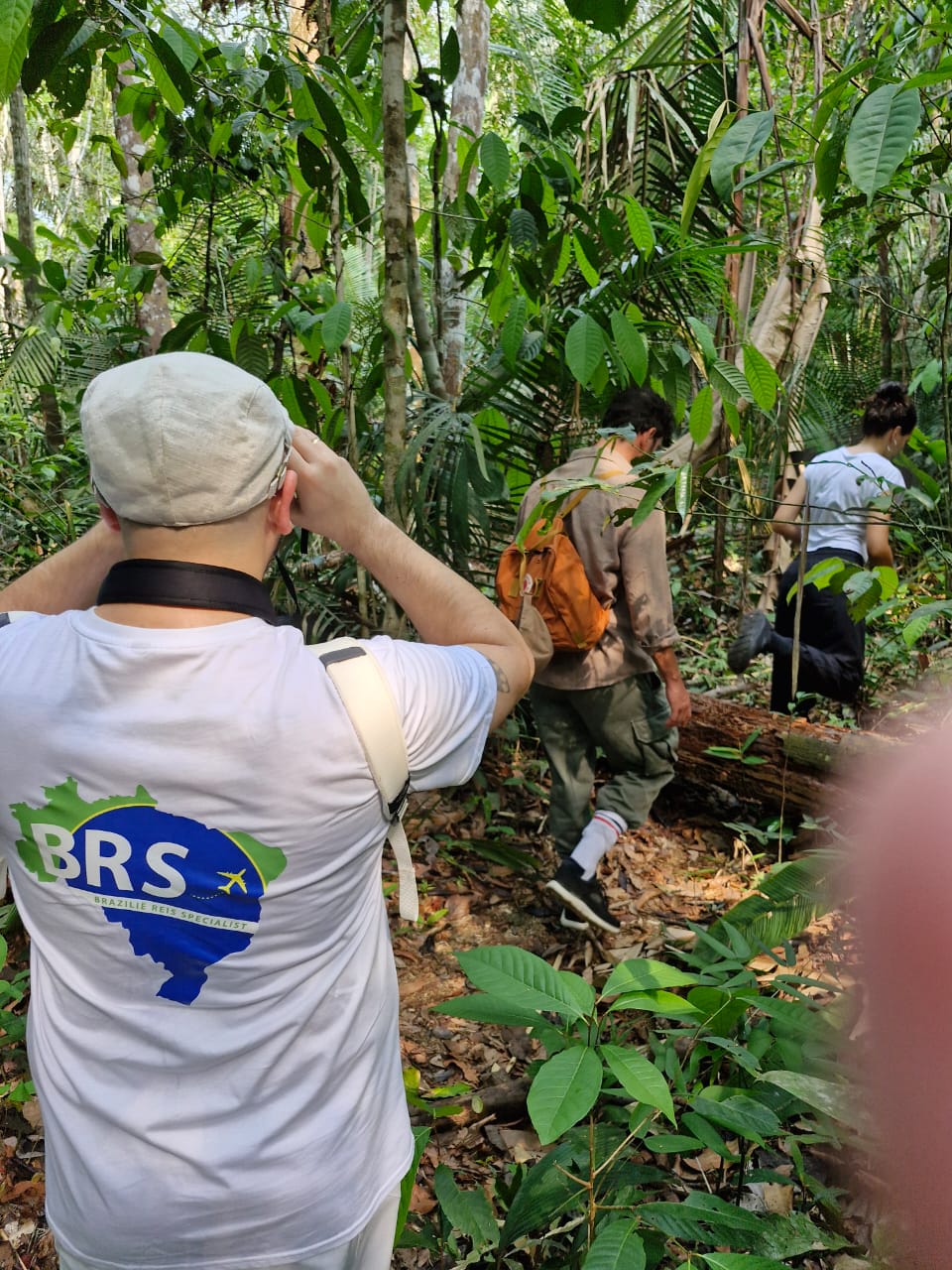
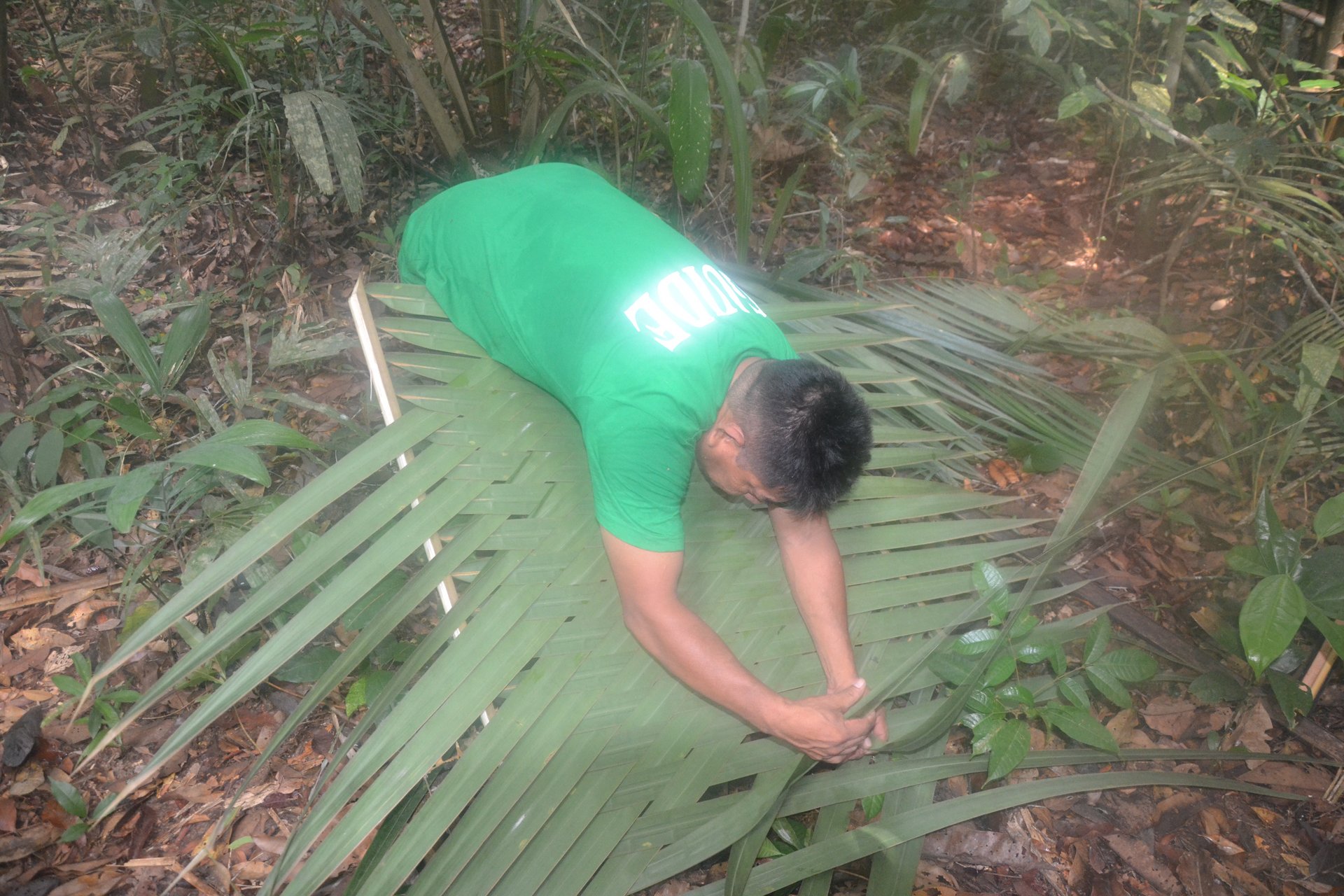
After breakfast you set off on a guided jungle walk, during which you discover the rich biodiversity of the Amazon rainforest. Your guide tells you all about local plants, insects and traditional knowledge used to survive in the forest.
After lunch, an activity by motorised canoe is on the programme in the afternoon: piranha fishing, a real classic in the Amazon.
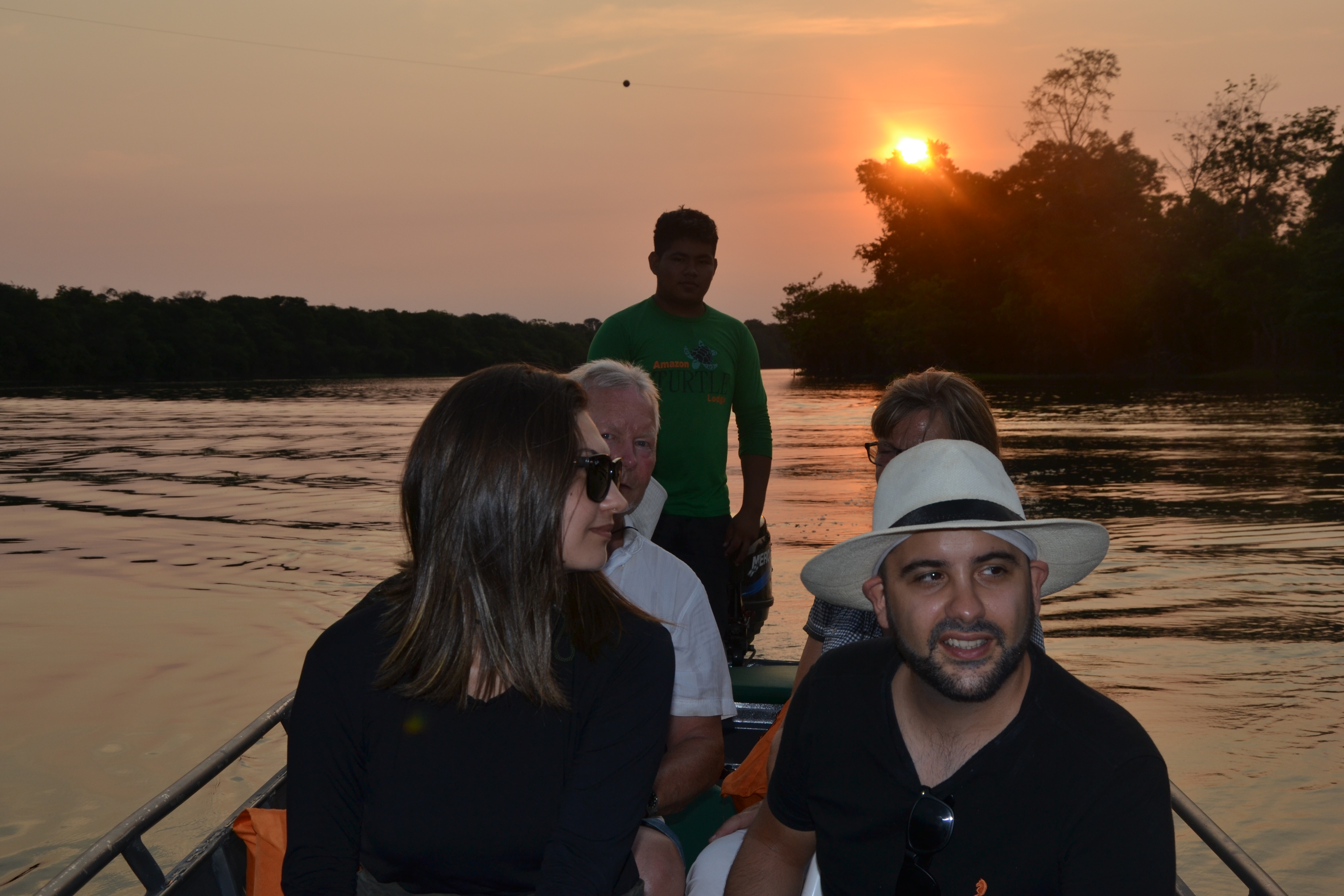
The excursion ends with a beautiful sunset on the river, after which you return to the lodge for dinner.
15.07.2027 Amazon Rainforest - Amazon Riverside lodge (Day 3 of package)
Day 3 – Sunrise, culture and jungle overnight stay
The day starts early with a canoe trip at sunrise, a particularly peaceful moment when you can fully enjoy the sounds of birds and, with a bit of luck, spot the famous pink river dolphins.
After breakfast you visit a local family on the river, where you learn more about their culture, traditions and daily life in the Amazon.
After lunch the adventure continues with a guided walk into the rainforest, for a unique overnight stay in the middle of the jungle. On the way the guides give practical explanations about survival techniques, such as finding drinking water, food and basic first aid.
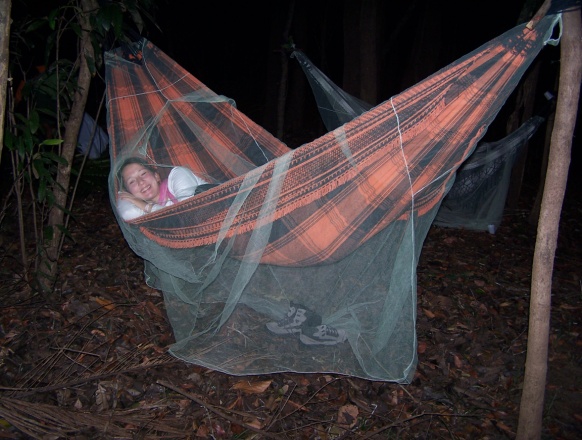
You spend the night in hammocks with mosquito nets, deep in the Amazon rainforest – an unforgettable experience in the middle of nature. This overnight stay is optional; if you prefer to sleep in the lodge, that is of course possible.
16.07.2027 Amazon rainforest - Manaus hotel
Today the package in the Amazon ends. During the day you are taken back to Manaus and dropped off at the hotel. The rest of the day can be spent as you wish.
- See the hotels tab for the hotel selection
17.07.2027 Manaus - Sao Luis - Barreirinhas (flight and private)
A private transfer takes you from your accommodation in Manaus to the airport for the flight to São Luís. See the Flight schedule tab for the flight details.
After arrival you travel on by private transfer to Barreirinhas, the gateway to the Lençóis Maranhenses national park. This is where the vast sand dunes and freshwater lagoons that make this region so special begin.
- See the hotels tab for the accommodation selection during your stay in Barreirinhas
18.07.2027 Barreirinhas - day trip Santo Amaro, Lençóis Maranhenses (SIB) (LECEX3SIB)
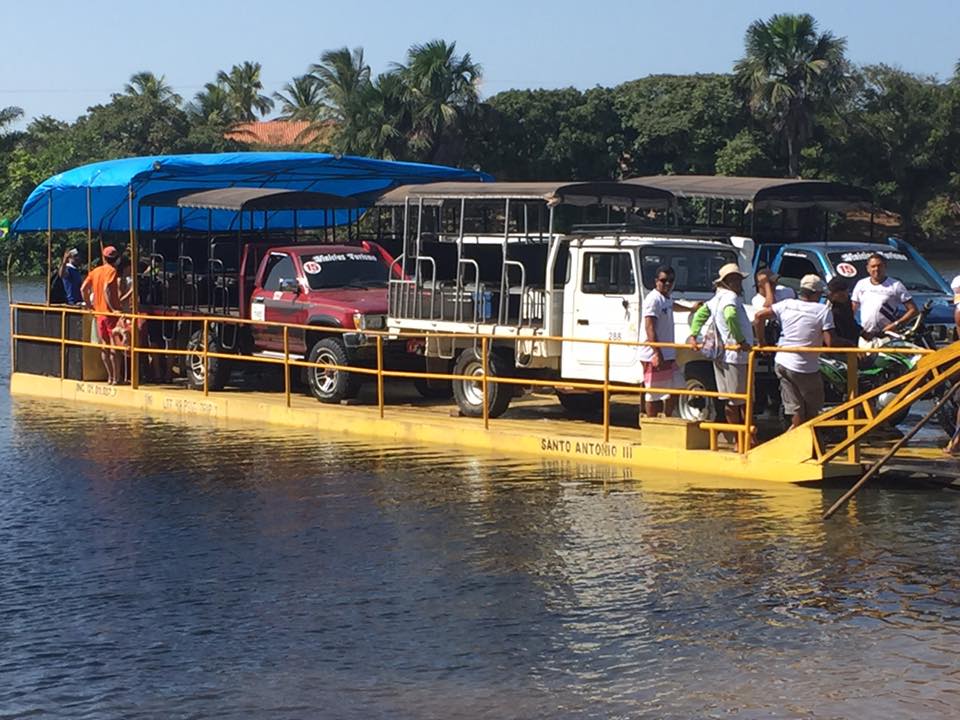
Today you take a day trip to Santo Amaro do Maranhão, the quiet western gateway to the Lençóis Maranhenses national park. After being picked up at the hotel you drive by van to Santo Amaro (approximately 2.5 hours), where you change to a 4x4 off-road vehicle for a trip over the highest dunes of the park to the lagoons of this part of the Lençóis, such as Lagoa da Gaivota, Lagoa das Emendadas and Lagoa da Andorinha. It is considerably quieter here than at Barreirinhas and the lagoons are large and deep enough for extensive swimming. On the way there is time for lunch in Santo Amaro (not included). After sunset on the dunes you drive back to Barreirinhas. The excursion is together with other travellers and accompanied by a local guide. See the excursions tab for the extended description.
19.07.2027 Lençóis Maranhenses - day excursion National Park ATINS in 4x4 (SIB) (LECEX2)
Today there is a fantastic day excursion to Lençóis Maranhenses at Atins on the programme. You are picked up early in the morning at the hotel in Barreirinhas and dropped off there again at the end of the day. This excursion is offered together with other tourists and accompanied by a local guide.
20.07.2027 Barreirinhas - Excursion Lençóis Maranhenses (SIB) (LECEX1) - Sao Luis, end of package
Barreirinhas - Excursion Lençóis Maranhenses (SIB) (LECEX1)
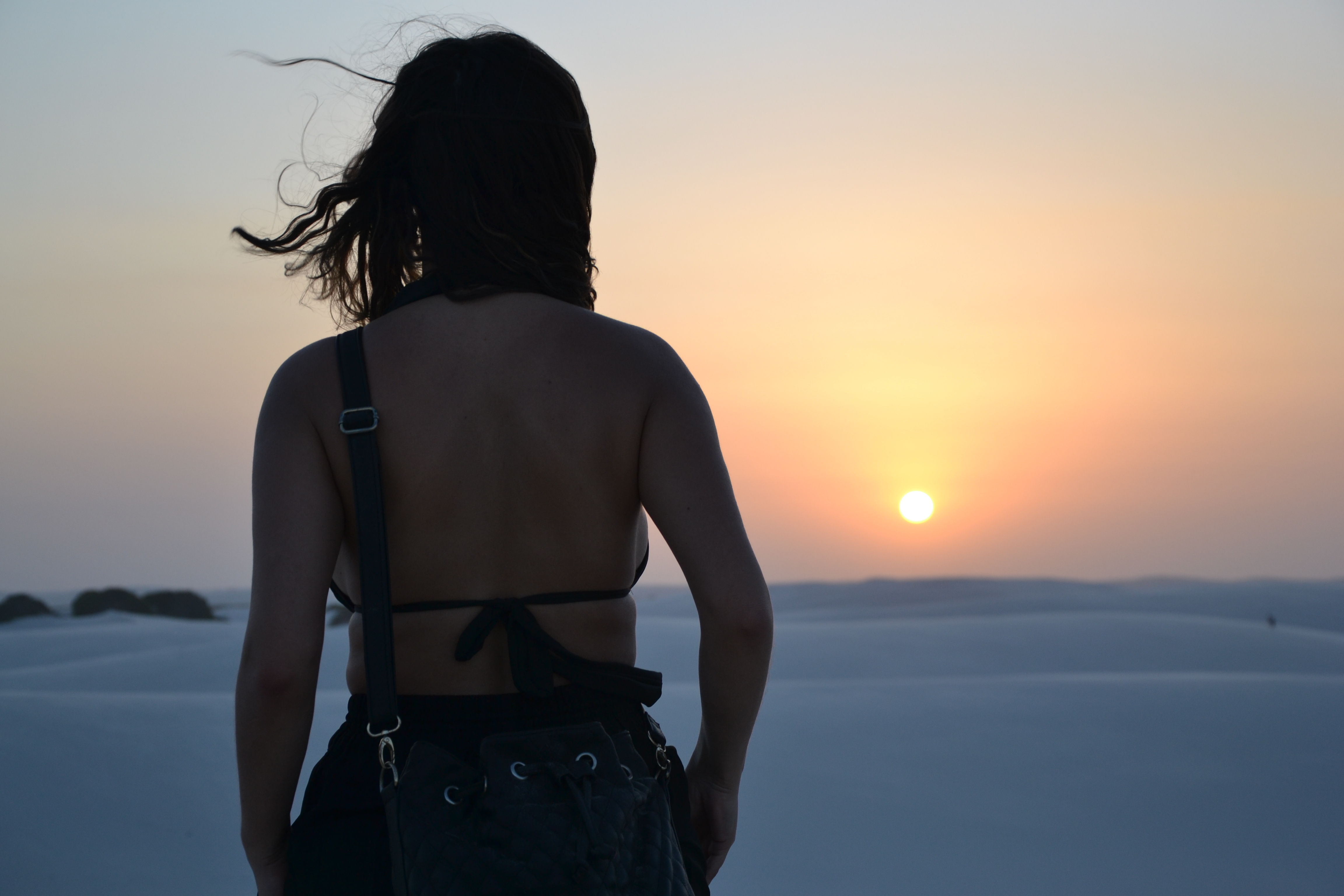
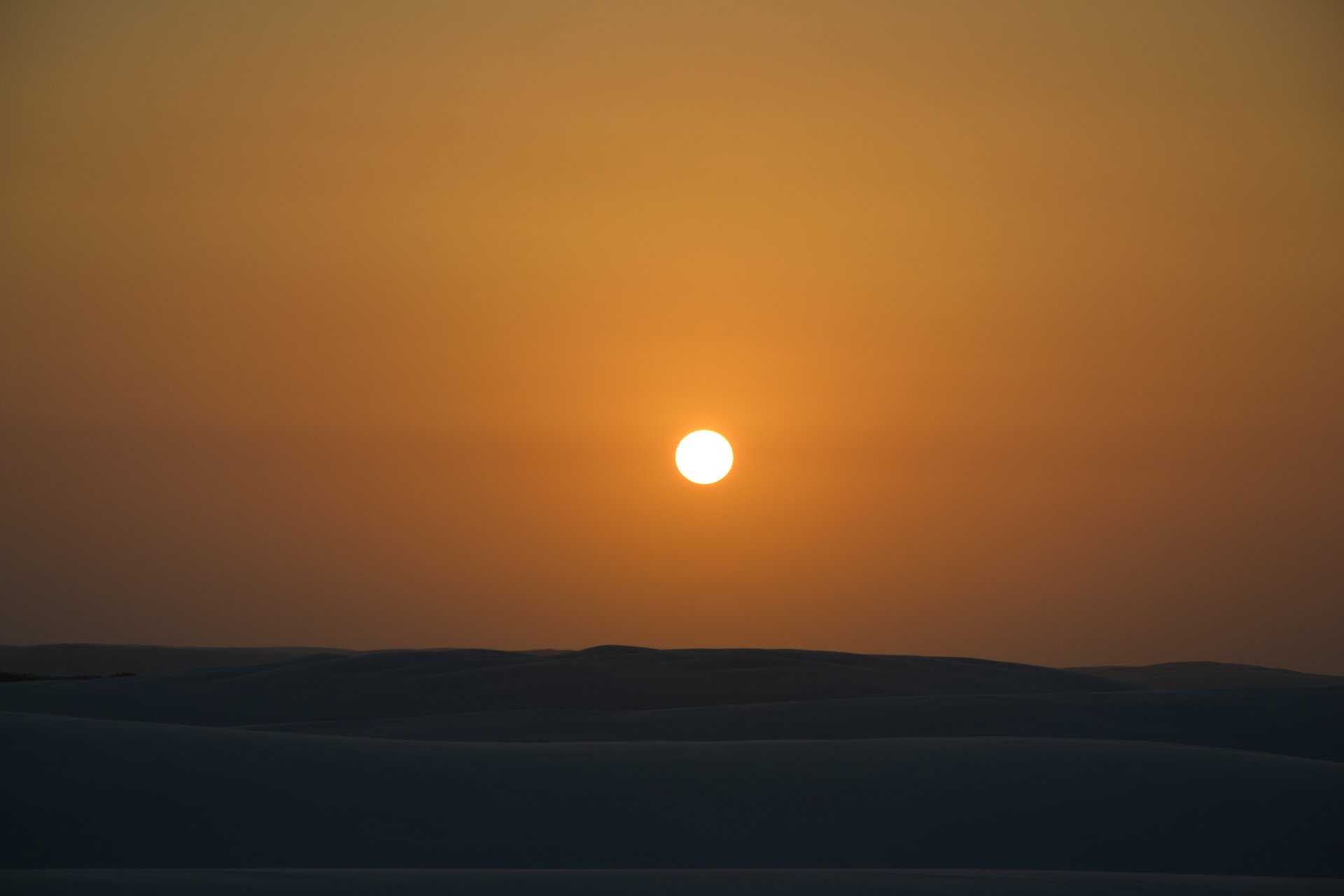
Today there is an excursion to Lençóis Maranhenses on the programme in a 4x4 off-road vehicle. Enjoy the spectacular lakes and sand dunes. This nature reserve is considered one of the seven natural wonders. You are picked up and dropped off again at the hotel. The excursion is together with other tourists and accompanied by a local guide. This half-day excursion can be organised in the morning as well as the afternoon, but is very beautiful in the afternoon because of the sunset.
Afterwards the transfer back to Sao Luis follows, where you are dropped off at the airport, end of package.
Destinations
Rio de Janeiro
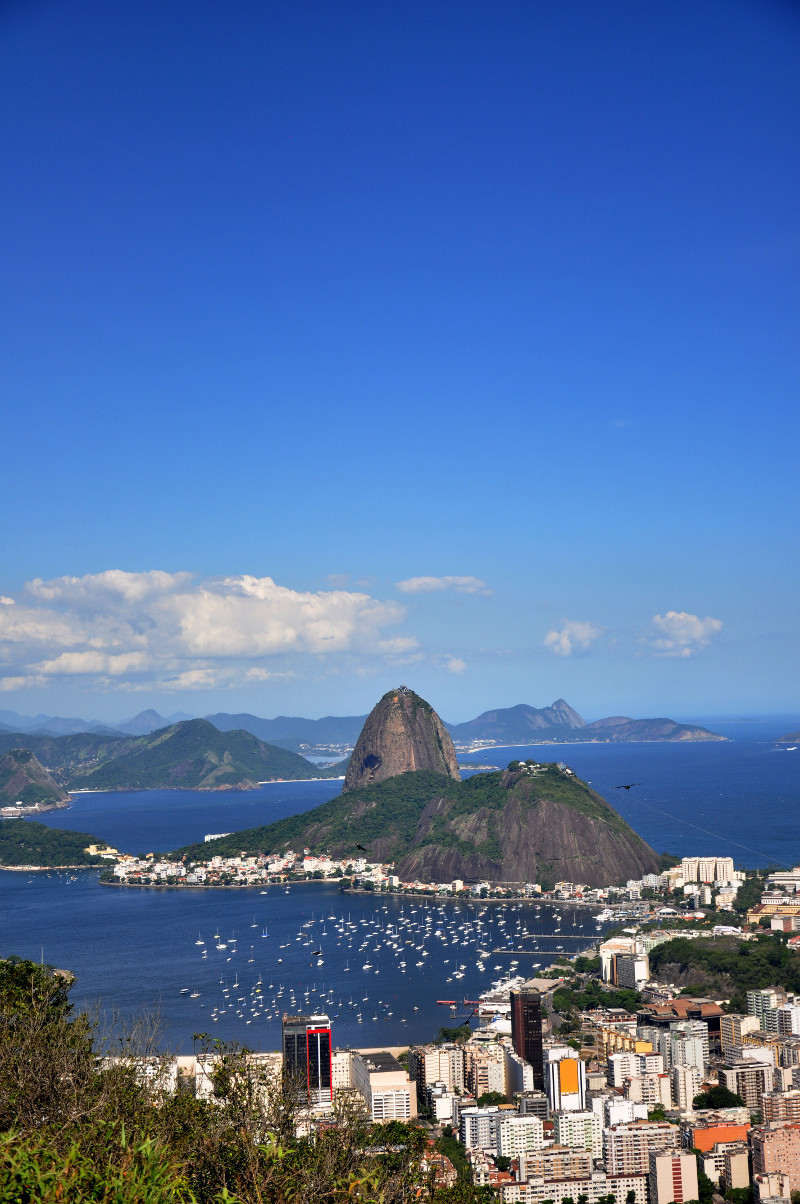
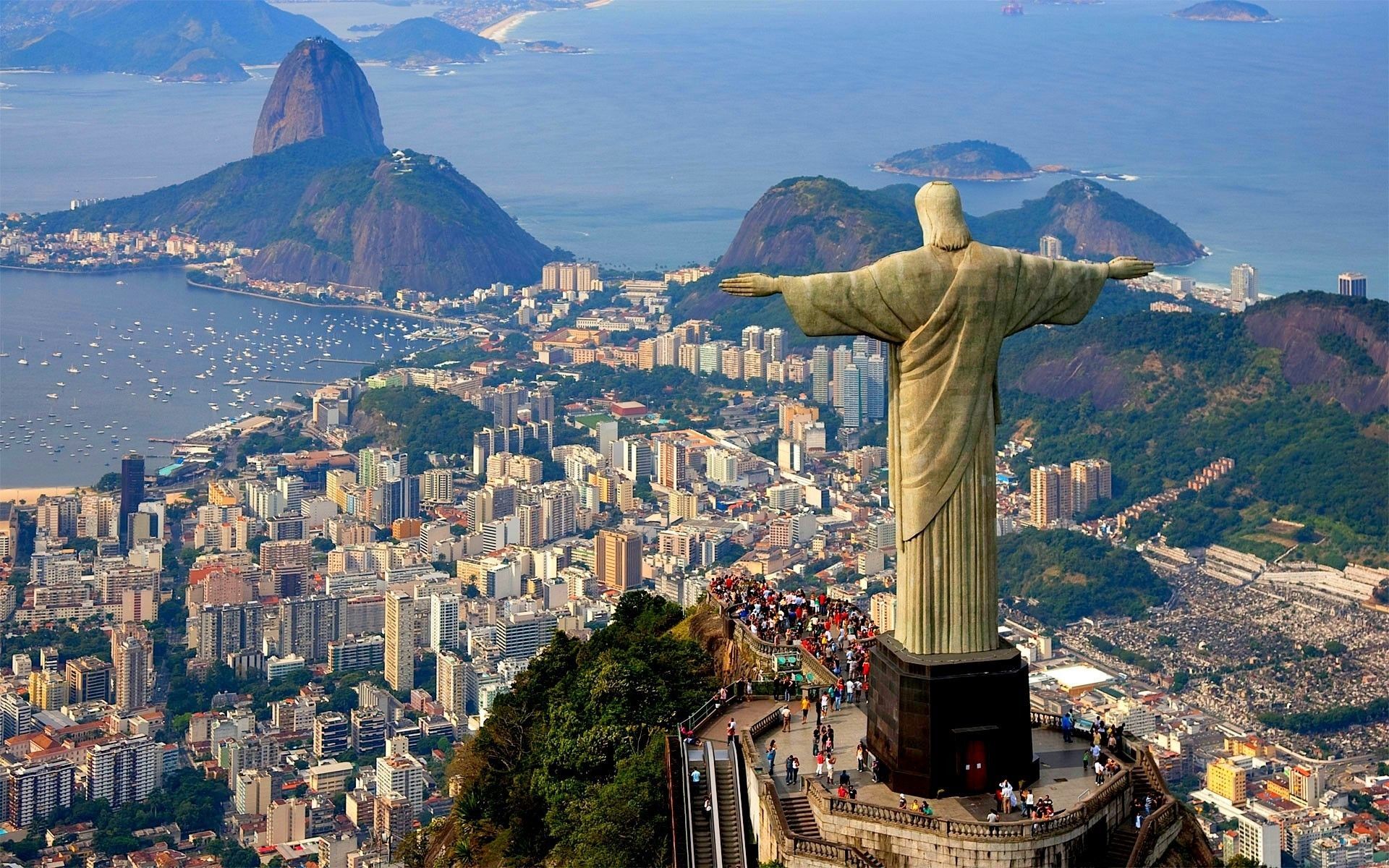
1 / 8Rio de Janeiro is the best-known city in Brazil and the ideal start or end point of a round trip: KLM flies direct from Amsterdam every day (approx. 11.5 hours). Allow 3 to 4 nights for the statue of Christ the Redeemer, Sugarloaf Mountain, the beaches of Copacabana and Ipanema and the neighbourhoods of Lapa and Santa Teresa. Best time to travel: April to October, drier and pleasantly warm; carnival falls in February or early March.
Rio de Janeiro, the 'Cidade Maravilhosa', is a mix of green mountains rising out of the ocean, golden beaches and a vibrant metropolis. The inhabitants, the Cariocas, are known for their zest for life. Below you will find what our specialists pass on to you for a successful stay.
Highlights of Rio de Janeiro
- Corcovado and the statue of Christ the Redeemer: take the little cog railway up through the Tijuca rainforest to the 38-metre-high statue, with the most complete panorama of the city. Go early in the morning: fewer crowds and often a clearer view.
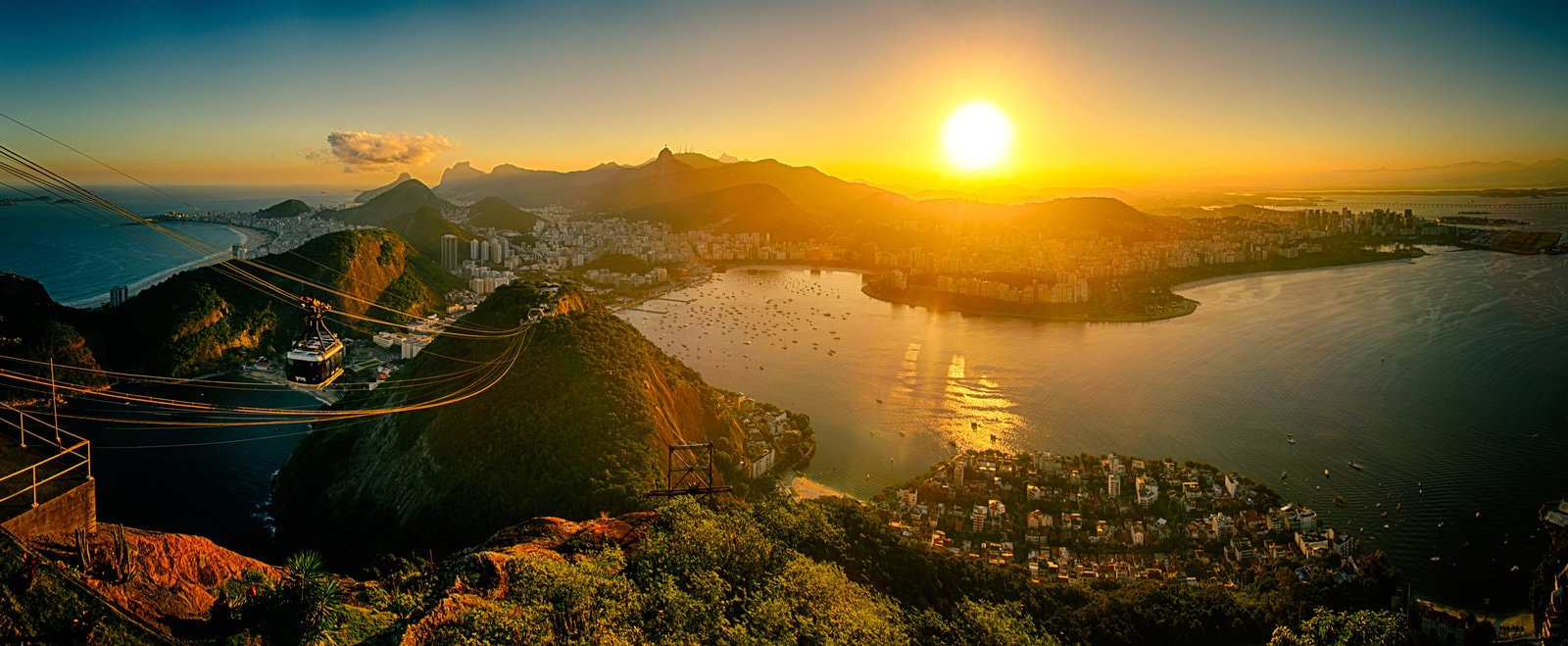
- Sugarloaf Mountain (Pão de Açúcar): two cable cars to the top of the granite rock; at sunset the most beautiful view over Guanabara Bay and Copacabana.
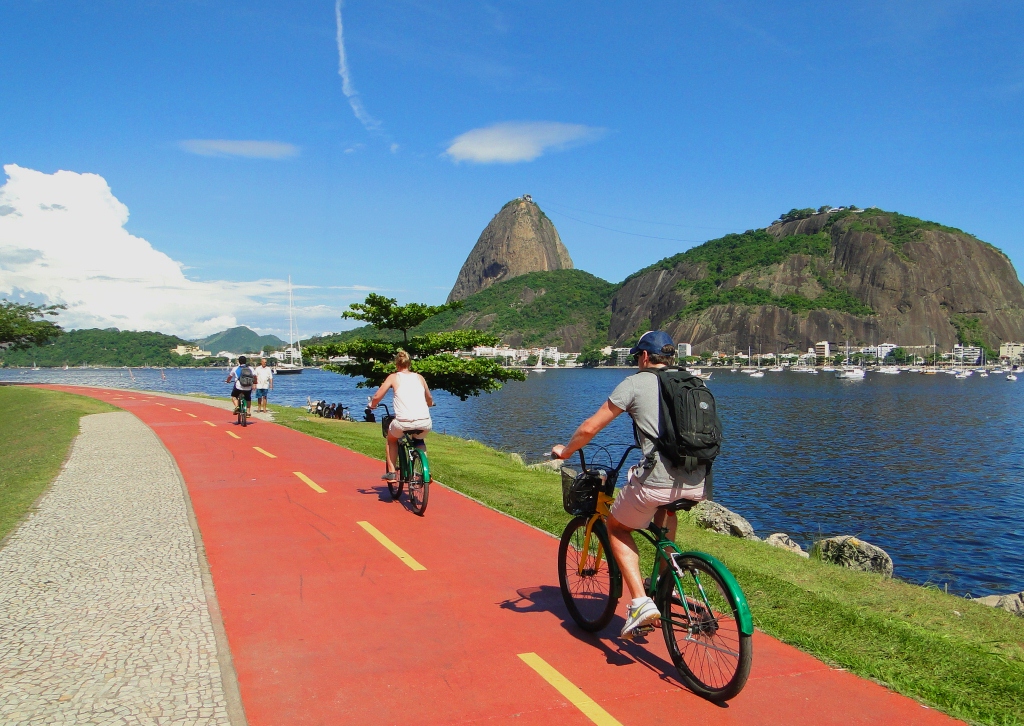
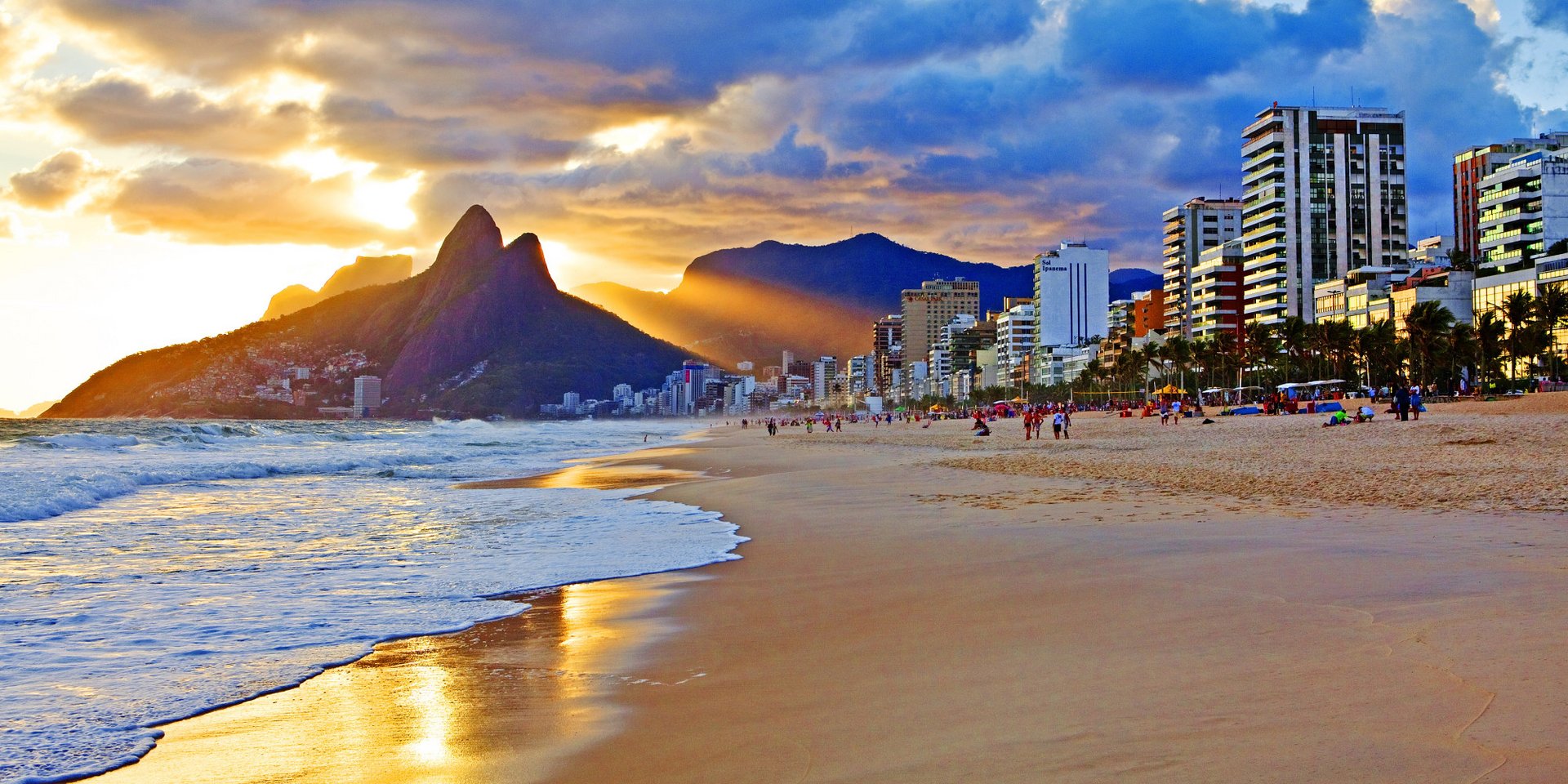
- Copacabana and Ipanema: the most famous beaches in the world, with footvolley, beach kiosks and an ice-cold caipirinha. On Sundays the seafront boulevard is car-free: hire a bike and cycle along with the Cariocas.
- Lapa and Santa Teresa: the bohemian heart of the city. In Lapa live samba in the evening; during the day, climb the colourful Escadaria Selarón steps up to artistic Santa Teresa with its studios and viewpoints.
- Tijuca National Park: a complete rainforest in the middle of the city. The Vista Chinesa viewpoint is a lesser-known but magnificent panorama.
- Sambadrome: during carnival, the parades of the samba schools; outside carnival, the samba schools' rehearsals (August to January) are a fun alternative.
Best time to visit Rio de Janeiro
Rio can be visited all year round. From April to October it is drier and pleasantly warm (22–28 °C), ideal for the city, the beach and the viewpoints. December to March is the Brazilian summer: hot (30 °C and above), humid and with tropical showers in the late afternoon, but also the time of carnival and the liveliest beach atmosphere. In June and July it can be cool in the evening (around 18 °C). Around New Year and carnival, hotels are full well in advance; book in good time for those periods.
Getting there and travel time
KLM flies direct from Amsterdam to Rio de Janeiro (Galeão airport, GIG) every day; TAP via Lisbon is also a good option. Domestic flights depart from GIG and from the centrally located Santos Dumont (SDU). We arrange a private transfer from the airport to your hotel (30–60 minutes to the Zona Sul). From Rio you can reach the Costa Verde by car: Ilha Grande in approx. 2.5 hours plus a boat trip, Paraty in approx. 4 hours and Búzios in approx. 2.5 hours.
How many days in Rio de Janeiro?
We recommend 3 to 4 nights: one day for Corcovado and Sugarloaf Mountain, one day for Lapa, Santa Teresa and the centre, and time for the beach and an excursion such as a cycling tour along the boulevards or a walk in the Tijuca park. If you are coming for carnival, plan 4 to 5 nights.
Where to stay in Rio de Janeiro?
Copacabana and Ipanema are the best base: safe, on the beach and with restaurants and bars within walking distance. Leblon is quieter and more upmarket; Santa Teresa is full of atmosphere but less practical for the beach. See the hotels tab of our packages for our selection in tourist class and superior class.
Culinary Rio: our restaurant tips
- Churrascaria Palace (Copacabana): award-winning churrascaria where waiters bring skewers of grilled meat to your table. A must for meat lovers.
- Aprazível (Santa Teresa): authentic Brazilian dishes with a panoramic view over the city.
- Bar do Mineiro (Santa Teresa): informal and local, the place for a traditional feijoada.
- Zazá Bistrô Tropical (Ipanema): colourful and creative, a feast for the eyes and the palate.
- Sushi Leblon (Leblon): one of the most renowned Japanese restaurants in Brazil.
Combines well with
Rio is the perfect starting point for almost any route through Brazil. Popular combinations are the car-free island of Ilha Grande and colonial Paraty on the Costa Verde, the seaside resort of Búzios, the waterfalls of Foz do Iguaçu (2-hour flight) and the wildlife of the Pantanal. As an example, take a look at our Rio de Janeiro city package or the round trips Parels van Rio and Rio, Costa Verde & Iguaçu.
Frequently asked questions about Rio de Janeiro
Is Rio de Janeiro safe for tourists?
Yes, with the usual precautions: stay in the Zona Sul (Copacabana, Ipanema, Leblon), do not wear visible jewellery or carry expensive cameras in the street, use a taxi or app-based taxi in the evening and leave valuables in the hotel safe. Our local representatives will give you up-to-date tips on arrival.
How many days do I need for Rio?
Three to four nights are enough for the highlights and a beach day; with carnival or a day trip to Petrópolis or Búzios, allow an extra day.
When is carnival in Rio?
Carnival falls every year in February or early March (the week before Ash Wednesday). The parades in the Sambadrome are the highlight; we arrange tickets and hotels well in advance.
Can I combine Rio with the beach?
Certainly: Ilha Grande and Búzios are a few hours' drive away and are ideal as the finale of a round trip.
Tip from Brazil Travel Specialist
Plan a cycling tour through Copacabana and the little neighbourhoods behind it to get a good picture of the area straight away. Rio can be overwhelming; together with you we choose the hotel in the right location and arrange the excursions with English-speaking guides. Contact us for a no-obligation travel proposal.
Foz do Iguaçu
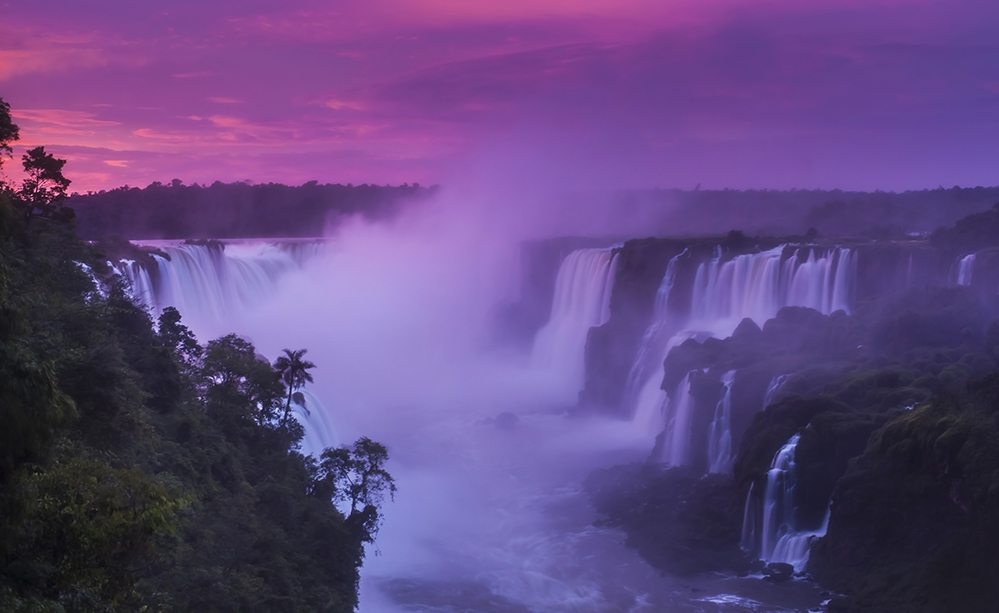
2 / 8Foz do Iguaçu, at the point where Brazil, Argentina and Paraguay meet, is the home of the Iguaçu Falls: 275 waterfalls across a width of 2.7 kilometres, with the Devil's Throat (Garganta do Diabo) as the highlight. Allow 2 to 3 nights to see both sides of the falls; the falls can be visited all year round, with the most water from December to March and the most pleasant temperatures from April to October.
The falls lie in two national parks that together are a UNESCO World Heritage Site. The Brazilian side gives you the panorama, the Argentinian side takes you along walkways to just above and beside the water. That is why we always recommend both sides.
Highlights of Foz do Iguaçu
- Brazilian side: a walking trail of approx. 1.5 kilometres along the panorama of the falls, ending on a walkway in the mist of the Devil's Throat. Half a day.
- Argentinian side: the Upper and Lower Circuit and the little train to the platform above the Garganta del Diablo, where 14 waterfalls come together. A full day; bring your passport.
- Macuco Safari: by speedboat right up under the falls. Getting wet is guaranteed.
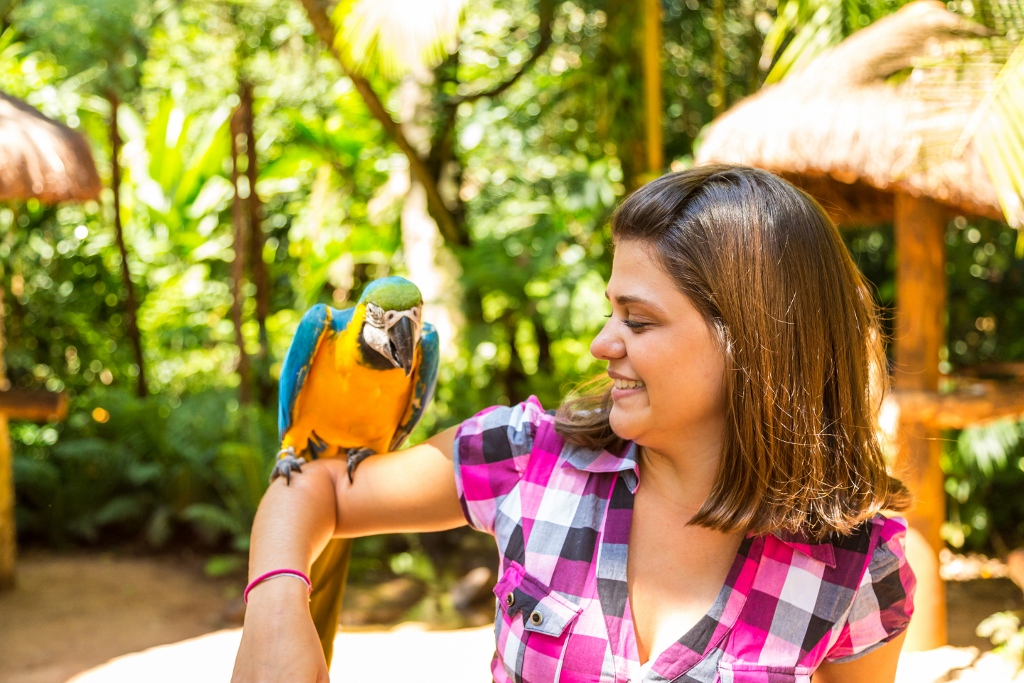
- Parque das Aves: bird park next to the entrance of the Brazilian park, with toucans, macaws and hummingbirds in large aviaries.
- Itaipu Dam: one of the largest hydroelectric power stations in the world, which can be visited on a panoramic tour.
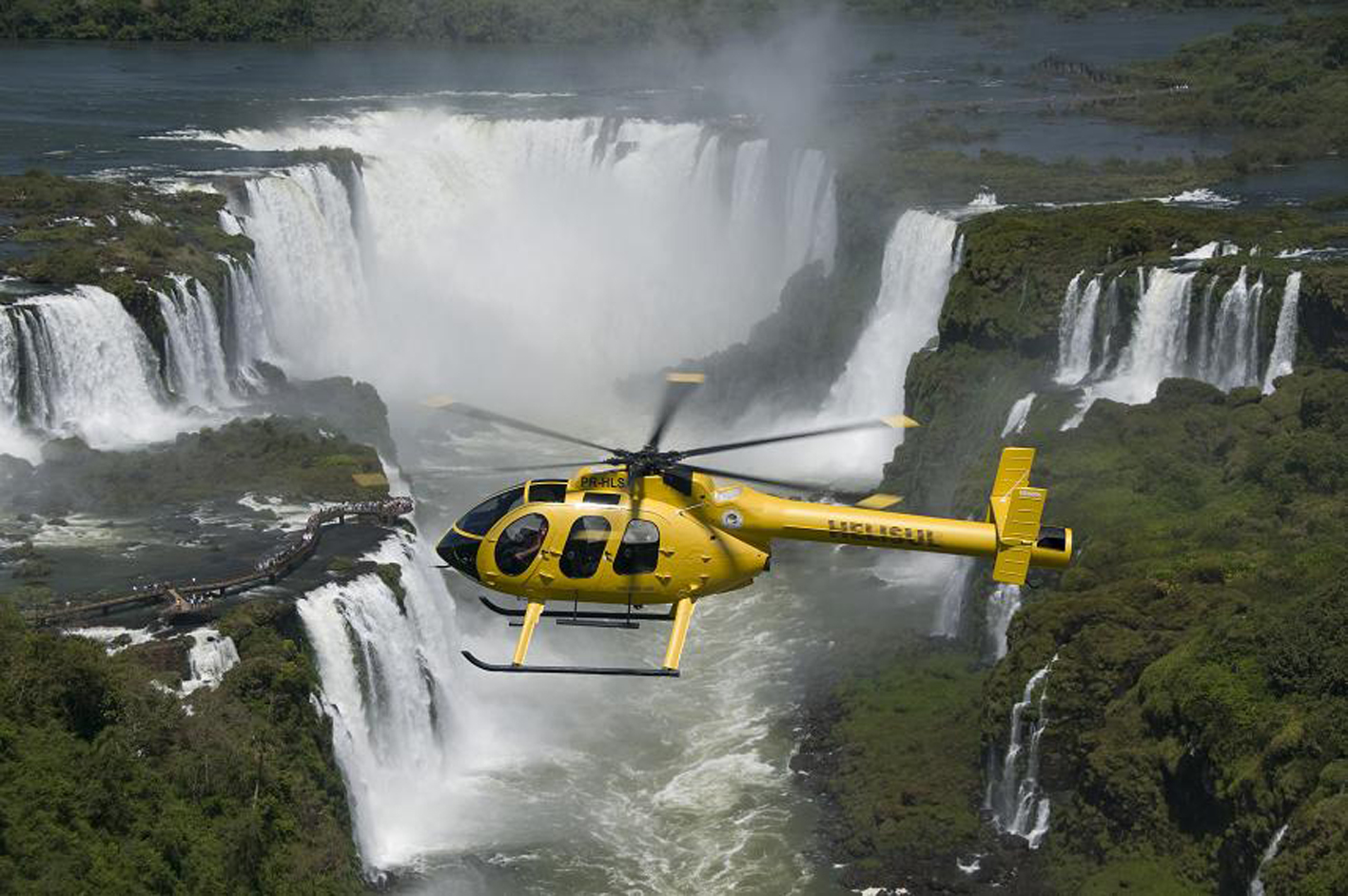
- Helicopter flight: ten minutes above the falls for the most spectacular overview.
Best time to visit Foz do Iguaçu
The falls are impressive all year round. From December to March they carry the most water, but it is then hot (30–35 °C) and humid. April to June and September to October are the most pleasant, with 20–28 °C and fewer crowds. In July and August it can be cool (10–20 °C) and it is busier around the Brazilian school holidays. After prolonged rain, walkways on the Argentinian side may close temporarily.
Getting there and travel time
Foz do Iguaçu airport (IGU) is 15 minutes from the town and 10 minutes from the national park. Direct flights from Rio de Janeiro and São Paulo take approx. 2 hours; there are also connections from Campo Grande (Pantanal) and Curitiba. We arrange private transfers and the excursions to both sides with an English-speaking guide; a valid passport is required for the Argentinian side. Admission to the national parks is approx. € 30,- per person per park and is paid on site.
How many days in Foz do Iguaçu?
We recommend 2 to 3 nights: one day for the Argentinian side, half a day for the Brazilian side and time for the bird park, the Macuco Safari or the Itaipu Dam. With an extra night you can add the jungle package at the Yacutinga Lodge in the Atlantic rainforest.
Where to stay?
The Belmond Hotel das Cataratas is the only hotel inside the national park: you walk along the falls before and after opening hours without other visitors. In the town of Foz do Iguaçu there is a wide choice in tourist class and mid-range, 15 to 20 minutes from the park; on the Argentinian side, Puerto Iguazú is an atmospheric alternative.
Restaurant tips for Foz do Iguaçu
- Churrascaria do Gaúcho: traditional Brazilian churrascaria, where the meat is carved at the table from large skewers.
- Restaurante Barracão: local buffet restaurant with meat, fish and typical side dishes such as feijoada.
- Itaipu Restaurant: next to the Itaipu Dam, with a view and local and international dishes; ideal after a guided tour.
- La Mafia Trattoria: Italian in a 1920s atmosphere.
- Capitão Bar: informal, with fresh fish and a terrace on the Paraná River.
Combines well with
Foz do Iguaçu is a 2-hour flight from Rio de Janeiro and São Paulo and fits into almost any round trip. Popular onward destinations are Bonito and the Southern Pantanal (via Campo Grande), Curitiba and Florianópolis in the south, or Buenos Aires on the Argentinian side. Examples: the Foz do Iguaçu package and the round trips Rio, Costa Verde & Iguaçu, Beleza do Sul and Brasil Fantastico.
Frequently asked questions about Foz do Iguaçu
Which side of the falls is the most beautiful: Brazil or Argentina?
Both, for different reasons: Brazil gives you the complete overview, Argentina takes you to just above the Devil's Throat. If you only have one day, choose the Argentinian side.
Do I need a visa for the Argentinian side?
No, not with a Dutch passport. You cross the border with your passport; our guide takes care of the formalities.
How many days are needed?
Two nights are enough for both sides; with the bird park, the boat trip or Itaipu it becomes three nights.
What does admission to the parks cost?
Approx. € 30,- per person per park (Brazil and Argentina separately), payable on site and not included in our packages.
Tip from Brazil Travel Specialist
Save the Argentinian side for a day with an early start. Bring a rain poncho and a waterproof cover for your phone: at the Devil's Throat you will get wet anyway.




Cuiabá
3 / 8Cuiabá, capital of Mato Grosso with more than 600,000 inhabitants, is the gateway to the Northern Pantanal, Chapada dos Guimarães, Nobres and the Southern Amazon. Most travellers spend one night here on arrival or departure; the airport has daily flights from São Paulo, Rio, Brasília, Manaus and Campo Grande (approx. 2 hours). Best time to travel to the region: May to October.
Cuiabá lies at the geographical centre of South America and is one of the hottest cities in Brazil. The city itself is a mix of colonial villas and modern high-rise buildings; the surrounding nature areas are the reason to come here.
Highlights of Cuiabá and the surrounding area
- Northern Pantanal: via Poconé (100 km) the Transpantaneira begins, with lodges and, at the end, Porto Jofre for jaguars.
- Chapada dos Guimarães: a 1 hour drive away, with the Véu de Noiva waterfall and the red plateaus.
- Nobres: 2 hours away, river snorkelling in crystal-clear water.
- Southern Amazon: Jardim da Amazônia and the Cristalino Jungle Lodge (via Alta Floresta).
- In the city: the Museu Rondon with indigenous art, the historic centre and the fish market on the Cuiabá River.
Best time to visit Cuiabá
From May to October it is dry; July to September is the best time for the Pantanal, with temperatures of 30 to 40 °C in September and October. November to April is the rainy season, with flooding in the Pantanal and green landscapes in Chapada.
Getting there and travel time
Marechal Rondon airport is in Várzea Grande, 15 minutes from the centre. Direct flights from São Paulo and Rio take approx. 2 hours, from Manaus 2.5 hours, from Campo Grande 1 hour. We arrange private transfers to the hotels and the 4x4 transfers along the Transpantaneira, or a hire car for a self-drive to Chapada and Nobres.
How many days in Cuiabá?
One night on arrival, so that you set off along the Transpantaneira well rested the next morning, and possibly one night on departure if your flight leaves early. For the city itself, an afternoon is enough.
Combines well with
Everything in Mato Grosso starts here: Chapada dos Guimarães, Nobres, the Northern Pantanal, Porto Jofre and the Southern Amazon. Examples: self-drive Chapada, Nobres & Pantanal, 3 ecosystems and the Biomas do Brasil round trip.
Frequently asked questions about Cuiabá
Cuiabá or Campo Grande for the Pantanal?
Cuiabá for the Northern Pantanal and jaguars near Porto Jofre; Campo Grande for the Southern Pantanal and Bonito.
Can I drive along the Transpantaneira myself from Cuiabá?
Yes, in the dry season as far as the first lodges with an ordinary car; to Porto Jofre we recommend a 4x4 transfer with a driver.
Where do I stay in Cuiabá?
We choose hotels near the airport or in the centre, depending on your flight times.
Do I need vaccinations?
A yellow fever vaccination is recommended for Mato Grosso; consult a travel health clinic.
Tip from Brazil Travel Specialist
Fly in in the morning and drive on to Chapada dos Guimarães the same day (1 hour, cooler and more beautiful than the city); save the night in Cuiabá for the end of the trip, just before the return flight.

Northern Pantanal
4 / 8The Northern Pantanal, in the state of Mato Grosso and reached via Cuiabá, is the best place in the world to see jaguars in the wild. Along the Transpantaneira, the 147-kilometre unpaved road to Porto Jofre, lie the lodges from which you go on safari by boat, on foot and by truck. Allow 4 to 6 nights; the best time to travel for jaguars is July to October.
The Pantanal is the largest wetland in the world and the best wildlife area in South America: caimans, capybaras, giant otters, hyacinth macaws, jabirus and – in the north – the jaguar. Unlike in the Amazon, the landscape is open, which means you actually see the animals.
Highlights of the Northern Pantanal
- Porto Jofre, the jaguar capital: at the end of the Transpantaneira, where you search the banks of the Cuiabá and Piquiri rivers by boat. In the dry season the chance of seeing a jaguar here is very high.
- The Transpantaneira: 147 kilometres of dirt road with more than a hundred wooden bridges; the drive alone is a safari, with caimans and waterbirds along the road.
- Lodges with their own guides: from tourist class (Pousada Piuval, UeSo Lodge) to superior class (Pousada do Rio Mutum, Araras Eco Lodge), on a full-board basis and with daily excursions.
- Night safaris and horse riding: at night with the spotlight in search of ocelot, tapir and caimans; during the day on horseback through the flooded plains.
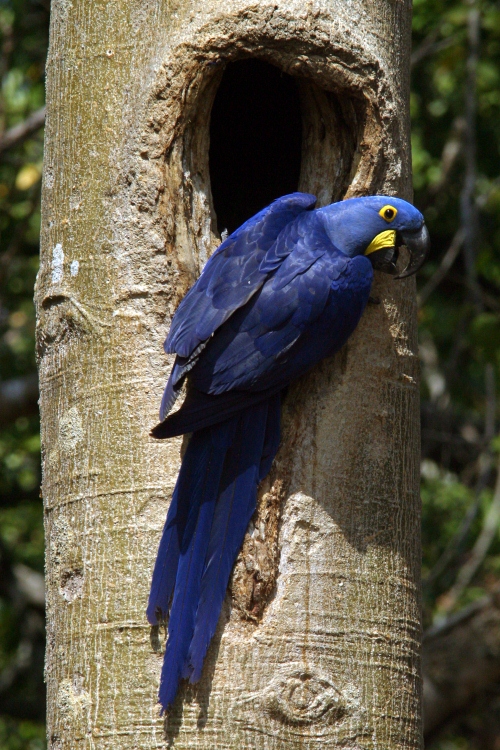
- Wealth of birdlife: more than 650 bird species, including the hyacinth macaw, the largest parrot in the world.
Best time to travel to the Northern Pantanal
The best period for jaguars and other mammals is the dry season from July to October: the water recedes, animals concentrate along the rivers and the roads are easily passable. April to June is a lovely shoulder season with mild temperatures and plenty of activity around the shrinking pools. In the wet season (December to March) the landscape is green and full of waterbirds, but parts of the Transpantaneira are difficult to pass and jaguars are harder to see. September and October are hot (35 °C and more).
Getting there and travel time
You fly to Cuiabá (about 2 hours from São Paulo or Rio de Janeiro, also direct from Manaus and Campo Grande). From Cuiabá it is around 100 kilometres of tarmac to Poconé, where the Transpantaneira begins. The first lodges are a 1 to 2-hour drive from Cuiabá; Porto Jofre is 4 to 5 hours away. We arrange the transfers by 4x4, or you drive yourself; in the dry season the road is manageable in an ordinary car.
How many days in the Northern Pantanal?
We recommend approx. 3 to 4 nights: 2 nights in a lodge along the Transpantaneira for the general wildlife and 2 to 3 nights in Porto Jofre for the jaguars. Those who only want to see jaguars book 3 nights in Porto Jofre; those who also want to experience the birds and the landscape take 5 to 6 nights.
North or South: which Pantanal suits you?
The Northern Pantanal is the choice for jaguars and combines well with Chapada dos Guimarães and Nobres. The Southern Pantanal (via Campo Grande) offers fazendas with a broader nature experience, jaguars with a bit of luck, and combines with the river snorkelling in Bonito. A combination of both is possible in a three-week trip.
Combines well with
A few hours' drive from Cuiabá lie the red cliffs and waterfalls of Chapada dos Guimarães and the crystal-clear rivers of Nobres; together they make up a 5-day self-drive. The Pantanal can also easily be linked by plane to the Amazon at Manaus, the waterfalls of Foz do Iguaçu and the Southern Amazon at Jardim da Amazônia. Examples: UeSo Lodge with jaguar tour, Porto Jofre package and the nature round trip Into the Wild.
Frequently asked questions about the Northern Pantanal
How likely am I to see a jaguar?
In Porto Jofre between July and October, very likely: most guests see several jaguars in two to three days on the river. Outside the dry season the chance is clearly smaller.
What is included at a Pantanal lodge?
Almost always full board and two to three excursions a day with a nature guide (boat, walk, truck, horse riding, night safari). Drinks and tips are usually not included.
Is the Pantanal suitable for children?
Yes, from around 6 years old: the boat trips are calm and the animals are easy to see. Bear in mind the heat and mosquitoes; long clothing and DEET are advisable.
Do I need vaccinations?
A yellow fever vaccination is recommended for Mato Grosso; malaria hardly occurs in the Pantanal. Always consult the GGD or a travel vaccination clinic for personal advice.
Tip from Brazil Travel Specialist
Combine two lodges: first a lodge at the start of the Transpantaneira for the birds, caimans and capybaras, then Porto Jofre for the jaguars. That way you see the Pantanal in all its variety and spread out the driving time. We know the lodges and guides personally and will be happy to put together a tailor-made route for you.
Pantanal - Porto Jofre - Jaguar region
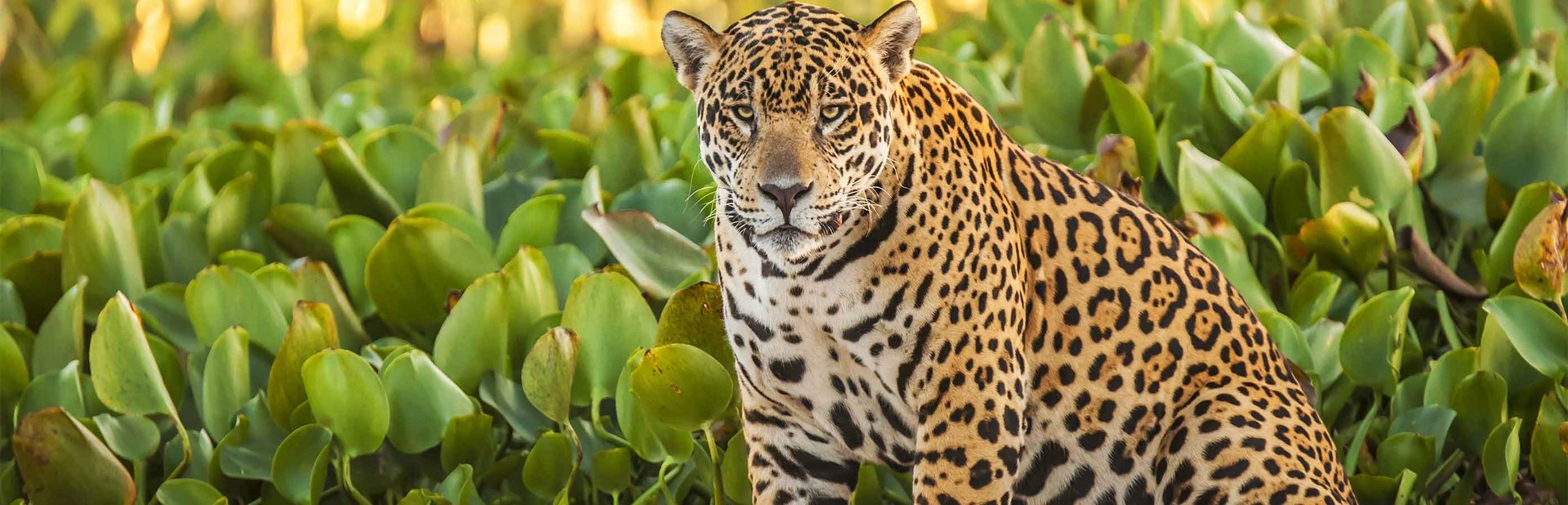
5 / 8Porto Jofre, at the end of the Transpantaneira in the Northern Pantanal, is the best place in the world to see jaguars in the wild: by boat along the banks of the Cuiabá, Piquiri and Três Irmãos rivers, where the animals hunt and bask in the sun during the dry season. Allow 3 nights; the best time to travel is July to October, with the highest chance in August and September.
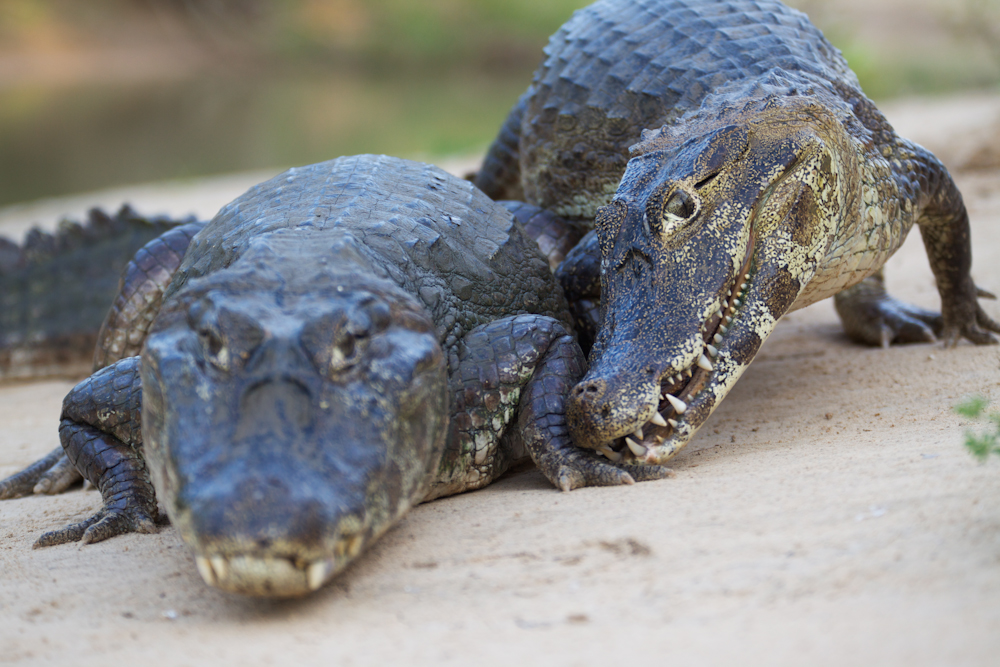
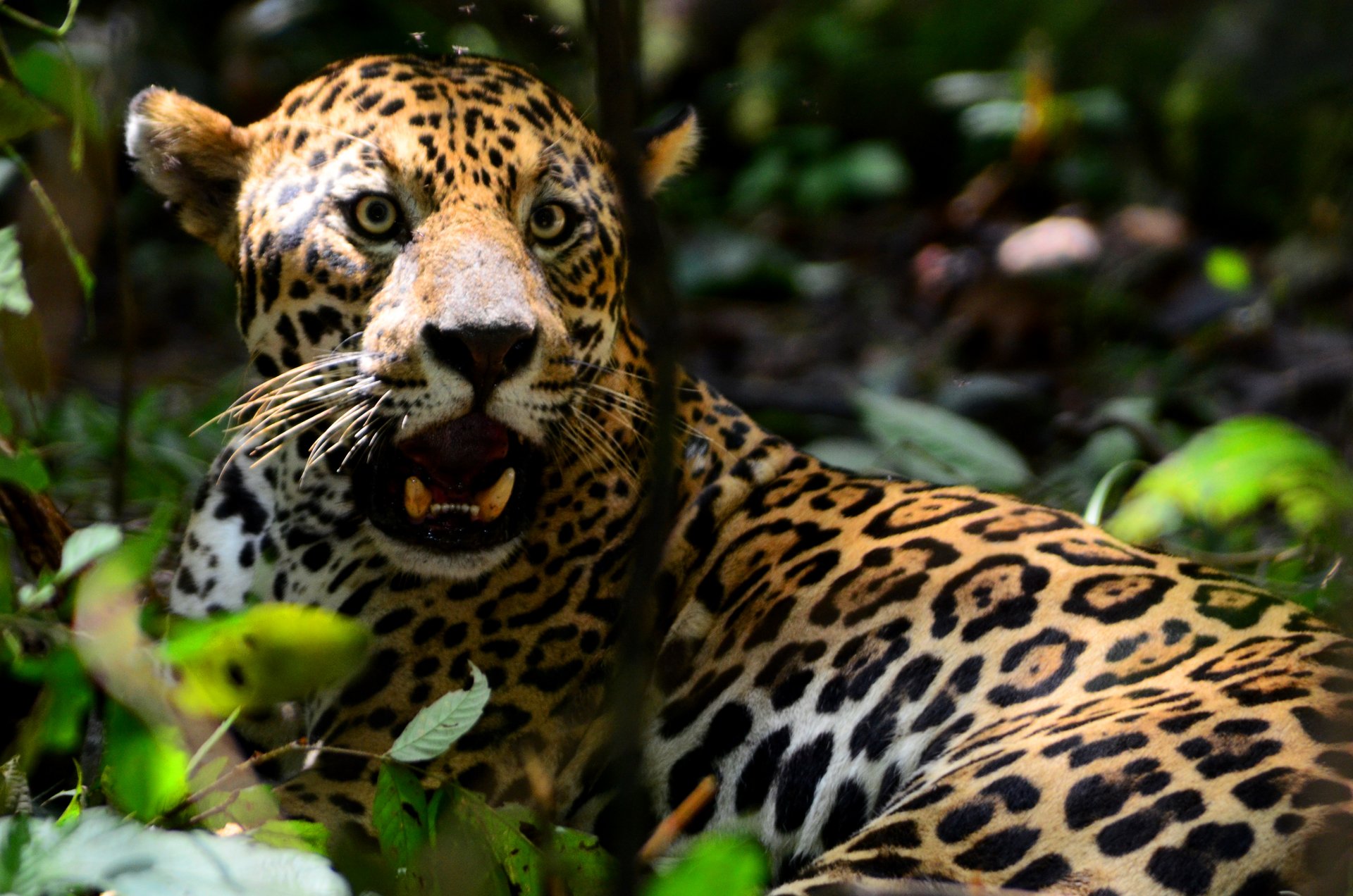
The jaguar is the largest cat in the Americas and very shy in the rest of the continent. The Encontro das Águas reserve near Porto Jofre is home to an exceptionally high density and the animals are used to boats. As a result, you do not see them here as a fleeting shadow, but often for minutes at a time on the riverbank, hunting caimans or capybaras.
Highlights of Porto Jofre
- Jaguar safaris by boat: two trips a day, in the cool morning and the late afternoon, with specialised guides and boatmen (piloteiros) who share sightings by radio.
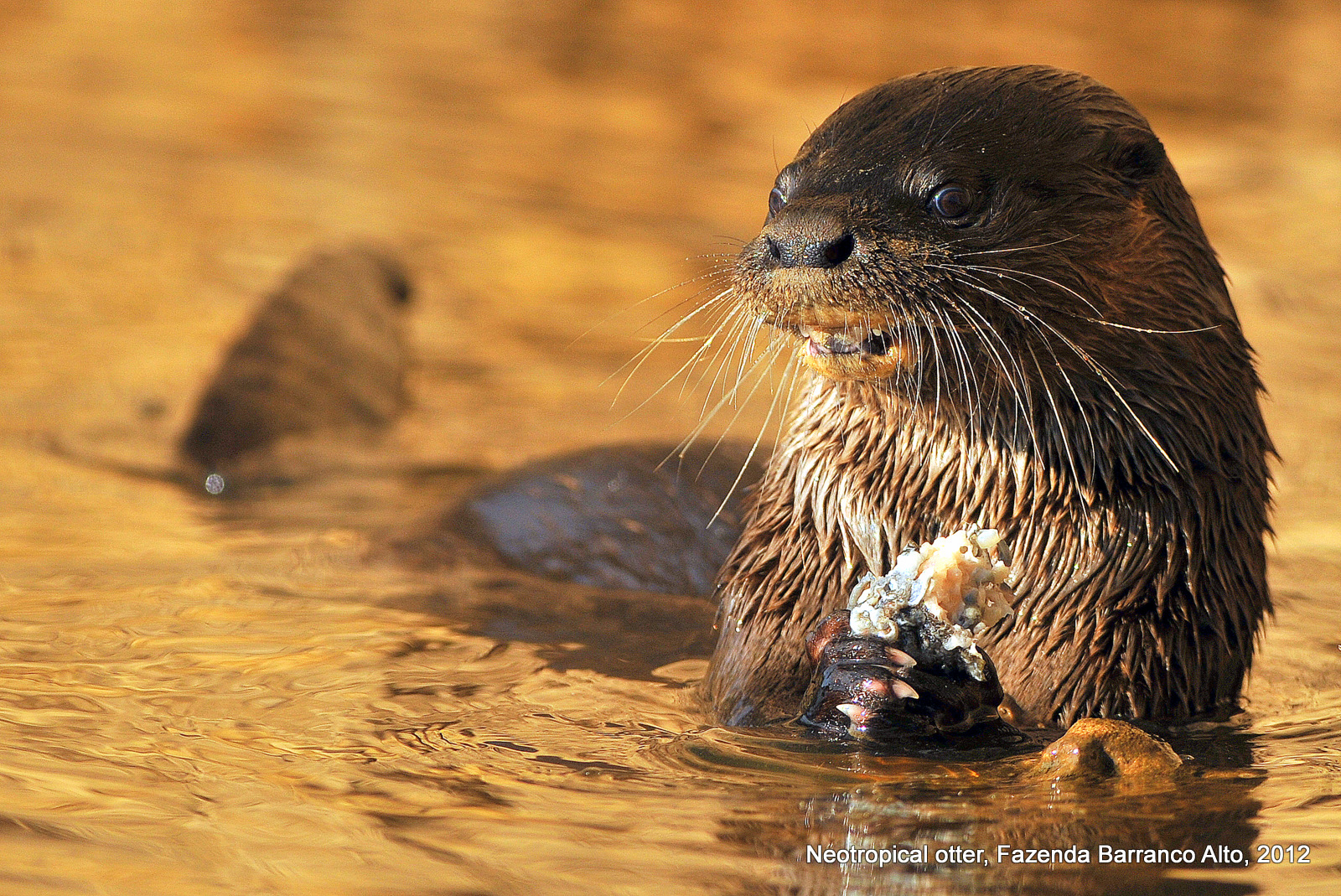
- Giant otters: playful family groups in the river channels, often just as spectacular as the jaguars.
- Caimans, capybaras and tapirs on the sandbanks and in the grass along the water.
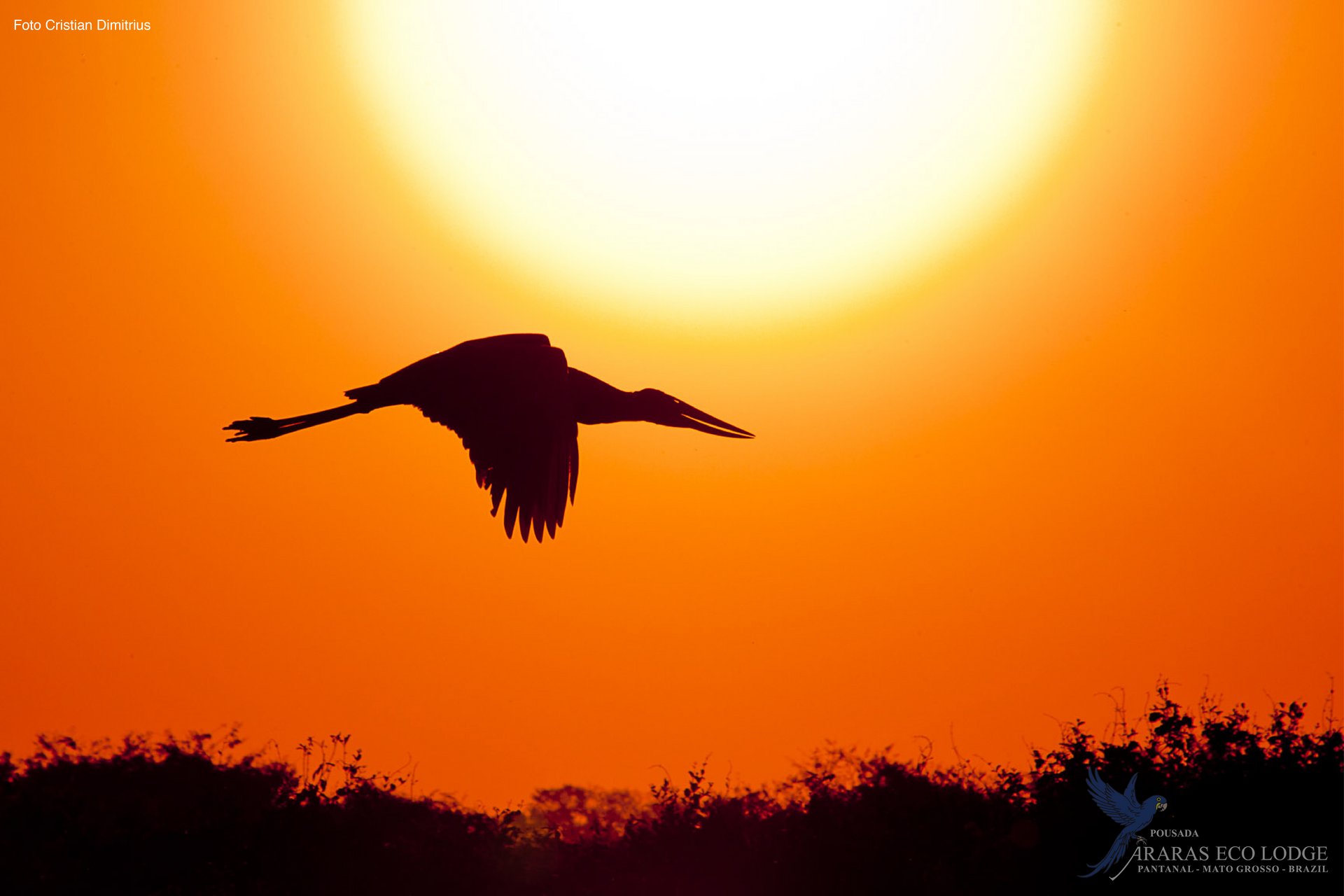
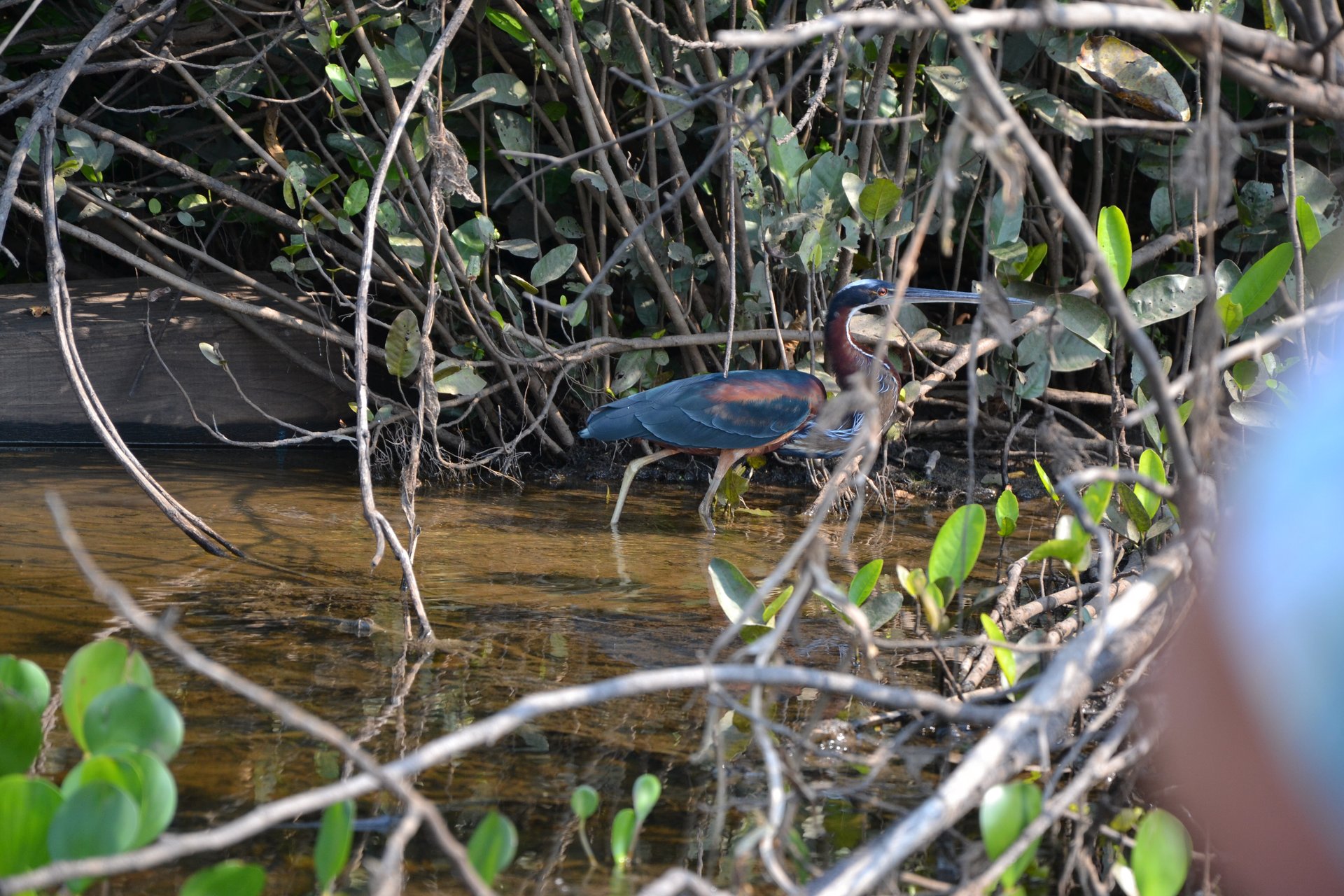
- Birds: kingfishers, hyacinth macaws, jabirus, herons and the rare agami heron.
- The Transpantaneira: 147 kilometres of dirt road with more than a hundred wooden bridges and lodges along the way, a safari in itself.
Best time to travel to Porto Jofre
The season runs from June to November; from July to October the chance of jaguars is greatest, because the low water forces the animals to the riverbanks. August and September are the peak, but also the busiest and hottest months (35–40 °C). In the rainy season (December to May) large areas are under water, the Transpantaneira is often difficult to pass and most accommodation in Porto Jofre is closed.
Getting there and travel time
You fly to Cuiabá (about 2 hours from São Paulo or Rio). From Cuiabá it is 100 kilometres of tarmac to Poconé and then 147 kilometres of Transpantaneira; allow 4 to 5 hours' drive by 4x4. We arrange the transfers, usually with a stopover at a lodge along the Transpantaneira. On the way back you can also travel by boat to Porto Jofre and by 4x4 to Cuiabá.
How many days in Porto Jofre?
We recommend 3 nights: two full days on the river give a very high chance of several jaguars. Photographers take 4 nights. Combine with 2 nights in a lodge along the Transpantaneira for the other wildlife and to spread out the driving time.
Where to stay in Porto Jofre?
The choice is between the lodges on land, such as Berço Pantaneiro with its own boats, and the floating Flotel and Jaguar Suites on the Piquiri river, in the middle of jaguar territory. All packages are on a full-board basis with daily boat trips. Book early: the number of beds in Porto Jofre is limited and the season is short.
Combines well with
Almost always with the lodges of the Northern Pantanal along the Transpantaneira, and from Cuiabá with Chapada dos Guimarães, Nobres and the Amazon. Examples: Porto Jofre package, UeSo Lodge with jaguar tour and the nature round trip Into the Wild.
Frequently asked questions about Porto Jofre
How likely am I to see a jaguar?
In high season, very likely: with two full days on the river almost everyone sees several jaguars. Nobody can give a guarantee; it remains wild nature.
How close do I get to the jaguars?
The boats keep their distance, but jaguars along the riverbank can often be approached to within a few dozen metres. A telephoto lens of 300 mm or more is advisable for photos.
Is a jaguar tour also possible as a day excursion?
Yes, from lodges halfway along the Transpantaneira we offer a long day trip to Porto Jofre, for example at the UeSo Lodge. For the best chance, staying overnight in Porto Jofre remains the first choice.
Is it suitable for children?
From about 8 years old: the boat trips last 3 to 4 hours in the sun; bring a hat, sunscreen and plenty of water.
Tip from Brazil Travel Specialist
Plan Porto Jofre in August or September and book a year ahead if you want a specific lodge. Ask us about a private boat: then you decide for yourself how long you stay with a jaguar, which makes all the difference for photographers.
Manaus
6 / 8Manaus, the capital of the state of Amazonas with more than 2 million inhabitants, lies in the middle of the rainforest at the confluence of the Rio Negro and the Solimões and is the gateway to the Amazon. One night is enough for the Theatro Amazonas, the market and the Encontro das Águas, before you leave for a jungle lodge or river cruise. It can be reached by direct flights from São Paulo, Rio and Brasília (approx. 4 hours).
A fifth of all the fresh river water on earth flows through the Amazon. Manaus grew rich during the rubber era at the end of the nineteenth century and from those glory days preserves an opera house, a market hall and palaces in the middle of the jungle.
Highlights of Manaus
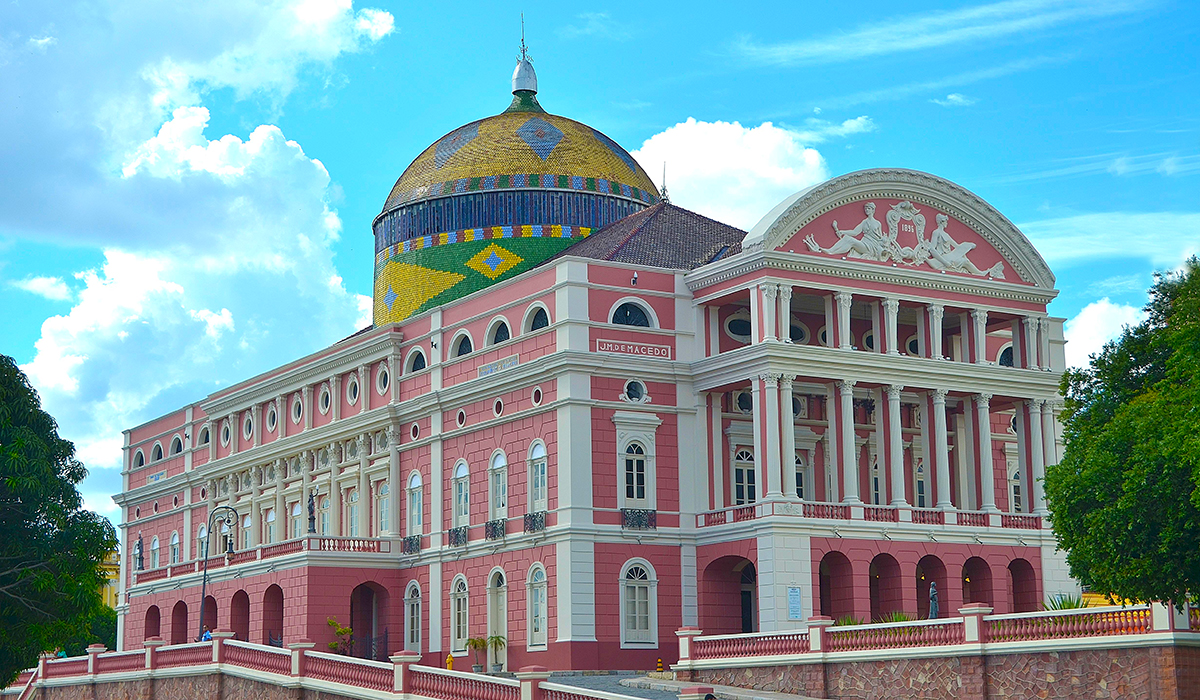
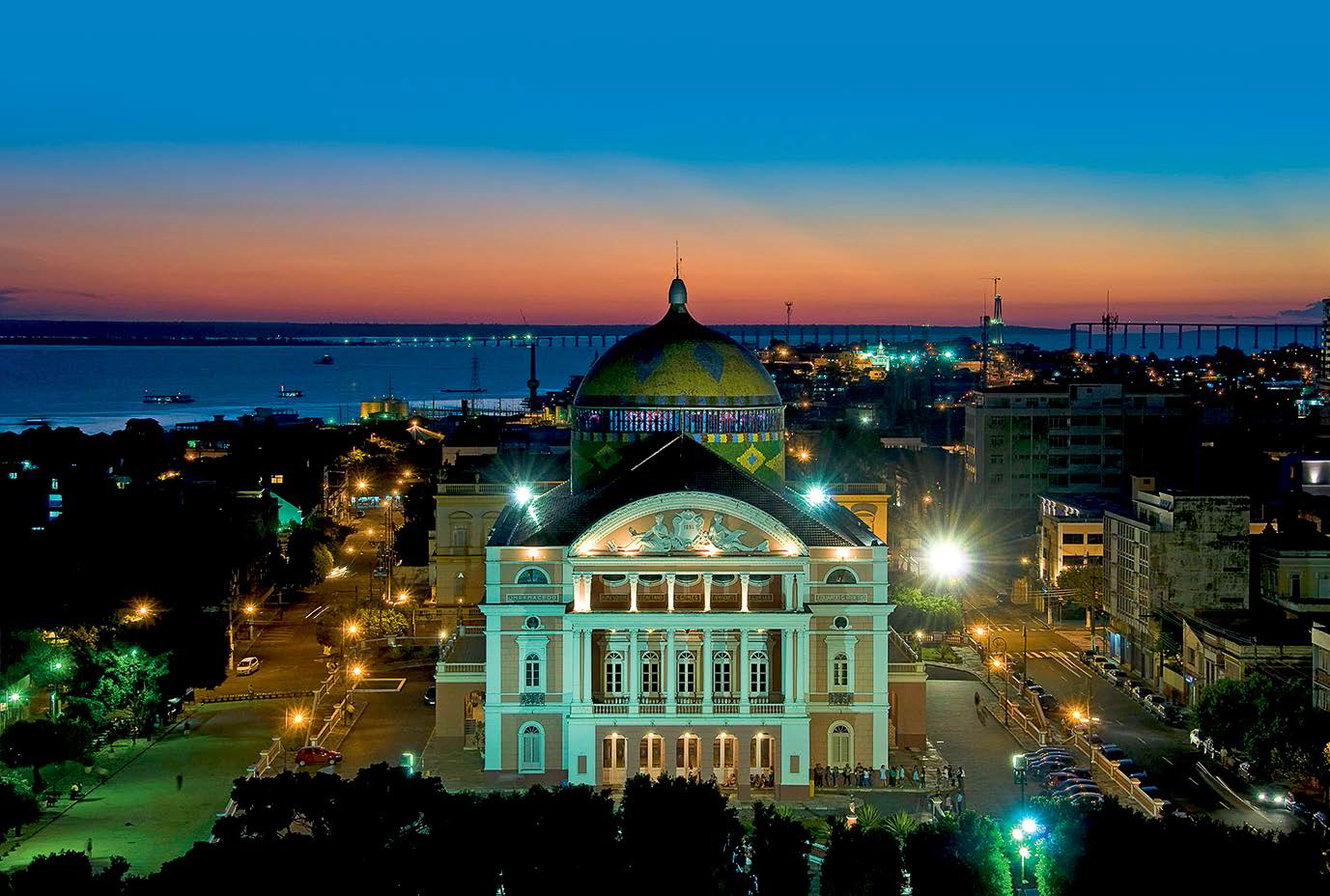
- Theatro Amazonas: the opera house from 1896 in Italian Renaissance style, with a dome in the colours of the Brazilian flag; guided tours daily and regular free concerts.
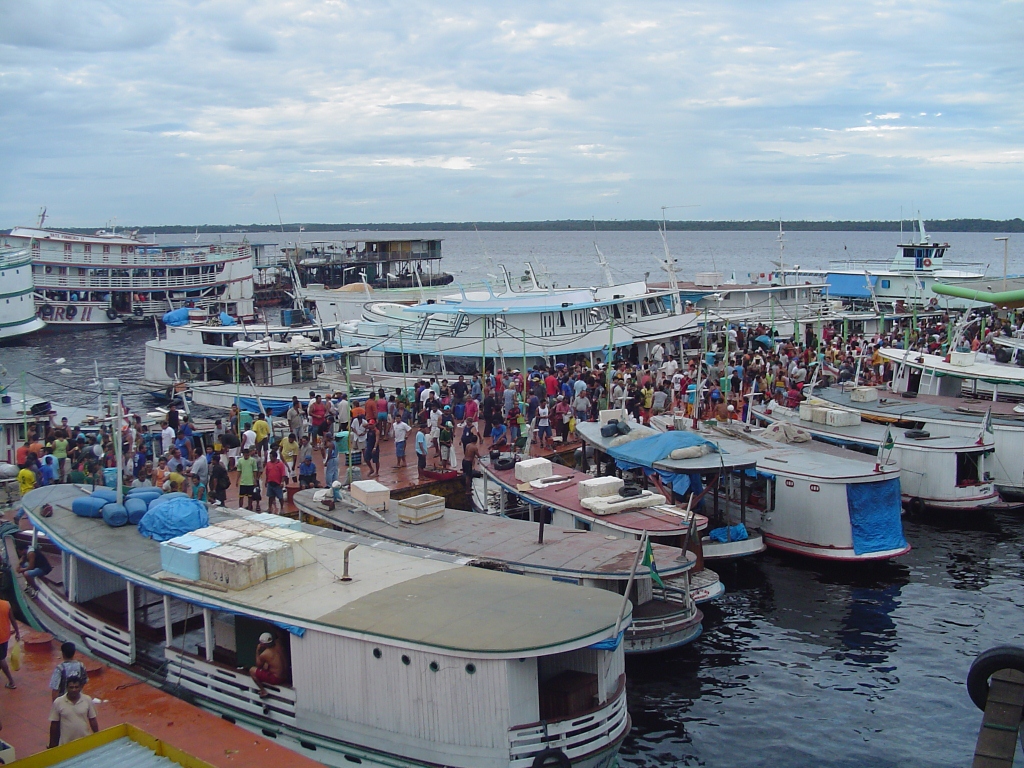
- Mercado Adolpho Lisboa: the market hall modelled on Les Halles in Paris, with Amazon fish, fruit and herbs.
- Encontro das Águas: the place where the black water of the Rio Negro and the brown water of the Solimões flow side by side for kilometres; can be visited by boat, often combined with a lodge transfer.
- Palácio Rio Negro and the historic centre from the rubber era.
- Ponta Negra: the city's river beach and promenade, with a view of the Rio Negro bridge.
Best time to visit Manaus
Warm and humid all year round (26–33 °C). From June to November the least rain falls and the water is low, with small beaches along the river; from December to May it rains more often, usually in short showers, and the water is high. The Amazon is worth visiting in both seasons.
Getting there and travel time
Eduardo Gomes airport is 20 minutes from the centre, with daily flights from São Paulo and Rio (approx. 4 hours), Brasília, Belém and Cuiabá. From the Netherlands you fly with one change (Lisbon or São Paulo). We arrange the private transfer to your hotel and the connection to the lodge or the cruise ship, which usually depart from the port or a jetty outside the city.
How many days in Manaus?
One night before or after your Amazon package is sufficient for a city tour with the theatre and the market. If you want to do the Encontro das Águas as a separate excursion or attend an evening concert, plan two nights.
Restaurant tips in Manaus
- Banzeiro: the best-known restaurant in the Amazon, with chef Felipe Schaedler and dishes of tambaqui, pirarucu and tucupi.
- Caxiri: Amazonian cuisine in a listed building opposite the Theatro Amazonas.
- Tambaqui de Banda: informal and local, the place for grilled tambaqui ribs.
- Bar do Armando: an institution next to the theatre, for a cold beer after the guided tour.
Combines well with
Manaus is the base for the Amazon: lodges such as Amazon Turtle Lodge, Juma Lodge and Anavilhanas Lodge, or cruises with Katerre and the Iberostar Heritage Grand Amazon. After that you fly on to the Pantanal (Cuiabá), Belém or the north-east coast.
Frequently asked questions about Manaus
Do I have to spend a night in Manaus?
Usually yes: most lodges and cruises depart in the morning, and international or domestic flights often arrive in the evening. A night in the city makes the connection relaxed.
Is Manaus safe?
In the centre and at Ponta Negra it is fine during the day; in the evening you take a taxi. As in any large Brazilian city: no visible valuables.
Can I travel directly from Manaus to the Pantanal?
Yes, there are direct flights to Cuiabá (approx. 2 hours), which means the Amazon and the Pantanal fit into one trip of 8 to 9 days.
Do I need vaccinations?
A yellow fever vaccination is recommended for the Amazon; malaria prophylaxis is usually not needed for the lodges around Manaus. Ask the GGD for advice.
Tip from Brazil Travel Specialist
Check the programme of the Theatro Amazonas before departure: there are regular free or inexpensive concerts and during the opera festival (April–May) the building is at its most beautiful. We plan your night in the city so that a performance fits in.
Amazon
7 / 8The Amazon is the largest rainforest in the world and, from the Netherlands, is best reached via Manaus, with direct flights from São Paulo and Rio (approx. 4 hours). You stay in a jungle lodge or on board a river cruise, on a full-board basis with daily excursions. Allow 3 to 5 nights; the Amazon can be visited all year round, with high water from March to July and low rivers and small beaches from September to November.
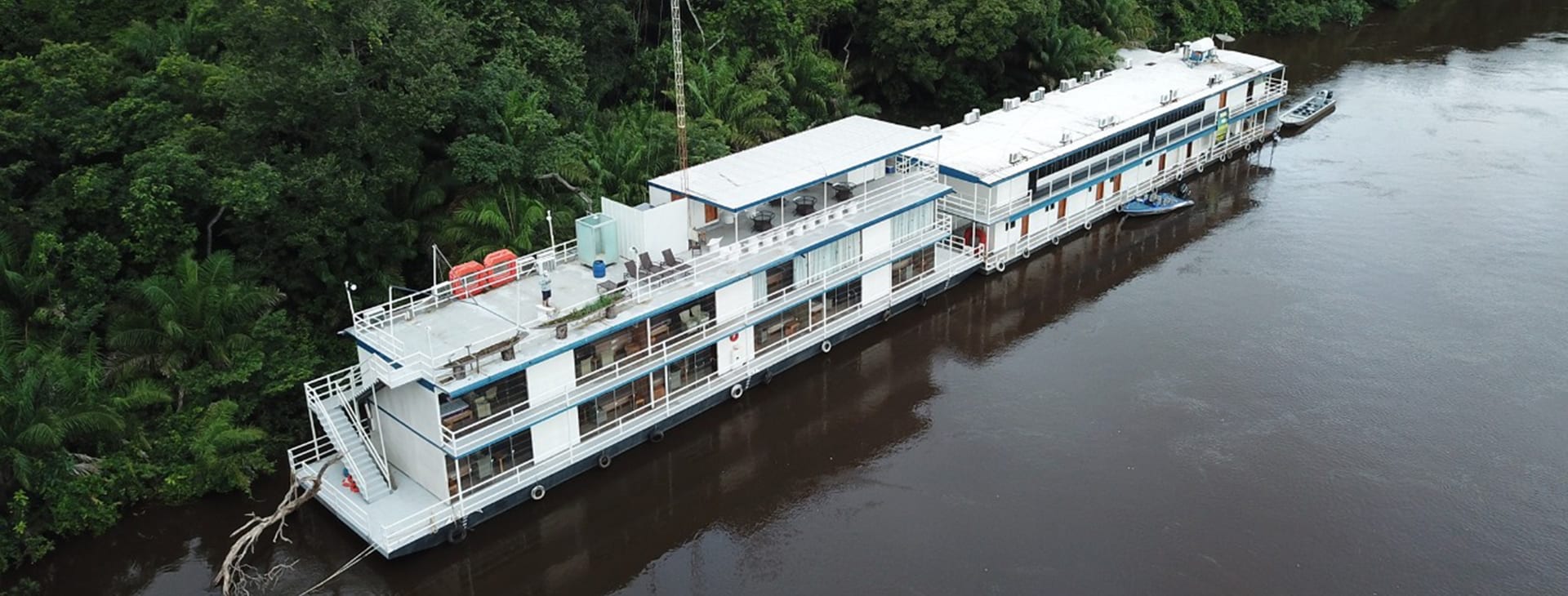
The Amazon basin is so large that the Netherlands would fit into it more than a hundred times. Around Manaus there are dozens of lodges, and expedition vessels sail the Rio Negro and the Solimões; here you see pink river dolphins, sloths, caimans and hundreds of bird species, and you visit river communities.
Highlights of the Amazon
- Jungle lodges: from the authentic Amazon Turtle Lodge and Juma Lodge on stilts above the water to the luxurious Anavilhanas Lodge and Mirante do Gavião on the Rio Negro.
- River cruises: multi-day expeditions with Katerre, the Amazon Clipper or the Iberostar Heritage Grand Amazon to the Anavilhanas archipelago, the largest river archipelago in the world.
- Encontro das Águas: near Manaus the dark Rio Negro and the pale Solimões flow side by side for kilometres without mixing.
- Canoe and night trips: through the flooded igapó forest, spotting caimans with the spotlight and fishing for piranhas.
- Presidente Figueiredo: the Amazon highlands 107 km from Manaus, with waterfalls, caves and trees up to 80 metres tall; the Amazon Emotions Jungle Lodge is also located here.
- Southern Amazon and Alter do Chão: the Cristalino Jungle Lodge (birdwatching highlight) and the white river beaches of Alter do Chão near Santarém as alternatives to Manaus.
Best time to visit the Amazon
The Amazon is accessible all year round and always warm and humid (26–32 °C). From March to July the water is high: you travel by canoe among the treetops through the flooded forest and the rivers are wide. From September to November the water is low: the river beaches are exposed, walking in the forest is easier and the chance of seeing animals on the banks is greater. Most rain falls in the rainy season (December to May), usually in short, heavy showers.
Getting there and travel time
Manaus has an international airport with daily flights from São Paulo, Rio de Janeiro, Brasília and Cuiabá; from the Netherlands you fly with a change in Lisbon or São Paulo. The lodges are 1 to 4 hours from Manaus, by car and boat; the transfers are included in the package. We usually combine the Amazon with the Pantanal (a 2-hour flight to Cuiabá) or the north-east coast.
How many days in the Amazon?
We recommend 3 to 4 nights in a lodge: that way you take part in all the excursions (canoe trip, jungle walk, night trip, visit to a community, sunrise on the river). For a cruise, allow 4 to 7 nights; if you really want to get to the heart of the Amazon, combine a lodge with a cruise or with the Southern Amazon.
Lodge or cruise?
A lodge offers peace and quiet, a fixed base and personal guides; ideal for families and a first introduction. A cruise takes you further into the wilderness, with a new place every day and more chance of unspoilt nature. Both are on a full-board basis and include excursions.
Combines well with
The Amazon combines well with Manaus (one night for the Theatro Amazonas), the Northern Pantanal, the Lençóis Maranhenses and the beaches of the north-east coast. Examples: Amazon Turtle Lodge, Anavilhanas Lodge, Katerre cruise and the round trip Gostos do Brasil.
Frequently asked questions about the Amazon
Are there many mosquitoes in the Amazon?
Hardly any around the Rio Negro: the acidic, dark water is unsuitable for mosquito larvae. Along the Solimões and in the rainy season there are more; long clothing and DEET are sufficient.
Do I need malaria prophylaxis?
For the lodges around Manaus this is usually not advised; a yellow fever vaccination, however, is recommended. Consult a travel health clinic or a travel vaccination centre.
Will I see many animals?
You will certainly see river dolphins, caimans, sloths, monkeys and many birds. Large mammals often remain hidden in the dense forest; for wildlife in open landscape the Pantanal is the better choice, which is why we combine the two.
Is the Amazon suitable for children?
Yes, most lodges welcome children from about 6 years of age; the excursions are short and by boat.
Tip from Brazil Travel Specialist
Choose your lodge for its location and guide, not just for comfort: a lodge on the Rio Negro means few mosquitoes and black water with reflections, a lodge on the Solimões or the Mamori means more animals but more insects. We know the lodges personally and will be happy to advise you on which one suits your trip.

Lençois Maranhenses
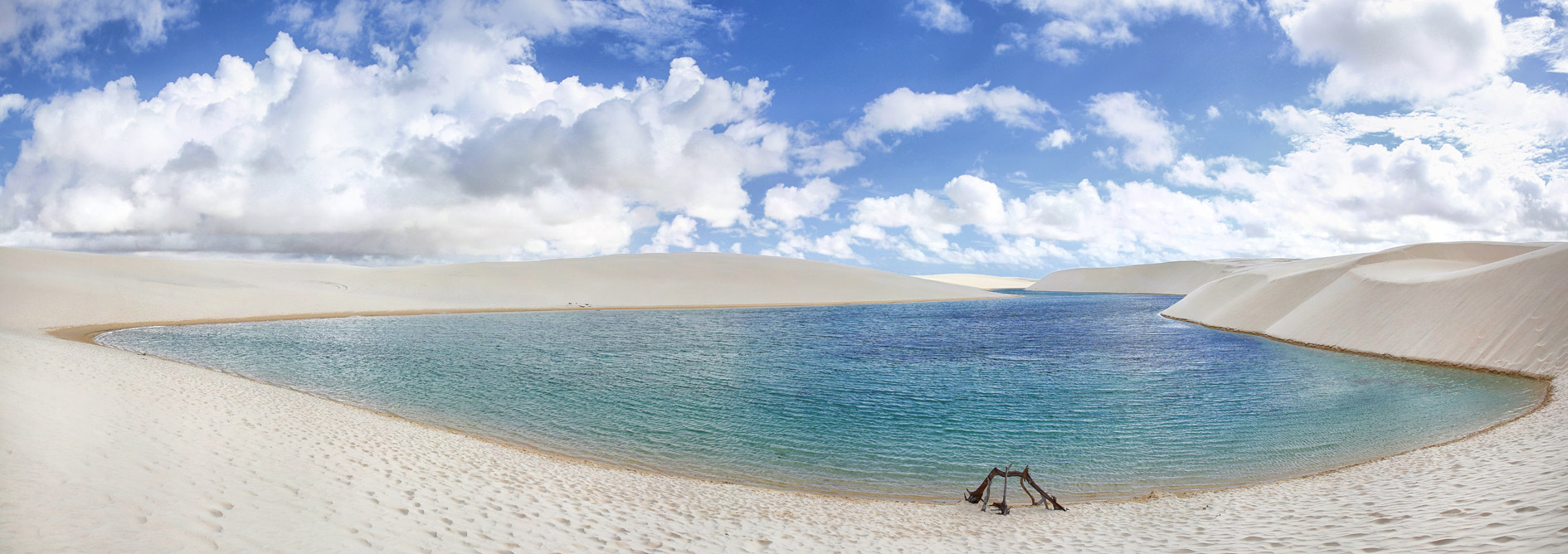
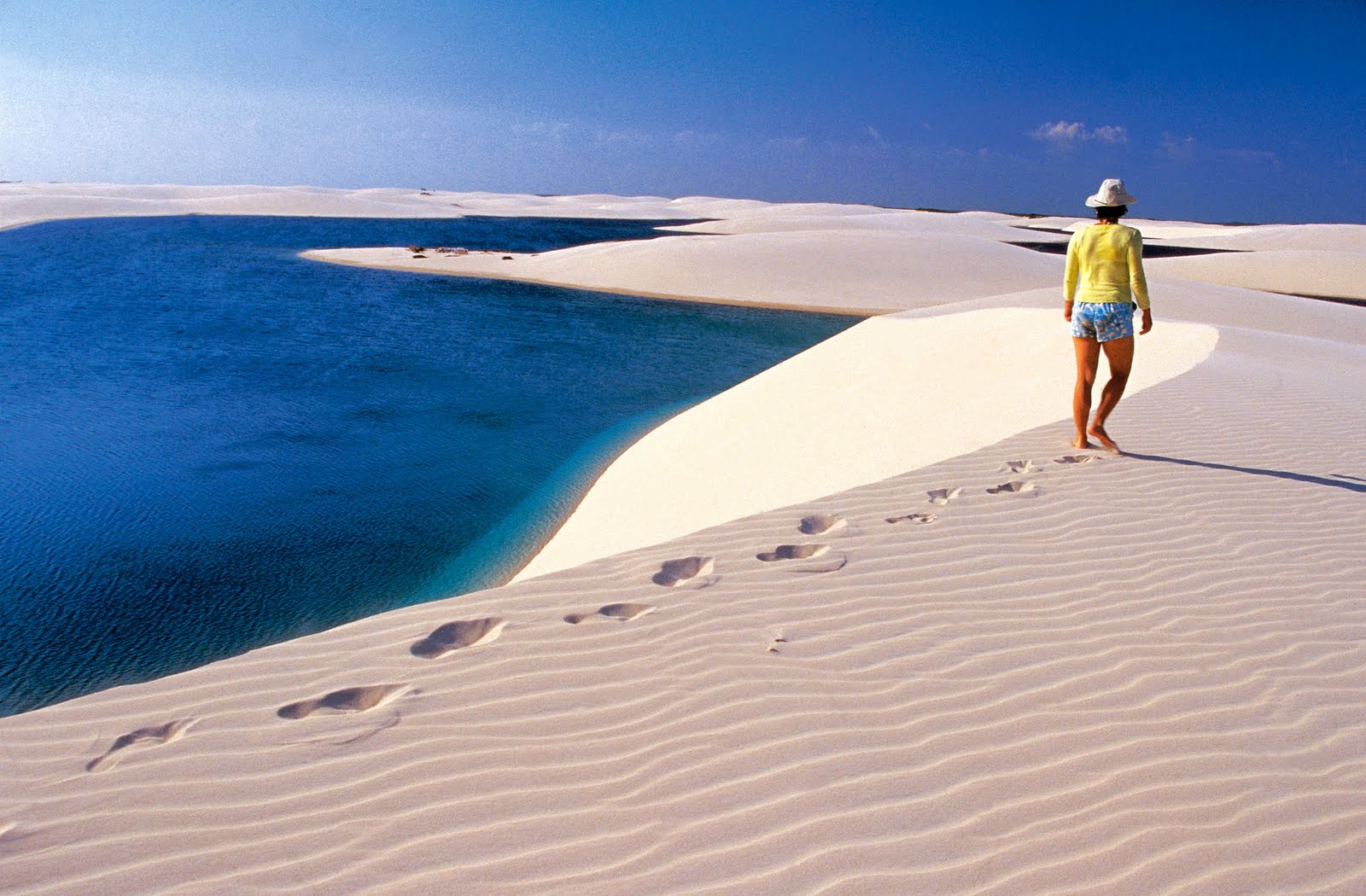
8 / 8The Lençóis Maranhenses are a national park of 155,000 hectares of white sand dunes on the north coast of Brazil, where thousands of crystal-clear freshwater lagoons form in the rainy season. The base is Barreirinhas (a 4-hour drive from São Luís) or the small village of Atins on the edge of the park. Allow 2 to 3 nights; best time to visit June to September, when the lagoons are full.
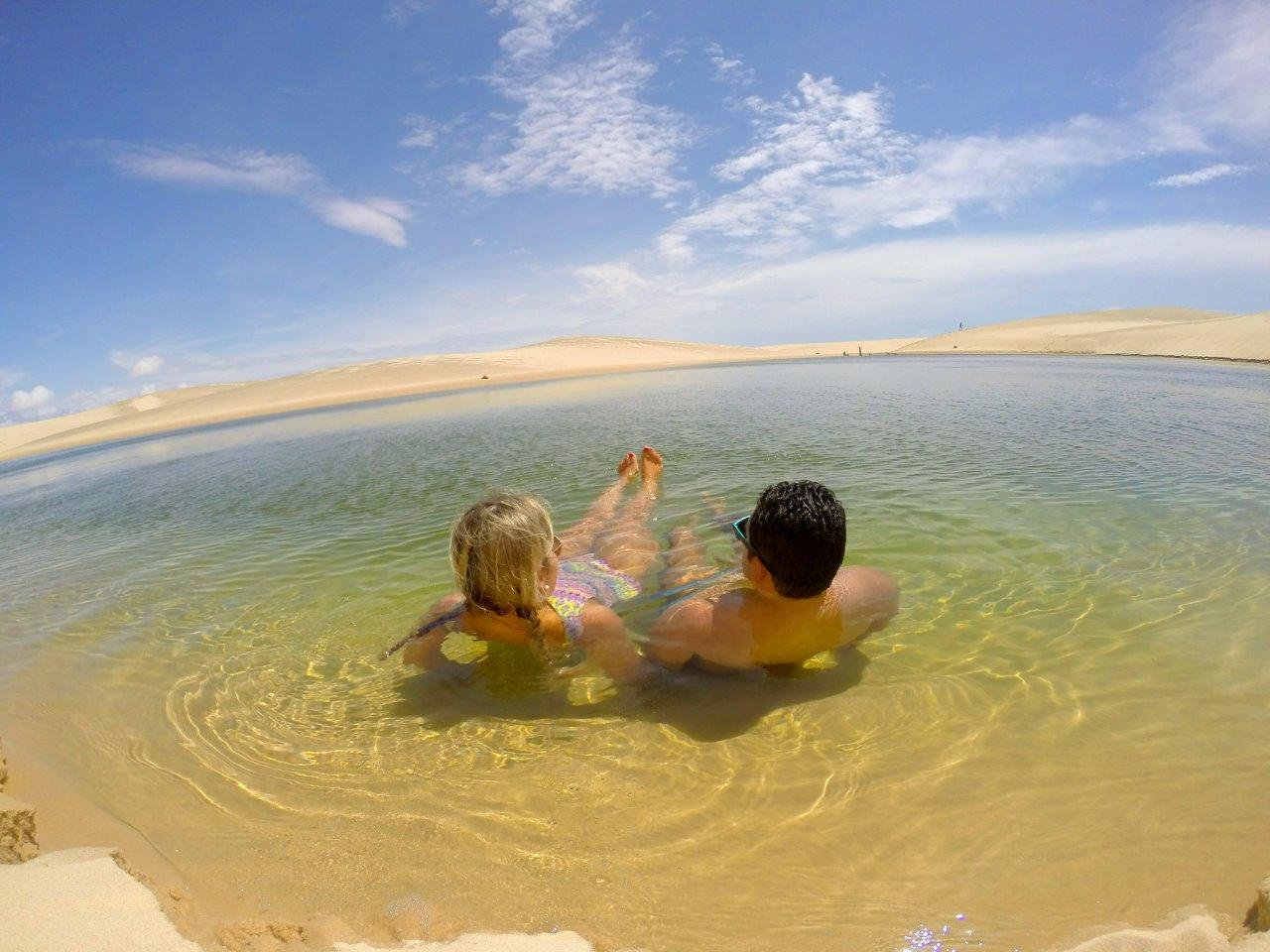
The landscape looks like a desert, but receives 1,600 millimetres of rain a year; the water sinks into the dunes and rises again as a lagoon. Swimming between the dunes in turquoise water is the experience travellers come for.
Highlights of the Lençóis Maranhenses
- Lagoa Azul and Lagoa Bonita: the best-known lagoons, by 4x4 from Barreirinhas, with the sunset from the dunes.
- Atins: a village of sandy streets at the mouth of the Rio Preguiças, right by the dunes, with walks to the Tropical and Gaivota lagoons.
- Boat trip on the Rio Preguiças: to Vassouras with the small dunes, the Mandacaru lighthouse and the beach of Caburé.
- Trekking through the dunes: multi-day treks from oasis to oasis (Queimada dos Britos, Baixa Grande) for the adventurous.
- Rota das Emoções: the route from São Luís via the Lençóis and the Parnaíba Delta to Jericoacoara.
Best time to visit the Lençóis Maranhenses
The lagoons fill up in the rainy season (January to May) and are at their most beautiful from June to September, and at the same time it is then dry and sunny. In October and November the water level drops; from December to February many lagoons are empty. It is always warm there (28–33 °C) with a fresh breeze.
Getting there and travel time
You fly to São Luís (approx. 1.5 hours from Fortaleza or Belém, 3.5 hours from São Paulo) and drive in 4 hours to Barreirinhas; to Atins you continue by boat on the Rio Preguiças (1.5 hours) or by 4x4. We arrange all transfers. From Barreirinhas you can travel on by 4x4 and boat to Parnaíba and Jericoacoara.
How many days in the Lençóis Maranhenses?
We recommend 2 to 3 nights: a day trip to the lagoons, a boat trip on the Preguiças and a day in Atins. As part of the Rota das Emoções you stay 2 nights in Barreirinhas or Atins.
Combines well with
Almost always with São Luís (colonial centre, UNESCO) and further along the coast with Parnaíba and Jericoacoara; via Belém or Manaus also with the Amazon. Examples: Lençóis Maranhenses package, Rota das Emoções and the round trip Amazone Cruise & Rota das Emoções.
Frequently asked questions about the Lençóis Maranhenses
When are the lagoons full?
From about May to September, with July and August as the most reliable months. Outside that period the dune landscape is still impressive, but you will swim in fewer lagoons.
Barreirinhas or Atins?
Barreirinhas has the most pousadas and day trips; Atins is smaller, quieter and lies right by the dunes. We often combine one night in each.
Is it suitable for children?
Yes, the lagoons are shallow and warm; the 4x4 rides through the sand are bumpy but short.
How demanding is the walk to the lagoons?
From the 4x4 you walk 20 to 40 minutes through loose sand; go in the late afternoon, when the sand has cooled down.
Tip from Brazil Travel Specialist
Spend a night in Atins: heading up into the dunes from the village early in the morning, without other visitors, is the highlight of the north coast for many of our travellers. Bring a torch; the sandy streets are dark in the evening.
Hotels


Excursions




Flight schedule
Price of the trip, flight package: € 2,873 per person
| Date: | From: | To: | Departure: | Arrival: | Stopover: | Airline: |
|---|---|---|---|---|---|---|
| 02/07/2027 | Brussel | Rio de Janeiro | 05:55 | 17:40 - totale reisduur: 16u45m | 0 | TAP Portugal, via Lissabon (1 overstap) |
| 04/07/2027 | Rio de Janeiro | Foz do Iguaçu | 15:15 | 17:30 | 0 | GOL G3 1862, rechtstreeks |
| 07/07/2027 | Foz do Iguaçu | Cuiabá | 17:45 | 23:00 - totale reisduur: 6u15m | 0 | LATAM LA3041/LA3868, via São Paulo Congonhas (1 overstap) |
| 12/07/2027 | Cuiabá | Manaus | 16:20 | 23:15 - totale reisduur: 6u55m | 0 | LATAM LA3113/LA3750, via Brasília (1 overstap) |
| 17/07/2027 | Manaus | São Luís | 08:15 | 14:25 - totale reisduur: 5u10m | 0 | Azul AD4544/AD2620, via Belém (1 overstap) |
| 21/07/2027 | São Luís | Brussel | 00:45 | 20:05 - totale reisduur: 14u20m | 0 | TAP Portugal, via Lissabon (1 overstap, 1 tussenlanding) |