




remarks
- Day 01: 1 August 2027 (Departure from Brussels; arrival in São Paulo late in the evening, overnight stay near the airport, start of the land package)
- Day 20: 20 August 2027 (End of the land package: private transfer to Rio de Janeiro airport for the return flight to Brussels, arriving on 21 August)
Price of the land package:
- € 6,085 per person, based on 2 people travelling in a double room
- Discount if you confirm up to and including 6 November 2026: € 150 per person; price of the trip after discount € 5,935 per person.
- After your confirmation we will book all parts of the trip, and once we have received all confirmed travel elements (this takes a number of days) we will send the travel documents and invoice.
- The deposit for this trip is 20% of the price of the trip and the remaining amount must be paid 6 weeks before departure.
Price of the flight package:
- € 2,136 per person, including checked baggage, for the flights Brussels – São Paulo (TAP Portugal, via Lisbon), São Paulo – Cuiabá (LATAM), Cuiabá – Salvador (LATAM, via São Paulo), Salvador – Rio de Janeiro (GOL) and Rio de Janeiro – Brussels (TAP Portugal, via Lisbon). See the flight schedule in the flights tab.
- Flights are day prices, are guaranteed upon issue, must be paid 100% in advance and are invoiced separately.
Included:
- All hotels and meals mentioned, see hotels tab
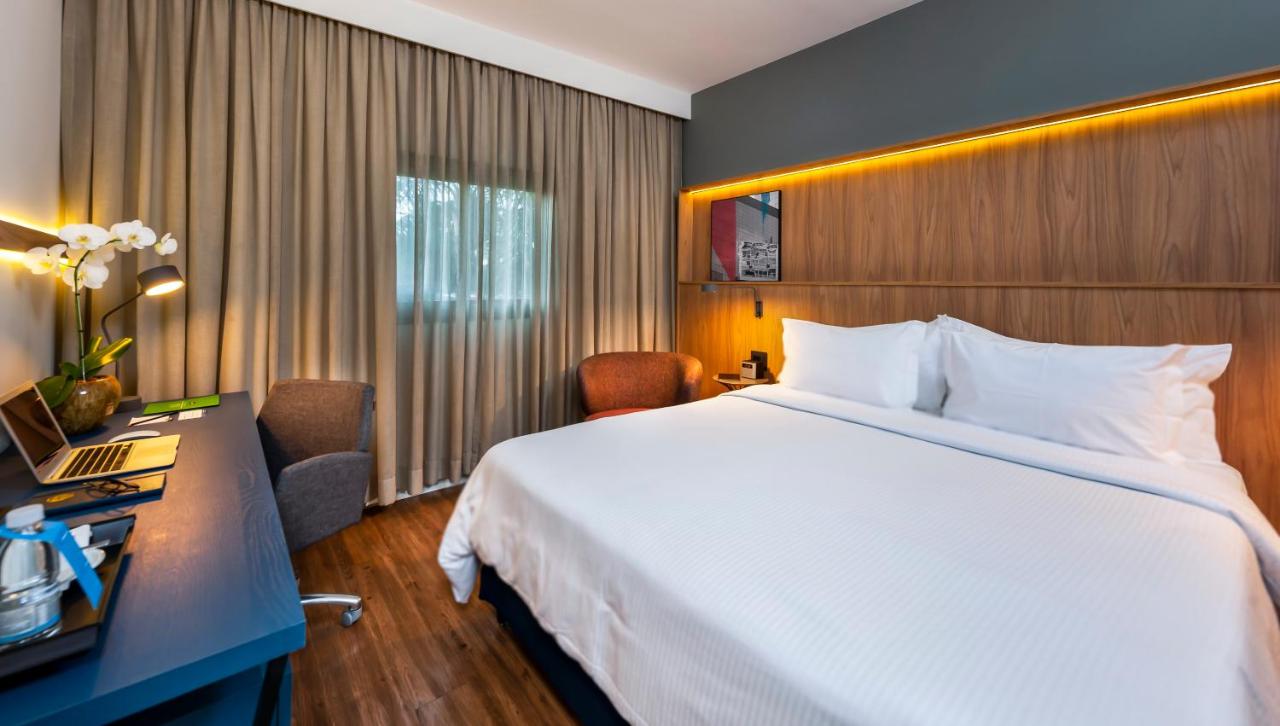
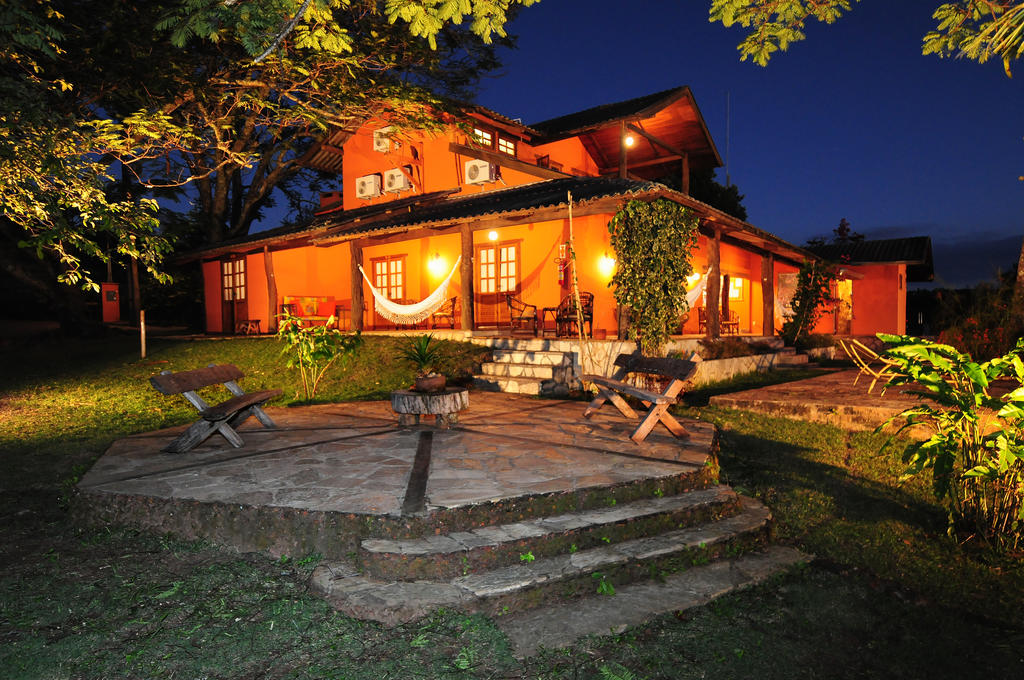
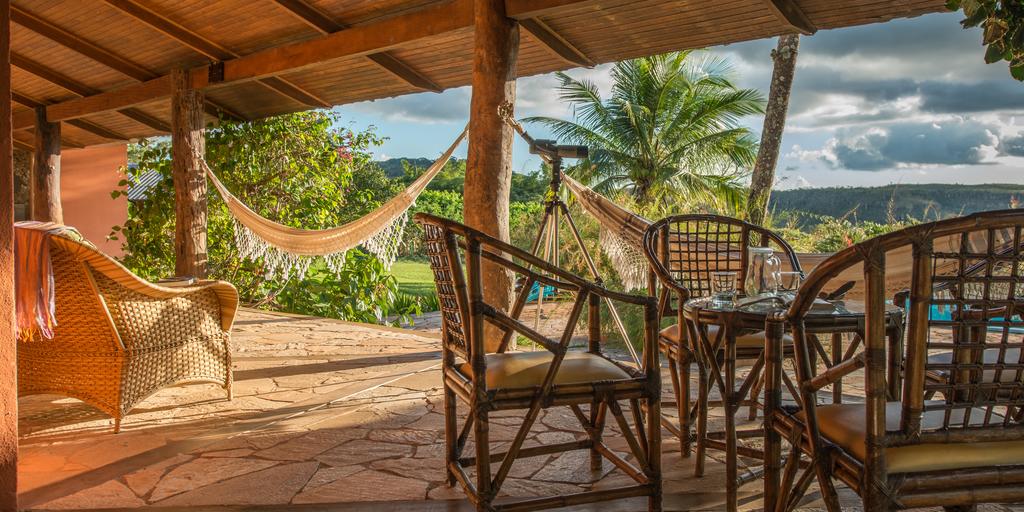
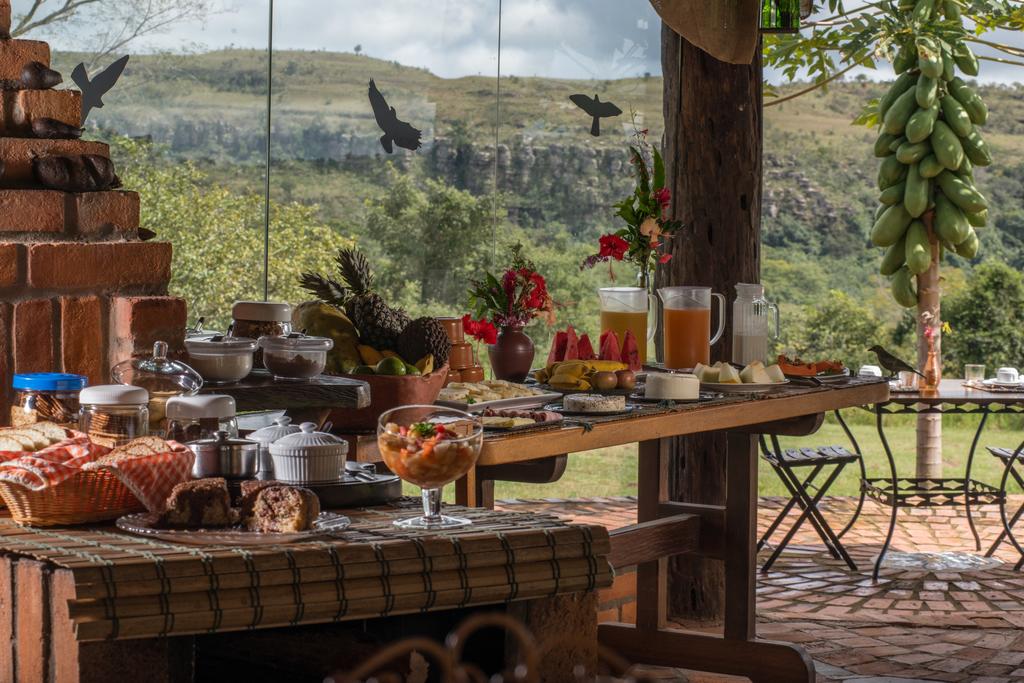
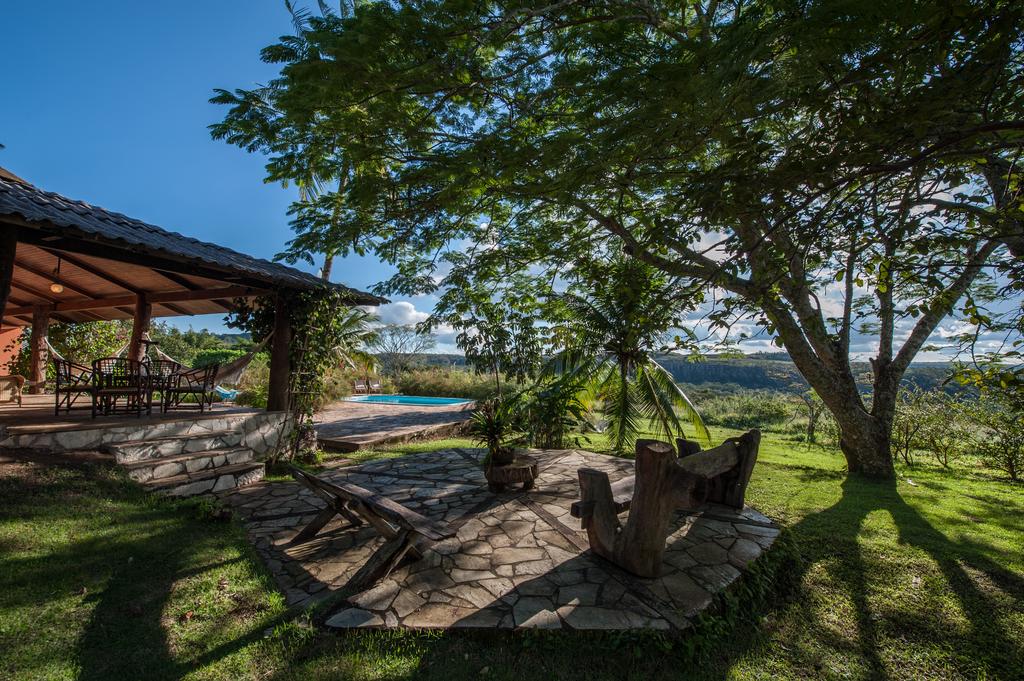
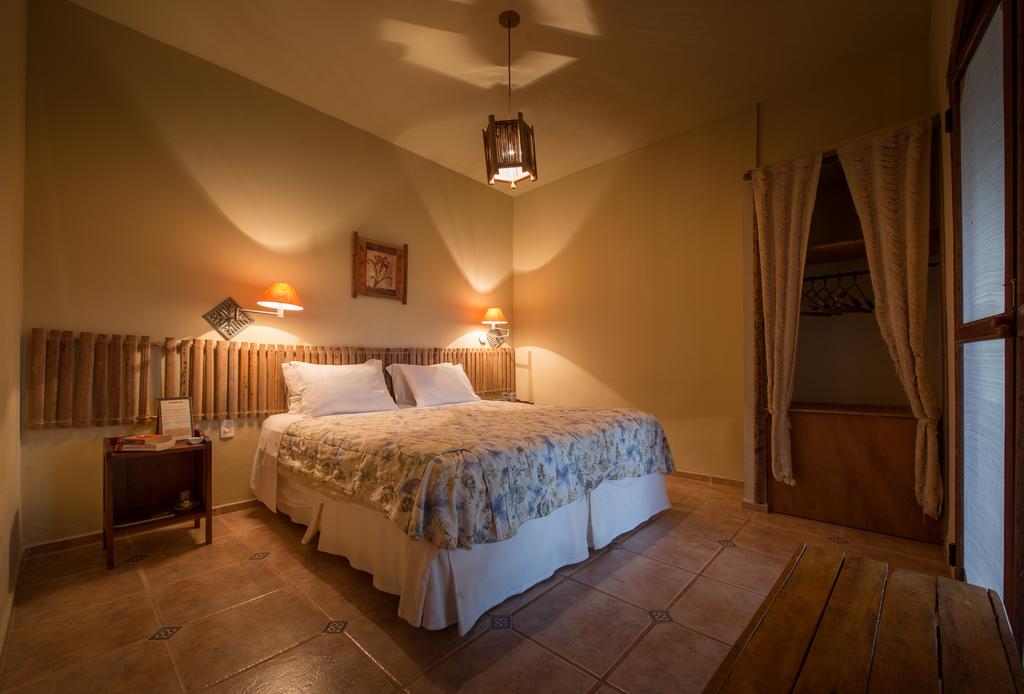
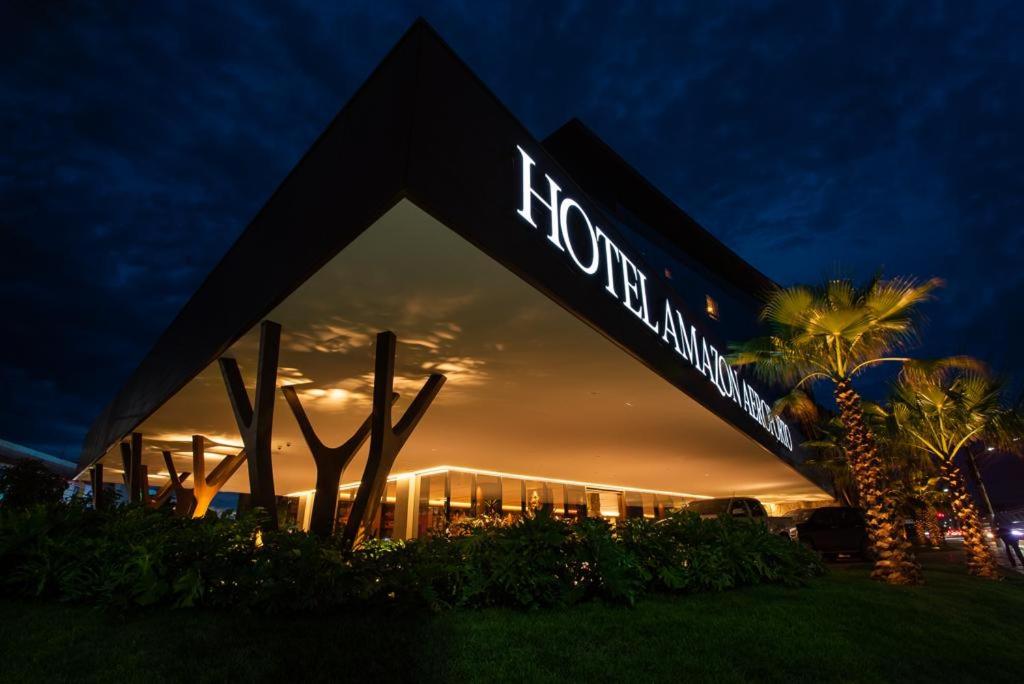
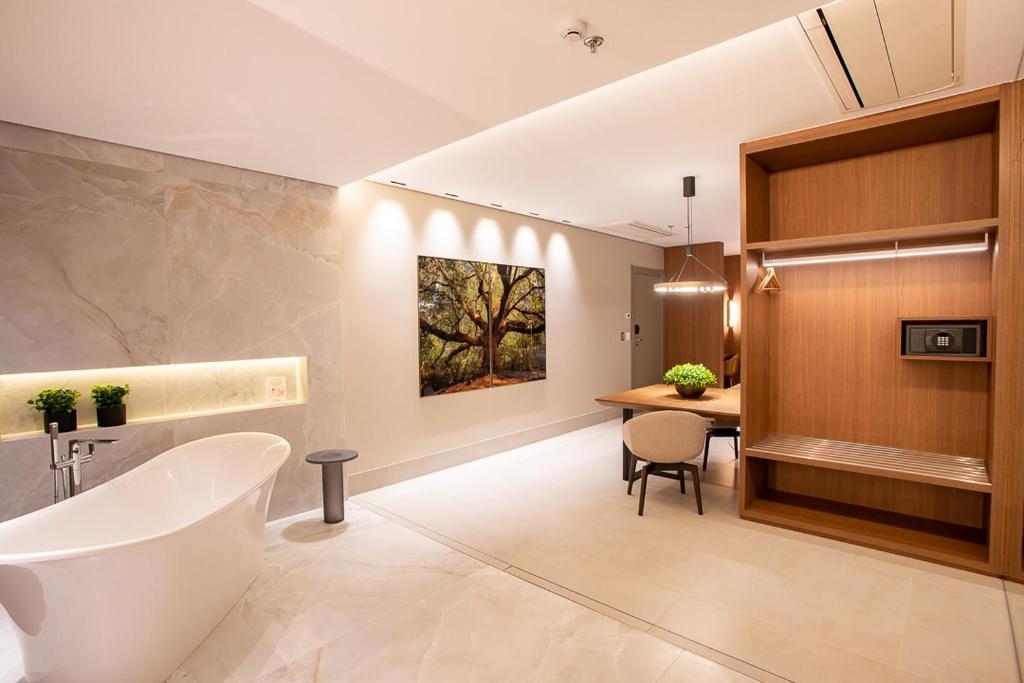
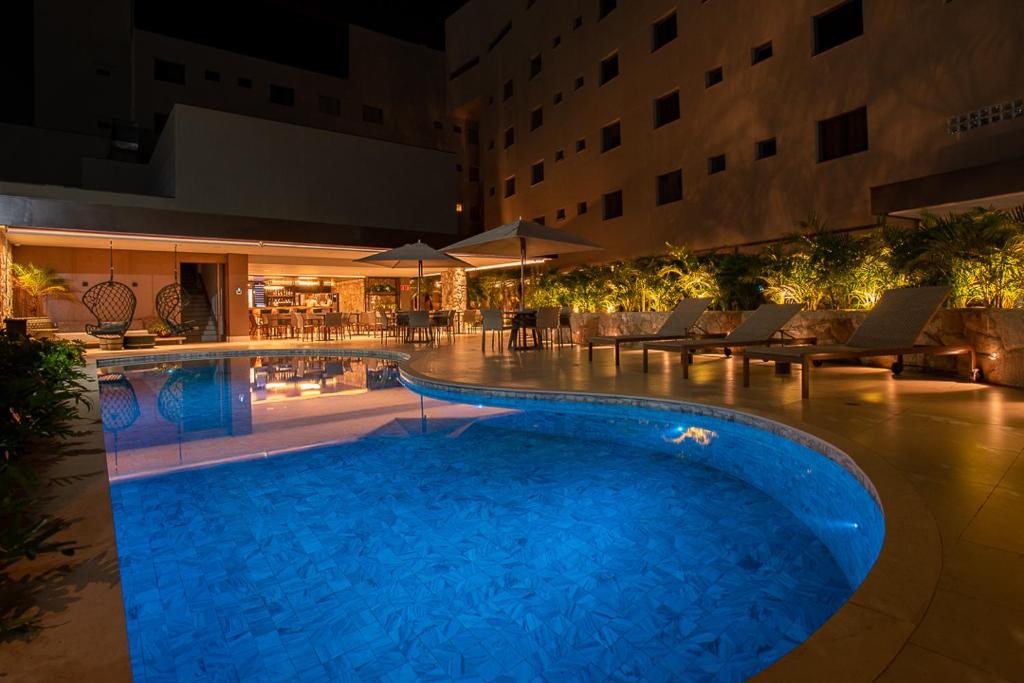
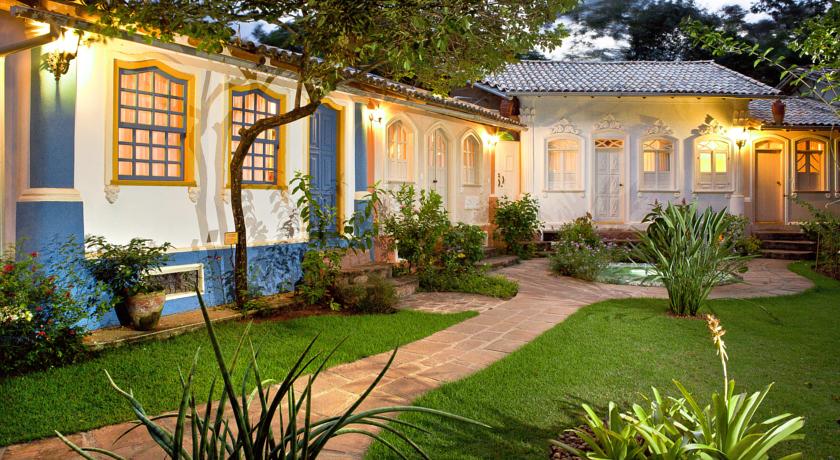
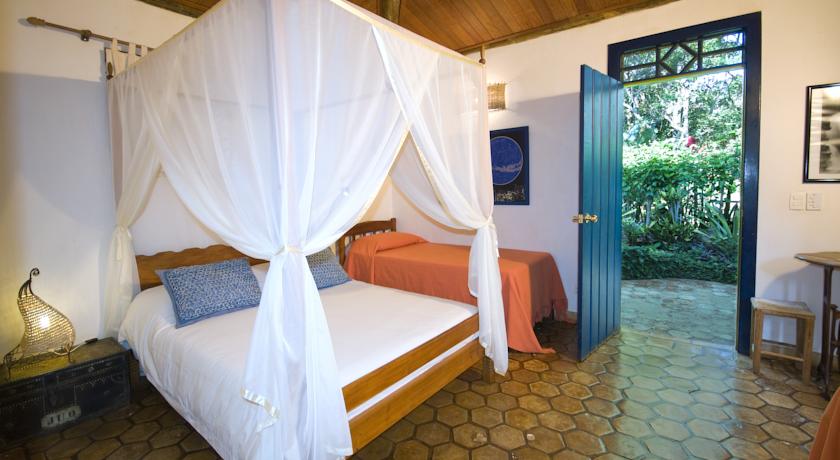
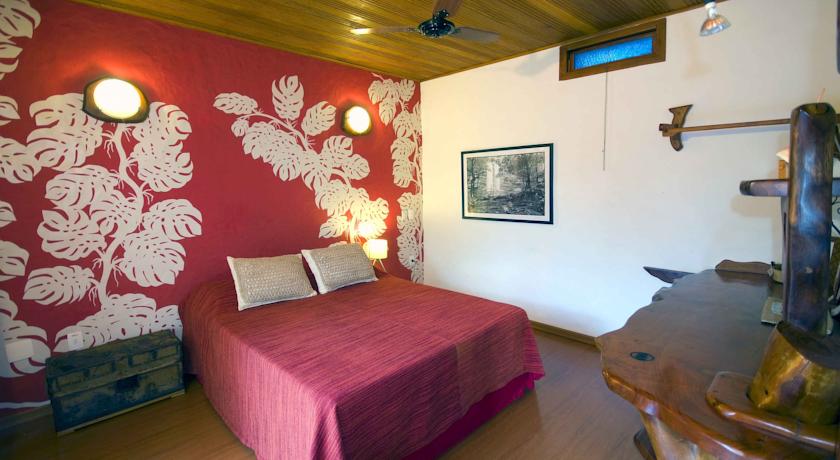
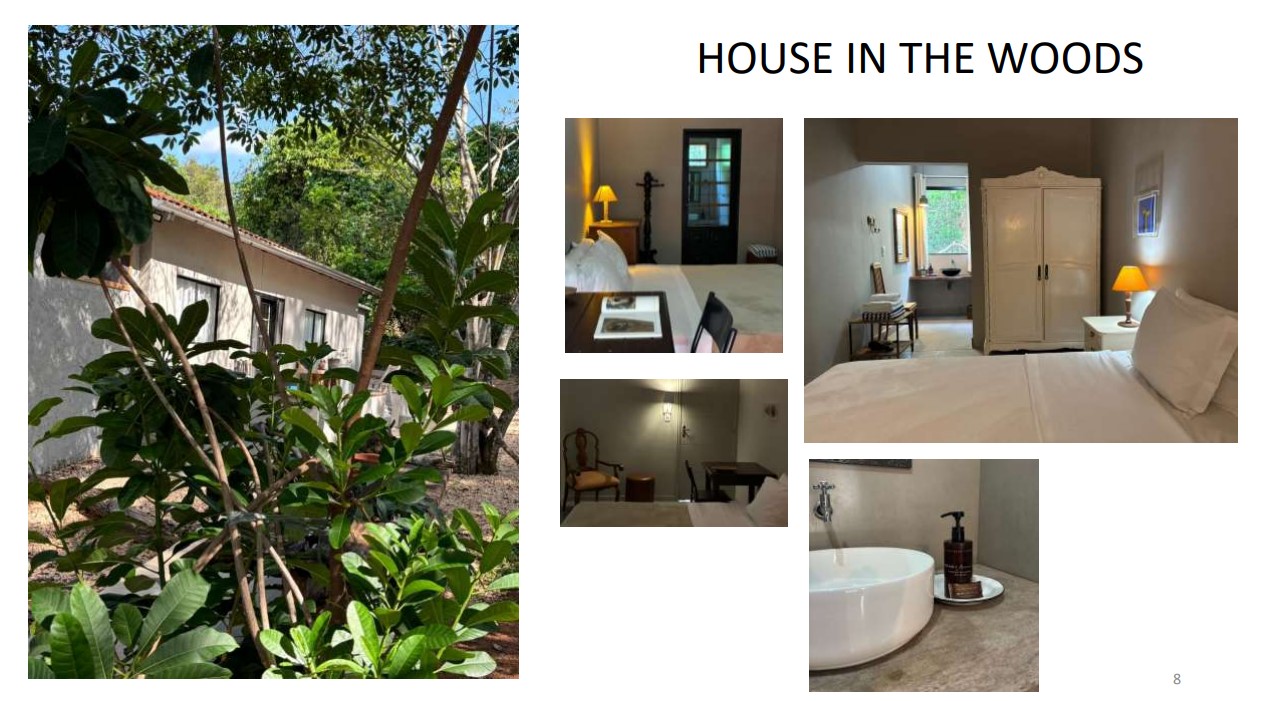
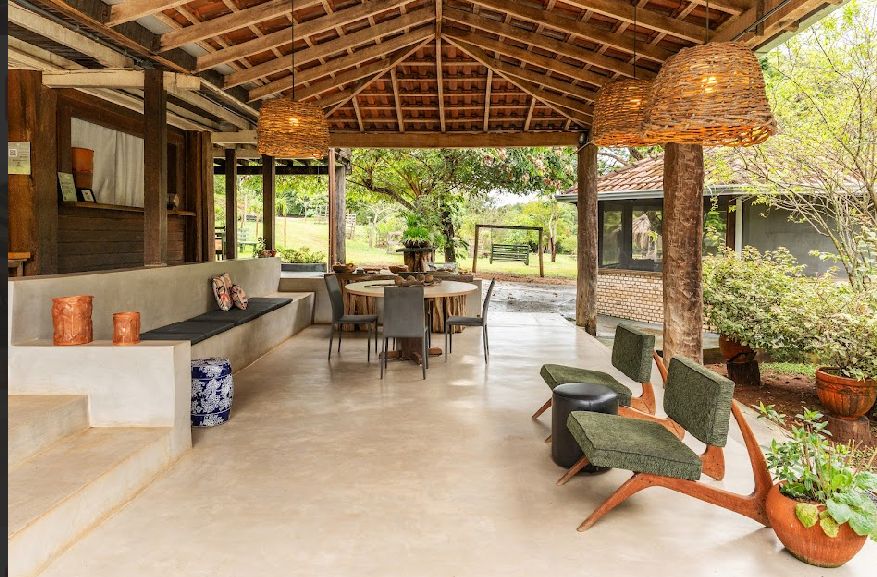
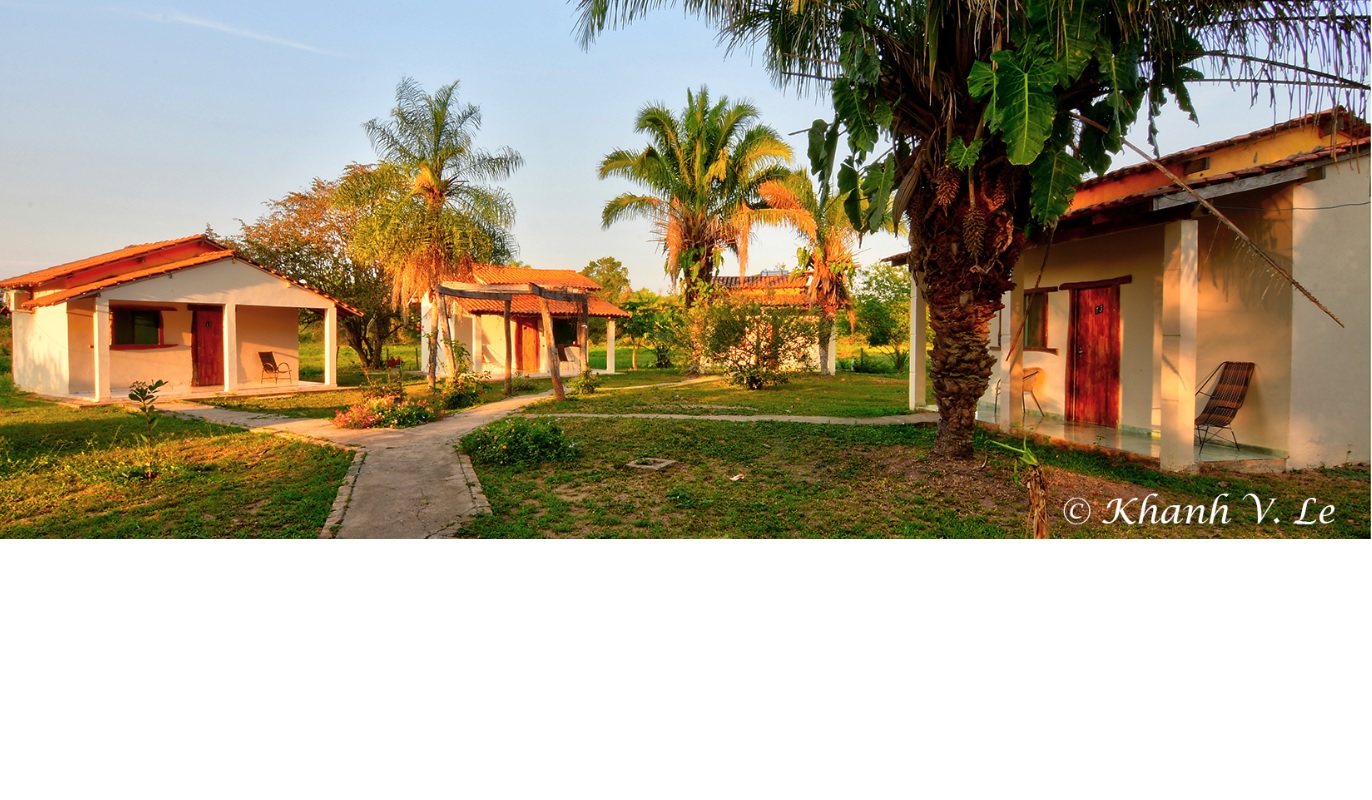
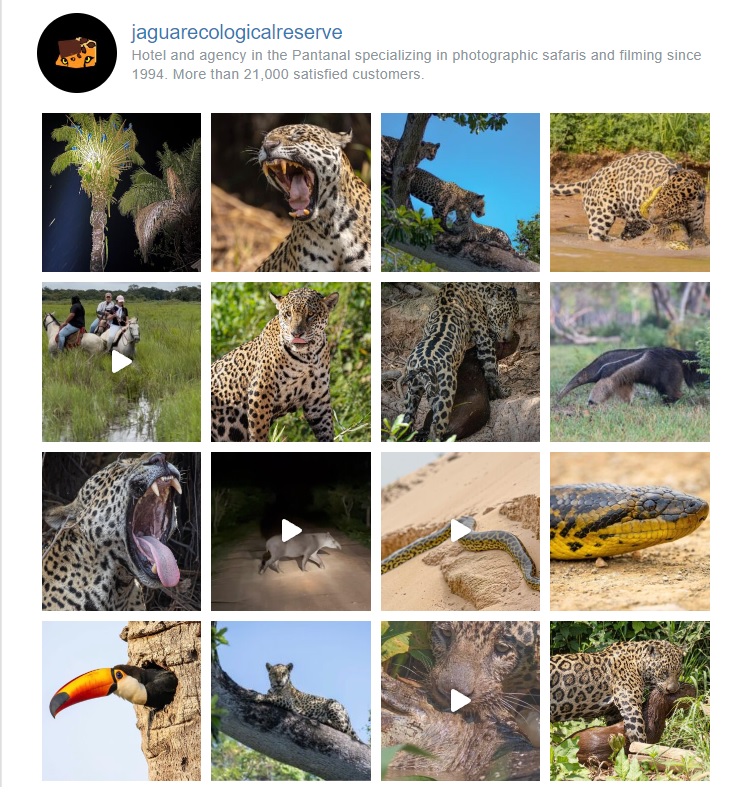
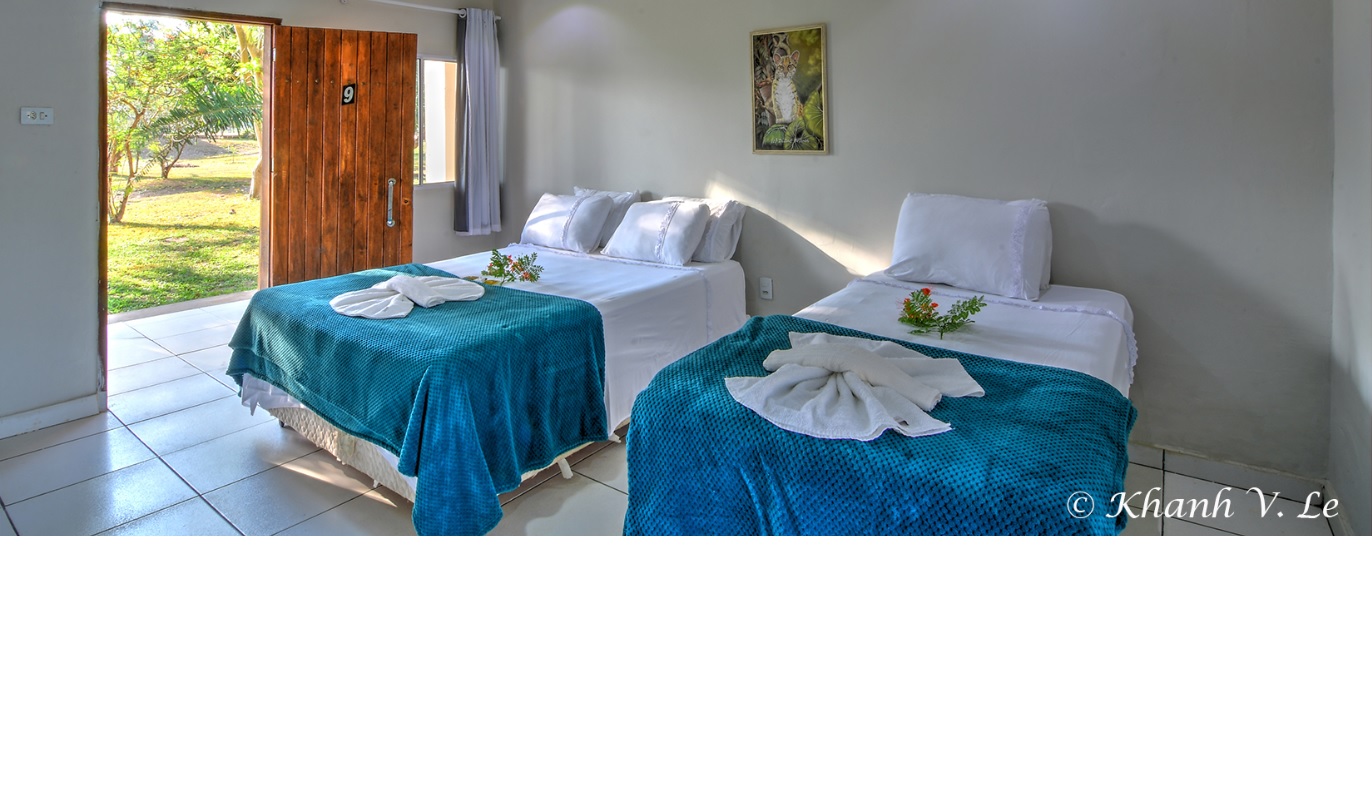
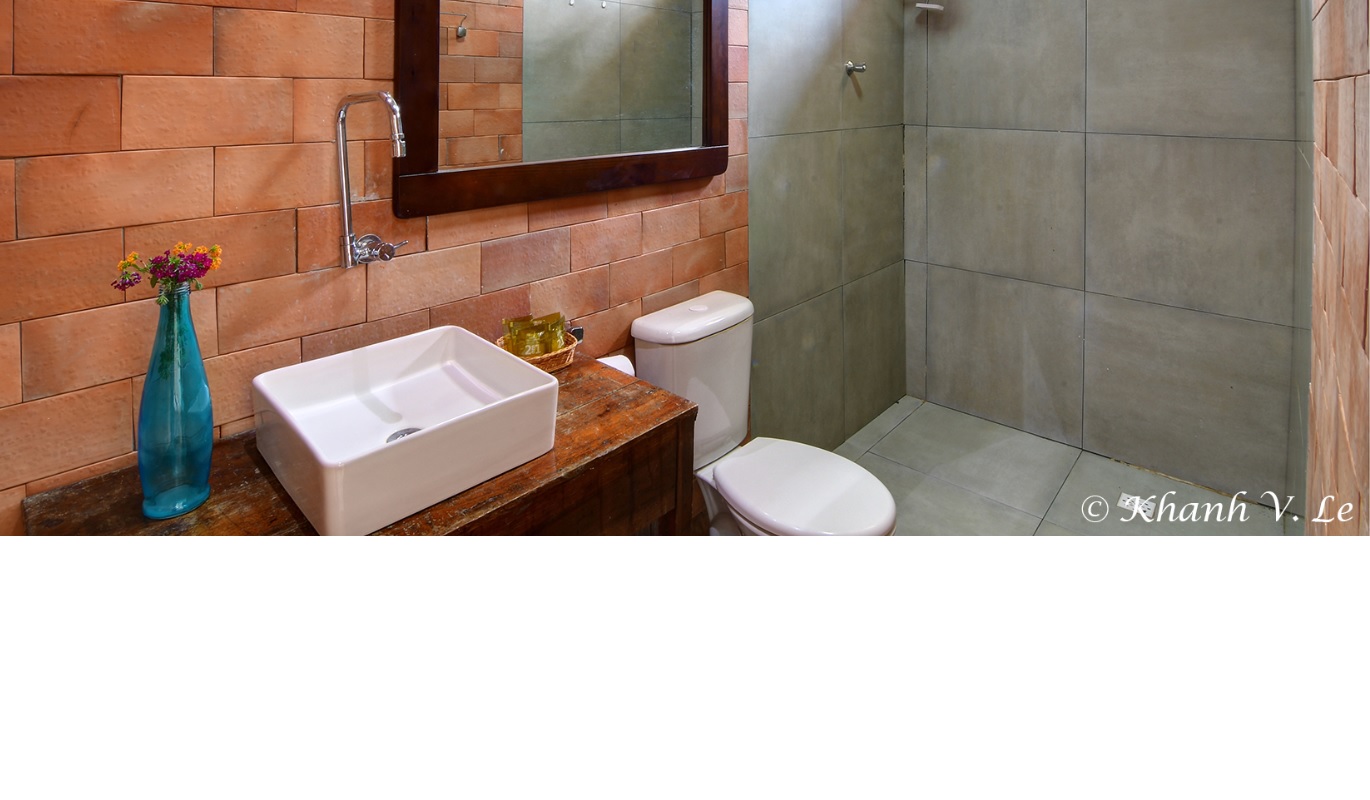
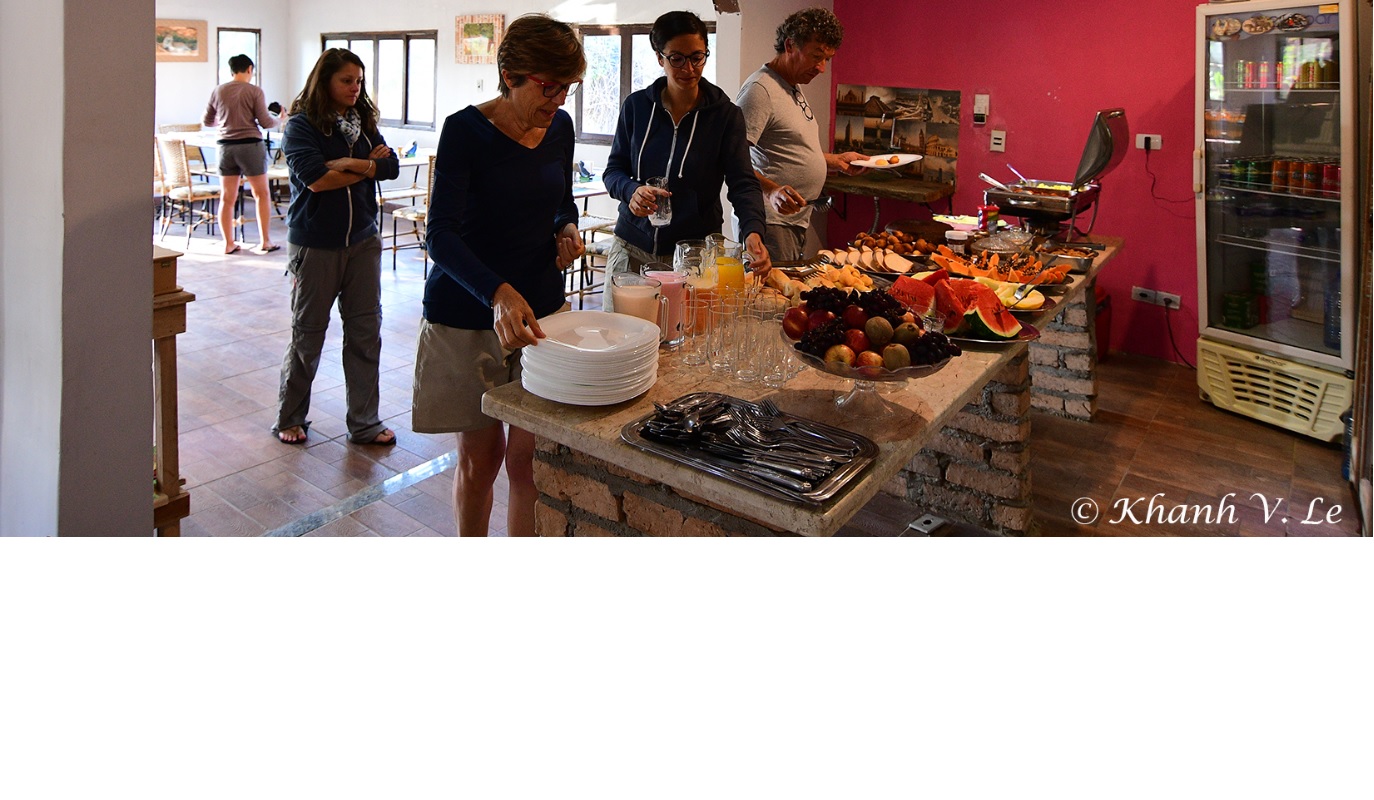
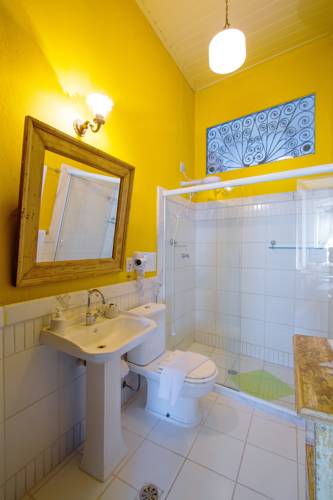
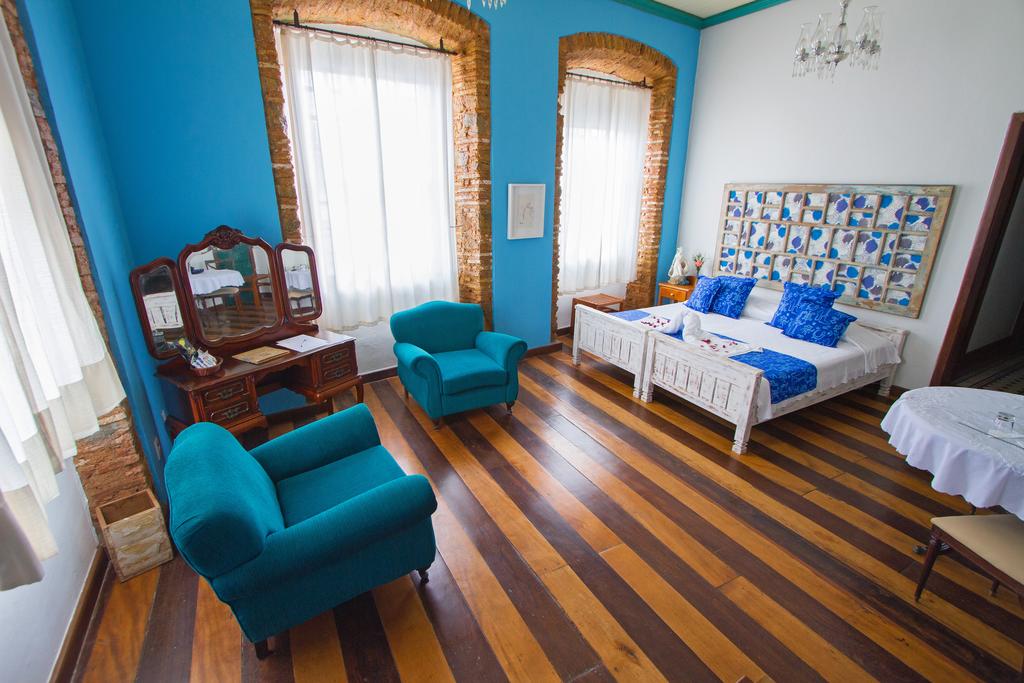
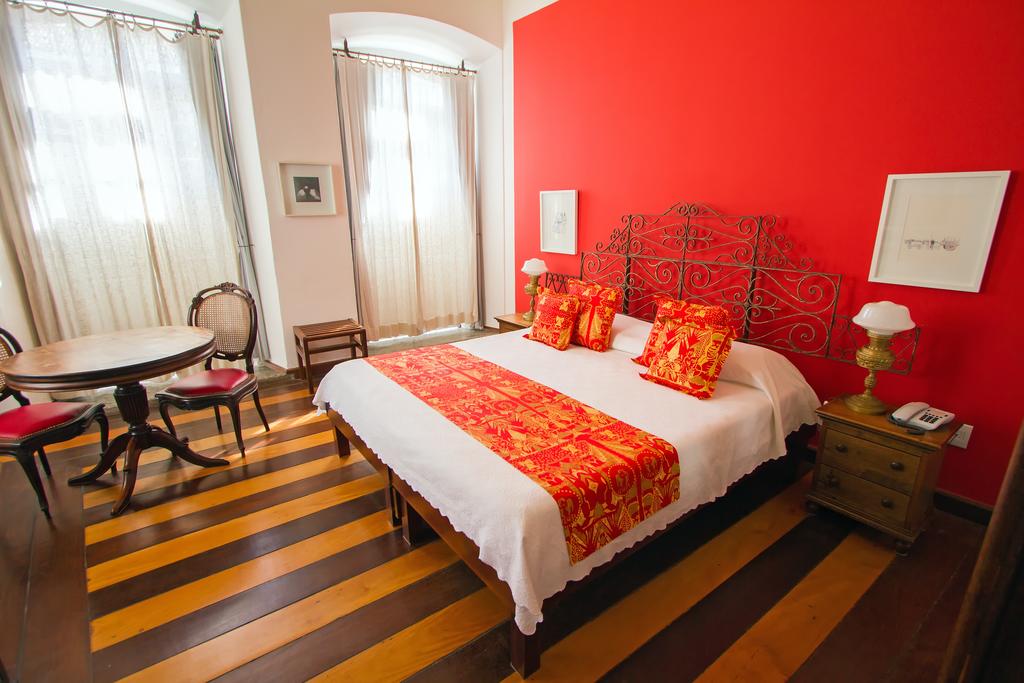
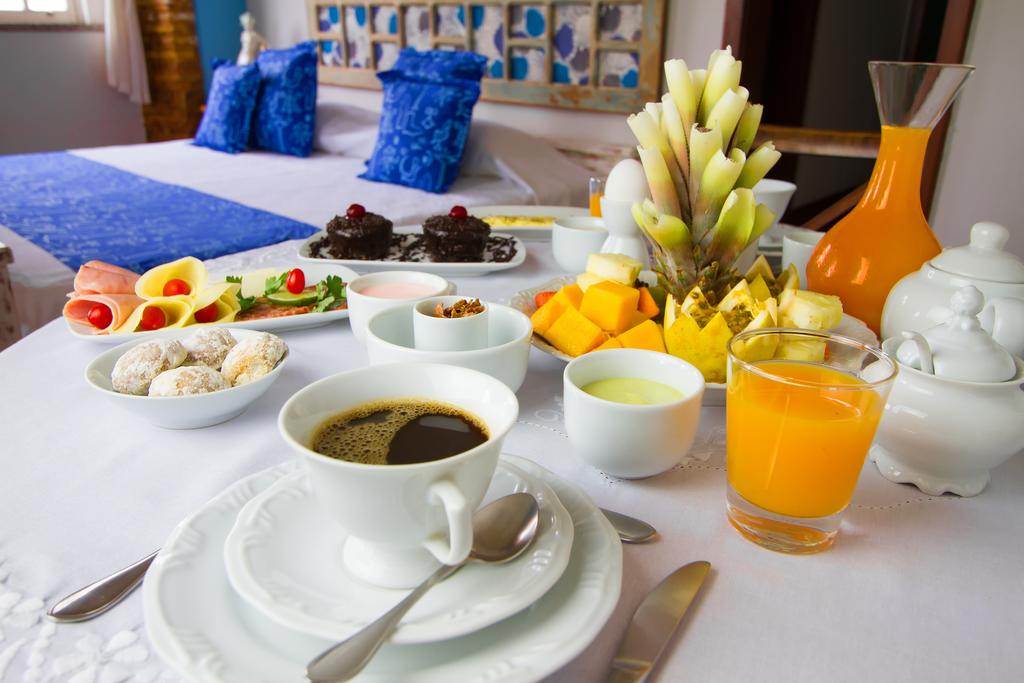
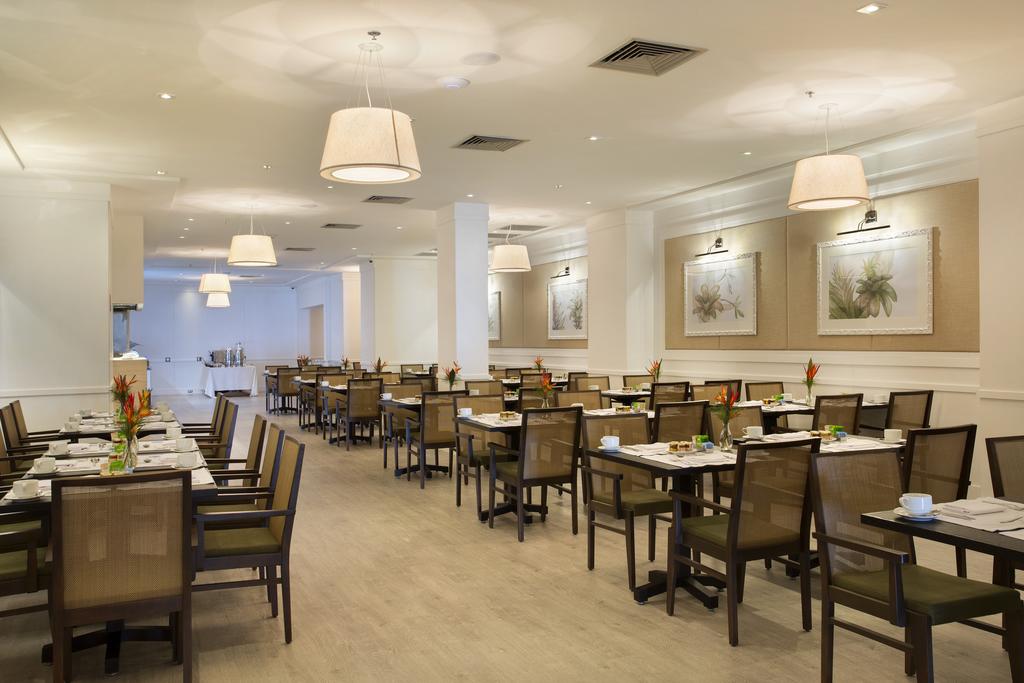
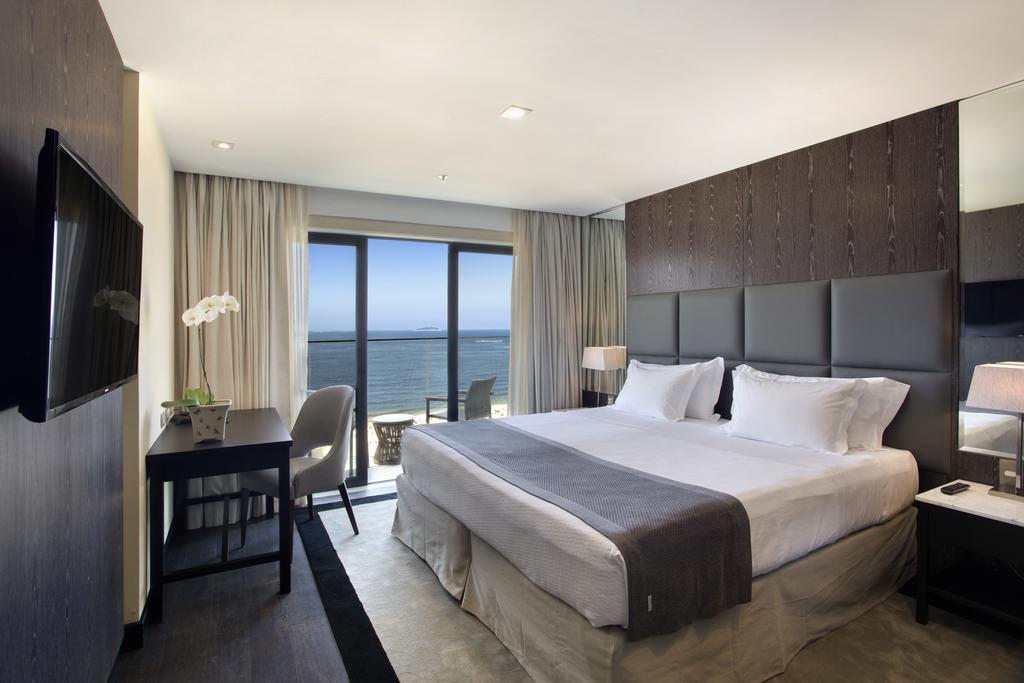
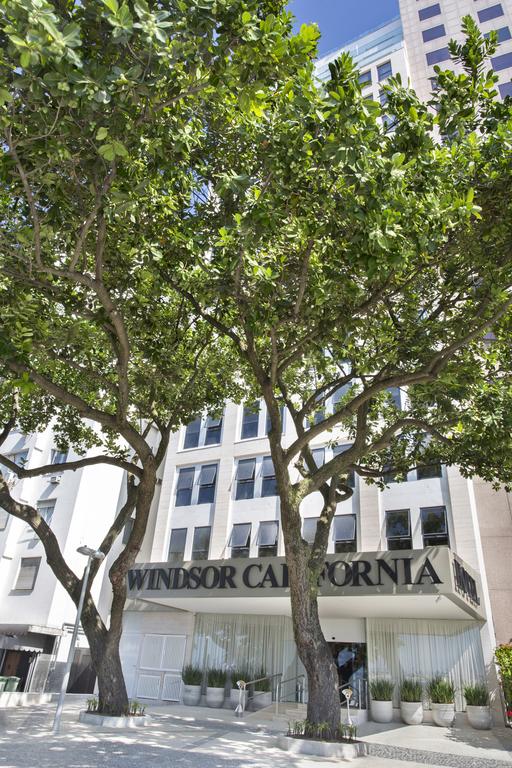
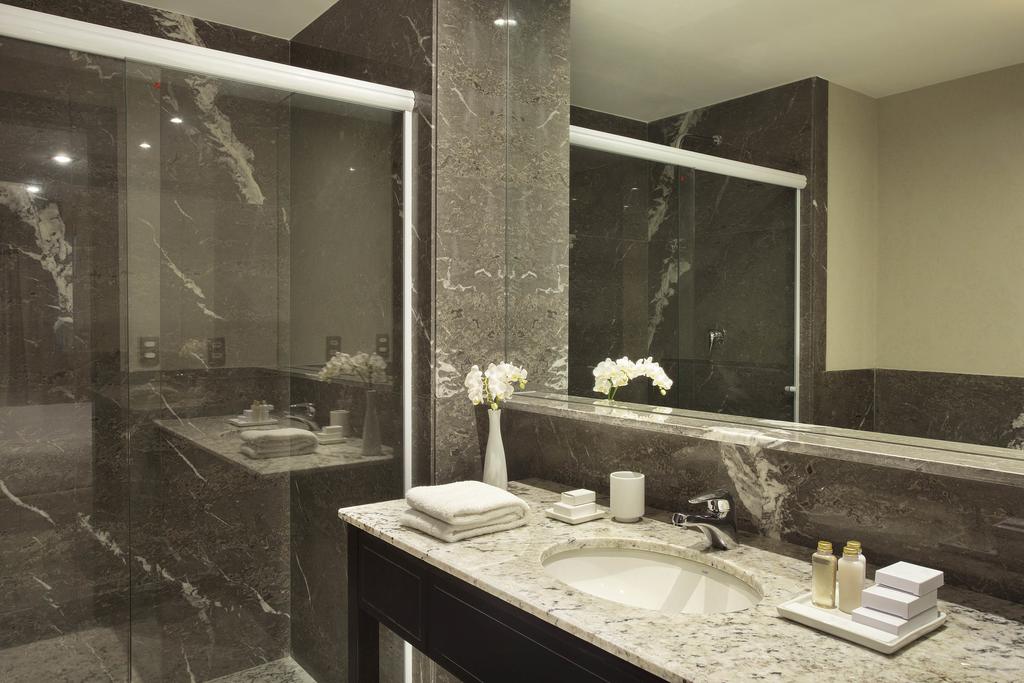
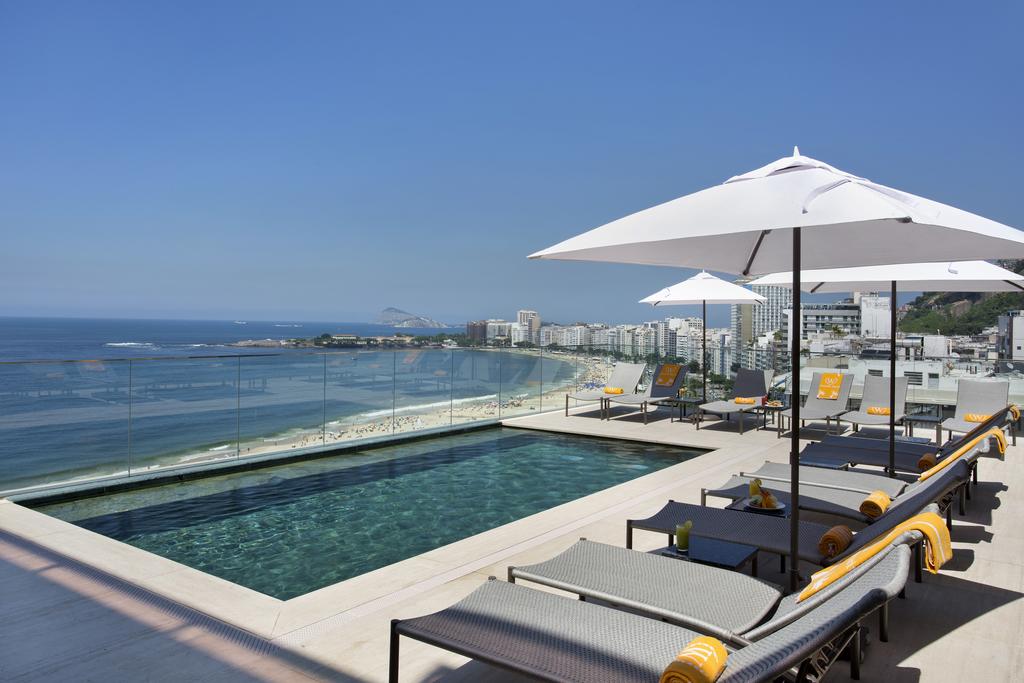
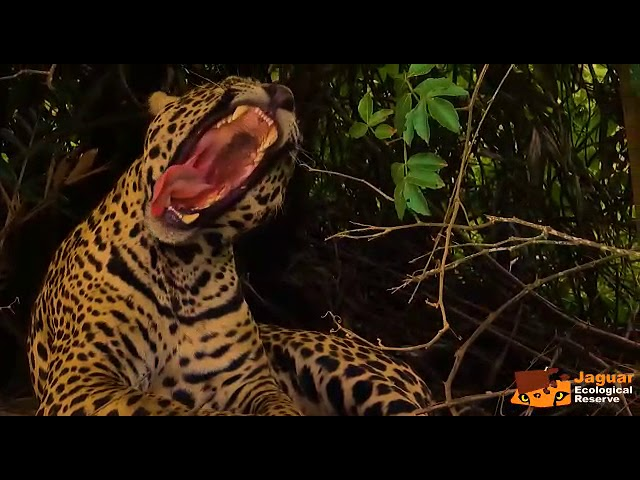
One night in São Paulo (Hampton by Hilton Guarulhos Airport), three nights in Chapada dos Guimarães (Pousada do Parque), three nights in the Southern Amazon (Jardim Amazônia Ecolodge, full board including excursions), one night in Cuiabá (Amazon Aeroporto Hotel), four nights in the Northern Pantanal (Jaguar Ecological Reserve, full board including shared excursions), one night in Salvador (Pousada Solar dos Deuses), three nights in Lençóis, Chapada Diamantina (Pousada Vila Serrano) and three nights in Rio de Janeiro (Hotel Windsor California), in a double room including breakfast. - Transport;
Midsize SUV rental car, automatic (Volkswagen Tera or similar, including collision damage waiver and excess buy-out, unlimited kilometres) from 2 to 8 August, collected and returned at Cuiabá airport. Transfers Cuiabá – Jaguar Ecological Reserve and back (part of the lodge package). Private transfer airport – hotel in Salvador, private transfer Salvador – Lençóis and Lençóis – Salvador airport, and private transfers airport – hotel and back in Rio de Janeiro. - Excursions;
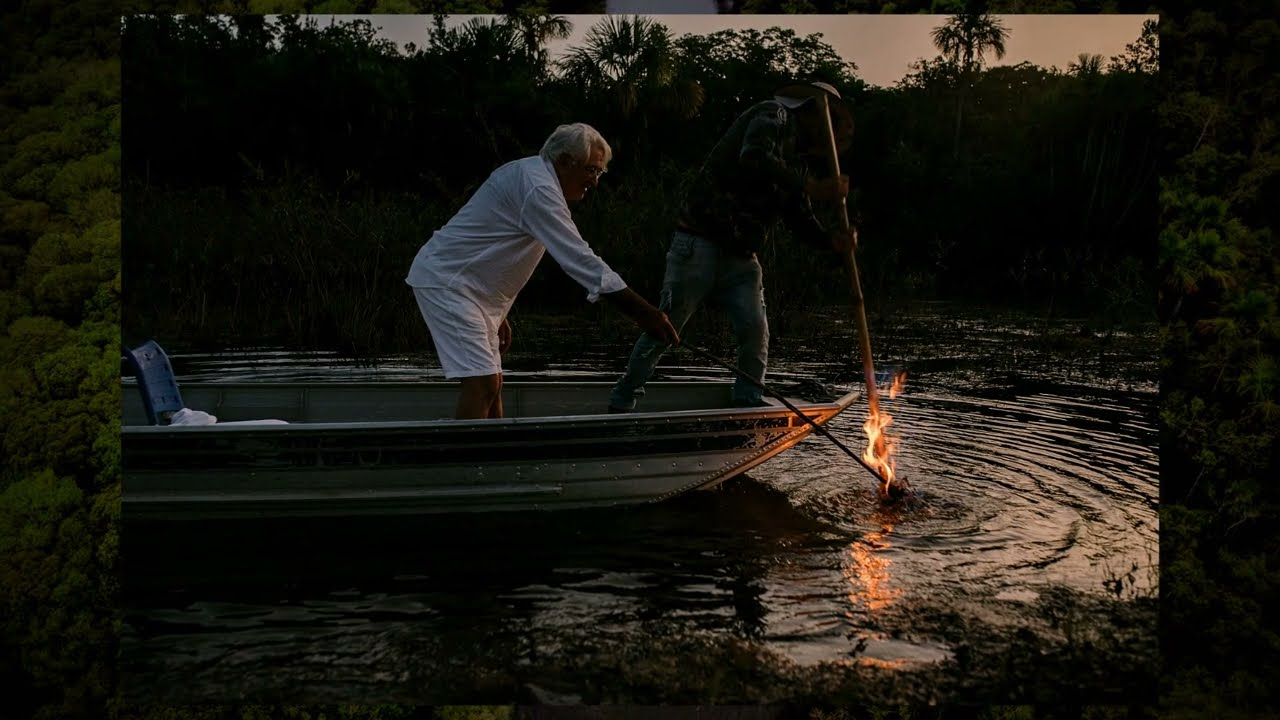
Excursions listed in the excursions tab or the day-by-day description: a day tour by 4x4 through Chapada dos Guimarães to Cidade de Pedra and Vale do Rio Claro, the full excursion programme of the Jardim Amazônia Ecolodge and of the Jaguar Ecological Reserve (shared excursions), a panoramic private city tour of Salvador, an 8 km hike to the Ribeirão do Meio and a day excursion through the Chapada Diamantina (caves, Poço Encantado, Pratinha and Pai Inácio), and a six-hour private tour of Rio de Janeiro with driver and guide. - Travel assistance;
During the trip we offer local representation on the spot at each destination in Brazil, whom you can turn to for tips, travel support and optional excursions. This way you enjoy the freedom of travelling independently, but always with support on the spot. - The general terms and conditions of BRS apply to this trip. https://www.braziltravelspecialist.com/terms-and-conditions
- Sustainable travel: Our mission is not only to let you experience the breathtaking beauty of Brazil, but also to actively contribute to its preservation. By choosing a trip with Brazil Travel Specialist, you contribute directly to the reforestation efforts of the Black Jaguar Foundation. For every booking, part of the proceeds goes to planting trees along the Araguaia River, a crucial biodiversity corridor that connects the Amazon River and the Cerrado savannah.
Every traveller who books with us receives a certificate from the Black Jaguar Foundation as proof of the contribution to this transformative project. This certificate not only gives satisfaction about supporting nature, but also serves as a lasting reminder of your unique travel experience in Brazil. Find more information about the project here. - Guarantees;
Brazil Travel Specialist is a member of VZR Garant, VvKR, DRV and the Calamiteitenfonds. This assures you that BRS meets the strictest standards that can be set for a Dutch travel organisation. VZR Garant protects prepaid travel money of travellers who book a package holiday with a VZR Garant participant. All travel and accommodation agreements are financially covered by VZR-Garant in accordance with the guarantee scheme https://vzr-garant.nl/reizigers - BRS Travel Companion - support on the road
a digital travel assistant for travel tips, practical questions and support with travel problems. - Travel advice Brazil:
Make sure you take out travel insurance that provides cover in case of code orange, corona, repatriation and extended stay.
The most recent travel advice for travel to Brazil can be found on the website of the Ministry of Foreign Affairs. https://www.nederlandwereldwijd.nl/landen/brazilie/reizen/reisadvies
Not included:
- Fuel, tolls and any additional insurance or surcharges for the rental car (including credit card deposit, young driver surcharge, additional driver).
- Flights (see Price of the flight package).
- Meals and drinks that are not mentioned, tips and personal expenses.
- Any local tourist tax that is levied on the spot.
- Travel and cancellation insurance.
Day-by-day itinerary
Travel details
01.08.2027 São Paulo Guarulhos - Arrival
After arrival at São Paulo airport you can take the free shuttle bus to the hotel. For the rest of the day you can recover from the long flight and get used to the Brazilian climate.
- Choice of tourist class or superior class accommodation during your stay in Guarulhos
02.08.2027 Sao Paulo - Cuiabá - Chapada dos Guimarães (Start of self-drive)
Today the Sao Paulo package ends. You will be picked up at the hotel and taken to the airport by transfer. This is followed by the flight to Cuiaba. After arrival the self-drive to the Chapada dos Guimarães nature area starts. Collection of the rental car in Cuiabá (cat. C with air conditioning), after which you travel on to the nature park. You can spend the rest of the day as you wish. Ask at reception about the possibilities.
This self-drive tour offers you the opportunity to discover the hidden treasures of Mato Grosso, such as the national park 'Chapada dos Guimarães', located 64 km from Cuiabá.
- Choice of tourist class or superior class accommodation during your stay in Chapada dos Guimarães
03.08.2027 Chapada dos Guimarães - Day excursion to Cidade de Pedras and Vale do Rio Claro
A fantastic day excursion is on the programme to discover the national park by 4x4, together with an English-speaking guide. You will be picked up at the hotel and dropped off there again at the end of the excursion. See the excursions tab for the full description.
04.08.2027 Chapada dos Guimarães - free day
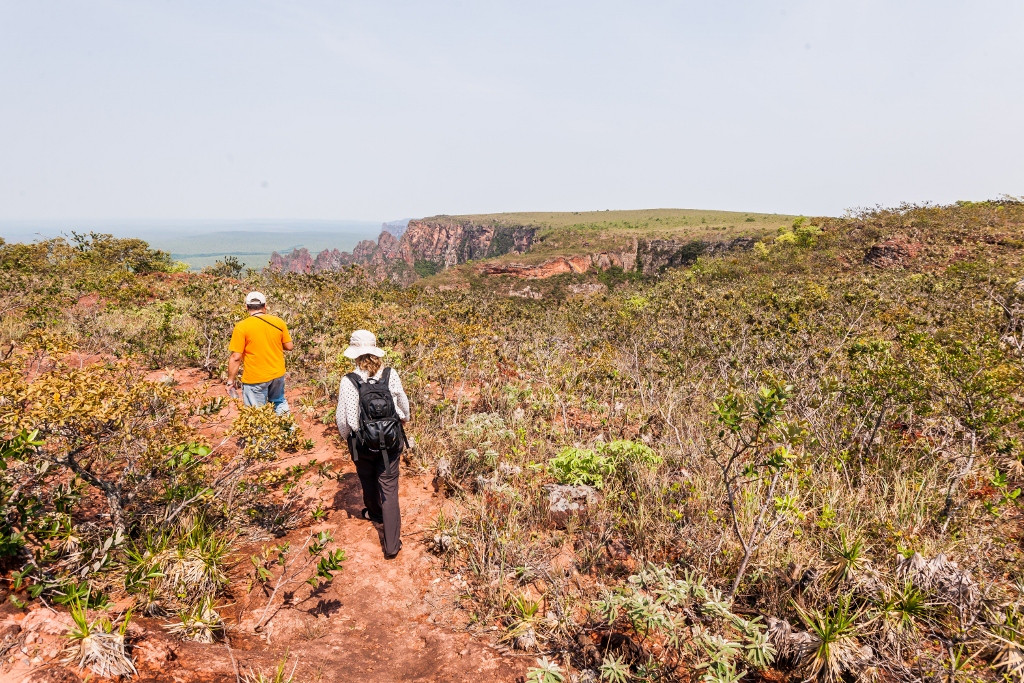
Free day to spend as you wish. Enjoy the breathtaking views and natural beauty that the Chapada dos Guimarães national park has to offer. Of course, it is possible to book a guided excursion in addition to discover the geological wonders and the rich flora and fauna. Do not miss the famous waterfalls either, where you can swim in natural pools. End the day with a visit to the charming little town with its local crafts and cosy restaurants, where you can enjoy typical dishes of the region.
05.08.2027 Self-drive Chapada dos Guimarães - Jardim Amazonia Ecolodge (Start of package)
You leave Chapada dos Guimarães during the morning. The drive to the lodge is then on the programme, duration about 3 hrs. After arrival at the lodge there is a short introductory tour around the lodge. Dinner and overnight stay. Tip: join in for a friendly chat around the campfire.
JARDIM AMAZONIA AN OASIS WITH CRYSTAL-CLEAR WATER IN THE SOUTHERN AMAZON
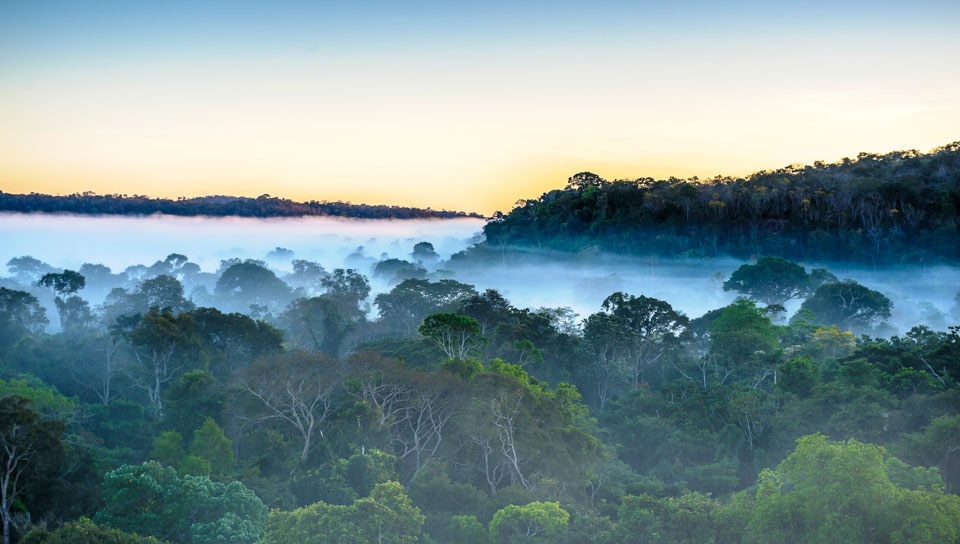
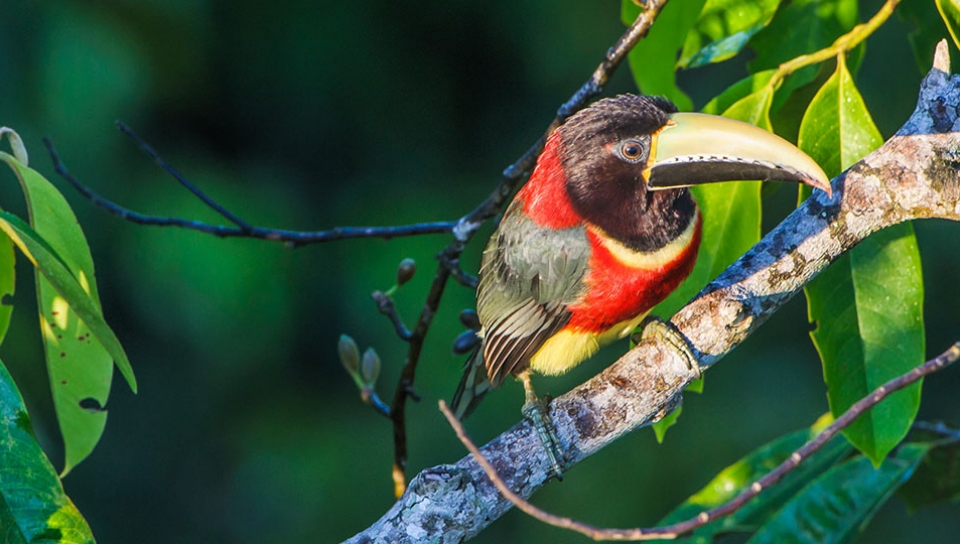
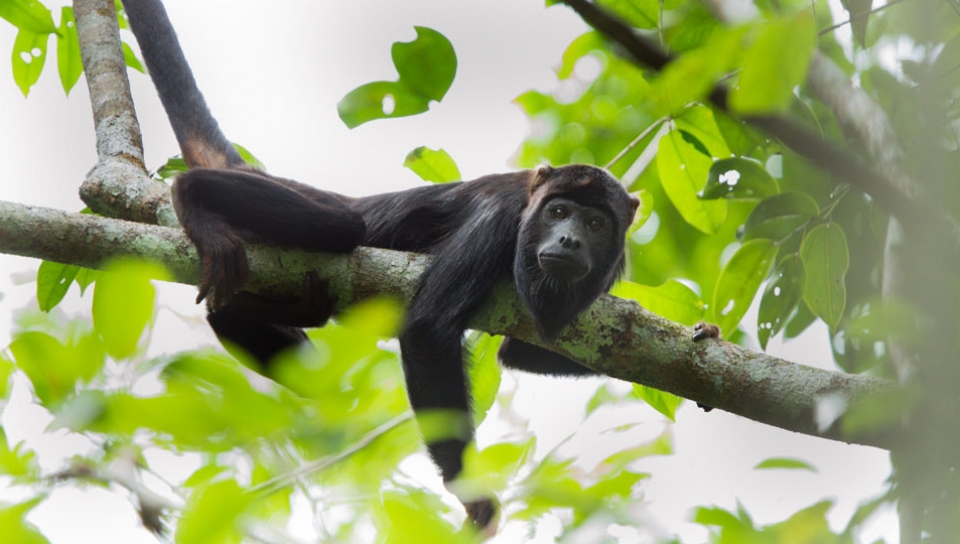
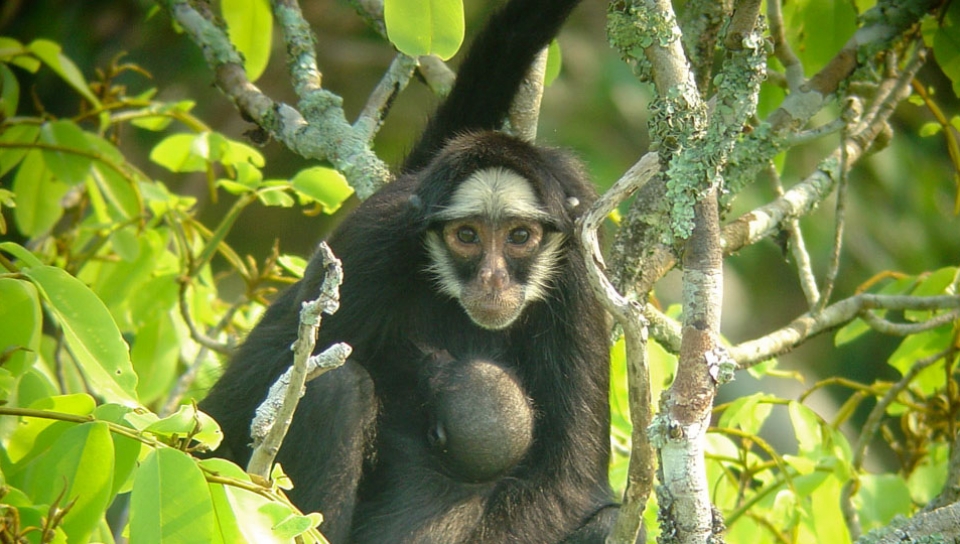
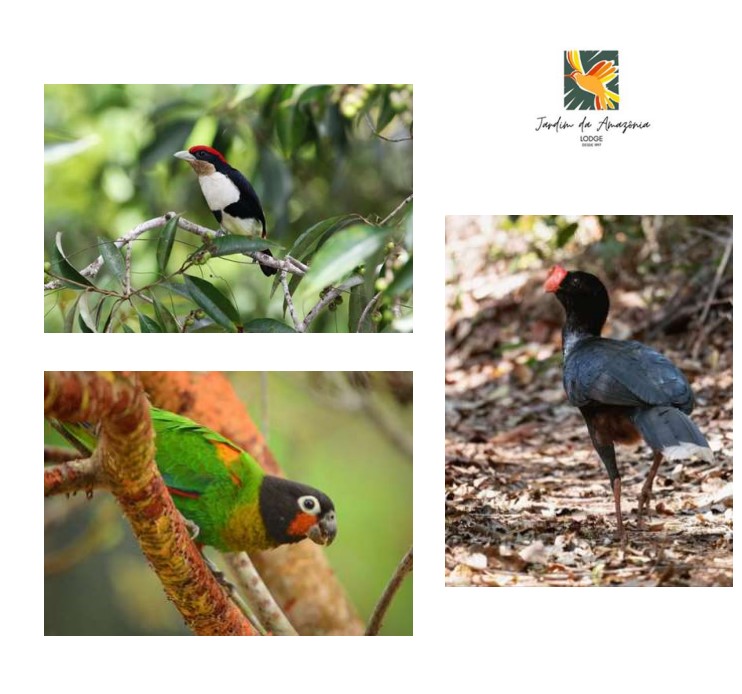
An important and unique ecological corridor where the Cerrado and the Amazon meet, creating a rich transition zone teeming with life. In this overlapping area live more than 30 species of mammals, including 7 species of primates, and more than 585 species of birds find a refuge there, a true explosion of biodiversity.
06.08.2027 Southern Amazon - Jardim Amazonia Ecolodge (Day 2 of the package)
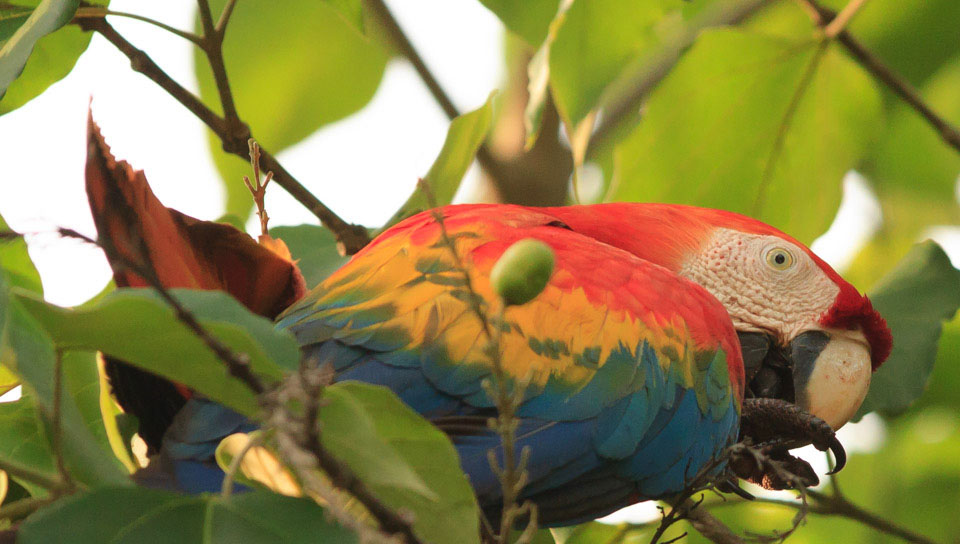
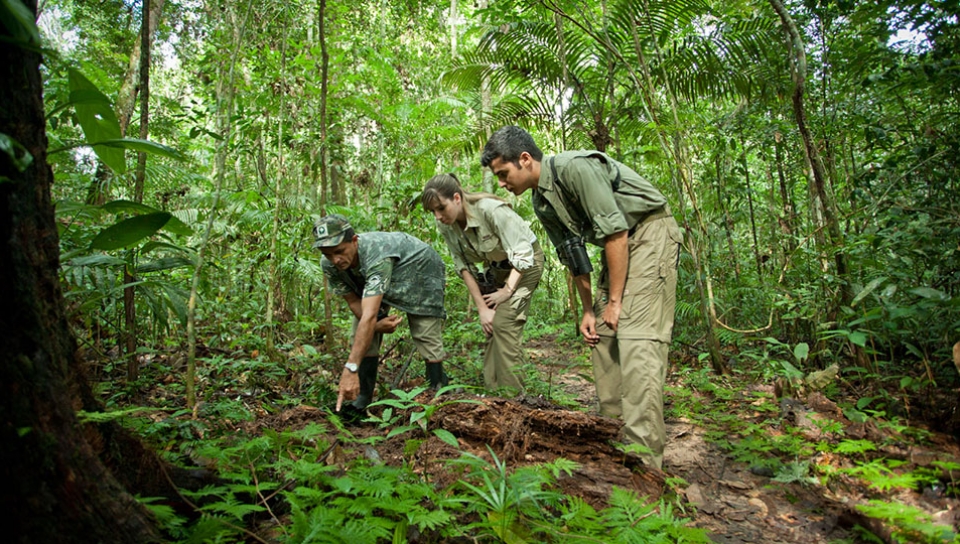
Start the day with breakfast, followed by an early photo trip (at 6 o’clock) on the Rio Claro and the lake, focusing on the Conothraupis mesoleuca (Tiê-Bicudo). Then take a walk along the Angelim route. Enjoy a lunch at the pousada. Spend the afternoon canoeing on the lake, and visit the breeding site of the Araras. End the day with a dinner and a peaceful night’s sleep.
07.08.2027 Southern Amazon - Jardim Amazonia Ecolodge (Day 3 of the package)
Start your day with a nourishing breakfast. You then set off on a canoe trip to the Piquia trail, an adventure of about 3 hours. Lunch is served at the pousada. Free afternoon to relax or to head out once more with the local guide in the surroundings of the lodge.
Enjoy a delicious dinner and a comfortable overnight stay.
08.08.2027 Self-drive Jardim Amazonia - Cuiaba hotel (end of self-drive)
Jardim Amazonia Ecolodge - Cuiaba (End of package) (290 km - about three and a half hours’ travel time). At the time of your choice (departure no later than 2 pm) you drive back to Cuiaba, where you return the car at the airport. Then take a taxi or an Uber to your hotel.
- See the hotels tab for the accommodation selection during your stay in Cuiaba
09.08.2027 Cuiabá - Pantanal - Jaguar Ecological Reserve (Start of package)
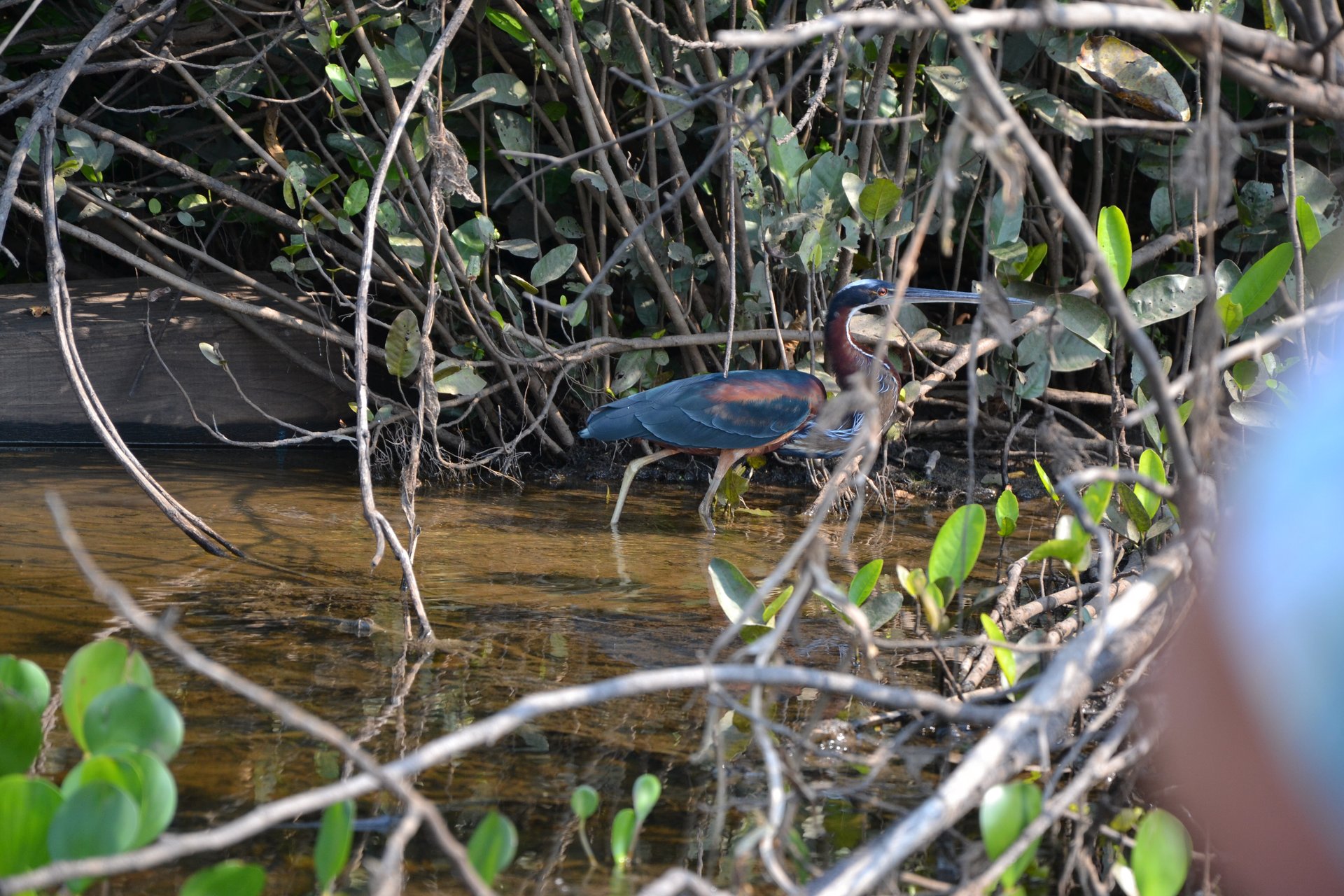
Today the package of the Jaguar Ecological Reserve starts. You are picked up in Cuiaba, followed by a drive to Poconé (100 km on a paved road). Lunch in Poconé. After lunch the safari begins on the Transpantaneira highway (unpaved) in our custom-built open-air 4-wheel drive truck. We will see herons, egrets, ibises, parrots, parakeets and macaws, caimans, capybaras, and possibly other wild animals such as the crab-eating raccoon, fox, coati, anacondas, rheas, etc. Arrival at the Jaguar Ecological Reserve in the late afternoon. Dinner at the lodge. After dinner you can enjoy a night safari in one of our trucks equipped with a safari lamp. We go looking for nocturnal birds such as nightjars and owls, and mammals such as ocelots, jaguars, margays, tapirs, Pantanal deer, armadillos, crab-eating foxes, raccoons, etc.
- The stay at the Jaguar Ecological Reserve is on a full board basis and with daily excursions included to spot wildlife
10.08.2027 Pantanal - Jaguar Ecological Reserve (Day 2 of the package)
Early morning walk around the lodge to spot birds and monkeys, breakfast and then a guided walk through the forest of the private reserve. Lunch and time for a siesta at the lodge. In the afternoon you drive south along the Transpantaneira to the wetlands of Campo Jofre, a rich area for water birds, anacondas, capybaras and caimans, with a sunset over the wetlands. After dinner there is a night safari.
See the excursions tab for the detailed description of the programme in the reserve.
11.08.2027 Pantanal - Jaguar Ecological Reserve (Day 3 of the package)
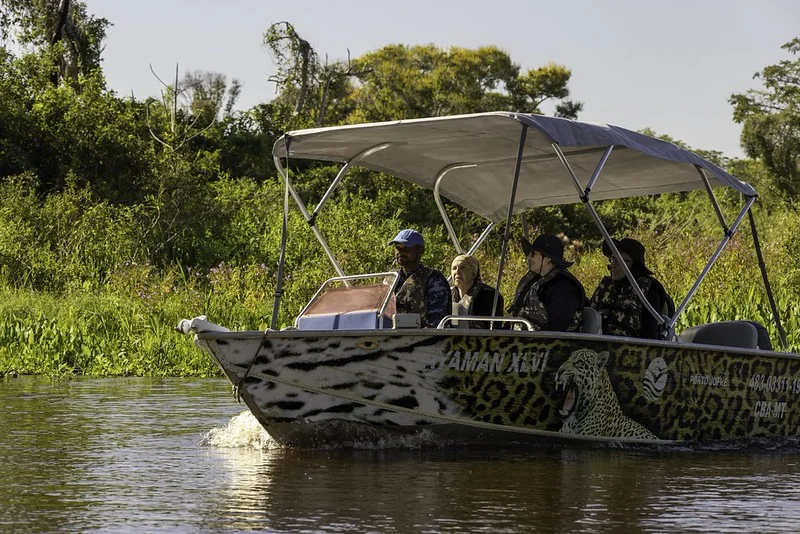
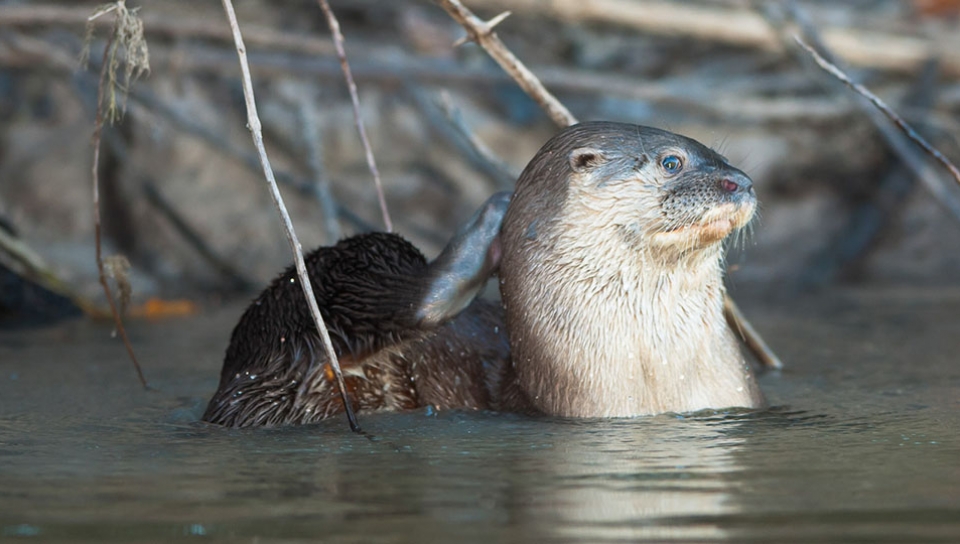
After the morning walk and breakfast you take a forest walk along one of the trails of the reserve. After lunch you drive to Porto Jofre (about one hour) for the boat trip on the Cuiabá and Piquiri rivers and smaller tributaries: the chance to see jaguars, especially in the dry season (June to October inclusive), as well as giant otters, monkeys and many water birds. Back to the lodge for dinner and a night safari.
See the excursions tab for the detailed description of the programme in the reserve.
12.08.2027 Pantanal - Jaguar Ecological Reserve (Day 4 package)
Breakfast and a forest walk in the reserve. After lunch you drive back to Porto Jofre for a second boat trip in search of the jaguar; with a stay of four nights, two boat trips are included. Sunset on the river or at the wetlands of Campo Jofre, followed by dinner at the lodge.
See the excursions tab for the detailed description of the programme in the reserve.
13.08.2027 Northern Pantanal - Salvador
Today you are picked up at the lodge in the Pantanal and taken to Cuiabá airport. This is followed by a flight to Salvador (with a change along the way). After arrival you are welcomed at Salvador airport and taken to the hotel by private transfer.
- Choice of tourist class or superior class accommodation during your stay in Salvador
14.08.2027 Salvador - Panoramic city tour - Chapada Diamantina Lençois (private transfer)
In the morning a panoramic city tour of Salvador is on the programme, on a private basis. It lasts about 4 hours. You will be picked up at the hotel for this and dropped off there again. After checkout you will be picked up at the hotel in Salvador and taken by private transfer to Lençois, the gateway to the Chapada Diamantina. The journey takes about 5-6 hours. The rest of the day can be spent as you wish.
- See the hotels tab for the hotel selection during your stay in Lençois
15.08.2027 Chapada Diamantina - Hiking tour Rio Serrano, Lençóis and Ribeirão do Meio
Today a pleasant hiking excursion is on the programme. This is an ideal hiking tour to get to know this beautiful nature area. The excursion starts in the morning. You are picked up at the hotel and dropped off there again afterwards.
The rest of the day can be spent as you wish.
16.08.2027 Chapada Diamantina - Swimming in caves and relaxed climb of the table mountain
You are picked up at the hotel in Lençois in the morning for a fantastic excursion that will last until the end of the afternoon. Afterwards you are dropped off at the hotel again.
The rest of the day you can spend as you wish.
17.08.2027 Chapada Diamantina - Rio de Janeiro (via Salvador)
Today the journey to Rio de Janeiro is on the programme. You will be picked up at the hotel in Lencois and taken by private transfer to Salvador airport. This is a drive of about 5 hours. This is followed by the domestic flight to Rio de Janeiro. After arrival you will be welcomed at the airport and taken to the hotel by transfer.
- See the hotels tab for the accommodation selection during your stay in Rio de Janeiro
18.08.2027 Rio de Janeiro - Tour (6 hours), Driver with private guide
Today a driver with a private guide is at your disposal for 6 hours. Decide together with the guide which highlights of Rio you would like to visit today. Discover the iconic statue of Christ the Redeemer, admire the colourful Selarón Steps, or stroll through the historic district of Santa Teresa. Take the cable car to the top of Sugarloaf Mountain for a breathtaking view over the city, visit the famous Copacabana beach, or explore the Tijuca rainforest. The choice is yours to experience the culture, nature and liveliness of Rio. Let us know your wishes and the guide will tailor the programme to them. Entrance fees for the sights are not included and are paid on the spot.
19.08.2027 Rio de Janeiro - free day
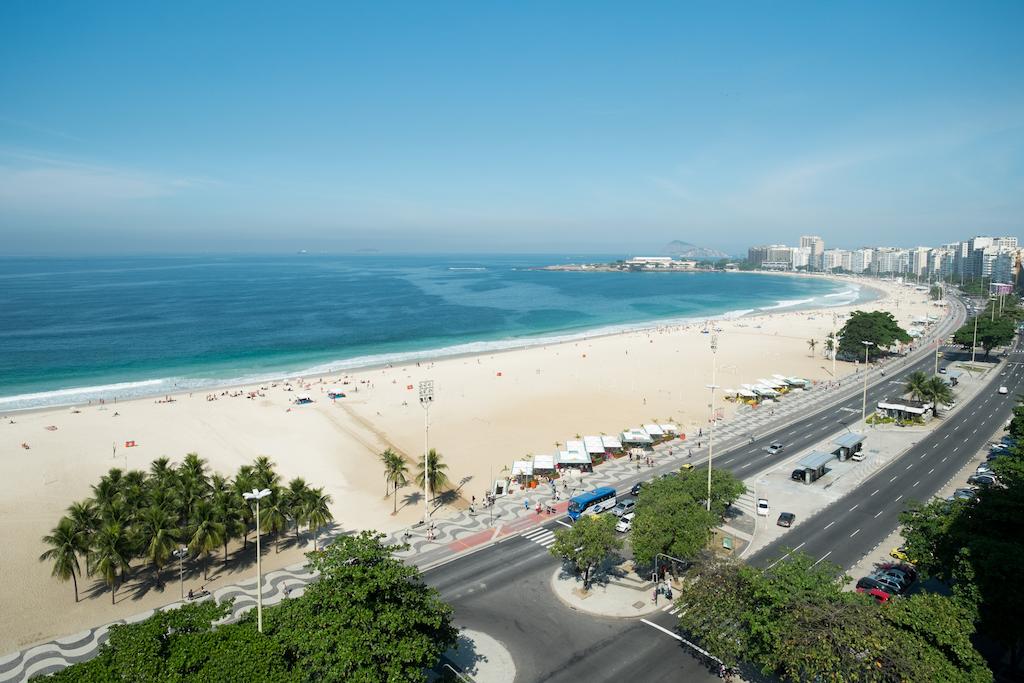
You can spend this day as you wish. Relax on the beautiful beaches such as Copacabana or Ipanema, explore the lively neighbourhoods such as artistic Santa Teresa, or enjoy a walk in the Jardim Botânico botanical garden. Taste the rich flavours of Brazilian cuisine at local eateries and enjoy the unique atmosphere that Rio has to offer.
20.08.2027 Rio de Janeiro - Airport
Today the package in Rio ends. You are picked up from the accommodation and taken to the airport by private transfer, end of package.
Destinations
São Paulo
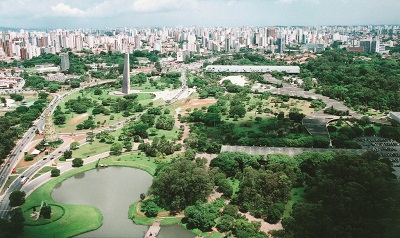
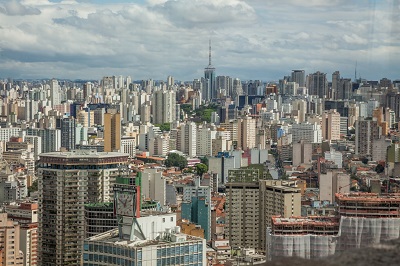
1 / 8São Paulo, with more than 20 million inhabitants in the metropolitan area, is the largest city in the southern hemisphere and the economic and cultural heart of Brazil: museums, the Avenida Paulista, Ibirapuera Park and the best restaurants in South America. With the airports of Guarulhos and Congonhas it is the hub for flights to the rest of the country. Allow 1 to 2 nights as a start or stopover; it can be visited all year round, with the driest months from May to September.
São Paulo is not a beach city but a world city: Japanese, Italian and Lebanese neighbourhoods, street art in Vila Madalena, a huge cultural scene and a nightlife that never stops.
Highlights of São Paulo
- Avenida Paulista and MASP: the main street with the art museum on pillars; car-free on Sundays.
- Ibirapuera Park: the green lung of the city with museums by Niemeyer.
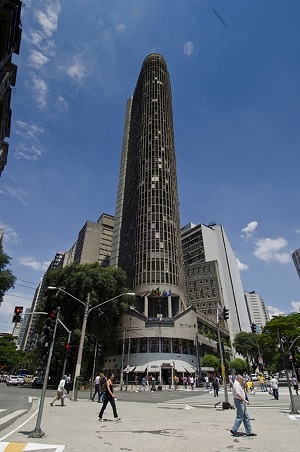
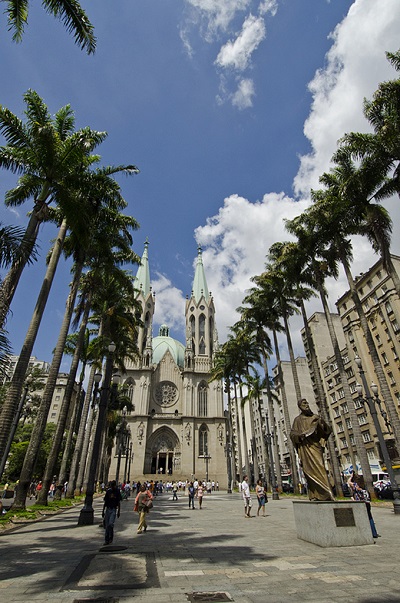
- Centro: Theatro Municipal, Mercado Municipal (the mortadella sandwich), Edifício Martinelli and the cathedral.
- Vila Madalena and Beco do Batman: street art, bars and galleries.
- Liberdade: the largest Japanese neighbourhood outside Japan, with a Sunday market.
- Restaurants: from D.O.M. and A Casa do Porco to the pizzerias of Bela Vista.
Best time to visit São Paulo
São Paulo can be visited all year round. From May to September it is dry and cool (12–24 °C); from December to March warm (25–32 °C) with afternoon showers. In January and July many Paulistanos are on holiday and the city is quieter.
Getting there and travel time
Guarulhos (GRU) is the largest airport in South America, with KLM flights from Amsterdam (approx. 12 hours) and connections to every Brazilian destination; Congonhas (CGH) is in the city and handles domestic flights. We arrange private transfers; from Guarulhos to the Jardins or Paulista neighbourhoods it takes 45 to 90 minutes, depending on the traffic.
How many days in São Paulo?
We recommend 1 to 2 nights on arrival or as a stopover: a day for Paulista, MASP and Ibirapuera, and an evening dining out. Culture lovers and foodies take 3 nights.
Combines well with
With Rio de Janeiro and the Costa Verde (Paraty, Ubatuba, Ilhabela) and with the south (Foz do Iguaçu, Curitiba). Examples: São Paulo package, self-drive Costa Verde and the round trips Latino Metropolis and Beleza do Sul.
Frequently asked questions about São Paulo
Is São Paulo worth a visit or just a place to change planes?
For culture and food it is the most interesting city in Brazil; if you are mainly looking for nature and beach, a connection there is enough.
Where is the best place to stay?
Jardins or around the Avenida Paulista: safe, central and with restaurants within walking distance; Vila Madalena for a younger atmosphere.
Is São Paulo safe?
Jardins, Paulista and Ibirapuera are fine to visit during the day and in the evening; visit the centre during the day, and in the evening go by taxi or app-based taxi.
Guarulhos or Congonhas?
International flights go via Guarulhos; domestic flights often via Congonhas, closer to the city. We plan the connection so that you do not have to travel between the two.
Tip from Brazil Travel Specialist
Plan a Sunday: that is when the Avenida Paulista is car-free with street musicians, MASP is free and the market in Liberdade is open. Book restaurants in advance; the good ones are full.

Cuiabá
2 / 8Cuiabá, capital of Mato Grosso with more than 600,000 inhabitants, is the gateway to the Northern Pantanal, Chapada dos Guimarães, Nobres and the Southern Amazon. Most travellers spend one night here on arrival or departure; the airport has daily flights from São Paulo, Rio, Brasília, Manaus and Campo Grande (approx. 2 hours). Best time to travel to the region: May to October.
Cuiabá lies at the geographical centre of South America and is one of the hottest cities in Brazil. The city itself is a mix of colonial villas and modern high-rise buildings; the surrounding nature areas are the reason to come here.
Highlights of Cuiabá and the surrounding area
- Northern Pantanal: via Poconé (100 km) the Transpantaneira begins, with lodges and, at the end, Porto Jofre for jaguars.
- Chapada dos Guimarães: a 1 hour drive away, with the Véu de Noiva waterfall and the red plateaus.
- Nobres: 2 hours away, river snorkelling in crystal-clear water.
- Southern Amazon: Jardim da Amazônia and the Cristalino Jungle Lodge (via Alta Floresta).
- In the city: the Museu Rondon with indigenous art, the historic centre and the fish market on the Cuiabá River.
Best time to visit Cuiabá
From May to October it is dry; July to September is the best time for the Pantanal, with temperatures of 30 to 40 °C in September and October. November to April is the rainy season, with flooding in the Pantanal and green landscapes in Chapada.
Getting there and travel time
Marechal Rondon airport is in Várzea Grande, 15 minutes from the centre. Direct flights from São Paulo and Rio take approx. 2 hours, from Manaus 2.5 hours, from Campo Grande 1 hour. We arrange private transfers to the hotels and the 4x4 transfers along the Transpantaneira, or a hire car for a self-drive to Chapada and Nobres.
How many days in Cuiabá?
One night on arrival, so that you set off along the Transpantaneira well rested the next morning, and possibly one night on departure if your flight leaves early. For the city itself, an afternoon is enough.
Combines well with
Everything in Mato Grosso starts here: Chapada dos Guimarães, Nobres, the Northern Pantanal, Porto Jofre and the Southern Amazon. Examples: self-drive Chapada, Nobres & Pantanal, 3 ecosystems and the Biomas do Brasil round trip.
Frequently asked questions about Cuiabá
Cuiabá or Campo Grande for the Pantanal?
Cuiabá for the Northern Pantanal and jaguars near Porto Jofre; Campo Grande for the Southern Pantanal and Bonito.
Can I drive along the Transpantaneira myself from Cuiabá?
Yes, in the dry season as far as the first lodges with an ordinary car; to Porto Jofre we recommend a 4x4 transfer with a driver.
Where do I stay in Cuiabá?
We choose hotels near the airport or in the centre, depending on your flight times.
Do I need vaccinations?
A yellow fever vaccination is recommended for Mato Grosso; consult a travel health clinic.
Tip from Brazil Travel Specialist
Fly in in the morning and drive on to Chapada dos Guimarães the same day (1 hour, cooler and more beautiful than the city); save the night in Cuiabá for the end of the trip, just before the return flight.

Chapada dos Guimarães
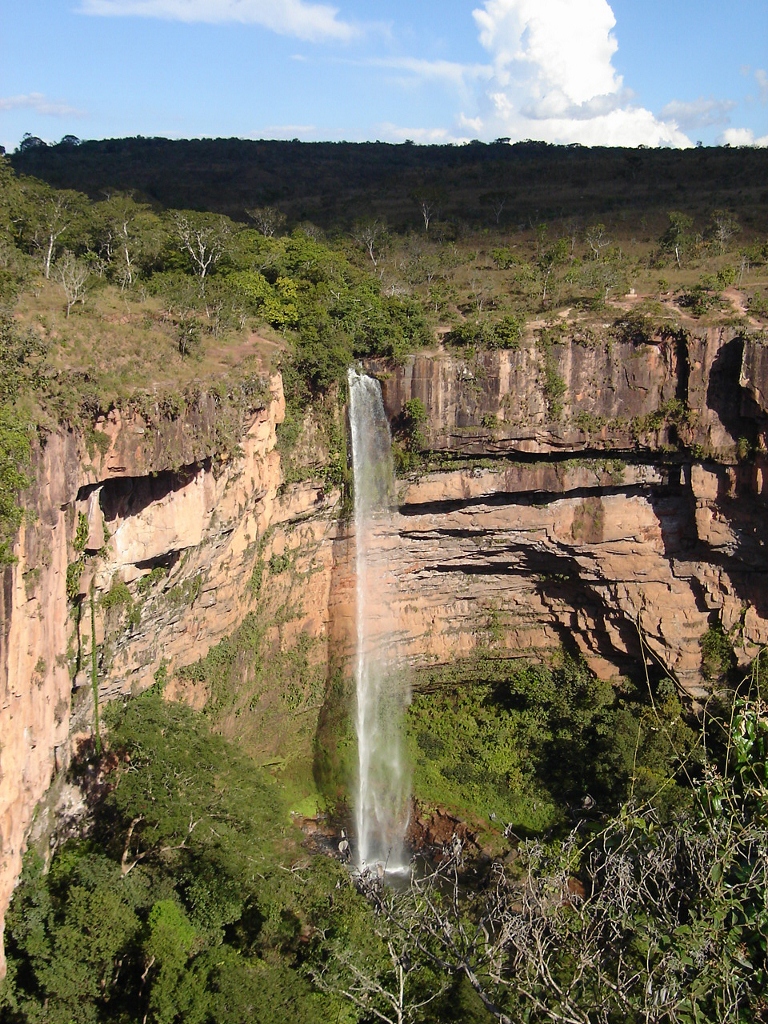
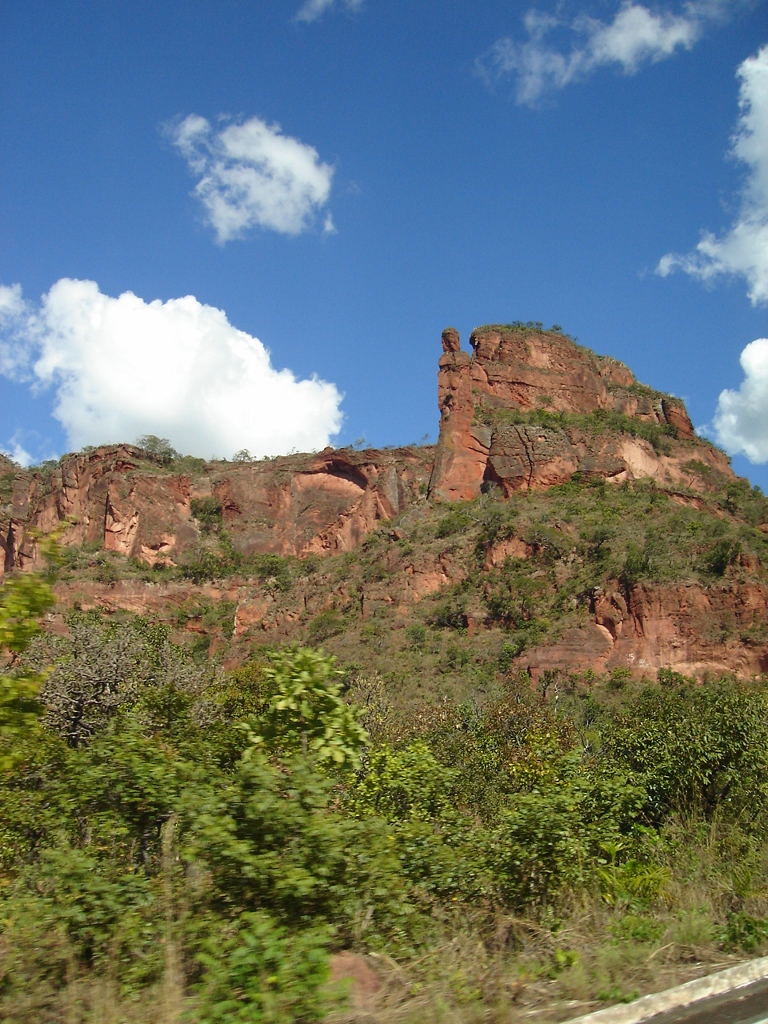
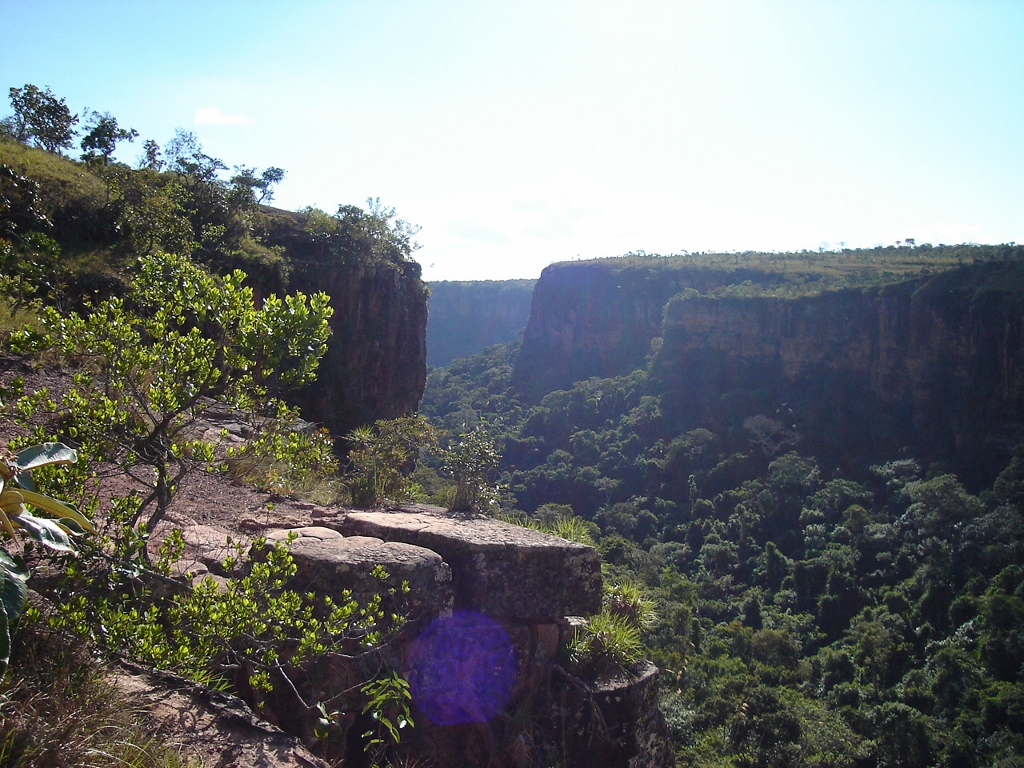
3 / 8Chapada dos Guimarães is a national park 64 kilometres (1 hour) from Cuiabá in Mato Grosso: red sandstone plateaus of 600 to 800 metres, the Véu de Noiva waterfall, canyons, caves and the savannah of the Cerrado with macaws and toucans. Allow 2 nights, usually as a prelude to the Northern Pantanal; best time to travel May to September.
The plateau lies on the watershed between the Amazon basin and the Pantanal and at the geographical centre of South America. The village of Chapada dos Guimarães is small and full of character, with pousadas, restaurants and guides for the walks.
Highlights of Chapada dos Guimarães
- Véu de Noiva: the 86 metre high 'bridal veil' waterfall, the symbol of the park, with a viewpoint and macaws flying along the rock face.
- Cidade de Pedra: the 'stone city' on the edge of the plateau, with a view from 350 metres up over the plain.
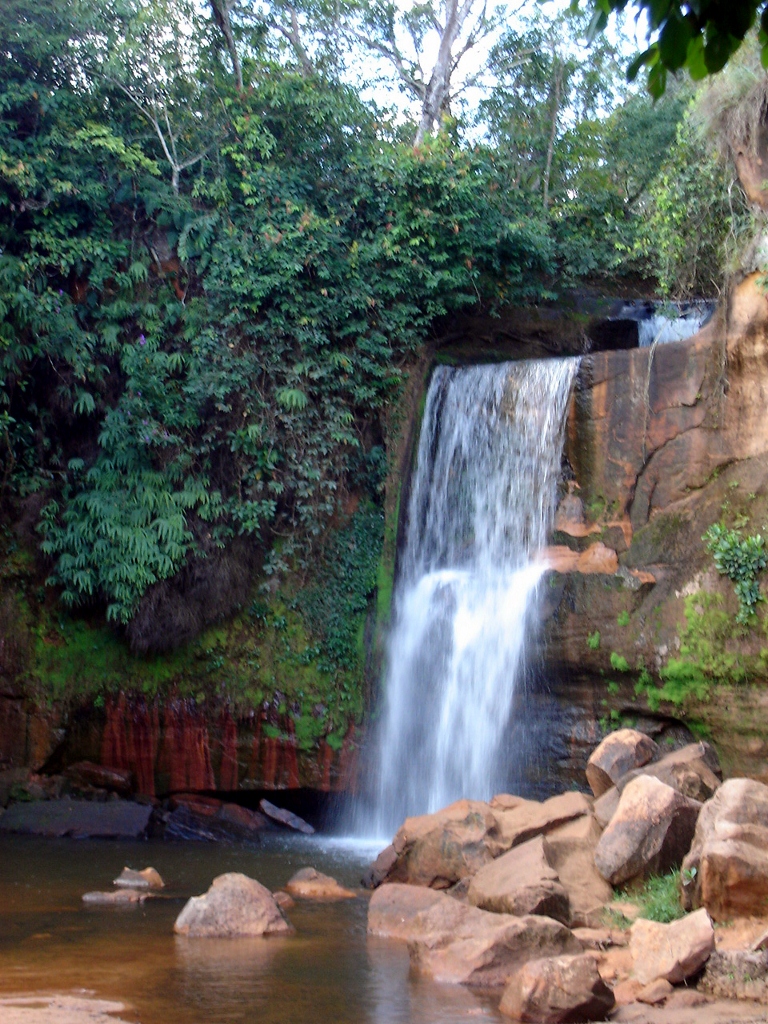
- Circuito das Cachoeiras: a walk past seven waterfalls with swimming spots.
- Vale do Rio Claro and the Caverna Aroe Jari: a canyon walk and the longest sandstone cave in Brazil with the blue Lagoa Azul.
- Mirante do Centro Geodésico: the centre of South America, at its most beautiful at sunset.
- Birds and wildlife: macaws, toucans, the maned wolf and prehistoric rock paintings.
Best time to visit Chapada dos Guimarães
From May to September it is dry with clear views and cool nights (15–30 °C); ideal for walking. From October to April the rain falls: the waterfalls are then at their most powerful and the landscape green, but paths may be closed after heavy rain. August and September are dry but hot and sometimes hazy because of fires in the Cerrado.
Getting there and travel time
From Cuiabá (airport with flights from São Paulo, Rio, Brasília and Manaus) it is a 1 hour drive on asphalt; we arrange a transfer or a hire car, because Chapada is perfectly suited to a self-drive. Nobres is 2 hours away, the Pantanal 2 to 3 hours.
How many days in Chapada dos Guimarães?
We recommend 2 nights: one day for Véu de Noiva, Cidade de Pedra and the geodesic centre, one day for the waterfall walk or the Aroe Jari cave.
Combines well with
Chapada is the first block of the classic Mato Grosso route: next comes Nobres for river snorkelling and the Northern Pantanal with Porto Jofre; the Southern Amazon at Jardim da Amazônia is also within reach. Examples: self-drive Chapada dos Guimarães, self-drive Chapada & Nobres and Chapada, Nobres & Pantanal with transfers.
Frequently asked questions about Chapada dos Guimarães
Do I need a guide in the park?
A registered guide is compulsory for the waterfall walk and the Aroe Jari cave; you can visit Véu de Noiva and Cidade de Pedra on your own. We arrange the guides.
Can I drive myself?
Yes, the road from Cuiabá is asphalt and the distances in the park are short; an ordinary car is sufficient.
Is it suitable for children?
Yes, the walks are short and the swimming spots at the waterfalls are great fun; the canyon walk is suitable from about 8 years old.
Why Chapada before the Pantanal?
The plateau is cooler and quieter, you get used to the climate, and the macaws and toucans are a fine prelude to the wildlife in the Pantanal.
Tip from Brazil Travel Specialist
Go to the Véu de Noiva viewpoint at the end of the afternoon: that is when the red macaws return to their nests in the rock face and skim right past you.
Southern Amazon
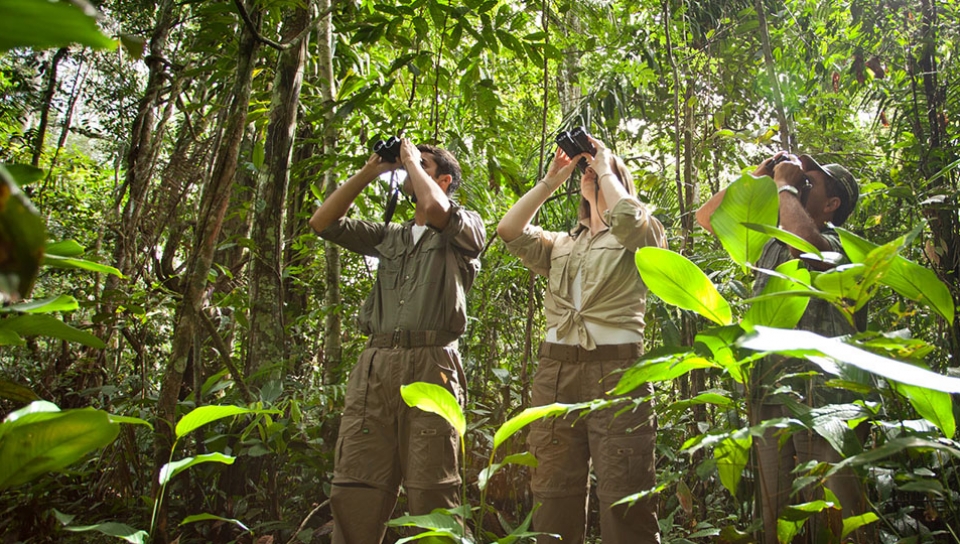
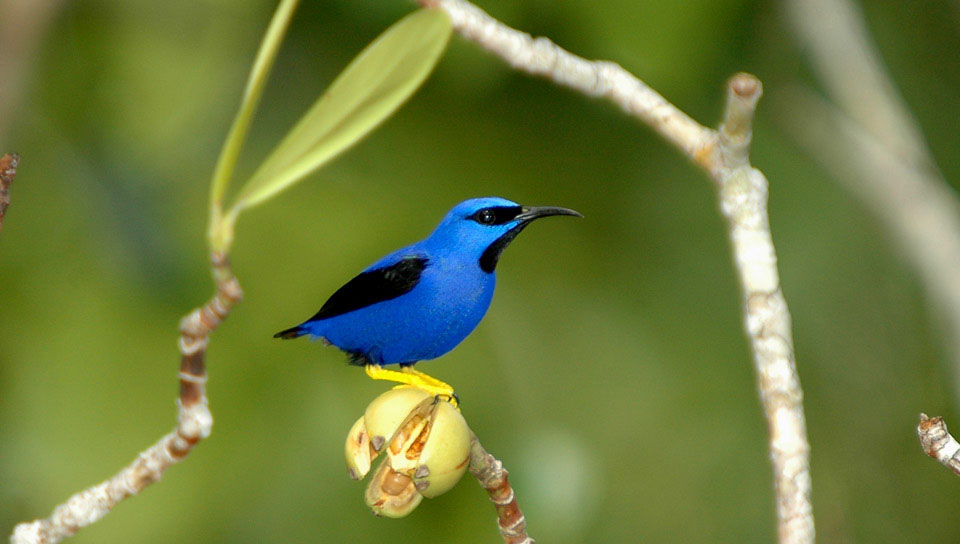
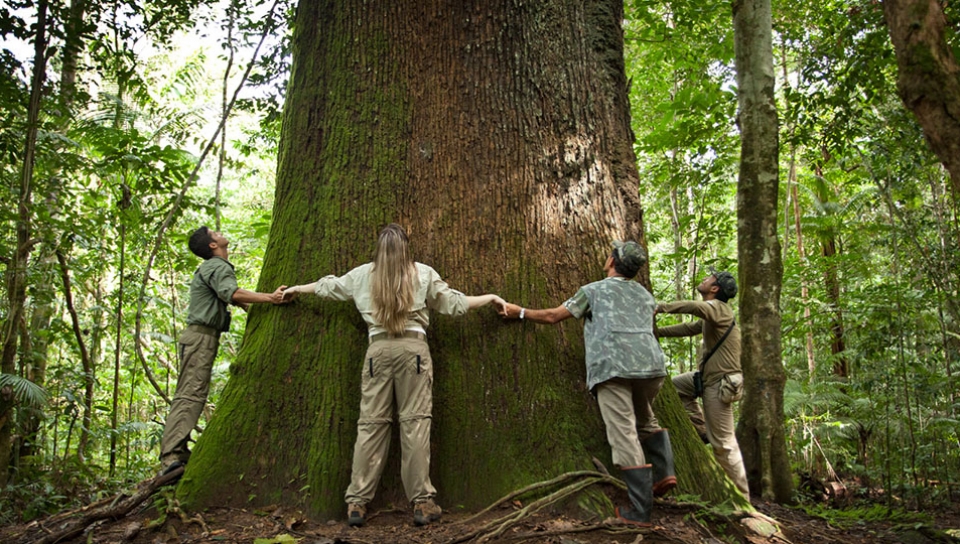
4 / 8The Southern Amazon in Mato Grosso is the transition zone where the Cerrado savannah meets the rainforest: the Jardim da Amazônia Lodge, a 4-hour drive from Cuiabá, and, further north near Alta Floresta, the Cristalino Jungle Lodge, together the birdwatching highlight of Brazil. Allow 3 to 4 nights; the best time to travel is May to October, ideal in combination with the Northern Pantanal.
Unlike the area around Manaus, this part of the Amazon is solid ground without flooding, with gigantic trees, crystal-clear rivers and an exceptional wealth of bird species; you reach it by road from Cuiabá.
Highlights of the Southern Amazon
- Jardim da Amazônia: a lodge on 100 hectares on the Rio Claro near São José do Rio Claro, with a sustainability label, boat trips, walks and birdwatching tours; on the Chapada–Nobres–Pantanal route.
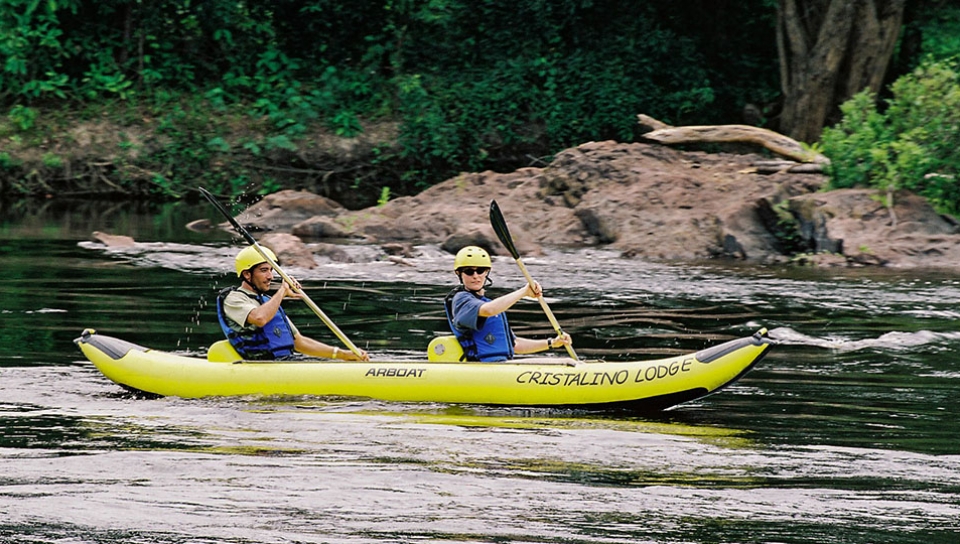
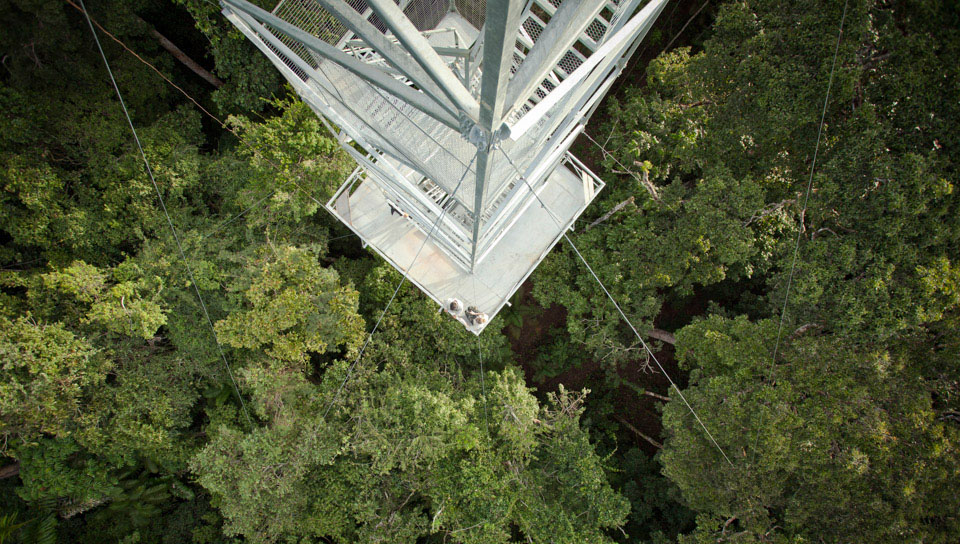
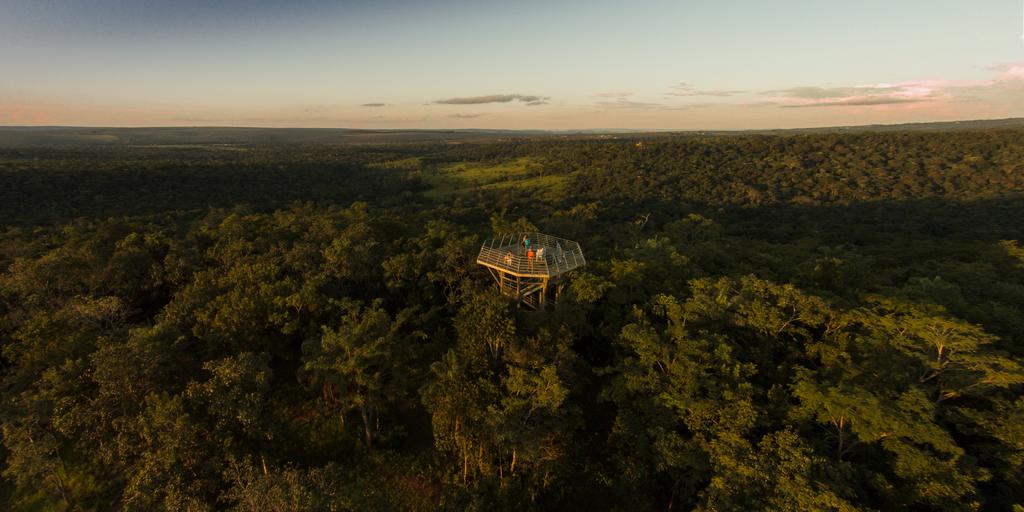
- Cristalino Jungle Lodge: a private reserve of 11,000 hectares on the Rio Cristalino near Alta Floresta, with observation towers 50 metres above the canopy and more than 600 bird species.
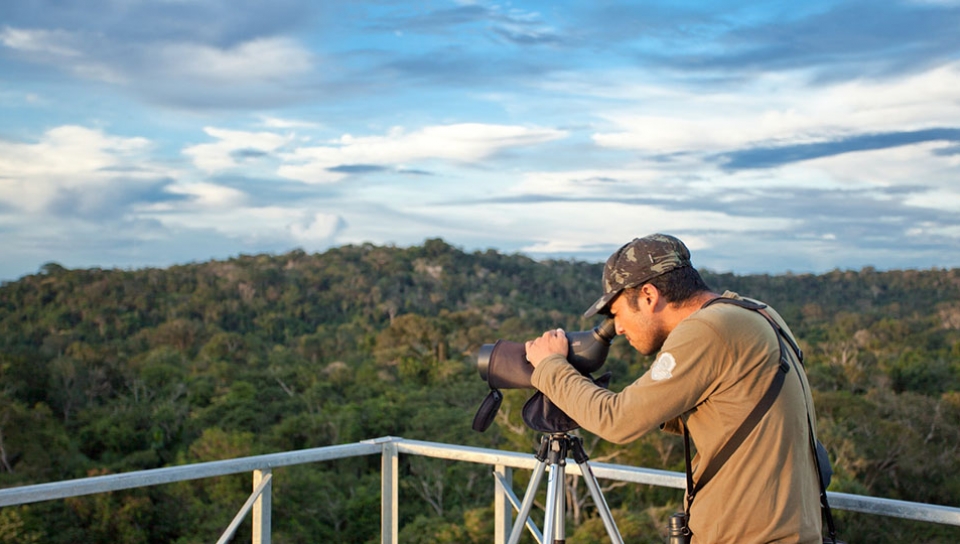
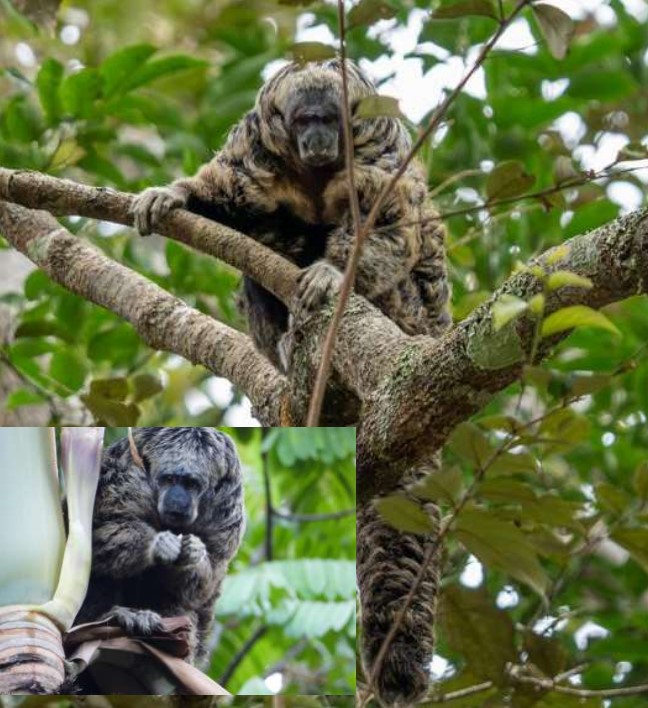
- Birds: harpy eagle, hoatzin, macaws, toucans and the rare white-cheeked saki; also tapirs, monkeys and giant otters.
- Crystal-clear rivers to swim in, and night trips by boat.
Best time to visit the Southern Amazon
From May to October it is dry, with good roads and the most bird activity; June to August is pleasant, September and October are hot. In the rainy season (November to April) the forests are green and the rivers high, but the sandy roads to the lodges are sometimes difficult.
Getting there and travel time
Jardim da Amazônia is a 4-hour drive from Cuiabá (via Nobres, 2 hours), Cristalino is 1 hour from Alta Floresta, which can be reached by flight (1.5 hours) from Cuiabá. We arrange the transfers or a hire car for the Chapada–Nobres–Jardim self-drive.
How many days in the Southern Amazon?
We recommend 3 nights in one of the two lodges; birdwatchers take 4 to 5 nights at Cristalino.
Combines well with
With Chapada dos Guimarães, Nobres and the Northern Pantanal to form a route through three ecosystems from Cuiabá. Examples: Cristalino Jungle Lodge, self-drive Chapada, Nobres & Jardim da Amazônia and 3 ecosystems.
Frequently asked questions about the Southern Amazon
Southern Amazon or Manaus?
The Southern Amazon for birds, crystal-clear water and the combination with the Pantanal by road; Manaus for the great rivers, cruises and the classic Amazon feeling.
Are there mosquitoes?
Fewer than around Manaus, especially in the dry season; long clothing and DEET are sufficient.
Is it suitable for children?
Jardim da Amazônia is suitable for families (swimming in the river, short trips); Cristalino is mainly for nature lovers and birdwatchers.
Do I need vaccinations?
A yellow fever vaccination is recommended for Mato Grosso; consult a travel health clinic.
Tip from Brazil Travel Specialist
Drive the Chapada dos Guimarães – Nobres – Jardim da Amazônia route yourself: tarmac until the last few kilometres and a different landscape every day. Finish with the Pantanal via Cuiabá for the wildlife.
Northern Pantanal
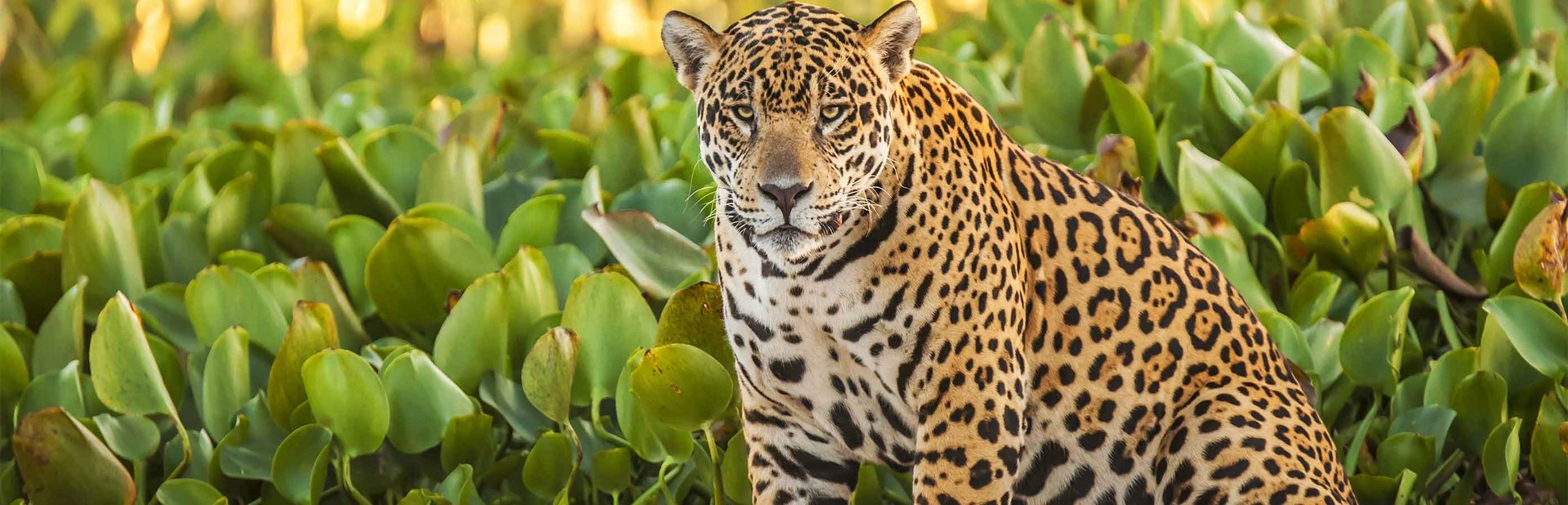
5 / 8The Northern Pantanal, in the state of Mato Grosso and reached via Cuiabá, is the best place in the world to see jaguars in the wild. Along the Transpantaneira, the 147-kilometre unpaved road to Porto Jofre, lie the lodges from which you go on safari by boat, on foot and by truck. Allow 4 to 6 nights; the best time to travel for jaguars is July to October.
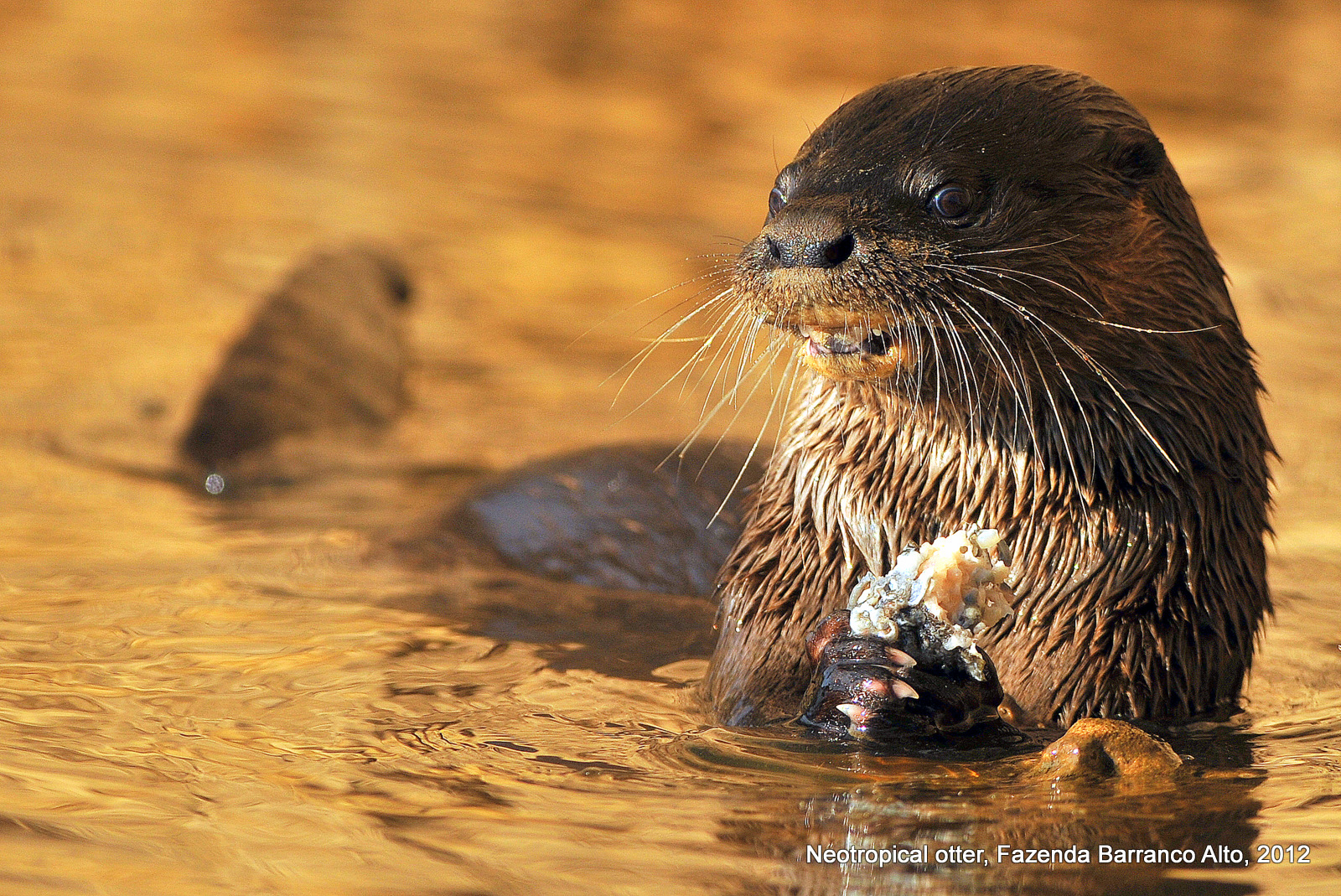
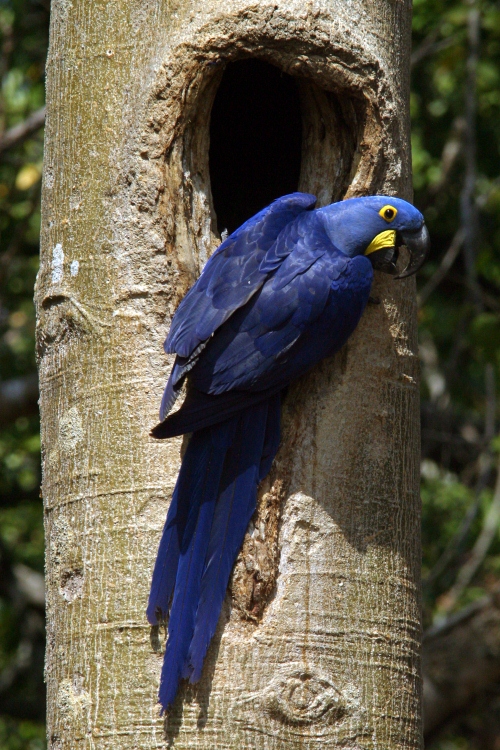
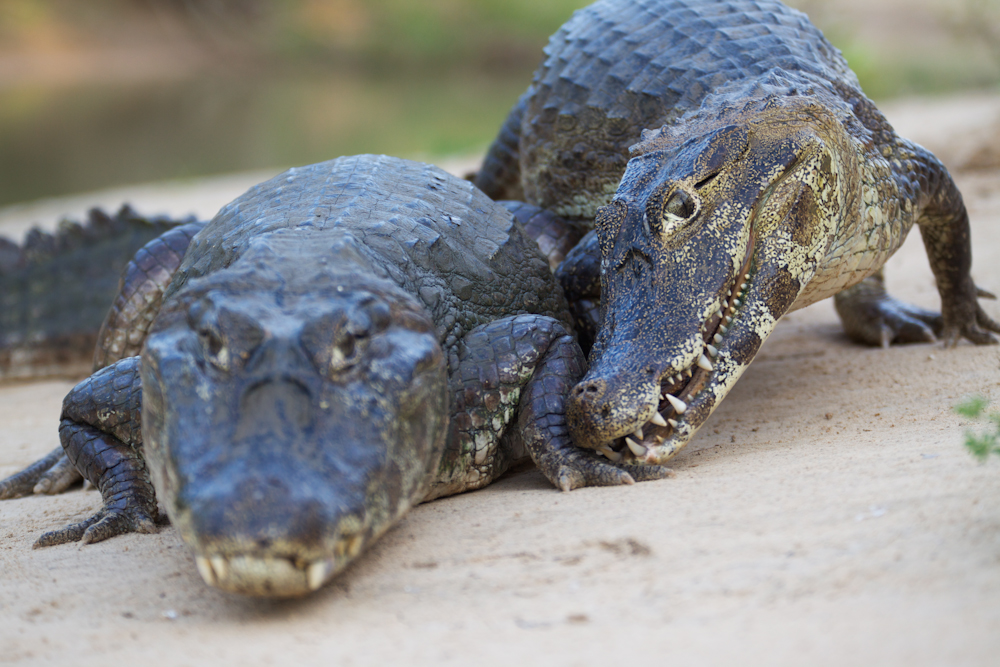
The Pantanal is the largest wetland in the world and the best wildlife area in South America: caimans, capybaras, giant otters, hyacinth macaws, jabirus and – in the north – the jaguar. Unlike in the Amazon, the landscape is open, which means you actually see the animals.
Highlights of the Northern Pantanal
- Porto Jofre, the jaguar capital: at the end of the Transpantaneira, where you search the banks of the Cuiabá and Piquiri rivers by boat. In the dry season the chance of seeing a jaguar here is very high.
- The Transpantaneira: 147 kilometres of dirt road with more than a hundred wooden bridges; the drive alone is a safari, with caimans and waterbirds along the road.
- Lodges with their own guides: from tourist class (Pousada Piuval, UeSo Lodge) to superior class (Pousada do Rio Mutum, Araras Eco Lodge), on a full-board basis and with daily excursions.
- Night safaris and horse riding: at night with the spotlight in search of ocelot, tapir and caimans; during the day on horseback through the flooded plains.
- Wealth of birdlife: more than 650 bird species, including the hyacinth macaw, the largest parrot in the world.
Best time to travel to the Northern Pantanal
The best period for jaguars and other mammals is the dry season from July to October: the water recedes, animals concentrate along the rivers and the roads are easily passable. April to June is a lovely shoulder season with mild temperatures and plenty of activity around the shrinking pools. In the wet season (December to March) the landscape is green and full of waterbirds, but parts of the Transpantaneira are difficult to pass and jaguars are harder to see. September and October are hot (35 °C and more).
Getting there and travel time
You fly to Cuiabá (about 2 hours from São Paulo or Rio de Janeiro, also direct from Manaus and Campo Grande). From Cuiabá it is around 100 kilometres of tarmac to Poconé, where the Transpantaneira begins. The first lodges are a 1 to 2-hour drive from Cuiabá; Porto Jofre is 4 to 5 hours away. We arrange the transfers by 4x4, or you drive yourself; in the dry season the road is manageable in an ordinary car.
How many days in the Northern Pantanal?
We recommend approx. 3 to 4 nights: 2 nights in a lodge along the Transpantaneira for the general wildlife and 2 to 3 nights in Porto Jofre for the jaguars. Those who only want to see jaguars book 3 nights in Porto Jofre; those who also want to experience the birds and the landscape take 5 to 6 nights.
North or South: which Pantanal suits you?
The Northern Pantanal is the choice for jaguars and combines well with Chapada dos Guimarães and Nobres. The Southern Pantanal (via Campo Grande) offers fazendas with a broader nature experience, jaguars with a bit of luck, and combines with the river snorkelling in Bonito. A combination of both is possible in a three-week trip.
Combines well with
A few hours' drive from Cuiabá lie the red cliffs and waterfalls of Chapada dos Guimarães and the crystal-clear rivers of Nobres; together they make up a 5-day self-drive. The Pantanal can also easily be linked by plane to the Amazon at Manaus, the waterfalls of Foz do Iguaçu and the Southern Amazon at Jardim da Amazônia. Examples: UeSo Lodge with jaguar tour, Porto Jofre package and the nature round trip Into the Wild.
Frequently asked questions about the Northern Pantanal
How likely am I to see a jaguar?
In Porto Jofre between July and October, very likely: most guests see several jaguars in two to three days on the river. Outside the dry season the chance is clearly smaller.
What is included at a Pantanal lodge?
Almost always full board and two to three excursions a day with a nature guide (boat, walk, truck, horse riding, night safari). Drinks and tips are usually not included.
Is the Pantanal suitable for children?
Yes, from around 6 years old: the boat trips are calm and the animals are easy to see. Bear in mind the heat and mosquitoes; long clothing and DEET are advisable.
Do I need vaccinations?
A yellow fever vaccination is recommended for Mato Grosso; malaria hardly occurs in the Pantanal. Always consult the GGD or a travel vaccination clinic for personal advice.
Tip from Brazil Travel Specialist
Combine two lodges: first a lodge at the start of the Transpantaneira for the birds, caimans and capybaras, then Porto Jofre for the jaguars. That way you see the Pantanal in all its variety and spread out the driving time. We know the lodges and guides personally and will be happy to put together a tailor-made route for you.

Salvador
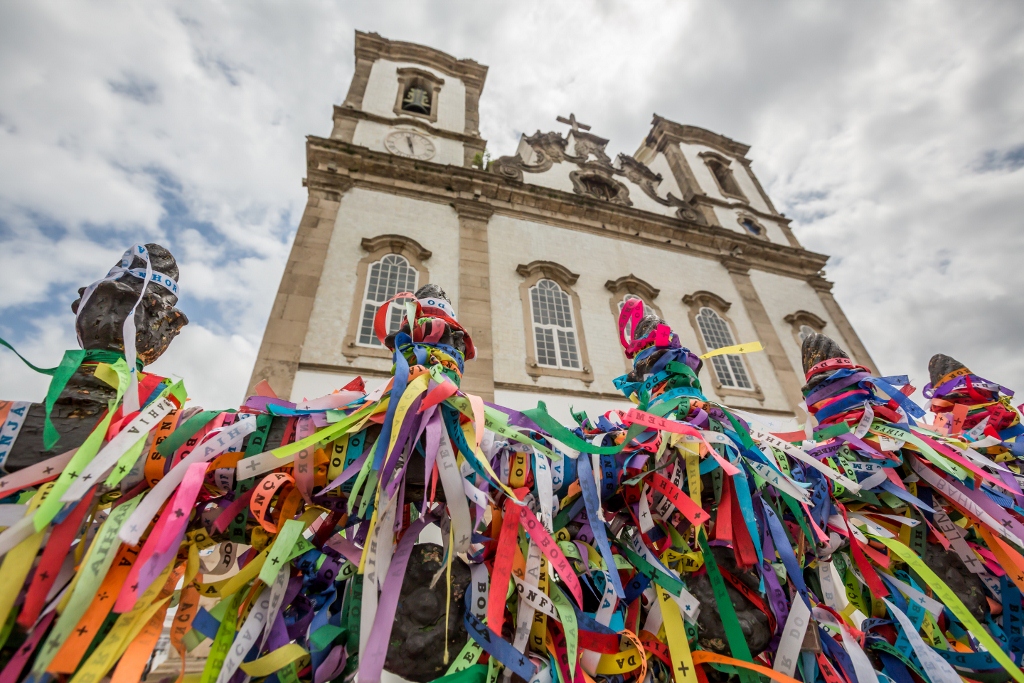
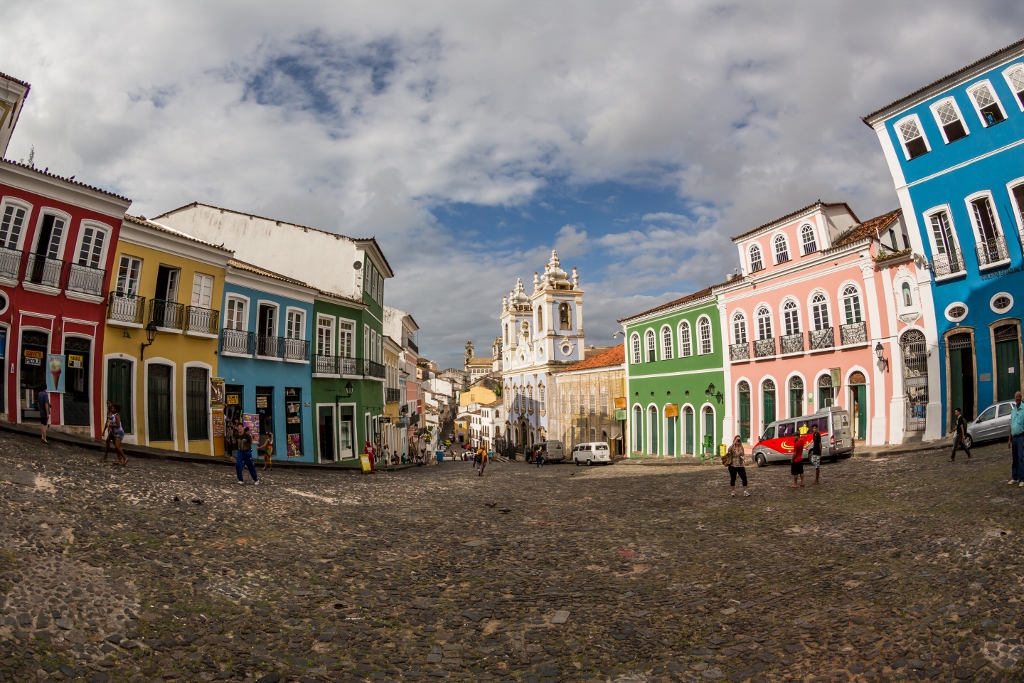
6 / 8Salvador da Bahia, the first capital of Brazil, is the heart of Afro-Brazilian culture: the historic centre of Pelourinho with baroque churches, capoeira, candomblé, live music and the cuisine of Bahia, on a bay in the north-east. Allow 2 to 3 nights, preferably as the start or finale of a trip through Bahia; best time to travel September to March, with carnival in February.
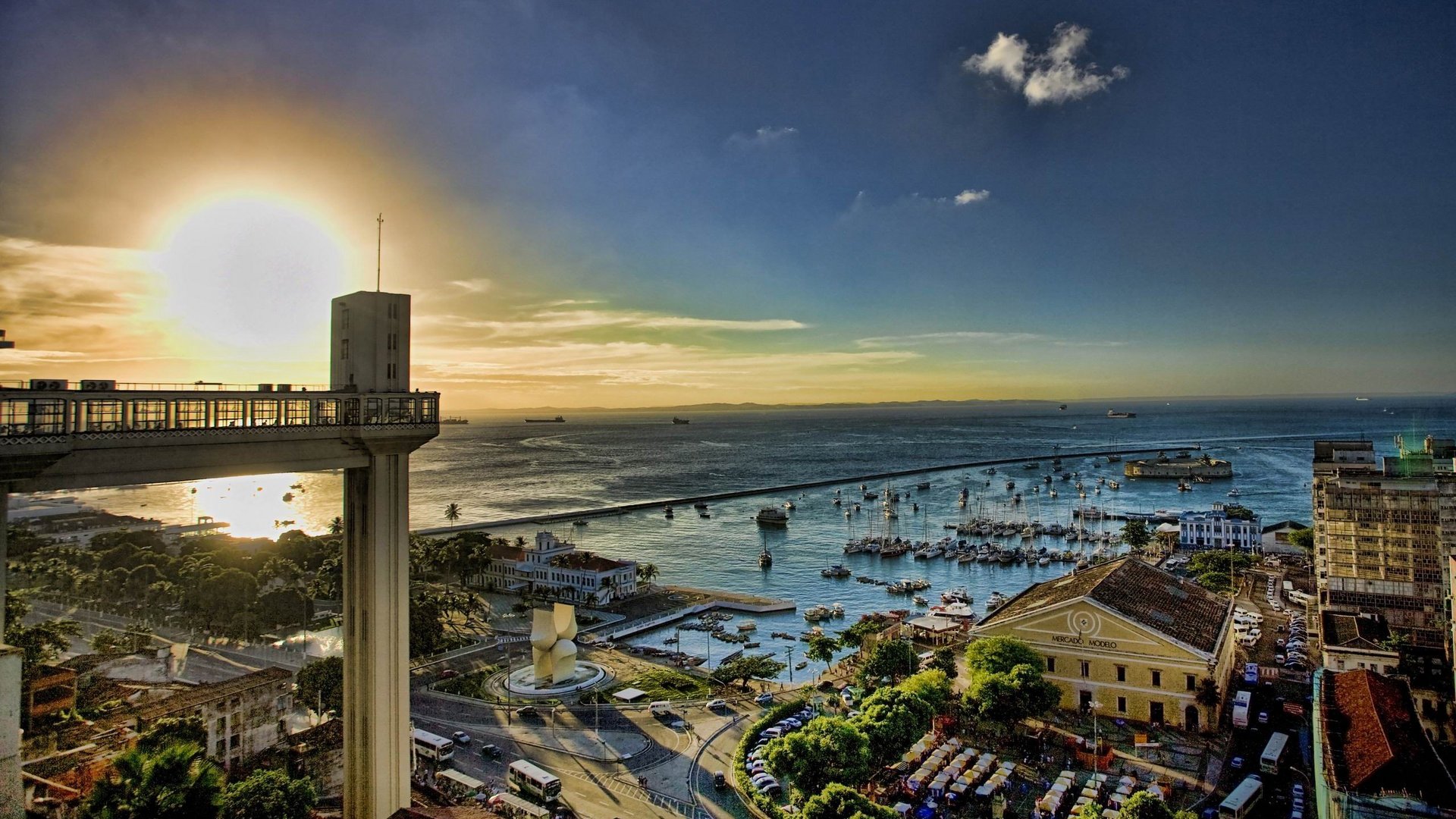
Salvador lies on a peninsula on the Baía de Todos os Santos and is divided into an upper and a lower town, connected by the Elevador Lacerda. For three centuries the city was the most important port for the slave trade; today that painful history shapes the rich culture of music, dance, religion and food that makes Salvador unique.
Highlights of Salvador
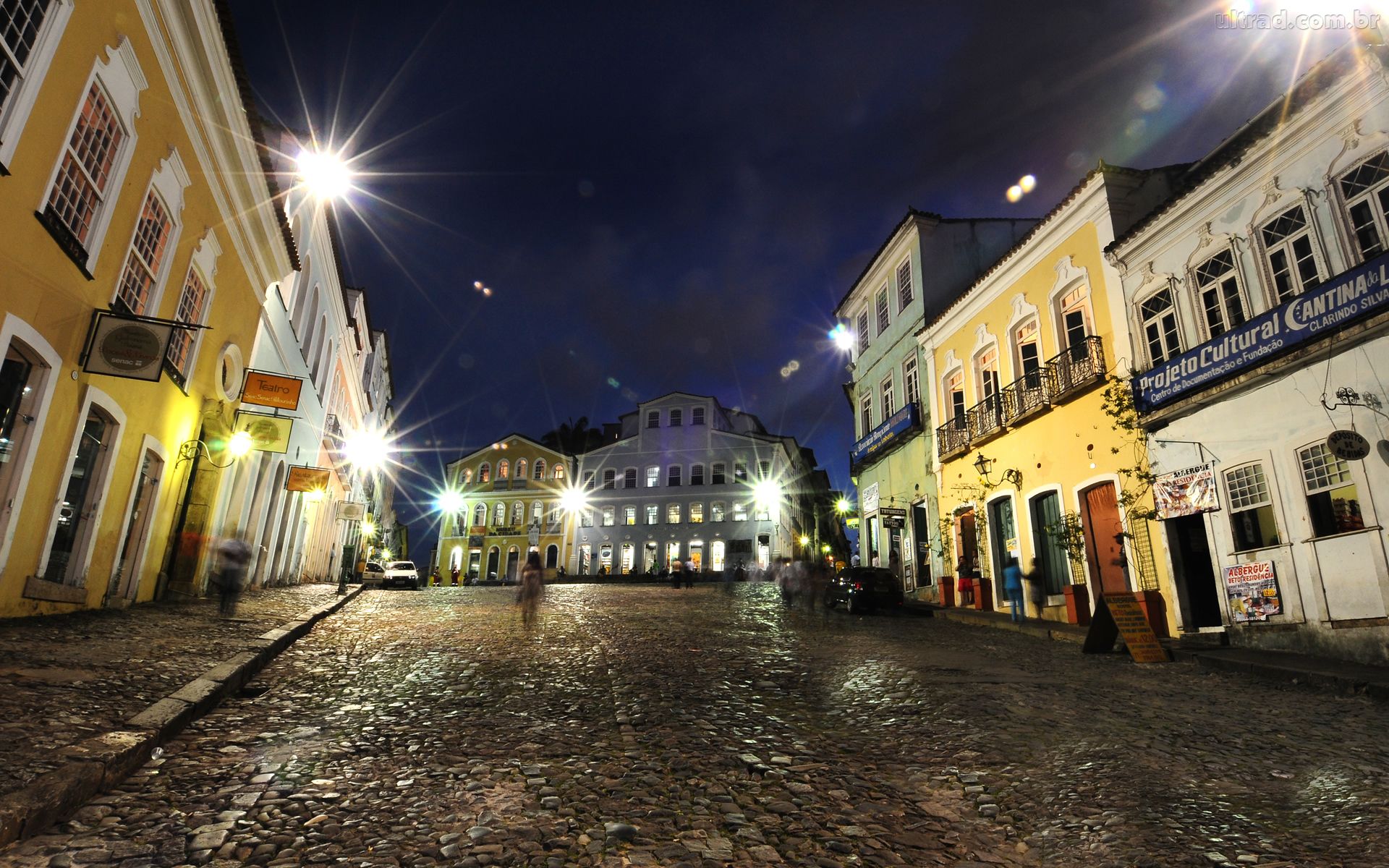
- Pelourinho: the colonial centre (UNESCO World Heritage) with colourful houses, the São Francisco church with its gold leaf and, in the evening, drum groups such as Olodum.
- Elevador Lacerda and Mercado Modelo: the lift dating from 1873 between the upper and lower town and the market by the harbour.
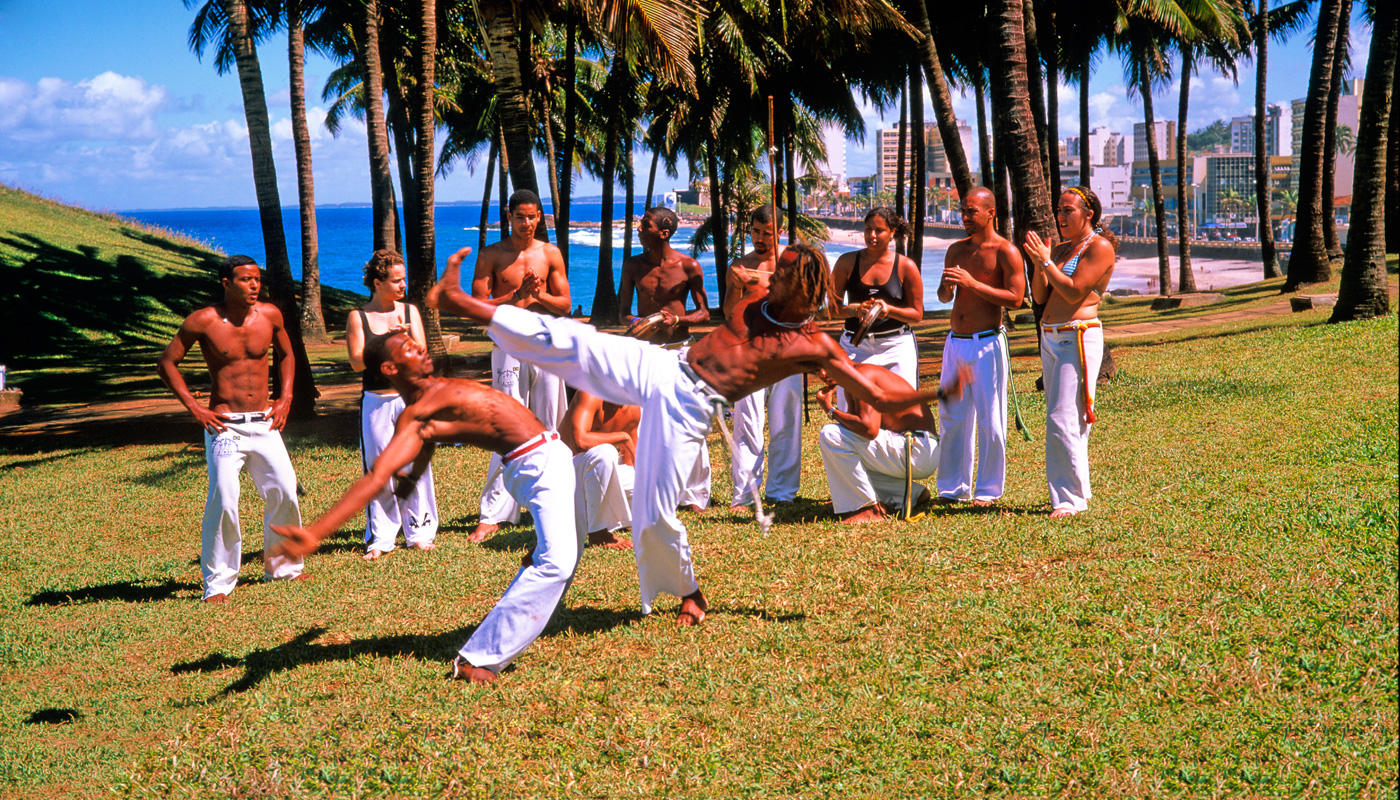
- Capoeira and candomblé: a capoeira roda in the centre or a visit to a candomblé terreiro with a local guide.
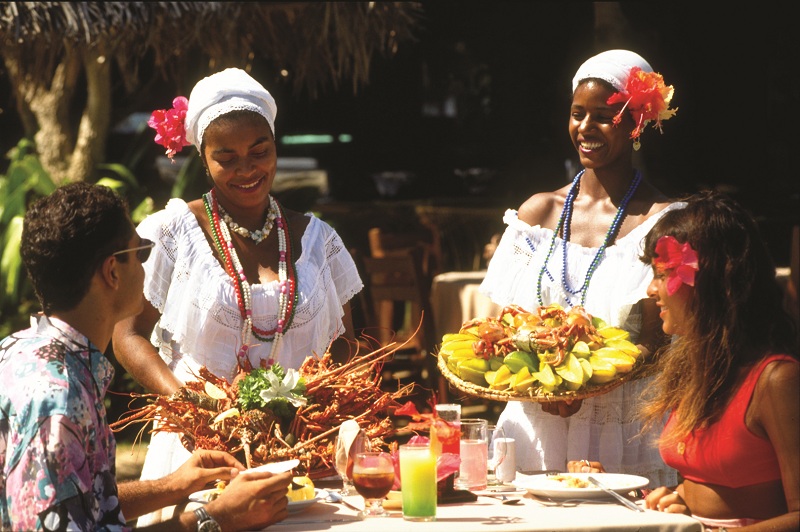
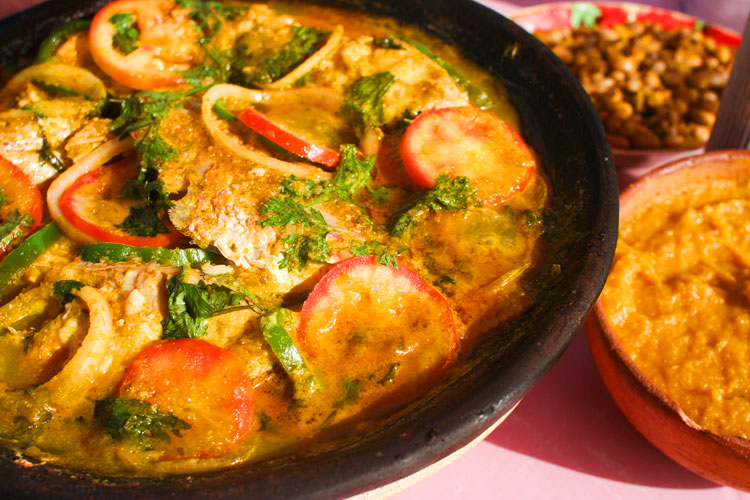
- Cuisine of Bahia: acarajé from the baianas in the street, moqueca in a restaurant on the bay.
- Beaches: Porto da Barra in the city, Itapuã and, further north, Praia do Forte.
- Carnival: the largest street carnival in the world, where you walk along behind the trios elétricos instead of watching.
Best time to visit Salvador
Salvador is warm all year round (25–30 °C). September to March is the driest and sunniest period; carnival falls in February or early March and is therefore also the most expensive and busiest period. Most rain falls from April to July, often in showers with sunshine in between; June is the month of the São João festivals inland.
Getting there and travel time
Salvador has an international airport 40 minutes from the centre, with daily flights from Rio and São Paulo (approx. 2 hours) and TAP flights via Lisbon. We arrange private transfers; the catamaran sails to Morro de São Paulo in 2.5 hours, you drive to Praia do Forte in 1 hour and to the Chapada Diamantina in 6 hours.
How many days in Salvador?
We recommend 2 to 3 nights: a day for Pelourinho and the lower town with a guide, a day for the beaches or a boat trip on the bay to Ilha de Itaparica. With carnival, 4 to 5 nights.
Where to stay in Salvador?
In Pelourinho you sleep in the midst of history, in atmospheric pousadas; in the evening you stay in the lit streets and take a taxi outside the centre. Barra and Rio Vermelho on the coast are more spacious, with beach and restaurants and 15 minutes from the centre.
Combines well with
Salvador is the gateway to Bahia: the car-free island of Morro de São Paulo, the beaches of Praia do Forte, the table mountains of the Chapada Diamantina and the south coast around Trancoso. Examples: Salvador package, self-drive Bahia and the round trips Bahia and Brasil Encantado.
Frequently asked questions about Salvador
Is Salvador safe?
Pelourinho is fine to visit during the day and in the evening thanks to the tourist police; outside the lit streets, take a taxi and do not carry visible valuables. Our local representatives give up-to-date tips on arrival.
How does it differ from carnival in Rio?
In Rio you watch the parades in the Sambadrome; in Salvador you walk along yourself behind the music trucks through the streets. Salvador is more exuberant and more informal.
How many days do I need for Salvador and surroundings?
Two to three nights for the city, plus 3 to 4 nights of beach (Morro de São Paulo or Praia do Forte) and 2 to 3 nights in the Chapada Diamantina for a complete Bahia trip of 8 to 10 days.
Can I combine Salvador with Rio?
Yes, by a 2-hour flight; in addition, TAP flies via Lisbon to and from both cities, so you can fly out to Rio and back from Salvador.
Tip from Brazil Travel Specialist
Plan a Tuesday evening in Pelourinho: that is when the drum groups rehearse and there are open-air concerts. Try an acarajé from the baianas on the Largo do Pelourinho and let us arrange a guide for the São Francisco church; without an explanation you will miss the story behind the gold leaf.


Chapada Diamantina
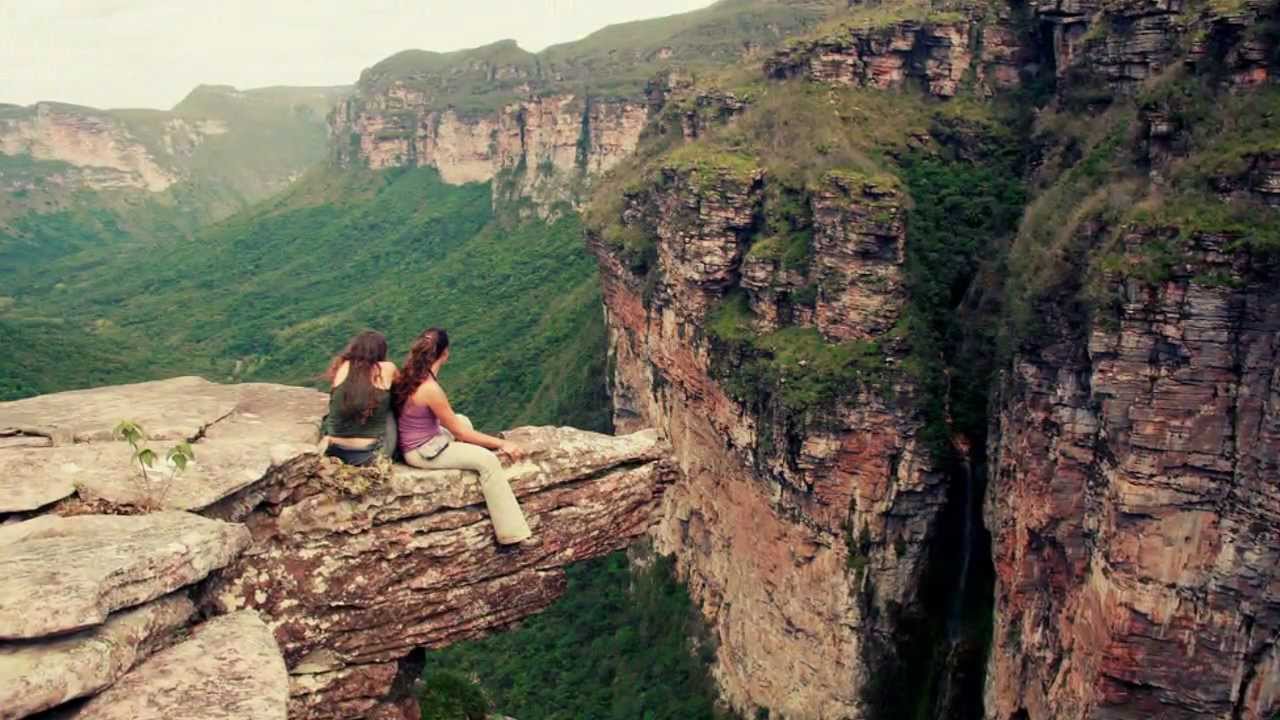
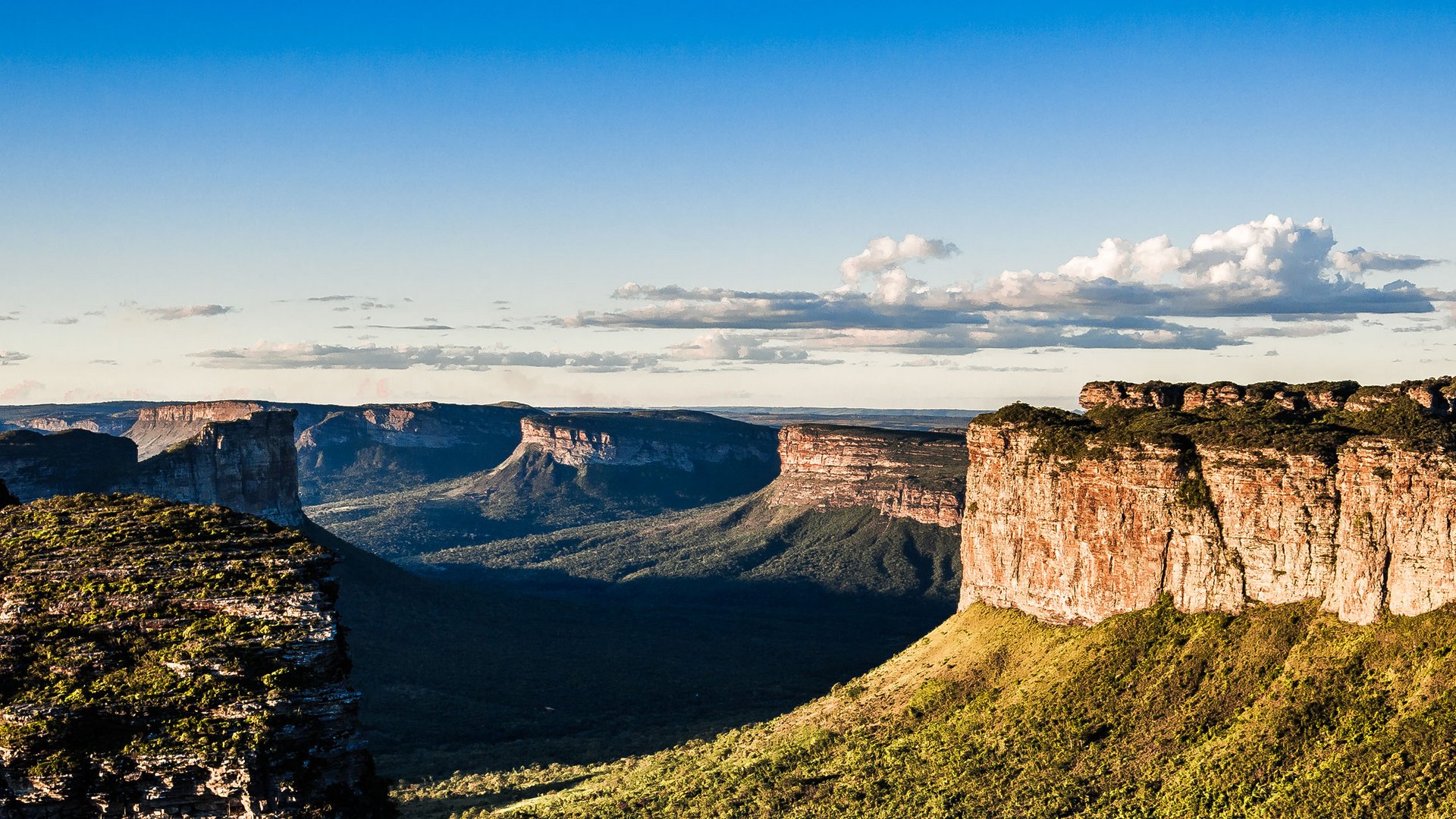
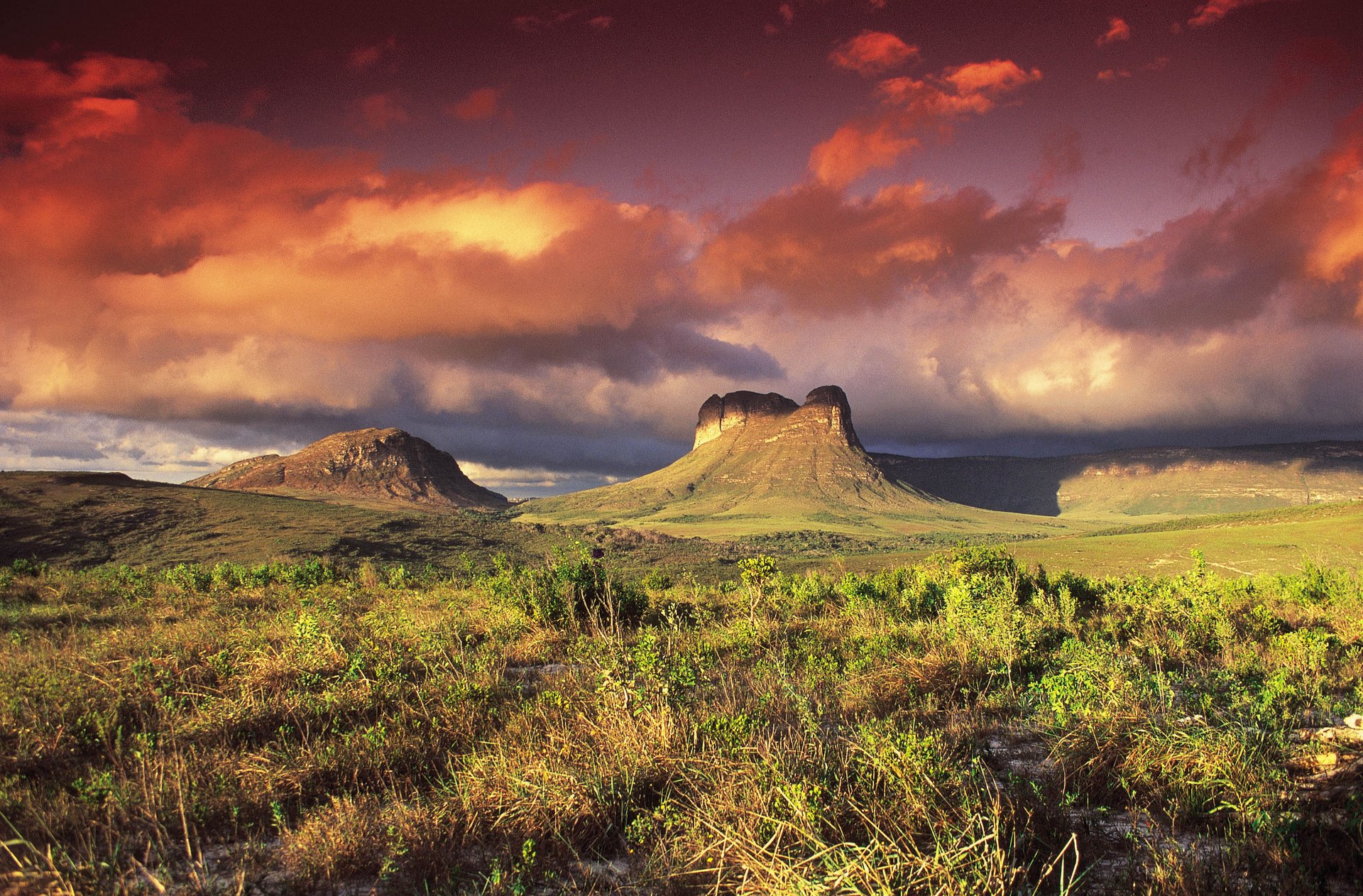
7 / 8The Chapada Diamantina is a national park of 1,500 km² in the interior of Bahia, a 6 hour drive from Salvador: table mountains, canyons, waterfalls, caves with blue water and the colonial gold-mining village of Lençóis as a base. Allow 3 to 4 nights for the best-known day trips, or 5 to 7 nights for a trek; best time to travel April to October.
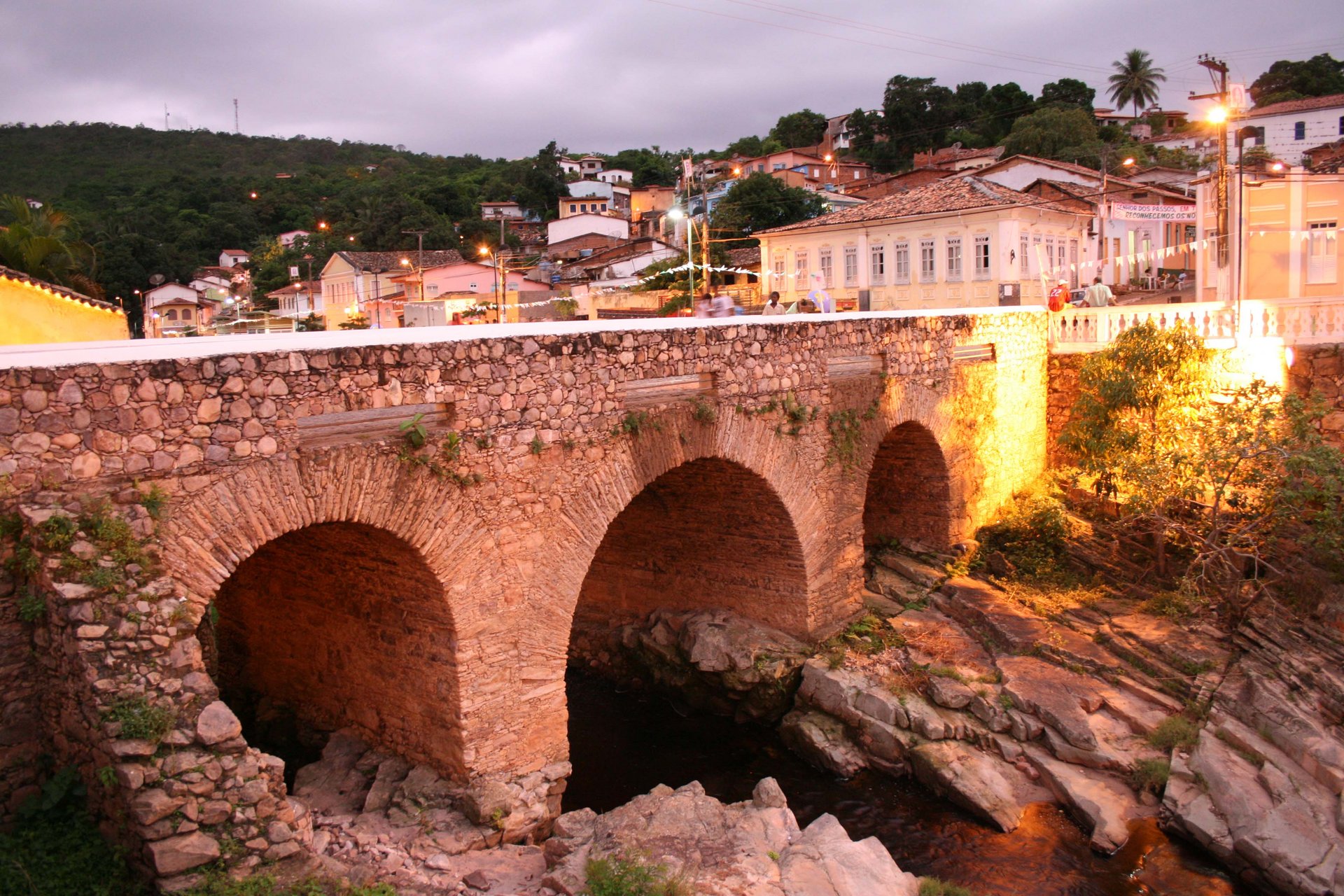
The villages of Lençóis, Mucugê, Igatu and Andaraí sprang up in the nineteenth century during the diamond rush; today they are the base for walkers and nature lovers. Lençóis has the best infrastructure, with pousadas in colonial buildings, restaurants and guides.
Highlights of the Chapada Diamantina
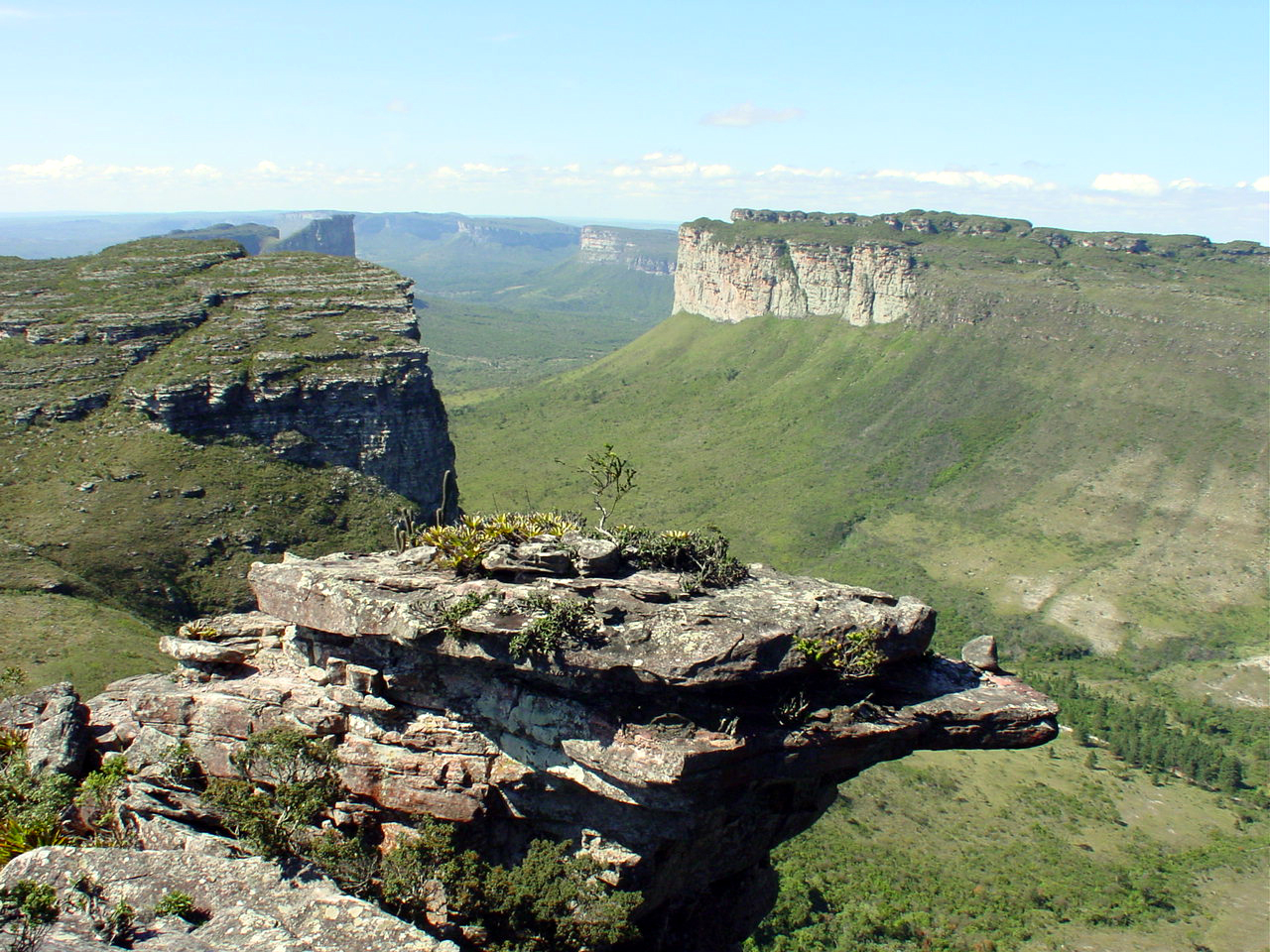
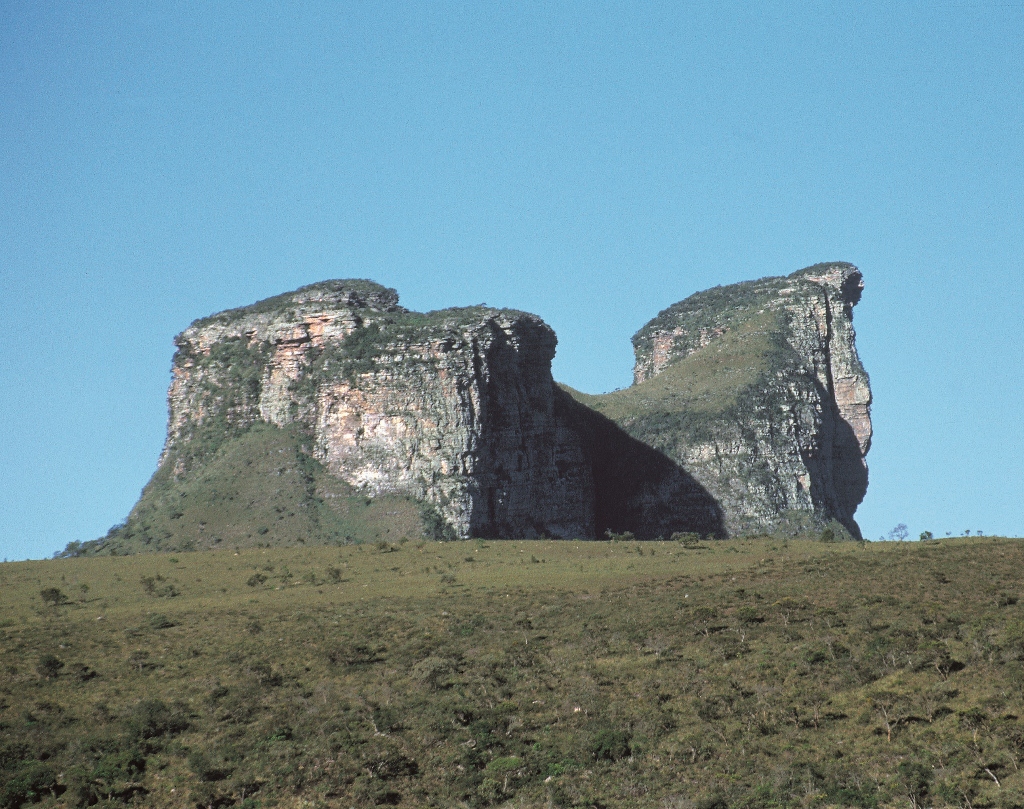
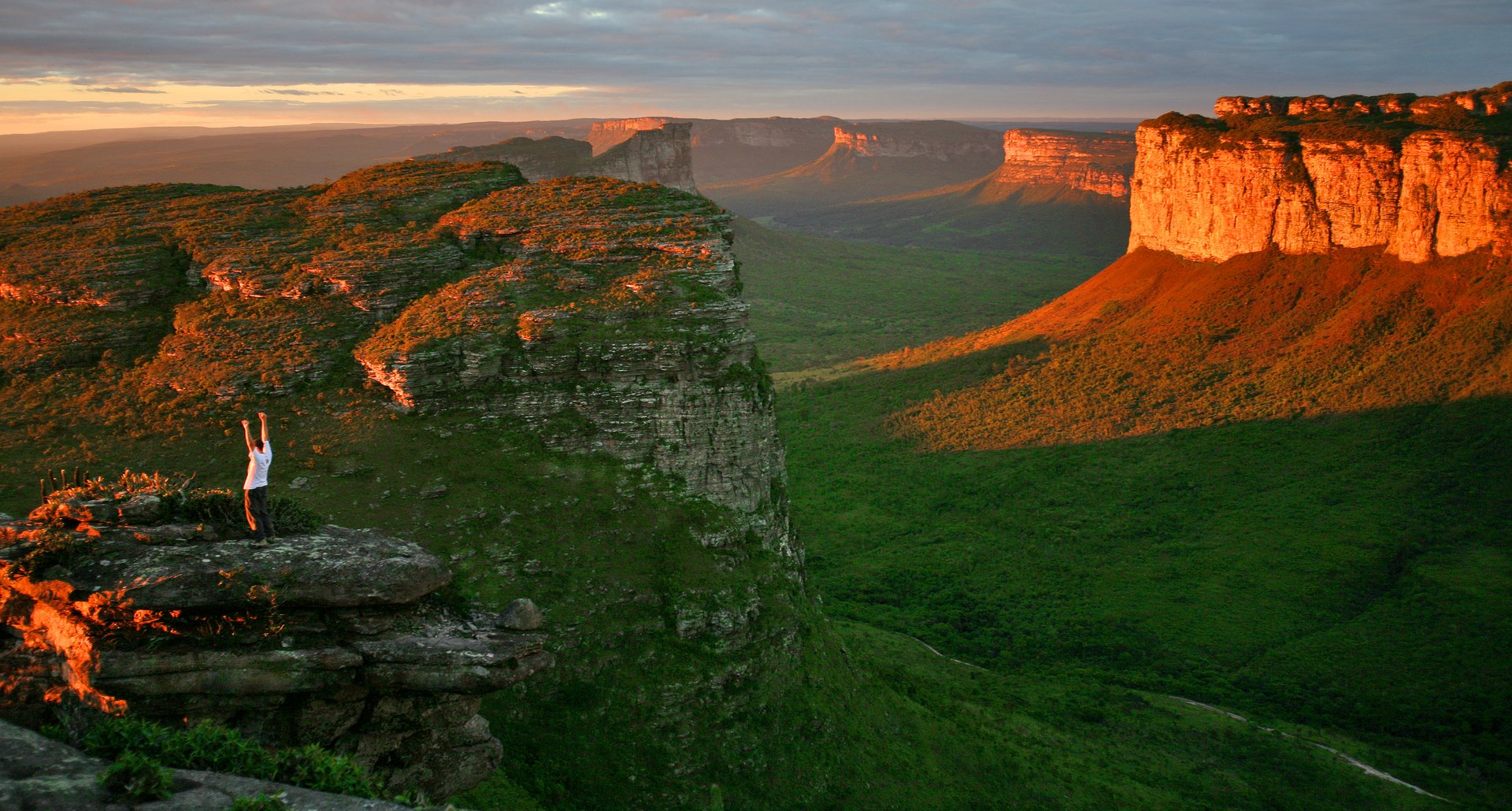
- Morro do Pai Inácio: the table mountain with the famous view over the valley, at its most beautiful at sunset.
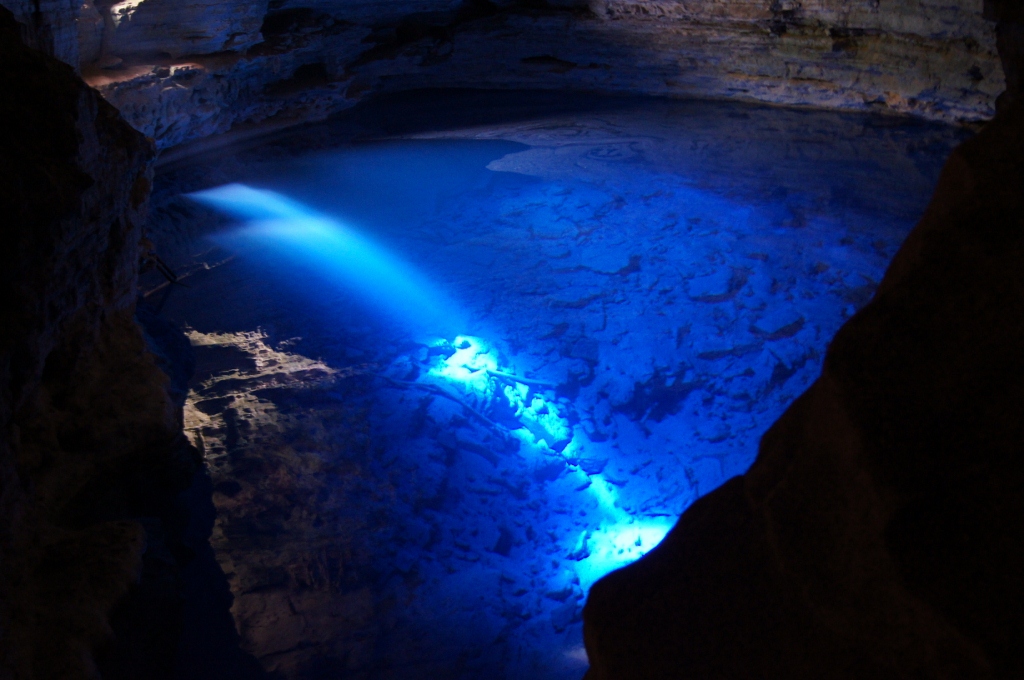
- Poço Azul and Poço Encantado: caves with crystal-clear blue water; between April and September the sunlight falls right into them.
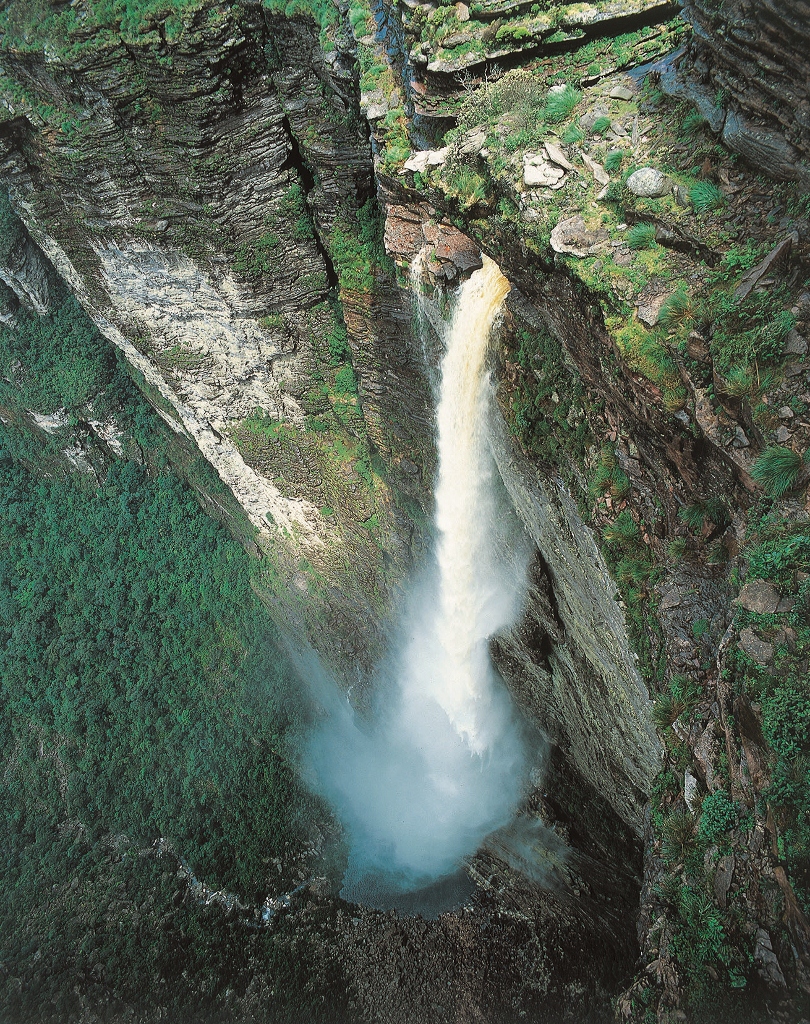
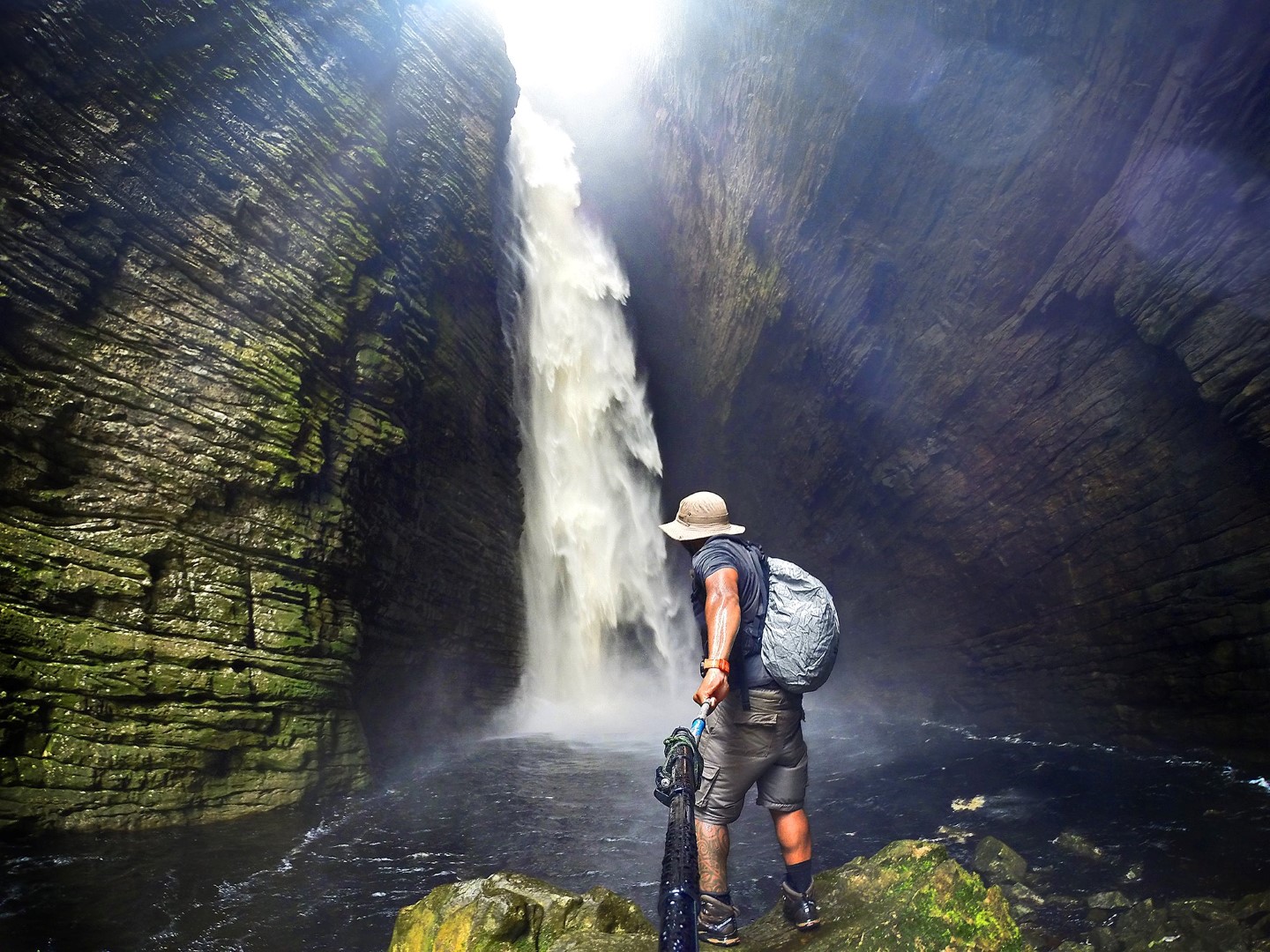
- Cachoeira da Fumaça: at 340 metres one of the highest waterfalls in Brazil; the water evaporates before it reaches the bottom.
- Vale do Pati: the most beautiful multi-day trek in Brazil, with overnight stays with local families.
- Gruta da Lapa Doce and Gruta da Pratinha: a dry cave with stalactites and snorkelling in an underground river.
- Lençóis: colonial village with natural pools in the river within walking distance (Serrano, Ribeirão do Meio).
Best time to visit the Chapada Diamantina
From April to October it is dry, with clear days and cool nights (15–28 °C); ideal for walking and the caves. Most rain falls from November to March: the waterfalls are then at their most powerful, but paths can be slippery and the water in the caves less clear. The Fumaça waterfall is at its most beautiful after rain, in the April–May transition.
Getting there and travel time
From Salvador it is approx. 420 kilometres (6 hours) on asphalt to Lençóis; we arrange a private transfer or a hire car for a self-drive. Lençóis has a small airport with a few flights a week from Salvador. The day trips are by 4x4 with a guide; most sights are 30 to 100 kilometres apart.
How many days in the Chapada Diamantina?
We recommend 3 nights for the classic day trips (Pai Inácio and the caves, Fumaça, Poço Azul) and 5 to 7 nights if you want to include the 3 or 4 day Vale do Pati trek.
Combines well with
The Chapada is the nature part of a trip through Bahia, with Salvador for culture and Morro de São Paulo or Praia do Forte for the beach. Examples: Chapada Diamantina package, Chapada Diamantina trek, self-drive Chapada Diamantina and the Bahia round trip.
Frequently asked questions about the Chapada Diamantina
Do I need to be fit for the Chapada Diamantina?
The day trips are manageable for everyone: short walks of 20 minutes to 2 hours. Only the Vale do Pati trek and the walk to the top of the Fumaça require a good level of fitness.
Can I drive myself in the Chapada?
Yes, the main roads are asphalt and the self-drive from Salvador is very manageable; for the caves and waterfalls you book day trips with a guide locally, because the access roads are unpaved.
Is the Chapada Diamantina suitable for children?
Yes, from about 6 years old: swimming in the natural pools, the Lapa Doce cave and Pai Inácio are favourites.
How far is it from Salvador?
About a 6 hour drive; we plan the drive during the day and often combine the outward and return journey with an overnight stay on the coast.
Tip from Brazil Travel Specialist
Plan Poço Azul or Poço Encantado between 12.00 and 14.00 in the months of April to September: only then does the sun fall straight into the cave and turn the water deep blue. We arrange the order of the day trips accordingly.

Rio de Janeiro
8 / 8Rio de Janeiro is the best-known city in Brazil and the ideal start or end point of a round trip: KLM flies direct from Amsterdam every day (approx. 11.5 hours). Allow 3 to 4 nights for the statue of Christ the Redeemer, Sugarloaf Mountain, the beaches of Copacabana and Ipanema and the neighbourhoods of Lapa and Santa Teresa. Best time to travel: April to October, drier and pleasantly warm; carnival falls in February or early March.
Rio de Janeiro, the 'Cidade Maravilhosa', is a mix of green mountains rising out of the ocean, golden beaches and a vibrant metropolis. The inhabitants, the Cariocas, are known for their zest for life. Below you will find what our specialists pass on to you for a successful stay.
Highlights of Rio de Janeiro
- Corcovado and the statue of Christ the Redeemer: take the little cog railway up through the Tijuca rainforest to the 38-metre-high statue, with the most complete panorama of the city. Go early in the morning: fewer crowds and often a clearer view.
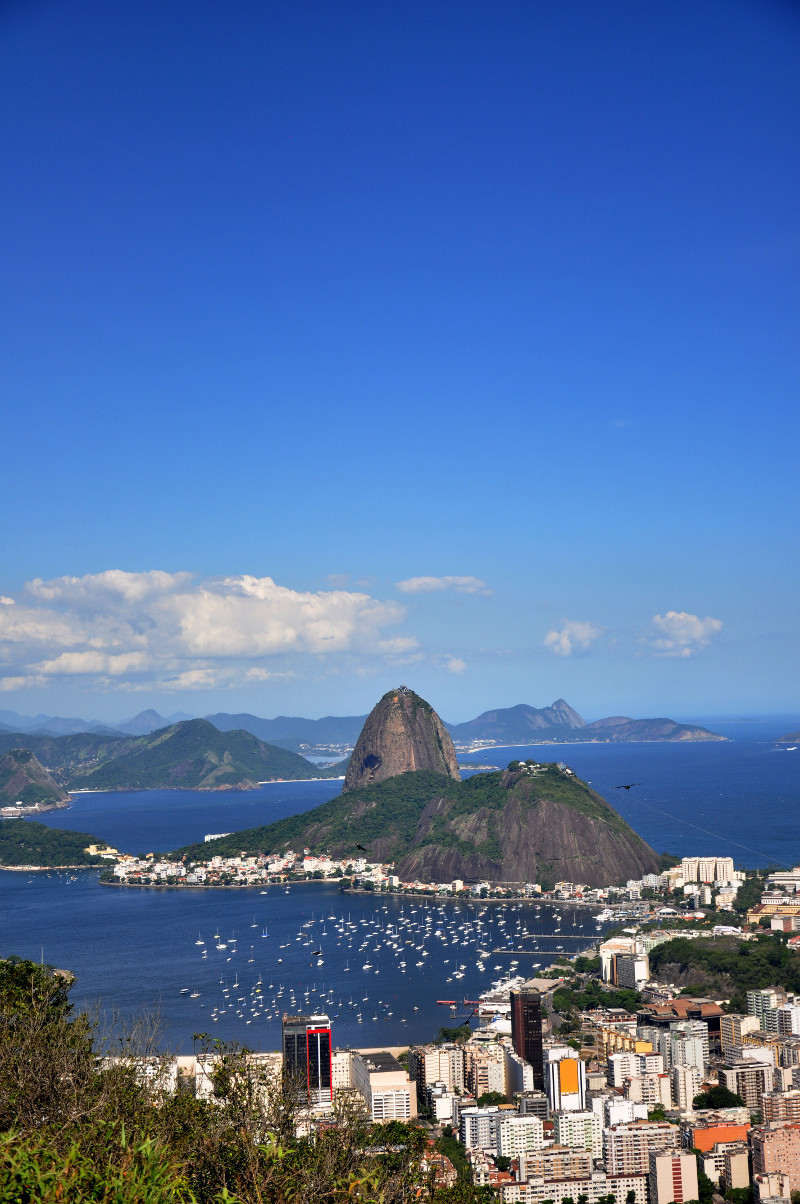
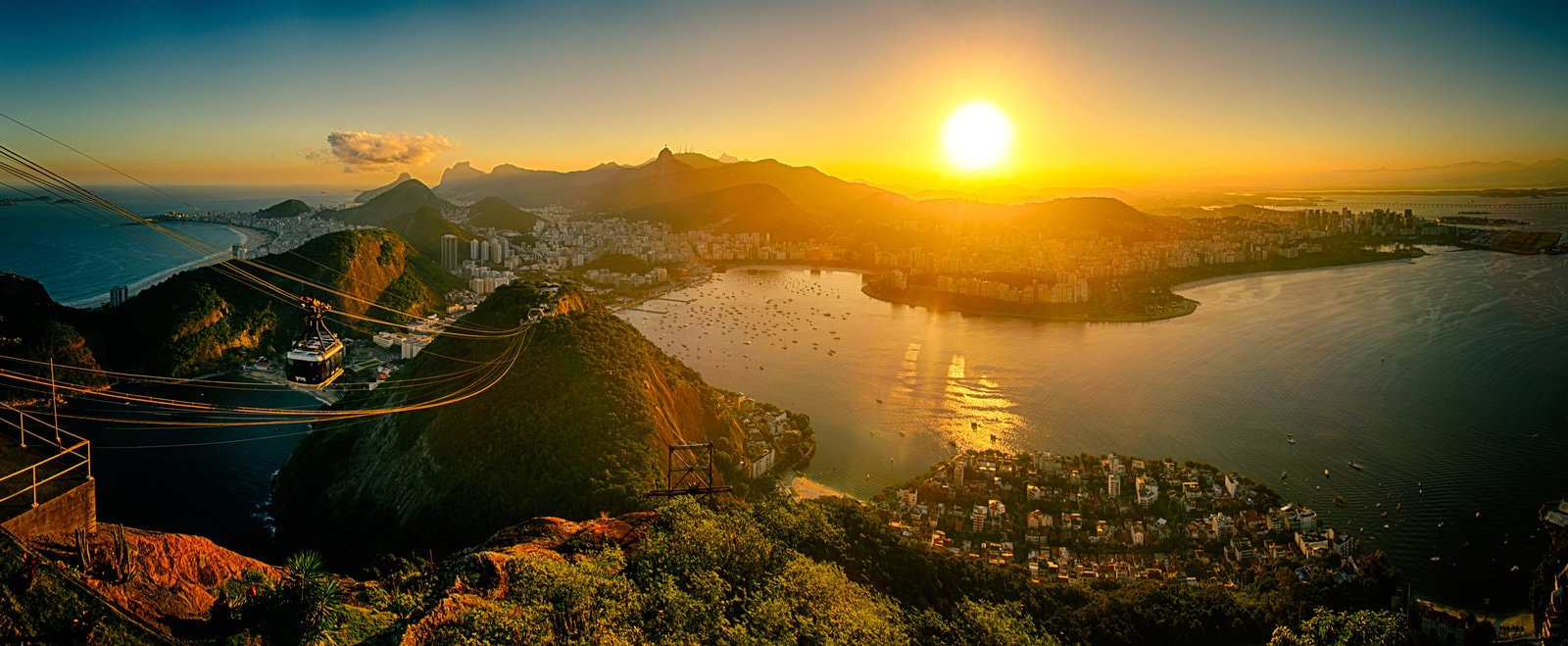
- Sugarloaf Mountain (Pão de Açúcar): two cable cars to the top of the granite rock; at sunset the most beautiful view over Guanabara Bay and Copacabana.
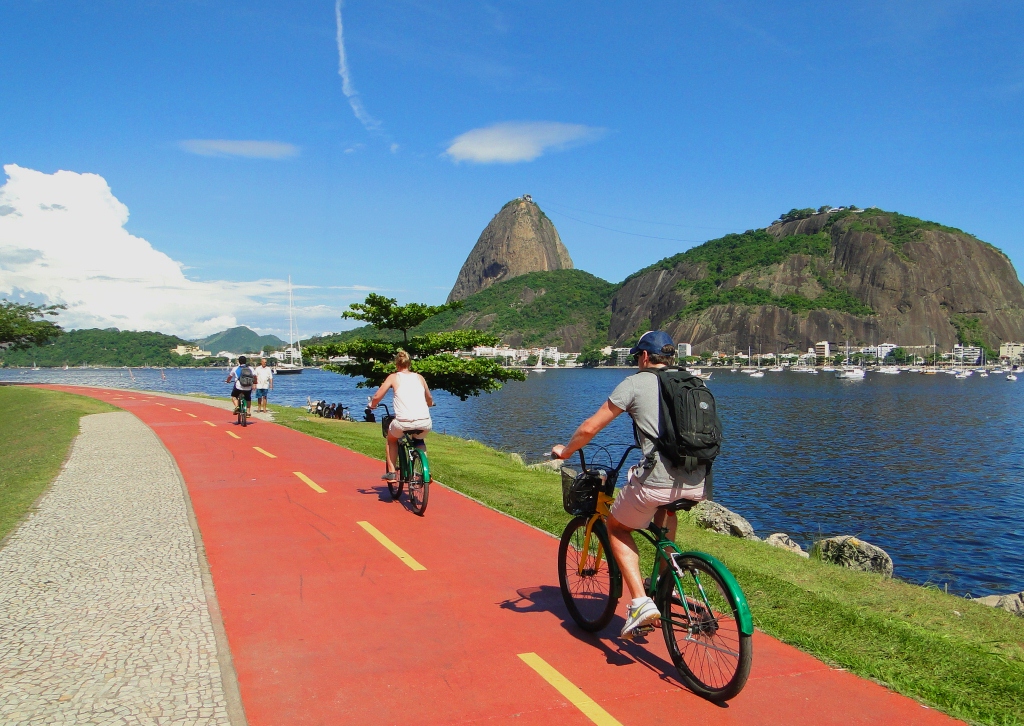
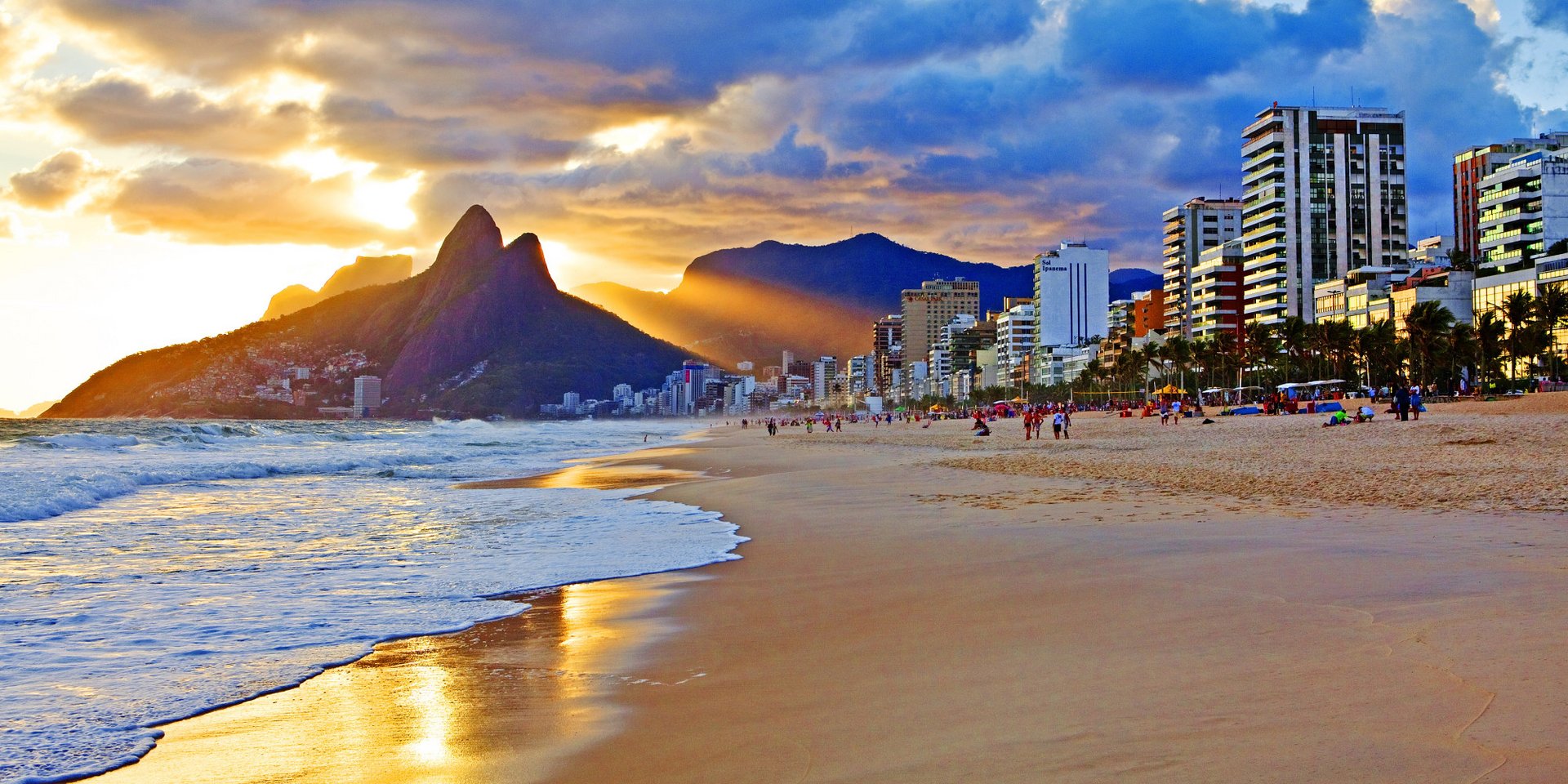
- Copacabana and Ipanema: the most famous beaches in the world, with footvolley, beach kiosks and an ice-cold caipirinha. On Sundays the seafront boulevard is car-free: hire a bike and cycle along with the Cariocas.
- Lapa and Santa Teresa: the bohemian heart of the city. In Lapa live samba in the evening; during the day, climb the colourful Escadaria Selarón steps up to artistic Santa Teresa with its studios and viewpoints.
- Tijuca National Park: a complete rainforest in the middle of the city. The Vista Chinesa viewpoint is a lesser-known but magnificent panorama.
- Sambadrome: during carnival, the parades of the samba schools; outside carnival, the samba schools' rehearsals (August to January) are a fun alternative.
Best time to visit Rio de Janeiro
Rio can be visited all year round. From April to October it is drier and pleasantly warm (22–28 °C), ideal for the city, the beach and the viewpoints. December to March is the Brazilian summer: hot (30 °C and above), humid and with tropical showers in the late afternoon, but also the time of carnival and the liveliest beach atmosphere. In June and July it can be cool in the evening (around 18 °C). Around New Year and carnival, hotels are full well in advance; book in good time for those periods.
Getting there and travel time
KLM flies direct from Amsterdam to Rio de Janeiro (Galeão airport, GIG) every day; TAP via Lisbon is also a good option. Domestic flights depart from GIG and from the centrally located Santos Dumont (SDU). We arrange a private transfer from the airport to your hotel (30–60 minutes to the Zona Sul). From Rio you can reach the Costa Verde by car: Ilha Grande in approx. 2.5 hours plus a boat trip, Paraty in approx. 4 hours and Búzios in approx. 2.5 hours.
How many days in Rio de Janeiro?
We recommend 3 to 4 nights: one day for Corcovado and Sugarloaf Mountain, one day for Lapa, Santa Teresa and the centre, and time for the beach and an excursion such as a cycling tour along the boulevards or a walk in the Tijuca park. If you are coming for carnival, plan 4 to 5 nights.
Where to stay in Rio de Janeiro?
Copacabana and Ipanema are the best base: safe, on the beach and with restaurants and bars within walking distance. Leblon is quieter and more upmarket; Santa Teresa is full of atmosphere but less practical for the beach. See the hotels tab of our packages for our selection in tourist class and superior class.
Culinary Rio: our restaurant tips
- Churrascaria Palace (Copacabana): award-winning churrascaria where waiters bring skewers of grilled meat to your table. A must for meat lovers.
- Aprazível (Santa Teresa): authentic Brazilian dishes with a panoramic view over the city.
- Bar do Mineiro (Santa Teresa): informal and local, the place for a traditional feijoada.
- Zazá Bistrô Tropical (Ipanema): colourful and creative, a feast for the eyes and the palate.
- Sushi Leblon (Leblon): one of the most renowned Japanese restaurants in Brazil.
Combines well with
Rio is the perfect starting point for almost any route through Brazil. Popular combinations are the car-free island of Ilha Grande and colonial Paraty on the Costa Verde, the seaside resort of Búzios, the waterfalls of Foz do Iguaçu (2-hour flight) and the wildlife of the Pantanal. As an example, take a look at our Rio de Janeiro city package or the round trips Parels van Rio and Rio, Costa Verde & Iguaçu.
Frequently asked questions about Rio de Janeiro
Is Rio de Janeiro safe for tourists?
Yes, with the usual precautions: stay in the Zona Sul (Copacabana, Ipanema, Leblon), do not wear visible jewellery or carry expensive cameras in the street, use a taxi or app-based taxi in the evening and leave valuables in the hotel safe. Our local representatives will give you up-to-date tips on arrival.
How many days do I need for Rio?
Three to four nights are enough for the highlights and a beach day; with carnival or a day trip to Petrópolis or Búzios, allow an extra day.
When is carnival in Rio?
Carnival falls every year in February or early March (the week before Ash Wednesday). The parades in the Sambadrome are the highlight; we arrange tickets and hotels well in advance.
Can I combine Rio with the beach?
Certainly: Ilha Grande and Búzios are a few hours' drive away and are ideal as the finale of a round trip.
Tip from Brazil Travel Specialist
Plan a cycling tour through Copacabana and the little neighbourhoods behind it to get a good picture of the area straight away. Rio can be overwhelming; together with you we choose the hotel in the right location and arrange the excursions with English-speaking guides. Contact us for a no-obligation travel proposal.

Hotels










Excursions
Flight schedule
Price of the flight package: € 2,136 per person
| Date: | From: | To: | Departure: | Arrival: | Stopover: | Airline: |
|---|---|---|---|---|---|---|
| 01/08/2027 | Brussel | Sao Paulo GRU | 11:50 | 23:15 - totale reisduur: 16u25m | 1 | TAP Portugal, via Lissabon (ruimbagage inbegrepen) |
| 02/08/2027 | Sao Paulo GRU | Cuiabá | 09:20 | 10:35 | 0 | LATAM LA3638 (ruimbagage inbegrepen) |
| 13/08/2027 | Cuiabá | Salvador | 16:20 | 23:10 - totale reisduur: 6u50m | 1 | LATAM LA3621/LA3598, via São Paulo (1 overstap, ruimbagage inbegrepen) |
| 17/08/2027 | Salvador | Rio de Janeiro | 18:00 | 20:10 | 0 | GOL G31737 (ruimbagage inbegrepen) |
| 20/08/2027 | Rio de Janeiro | Brussel | 22:10 | 20:05 +1 - totale reisduur: 16u55m | 1 | TAP Portugal, via Lissabon (ruimbagage inbegrepen) |