



remarks
- Day 01: 1 September 2027 (Arrival in São Paulo, overnight stay at the airport hotel near Guarulhos, start of land package)
- Day 19: 19 September 2027 (End of land package: shared transfer from Paraty to Rio de Janeiro)
Price of the land package:
- € 3,735 per person, based on 2 people travelling in a double room
- After your confirmation we will book all parts of the trip, and once we have received all confirmed travel elements (this takes a number of days) we will send the travel documents and invoice.
- The deposit for this trip is 20% of the price of the trip and the remaining amount must be paid 6 weeks before departure.
Flights:
- The international flights and the domestic flights São Paulo – Cuiabá and Cuiabá – Rio de Janeiro are not included in this price of the trip; on request we will gladly put together a suitable flight package for you.
Included:
- All hotels and meals mentioned, see hotels tab
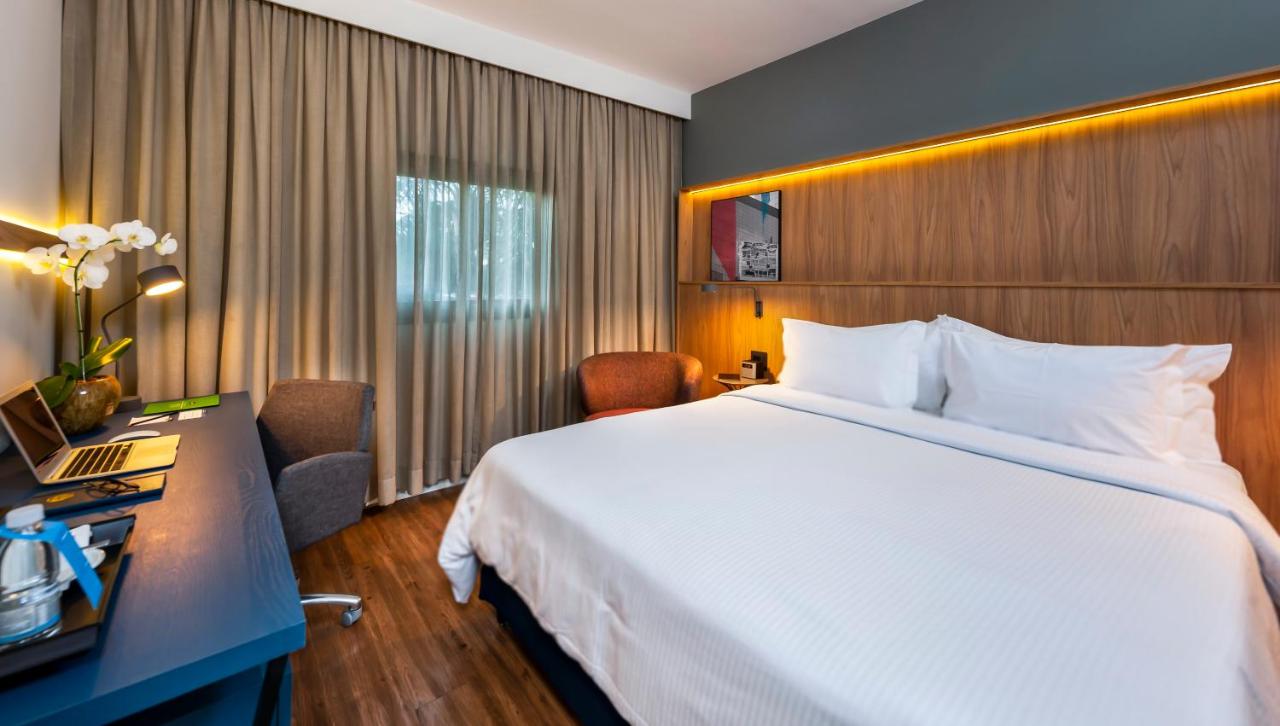
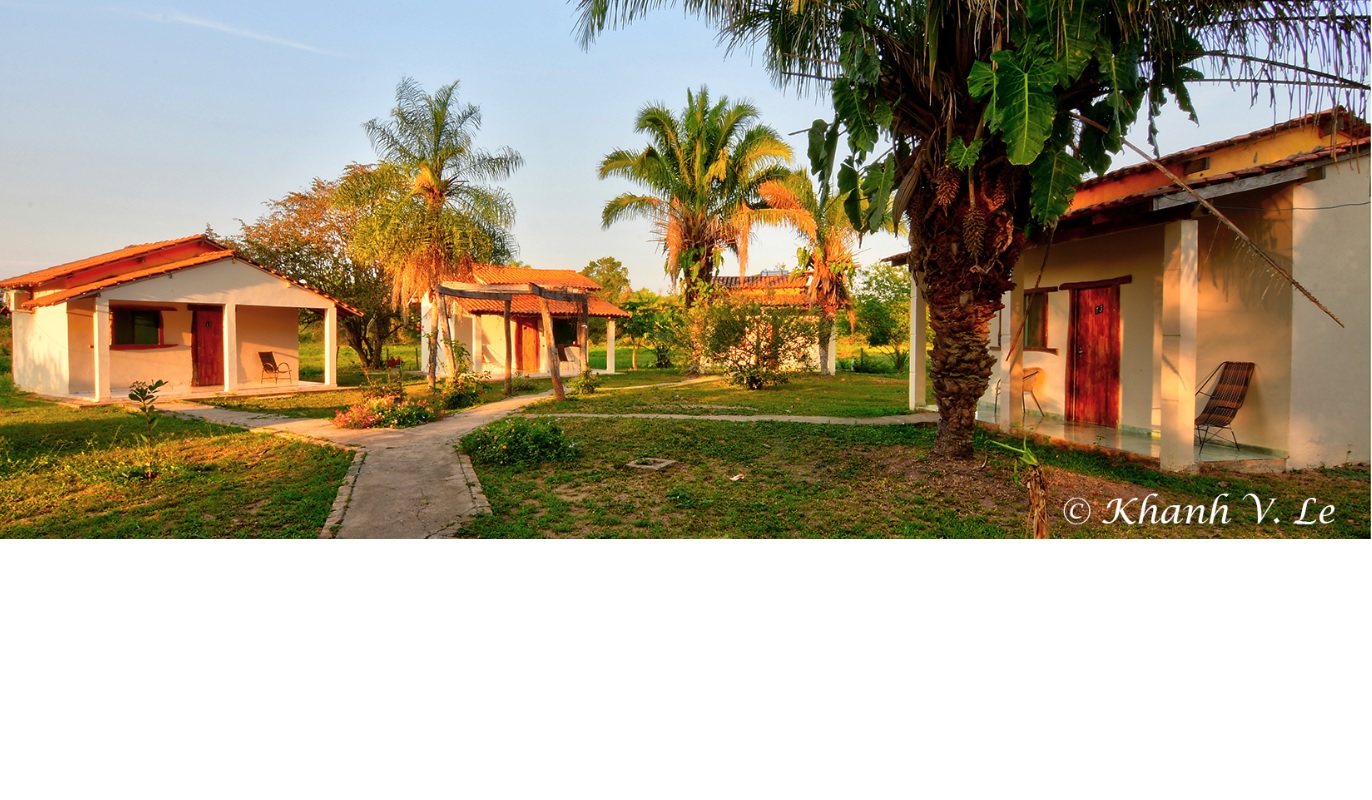
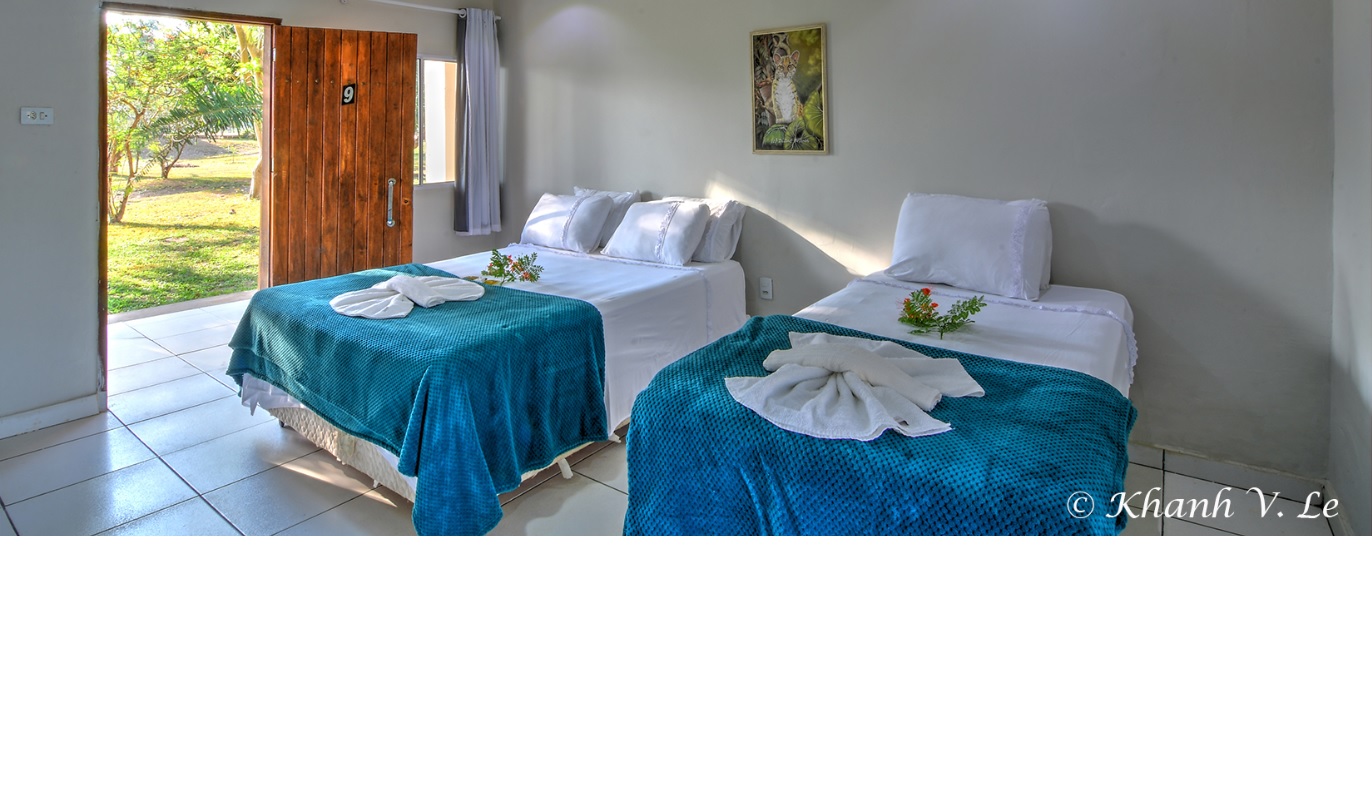
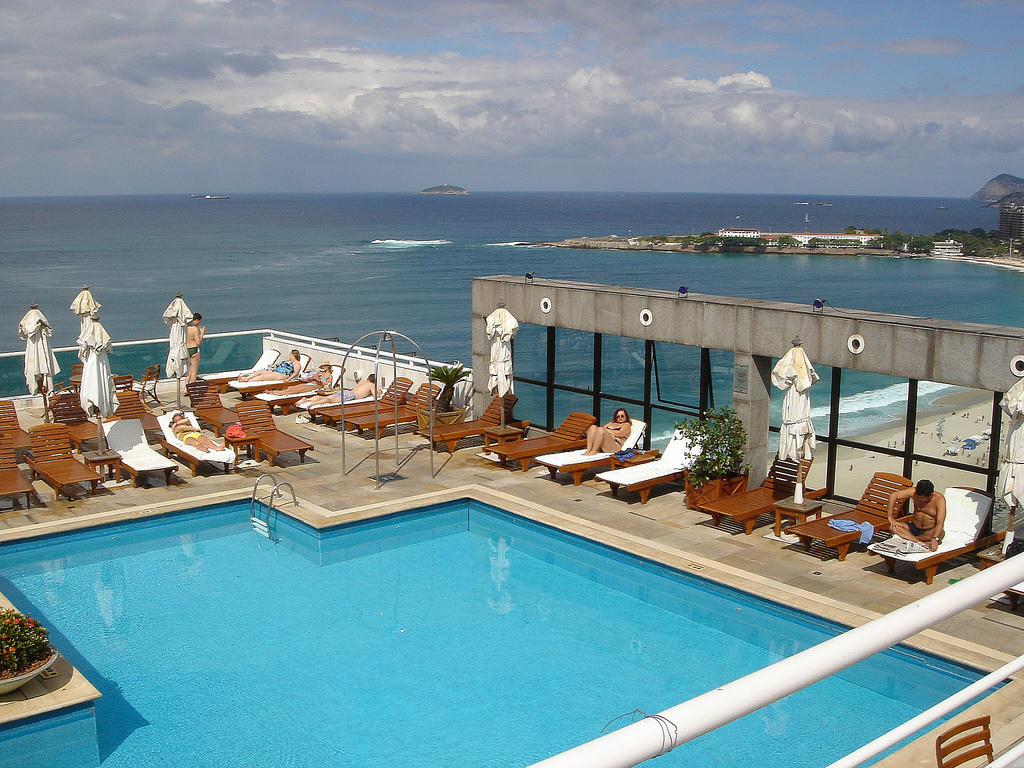
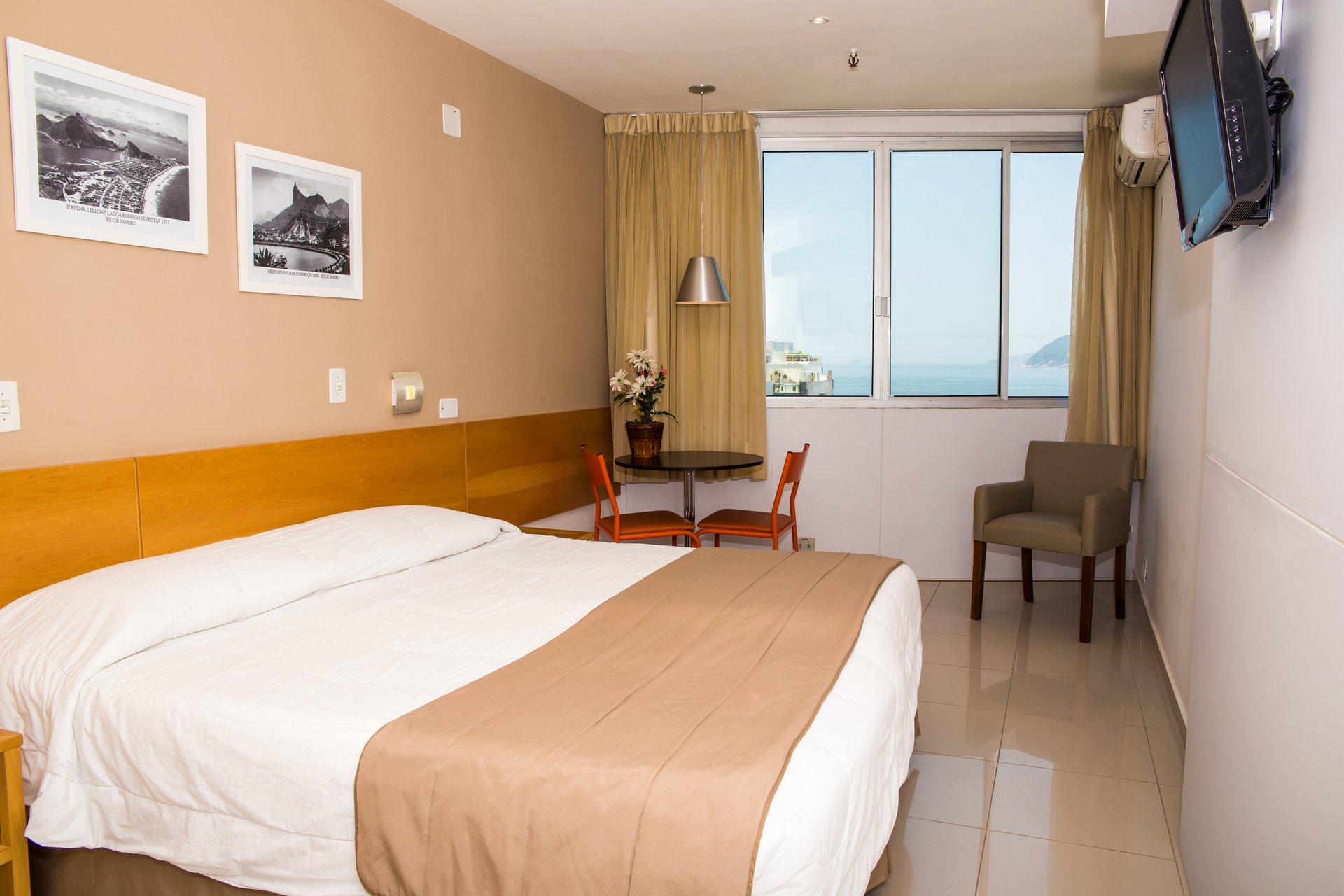
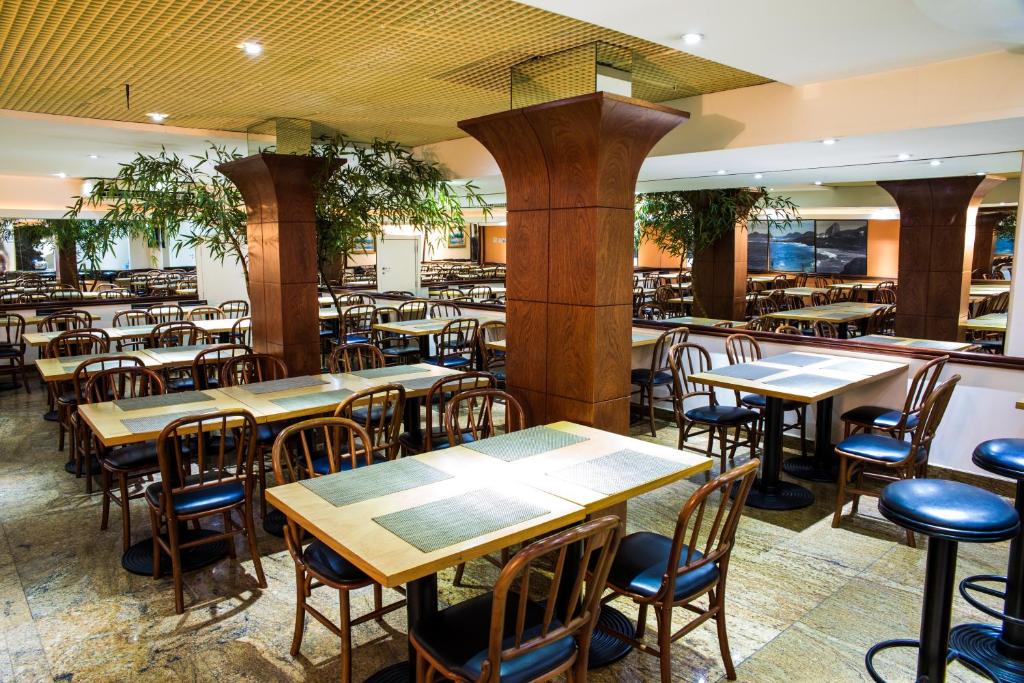
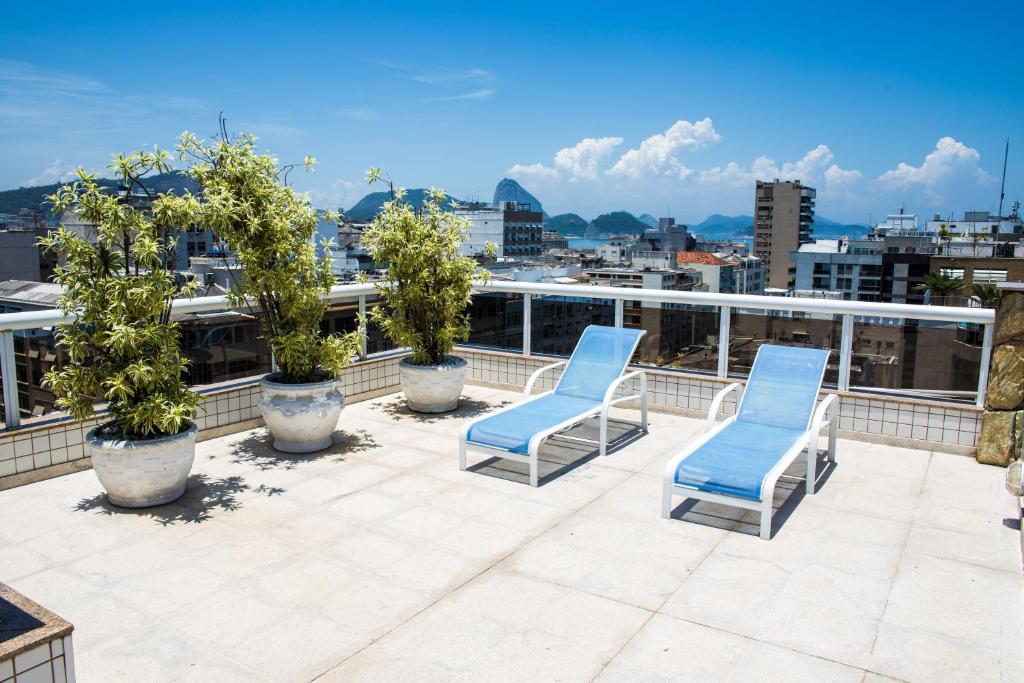
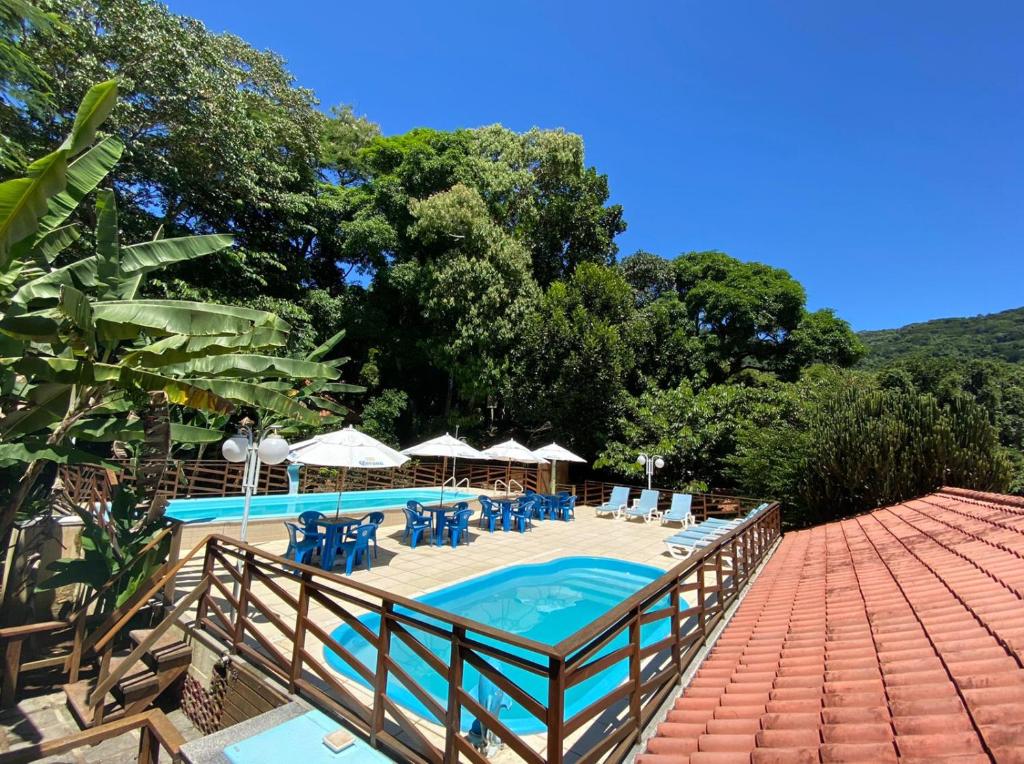
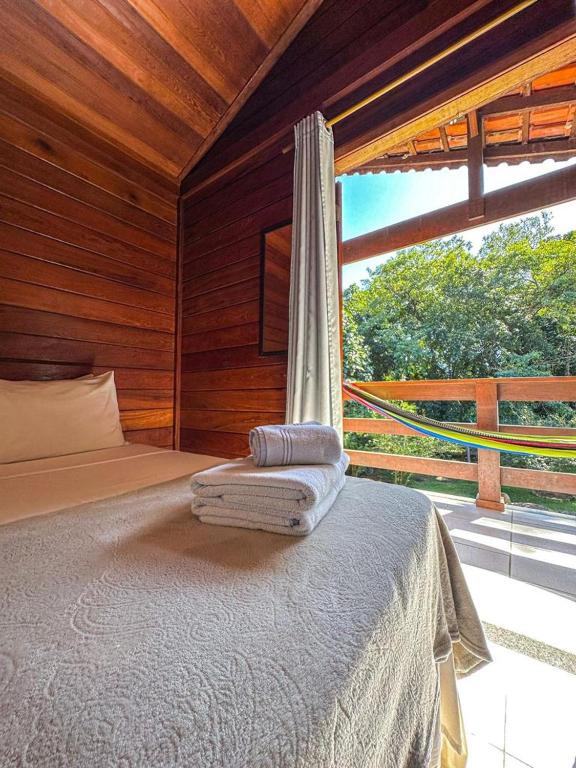
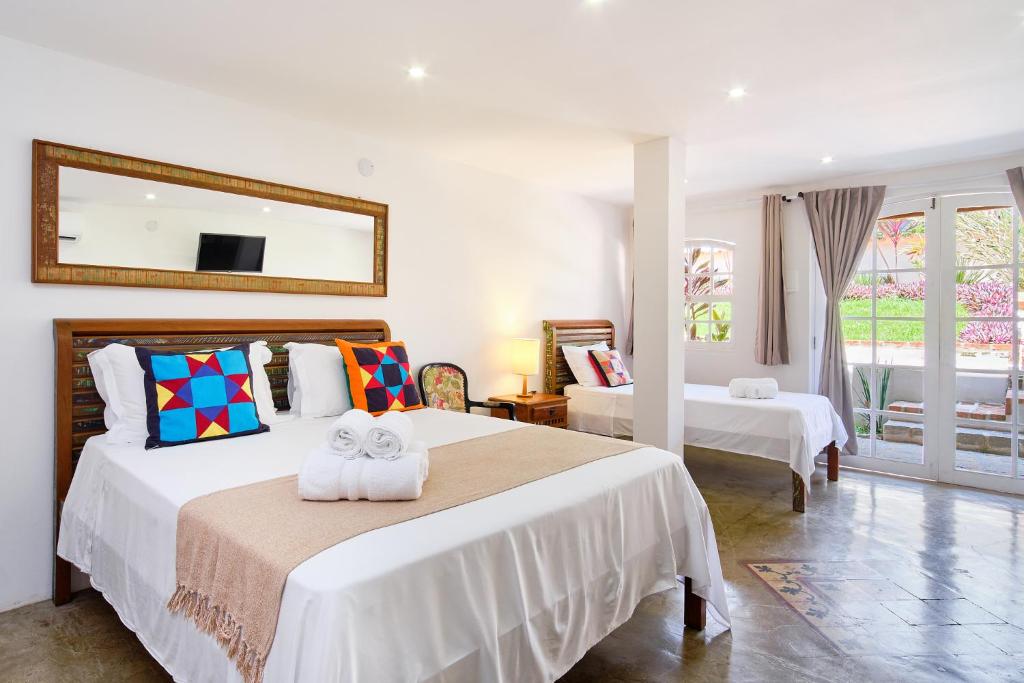
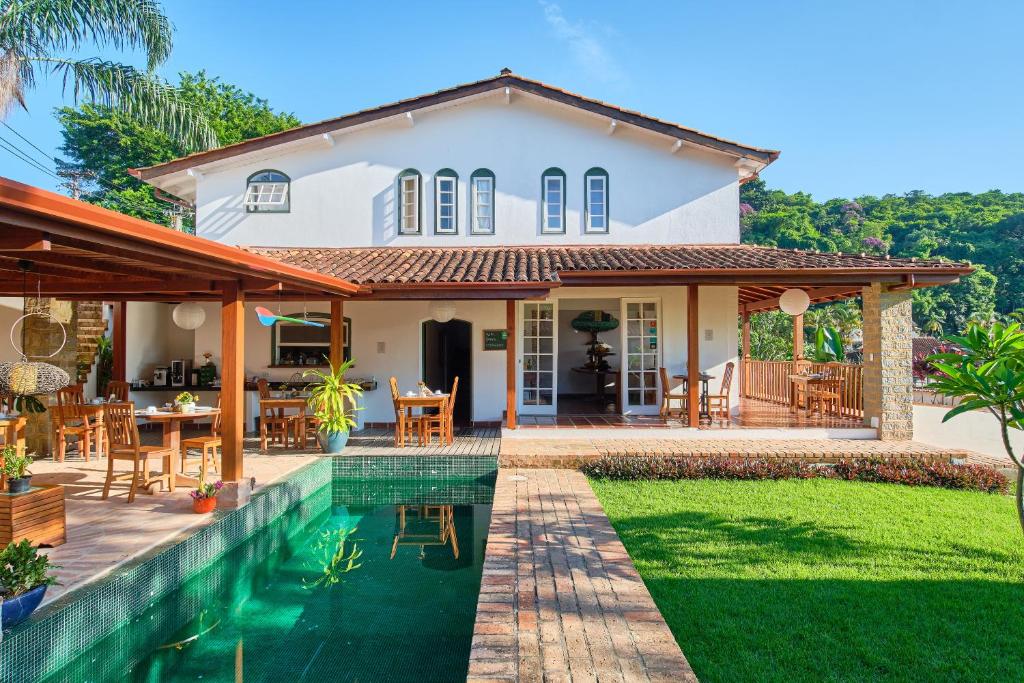
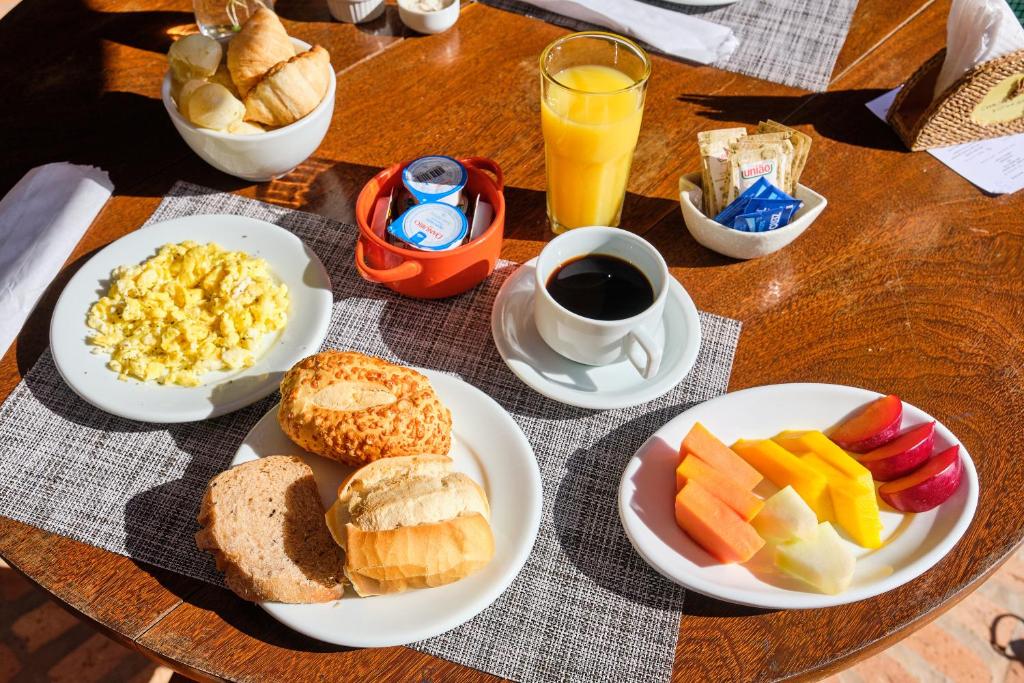
One night near São Paulo airport (Hampton by Hilton Guarulhos, breakfast), four nights at the Jaguar Ecological Reserve in the Northern Pantanal (package with shared excursions, full board), five nights in Rio de Janeiro (Hotel Atlantis Copacabana, breakfast), four nights on Ilha Grande (Pousada Mata Nativa, breakfast) and four nights in Paraty (Boutique Hotel Carpe Diem, breakfast), in a double room. - Transport;
The transfers Cuiabá airport – Jaguar Ecological Reserve and back (part of the package), the private transfer from Rio de Janeiro airport to the hotel, the shared transfer Rio de Janeiro – Ilha Grande including the boat, the shared transfer Ilha Grande – Paraty and the shared transfer Paraty – Rio de Janeiro. - Excursions;
Excursions mentioned in the excursions tab or the day-by-day description: the excursion programme of the Jaguar Ecological Reserve (daily walks, safaris and night safaris in the private reserve and two boat trips from Porto Jofre in search of the jaguar) and the Urban Bike Tour through Rio de Janeiro (shared). - Travel assistance;
During the trip we offer local representation on the spot at each destination in Brazil, whom you can turn to for tips, travel support and optional excursions. This way you enjoy the freedom of travelling independently, but always with support on the spot. - The general terms and conditions of BRS apply to this trip. https://www.braziltravelspecialist.com/terms-and-conditions
- Sustainable travel: Our mission is not only to let you experience the breathtaking beauty of Brazil, but also to actively contribute to its preservation. By choosing a trip with Brazil Travel Specialist, you contribute directly to the reforestation efforts of the Black Jaguar Foundation. For every booking, part of the proceeds goes to planting trees along the Araguaia River, a crucial biodiversity corridor that connects the Amazon River and the Cerrado savannah.
Every traveller who books with us receives a certificate from the Black Jaguar Foundation as proof of the contribution to this transformative project. This certificate not only gives satisfaction about supporting nature, but also serves as a lasting reminder of your unique travel experience in Brazil. Find more information about the project here. - Guarantees;
Brazil Travel Specialist is a member of VZR Garant, VvKR, DRV and the Calamiteitenfonds. This assures you that BRS meets the strictest standards that can be set for a Dutch travel organisation. VZR Garant protects prepaid travel money of travellers who book a package holiday with a VZR Garant participant. All travel and accommodation agreements are financially covered by VZR-Garant in accordance with the guarantee scheme https://vzr-garant.nl/reizigers - BRS Travel Companion - support on the road
a digital travel assistant for travel tips, practical questions and support with travel problems. - Travel advice Brazil:
Make sure you take out travel insurance that provides cover in case of code orange, corona, repatriation and extended stay.
The most recent travel advice for travel to Brazil can be found on the website of the Ministry of Foreign Affairs. https://www.nederlandwereldwijd.nl/landen/brazilie/reizen/reisadvies
Not included:
- International and domestic flights (see Flights).
- Meals and drinks that are not mentioned, tips and personal expenses.
- Any local tourist tax that is levied on the spot.
- Travel and cancellation insurance.
Day-by-day itinerary
Travel details
01.09.2027 São Paulo Guarulhos - Arrival
After arrival at São Paulo airport you can take the free shuttle bus to the hotel. For the rest of the day you can recover from the long flight and get used to the Brazilian climate.
- Choice of tourist class or superior class accommodation during your stay in Guarulhos
02.09.2027 São Paulo Guarulhos - Jaguar Ecological Reserve (Start Pantanal Jaguar package)
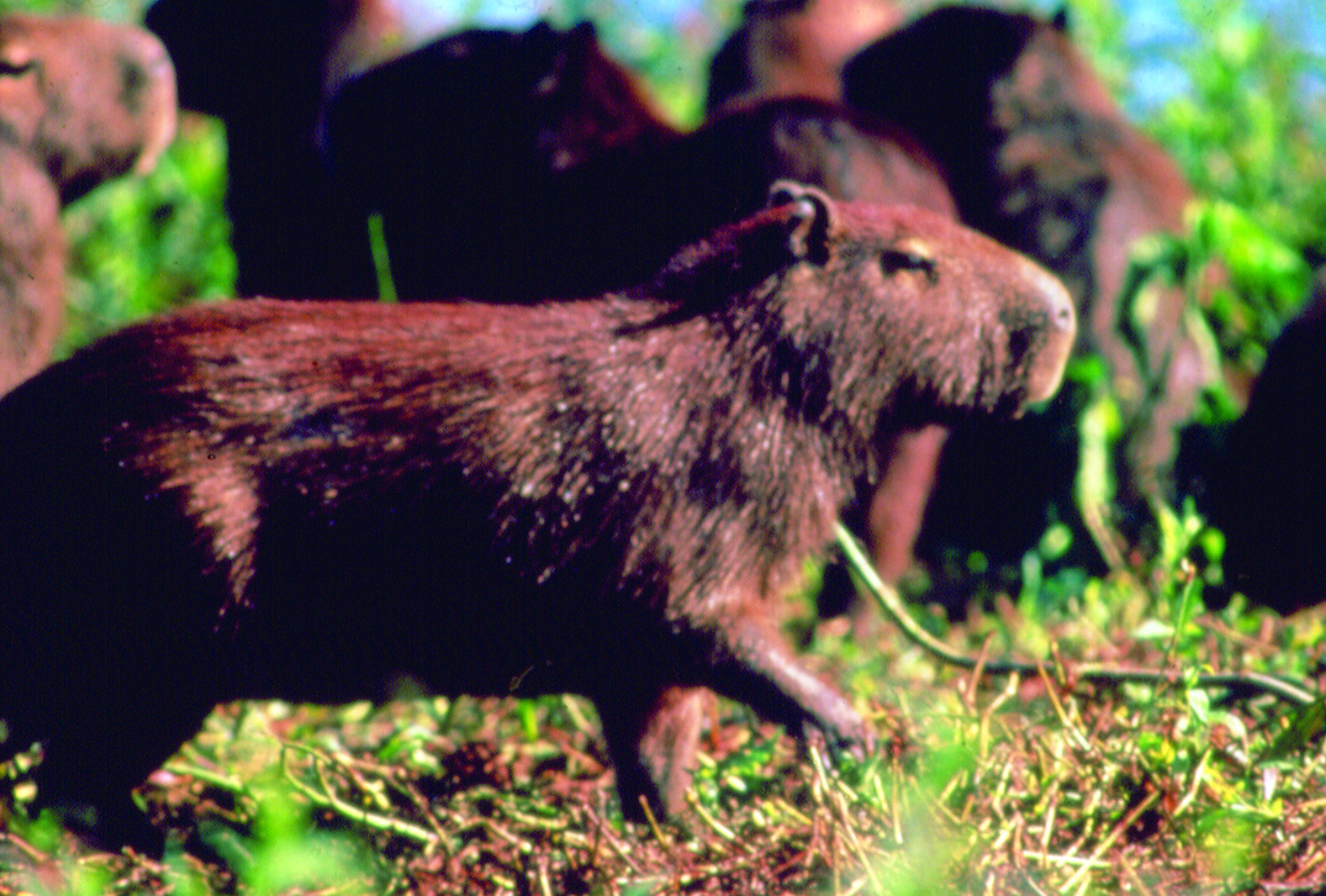
From the airport hotel in Guarulhos you take the shuttle bus or a taxi to the airport for the flight to Cuiabá. On arrival you are met and driven to Poconé (about 100 km on a paved road), where you have lunch. Then the safari begins along the unpaved Transpantaneira in an open 4x4 safari truck: herons, ibises, macaws, caimans and capybaras often show themselves along the way. You arrive at the Jaguar Ecological Reserve at the end of the afternoon; after dinner at the lodge a night safari with a spotlight follows.
See the excursions tab for the detailed description of the programme in the reserve.
03.09.2027 Pantanal - Jaguar Ecological Reserve (Day 2 of the package)
Early morning walk around the lodge to spot birds and monkeys, breakfast and then a guided walk through the forest of the private reserve. Lunch and time for a siesta at the lodge. In the afternoon you drive south along the Transpantaneira to the wetlands of Campo Jofre, a rich area for water birds, anacondas, capybaras and caimans, with a sunset over the wetlands. After dinner there is a night safari.
See the excursions tab for the detailed description of the programme in the reserve.
04.09.2027 Pantanal - Jaguar Ecological Reserve (Day 3 of the package)
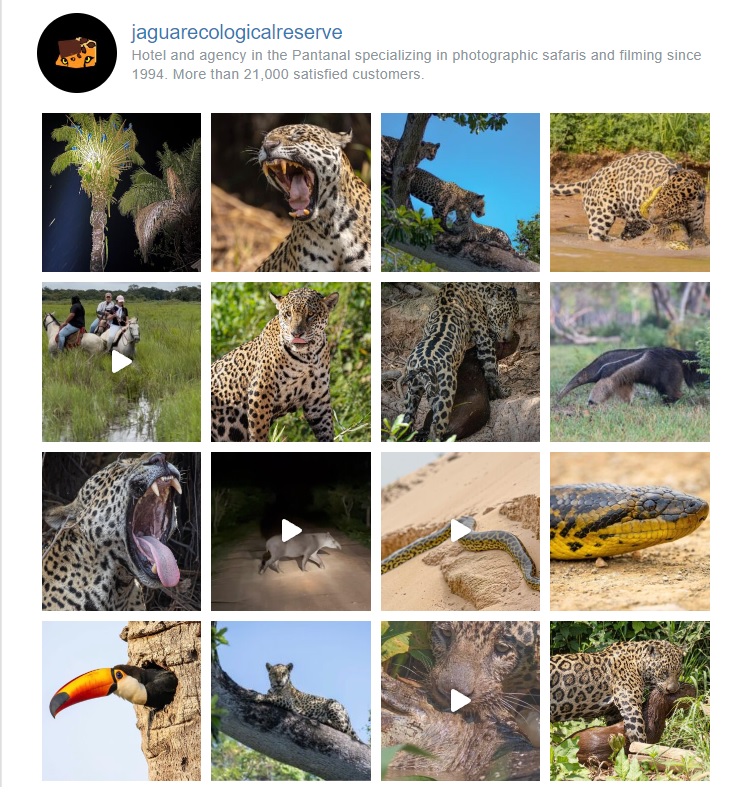
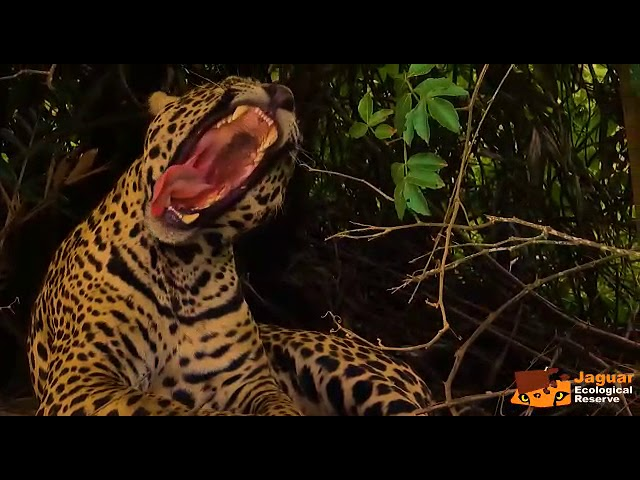
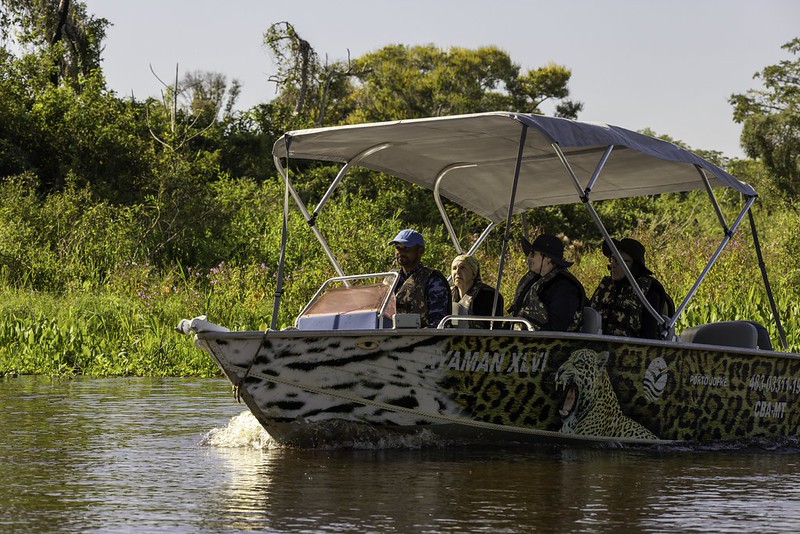
After the morning walk and breakfast you take a forest walk along one of the trails of the reserve. After lunch you drive to Porto Jofre (about one hour) for the boat trip on the Cuiabá and Piquiri rivers and smaller tributaries: the chance to see jaguars, especially in the dry season (June to October inclusive), as well as giant otters, monkeys and many water birds. Back to the lodge for dinner and a night safari.
See the excursions tab for the detailed description of the programme in the reserve.
05.09.2027 Pantanal - Jaguar Ecological Reserve (Day 4 package)
Breakfast and a forest walk in the reserve. After lunch you drive back to Porto Jofre for a second boat trip in search of the jaguar; with a stay of four nights, two boat trips are included. Sunset on the river or at the wetlands of Campo Jofre, followed by dinner at the lodge.
See the excursions tab for the detailed description of the programme in the reserve.
06.09.2027 Northern Pantanal - Rio de Janeiro
Northern Pantanal - Rio de Janeiro
Today the Pantanal package ends. You are picked up from the lodge and taken to the airport of Cuiaba by transfer, followed by a flight to Rio de Janeiro. After arrival you are welcomed at the airport and taken to the hotel by transfer.
- See the hotels tab for the accommodation selection during your stay in Rio de Janeiro.
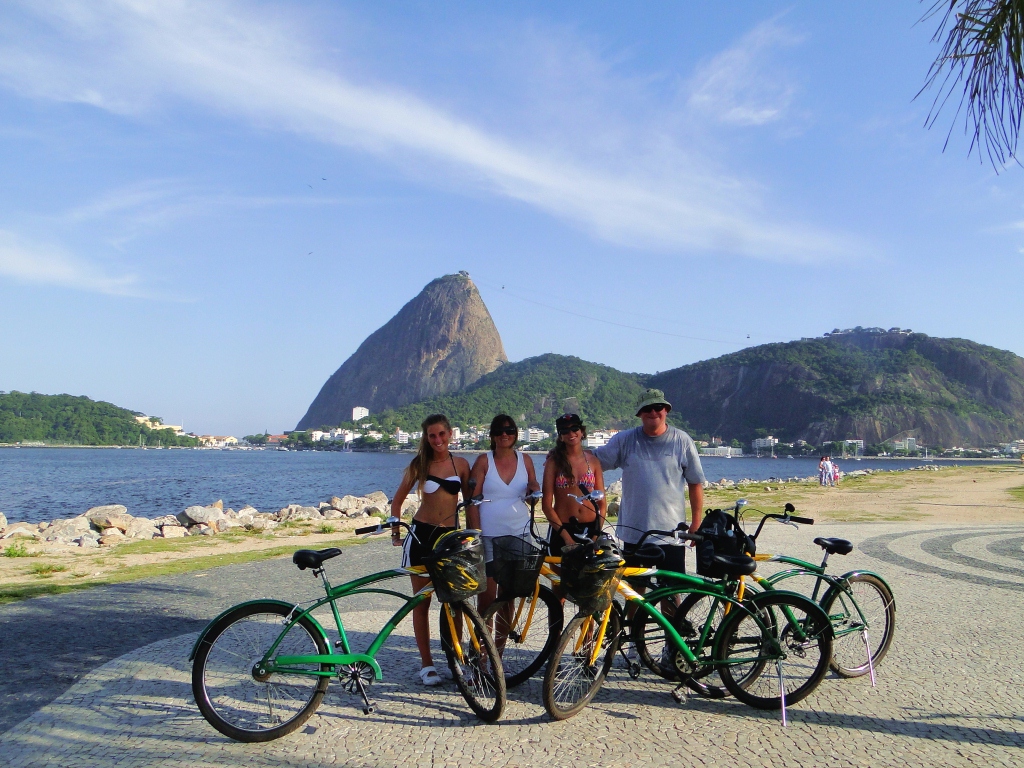
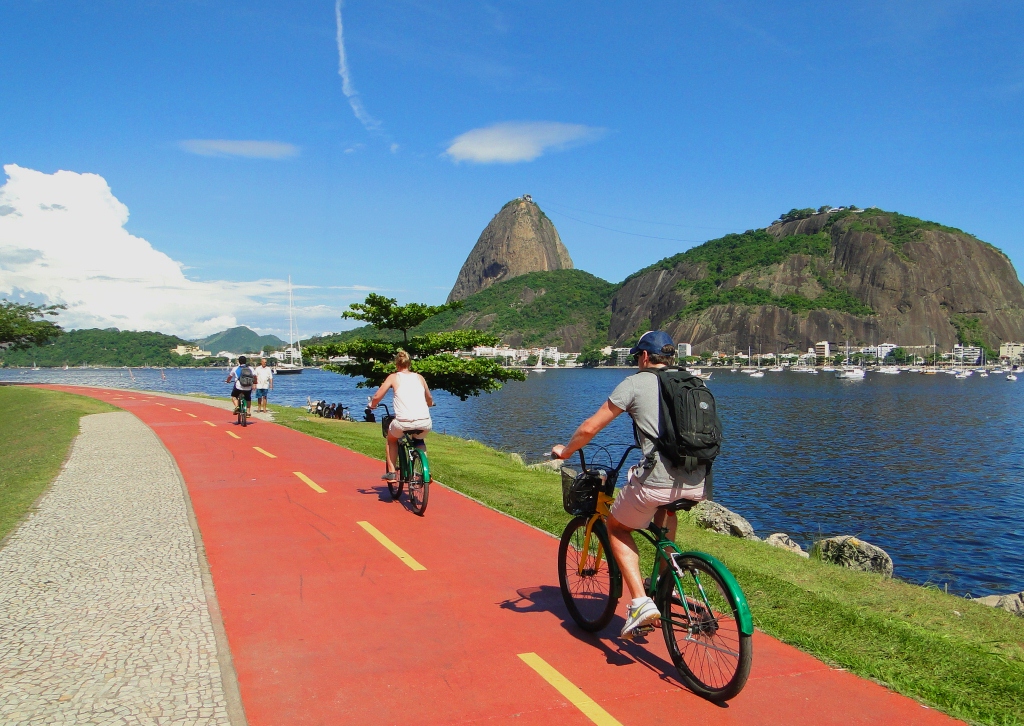
07.09.2027 Rio de Janeiro - Urban bike tour (SIB) (RIOEX16)
Today the Urban bike tour is on the programme in the morning, in the company of other tourists and with an English-speaking guide. This excursion is perfect as a first introduction to get to know Copacabana and the surrounding neighbourhoods well.
08.09.2027 Rio de Janeiro - free day
You can spend this day as you wish. Relax on the beautiful beaches such as Copacabana or Ipanema, explore the lively neighbourhoods such as artistic Santa Teresa, or enjoy a walk in the Jardim Botânico botanical garden. Taste the rich flavours of Brazilian cuisine at local eateries and enjoy the unique atmosphere that Rio has to offer.
09.09.2027 Rio de Janeiro - free day
You can spend this day as you wish. Relax on the beautiful beaches such as Copacabana or Ipanema, explore the lively neighbourhoods such as artistic Santa Teresa, or enjoy a walk in the Jardim Botânico botanical garden. Taste the rich flavours of Brazilian cuisine at local eateries and enjoy the unique atmosphere that Rio has to offer.
10.09.2027 Rio de Janeiro - free day 2
You can spend this day as you wish. Relax on the beautiful beaches such as Copacabana or Ipanema, explore the lively neighbourhoods such as artistic Santa Teresa, or enjoy a walk in the Jardim Botânico botanical garden. Taste the rich flavours of Brazilian cuisine at local eateries and enjoy the unique atmosphere that Rio has to offer.
11.09.2027 Rio de Janeiro - Ilha Grande (SIB, incl. boat)
Today you travel from Rio de Janeiro to Ilha Grande. You are picked up at your hotel for the shared transfer to the port on the Costa Verde (approx. three hours), where you change to the boat to Vila do Abraão, the village of Ilha Grande. On the car-free island you go on foot or by water taxi to your pousada.
See the hotels tab for the accommodation selection during your stay on Ilha Grande.
12.09.2027 Ilha Grande - Free day
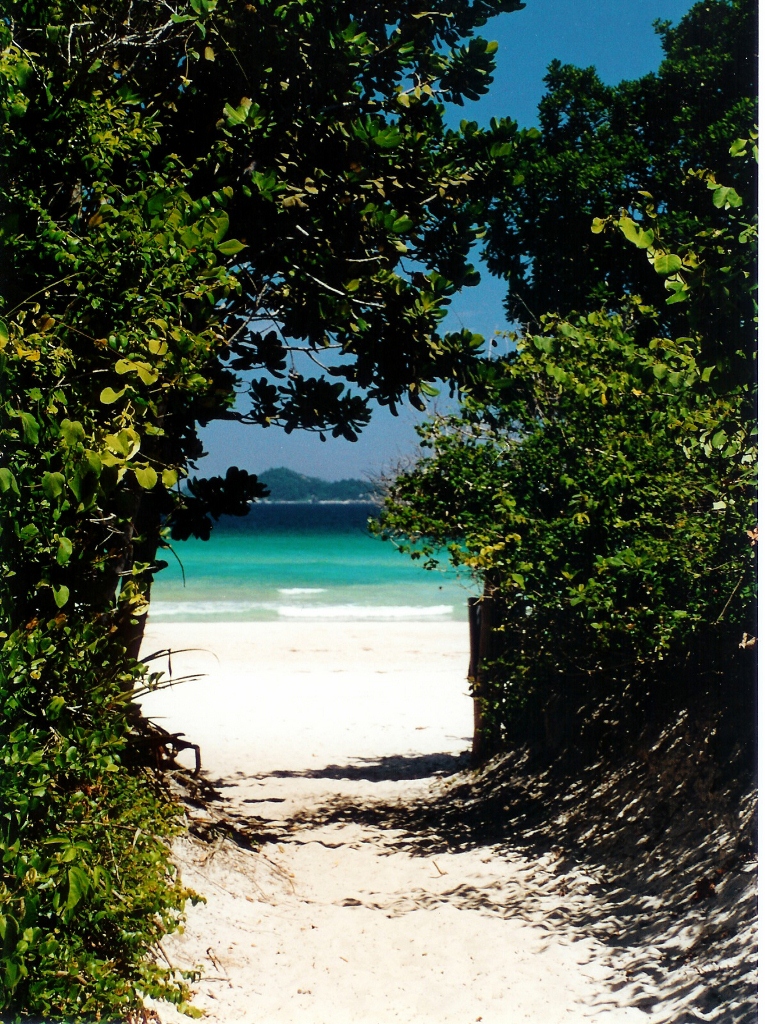
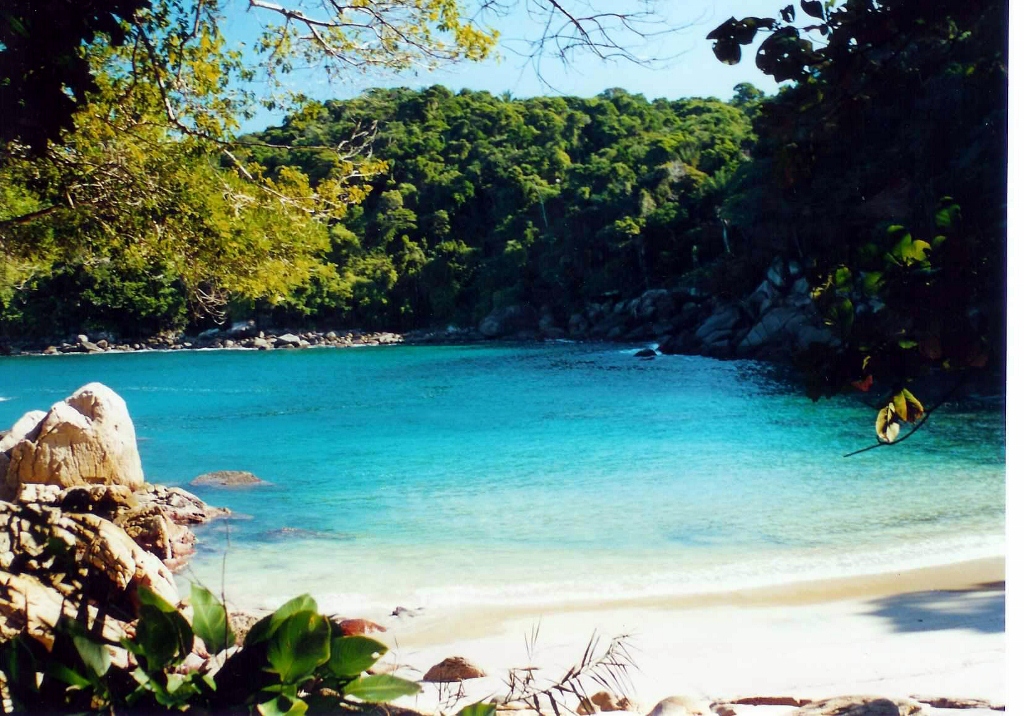
You can spend this day as you wish and enjoy Ilha Grande. Explore the unspoilt nature by walking the numerous trails of this island covered in Atlantic rainforest, or relax on serene beaches such as Lopes Mendes. Kayaking or stand-up paddleboarding through the clear blue waters is also an excellent way to experience the beauty of the island. Taste the local cuisine in the charming village of Vila do Abraao and immerse yourself in the peaceful atmosphere of this beautiful island.
13.09.2027 Ilha Grande - Free day
You can spend this day as you wish and enjoy Ilha Grande. Explore the unspoilt nature by walking the numerous trails of this island covered in Atlantic rainforest, or relax on serene beaches such as Lopes Mendes. Kayaking or stand-up paddleboarding through the clear blue waters is also an excellent way to experience the beauty of the island. Taste the local cuisine in the charming village of Vila do Abraao and immerse yourself in the peaceful atmosphere of this beautiful island.
14.09.2027 Ilha Grande - Free day
You can spend this day as you wish and enjoy Ilha Grande. Explore the unspoilt nature by walking the numerous trails of this island covered in Atlantic rainforest, or relax on serene beaches such as Lopes Mendes. Kayaking or stand-up paddleboarding through the clear blue waters is also an excellent way to experience the beauty of the island. Taste the local cuisine in the charming village of Vila do Abraao and immerse yourself in the peaceful atmosphere of this beautiful island.
15.09.2027 Ilha Grande - Paraty (SIB)
Today the package ends on Ilha Grande. You take the flex boat (boat tickets included) back to the little harbour of Angra dos Reis, followed by a transfer to the hotel in Paraty, together with other tourists (private transfer available at extra cost).
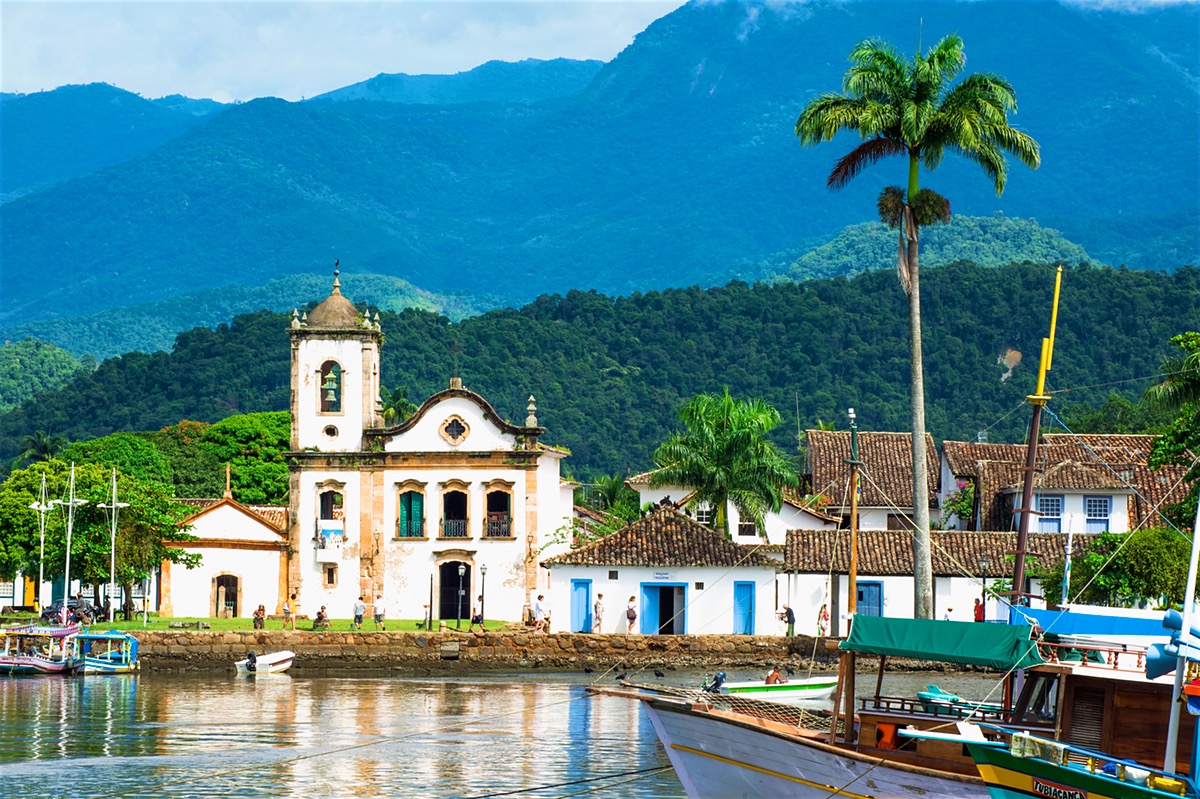
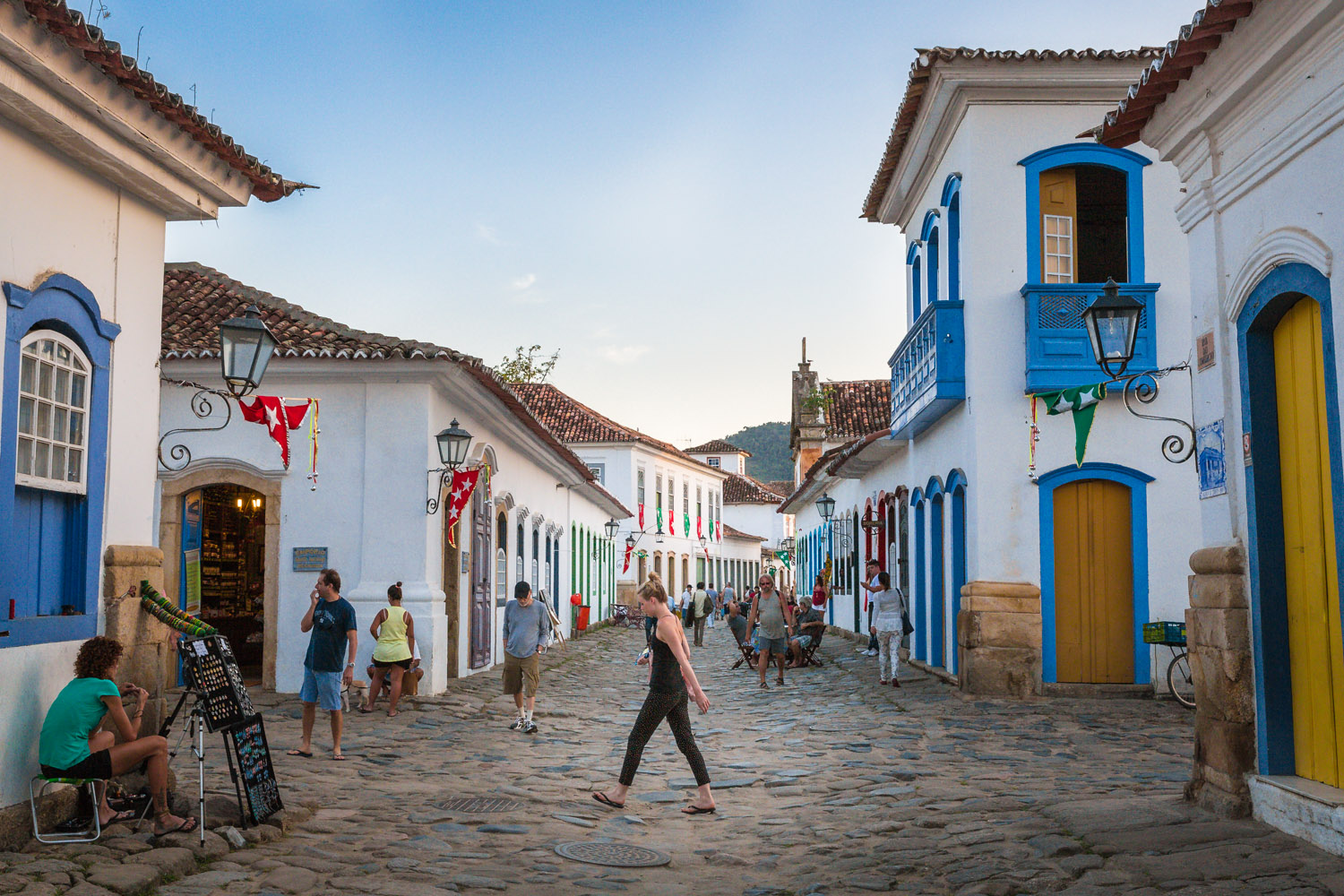
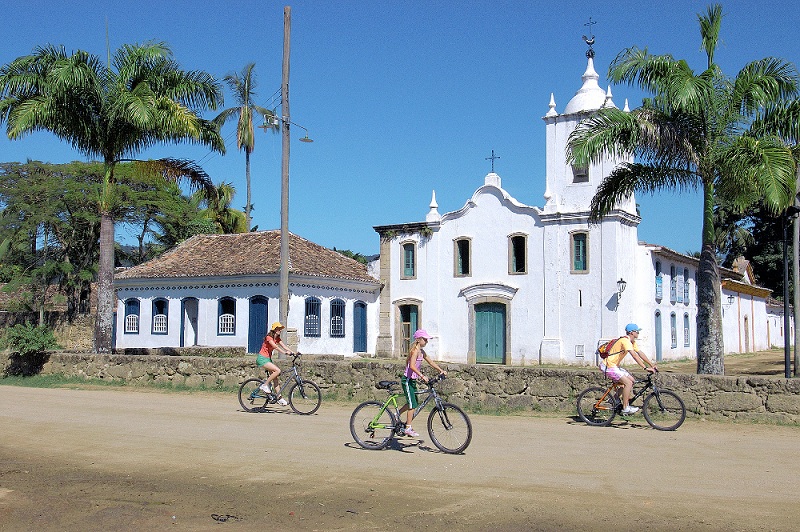
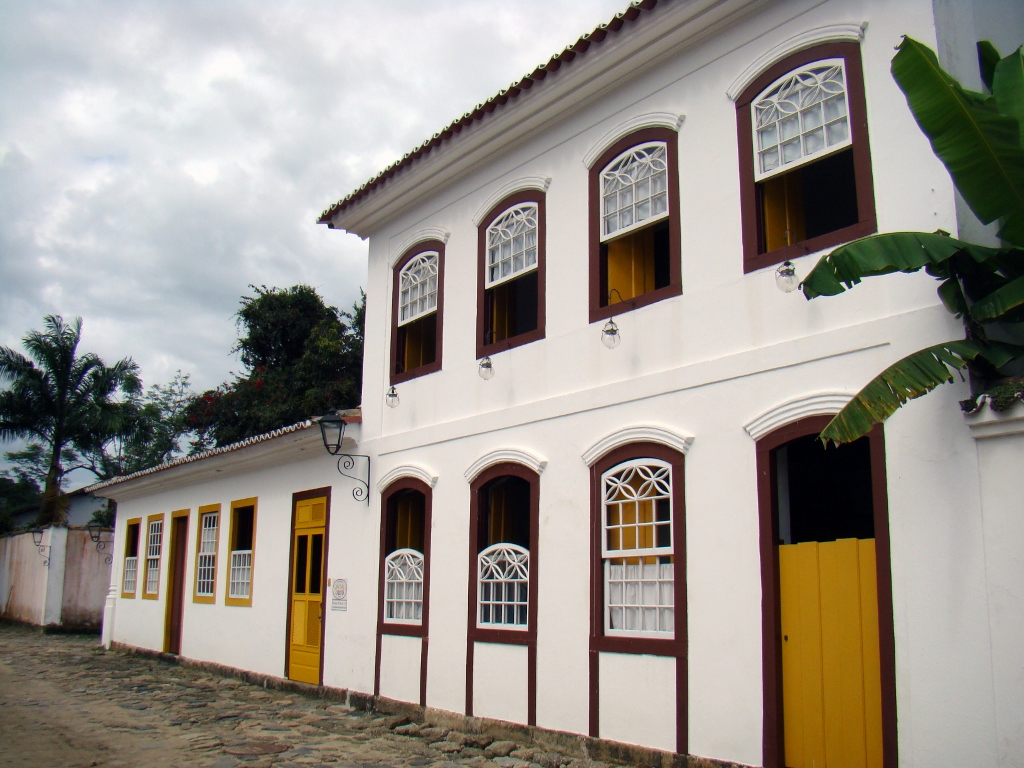
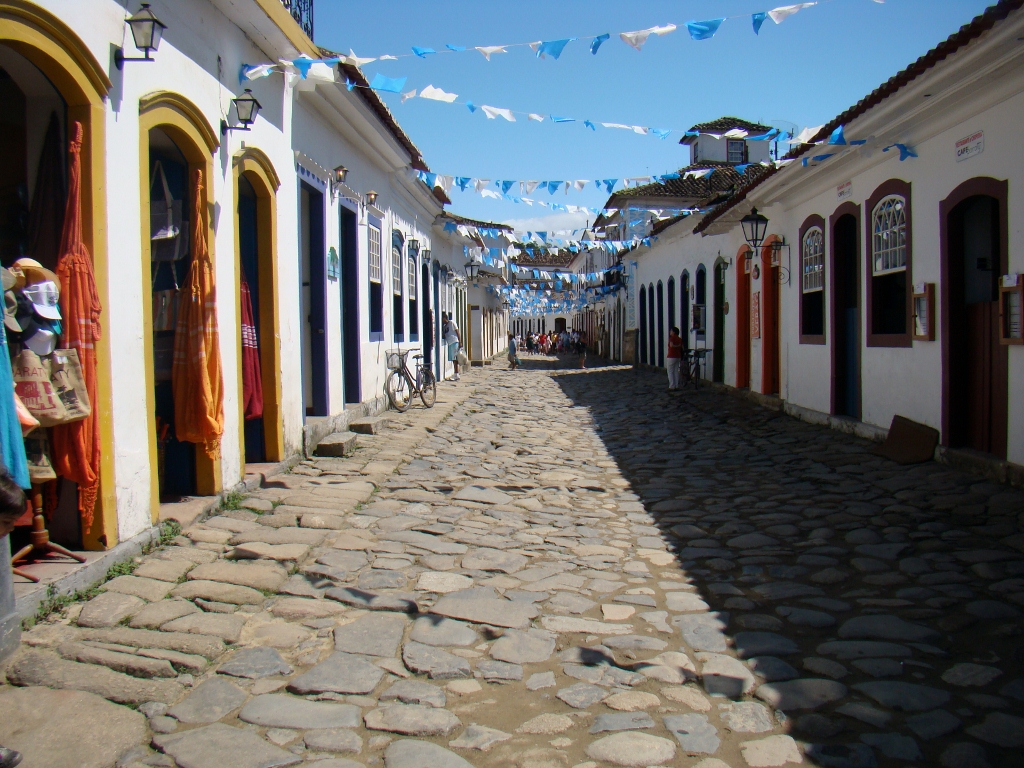
After arrival, enjoy a lovely walk through Paraty. A tour through the historic little town of Paraty is like a journey through time in Brazil. The little houses and bumpy streets have remained virtually identical since the 17th century. Paraty has an impressive history and has had a great influence on the development of Brazil.
- See the hotels tab for the accommodation selection during your stay in Paraty
16.09.2027 Paraty - Free day
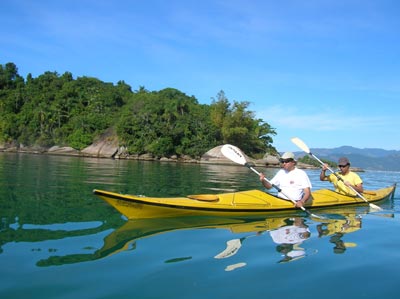
You can spend this day as you wish. Visit the historic centre with its colonial architecture and atmospheric streets. Take a boat trip along the islands and hidden beaches in the bay of Paraty. You can also choose to visit the nearby waterfalls or the picturesque fishing village of Trindade. Enjoy local dishes in one of the cosy restaurants or cafés. For the adventurous there are opportunities to go snorkelling, kayaking or hiking through the Atlantic rainforest. End the day with live music and soak up the atmosphere of this charming little town.
17.09.2027 Paraty - Free day
You can spend this day as you wish. Visit the historic centre with its colonial architecture and atmospheric streets. Take a boat trip along the islands and hidden beaches in the bay of Paraty. You can also choose to visit the nearby waterfalls or the picturesque fishing village of Trindade. Enjoy local dishes in one of the cosy restaurants or cafés. For the adventurous there are opportunities to go snorkelling, kayaking or hiking through the Atlantic rainforest. End the day with live music and soak up the atmosphere of this charming little town.
18.09.2027 Paraty - Free day
You can spend this day as you wish. Visit the historic centre with its colonial architecture and atmospheric streets. Take a boat trip along the islands and hidden beaches in the bay of Paraty. You can also choose to visit the nearby waterfalls or the picturesque fishing village of Trindade. Enjoy local dishes in one of the cosy restaurants or cafés. For the adventurous there are opportunities to go snorkelling, kayaking or hiking through the Atlantic rainforest. End the day with live music and soak up the atmosphere of this charming little town.
19.09.2027 Paraty - Rio de Janeiro hotel (SIB)
Today the package ends in Paraty. You are collected at the hotel and taken to Rio de Janeiro by transfer together with other tourists. One private transfer is available at an extra cost. Ask us about the surcharge.
After arrival in Rio you are dropped off at the hotel and the rest of the day can be spent as you wish.
- See the hotels tab for the accommodation selection during your stay in Rio de Janeiro
Destinations
Rio de Janeiro
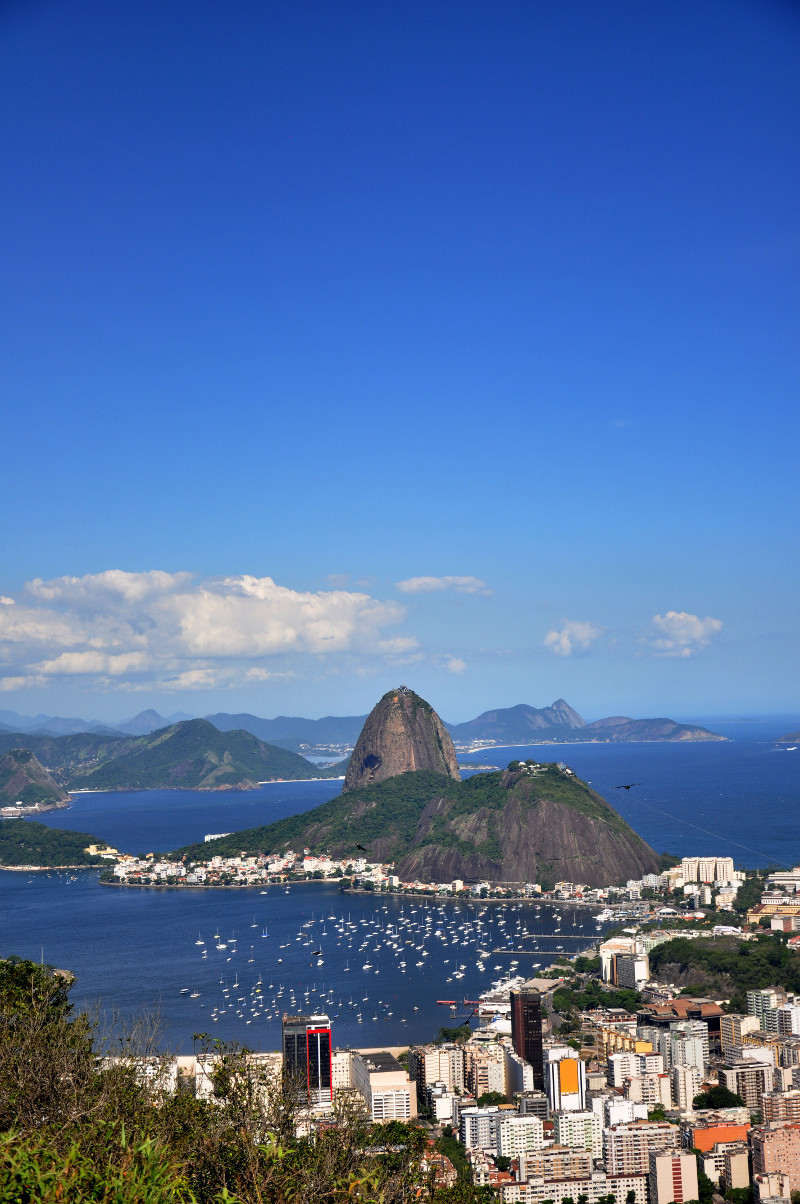
1 / 6Rio de Janeiro is the best-known city in Brazil and the ideal start or end point of a round trip: KLM flies direct from Amsterdam every day (approx. 11.5 hours). Allow 3 to 4 nights for the statue of Christ the Redeemer, Sugarloaf Mountain, the beaches of Copacabana and Ipanema and the neighbourhoods of Lapa and Santa Teresa. Best time to travel: April to October, drier and pleasantly warm; carnival falls in February or early March.
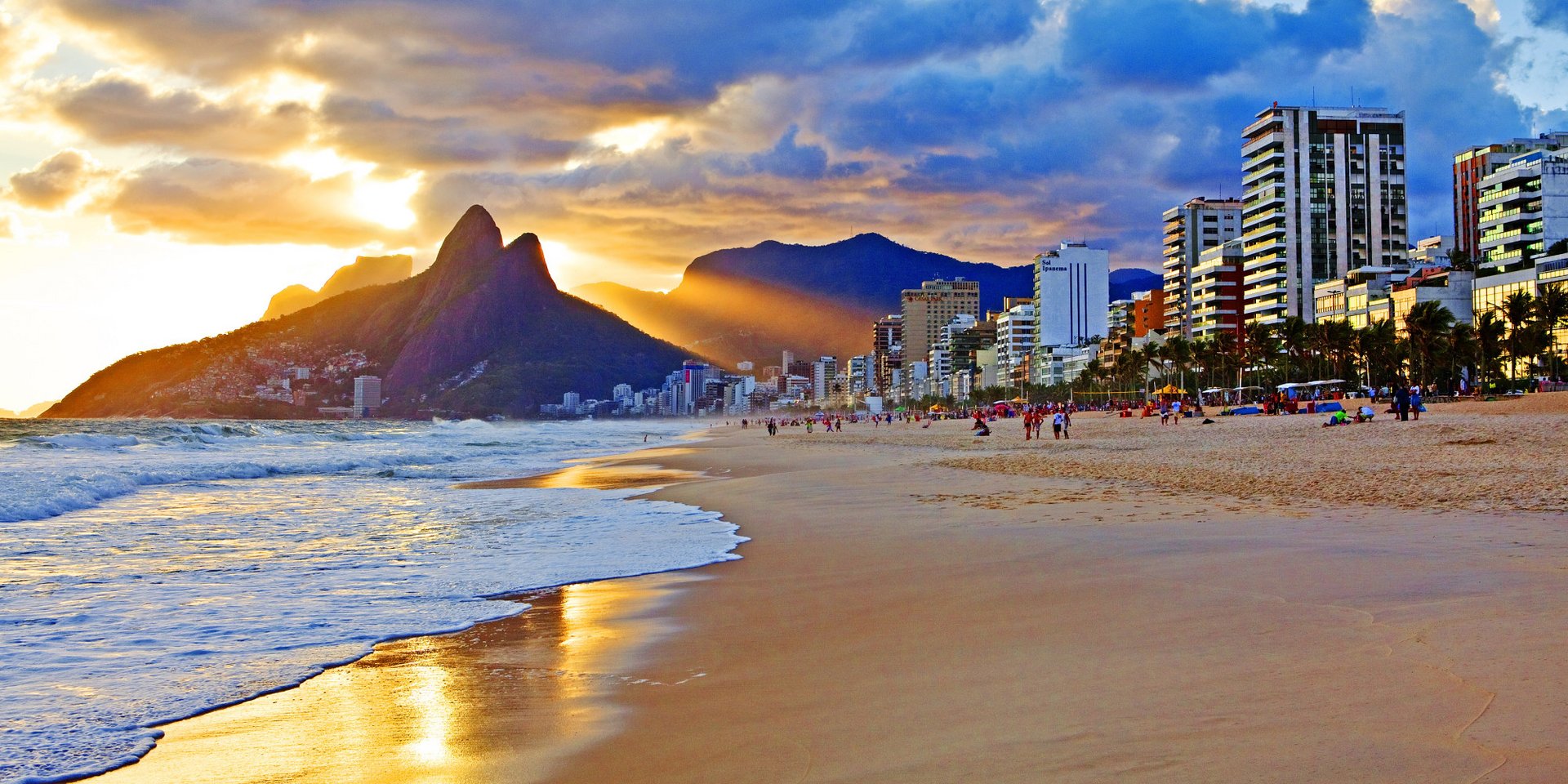
Rio de Janeiro, the 'Cidade Maravilhosa', is a mix of green mountains rising out of the ocean, golden beaches and a vibrant metropolis. The inhabitants, the Cariocas, are known for their zest for life. Below you will find what our specialists pass on to you for a successful stay.
Highlights of Rio de Janeiro
- Corcovado and the statue of Christ the Redeemer: take the little cog railway up through the Tijuca rainforest to the 38-metre-high statue, with the most complete panorama of the city. Go early in the morning: fewer crowds and often a clearer view.
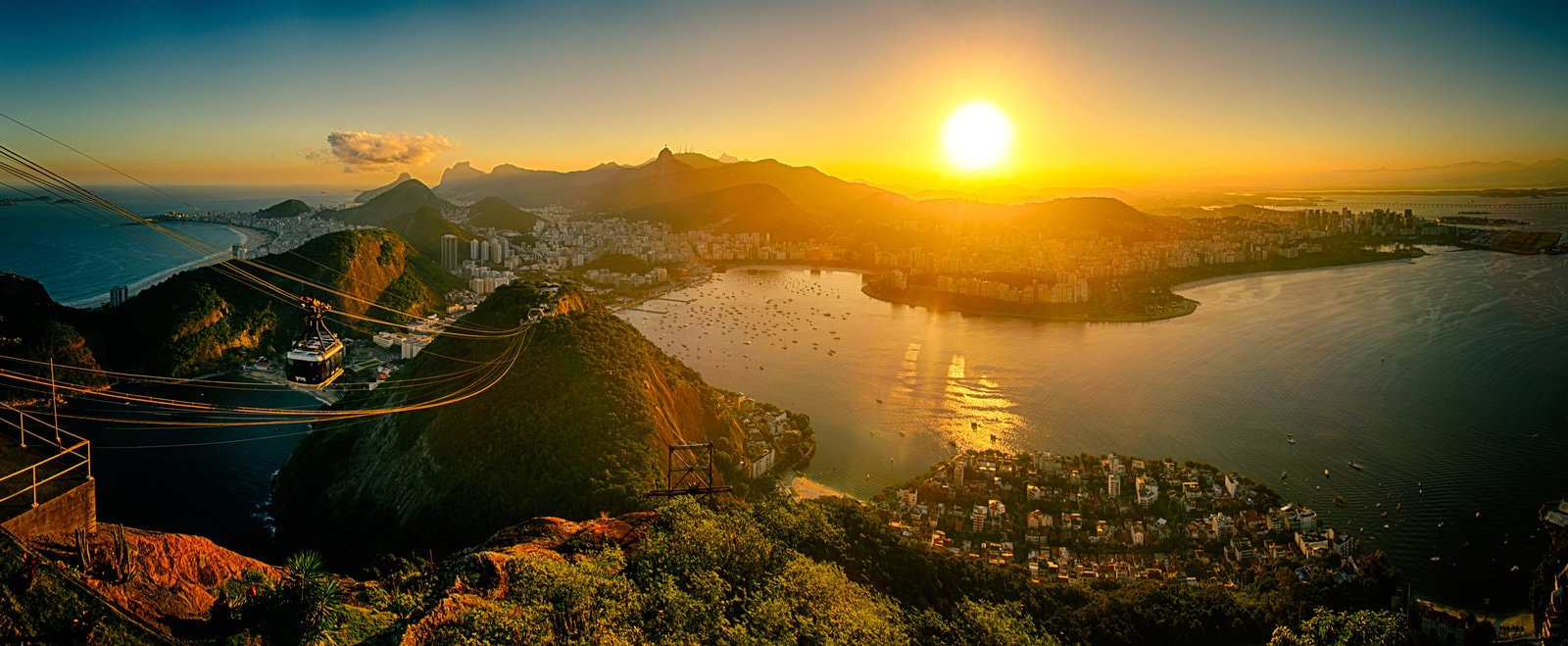
- Sugarloaf Mountain (Pão de Açúcar): two cable cars to the top of the granite rock; at sunset the most beautiful view over Guanabara Bay and Copacabana.
- Copacabana and Ipanema: the most famous beaches in the world, with footvolley, beach kiosks and an ice-cold caipirinha. On Sundays the seafront boulevard is car-free: hire a bike and cycle along with the Cariocas.
- Lapa and Santa Teresa: the bohemian heart of the city. In Lapa live samba in the evening; during the day, climb the colourful Escadaria Selarón steps up to artistic Santa Teresa with its studios and viewpoints.
- Tijuca National Park: a complete rainforest in the middle of the city. The Vista Chinesa viewpoint is a lesser-known but magnificent panorama.
- Sambadrome: during carnival, the parades of the samba schools; outside carnival, the samba schools' rehearsals (August to January) are a fun alternative.
Best time to visit Rio de Janeiro
Rio can be visited all year round. From April to October it is drier and pleasantly warm (22–28 °C), ideal for the city, the beach and the viewpoints. December to March is the Brazilian summer: hot (30 °C and above), humid and with tropical showers in the late afternoon, but also the time of carnival and the liveliest beach atmosphere. In June and July it can be cool in the evening (around 18 °C). Around New Year and carnival, hotels are full well in advance; book in good time for those periods.
Getting there and travel time
KLM flies direct from Amsterdam to Rio de Janeiro (Galeão airport, GIG) every day; TAP via Lisbon is also a good option. Domestic flights depart from GIG and from the centrally located Santos Dumont (SDU). We arrange a private transfer from the airport to your hotel (30–60 minutes to the Zona Sul). From Rio you can reach the Costa Verde by car: Ilha Grande in approx. 2.5 hours plus a boat trip, Paraty in approx. 4 hours and Búzios in approx. 2.5 hours.
How many days in Rio de Janeiro?
We recommend 3 to 4 nights: one day for Corcovado and Sugarloaf Mountain, one day for Lapa, Santa Teresa and the centre, and time for the beach and an excursion such as a cycling tour along the boulevards or a walk in the Tijuca park. If you are coming for carnival, plan 4 to 5 nights.
Where to stay in Rio de Janeiro?
Copacabana and Ipanema are the best base: safe, on the beach and with restaurants and bars within walking distance. Leblon is quieter and more upmarket; Santa Teresa is full of atmosphere but less practical for the beach. See the hotels tab of our packages for our selection in tourist class and superior class.
Culinary Rio: our restaurant tips
- Churrascaria Palace (Copacabana): award-winning churrascaria where waiters bring skewers of grilled meat to your table. A must for meat lovers.
- Aprazível (Santa Teresa): authentic Brazilian dishes with a panoramic view over the city.
- Bar do Mineiro (Santa Teresa): informal and local, the place for a traditional feijoada.
- Zazá Bistrô Tropical (Ipanema): colourful and creative, a feast for the eyes and the palate.
- Sushi Leblon (Leblon): one of the most renowned Japanese restaurants in Brazil.
Combines well with
Rio is the perfect starting point for almost any route through Brazil. Popular combinations are the car-free island of Ilha Grande and colonial Paraty on the Costa Verde, the seaside resort of Búzios, the waterfalls of Foz do Iguaçu (2-hour flight) and the wildlife of the Pantanal. As an example, take a look at our Rio de Janeiro city package or the round trips Parels van Rio and Rio, Costa Verde & Iguaçu.
Frequently asked questions about Rio de Janeiro
Is Rio de Janeiro safe for tourists?
Yes, with the usual precautions: stay in the Zona Sul (Copacabana, Ipanema, Leblon), do not wear visible jewellery or carry expensive cameras in the street, use a taxi or app-based taxi in the evening and leave valuables in the hotel safe. Our local representatives will give you up-to-date tips on arrival.
How many days do I need for Rio?
Three to four nights are enough for the highlights and a beach day; with carnival or a day trip to Petrópolis or Búzios, allow an extra day.
When is carnival in Rio?
Carnival falls every year in February or early March (the week before Ash Wednesday). The parades in the Sambadrome are the highlight; we arrange tickets and hotels well in advance.
Can I combine Rio with the beach?
Certainly: Ilha Grande and Búzios are a few hours' drive away and are ideal as the finale of a round trip.
Tip from Brazil Travel Specialist
Plan a cycling tour through Copacabana and the little neighbourhoods behind it to get a good picture of the area straight away. Rio can be overwhelming; together with you we choose the hotel in the right location and arrange the excursions with English-speaking guides. Contact us for a no-obligation travel proposal.

Ilha Grande
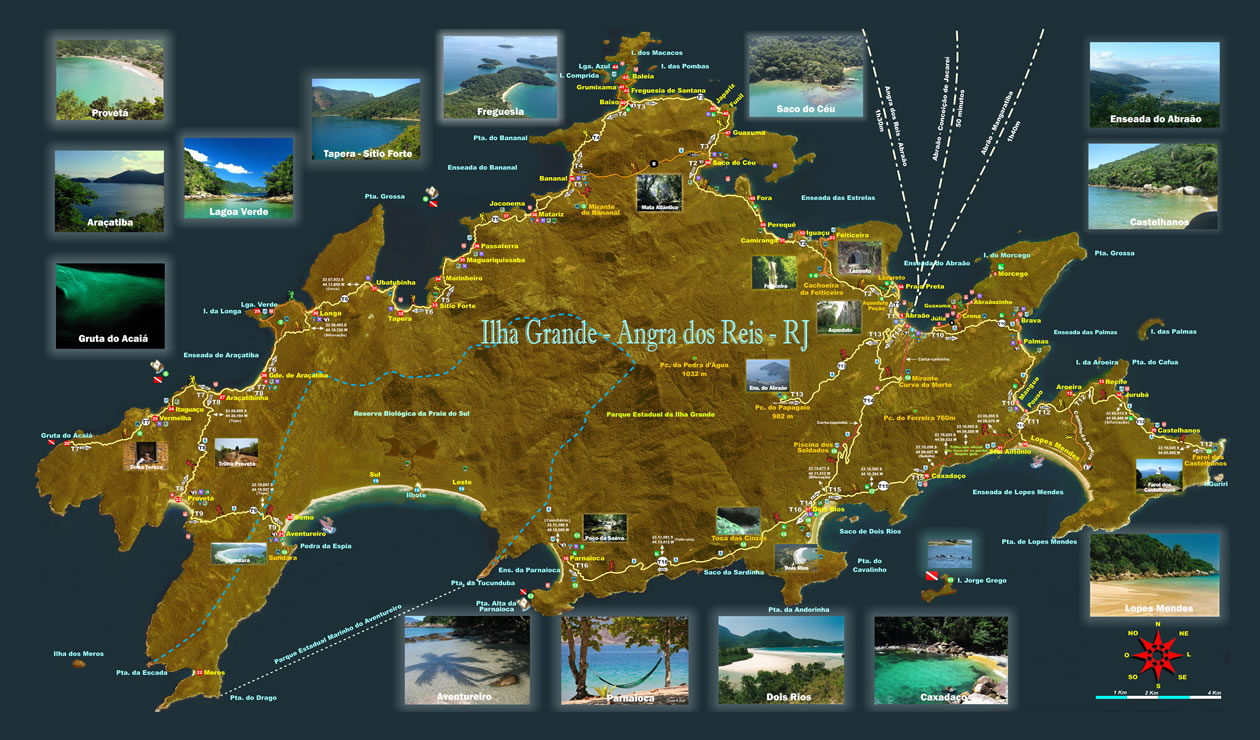
2 / 6Ilha Grande is a car-free island 100 kilometres from Rio de Janeiro, almost entirely covered in Atlantic rainforest and fringed by more than a hundred beaches, including Lopes Mendes. You reach it by boat from Conceição de Jacareí or Angra dos Reis (approx. 3 hours from Rio). Allow 3 nights; best time to visit April to October.
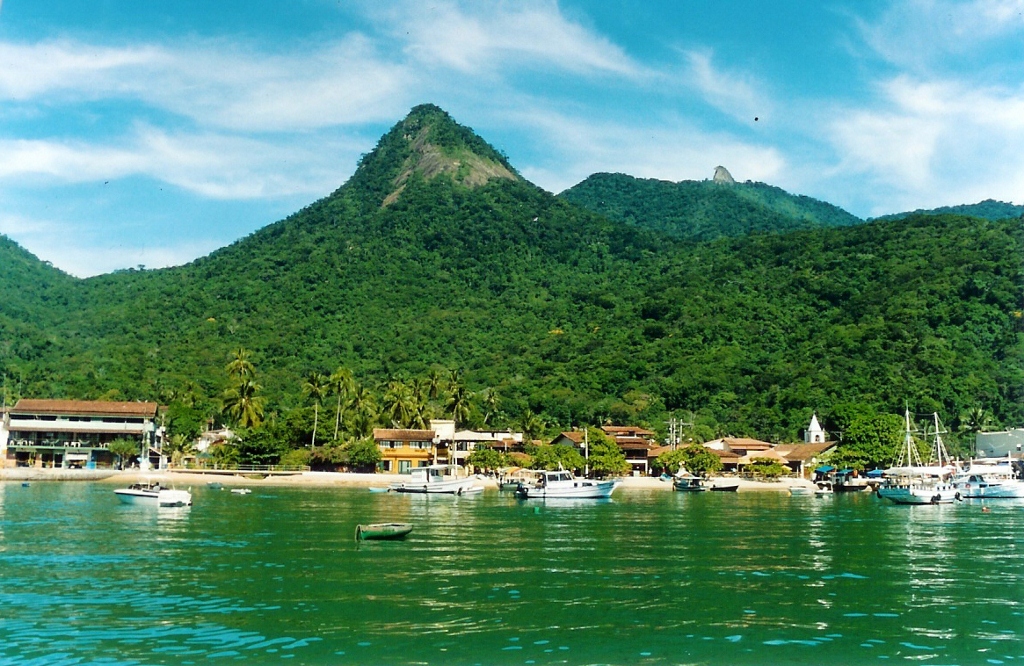
The island was once a pirate hideout, quarantine station and prison island; since the prison closed in 1994, it has been a natural paradise without cars. The village of Vila do Abraão is the only real settlement: pousadas, restaurants and the harbour from which the boat trips depart.
Highlights of Ilha Grande
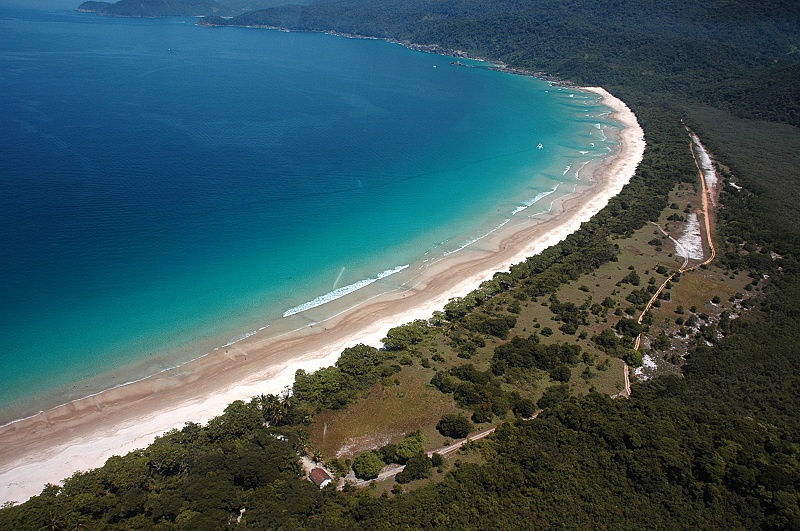
- Praia de Lopes Mendes: three kilometres of powdery sand and turquoise water, often named the most beautiful beach in Brazil; by boat to Pouso and then a 20-minute walk.
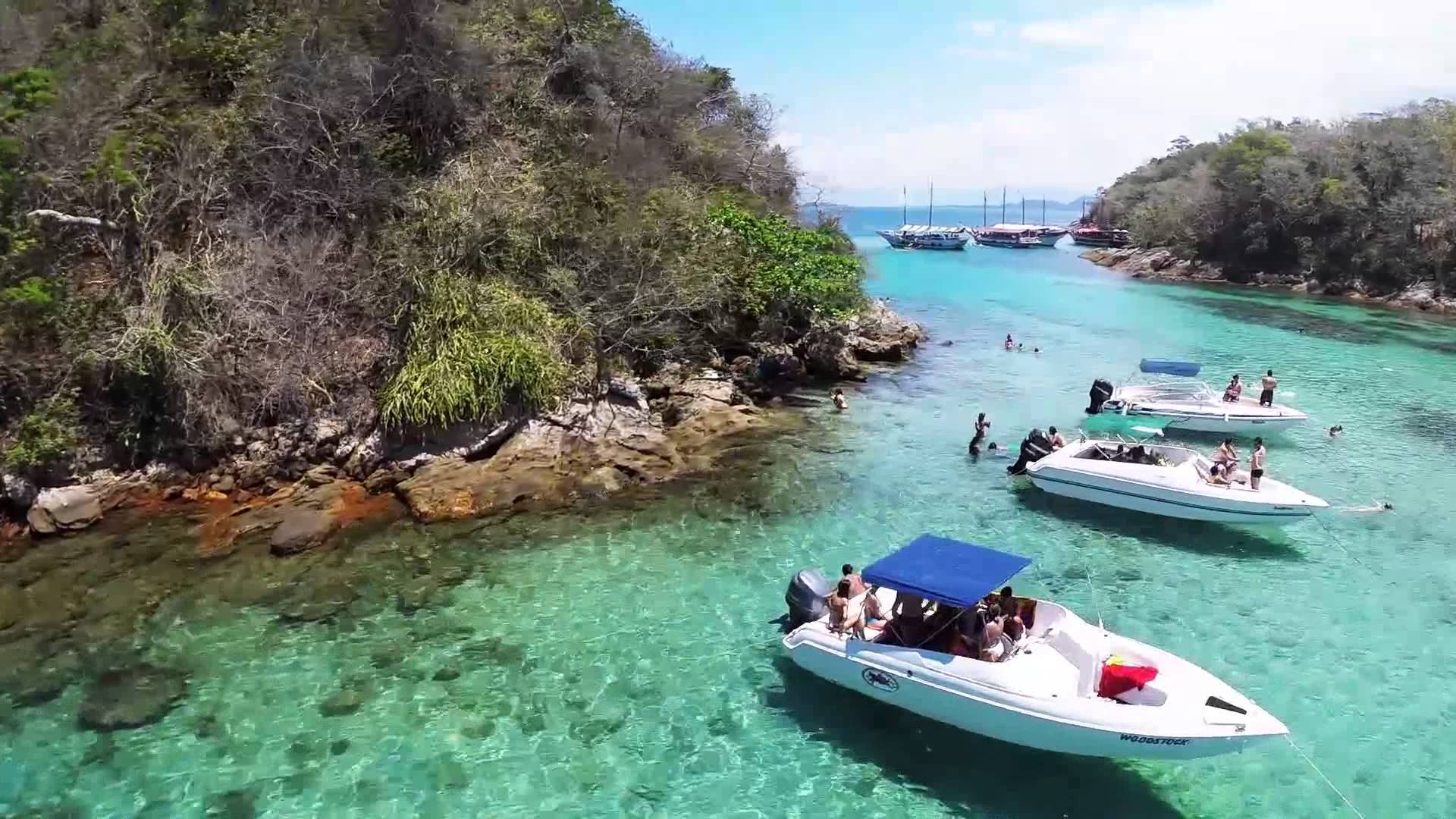
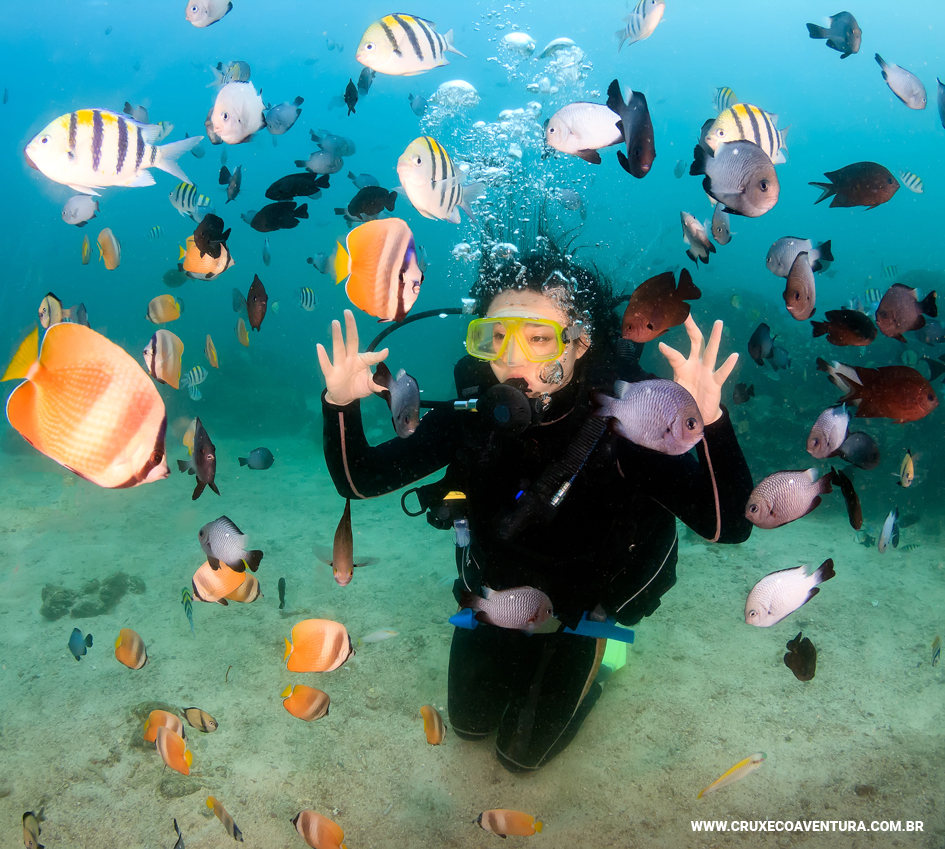
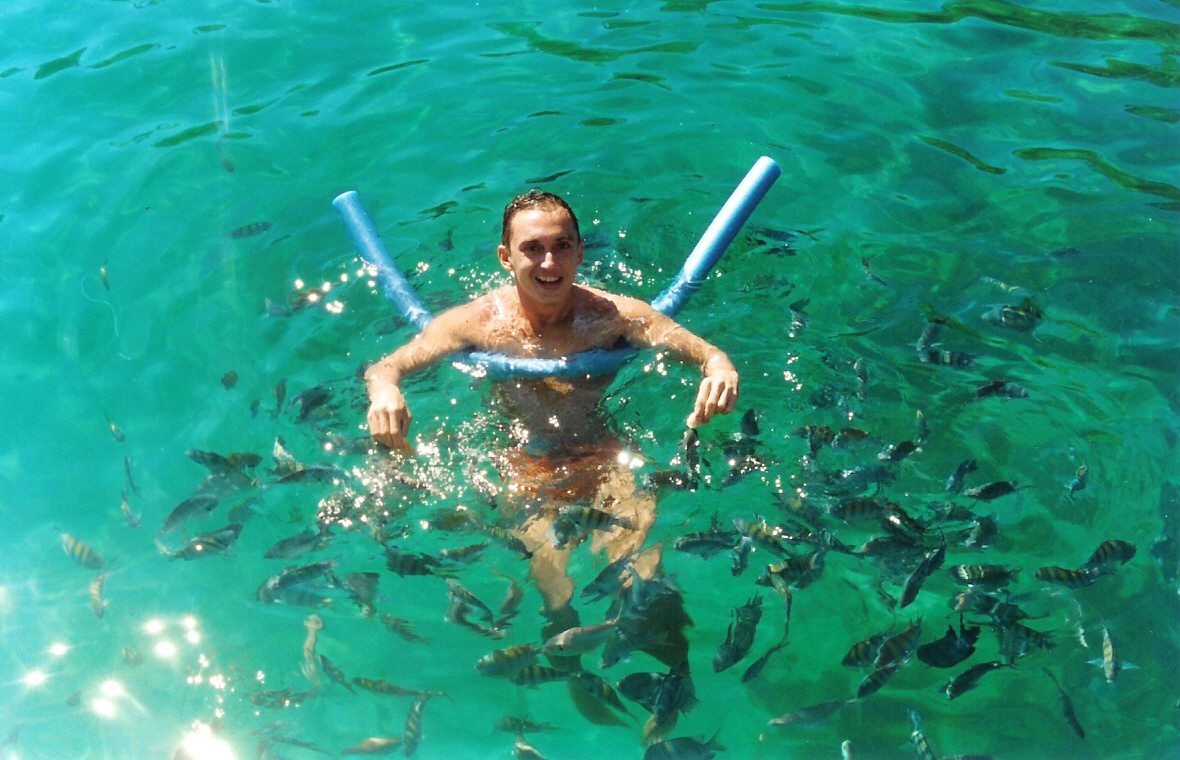
- Boat trip around the island: with stops at Lagoa Azul and Lagoa Verde to snorkel among the fish.
- Walking: from short trails to the Cachoeira da Feiticeira to the climb up Pico do Papagaio (982 m) at sunrise.
- Dois Rios: the abandoned prison village on the other side of the island, on foot or by jeep.
- Saco do Céu and Praia do Aventureiro: a mirror-smooth bay and a remote beach with the famous leaning palm.
Best time to visit Ilha Grande
From April to October it is drier, quiet and pleasant (22–27 °C); July and August can be cool for swimming. The summer (December to March) is hot and wet, with the most rain and the biggest crowds around New Year and carnival. The island can be visited all year round; short tropical showers are part of it.
Getting there and travel time
From Rio de Janeiro you drive in 2 to 2.5 hours to Conceição de Jacareí, from where a fast boat sails to Vila do Abraão in 20 minutes; from Angra dos Reis the ferry takes approx. 1.5 hours. We arrange the transfer and the boat, also from Paraty (2 hours by boat). On the island everything is done on foot or by small boat; luggage is taken by cart from the jetty to your pousada.
How many days on Ilha Grande?
We recommend 3 nights: a day at Lopes Mendes, a day on a boat trip around the island and a day of walking or simply doing nothing. Two nights are enough as a short beach break between Rio and Paraty.
Where to stay on Ilha Grande?
Most pousadas are in Vila do Abraão, within walking distance of restaurants and the harbour; those looking for peace and quiet choose a pousada on one of the bays outside the village, such as at Praia Grande das Palmas or Araçatiba, accessible by boat only.
Combines well with
Together with Rio de Janeiro and Paraty, Ilha Grande forms the classic Costa Verde route; Angra dos Reis is the alternative for those who want an all-inclusive resort. Examples: Ilha Grande package, Parels van Rio and Rio, Costa Verde & Iguaçu.
Frequently asked questions about Ilha Grande
Are there cars or cash machines on Ilha Grande?
No cars; there is one cash machine in Abraão that does not always work. Bring cash with you; most pousadas and restaurants do accept cards.
Can I go to Ilha Grande with children?
Yes, the beaches near Abraão are calm and the boat trips are short. Lopes Mendes requires a 20-minute walk.
Ilha Grande or Búzios?
Ilha Grande for nature, walking and unspoilt beaches; Búzios for a seaside resort with shops, restaurants and nightlife.
What about mosquitoes and borrachudos?
There are small biting flies, especially at the end of the afternoon; a good insect repellent is sufficient.
Tip from Brazil Travel Specialist
Go to Lopes Mendes on the first boat of the morning: then you will have the beach almost to yourself. Plan Ilha Grande before Paraty, so that you travel on by boat and skip the drive back to the mainland.
Paraty
3 / 6Paraty is a small colonial port town on the Costa Verde, a 4-hour drive from Rio de Janeiro and halfway to São Paulo, with a car-free historic centre dating from the seventeenth and eighteenth centuries, small islands and beaches off the coast and waterfalls in the Atlantic rainforest behind it. Allow 2 to 3 nights; best time to travel is April to October.
Before Rio became important, Paraty was one of the richest towns in Brazil: this is where the gold from Minas Gerais was brought to the port along the Estrada Real. When trade shifted, time stood still: the white houses with colourful window frames and the bumpy little streets have hardly changed since. The centre, together with the surrounding nature, is on the UNESCO World Heritage List.
Highlights of Paraty
- The historic centre: car-free, with churches, galleries, cachaça shops and, in the evening, atmospheric restaurants and live music.
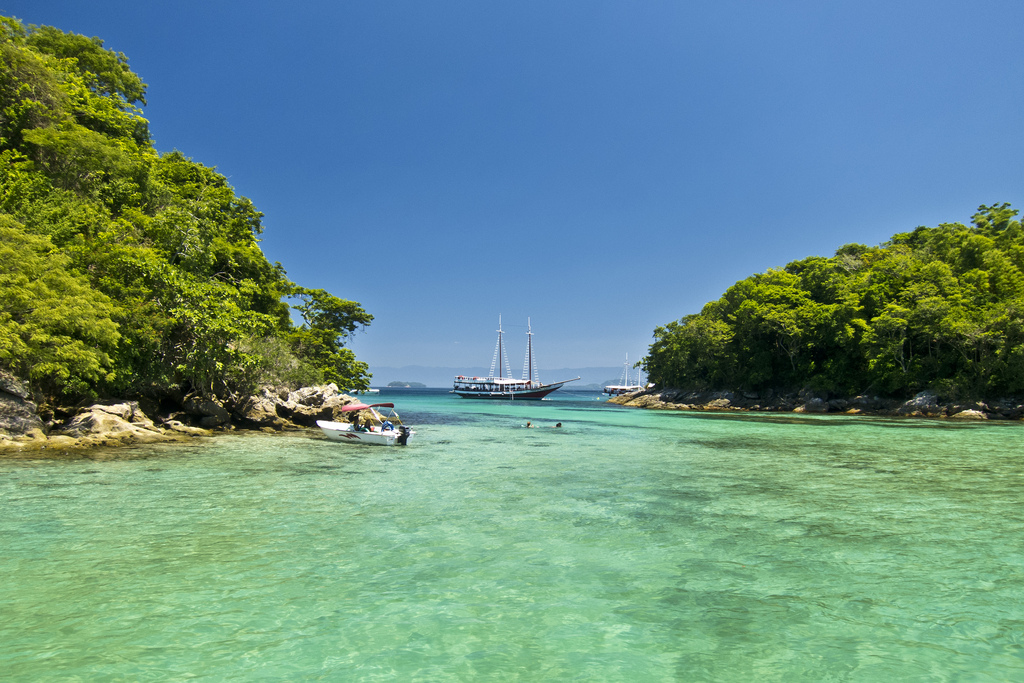
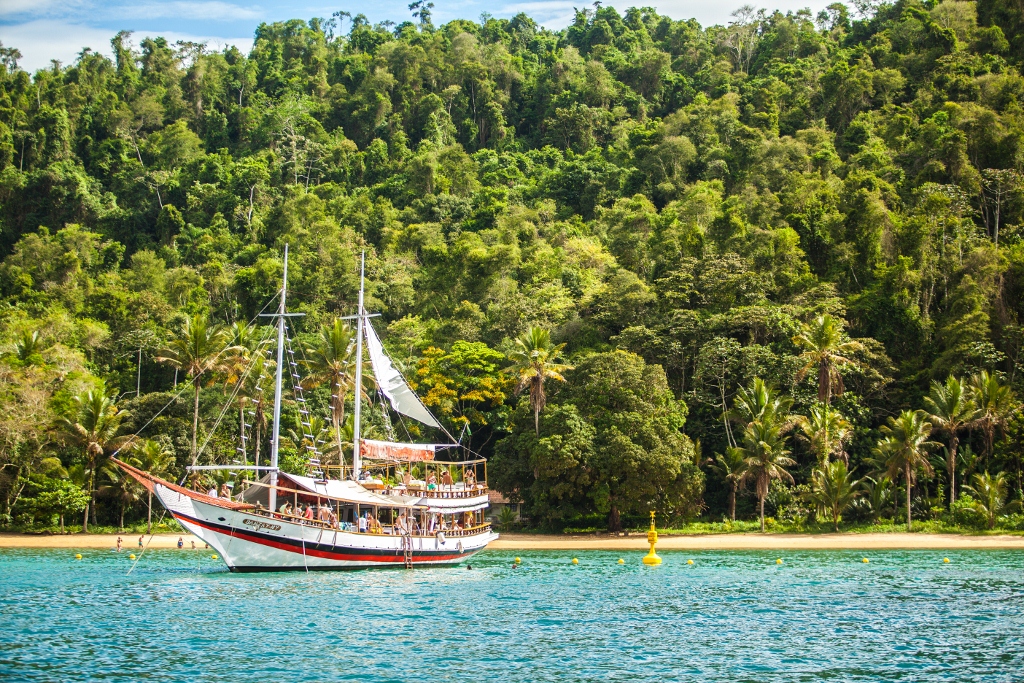
- Boat trip around the islands: by schooner or private boat to bays and small beaches such as Praia Vermelha and Lagoa Azul, with stops for snorkelling.
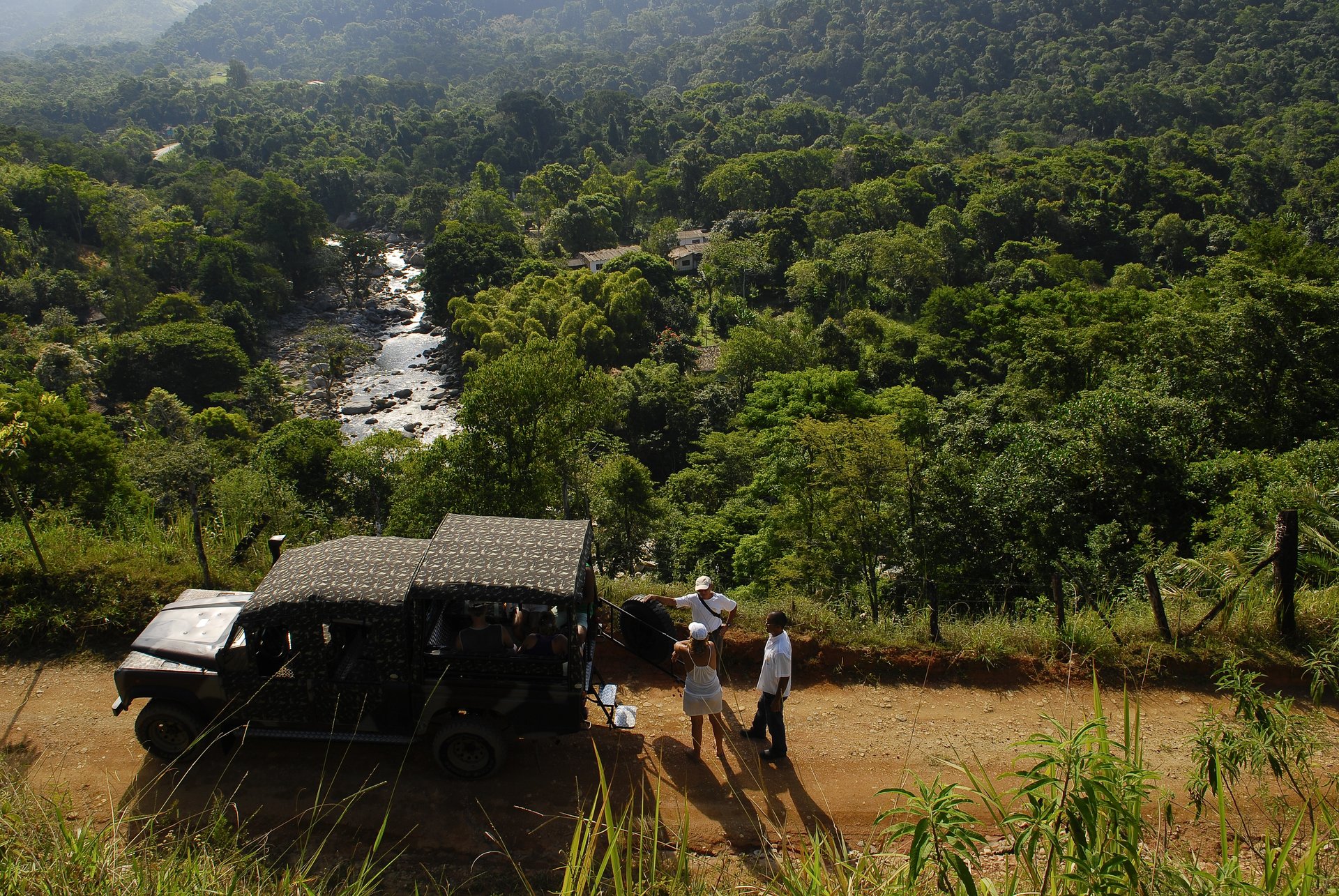
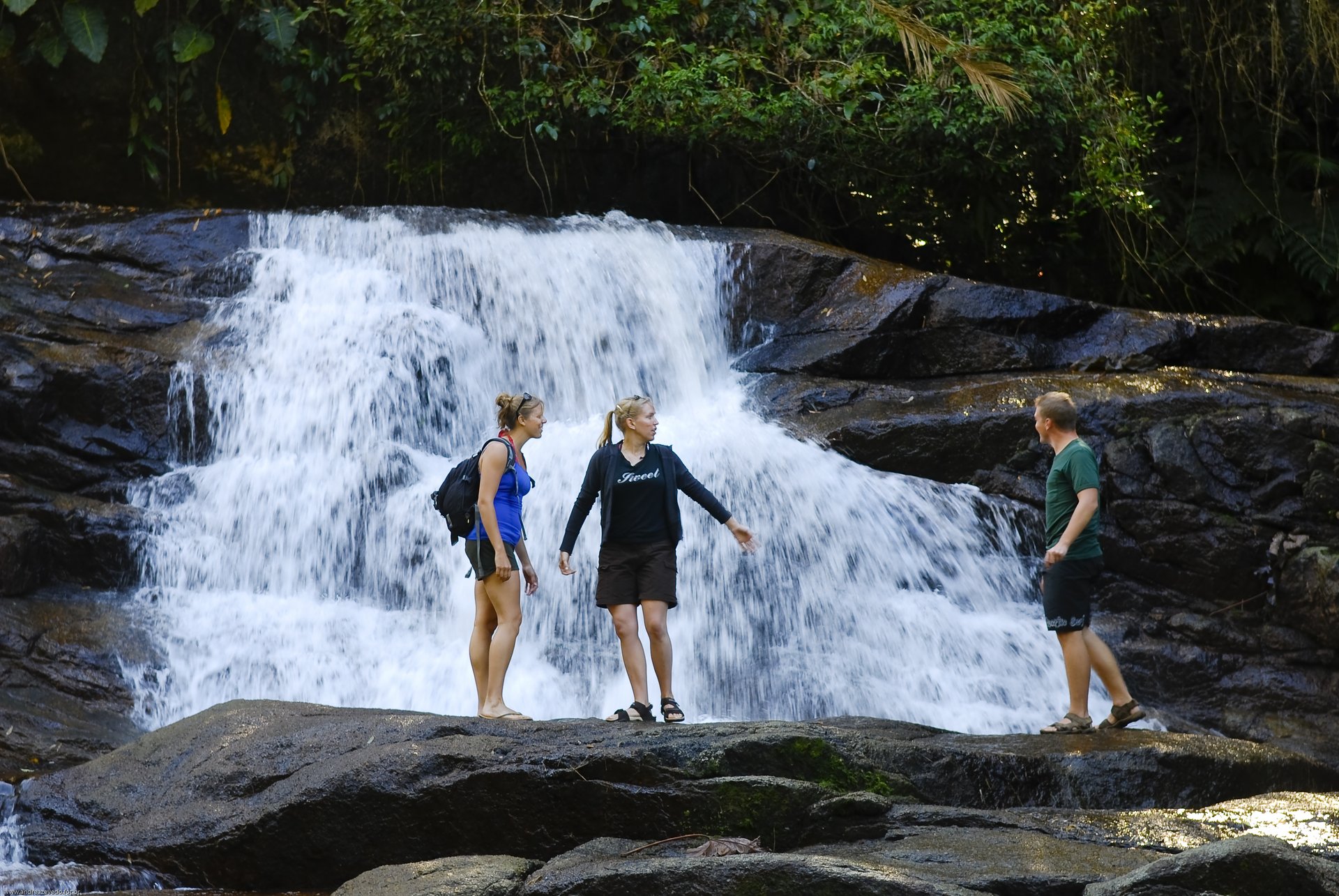
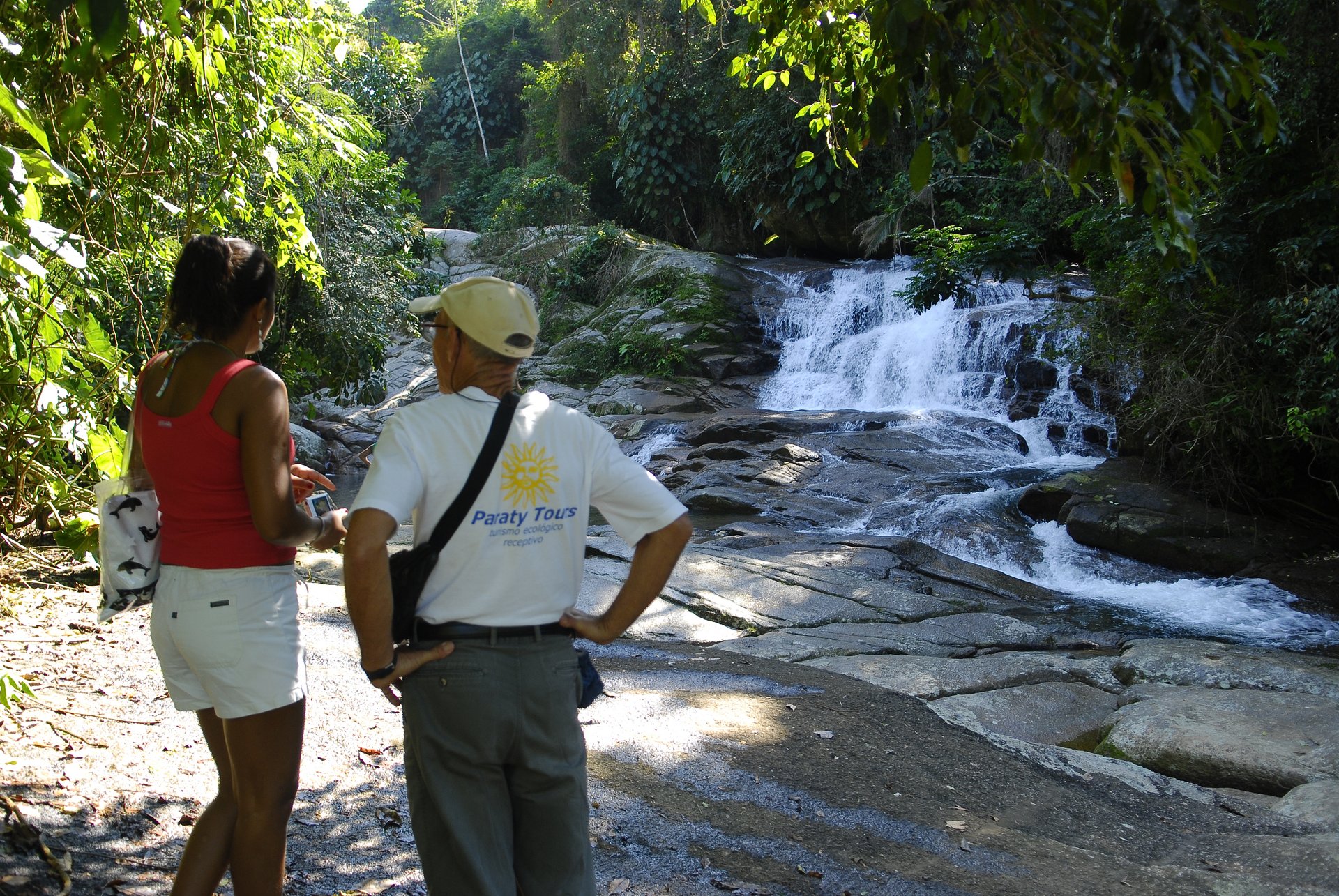
- Waterfalls and cachaça: jeep tour into the rainforest to the Cachoeira do Tobogã (the natural slide) and a cachaça distillery.
- Trindade and Praia do Sono: fishing village and beaches south of Paraty, with natural pools among the rocks.
- Saco do Mamanguá: the only tropical fjord in Brazil, to be explored by kayak or boat.
- Atlantic rainforest: walking, birdwatching and staying overnight at Vila Mont Lodge, twenty minutes from the centre.
Best time to travel to Paraty
From April to October it is at its driest and pleasant (22–27 °C); July and August are the quietest months and cooler in the evening. The summer (December to March) is hot and wet, with the most rain and crowds in January and February. In August there is the FLIP literary festival and in September the cachaça festival; book early for those.
Getting there and travel time
Paraty has no airport. From Rio de Janeiro it is about a 4-hour drive along the BR-101 coastal road, from São Paulo 4 to 5 hours; we arrange private transfers or a hire car for a self-drive along the Costa Verde. From Ilha Grande you sail to Paraty by boat in 2 hours or take the transfer via Angra dos Reis.
How many days in Paraty?
We recommend 2 to 3 nights: a day for the centre and a boat trip, a day for the waterfalls, Trindade or a kayak trip. In combination with a stay at Vila Mont Lodge in the rainforest it becomes 4 nights.
Restaurant tips in Paraty
- Quintal das Letras (Pousada Literária): Brazilian and international in an elegant, relaxed setting.
- Punto Divino: Italian, with pizzas, pastas and risottos made from fresh ingredients.
- Banana da Terra: traditional Brazilian dishes with a modern twist, by chef Ana Bueno.
- Margarida Café: pizzas, fish and live music in the centre.
Combines well with
Paraty lies between Rio de Janeiro and Ilha Grande, together the classic Costa Verde route, optionally extended to Ubatuba and São Paulo. Examples: Paraty package, Vila Mont Lodge, Costa Verde self-drive and the Parels van Rio round trip.
Frequently asked questions about Paraty
How do I get from Rio to Paraty?
By private transfer or hire car in about 4 hours along the BR-101; on the way you can call at Angra dos Reis or Ilha Grande. There are also buses, but with luggage a transfer is more comfortable.
Does the centre really flood?
Yes, at spring tide the seawater flows through the streets of the centre by design; that is how they used to be washed clean. It happens a few days a month and is an attraction in itself.
Is Paraty suitable for children?
Certainly: the boat trips with swimming stops and the natural slide at the Tobogã waterfall are favourites with families.
Paraty or Ilha Grande?
Paraty for culture, restaurants and excursions; Ilha Grande for beach and walking. Most travellers do both, 2 to 3 nights each.
Tip from Brazil Travel Specialist
Choose a pousada in or right next to the historic centre: in the evening the car-free centre with its illuminated churches is at its most beautiful and you can simply walk to the restaurants. Those looking for peace and quiet combine two nights in the centre with two nights in the rainforest at Vila Mont.



Pantanal - Porto Jofre - Jaguar region
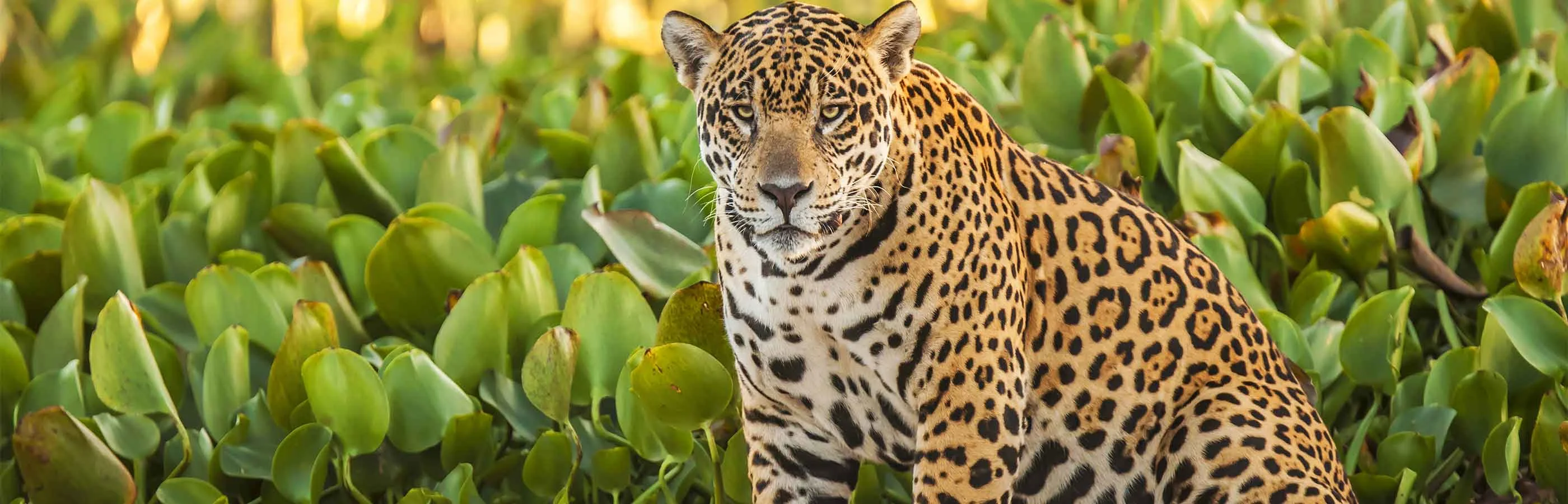
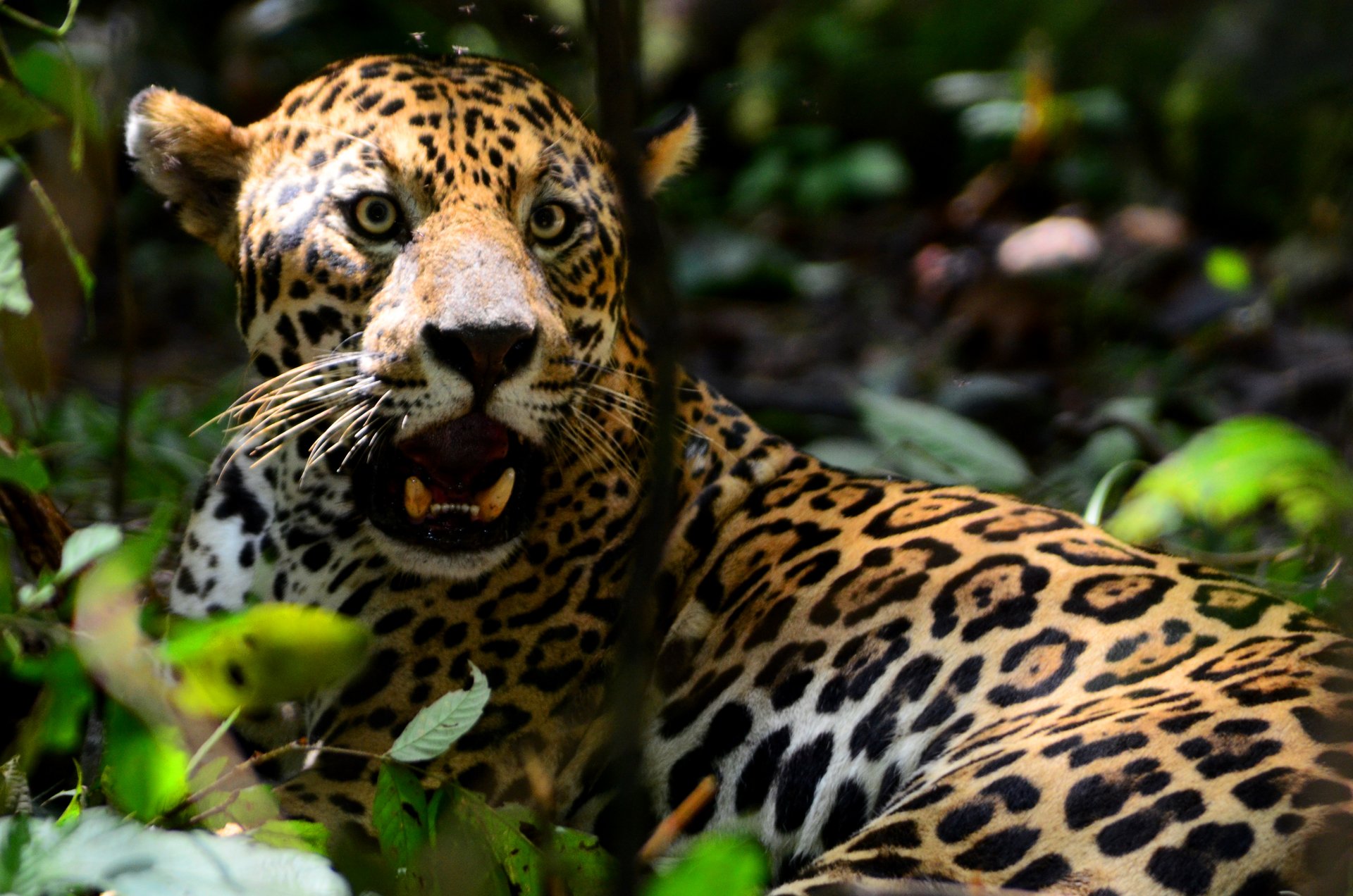
4 / 6Porto Jofre, at the end of the Transpantaneira in the Northern Pantanal, is the best place in the world to see jaguars in the wild: by boat along the banks of the Cuiabá, Piquiri and Três Irmãos rivers, where the animals hunt and bask in the sun during the dry season. Allow 3 nights; the best time to travel is July to October, with the highest chance in August and September.
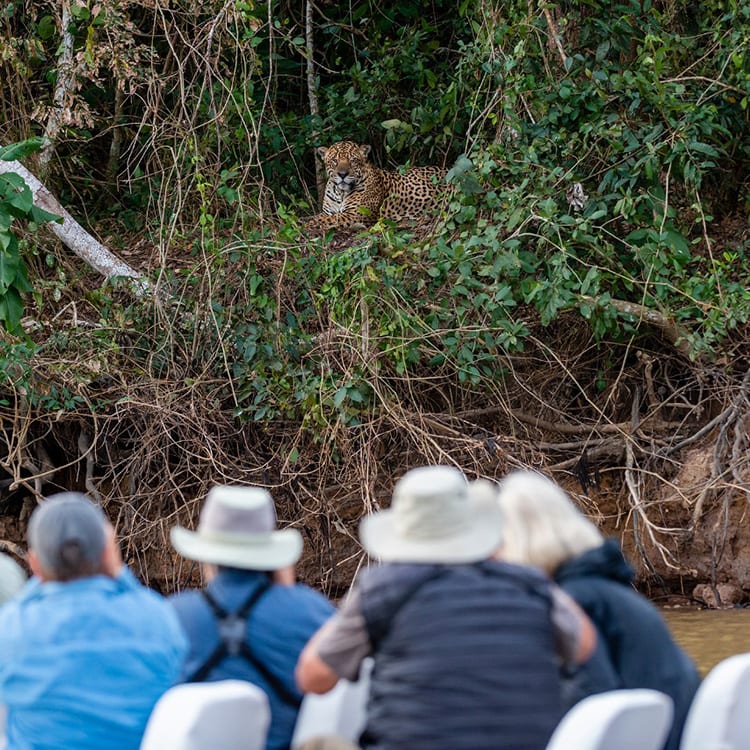
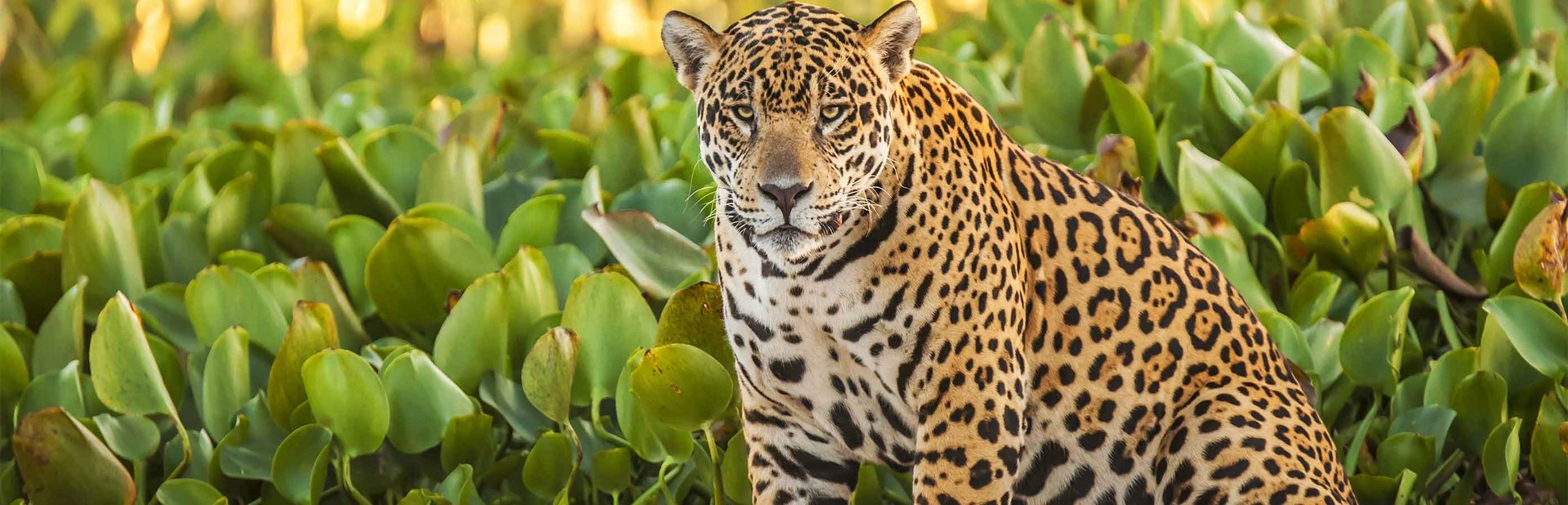
The jaguar is the largest cat in the Americas and very shy in the rest of the continent. The Encontro das Águas reserve near Porto Jofre is home to an exceptionally high density and the animals are used to boats. As a result, you do not see them here as a fleeting shadow, but often for minutes at a time on the riverbank, hunting caimans or capybaras.
Highlights of Porto Jofre
- Jaguar safaris by boat: two trips a day, in the cool morning and the late afternoon, with specialised guides and boatmen (piloteiros) who share sightings by radio.
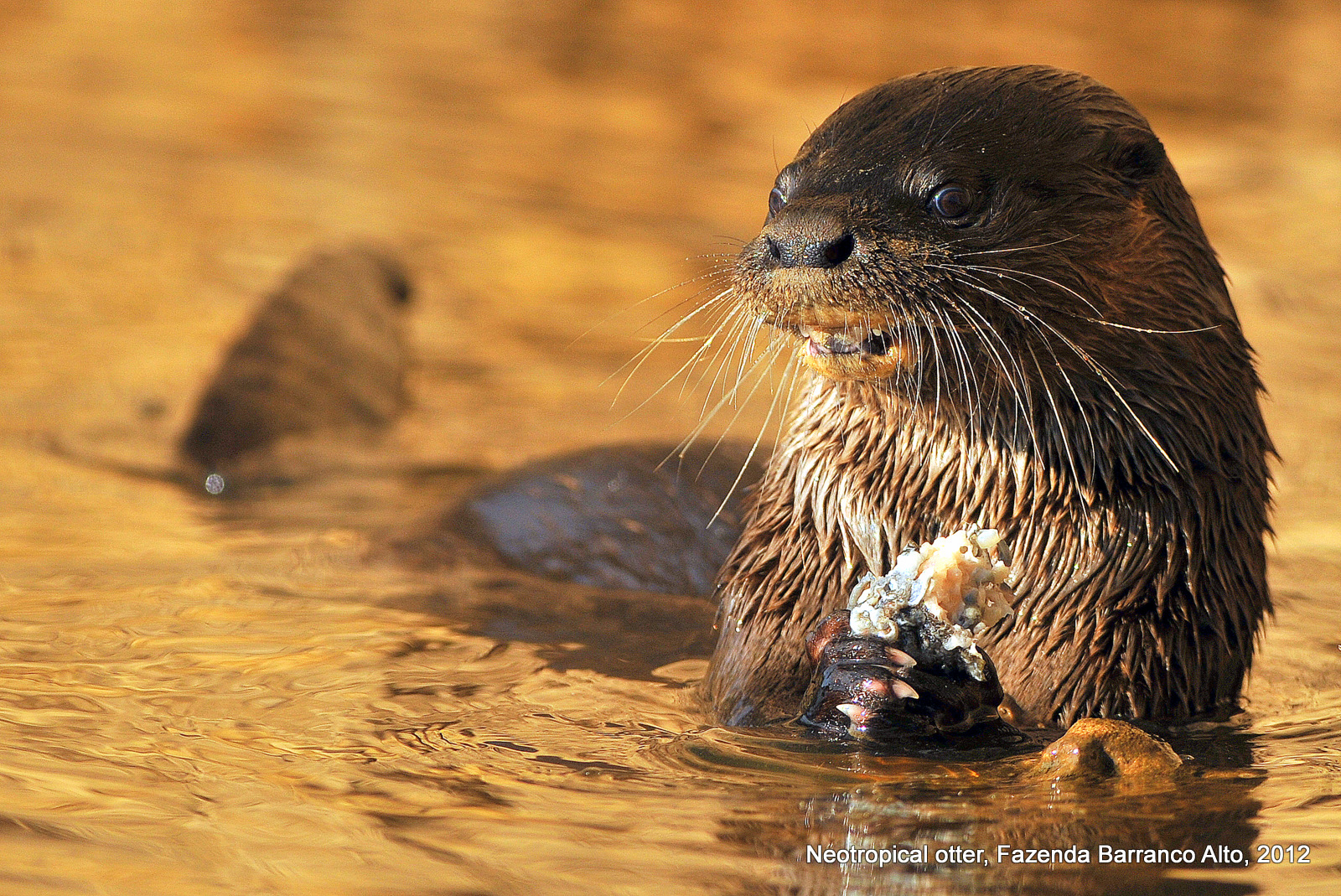
- Giant otters: playful family groups in the river channels, often just as spectacular as the jaguars.
- Caimans, capybaras and tapirs on the sandbanks and in the grass along the water.
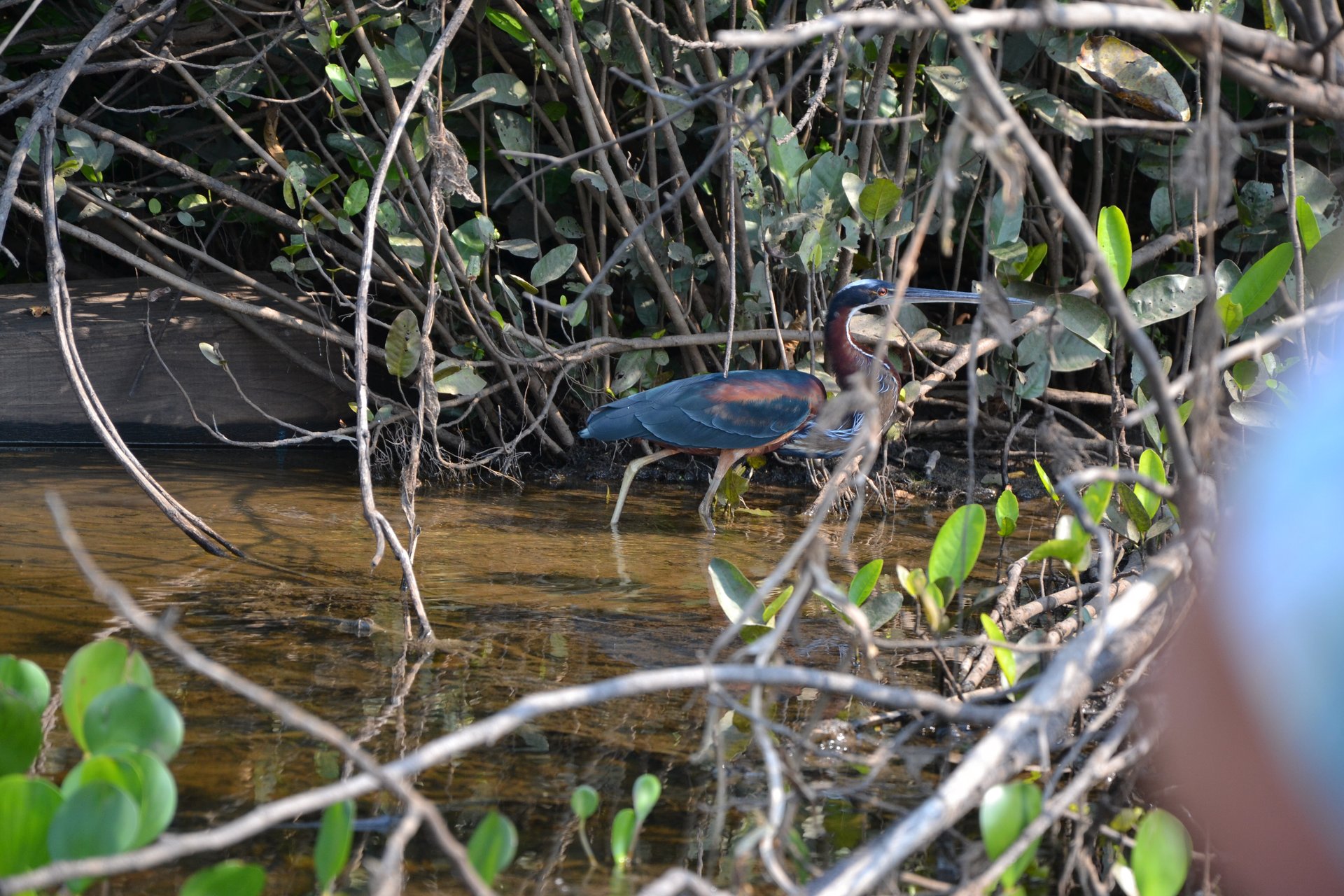
- Birds: kingfishers, hyacinth macaws, jabirus, herons and the rare agami heron.
- The Transpantaneira: 147 kilometres of dirt road with more than a hundred wooden bridges and lodges along the way, a safari in itself.
Best time to travel to Porto Jofre
The season runs from June to November; from July to October the chance of jaguars is greatest, because the low water forces the animals to the riverbanks. August and September are the peak, but also the busiest and hottest months (35–40 °C). In the rainy season (December to May) large areas are under water, the Transpantaneira is often difficult to pass and most accommodation in Porto Jofre is closed.
Getting there and travel time
You fly to Cuiabá (about 2 hours from São Paulo or Rio). From Cuiabá it is 100 kilometres of tarmac to Poconé and then 147 kilometres of Transpantaneira; allow 4 to 5 hours' drive by 4x4. We arrange the transfers, usually with a stopover at a lodge along the Transpantaneira. On the way back you can also travel by boat to Porto Jofre and by 4x4 to Cuiabá.
How many days in Porto Jofre?
We recommend 3 nights: two full days on the river give a very high chance of several jaguars. Photographers take 4 nights. Combine with 2 nights in a lodge along the Transpantaneira for the other wildlife and to spread out the driving time.
Where to stay in Porto Jofre?
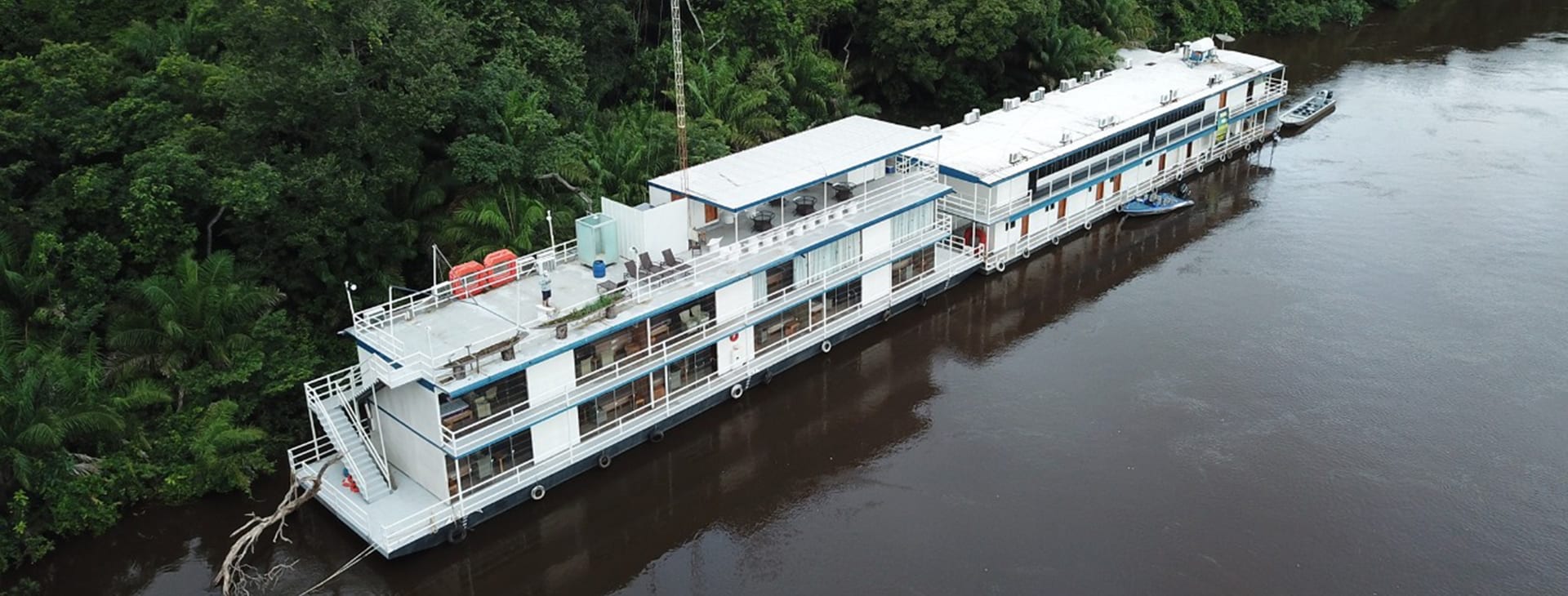
The choice is between the lodges on land, such as Berço Pantaneiro with its own boats, and the floating Flotel and Jaguar Suites on the Piquiri river, in the middle of jaguar territory. All packages are on a full-board basis with daily boat trips. Book early: the number of beds in Porto Jofre is limited and the season is short.
Combines well with
Almost always with the lodges of the Northern Pantanal along the Transpantaneira, and from Cuiabá with Chapada dos Guimarães, Nobres and the Amazon. Examples: Porto Jofre package, UeSo Lodge with jaguar tour and the nature round trip Into the Wild.
Frequently asked questions about Porto Jofre
How likely am I to see a jaguar?
In high season, very likely: with two full days on the river almost everyone sees several jaguars. Nobody can give a guarantee; it remains wild nature.
How close do I get to the jaguars?
The boats keep their distance, but jaguars along the riverbank can often be approached to within a few dozen metres. A telephoto lens of 300 mm or more is advisable for photos.
Is a jaguar tour also possible as a day excursion?
Yes, from lodges halfway along the Transpantaneira we offer a long day trip to Porto Jofre, for example at the UeSo Lodge. For the best chance, staying overnight in Porto Jofre remains the first choice.
Is it suitable for children?
From about 8 years old: the boat trips last 3 to 4 hours in the sun; bring a hat, sunscreen and plenty of water.
Tip from Brazil Travel Specialist
Plan Porto Jofre in August or September and book a year ahead if you want a specific lodge. Ask us about a private boat: then you decide for yourself how long you stay with a jaguar, which makes all the difference for photographers.
Northern Pantanal
5 / 6The Northern Pantanal, in the state of Mato Grosso and reached via Cuiabá, is the best place in the world to see jaguars in the wild. Along the Transpantaneira, the 147-kilometre unpaved road to Porto Jofre, lie the lodges from which you go on safari by boat, on foot and by truck. Allow 4 to 6 nights; the best time to travel for jaguars is July to October.
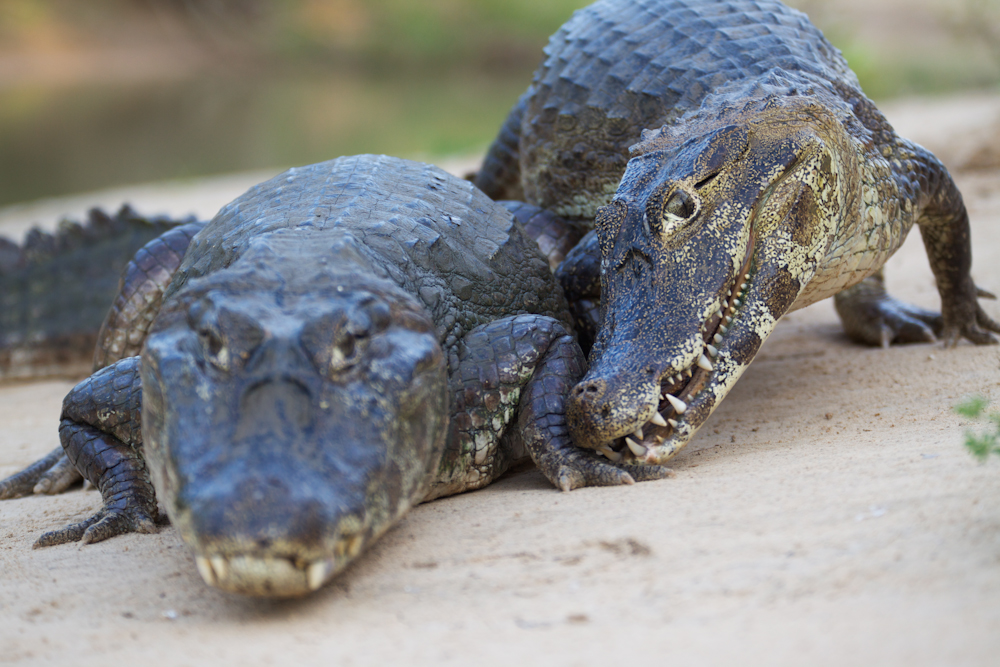
The Pantanal is the largest wetland in the world and the best wildlife area in South America: caimans, capybaras, giant otters, hyacinth macaws, jabirus and – in the north – the jaguar. Unlike in the Amazon, the landscape is open, which means you actually see the animals.
Highlights of the Northern Pantanal
- Porto Jofre, the jaguar capital: at the end of the Transpantaneira, where you search the banks of the Cuiabá and Piquiri rivers by boat. In the dry season the chance of seeing a jaguar here is very high.
- The Transpantaneira: 147 kilometres of dirt road with more than a hundred wooden bridges; the drive alone is a safari, with caimans and waterbirds along the road.
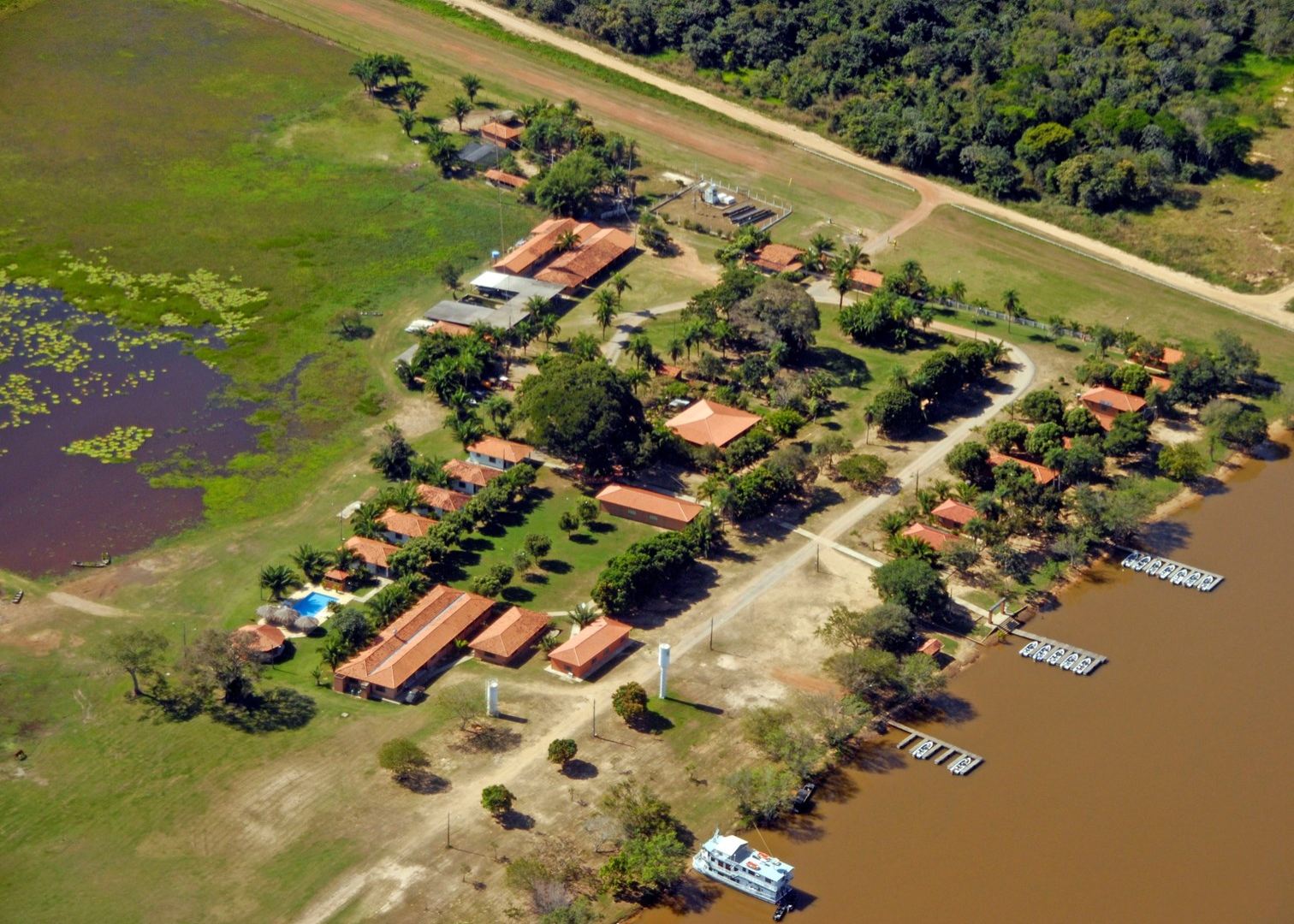
- Lodges with their own guides: from tourist class (Pousada Piuval, UeSo Lodge) to superior class (Pousada do Rio Mutum, Araras Eco Lodge), on a full-board basis and with daily excursions.
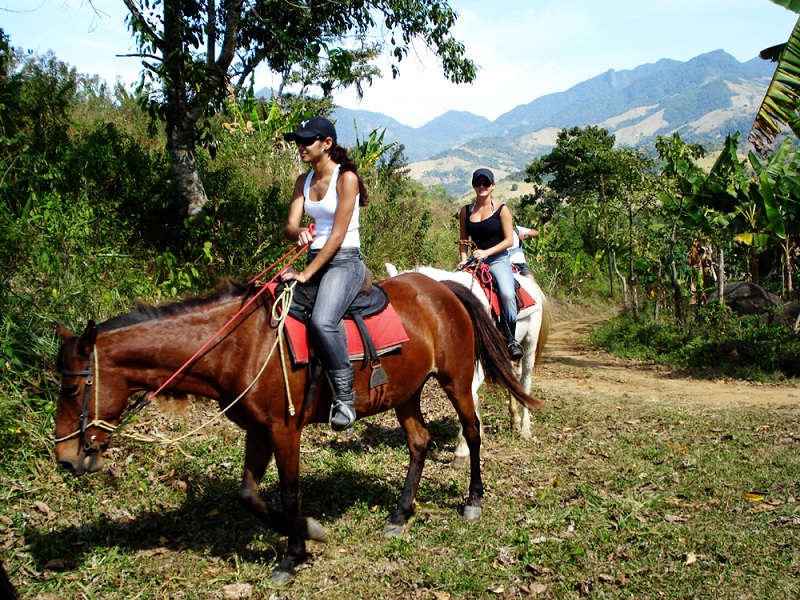
- Night safaris and horse riding: at night with the spotlight in search of ocelot, tapir and caimans; during the day on horseback through the flooded plains.
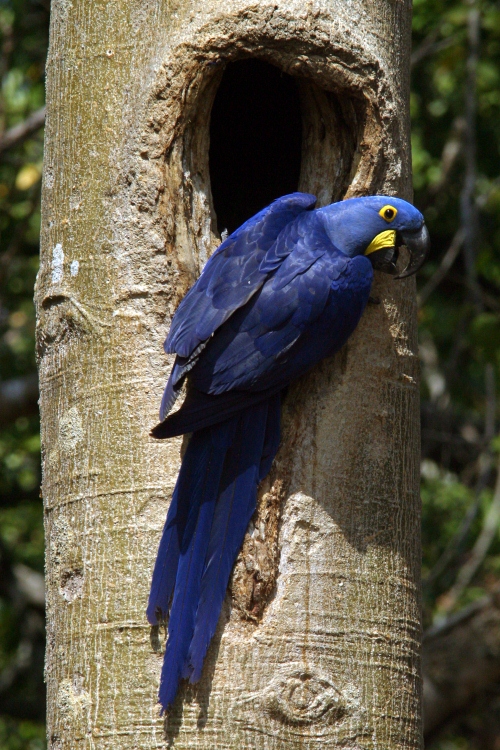
- Wealth of birdlife: more than 650 bird species, including the hyacinth macaw, the largest parrot in the world.
Best time to travel to the Northern Pantanal
The best period for jaguars and other mammals is the dry season from July to October: the water recedes, animals concentrate along the rivers and the roads are easily passable. April to June is a lovely shoulder season with mild temperatures and plenty of activity around the shrinking pools. In the wet season (December to March) the landscape is green and full of waterbirds, but parts of the Transpantaneira are difficult to pass and jaguars are harder to see. September and October are hot (35 °C and more).
Getting there and travel time
You fly to Cuiabá (about 2 hours from São Paulo or Rio de Janeiro, also direct from Manaus and Campo Grande). From Cuiabá it is around 100 kilometres of tarmac to Poconé, where the Transpantaneira begins. The first lodges are a 1 to 2-hour drive from Cuiabá; Porto Jofre is 4 to 5 hours away. We arrange the transfers by 4x4, or you drive yourself; in the dry season the road is manageable in an ordinary car.
How many days in the Northern Pantanal?
We recommend approx. 3 to 4 nights: 2 nights in a lodge along the Transpantaneira for the general wildlife and 2 to 3 nights in Porto Jofre for the jaguars. Those who only want to see jaguars book 3 nights in Porto Jofre; those who also want to experience the birds and the landscape take 5 to 6 nights.
North or South: which Pantanal suits you?
The Northern Pantanal is the choice for jaguars and combines well with Chapada dos Guimarães and Nobres. The Southern Pantanal (via Campo Grande) offers fazendas with a broader nature experience, jaguars with a bit of luck, and combines with the river snorkelling in Bonito. A combination of both is possible in a three-week trip.
Combines well with
A few hours' drive from Cuiabá lie the red cliffs and waterfalls of Chapada dos Guimarães and the crystal-clear rivers of Nobres; together they make up a 5-day self-drive. The Pantanal can also easily be linked by plane to the Amazon at Manaus, the waterfalls of Foz do Iguaçu and the Southern Amazon at Jardim da Amazônia. Examples: UeSo Lodge with jaguar tour, Porto Jofre package and the nature round trip Into the Wild.
Frequently asked questions about the Northern Pantanal
How likely am I to see a jaguar?
In Porto Jofre between July and October, very likely: most guests see several jaguars in two to three days on the river. Outside the dry season the chance is clearly smaller.
What is included at a Pantanal lodge?
Almost always full board and two to three excursions a day with a nature guide (boat, walk, truck, horse riding, night safari). Drinks and tips are usually not included.
Is the Pantanal suitable for children?
Yes, from around 6 years old: the boat trips are calm and the animals are easy to see. Bear in mind the heat and mosquitoes; long clothing and DEET are advisable.
Do I need vaccinations?
A yellow fever vaccination is recommended for Mato Grosso; malaria hardly occurs in the Pantanal. Always consult the GGD or a travel vaccination clinic for personal advice.
Tip from Brazil Travel Specialist
Combine two lodges: first a lodge at the start of the Transpantaneira for the birds, caimans and capybaras, then Porto Jofre for the jaguars. That way you see the Pantanal in all its variety and spread out the driving time. We know the lodges and guides personally and will be happy to put together a tailor-made route for you.

São Paulo
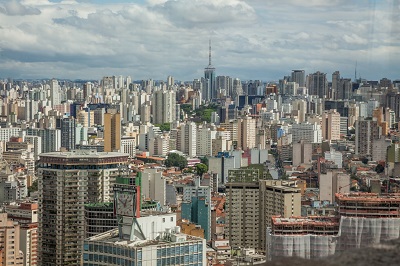
6 / 6São Paulo, with more than 20 million inhabitants in the metropolitan area, is the largest city in the southern hemisphere and the economic and cultural heart of Brazil: museums, the Avenida Paulista, Ibirapuera Park and the best restaurants in South America. With the airports of Guarulhos and Congonhas it is the hub for flights to the rest of the country. Allow 1 to 2 nights as a start or stopover; it can be visited all year round, with the driest months from May to September.
São Paulo is not a beach city but a world city: Japanese, Italian and Lebanese neighbourhoods, street art in Vila Madalena, a huge cultural scene and a nightlife that never stops.
Highlights of São Paulo
- Avenida Paulista and MASP: the main street with the art museum on pillars; car-free on Sundays.
- Ibirapuera Park: the green lung of the city with museums by Niemeyer.
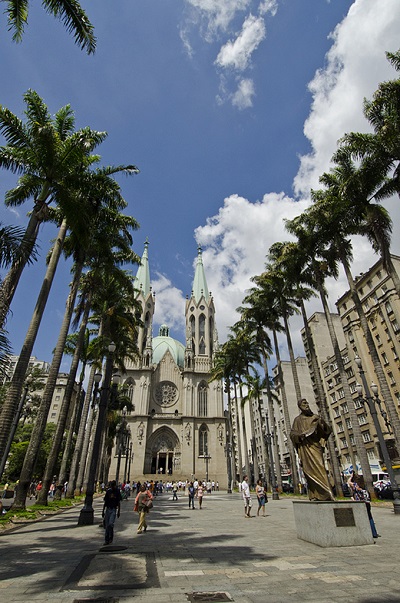
- Centro: Theatro Municipal, Mercado Municipal (the mortadella sandwich), Edifício Martinelli and the cathedral.
- Vila Madalena and Beco do Batman: street art, bars and galleries.
- Liberdade: the largest Japanese neighbourhood outside Japan, with a Sunday market.
- Restaurants: from D.O.M. and A Casa do Porco to the pizzerias of Bela Vista.
Best time to visit São Paulo
São Paulo can be visited all year round. From May to September it is dry and cool (12–24 °C); from December to March warm (25–32 °C) with afternoon showers. In January and July many Paulistanos are on holiday and the city is quieter.
Getting there and travel time
Guarulhos (GRU) is the largest airport in South America, with KLM flights from Amsterdam (approx. 12 hours) and connections to every Brazilian destination; Congonhas (CGH) is in the city and handles domestic flights. We arrange private transfers; from Guarulhos to the Jardins or Paulista neighbourhoods it takes 45 to 90 minutes, depending on the traffic.
How many days in São Paulo?
We recommend 1 to 2 nights on arrival or as a stopover: a day for Paulista, MASP and Ibirapuera, and an evening dining out. Culture lovers and foodies take 3 nights.
Combines well with
With Rio de Janeiro and the Costa Verde (Paraty, Ubatuba, Ilhabela) and with the south (Foz do Iguaçu, Curitiba). Examples: São Paulo package, self-drive Costa Verde and the round trips Latino Metropolis and Beleza do Sul.
Frequently asked questions about São Paulo
Is São Paulo worth a visit or just a place to change planes?
For culture and food it is the most interesting city in Brazil; if you are mainly looking for nature and beach, a connection there is enough.
Where is the best place to stay?
Jardins or around the Avenida Paulista: safe, central and with restaurants within walking distance; Vila Madalena for a younger atmosphere.
Is São Paulo safe?
Jardins, Paulista and Ibirapuera are fine to visit during the day and in the evening; visit the centre during the day, and in the evening go by taxi or app-based taxi.
Guarulhos or Congonhas?
International flights go via Guarulhos; domestic flights often via Congonhas, closer to the city. We plan the connection so that you do not have to travel between the two.
Tip from Brazil Travel Specialist
Plan a Sunday: that is when the Avenida Paulista is car-free with street musicians, MASP is free and the market in Liberdade is open. Book restaurants in advance; the good ones are full.