



remarks
- From € 2,294 per person based on 2 people travelling, staying in the tourist class accommodation in low season, excluding flights. (2027 rate)
Get in touch with us and receive a personal travel proposal.
- Included:
- Accommodation;
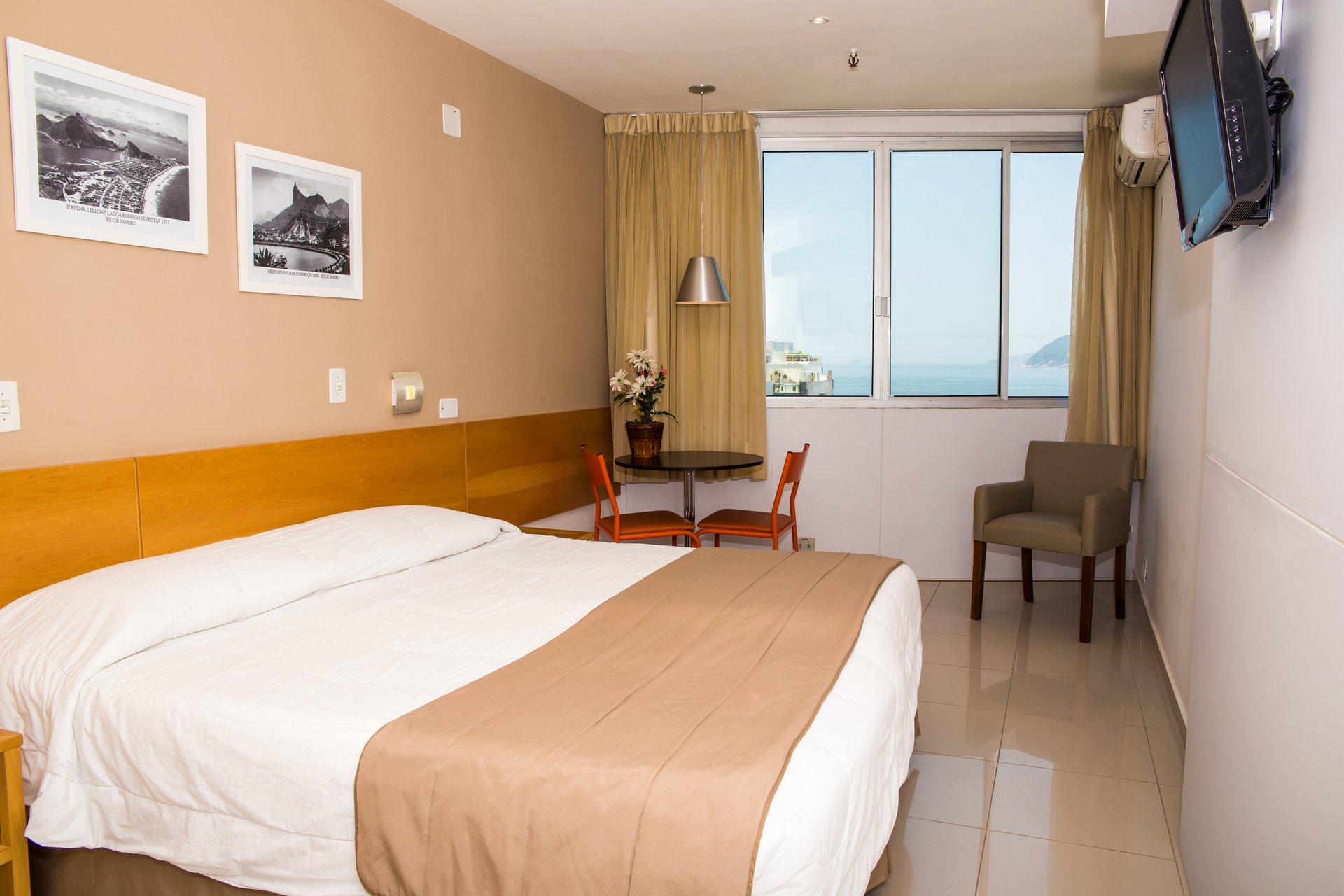
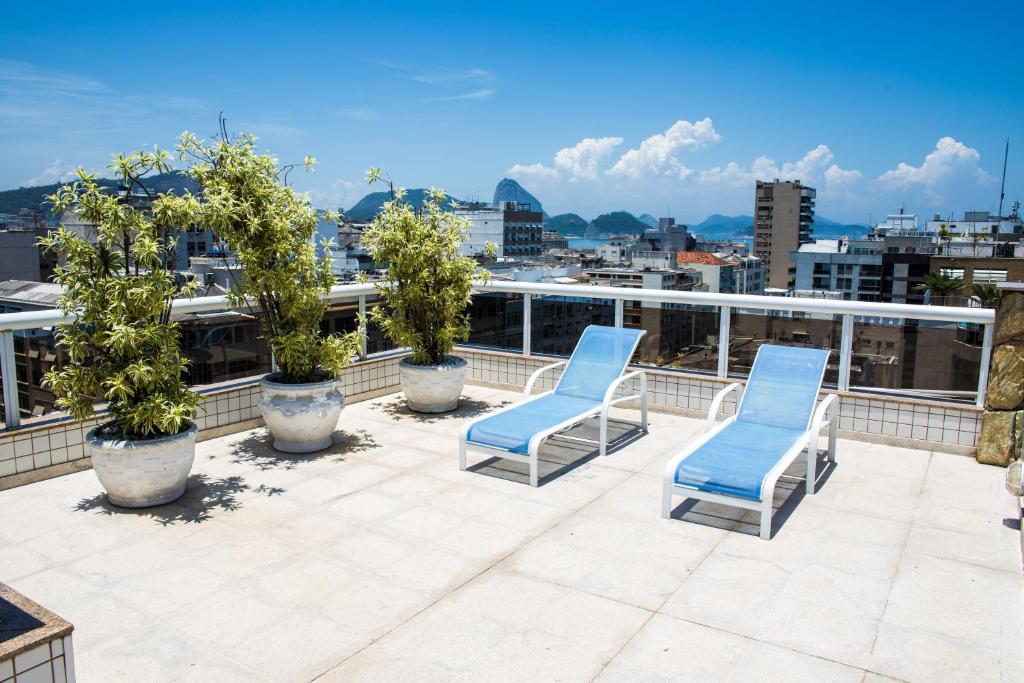
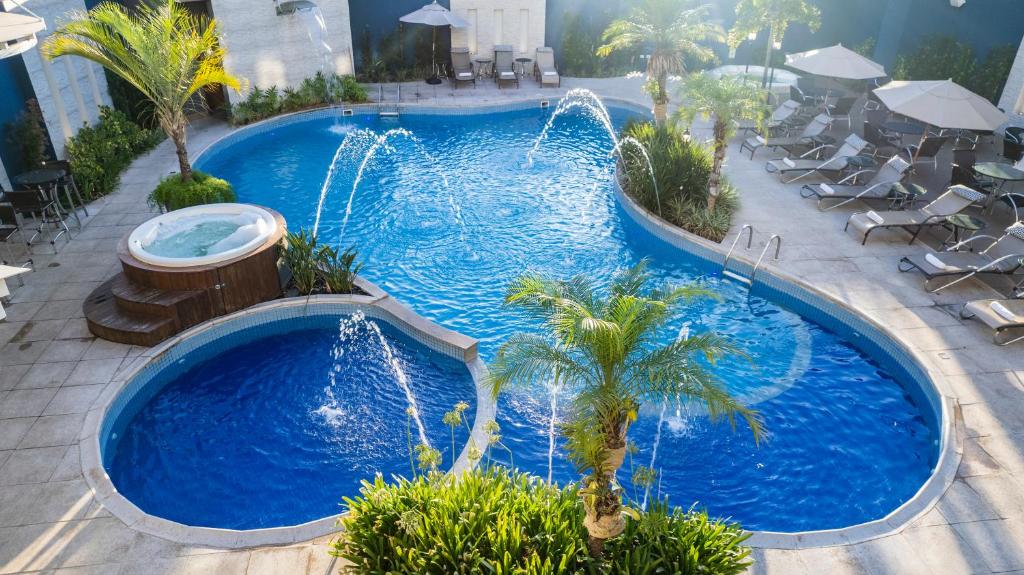
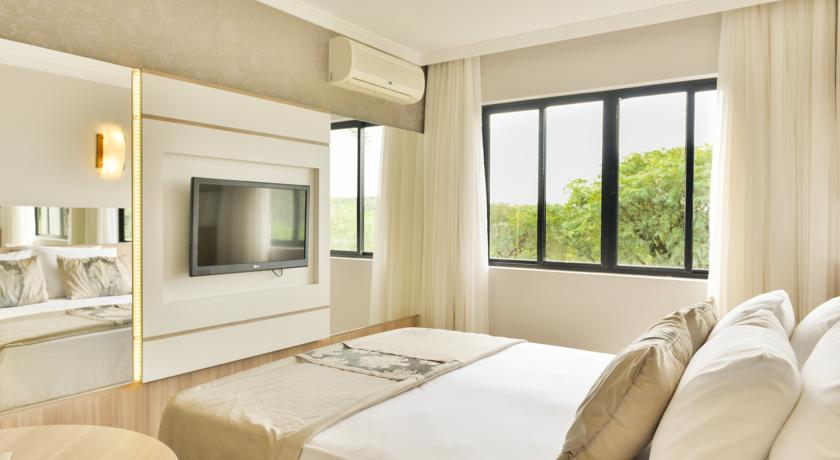
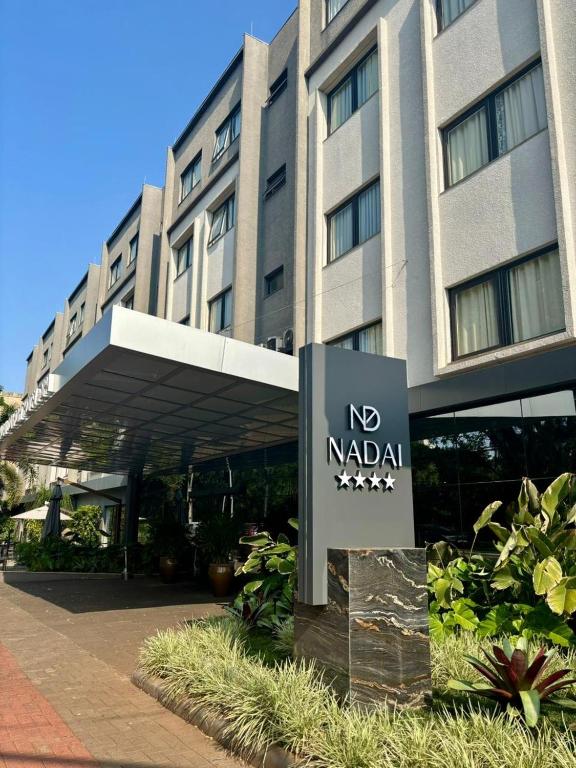
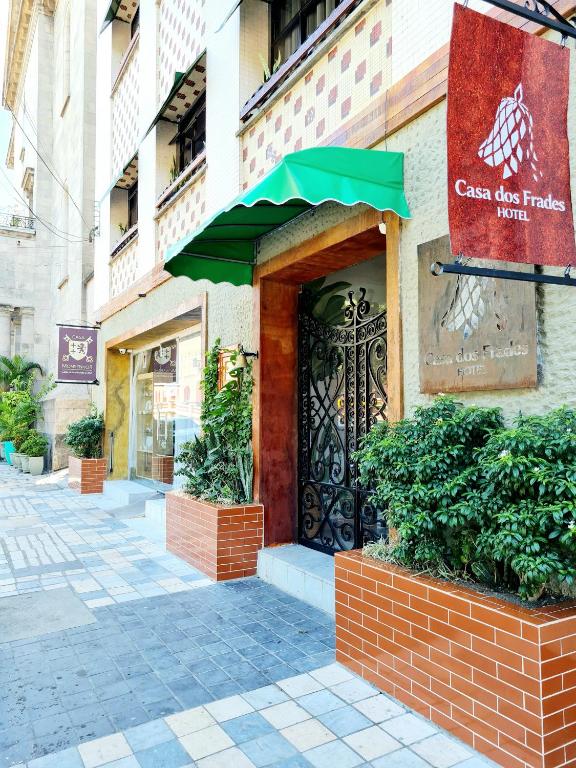
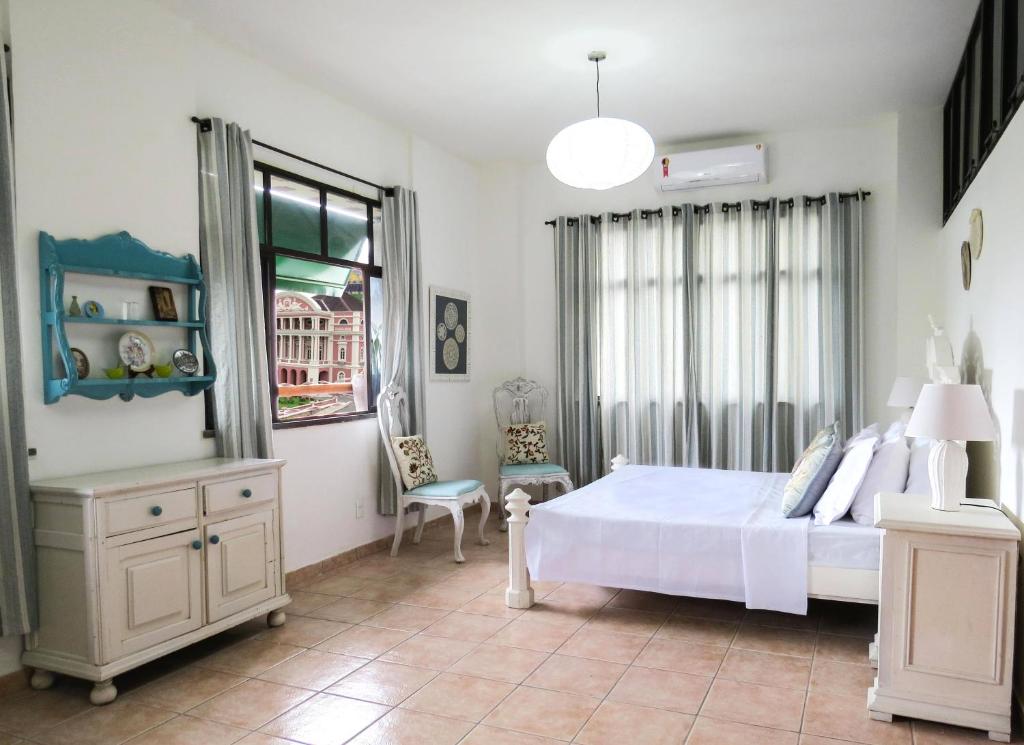
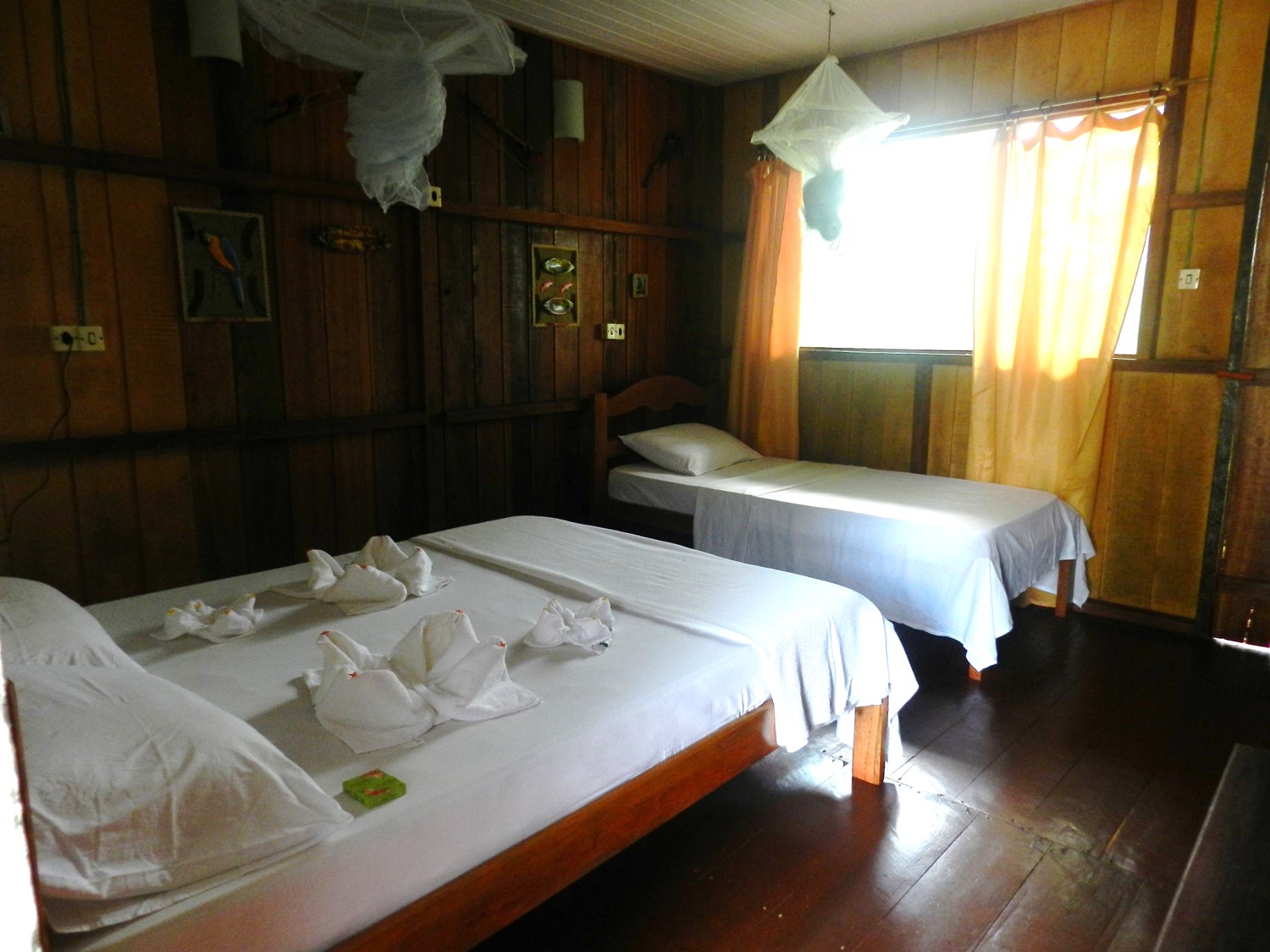
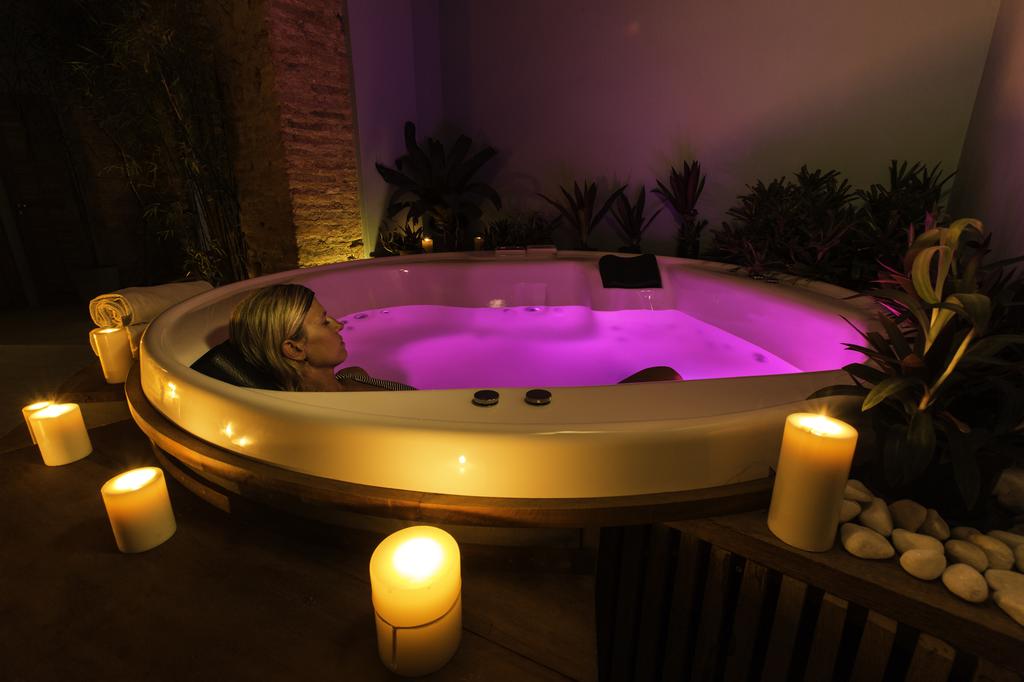
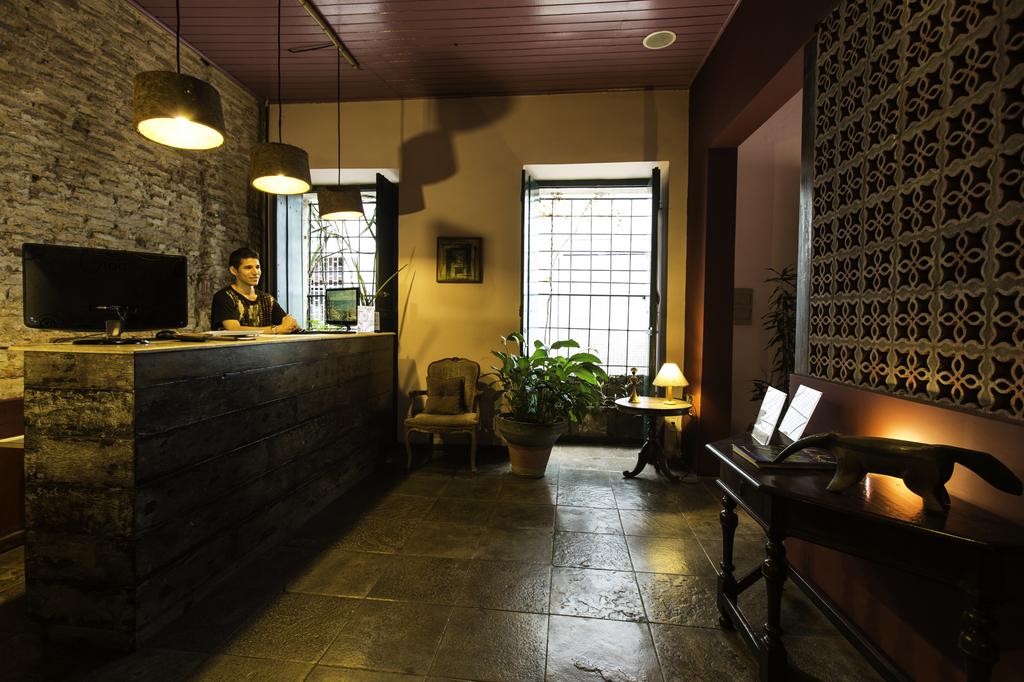
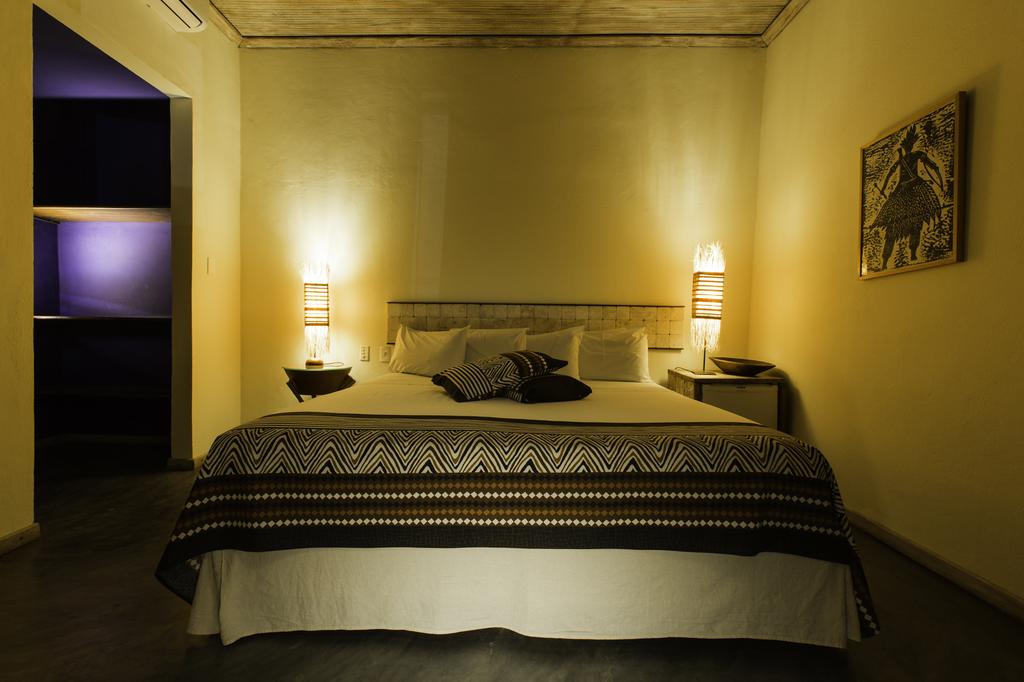
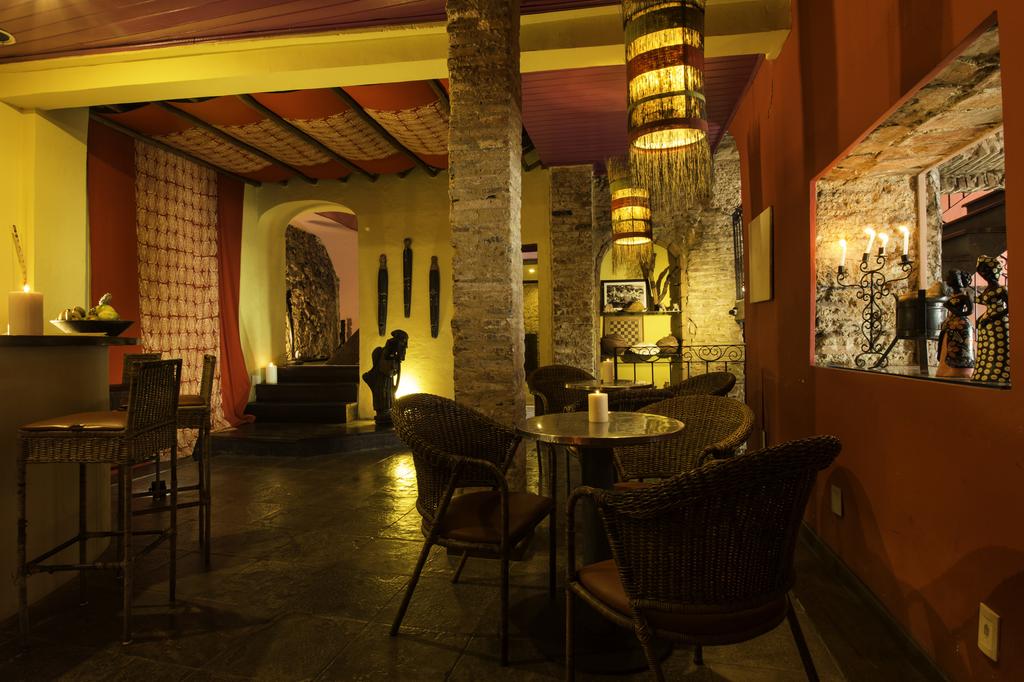
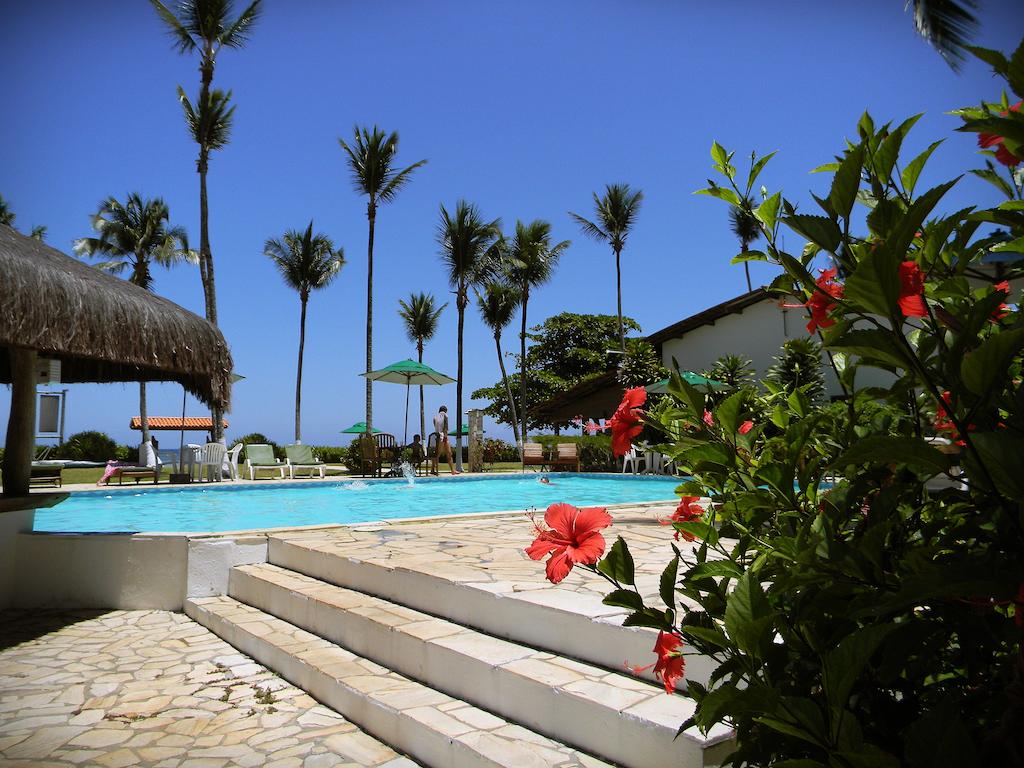
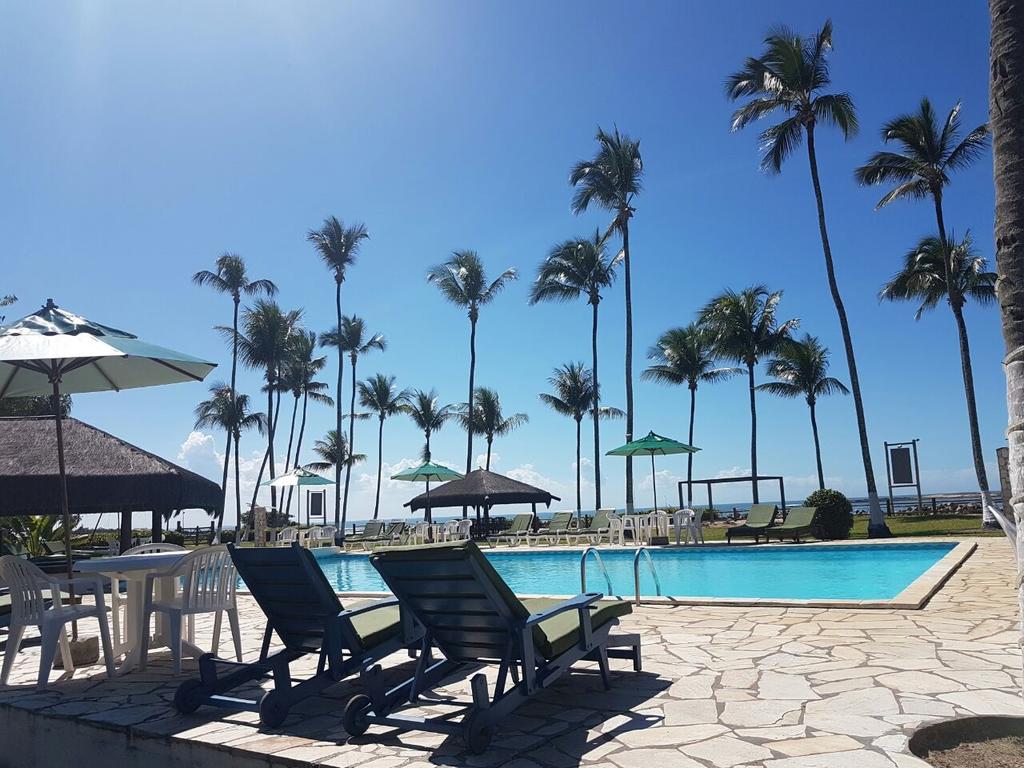
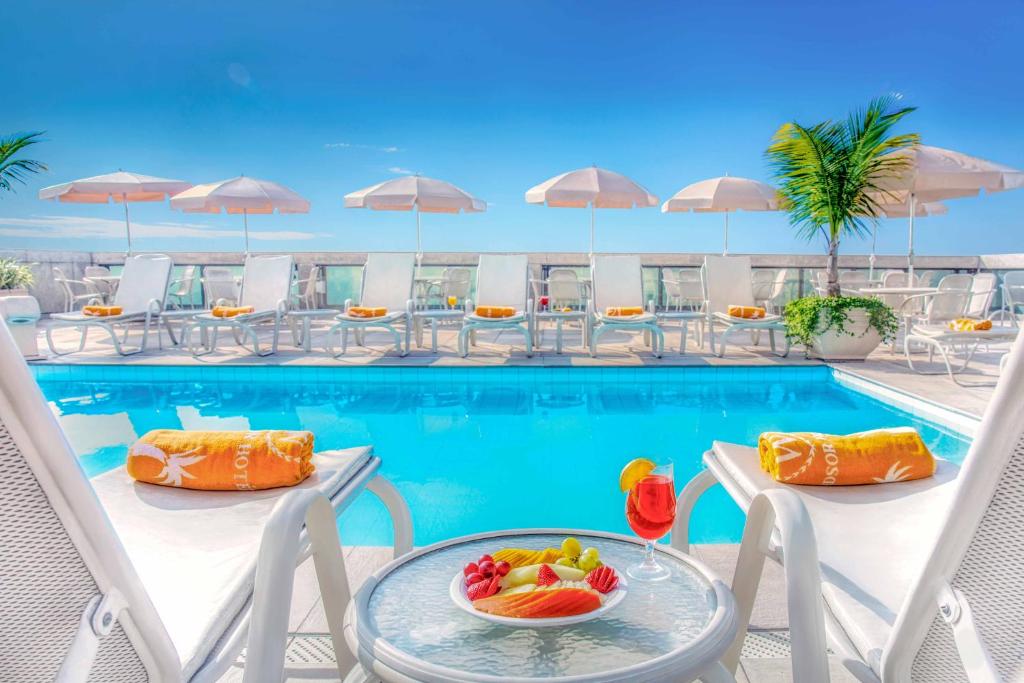
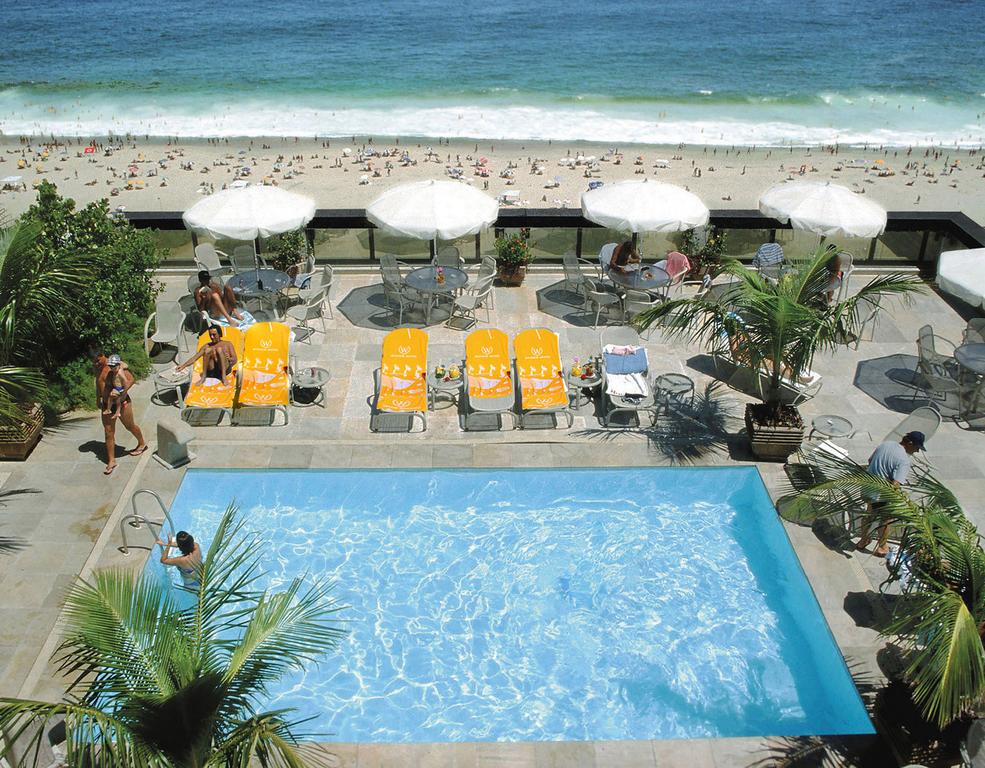
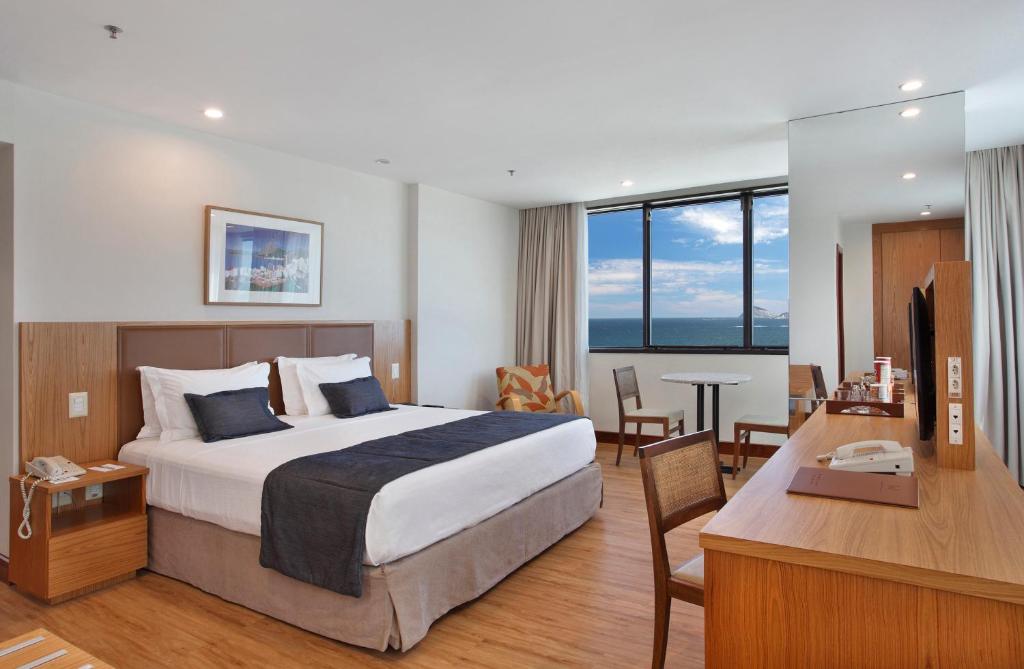
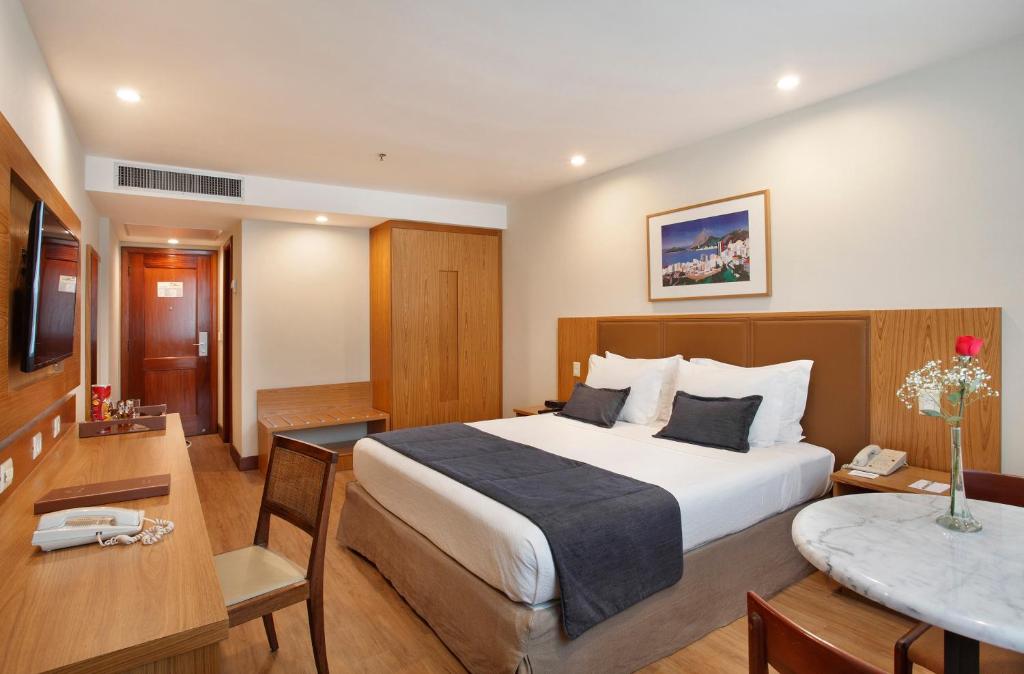
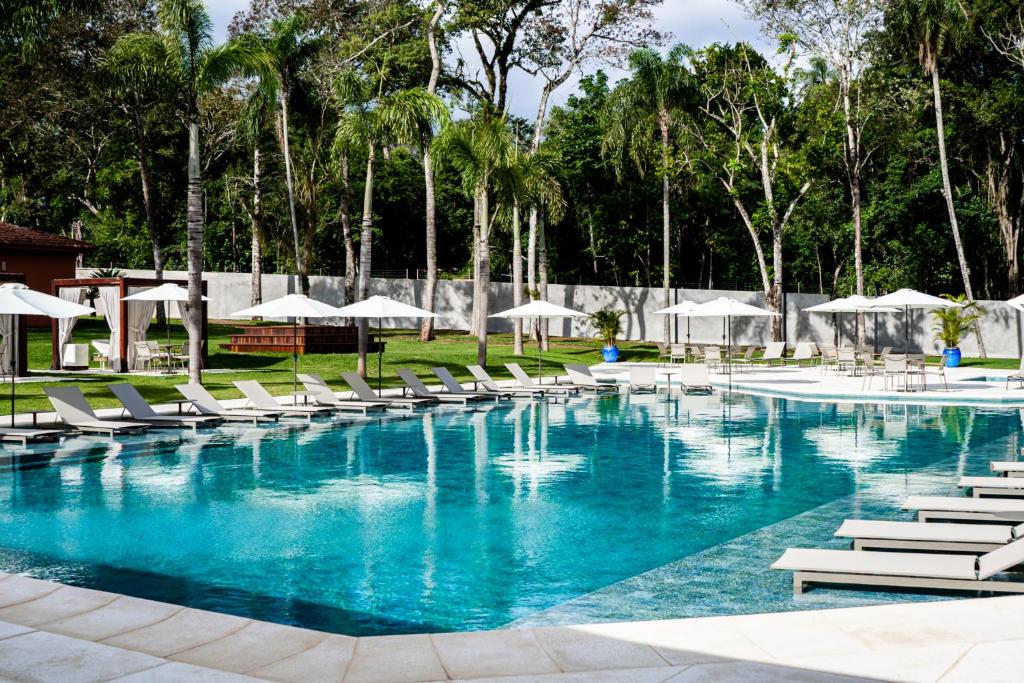
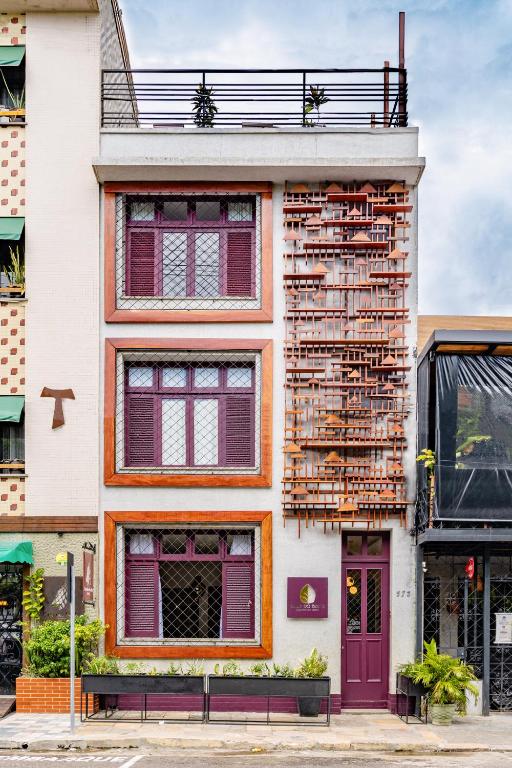
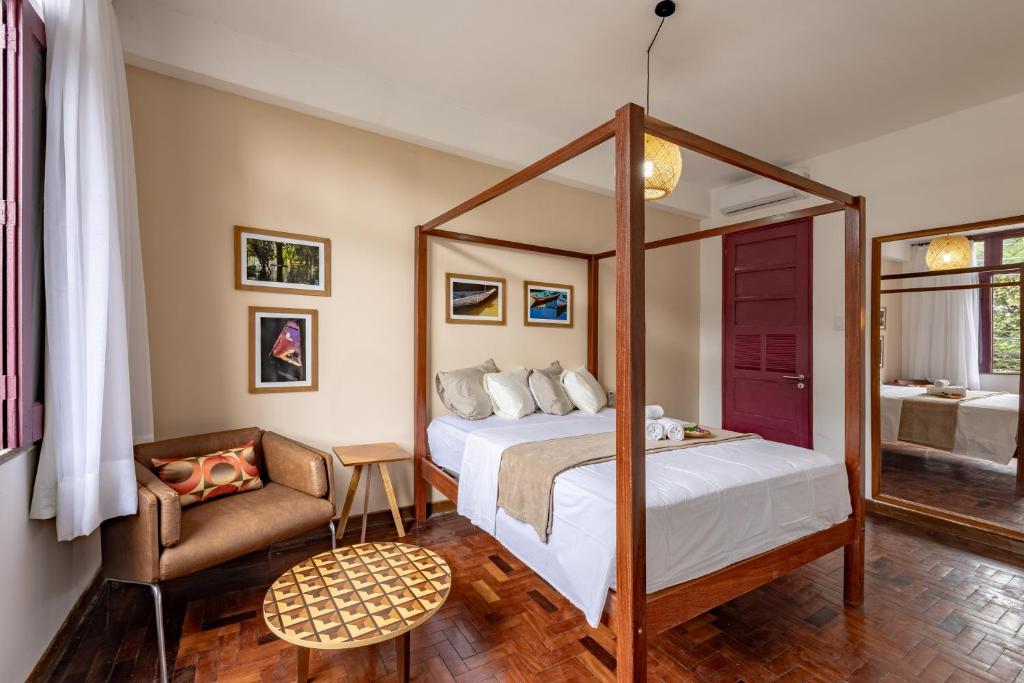
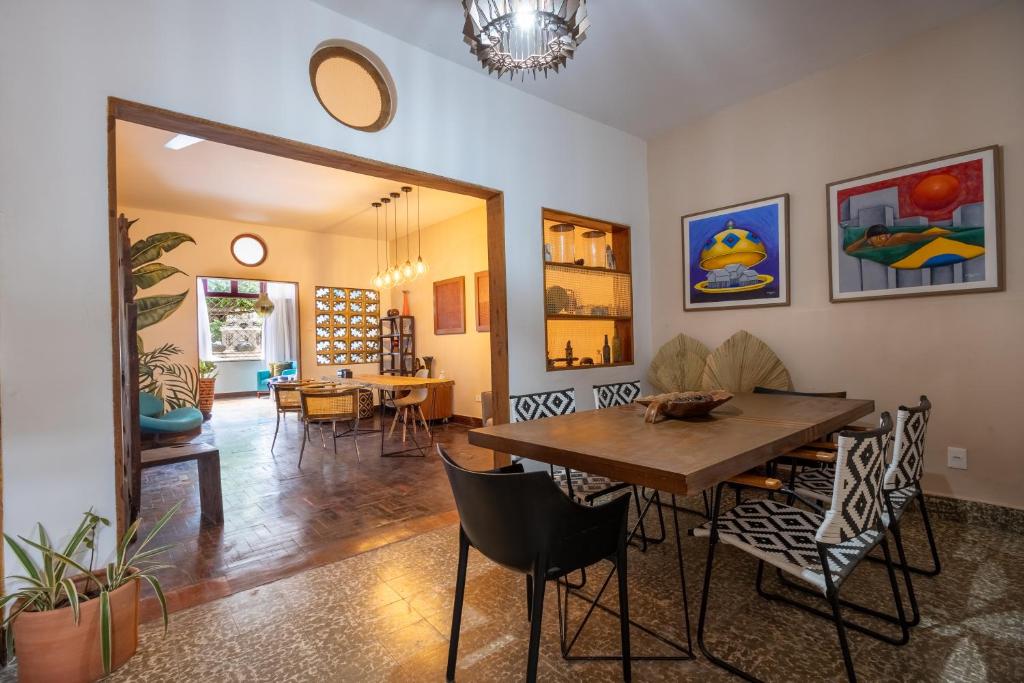
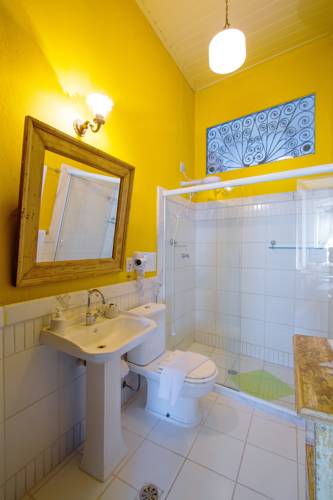
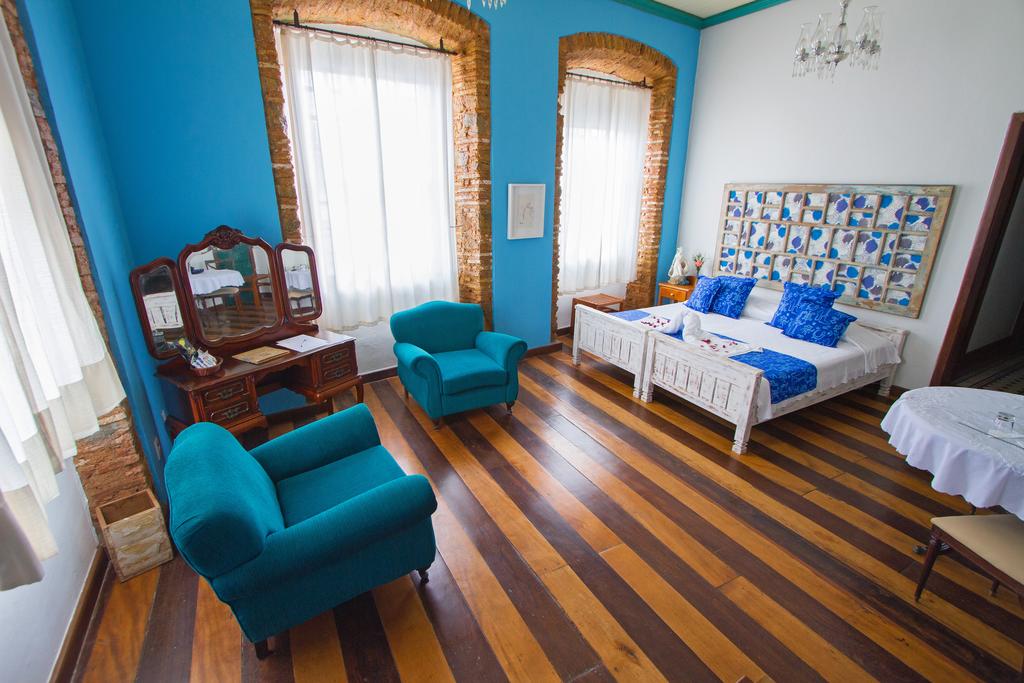
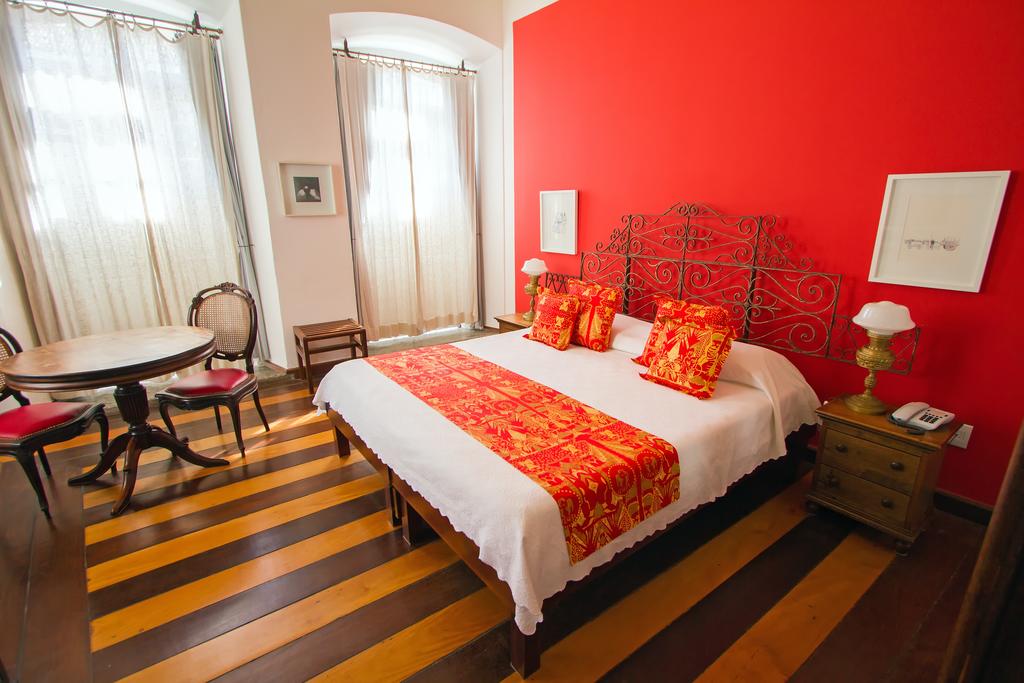
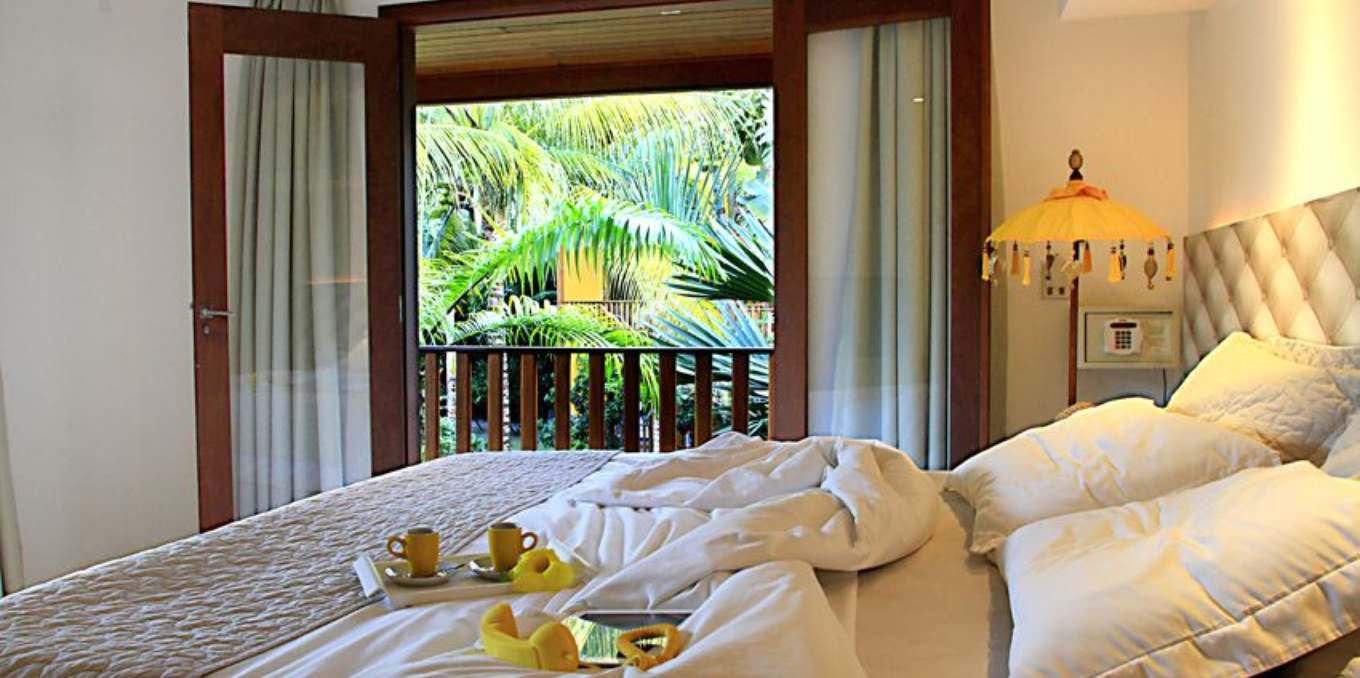
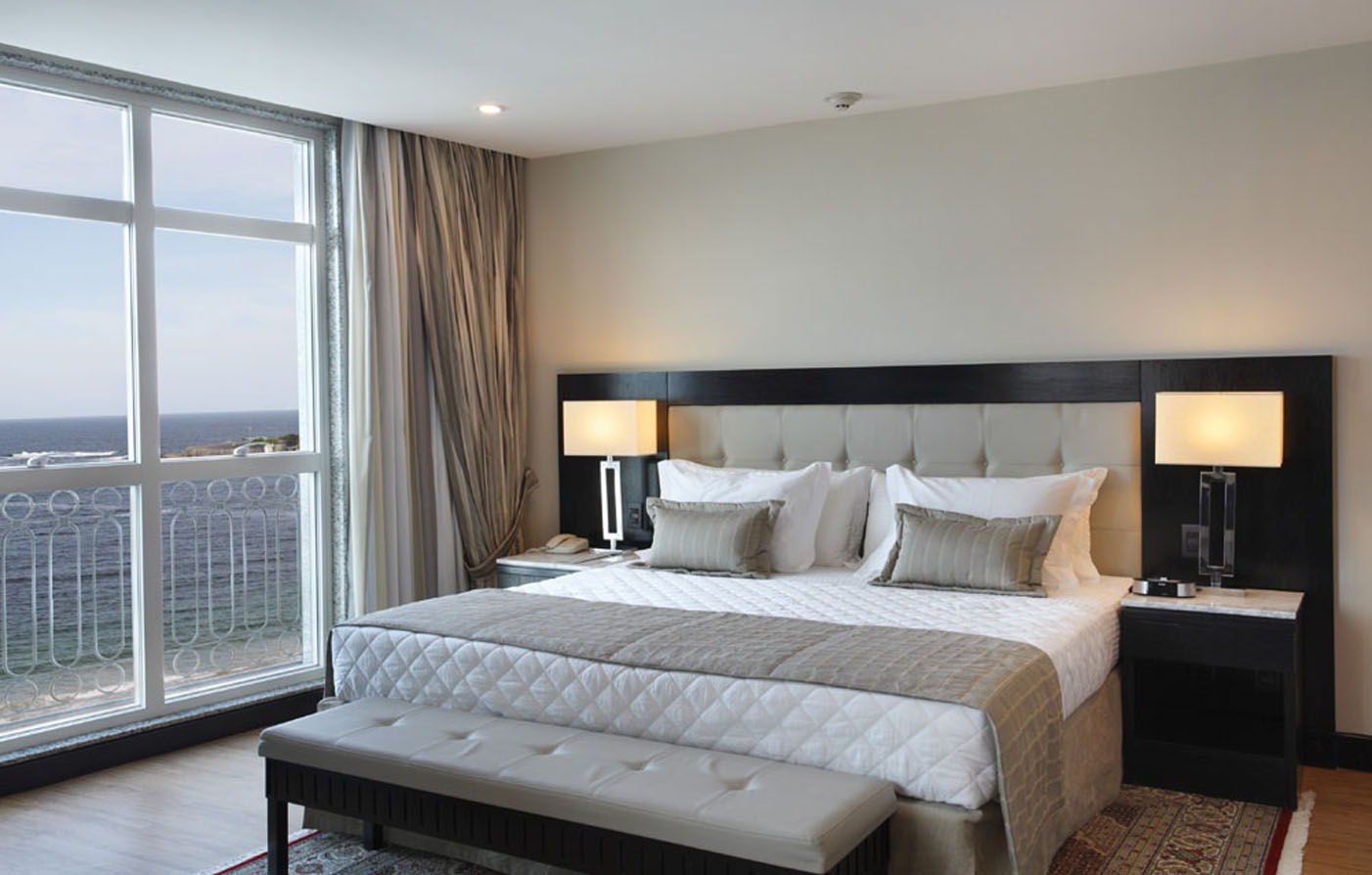
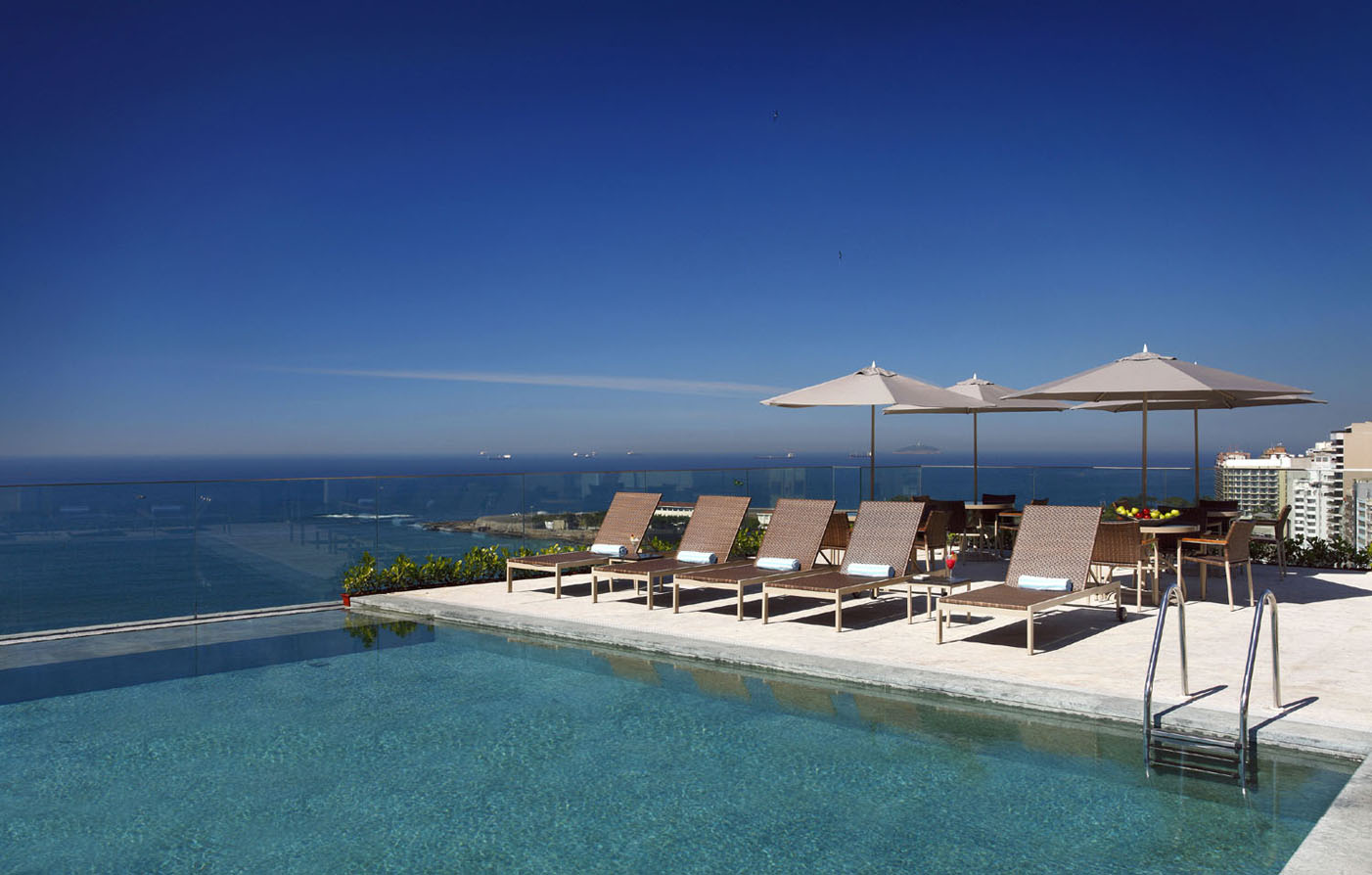
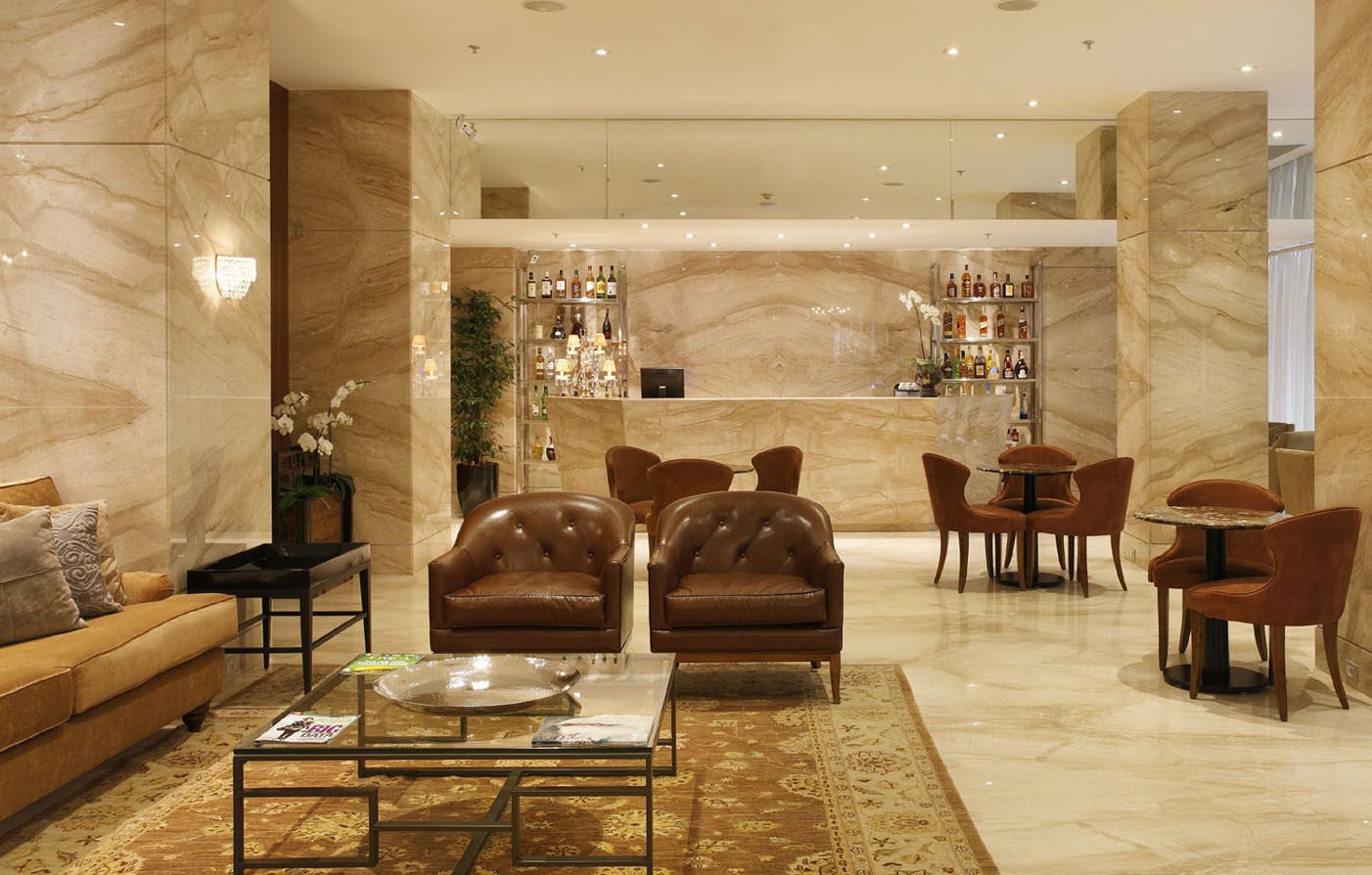
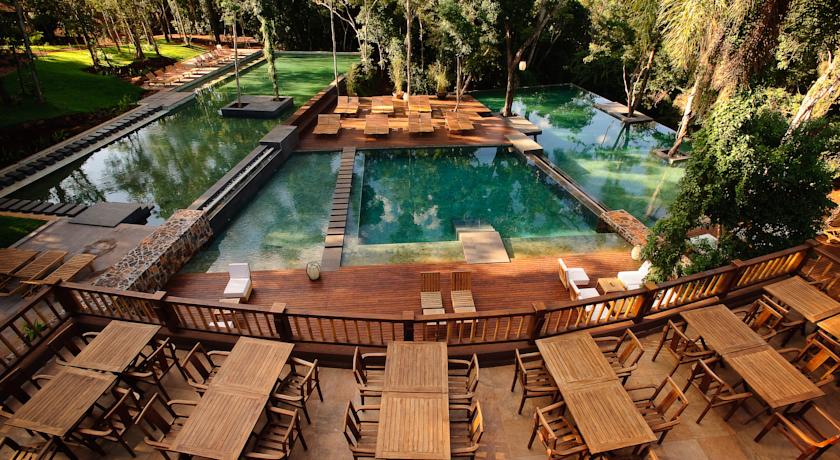
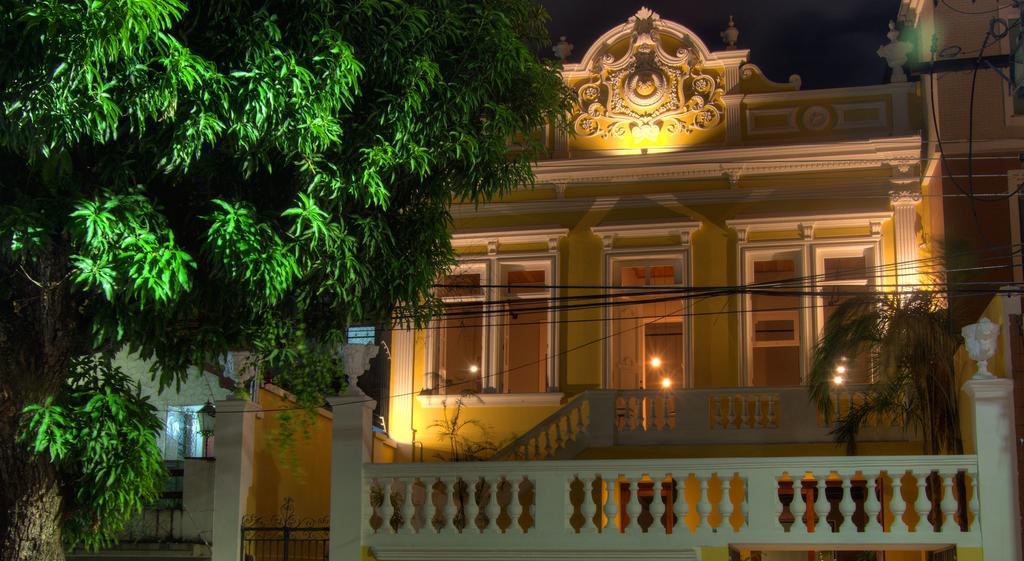
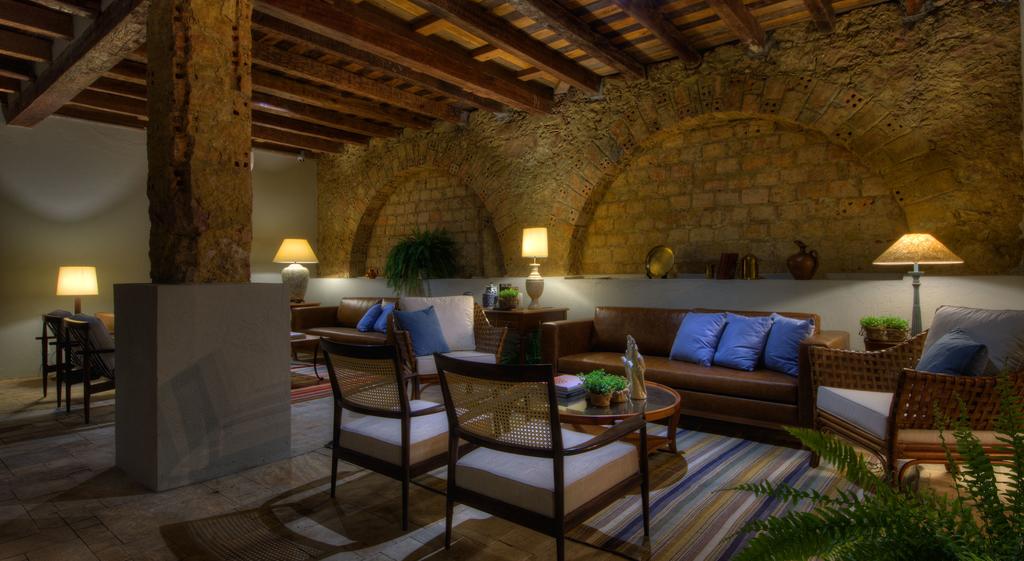
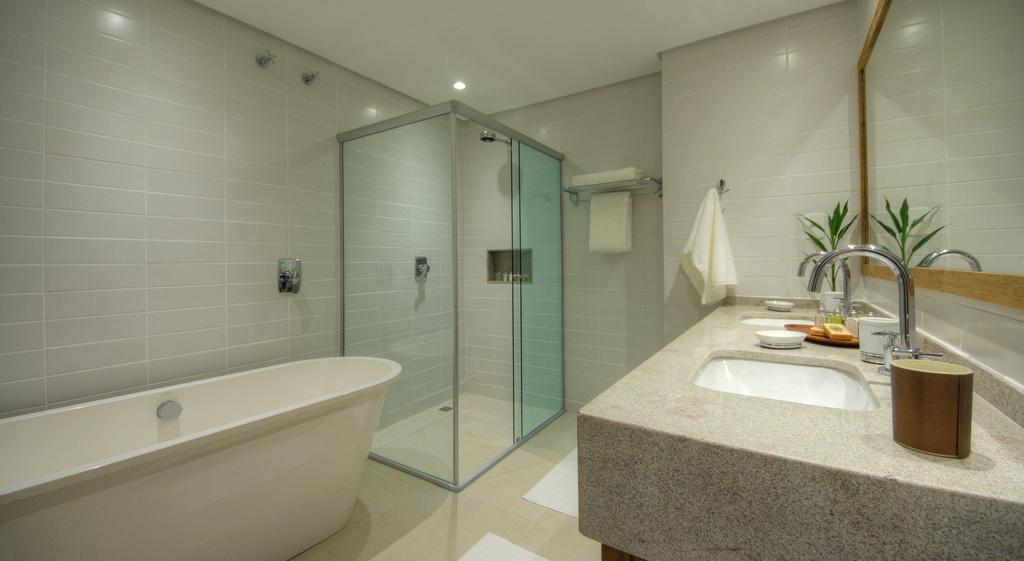
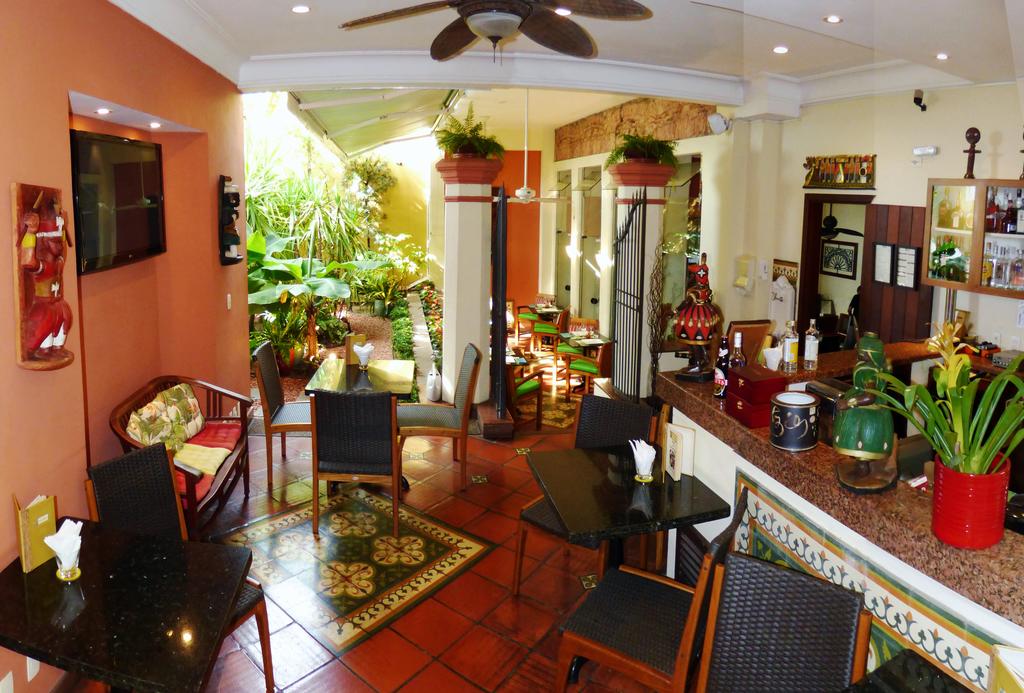
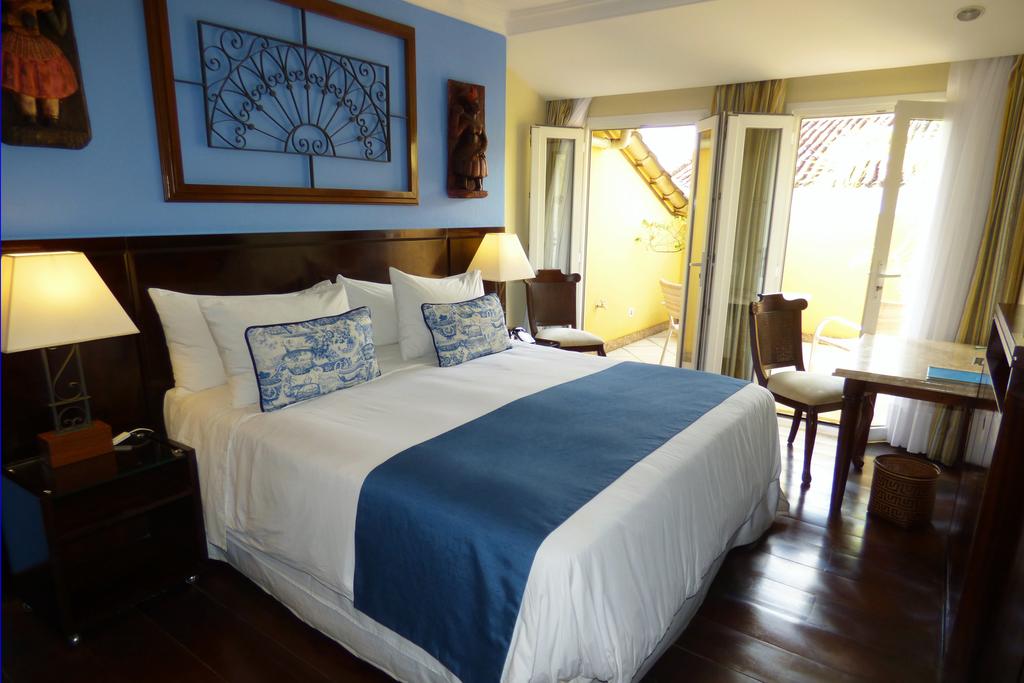
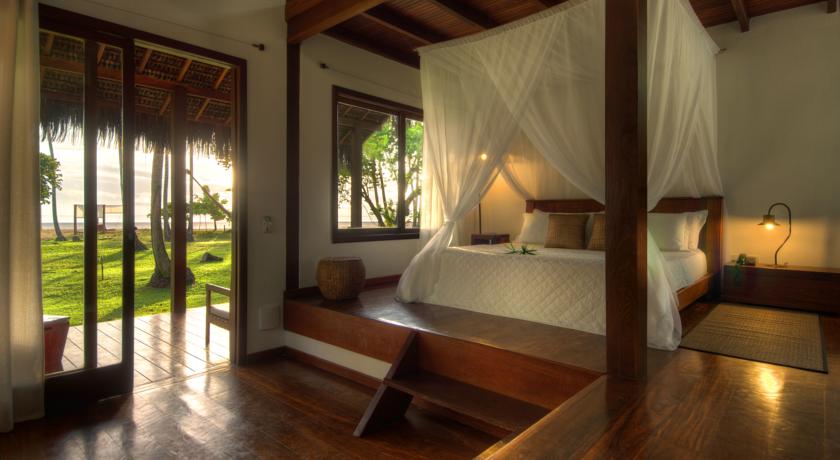
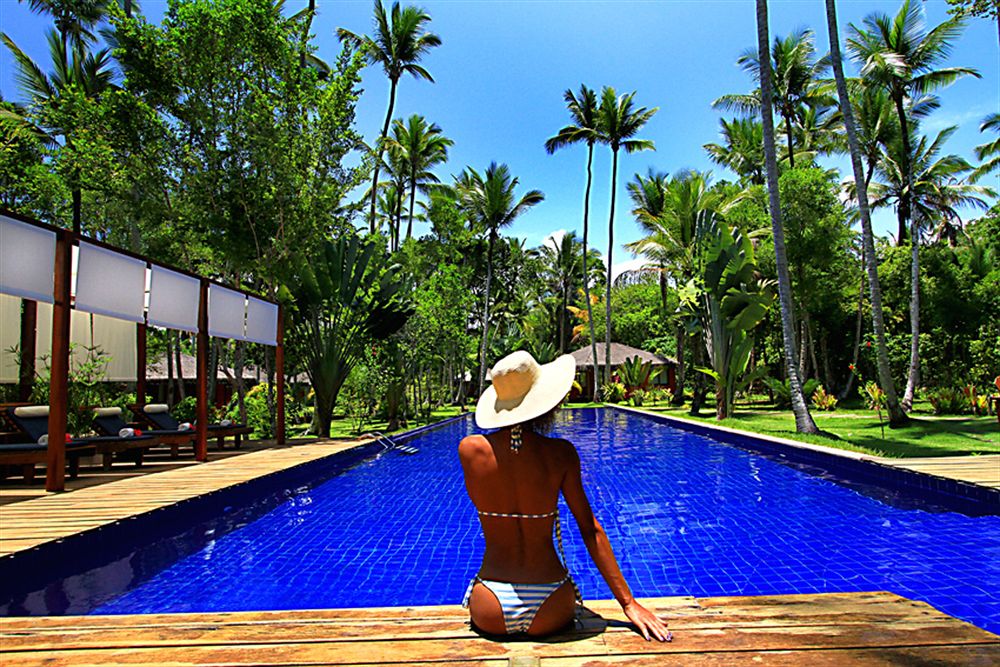
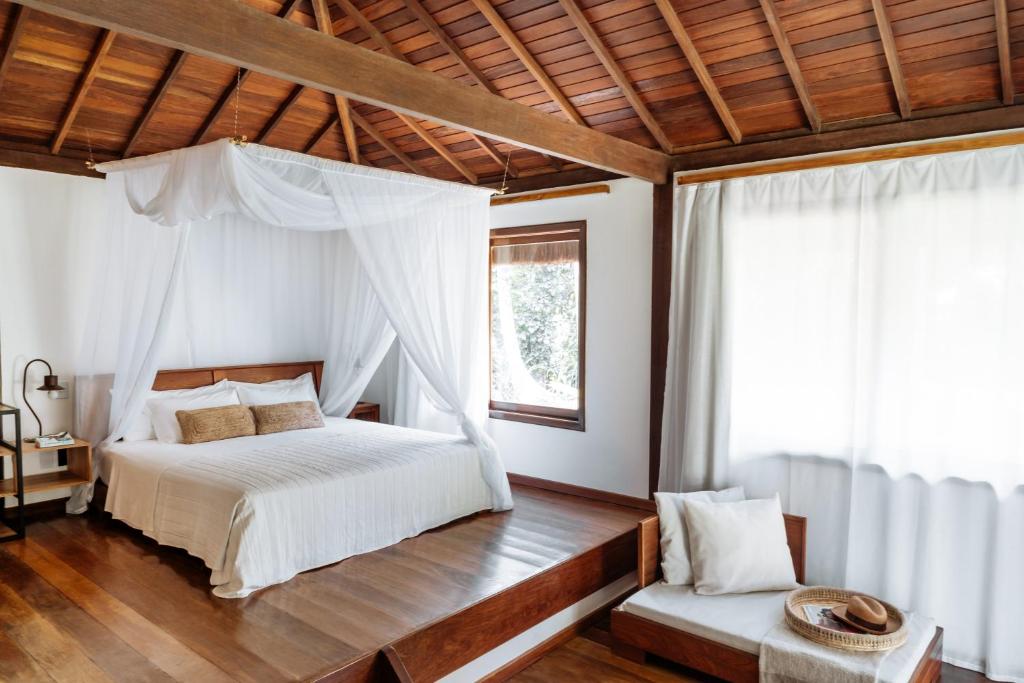
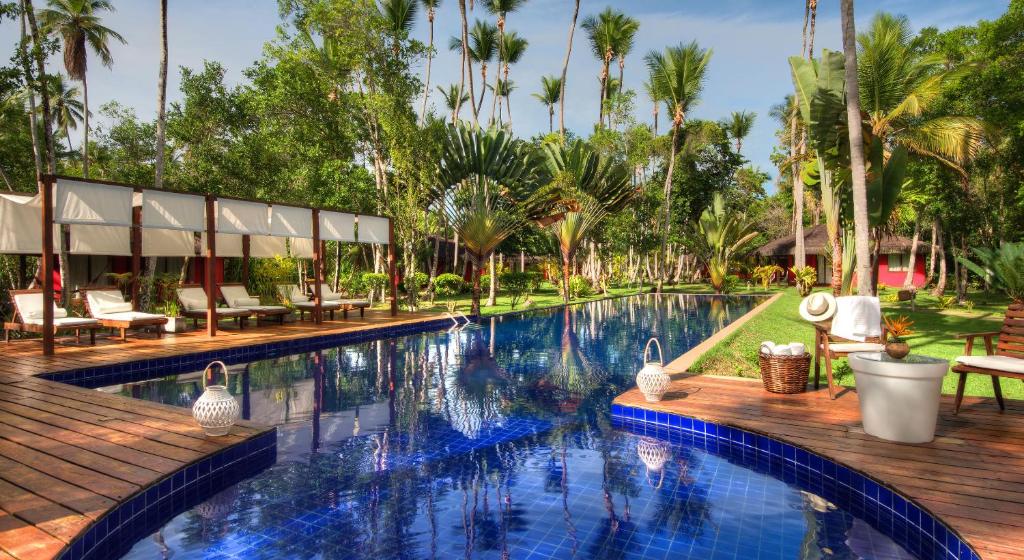
See the hotels tab for the hotel selection. In your personal travel proposal we can also select an accommodation mix, for example tourist class in certain parts of the tour and a more luxurious finish.
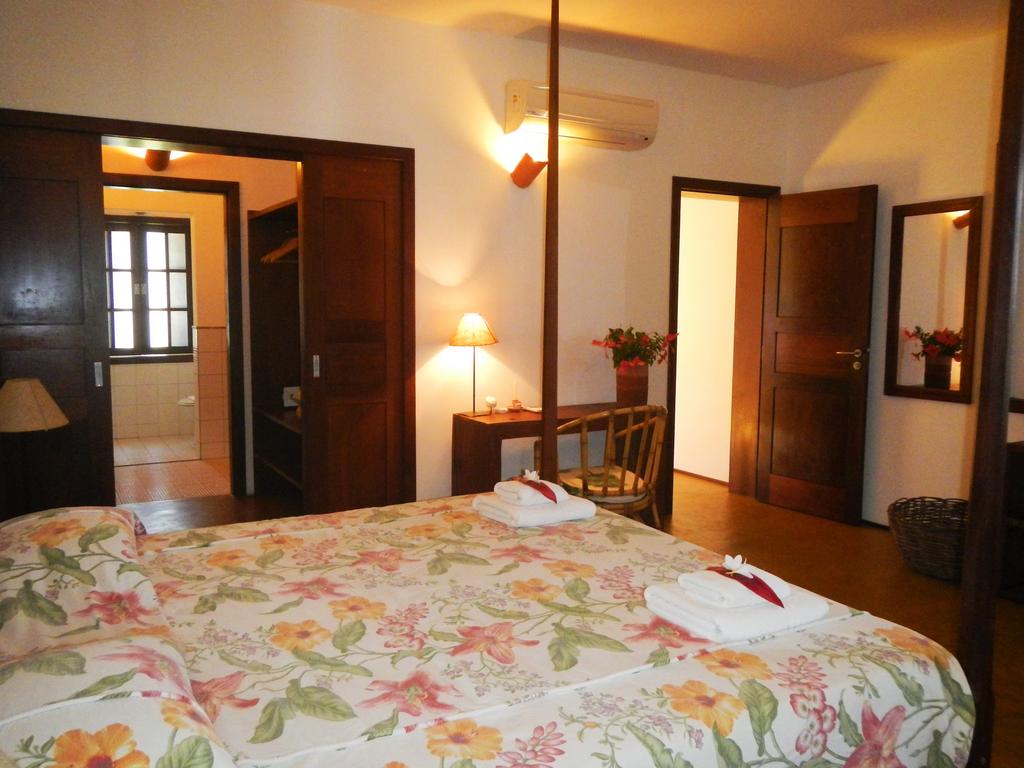
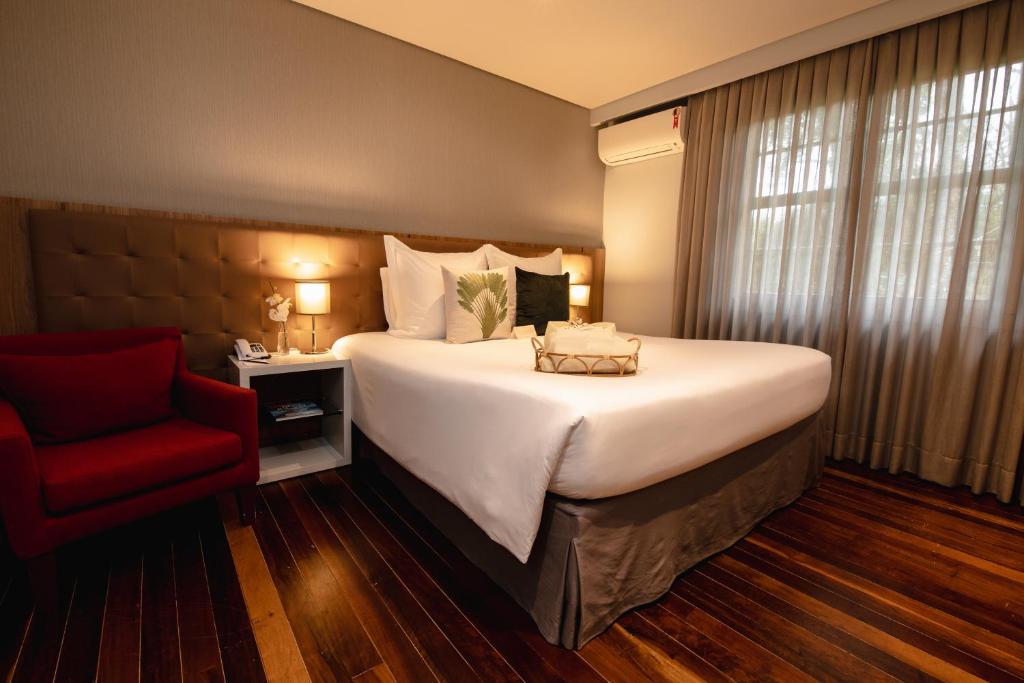
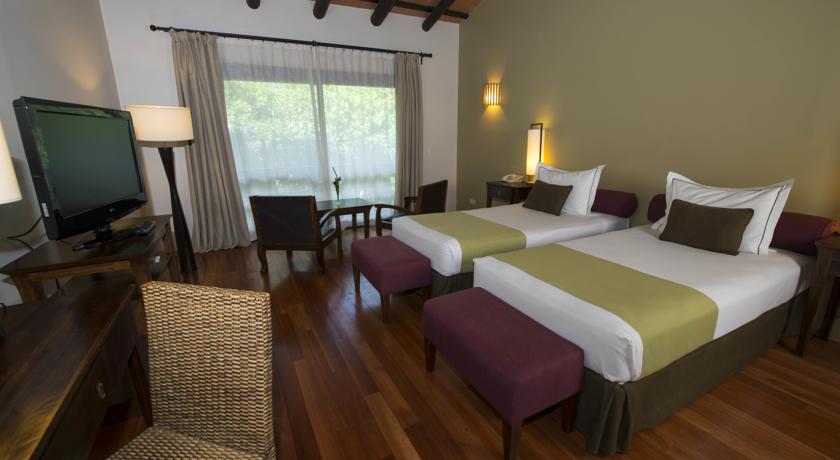
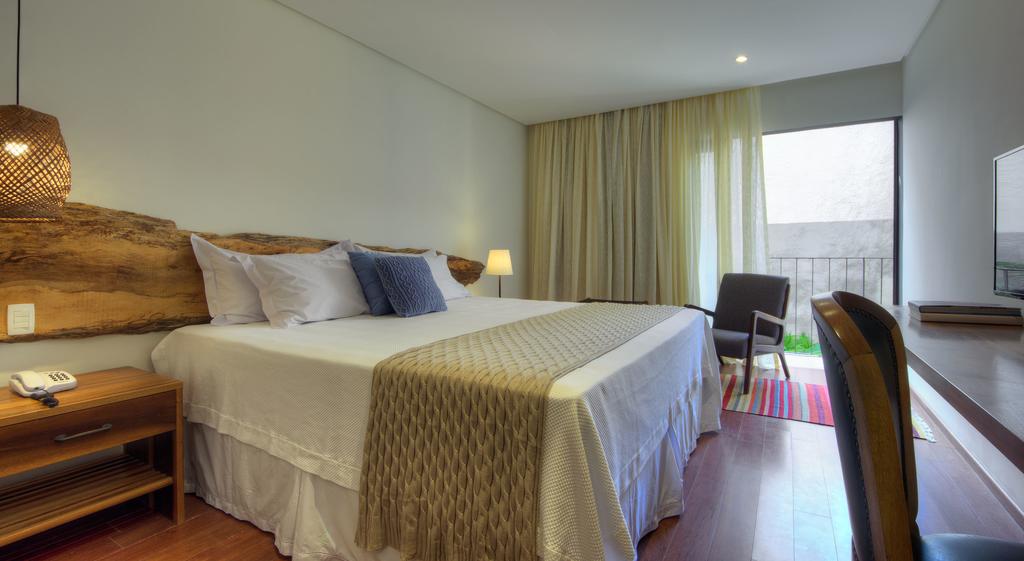
A standard room is included in the hotel of your choice. Upgrades are of course possible, such as an upgrade to a suite, a deluxe room or a family room, for example. The options differ per hotel. Ask us about the upgrade options.
Should a listed accommodation have no availability, we will offer a suitable alternative in the preferred class.
- Meals;
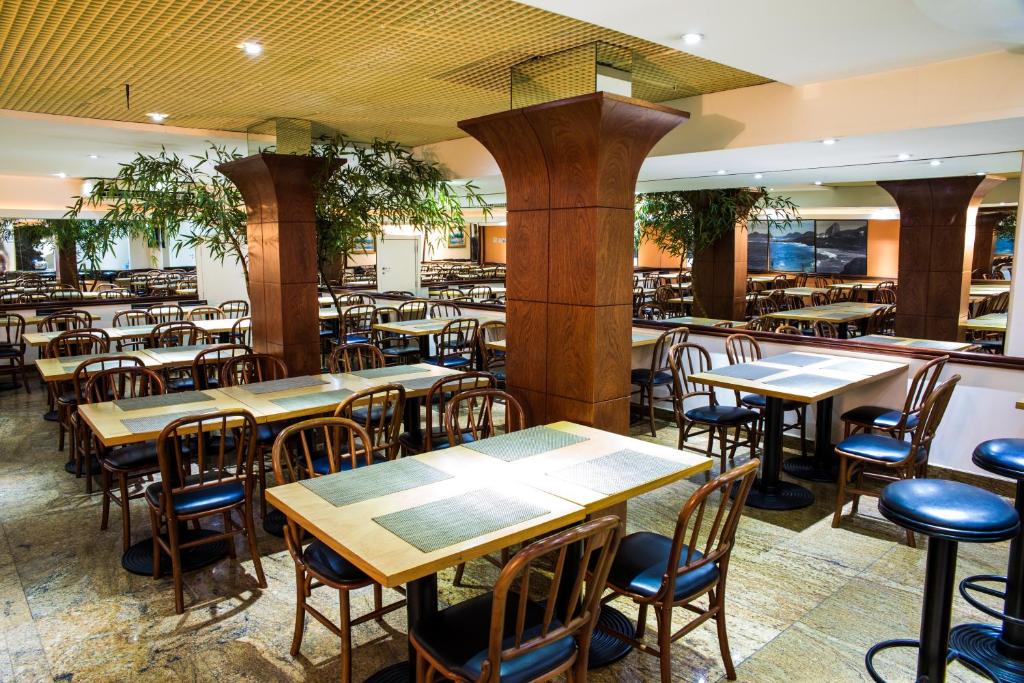
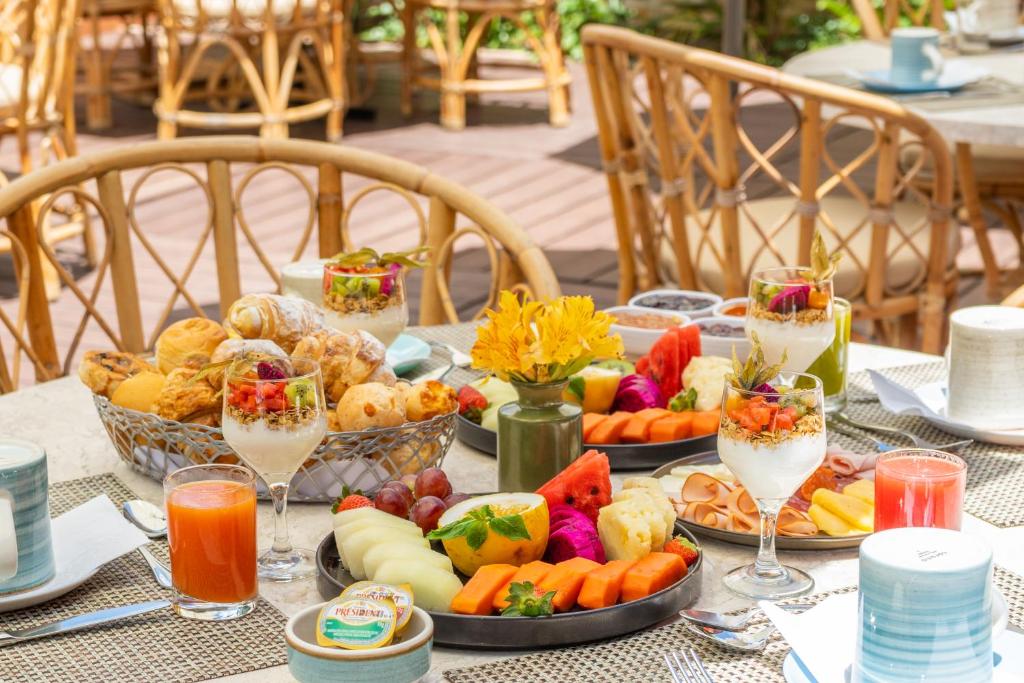
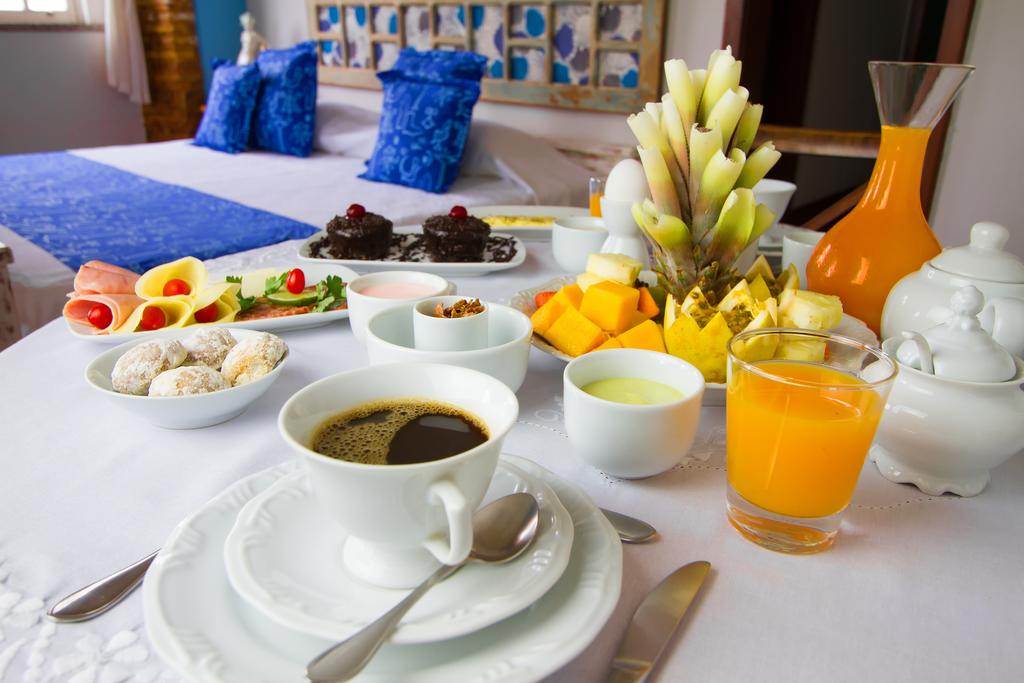
Breakfast is included at all hotels, unless stated otherwise.
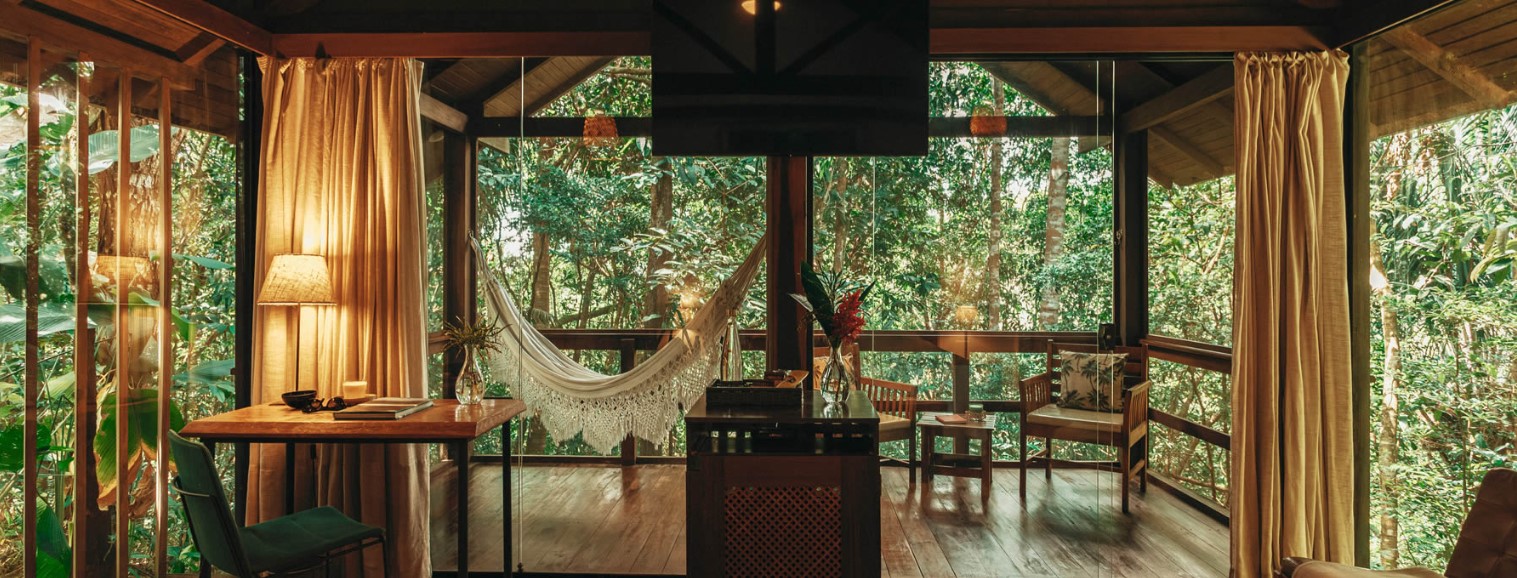
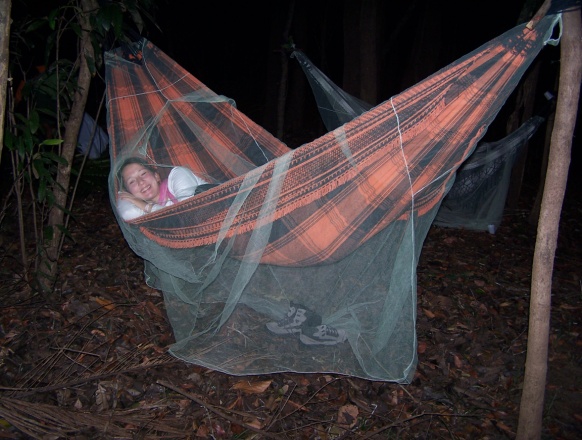
At the Amazon lodge the package is on a full-board basis, so all meals are included there.
- Transport;
Transfers can be offered on a private basis or in the company of other tourists. The description states for each transfer whether it is on a private basis or in the company of other tourists.
- Excursion options;
Excursions can be offered on a private basis or in the company of other tourists. The description states for each excursion whether it is on a private basis or in the company of other tourists. The excursions listed in the description are included in the package. Optional excursions are listed in a separate tab and you can add them to your booking on days when nothing is planned.
- Travel assistance;
During the trip we offer local representation on the spot at each destination in Brazil, whom you can turn to for tips, travel support and optional excursions. This way you enjoy the freedom of travelling independently, but always with support on the spot.
- Guarantees;
Brazil Travel Specialist is a member of VZR Garant, VvKR, DRV and the Calamiteitenfonds. This assures you that BRS meets the strictest standards that can be set for a Dutch travel organisation. VZR Garant protects the prepaid travel funds of travellers who book a trip with a VZR Garant participant. All travel and accommodation agreements are financially covered by VZR Garant, in accordance with the VZR Garant guarantee scheme, https://vzr-garant.nl/reizigers.
- Accommodation;
- Not included:
- Flights;
The flights to and within Brazil are offered by various airlines, as there are several options every day for flying to and within Brazil. We always work with you to find the best-fitting schedule at the most competitive fares on your preferred travel days. This differs per day and per customer, and for this reason the flights are not included in the price of the sample tours on our site.
For this trip we recommend booking an international flight with KLM or TAP. The advantage of TAP is that it flies via Lisbon to both Rio and Salvador. If you book well in advance, flights out to Rio and back from Salvador are available from around 900 euros per person in low season. In the Dutch summer and around the festive season, flights are somewhat more expensive.
For this tour we need to book a domestic flight on the following routes:
Rio de Janeiro - Foz do Iguaçu - Manaus - Salvador. These domestic flights cost between 450 and 550 euros per person, if booked well in advance.
Get in touch with us and we will put together a logistically suitable flight schedule for you.
- Calamiteitenfonds contribution of € 2.50 per booking
- Booking fee of € 15 per person
- VZR Garant contribution of € 7.50 per person
- Flights;
- Price of the trip:
- The price stated for our sample tours is a very good indication. However, it may happen that a particular hotel is not available, so that an alternative is offered at a slightly different price. Or your trip may happen to fall during a public holiday, when hotels charge a different price for that period. So always contact us first, so that we can check availability and calculate the exact price of the trip for you.
- The price is based on 2 people travelling. When more people travel, the price per person drops slightly, because the transfers and excursions are shared with the other travel companions.
- The price stated for our sample tours is a very good indication. However, it may happen that a particular hotel is not available, so that an alternative is offered at a slightly different price. Or your trip may happen to fall during a public holiday, when hotels charge a different price for that period. So always contact us first, so that we can check availability and calculate the exact price of the trip for you.
Day-by-day itinerary
Travel details
1. Rio de Janeiro - Arrival
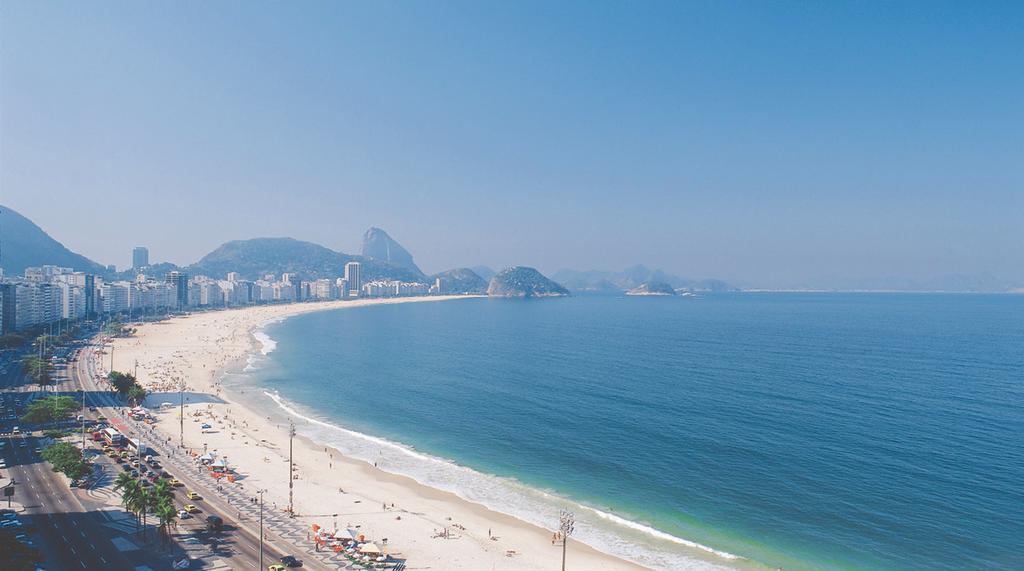
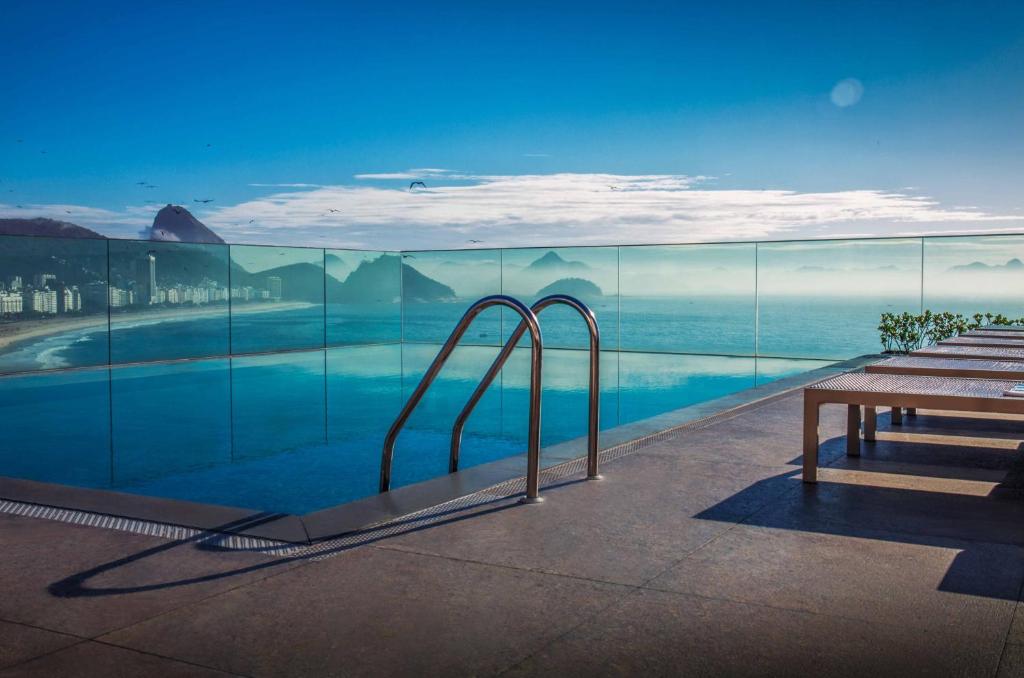
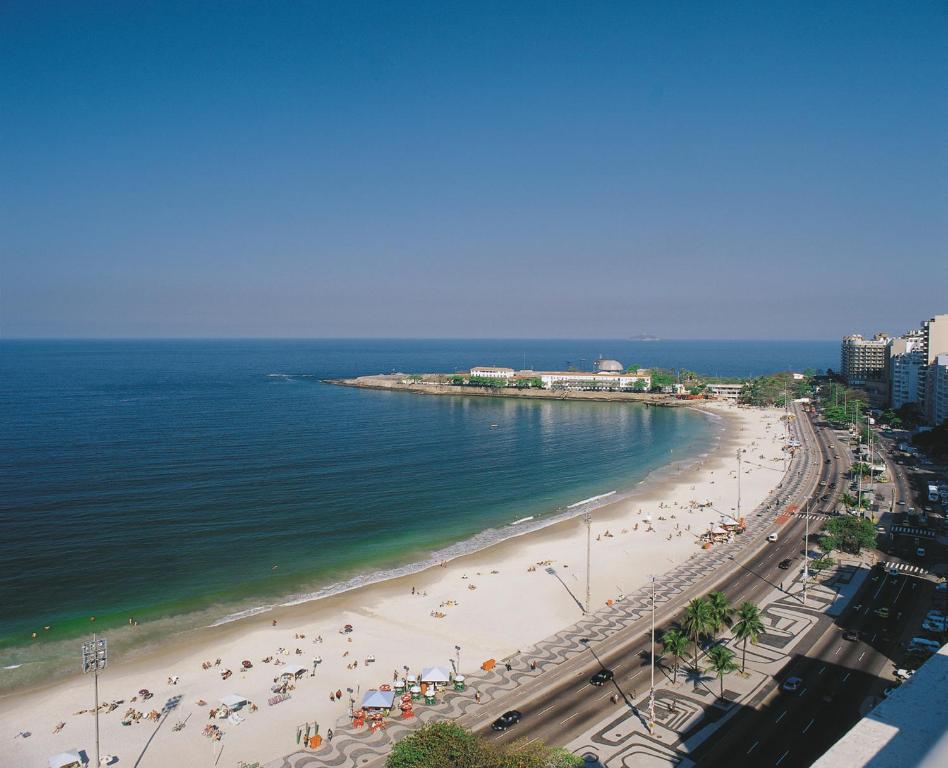
After arriving in Rio de Janeiro, you will be welcomed at the airport and taken by private transfer to your hotel in Rio de Janeiro. The rest of the day is yours to spend as you wish, for example to start discovering vibrant Rio. During the day you can enjoy a lovely stroll along the Copacabana promenade, which stretches for kilometres and is full of charming kiosks where you can drink a delicious Brazilian Caipirinha (Brazilian cocktail).
- See the hotels tab for the accommodation selection during your stay in Rio de Janeiro
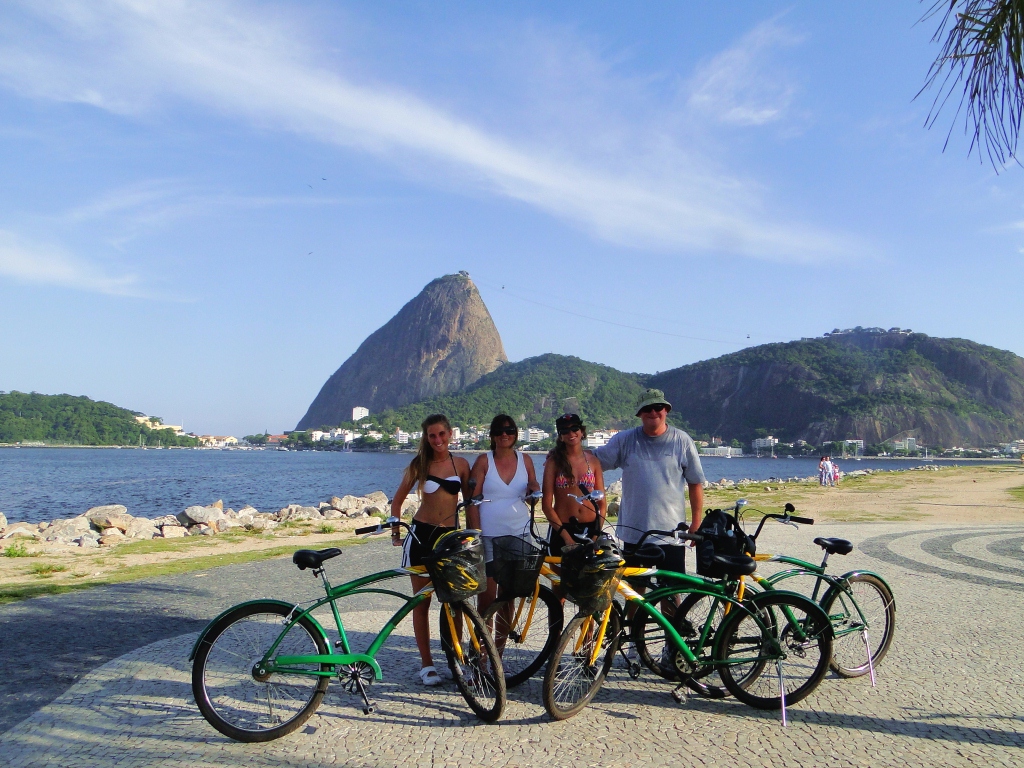
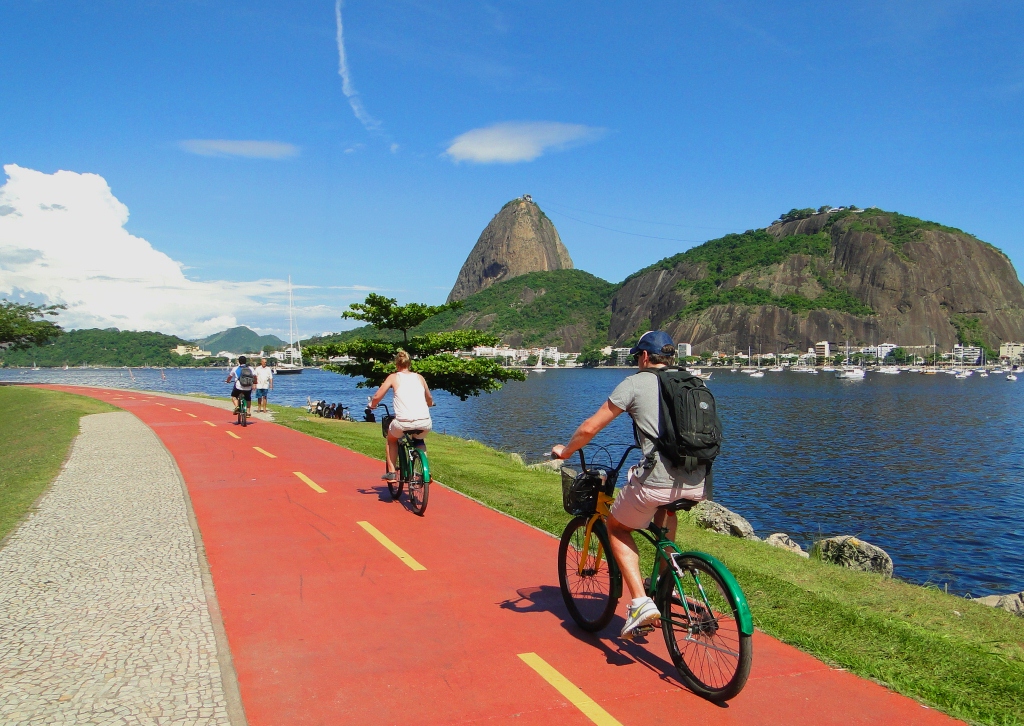
2. Rio de Janeiro - Urban bike tour (SIB) (RIOEX16)
Today the Urban bike tour is on the programme in the morning, in the company of other tourists and with an English-speaking guide. This excursion is perfect as a first introduction to get to know Copacabana and the surrounding neighbourhoods well.
3. Rio de Janeiro - Corcovado excursion (SIB) (RIOEX2)
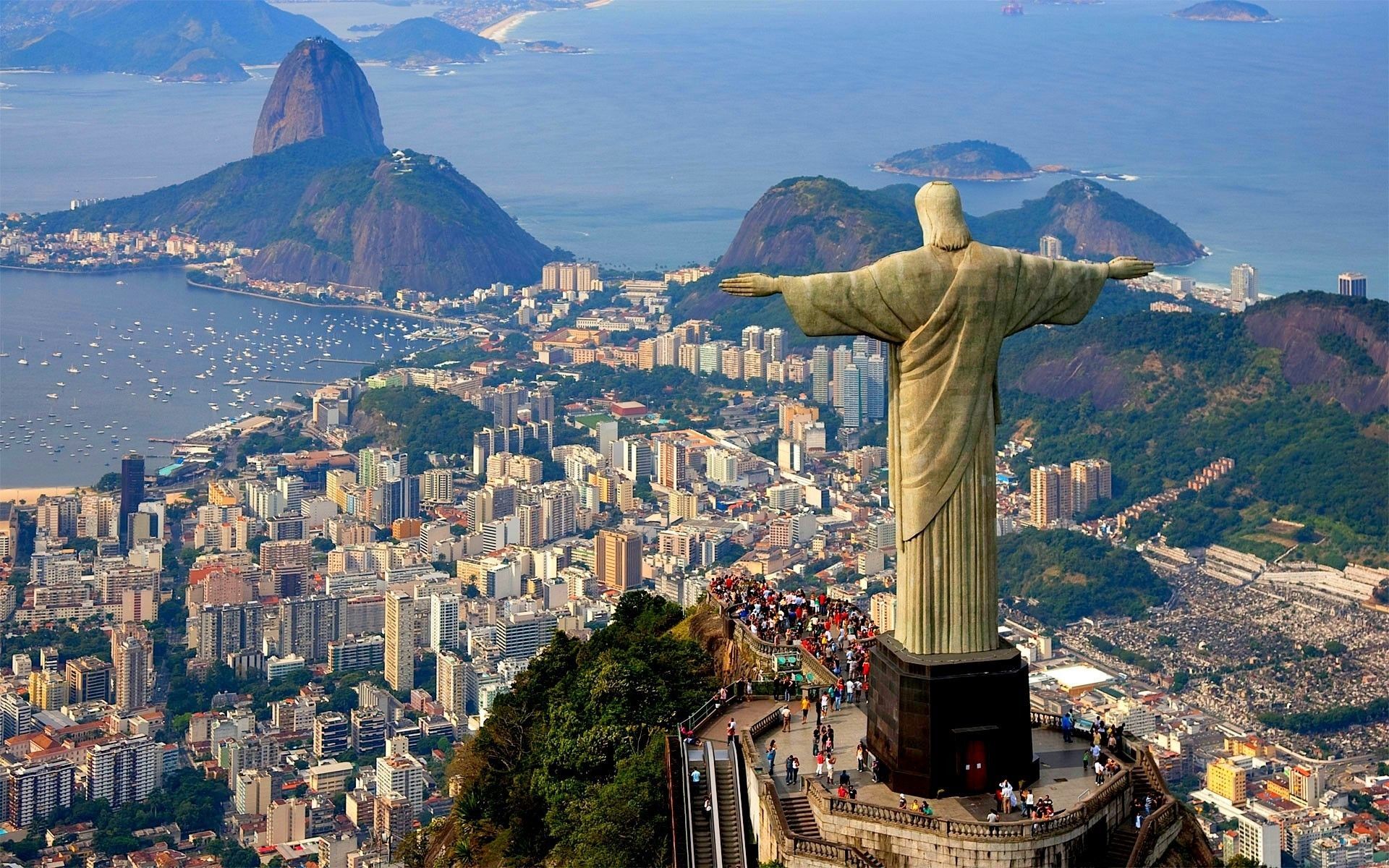
Today's programme features the excursion, in the company of other tourists (duration approx. 4 hours), to Christ the Redeemer on the 710-metre-high Corcovado mountain. This excursion is with an English-speaking guide and you will be picked up from and dropped off at your hotel.
If you would like to book this excursion on a private basis, a supplement applies.
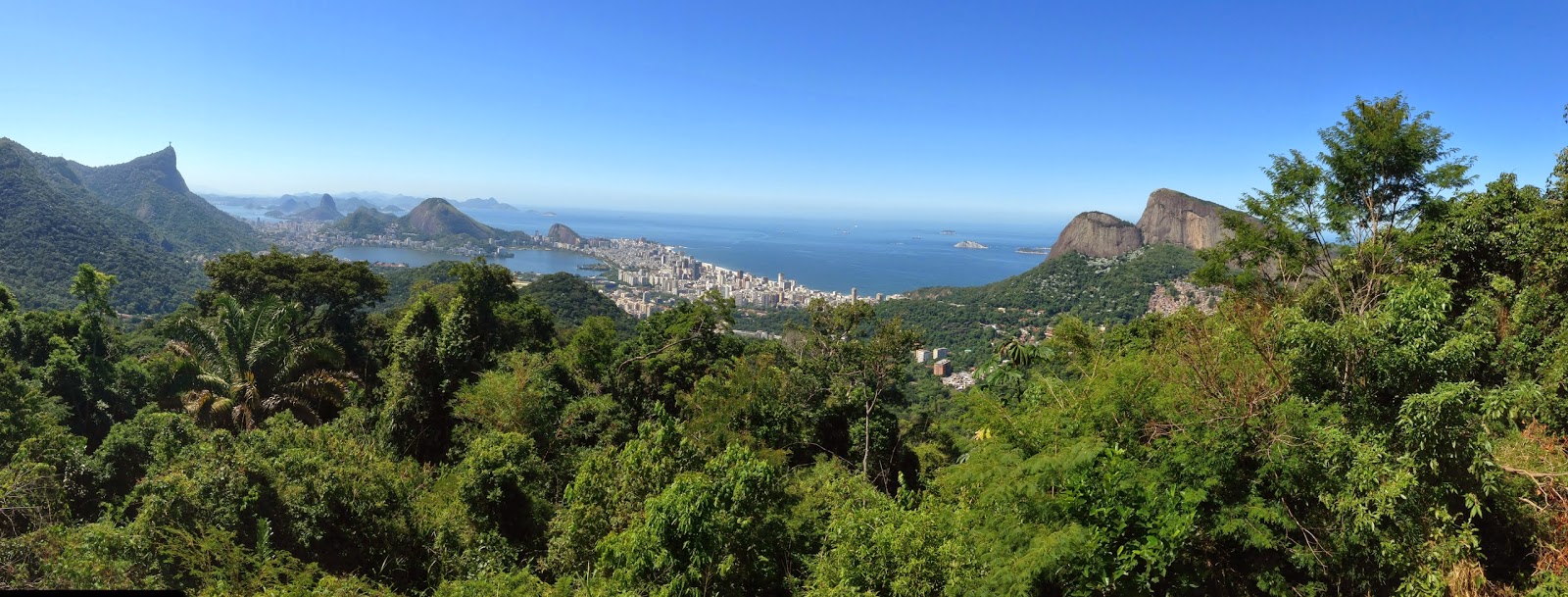
4. Rio de Janeiro - Mangrove and Jungle tour, private (RIOEX9)
Mangrove and Jungle tour:
Rio is fortunate to be set in a magical location, surrounded by mountains, nature and the jungle. On this tour you will discover part of the largest urban forest in the world, the Tijuca National Park. After driving to the start of the trail, we begin a short walk (45 minutes) to the top of Pedra Bonita peak (693m above sea level). This peak has one of the most impressive views over the whole of Rio! After the walk and the drive back down, we continue to the modern beach district of Barra da Tijuca. This area has a very special character, with many lagoons with mangroves and marshland with plenty of fish and animals. To discover this, we use a small boat for a ride between many islands and narrow channels where two native species of animal live, namely the capybara and the broad-snouted caiman. The chance of spotting both is very high, and it is a wonderful experience to see them in their natural habitat in a big city.
Duration 6 hours, starting in the morning.
Included:
- Transport with pick-up and drop-off
- Dutch or English-speaking guide
- Jungle walk to Pedra Bonita peak
- Boat trip at the Barra Lagoons and Mangrove area
- Caiman and Capybara spotting
5. Rio de Janeiro - Foz do Iguaçu
Today the package in Rio de Janeiro comes to an end. You will be picked up from your hotel and taken to the airport by private transfer, followed by the domestic flight to Foz do Iguaçu. After arrival you will be welcomed at the airport and taken to your hotel by private transfer. The rest of the day is yours to spend as you wish.
- See the hotels tab for the accommodation selection during your stay in Foz do Iguaçu
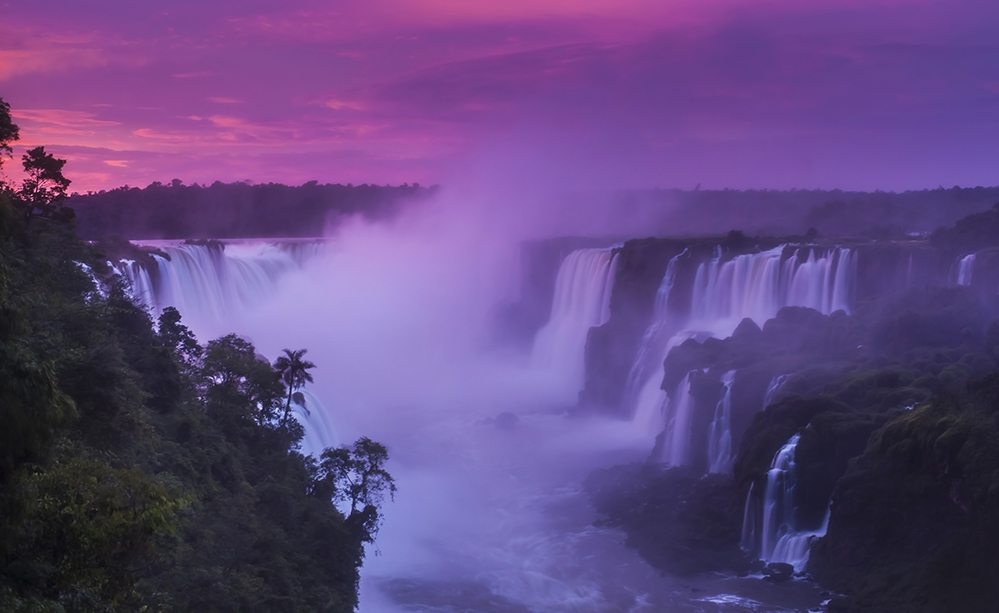
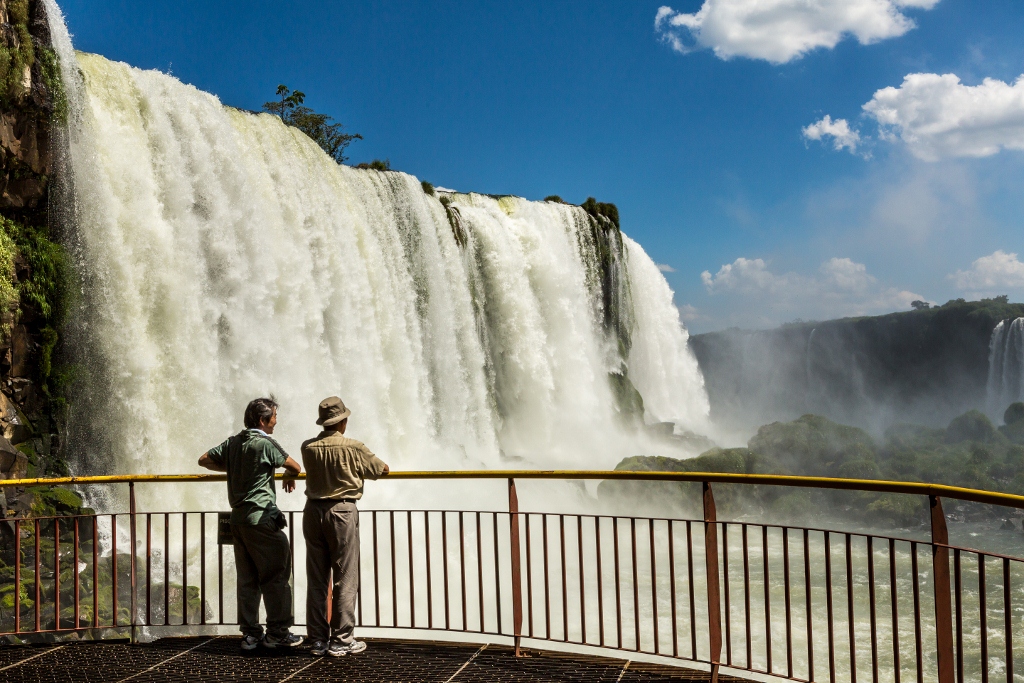
6. Foz do Iguaçu - Excursion to the Brazilian side of the falls (private) (IGUEX1)
Today a 3-hour private excursion to the Brazilian side of the falls is on the programme. You will be picked up from and dropped off at your hotel for this.
7. Foz do Iguaçu - Excursion to the Argentinian side of the falls (private) (IGUEX3)
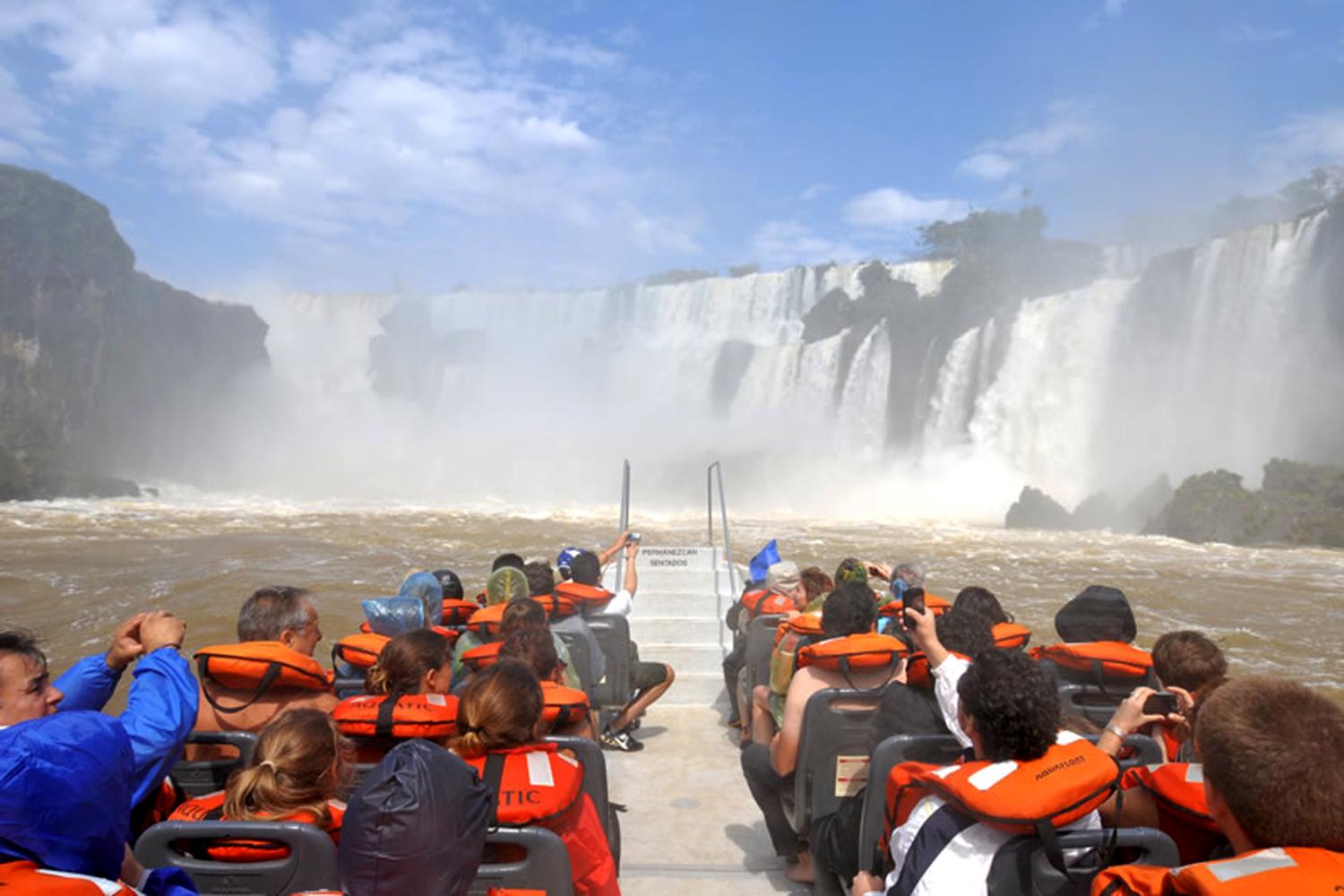
Today a half-day private excursion to the Argentinian side of the falls is on the programme. You will be picked up from and dropped off at your hotel for this. During the visit to the Argentinian side of the falls, it is possible to add a fantastic jungle and waterfall boat excursion to your booking, the Gran Aventura Boat tour.
8. Foz do Iguaçu - Manaus
Today the Foz do Iguaçu package comes to an end. You will be picked up from your hotel and taken to the airport by private transfer, followed by the domestic flight to Manaus, with a change of planes on the way. After arriving at the airport, you will be welcomed and taken to your hotel by private transfer. The rest of the day is free for you to spend as you like.
- See the hotels tab for the hotel selection during your stay in Manaus
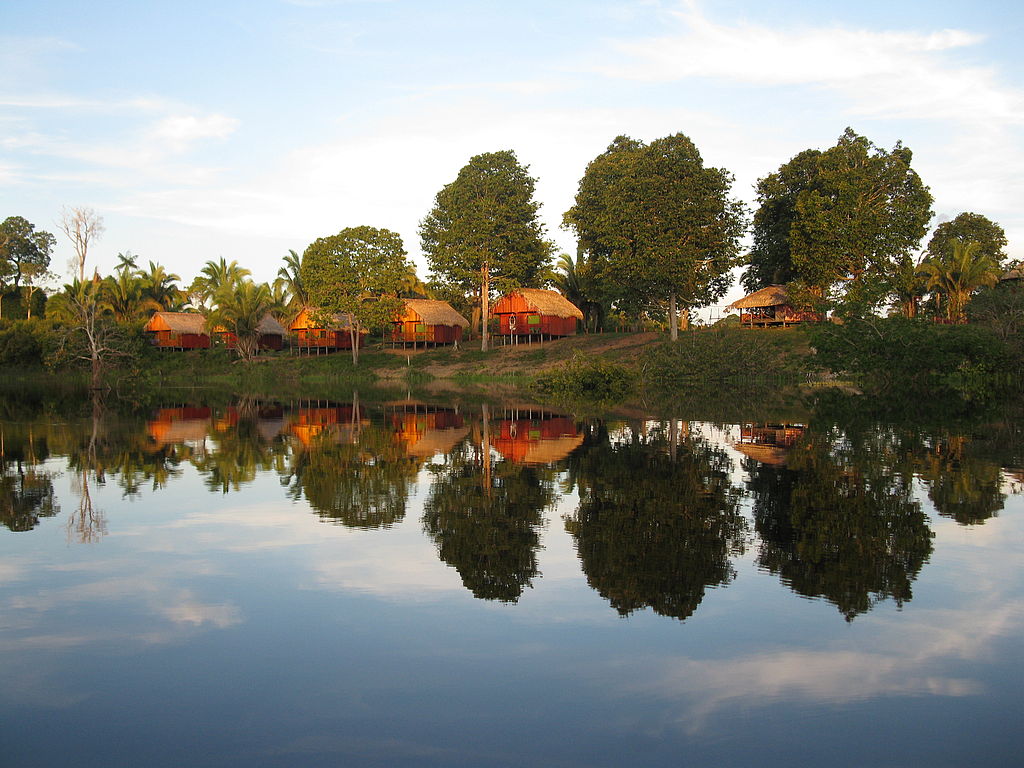
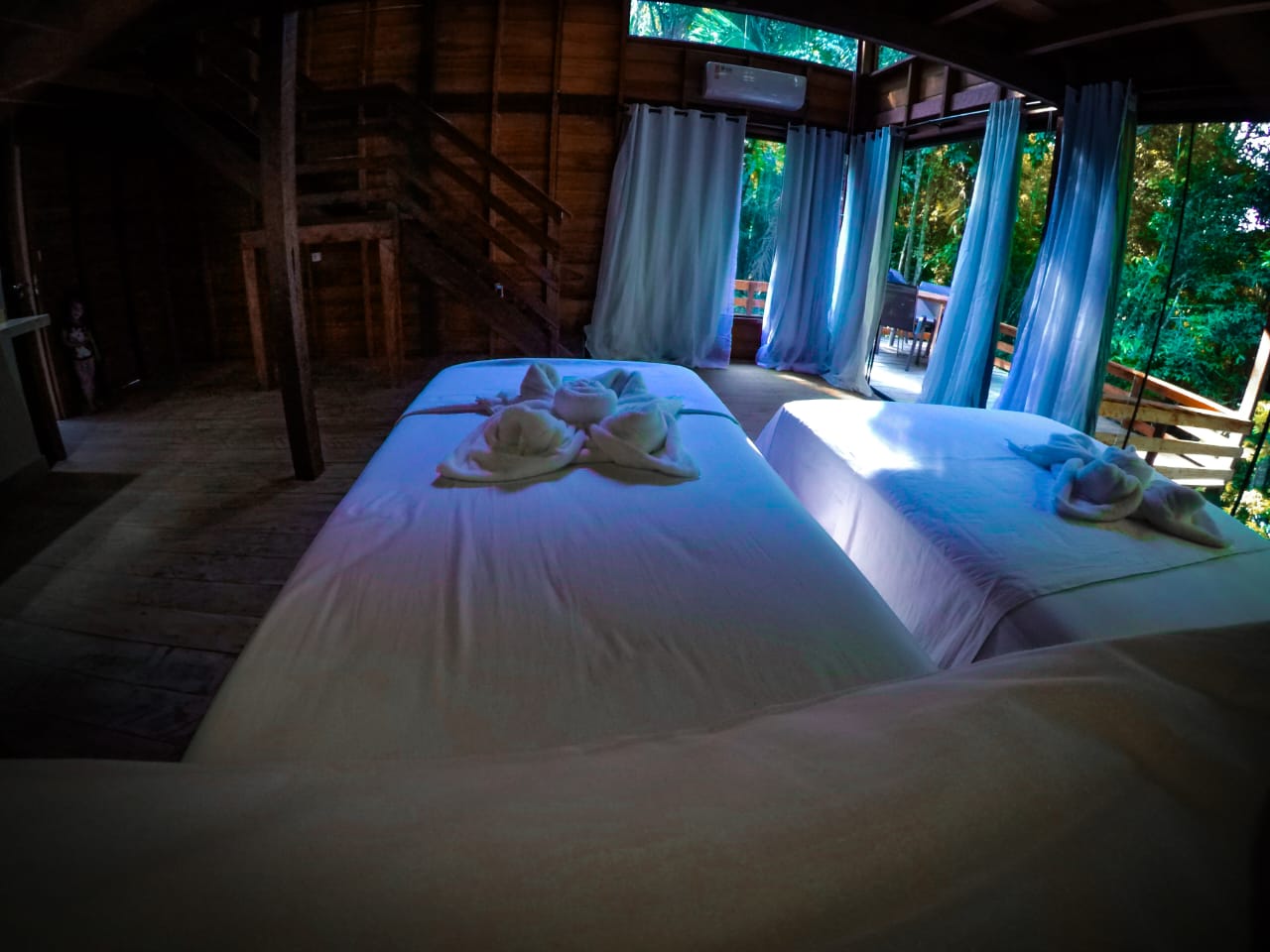
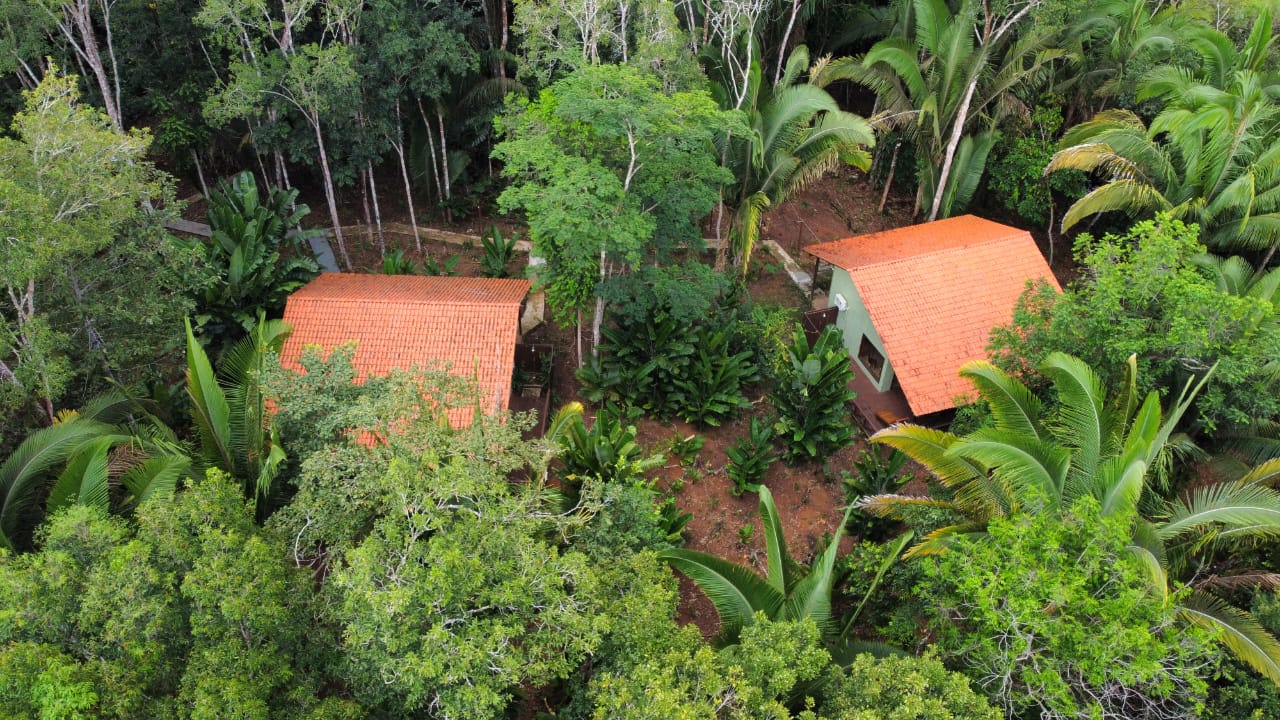
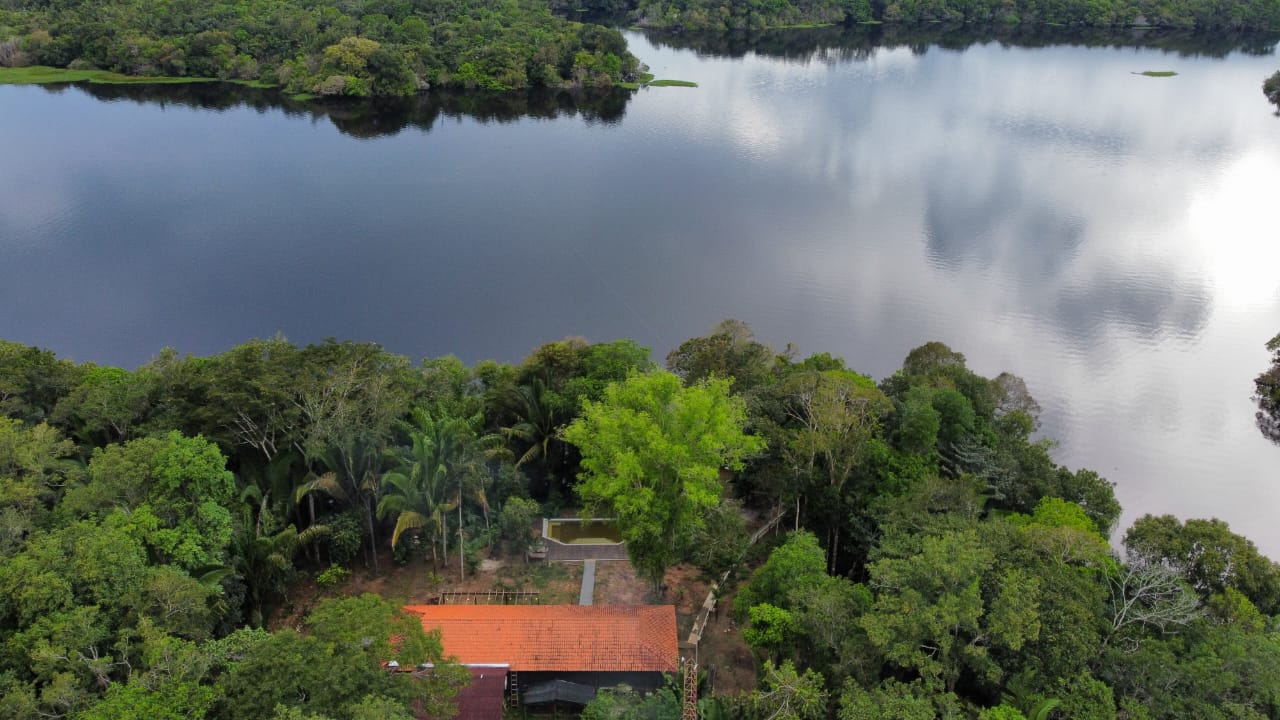
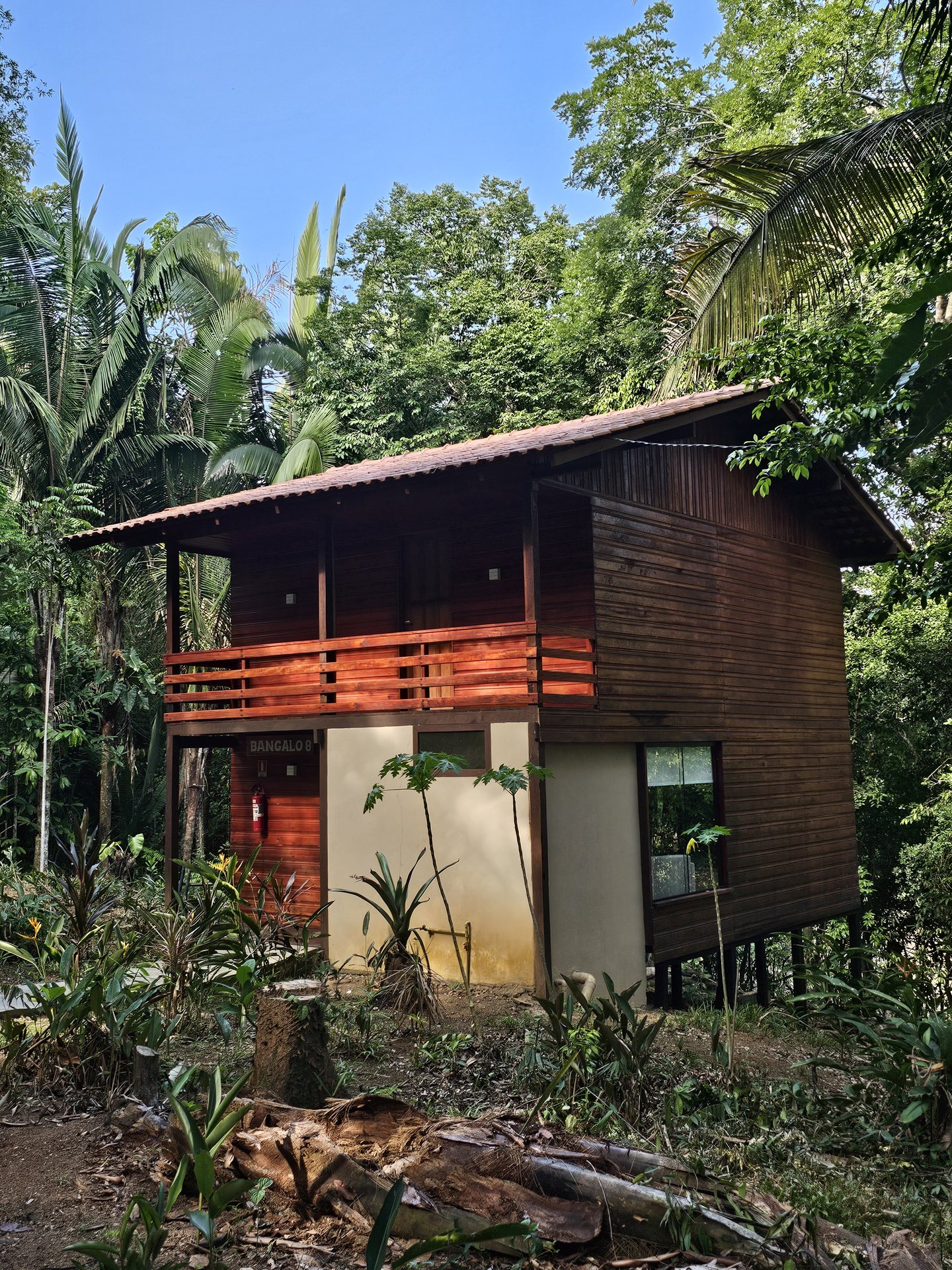
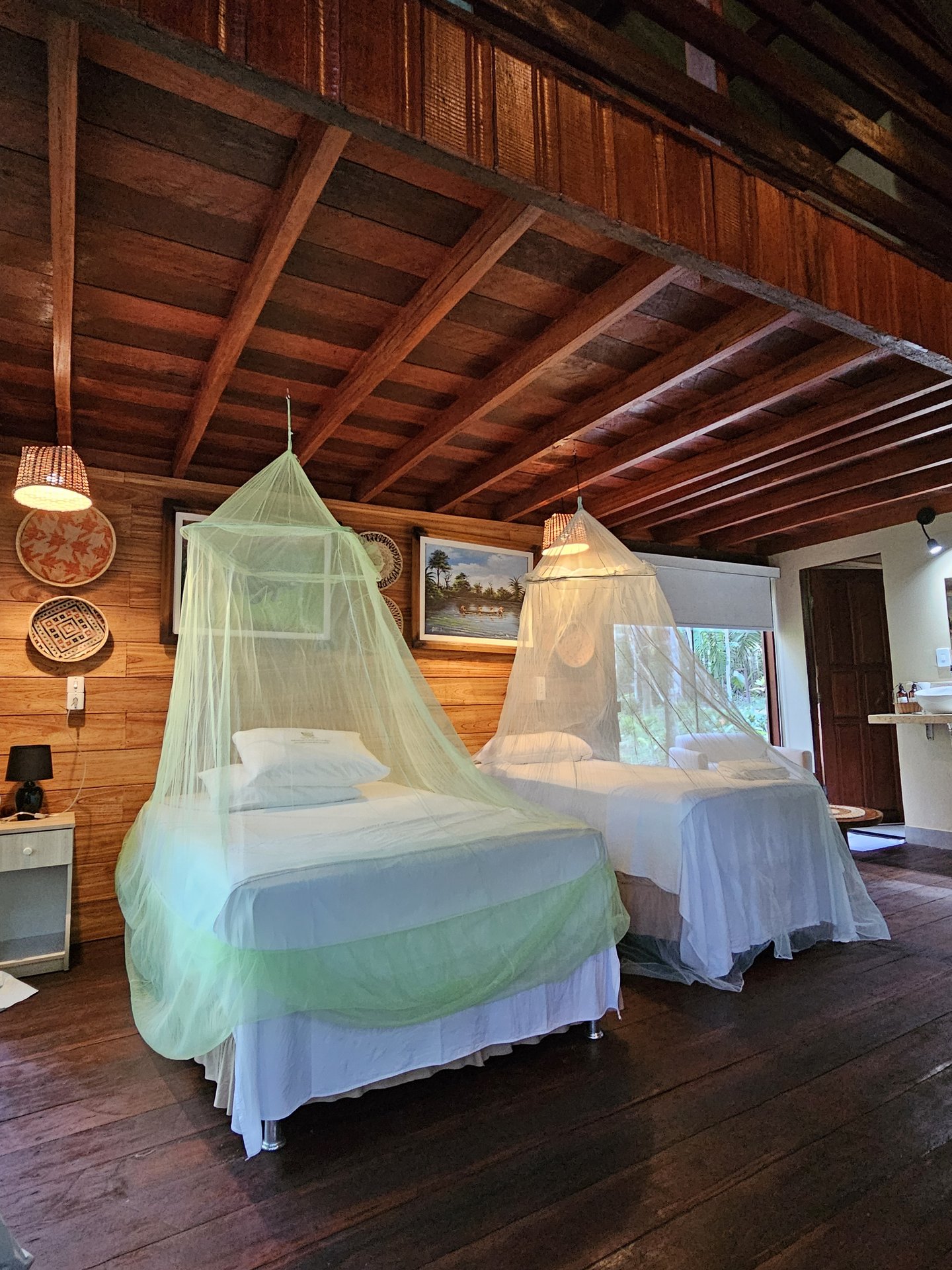
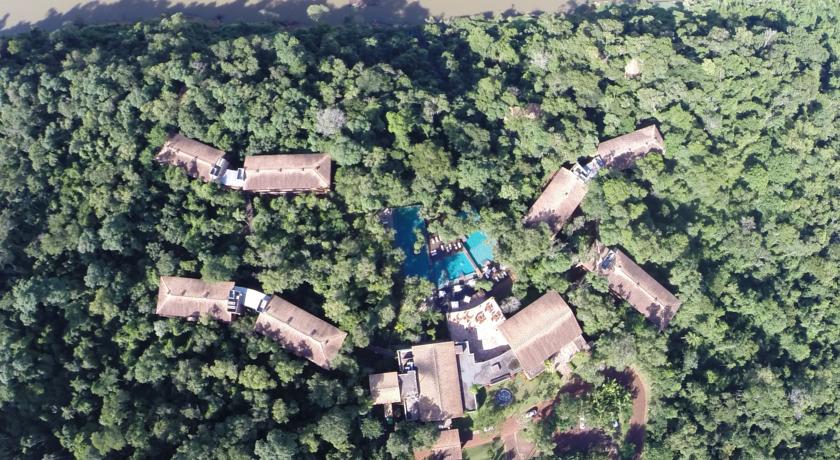
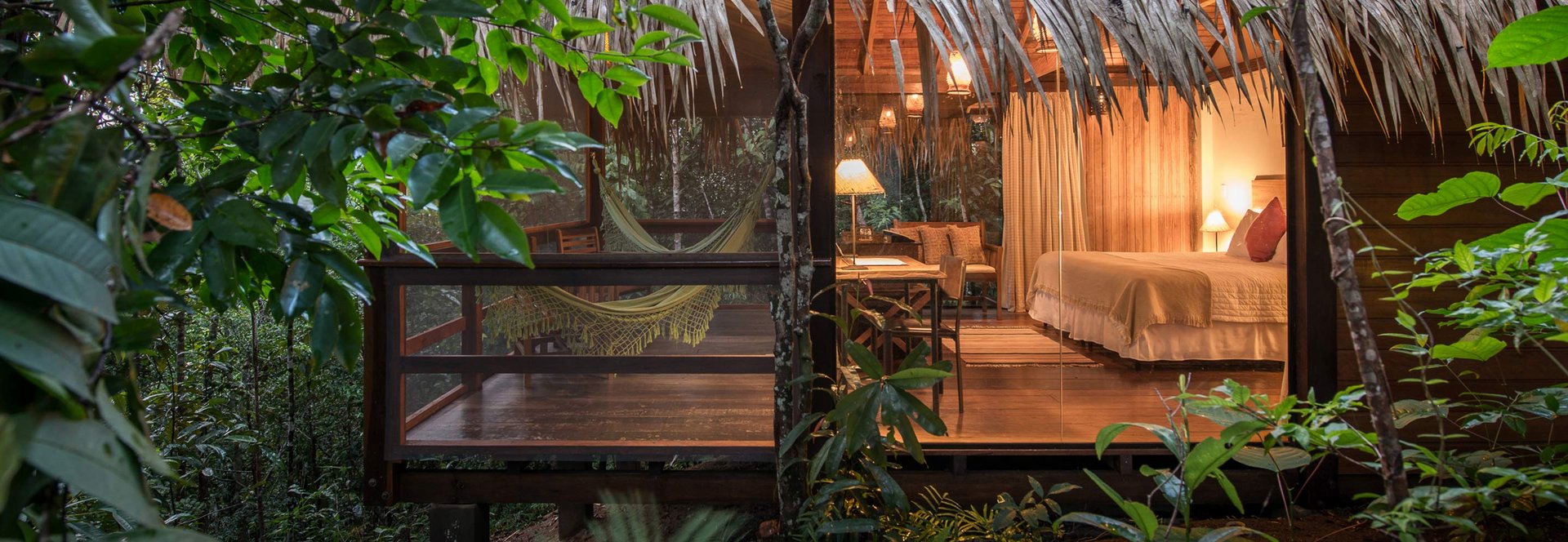
9. Amazon Rainforest - Amazon Turtle Lodge (Start of package)
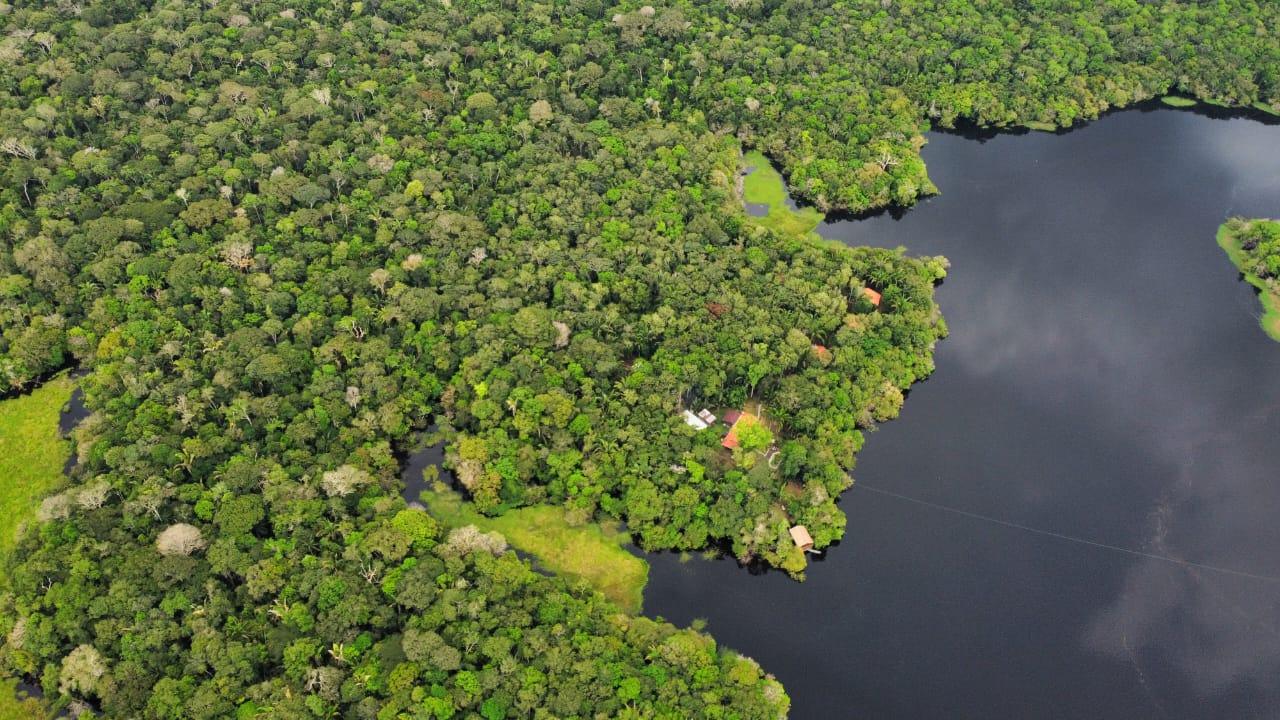
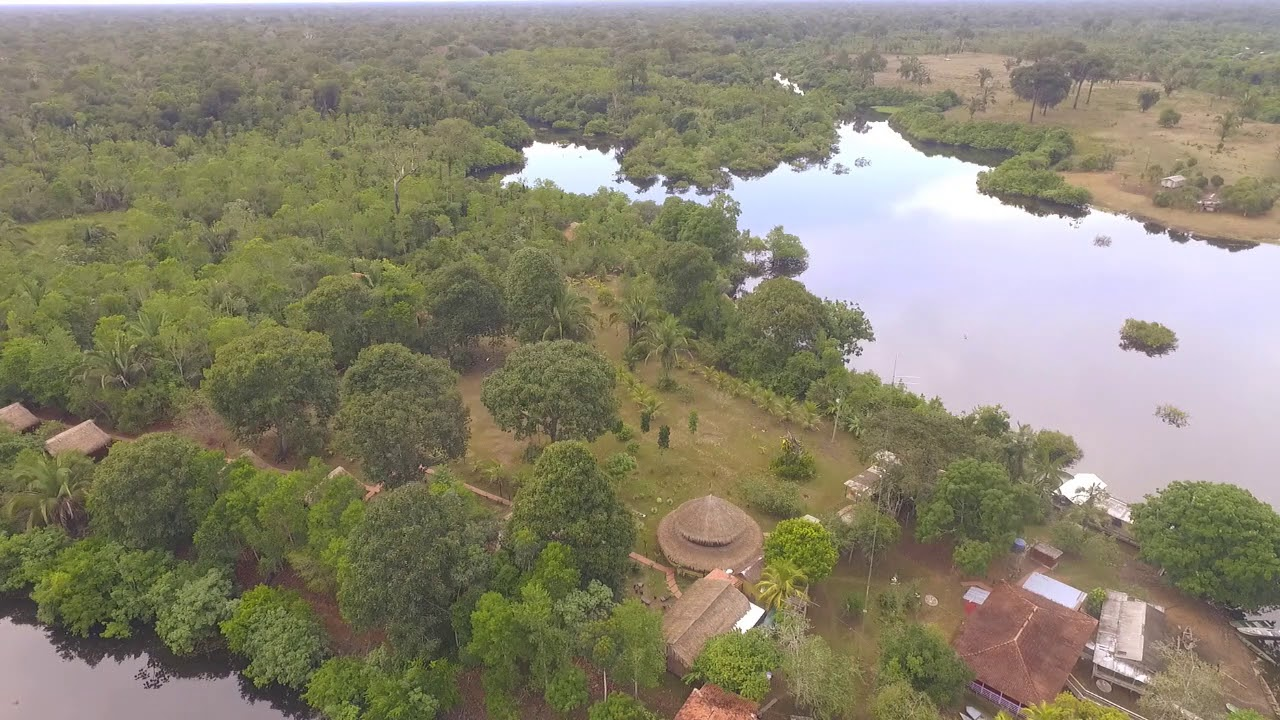
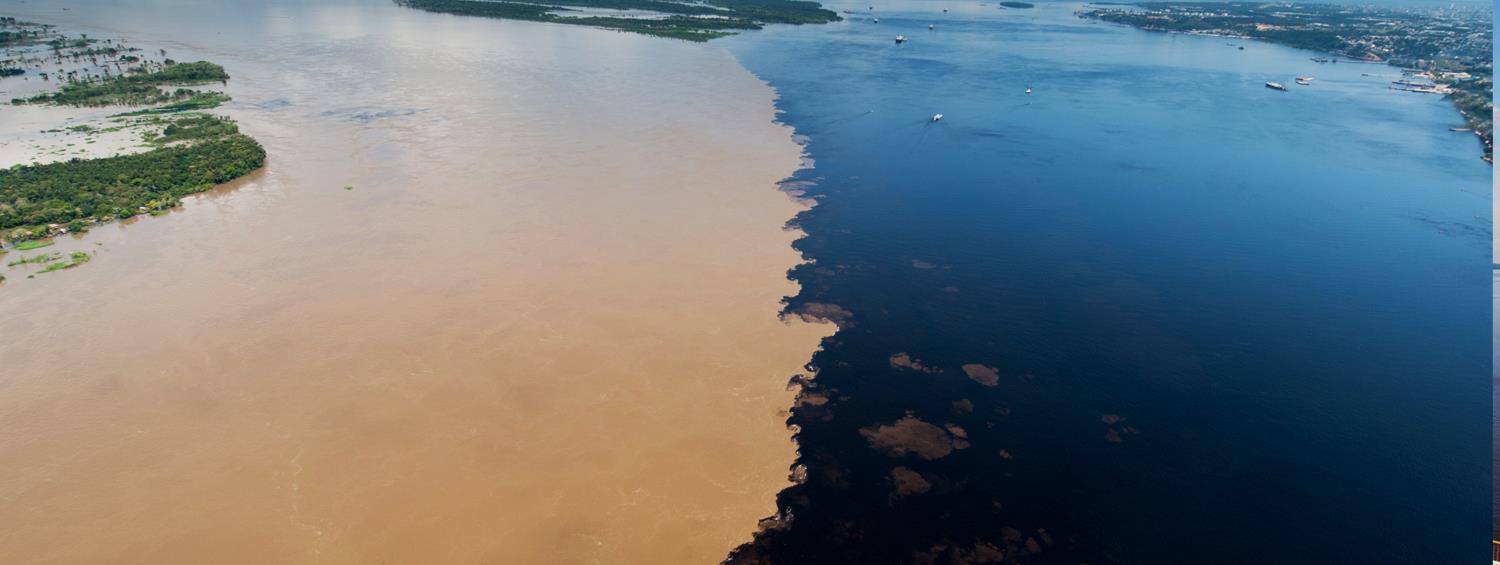
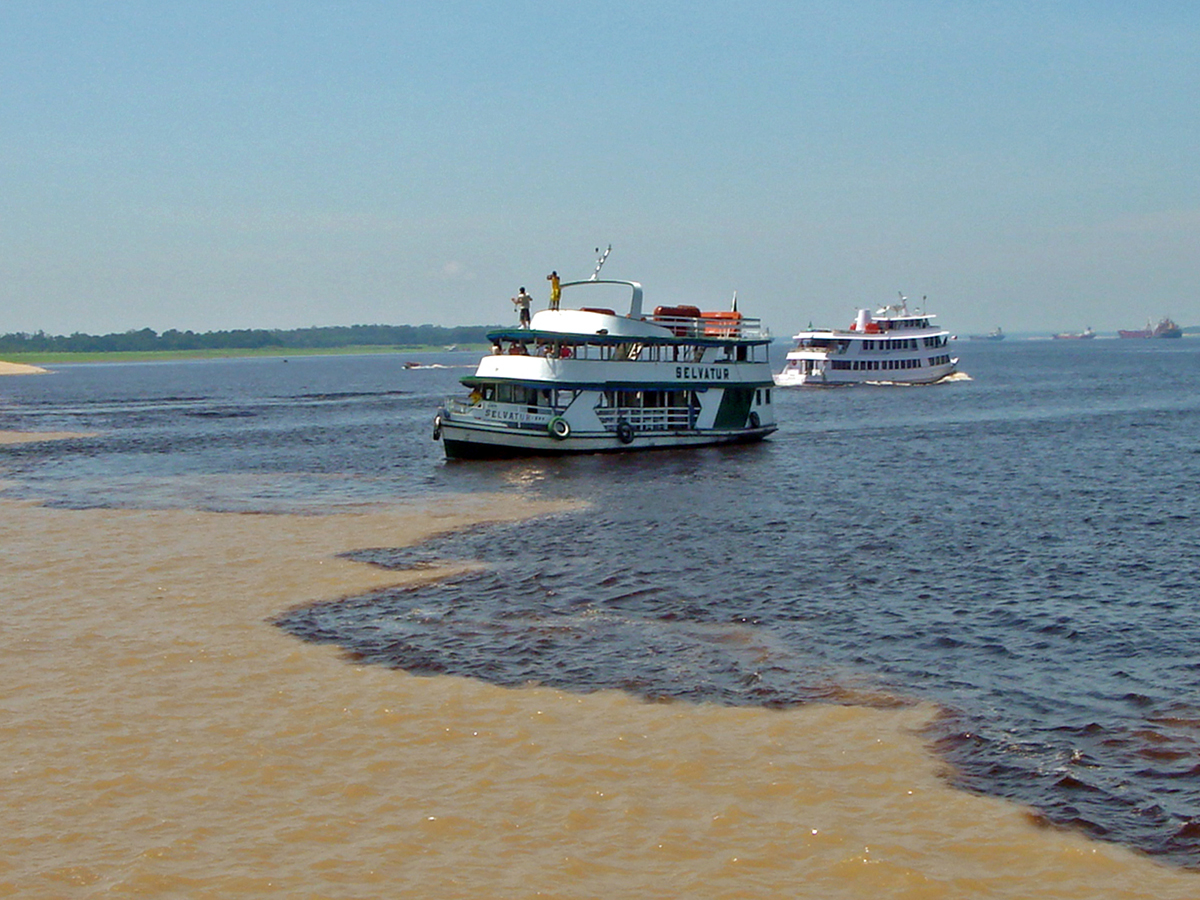
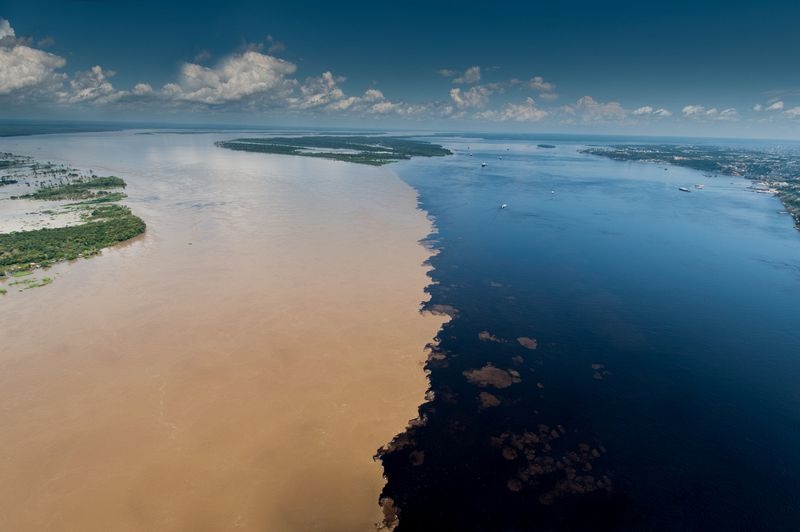
The day begins at 07:30 with a transfer by car to the Ceasa river port in Manaus, a drive of about 20 minutes. From here a speedboat trip follows to the village of Careiro da Várzea, a journey of 30 minutes. During this crossing the boat passes the famous ‘Meeting of the Waters’, where the dark Rio Negro and the sand-coloured Rio Solimões come together without mixing. This natural phenomenon marks the beginning of the mighty Amazon River, which flows from here to the Atlantic Ocean.
After a short stop at the local fruit market, the journey continues with a bus ride of about 40 minutes along the Manaus-Porto Velho road (BR-319) to the Araçá River. Here a boat is waiting for the next leg.
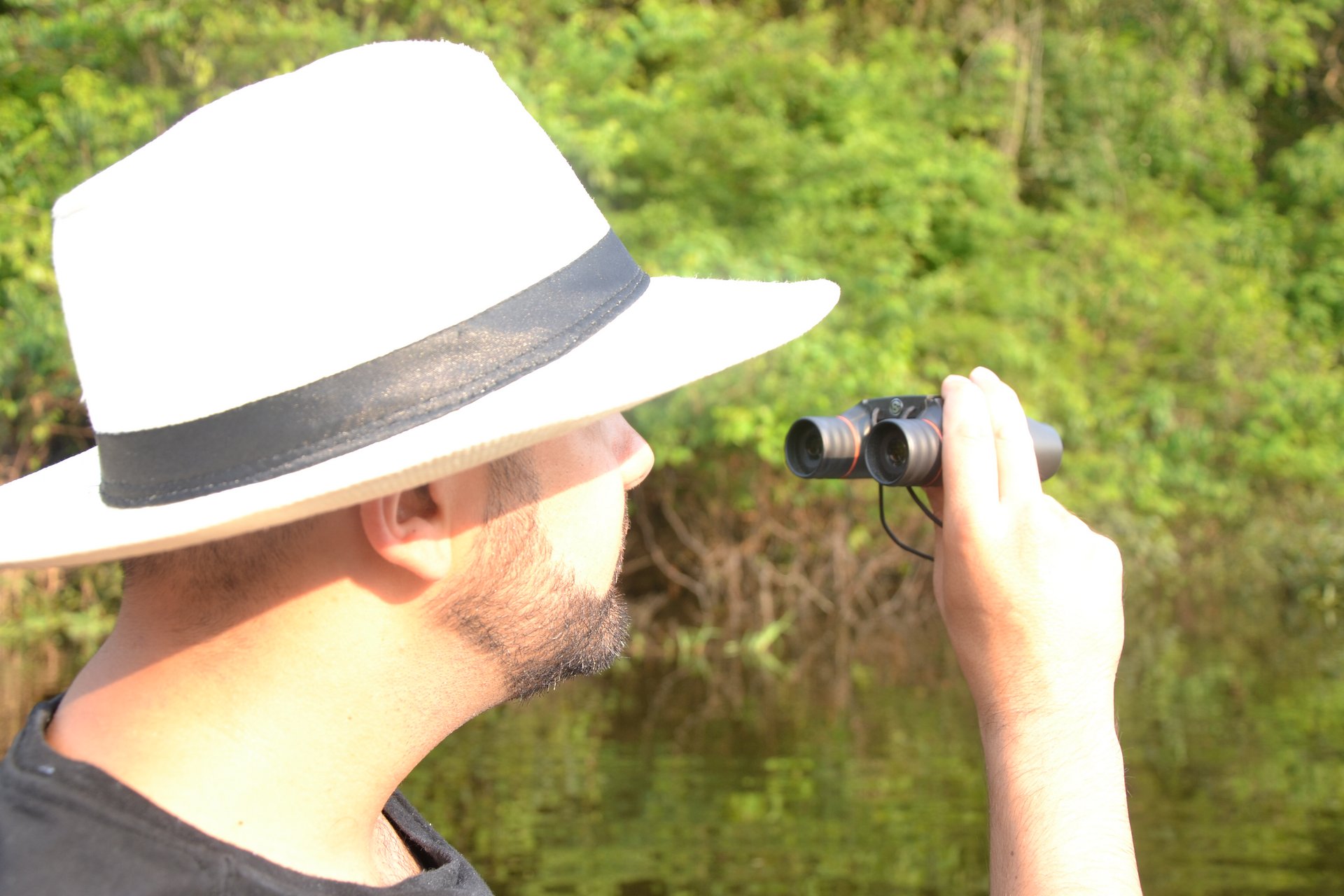
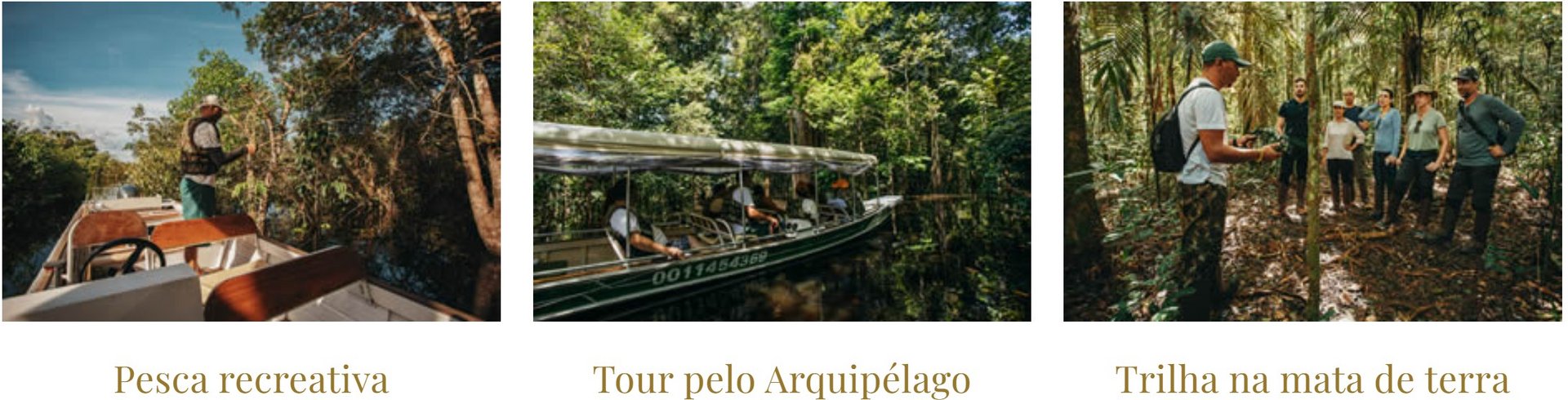
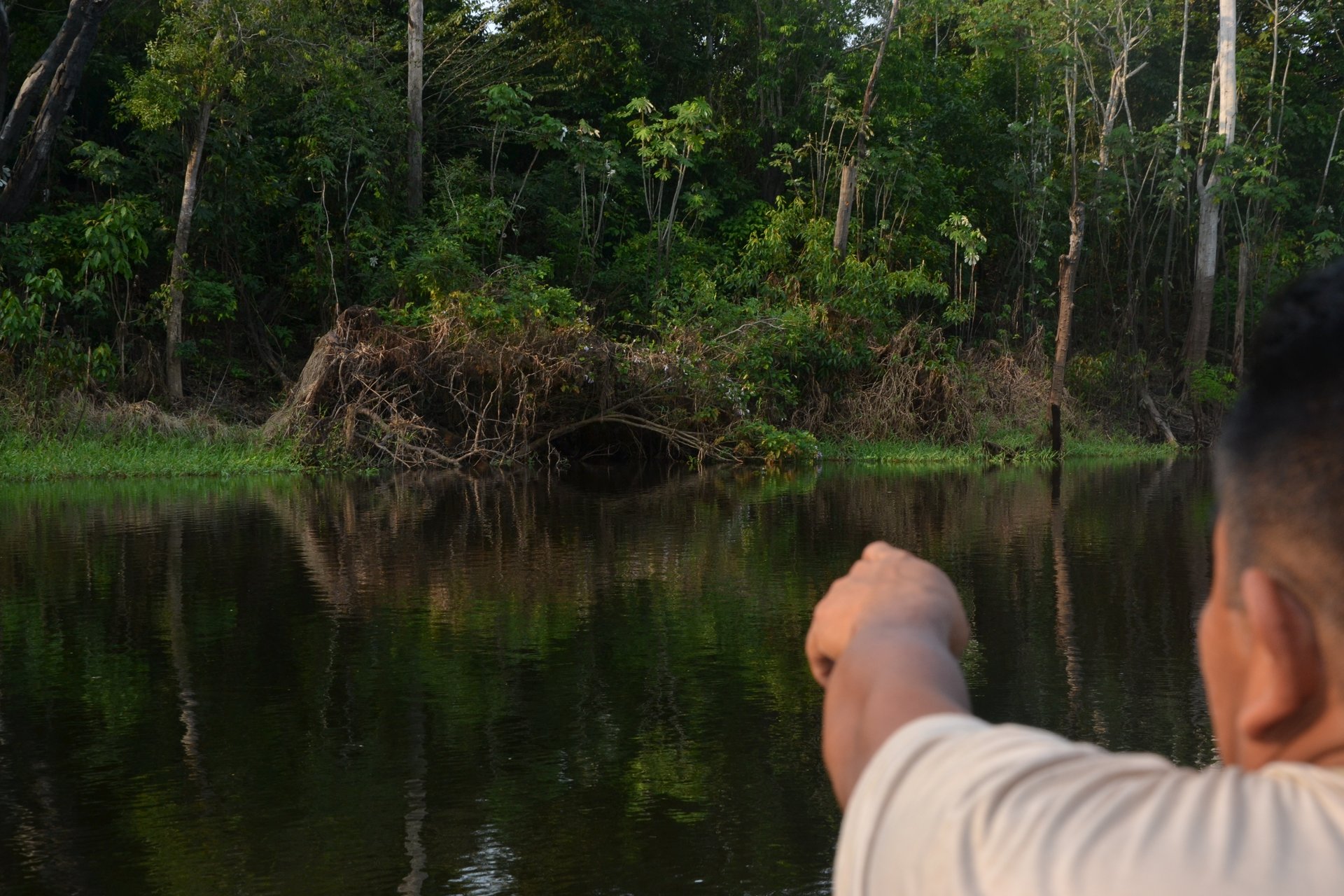
The boat trip offers breathtaking views of the Amazon and takes you past vast lakes, winding creeks and traditional communities. Along the way there is the chance to admire enormous water lilies and to spot a wide range of animals, including birds, caimans, fish, snakes and monkeys. The journey to the lodge is full of surprises; a wild animal may show itself at any moment.
Arrival at the Amazon Turtle Lodge is scheduled for around midday. On arrival a lunch buffet is served with local specialities such as freshwater fish, beef, chicken, salads and exotic fruit from the Amazon.
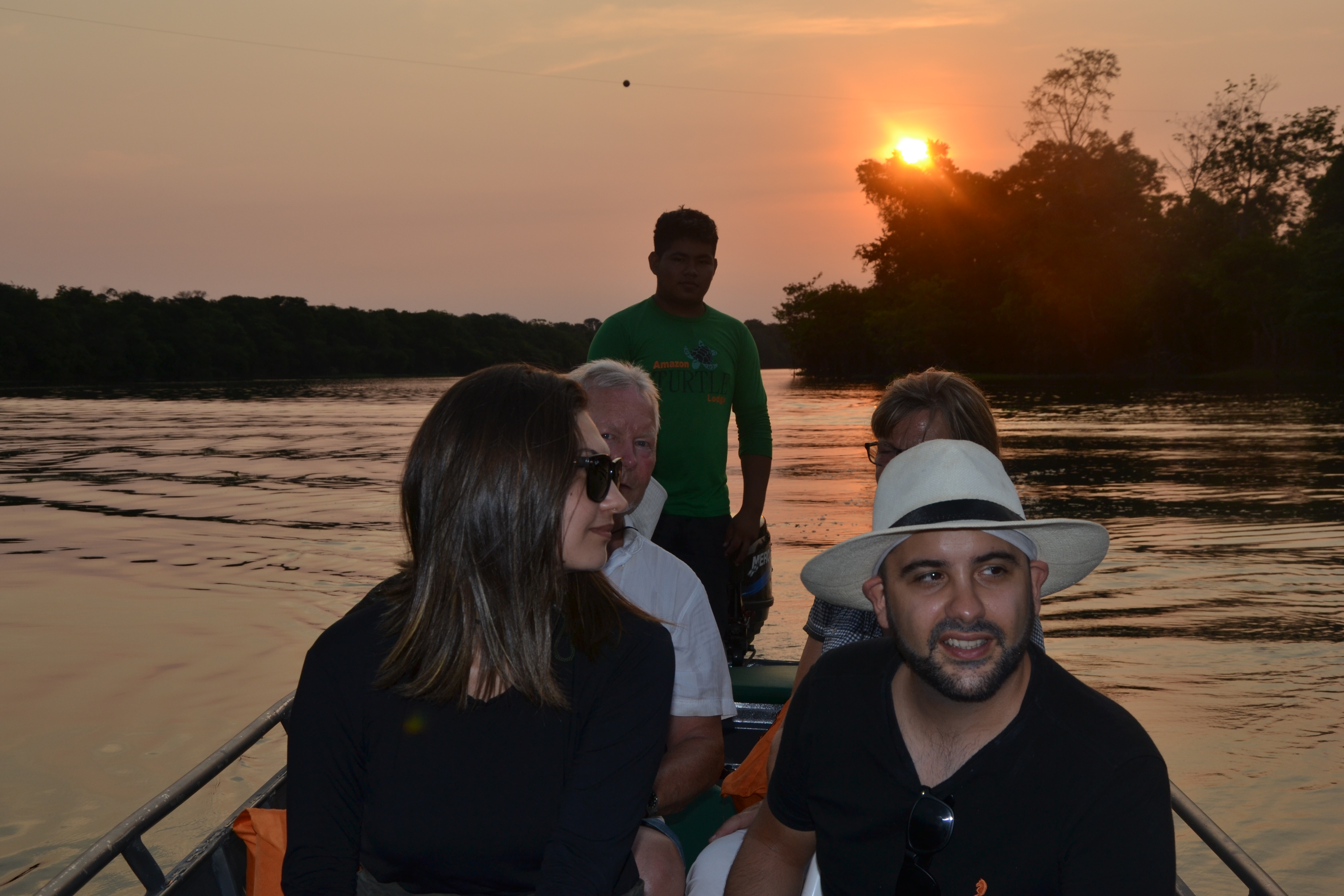
In the afternoon a motorised canoe trip is on the programme, on which you explore the unique surroundings of the lodge. During this trip there is ample opportunity to observe animals such as monkeys, sloths, iguanas, spiders and a great diversity of birds.
Dinner is served at 19:30 in the lodge's restaurant. Here too the buffet offers a wide choice of freshwater fish, meat, chicken, salads and tropical fruit. Any allergies or dietary requirements can be passed on in advance, so that they can be taken into account.
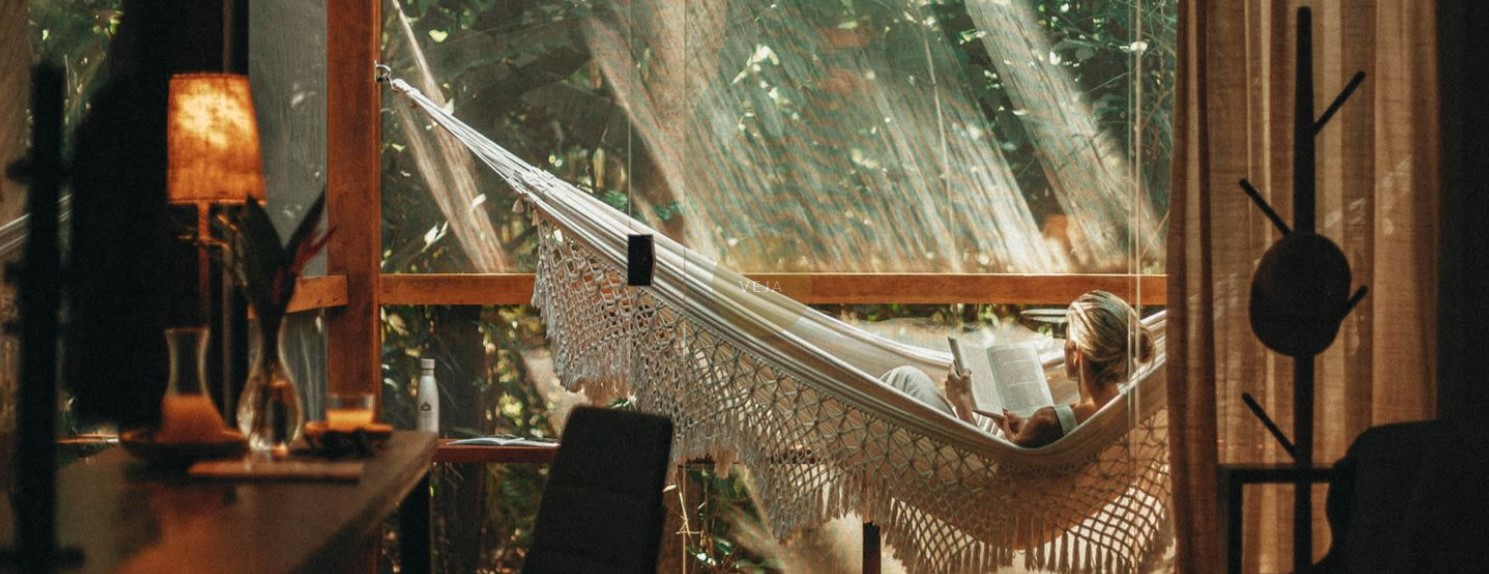
A day full of adventure and nature in the heart of the Amazon comes to an end, with a good night's sleep in the soothing atmosphere of the lodge.
10. Amazon Rainforest - Amazon Turtle Lodge (Day 2 of package)
Day 2: Jungle adventures and experiencing nature
The day begins early, at 05:30, with a sunrise tour. This is the perfect moment to see the Amazon come to life as the first rays of sunlight illuminate the river and the surrounding rainforest. The serene silence is broken only by the sound of birds and animals waking up. After this special experience you return to the lodge for an extensive breakfast.
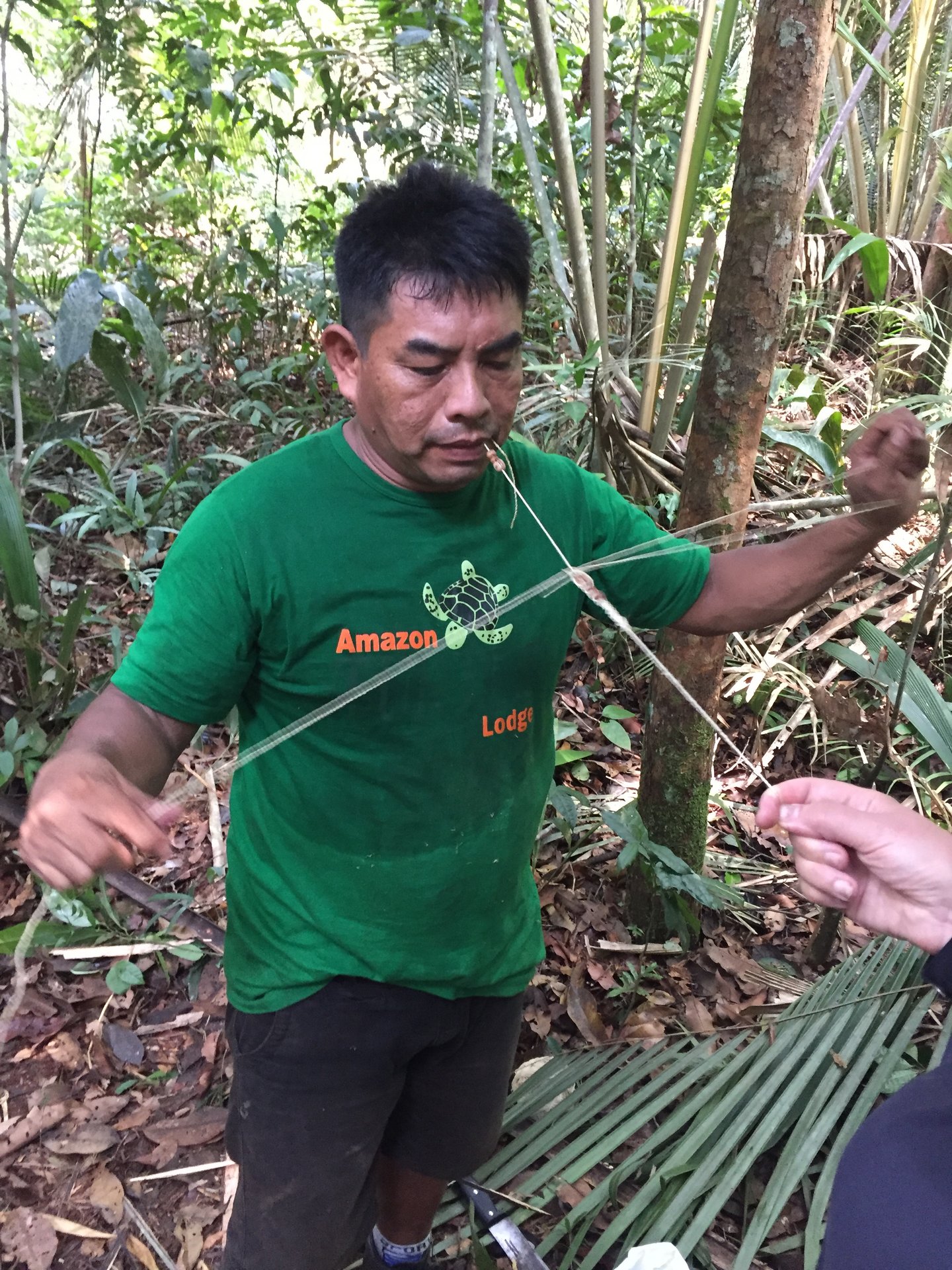
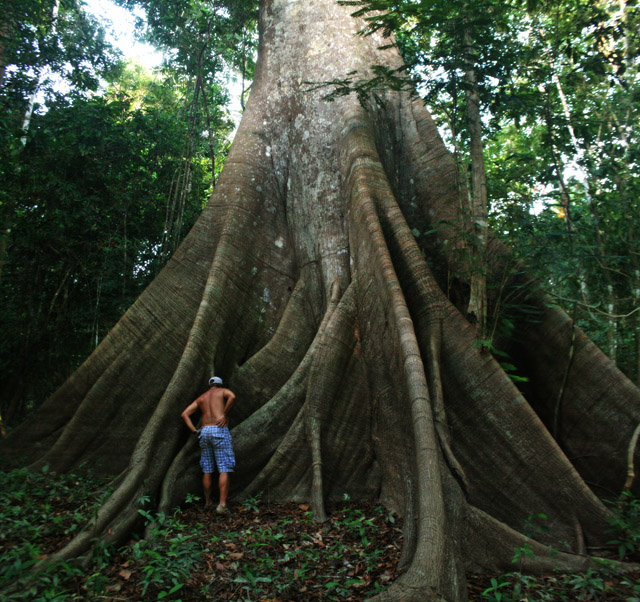
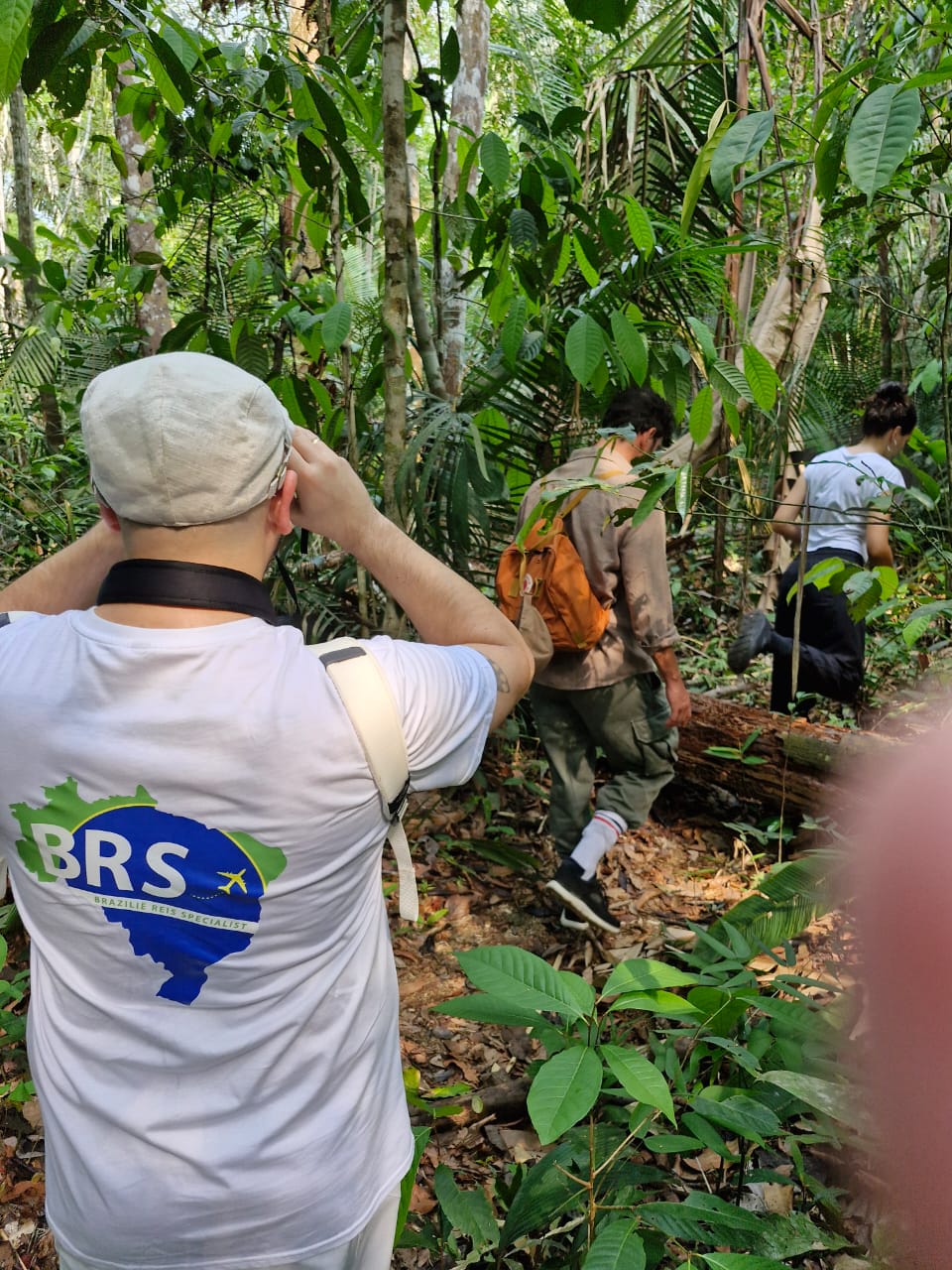
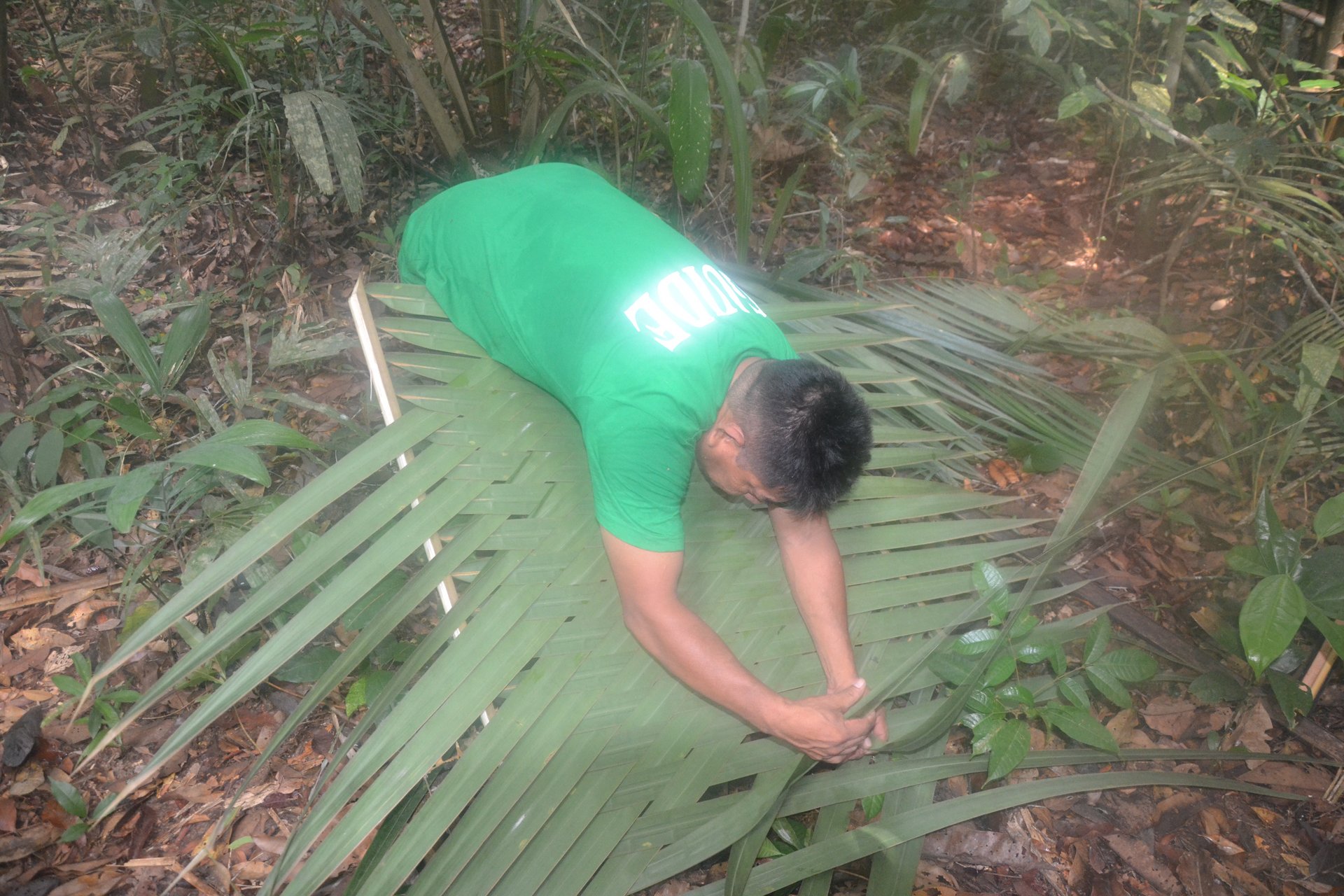
At 08:30 a fascinating jungle trek begins, led by experienced guides. During this walk you learn essential jungle survival techniques, such as using lianas as ropes, climbing trees, finding water and even hunting skills. The guide also shares interesting insights into the biodiversity and the many species of flora and fauna found in the rainforest.
Around midday lunch is served at the lodge, with a selection of local dishes that reflect the flavours of the Amazon.
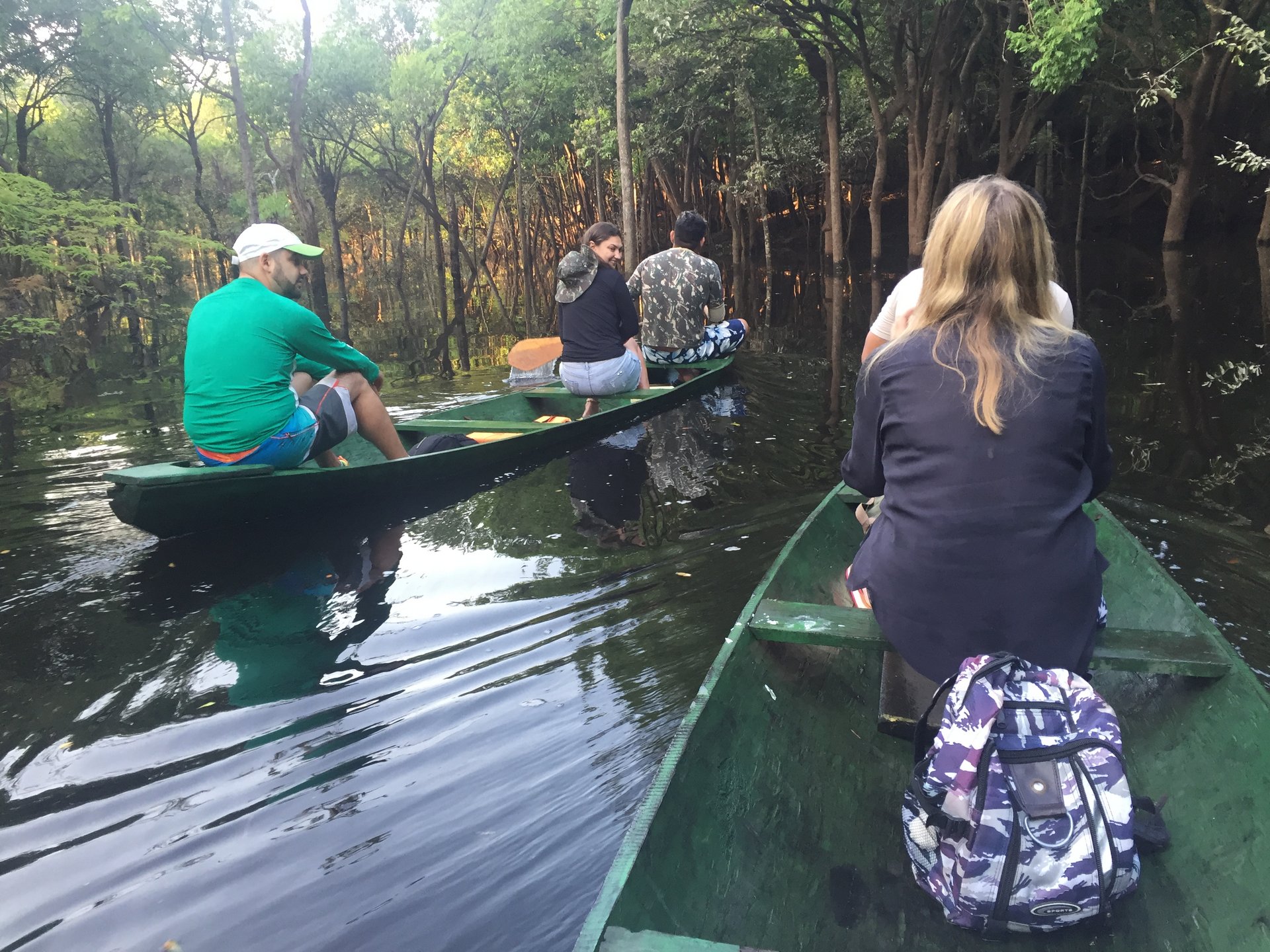
In the afternoon a canoe adventure is on the programme. Depending on the conditions, you can choose a canoe with paddles or a motorised canoe. This is a relaxed way to explore the rivers and creeks further. During this trip you can observe countless birds, monkeys and possibly even sloths. The gentle pace on the water gives you ample opportunity to admire nature in all its glory.
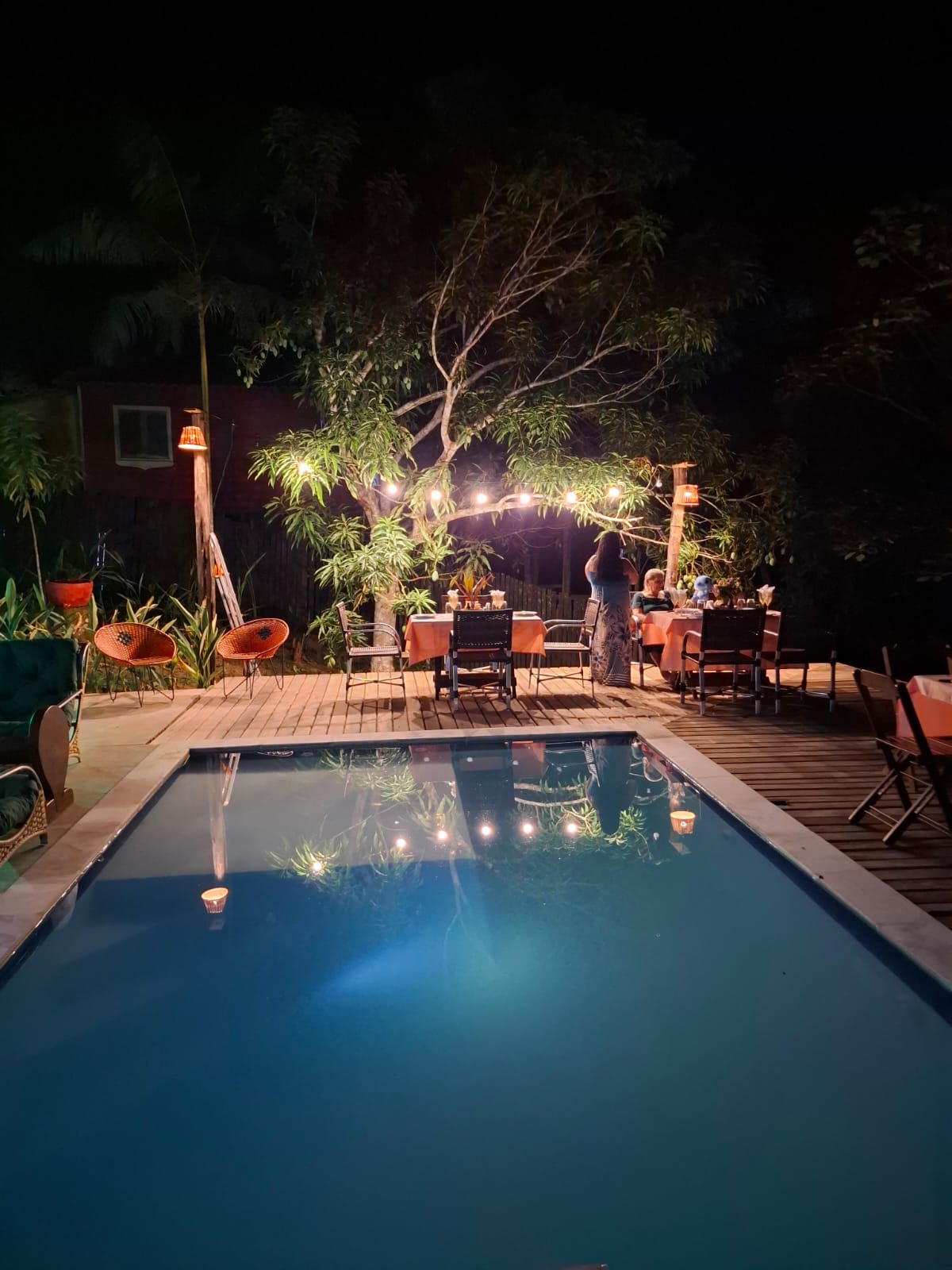
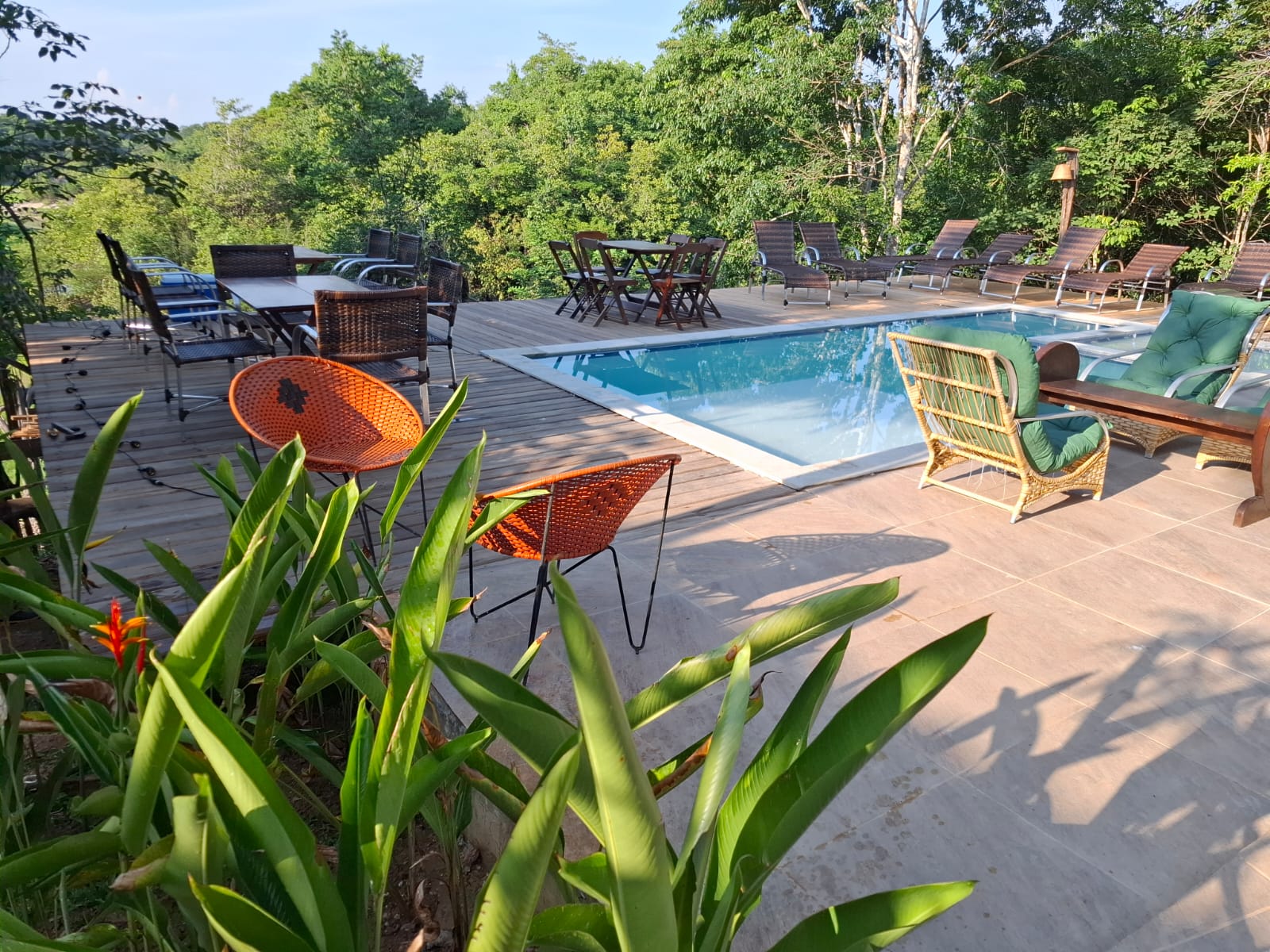
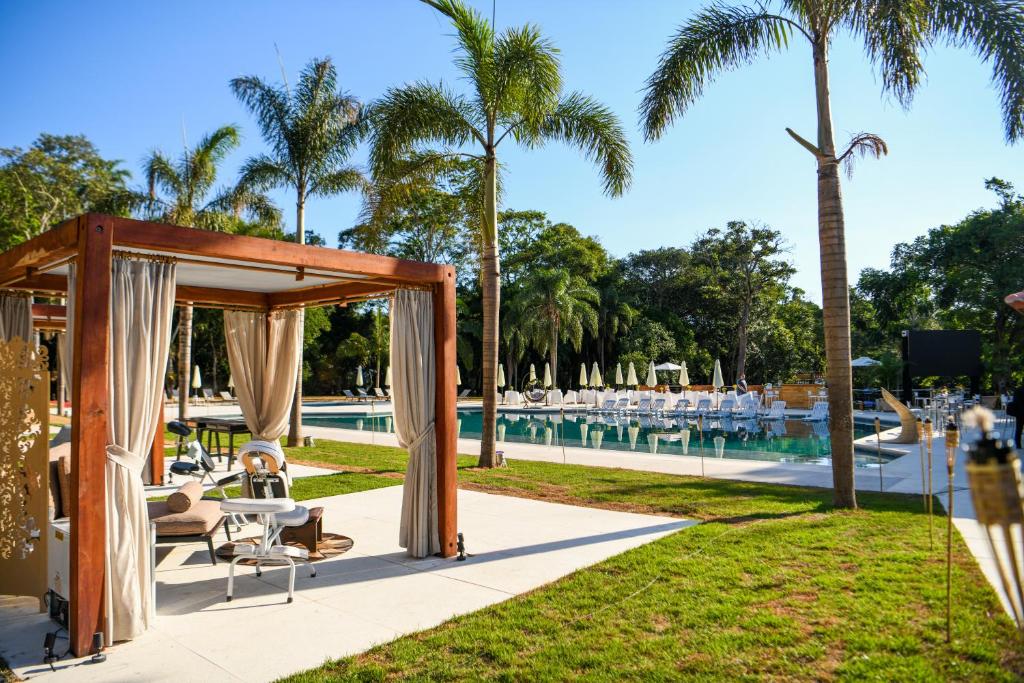
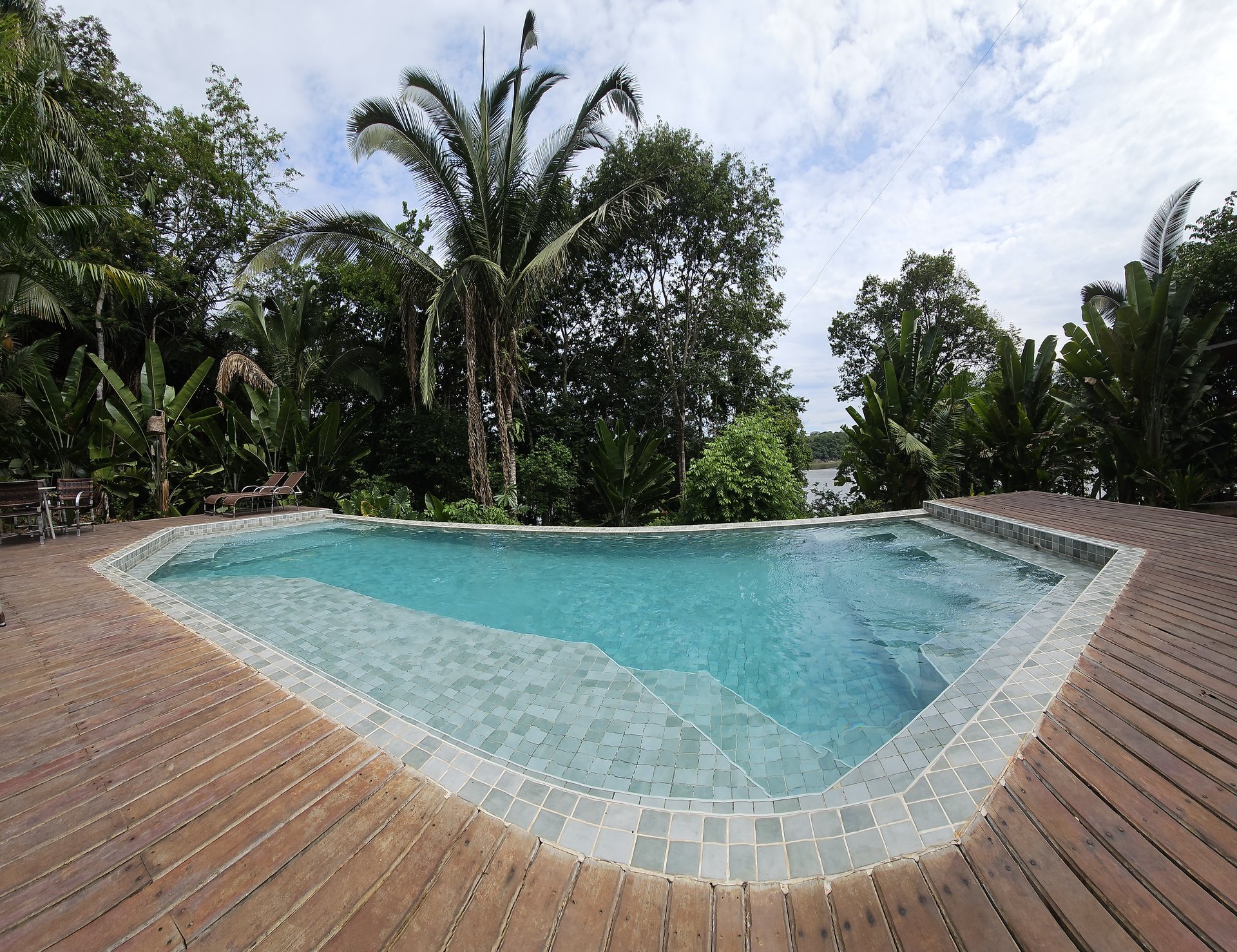
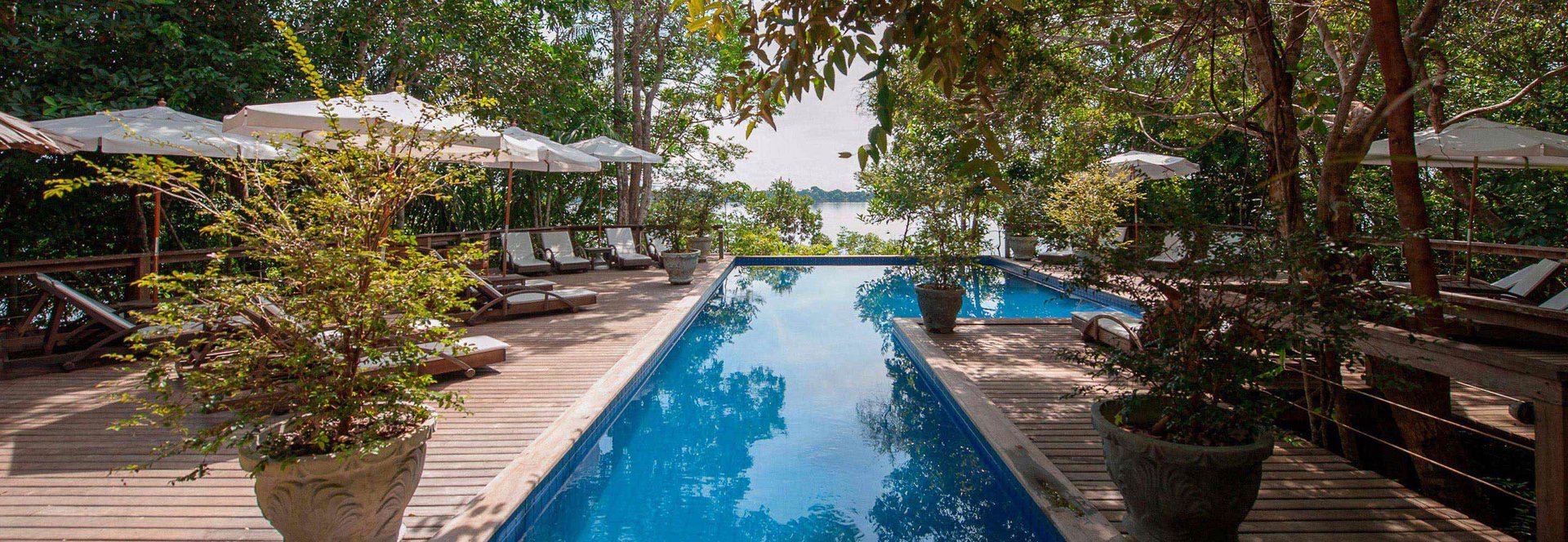
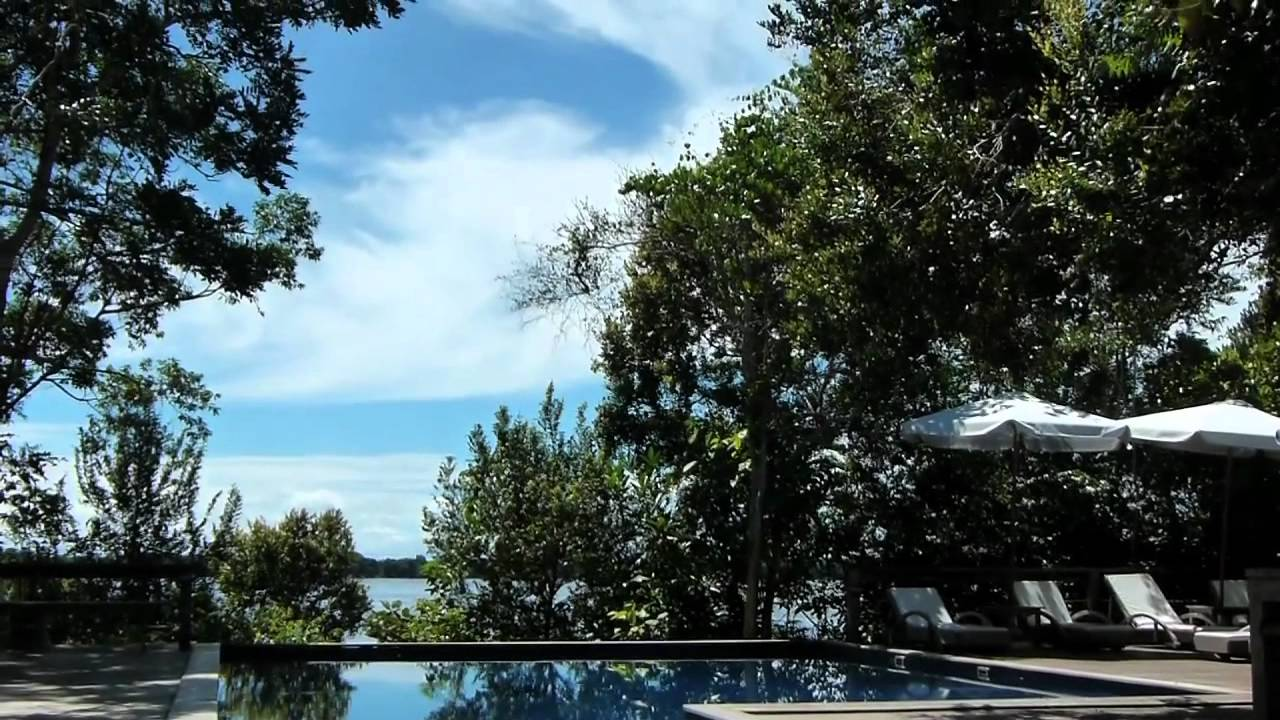
After this voyage of discovery you return to the lodge, where dinner is served at 19:30. After dinner there is time to relax and take in the unique evening sounds of the Amazon. You can unwind by the swimming pool with a refreshing caipirinha in hand or take a quiet stroll through the beautiful Amazon garden of the Turtle Lodge. Both options offer a perfect end to an active and inspiring day in the heart of the jungle.
11. Amazon Rainforest - Amazon Turtle Lodge (Day 3 of package)
Day 3: Local culture, piranha fishing and night-time adventure
The day begins at 08:00 with a visit to the home of a caboclo, a local inhabitant of the Amazon who is not Indigenous but lives off the natural riches of the rainforest. During this visit you get a fascinating glimpse of their daily life, customs and traditions. Among other things, you visit rubber and cassava plantations and learn more about the traditional use of these crops. There is ample opportunity to take photos and to discover more about the harmony in which these people live with nature.
In the surrounding jungle you gather fresh fruit, Brazil nuts, herbs, vegetables and spices together with the guide and the caboclo. Back at the house you are shown how these ingredients are processed and prepared in typical dishes. You can taste some of these unique flavours, a special culinary experience that offers a real connection with the Amazon.
Around midday you return to the lodge, where lunch is served. During this meal you get the chance to taste some of the ingredients and dishes you got to know earlier in the day.
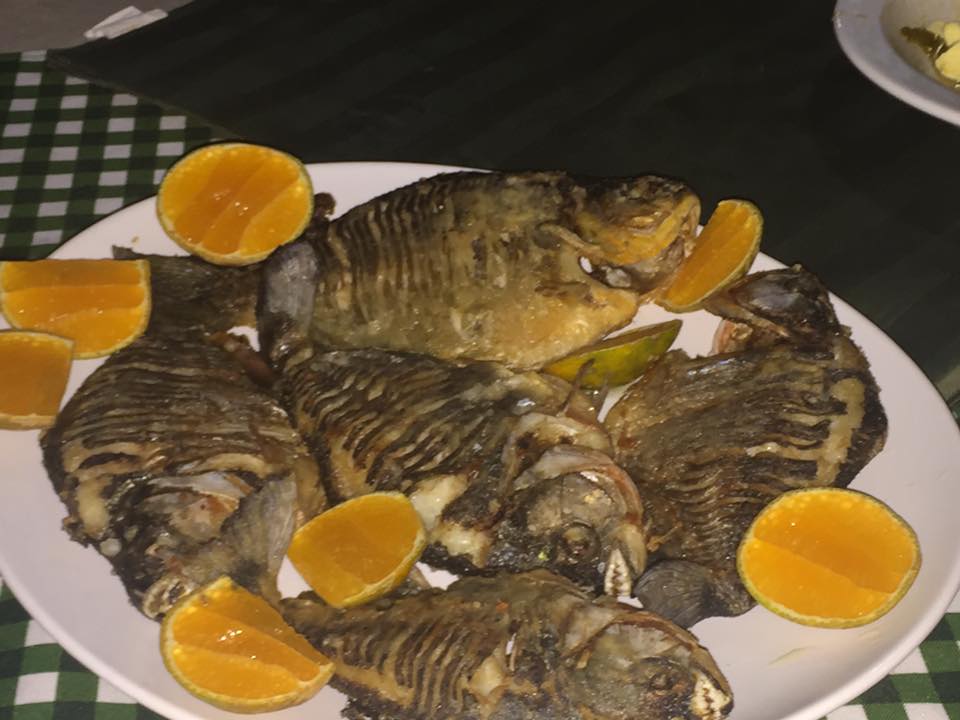
In the afternoon piranha fishing is on the programme, an exciting activity in which you try to catch this iconic Amazon fish species yourself. Besides piranhas, there is a chance of seeing and catching other species of fish. This adventure combines relaxation and fun while you enjoy the tranquillity of the river and the surrounding rainforest.
After dinner, which is served at the lodge at 19:30, a night-time canoe trip begins. This trip focuses on wildlife watching and alligator spotting with the help of torchlight. The mysterious rainforest comes to life in the dark, and with a bit of luck you will see caimans, nocturnal birds and other animals. The thrill of the night and the sounds of the Amazon make this an unforgettable experience.
After this adventurous day you can relax and savour the experience by the swimming pool with a drink, or simply enjoy the serene atmosphere of the Amazon.
12. Amazon rainforest - Salvador
Today the Amazon jungle package comes to an end. After breakfast you will be taken back to Manaus by transfer and dropped off at the airport. This is followed by the domestic flight to Salvador. After arrival you will be welcomed at the airport and taken to your hotel by private transfer.
- See the hotels tab for the hotel selection during your stay in Salvador
13. Salvador - Panoramic city tour on a private basis (duration 4 hours)
This tour on a private basis can begin in the morning or the afternoon and starts at your hotel, where you will be picked up for the 4-hour Panoramic city tour of Salvador, during which you will discover the main sights. The excursion is led by an English-speaking guide and you will be dropped off at your hotel again afterwards.
14. Salvador - Morro de São Paulo
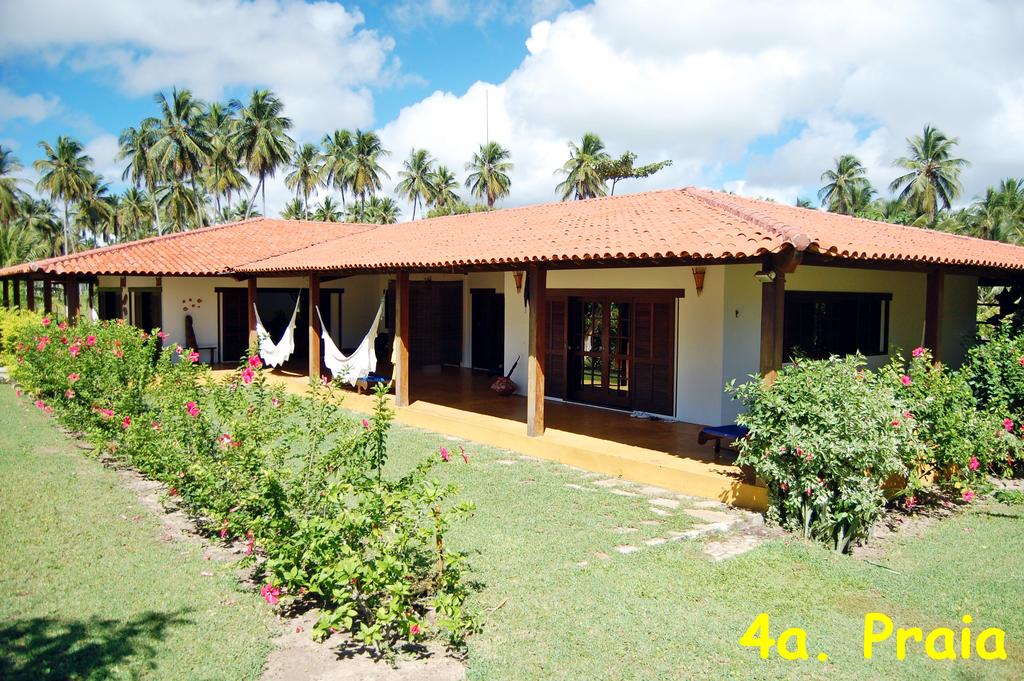
You will be picked up from your hotel and taken to the port of Salvador, where you then board the catamaran for the 2.5-hour boat trip to Morro de São Paulo. After arrival you walk to the tourist terminal. Locals with wheelbarrows are ready to help you with your luggage (give a small tip). Once you have reached the tourist terminal, you walk on to your hotel, together with the locals, if your hotel is on the 1st, 2nd or 3rd beach. If your hotel is on the 4th or 5th beach, the hotels have a shuttle bus from the tourist terminal that takes you from the terminal to the hotel.
- See the hotels tab for the hotel selection during your stay in Morro de São Paulo
15. Morro de São Paulo - Free day
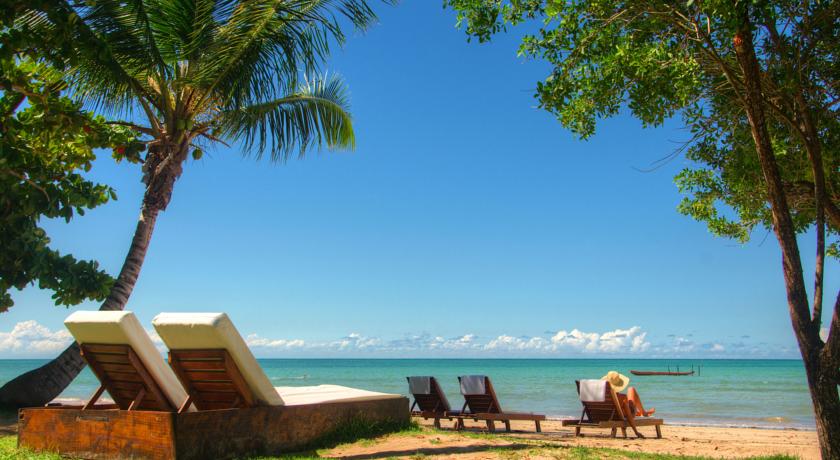
A free day to spend as you wish and to enjoy Morro de São Paulo. Explore the lively beaches such as Segunda Praia, ideal for swimming and sunbathing, or head to the quieter Quinta Praia for more seclusion. Consider a walk to the historic lighthouse for a panoramic view over the island. Try local dishes in the charming restaurants and enjoy the relaxed atmosphere in this paradise-like part of Brazil.
16. Morro de São Paulo - Free day
A free day to spend as you wish and to enjoy Morro de São Paulo. Explore the lively beaches such as Segunda Praia, ideal for swimming and sunbathing, or head to the quieter Quinta Praia for more seclusion. Consider a walk to the historic lighthouse for a panoramic view over the island. Try local dishes in the charming restaurants and enjoy the relaxed atmosphere in this paradise-like part of Brazil.
17. Morro de São Paulo - Salvador (end of package)
Today your stay in Morro de São Paulo comes to an end. From the small harbour of Morro de São Paulo you board the catamaran again for the 2.5-hour boat crossing to Salvador. After arriving at the port of Salvador, you will be taken by transfer to your hotel or the airport. End of package.
Please note, the 1st boat does not leave until 9 am and the boat usually takes 2.5 hours to arrive in Salvador. However, delays may occur due to rough sea conditions. If you are flying on, only book a flight that departs after 3 pm to be sure that the journey runs smoothly logistically.
Destinations
Rio de Janeiro
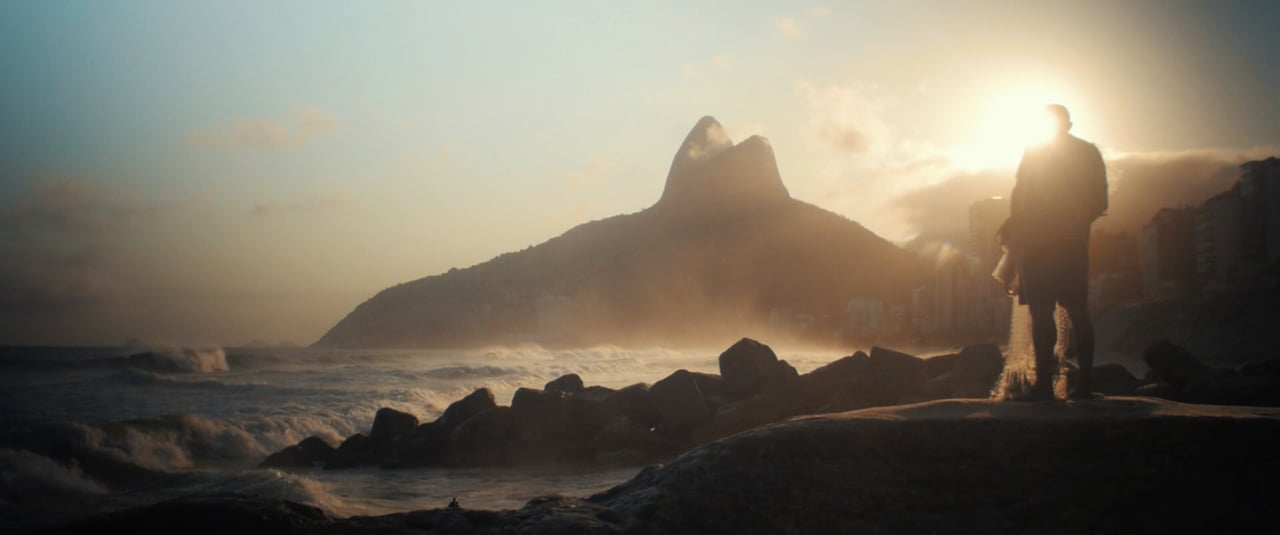
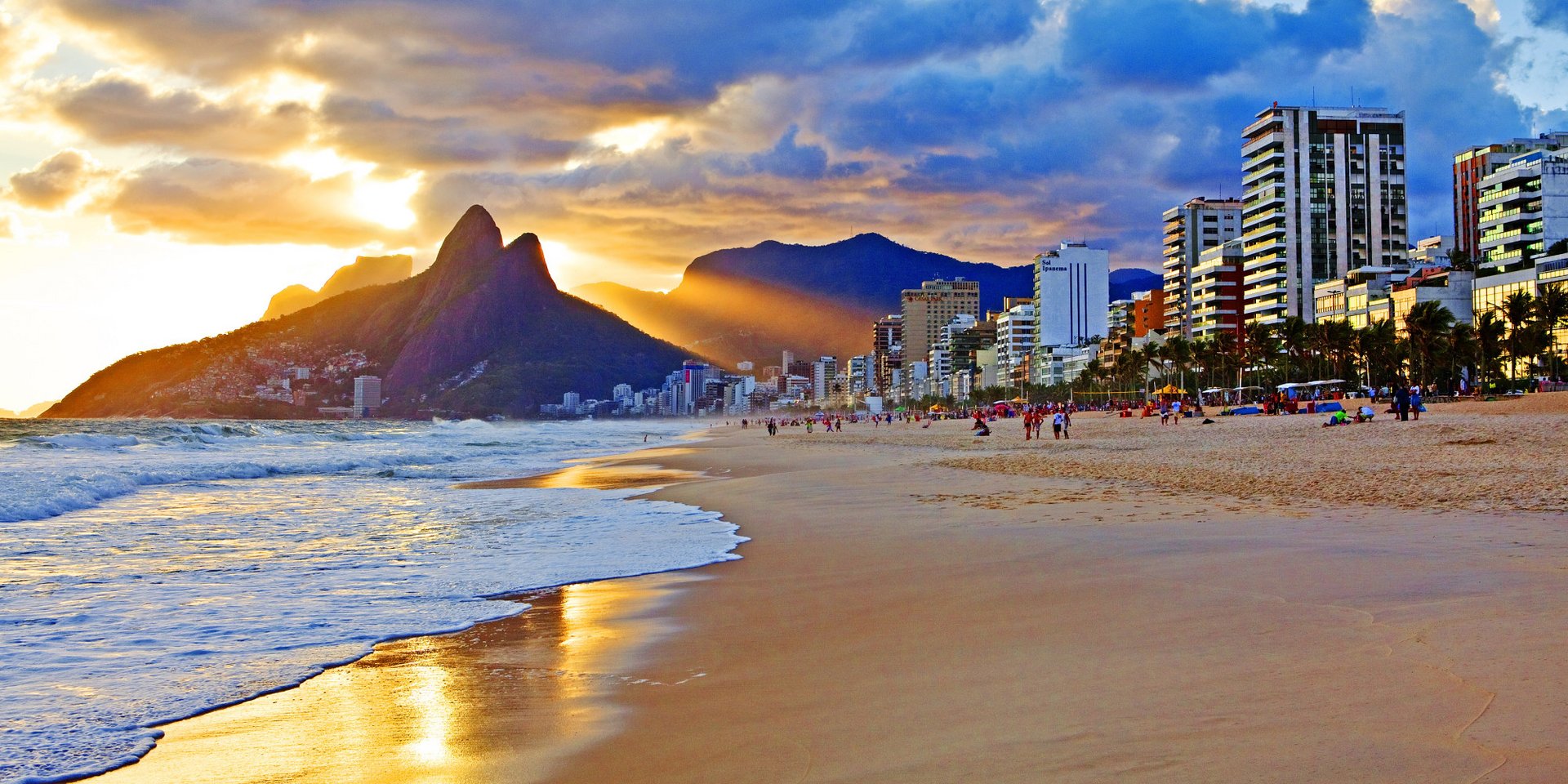
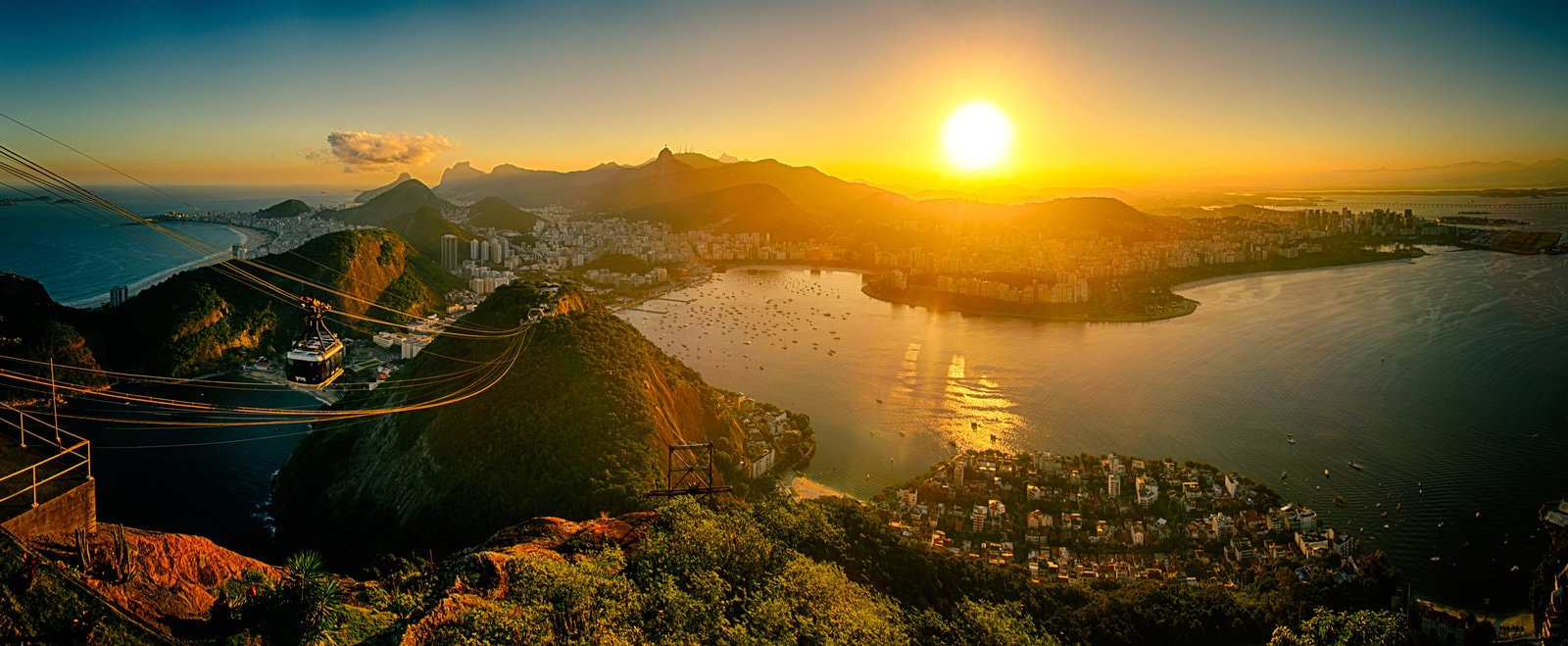
1 / 6Rio de Janeiro is the best-known city in Brazil and the ideal start or end point of a round trip: KLM flies direct from Amsterdam every day (approx. 11.5 hours). Allow 3 to 4 nights for the statue of Christ the Redeemer, Sugarloaf Mountain, the beaches of Copacabana and Ipanema and the neighbourhoods of Lapa and Santa Teresa. Best time to travel: April to October, drier and pleasantly warm; carnival falls in February or early March.
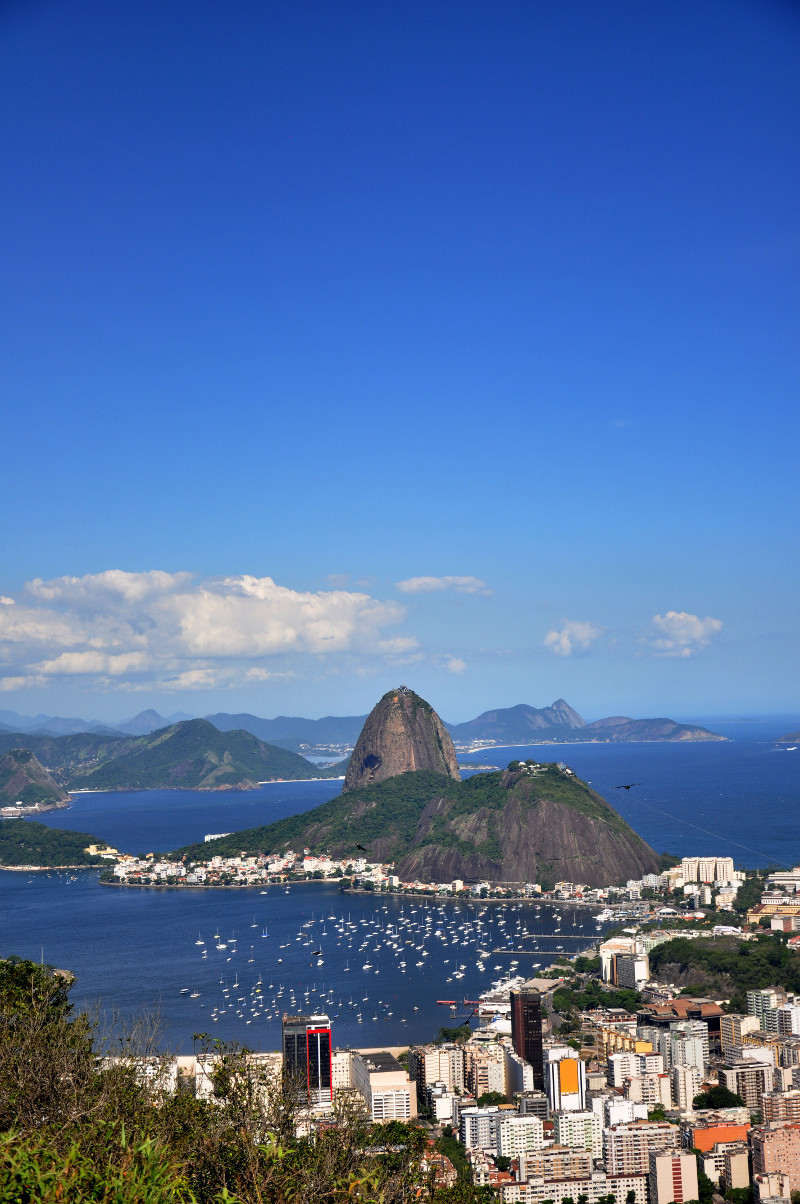
Rio de Janeiro, the 'Cidade Maravilhosa', is a mix of green mountains rising out of the ocean, golden beaches and a vibrant metropolis. The inhabitants, the Cariocas, are known for their zest for life. Below you will find what our specialists pass on to you for a successful stay.
Highlights of Rio de Janeiro
- Corcovado and the statue of Christ the Redeemer: take the little cog railway up through the Tijuca rainforest to the 38-metre-high statue, with the most complete panorama of the city. Go early in the morning: fewer crowds and often a clearer view.
- Sugarloaf Mountain (Pão de Açúcar): two cable cars to the top of the granite rock; at sunset the most beautiful view over Guanabara Bay and Copacabana.
- Copacabana and Ipanema: the most famous beaches in the world, with footvolley, beach kiosks and an ice-cold caipirinha. On Sundays the seafront boulevard is car-free: hire a bike and cycle along with the Cariocas.
- Lapa and Santa Teresa: the bohemian heart of the city. In Lapa live samba in the evening; during the day, climb the colourful Escadaria Selarón steps up to artistic Santa Teresa with its studios and viewpoints.
- Tijuca National Park: a complete rainforest in the middle of the city. The Vista Chinesa viewpoint is a lesser-known but magnificent panorama.
- Sambadrome: during carnival, the parades of the samba schools; outside carnival, the samba schools' rehearsals (August to January) are a fun alternative.
Best time to visit Rio de Janeiro
Rio can be visited all year round. From April to October it is drier and pleasantly warm (22–28 °C), ideal for the city, the beach and the viewpoints. December to March is the Brazilian summer: hot (30 °C and above), humid and with tropical showers in the late afternoon, but also the time of carnival and the liveliest beach atmosphere. In June and July it can be cool in the evening (around 18 °C). Around New Year and carnival, hotels are full well in advance; book in good time for those periods.
Getting there and travel time
KLM flies direct from Amsterdam to Rio de Janeiro (Galeão airport, GIG) every day; TAP via Lisbon is also a good option. Domestic flights depart from GIG and from the centrally located Santos Dumont (SDU). We arrange a private transfer from the airport to your hotel (30–60 minutes to the Zona Sul). From Rio you can reach the Costa Verde by car: Ilha Grande in approx. 2.5 hours plus a boat trip, Paraty in approx. 4 hours and Búzios in approx. 2.5 hours.
How many days in Rio de Janeiro?
We recommend 3 to 4 nights: one day for Corcovado and Sugarloaf Mountain, one day for Lapa, Santa Teresa and the centre, and time for the beach and an excursion such as a cycling tour along the boulevards or a walk in the Tijuca park. If you are coming for carnival, plan 4 to 5 nights.
Where to stay in Rio de Janeiro?
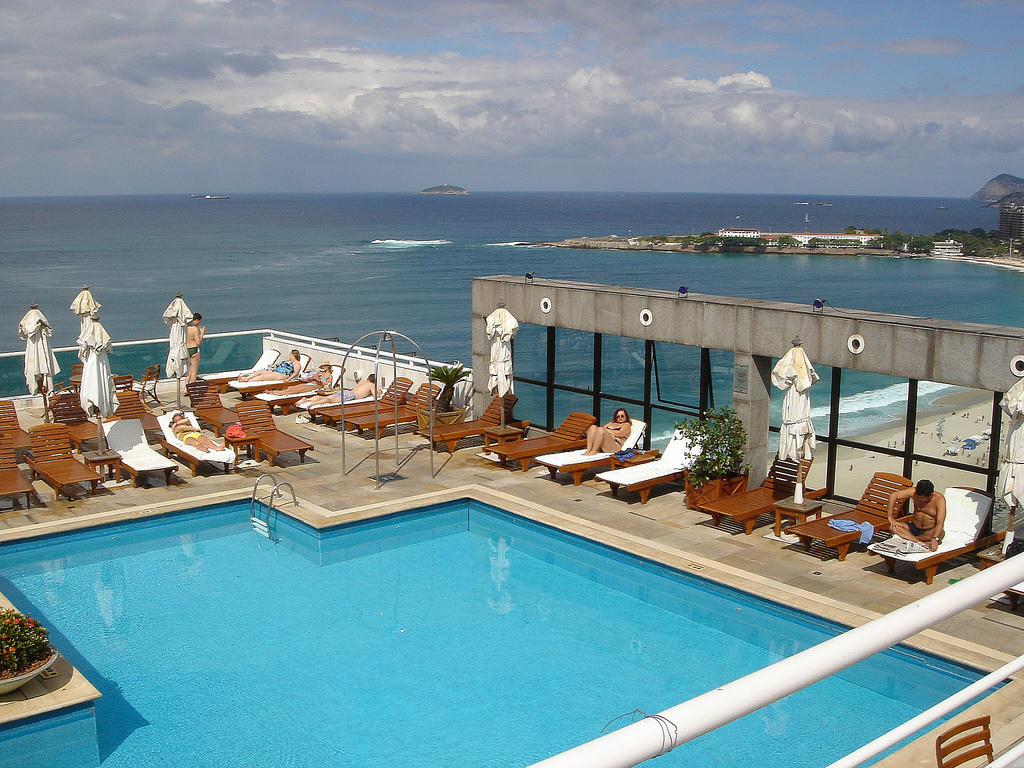
Copacabana and Ipanema are the best base: safe, on the beach and with restaurants and bars within walking distance. Leblon is quieter and more upmarket; Santa Teresa is full of atmosphere but less practical for the beach. See the hotels tab of our packages for our selection in tourist class and superior class.
Culinary Rio: our restaurant tips
- Churrascaria Palace (Copacabana): award-winning churrascaria where waiters bring skewers of grilled meat to your table. A must for meat lovers.
- Aprazível (Santa Teresa): authentic Brazilian dishes with a panoramic view over the city.
- Bar do Mineiro (Santa Teresa): informal and local, the place for a traditional feijoada.
- Zazá Bistrô Tropical (Ipanema): colourful and creative, a feast for the eyes and the palate.
- Sushi Leblon (Leblon): one of the most renowned Japanese restaurants in Brazil.
Combines well with
Rio is the perfect starting point for almost any route through Brazil. Popular combinations are the car-free island of Ilha Grande and colonial Paraty on the Costa Verde, the seaside resort of Búzios, the waterfalls of Foz do Iguaçu (2-hour flight) and the wildlife of the Pantanal. As an example, take a look at our Rio de Janeiro city package or the round trips Parels van Rio and Rio, Costa Verde & Iguaçu.
Frequently asked questions about Rio de Janeiro
Is Rio de Janeiro safe for tourists?
Yes, with the usual precautions: stay in the Zona Sul (Copacabana, Ipanema, Leblon), do not wear visible jewellery or carry expensive cameras in the street, use a taxi or app-based taxi in the evening and leave valuables in the hotel safe. Our local representatives will give you up-to-date tips on arrival.
How many days do I need for Rio?
Three to four nights are enough for the highlights and a beach day; with carnival or a day trip to Petrópolis or Búzios, allow an extra day.
When is carnival in Rio?
Carnival falls every year in February or early March (the week before Ash Wednesday). The parades in the Sambadrome are the highlight; we arrange tickets and hotels well in advance.
Can I combine Rio with the beach?
Certainly: Ilha Grande and Búzios are a few hours' drive away and are ideal as the finale of a round trip.
Tip from Brazil Travel Specialist
Plan a cycling tour through Copacabana and the little neighbourhoods behind it to get a good picture of the area straight away. Rio can be overwhelming; together with you we choose the hotel in the right location and arrange the excursions with English-speaking guides. Contact us for a no-obligation travel proposal.
Foz do Iguaçu
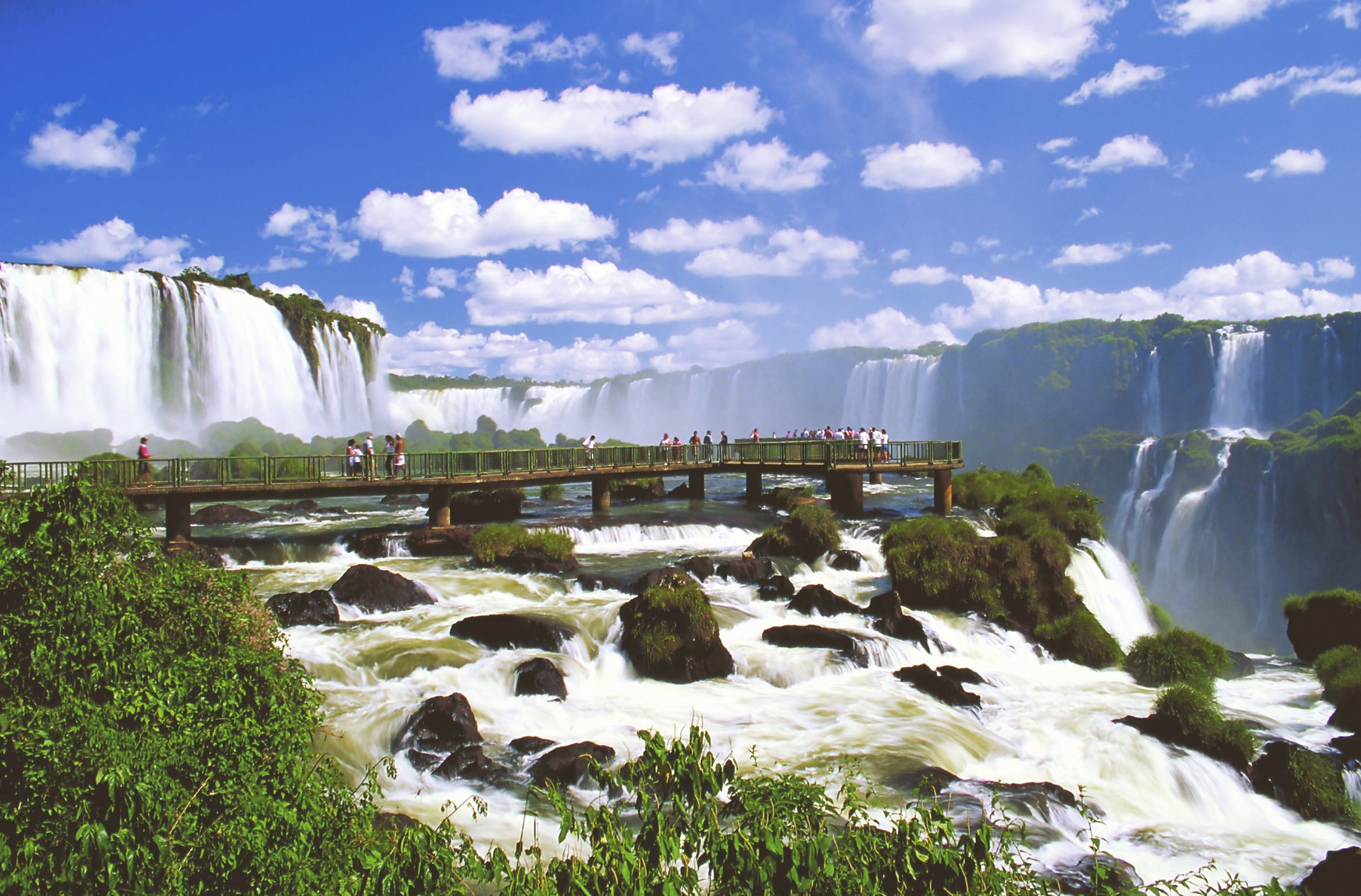
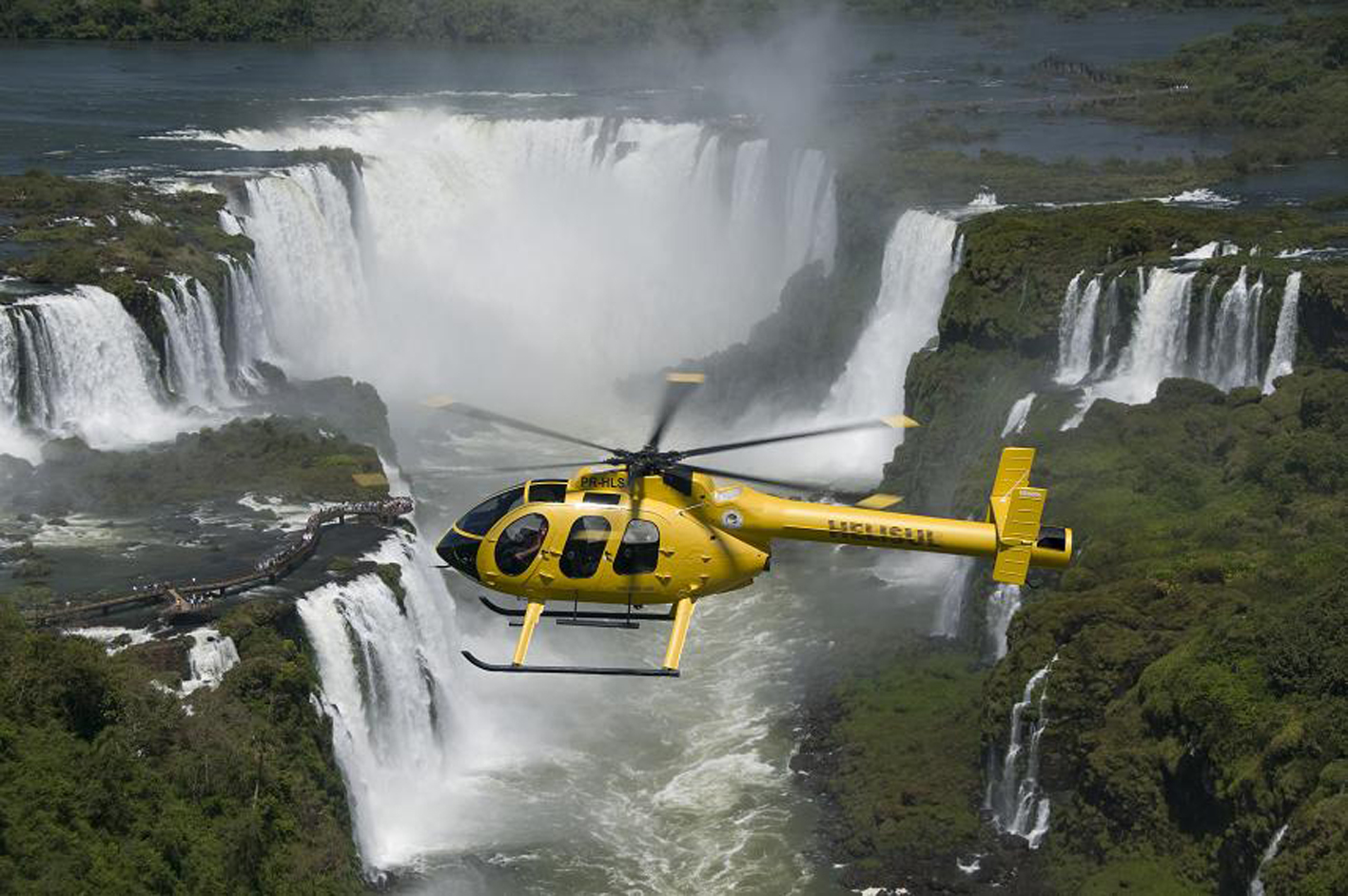
2 / 6Foz do Iguaçu, at the point where Brazil, Argentina and Paraguay meet, is the home of the Iguaçu Falls: 275 waterfalls across a width of 2.7 kilometres, with the Devil's Throat (Garganta do Diabo) as the highlight. Allow 2 to 3 nights to see both sides of the falls; the falls can be visited all year round, with the most water from December to March and the most pleasant temperatures from April to October.
The falls lie in two national parks that together are a UNESCO World Heritage Site. The Brazilian side gives you the panorama, the Argentinian side takes you along walkways to just above and beside the water. That is why we always recommend both sides.
Highlights of Foz do Iguaçu
- Brazilian side: a walking trail of approx. 1.5 kilometres along the panorama of the falls, ending on a walkway in the mist of the Devil's Throat. Half a day.
- Argentinian side: the Upper and Lower Circuit and the little train to the platform above the Garganta del Diablo, where 14 waterfalls come together. A full day; bring your passport.
- Macuco Safari: by speedboat right up under the falls. Getting wet is guaranteed.
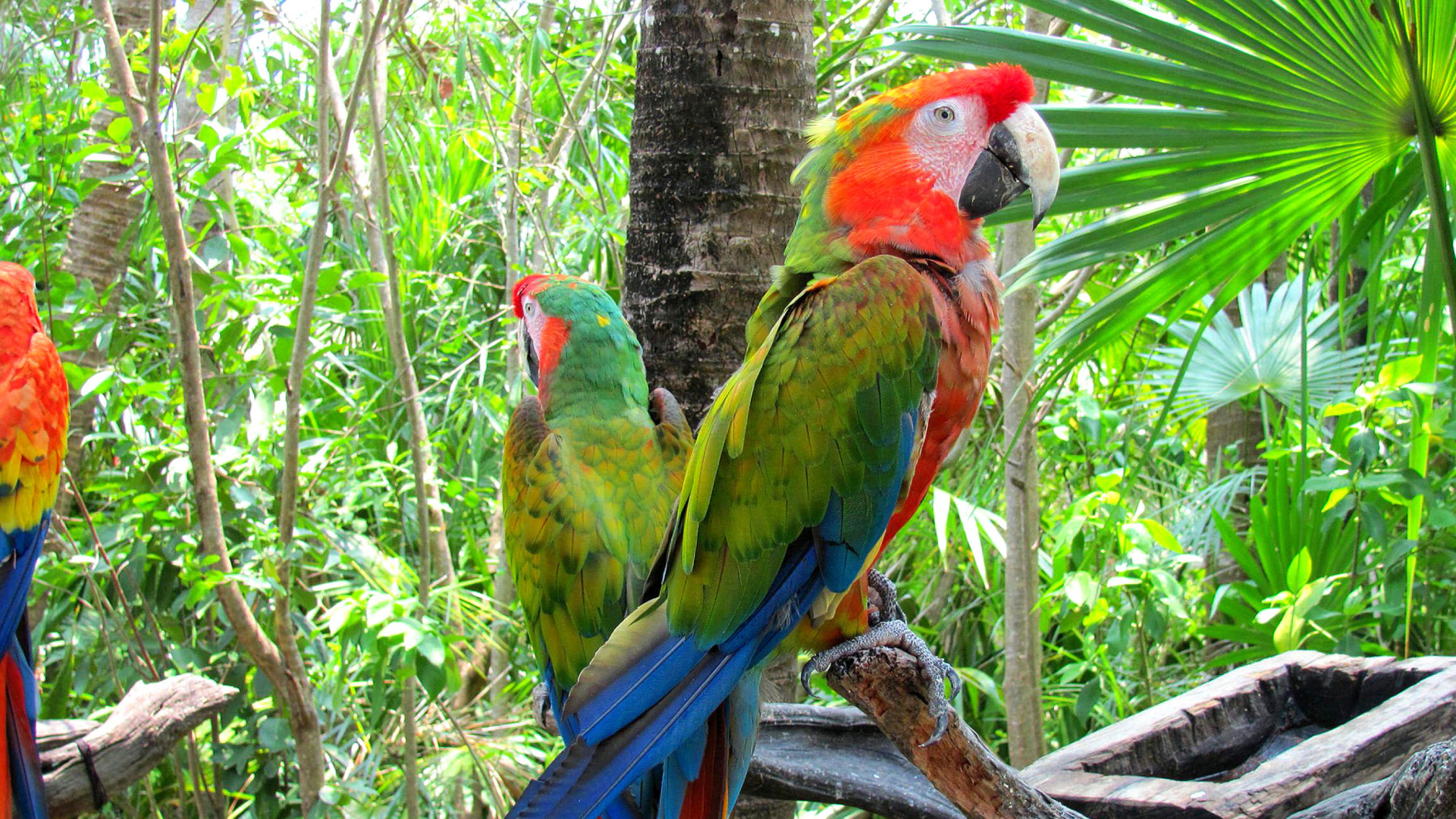
- Parque das Aves: bird park next to the entrance of the Brazilian park, with toucans, macaws and hummingbirds in large aviaries.
- Itaipu Dam: one of the largest hydroelectric power stations in the world, which can be visited on a panoramic tour.
- Helicopter flight: ten minutes above the falls for the most spectacular overview.
Best time to visit Foz do Iguaçu
The falls are impressive all year round. From December to March they carry the most water, but it is then hot (30–35 °C) and humid. April to June and September to October are the most pleasant, with 20–28 °C and fewer crowds. In July and August it can be cool (10–20 °C) and it is busier around the Brazilian school holidays. After prolonged rain, walkways on the Argentinian side may close temporarily.
Getting there and travel time
Foz do Iguaçu airport (IGU) is 15 minutes from the town and 10 minutes from the national park. Direct flights from Rio de Janeiro and São Paulo take approx. 2 hours; there are also connections from Campo Grande (Pantanal) and Curitiba. We arrange private transfers and the excursions to both sides with an English-speaking guide; a valid passport is required for the Argentinian side. Admission to the national parks is approx. € 30,- per person per park and is paid on site.
How many days in Foz do Iguaçu?
We recommend 2 to 3 nights: one day for the Argentinian side, half a day for the Brazilian side and time for the bird park, the Macuco Safari or the Itaipu Dam. With an extra night you can add the jungle package at the Yacutinga Lodge in the Atlantic rainforest.
Where to stay?
The Belmond Hotel das Cataratas is the only hotel inside the national park: you walk along the falls before and after opening hours without other visitors. In the town of Foz do Iguaçu there is a wide choice in tourist class and mid-range, 15 to 20 minutes from the park; on the Argentinian side, Puerto Iguazú is an atmospheric alternative.
Restaurant tips for Foz do Iguaçu
- Churrascaria do Gaúcho: traditional Brazilian churrascaria, where the meat is carved at the table from large skewers.
- Restaurante Barracão: local buffet restaurant with meat, fish and typical side dishes such as feijoada.
- Itaipu Restaurant: next to the Itaipu Dam, with a view and local and international dishes; ideal after a guided tour.
- La Mafia Trattoria: Italian in a 1920s atmosphere.
- Capitão Bar: informal, with fresh fish and a terrace on the Paraná River.
Combines well with
Foz do Iguaçu is a 2-hour flight from Rio de Janeiro and São Paulo and fits into almost any round trip. Popular onward destinations are Bonito and the Southern Pantanal (via Campo Grande), Curitiba and Florianópolis in the south, or Buenos Aires on the Argentinian side. Examples: the Foz do Iguaçu package and the round trips Rio, Costa Verde & Iguaçu, Beleza do Sul and Brasil Fantastico.
Frequently asked questions about Foz do Iguaçu
Which side of the falls is the most beautiful: Brazil or Argentina?
Both, for different reasons: Brazil gives you the complete overview, Argentina takes you to just above the Devil's Throat. If you only have one day, choose the Argentinian side.
Do I need a visa for the Argentinian side?
No, not with a Dutch passport. You cross the border with your passport; our guide takes care of the formalities.
How many days are needed?
Two nights are enough for both sides; with the bird park, the boat trip or Itaipu it becomes three nights.
What does admission to the parks cost?
Approx. € 30,- per person per park (Brazil and Argentina separately), payable on site and not included in our packages.
Tip from Brazil Travel Specialist
Save the Argentinian side for a day with an early start. Bring a rain poncho and a waterproof cover for your phone: at the Devil's Throat you will get wet anyway.




Manaus
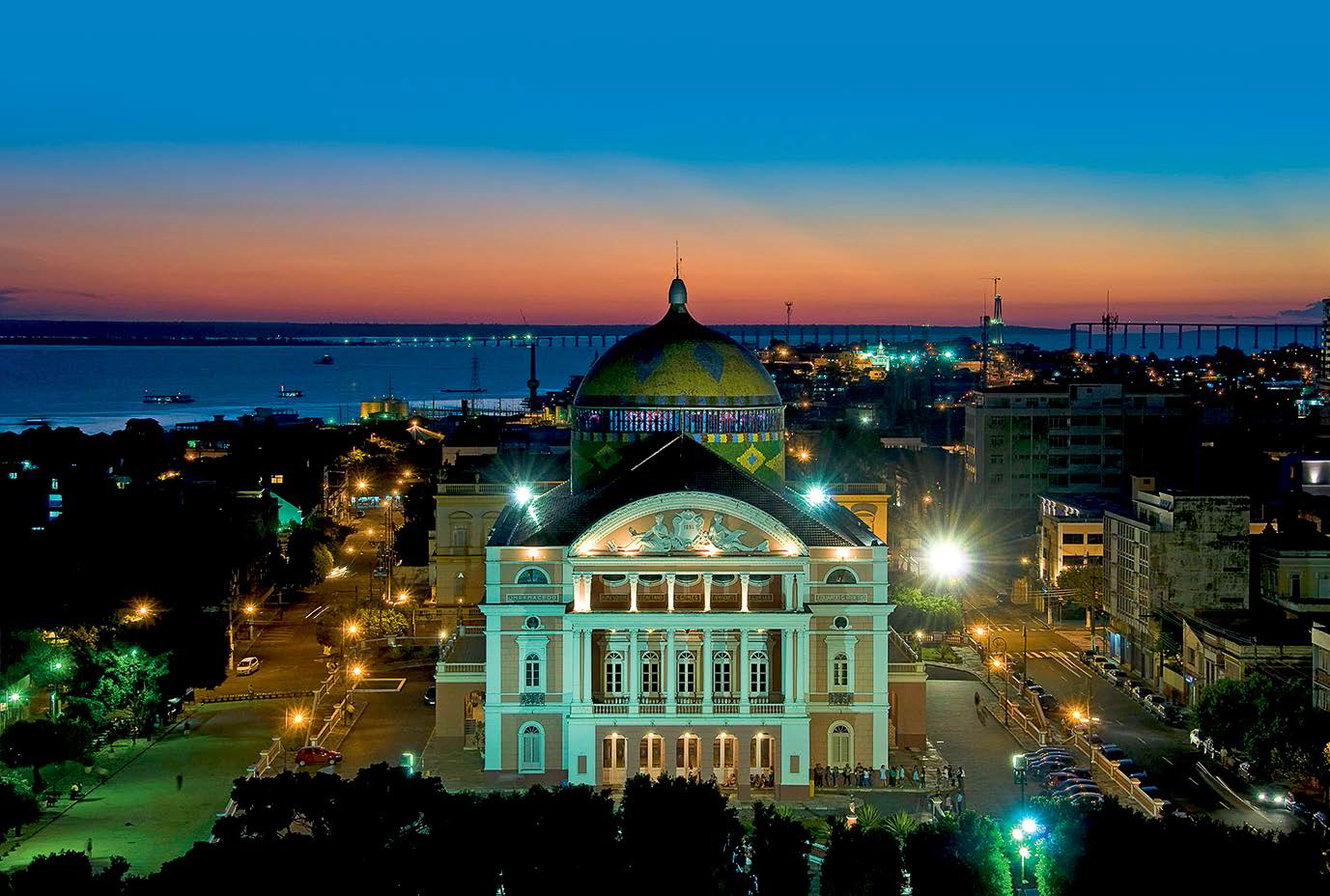
3 / 6Manaus, the capital of the state of Amazonas with more than 2 million inhabitants, lies in the middle of the rainforest at the confluence of the Rio Negro and the Solimões and is the gateway to the Amazon. One night is enough for the Theatro Amazonas, the market and the Encontro das Águas, before you leave for a jungle lodge or river cruise. It can be reached by direct flights from São Paulo, Rio and Brasília (approx. 4 hours).
A fifth of all the fresh river water on earth flows through the Amazon. Manaus grew rich during the rubber era at the end of the nineteenth century and from those glory days preserves an opera house, a market hall and palaces in the middle of the jungle.
Highlights of Manaus
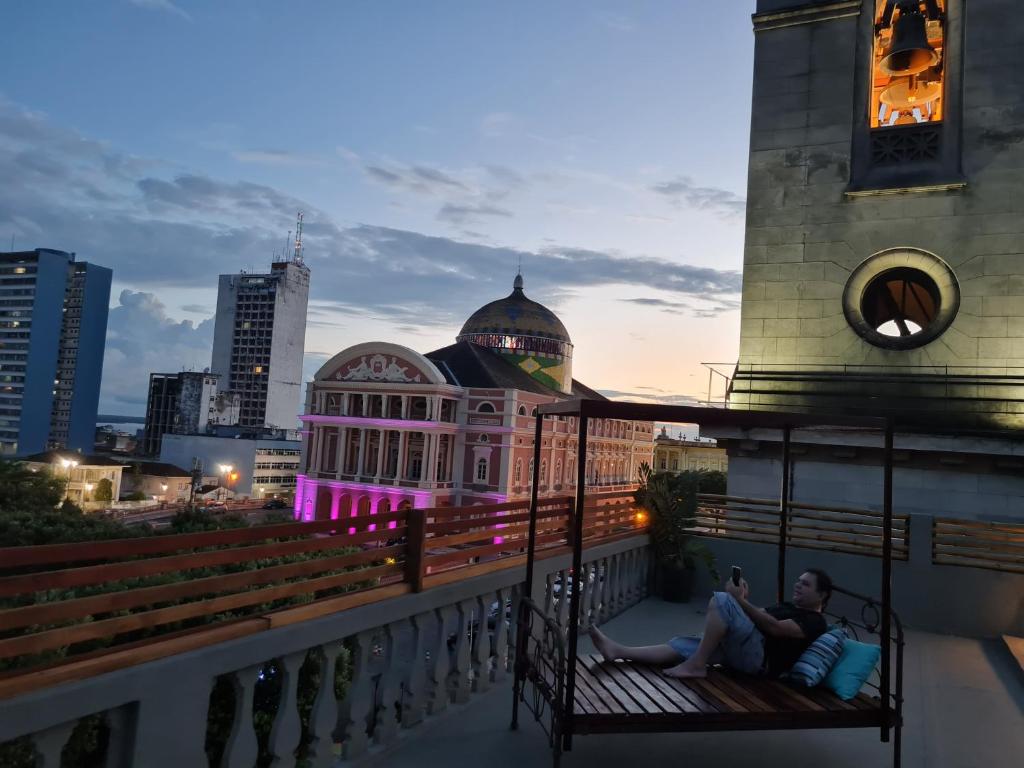
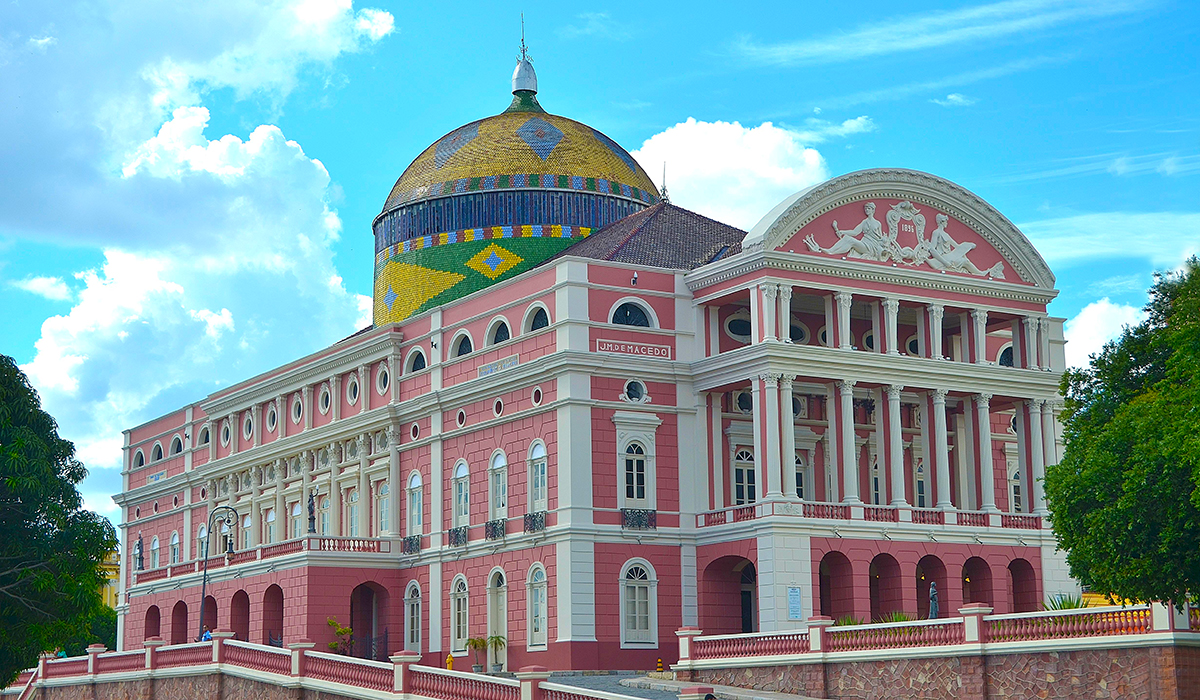
- Theatro Amazonas: the opera house from 1896 in Italian Renaissance style, with a dome in the colours of the Brazilian flag; guided tours daily and regular free concerts.
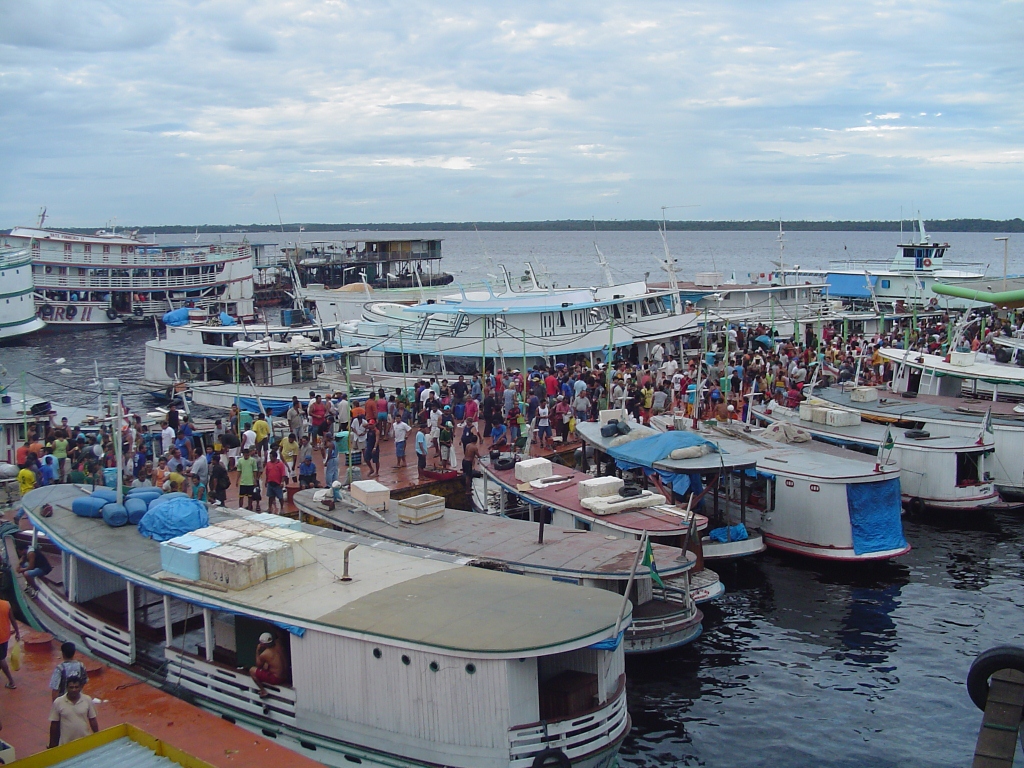
- Mercado Adolpho Lisboa: the market hall modelled on Les Halles in Paris, with Amazon fish, fruit and herbs.
- Encontro das Águas: the place where the black water of the Rio Negro and the brown water of the Solimões flow side by side for kilometres; can be visited by boat, often combined with a lodge transfer.
- Palácio Rio Negro and the historic centre from the rubber era.
- Ponta Negra: the city's river beach and promenade, with a view of the Rio Negro bridge.
Best time to visit Manaus
Warm and humid all year round (26–33 °C). From June to November the least rain falls and the water is low, with small beaches along the river; from December to May it rains more often, usually in short showers, and the water is high. The Amazon is worth visiting in both seasons.
Getting there and travel time
Eduardo Gomes airport is 20 minutes from the centre, with daily flights from São Paulo and Rio (approx. 4 hours), Brasília, Belém and Cuiabá. From the Netherlands you fly with one change (Lisbon or São Paulo). We arrange the private transfer to your hotel and the connection to the lodge or the cruise ship, which usually depart from the port or a jetty outside the city.
How many days in Manaus?
One night before or after your Amazon package is sufficient for a city tour with the theatre and the market. If you want to do the Encontro das Águas as a separate excursion or attend an evening concert, plan two nights.
Restaurant tips in Manaus
- Banzeiro: the best-known restaurant in the Amazon, with chef Felipe Schaedler and dishes of tambaqui, pirarucu and tucupi.
- Caxiri: Amazonian cuisine in a listed building opposite the Theatro Amazonas.
- Tambaqui de Banda: informal and local, the place for grilled tambaqui ribs.
- Bar do Armando: an institution next to the theatre, for a cold beer after the guided tour.
Combines well with
Manaus is the base for the Amazon: lodges such as Amazon Turtle Lodge, Juma Lodge and Anavilhanas Lodge, or cruises with Katerre and the Iberostar Heritage Grand Amazon. After that you fly on to the Pantanal (Cuiabá), Belém or the north-east coast.
Frequently asked questions about Manaus
Do I have to spend a night in Manaus?
Usually yes: most lodges and cruises depart in the morning, and international or domestic flights often arrive in the evening. A night in the city makes the connection relaxed.
Is Manaus safe?
In the centre and at Ponta Negra it is fine during the day; in the evening you take a taxi. As in any large Brazilian city: no visible valuables.
Can I travel directly from Manaus to the Pantanal?
Yes, there are direct flights to Cuiabá (approx. 2 hours), which means the Amazon and the Pantanal fit into one trip of 8 to 9 days.
Do I need vaccinations?
A yellow fever vaccination is recommended for the Amazon; malaria prophylaxis is usually not needed for the lodges around Manaus. Ask the GGD for advice.
Tip from Brazil Travel Specialist
Check the programme of the Theatro Amazonas before departure: there are regular free or inexpensive concerts and during the opera festival (April–May) the building is at its most beautiful. We plan your night in the city so that a performance fits in.
Amazon
4 / 6The Amazon is the largest rainforest in the world and, from the Netherlands, is best reached via Manaus, with direct flights from São Paulo and Rio (approx. 4 hours). You stay in a jungle lodge or on board a river cruise, on a full-board basis with daily excursions. Allow 3 to 5 nights; the Amazon can be visited all year round, with high water from March to July and low rivers and small beaches from September to November.
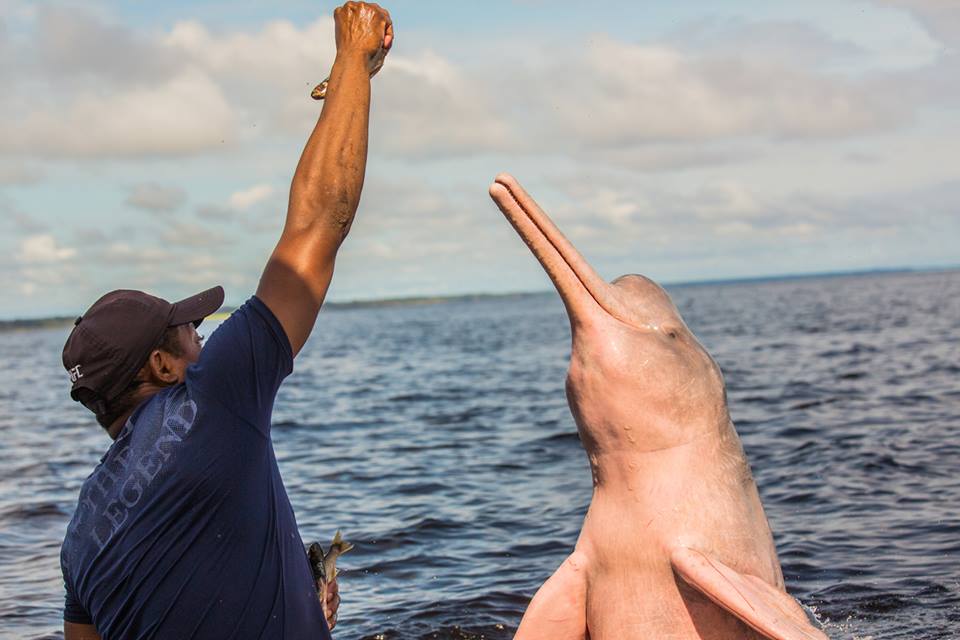
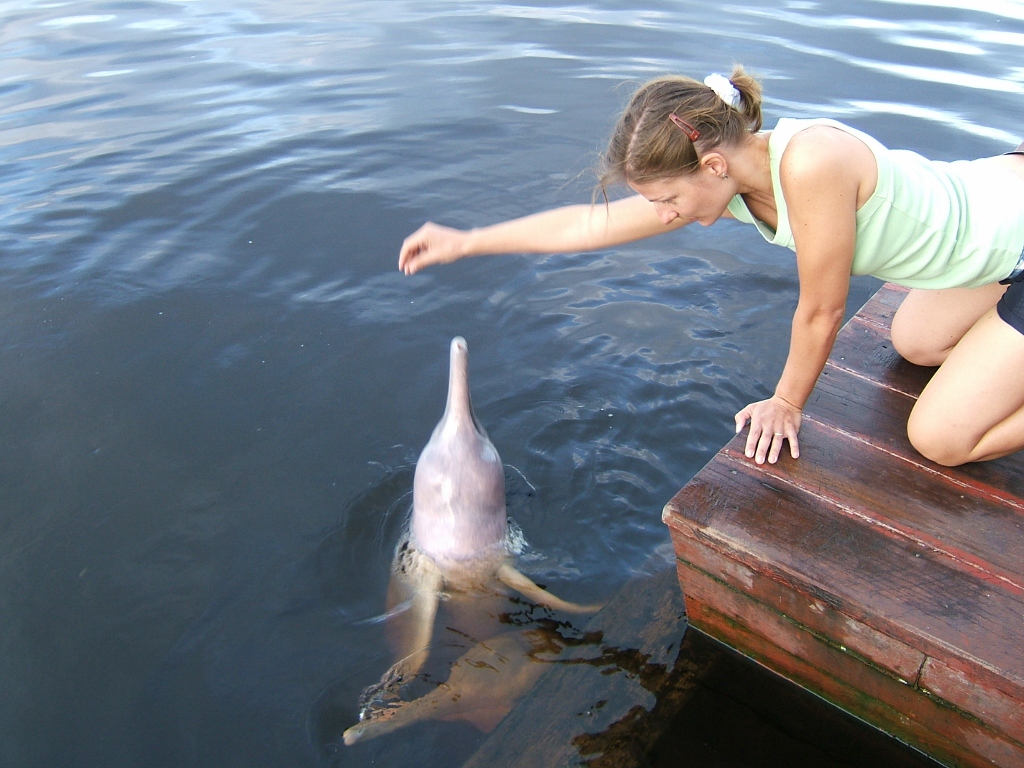
The Amazon basin is so large that the Netherlands would fit into it more than a hundred times. Around Manaus there are dozens of lodges, and expedition vessels sail the Rio Negro and the Solimões; here you see pink river dolphins, sloths, caimans and hundreds of bird species, and you visit river communities.
Highlights of the Amazon
- Jungle lodges: from the authentic Amazon Turtle Lodge and Juma Lodge on stilts above the water to the luxurious Anavilhanas Lodge and Mirante do Gavião on the Rio Negro.
- River cruises: multi-day expeditions with Katerre, the Amazon Clipper or the Iberostar Heritage Grand Amazon to the Anavilhanas archipelago, the largest river archipelago in the world.
- Encontro das Águas: near Manaus the dark Rio Negro and the pale Solimões flow side by side for kilometres without mixing.
- Canoe and night trips: through the flooded igapó forest, spotting caimans with the spotlight and fishing for piranhas.
- Presidente Figueiredo: the Amazon highlands 107 km from Manaus, with waterfalls, caves and trees up to 80 metres tall; the Amazon Emotions Jungle Lodge is also located here.
- Southern Amazon and Alter do Chão: the Cristalino Jungle Lodge (birdwatching highlight) and the white river beaches of Alter do Chão near Santarém as alternatives to Manaus.
Best time to visit the Amazon
The Amazon is accessible all year round and always warm and humid (26–32 °C). From March to July the water is high: you travel by canoe among the treetops through the flooded forest and the rivers are wide. From September to November the water is low: the river beaches are exposed, walking in the forest is easier and the chance of seeing animals on the banks is greater. Most rain falls in the rainy season (December to May), usually in short, heavy showers.
Getting there and travel time
Manaus has an international airport with daily flights from São Paulo, Rio de Janeiro, Brasília and Cuiabá; from the Netherlands you fly with a change in Lisbon or São Paulo. The lodges are 1 to 4 hours from Manaus, by car and boat; the transfers are included in the package. We usually combine the Amazon with the Pantanal (a 2-hour flight to Cuiabá) or the north-east coast.
How many days in the Amazon?
We recommend 3 to 4 nights in a lodge: that way you take part in all the excursions (canoe trip, jungle walk, night trip, visit to a community, sunrise on the river). For a cruise, allow 4 to 7 nights; if you really want to get to the heart of the Amazon, combine a lodge with a cruise or with the Southern Amazon.
Lodge or cruise?
A lodge offers peace and quiet, a fixed base and personal guides; ideal for families and a first introduction. A cruise takes you further into the wilderness, with a new place every day and more chance of unspoilt nature. Both are on a full-board basis and include excursions.
Combines well with
The Amazon combines well with Manaus (one night for the Theatro Amazonas), the Northern Pantanal, the Lençóis Maranhenses and the beaches of the north-east coast. Examples: Amazon Turtle Lodge, Anavilhanas Lodge, Katerre cruise and the round trip Gostos do Brasil.
Frequently asked questions about the Amazon
Are there many mosquitoes in the Amazon?
Hardly any around the Rio Negro: the acidic, dark water is unsuitable for mosquito larvae. Along the Solimões and in the rainy season there are more; long clothing and DEET are sufficient.
Do I need malaria prophylaxis?
For the lodges around Manaus this is usually not advised; a yellow fever vaccination, however, is recommended. Consult a travel health clinic or a travel vaccination centre.
Will I see many animals?
You will certainly see river dolphins, caimans, sloths, monkeys and many birds. Large mammals often remain hidden in the dense forest; for wildlife in open landscape the Pantanal is the better choice, which is why we combine the two.
Is the Amazon suitable for children?
Yes, most lodges welcome children from about 6 years of age; the excursions are short and by boat.
Tip from Brazil Travel Specialist
Choose your lodge for its location and guide, not just for comfort: a lodge on the Rio Negro means few mosquitoes and black water with reflections, a lodge on the Solimões or the Mamori means more animals but more insects. We know the lodges personally and will be happy to advise you on which one suits your trip.

Salvador
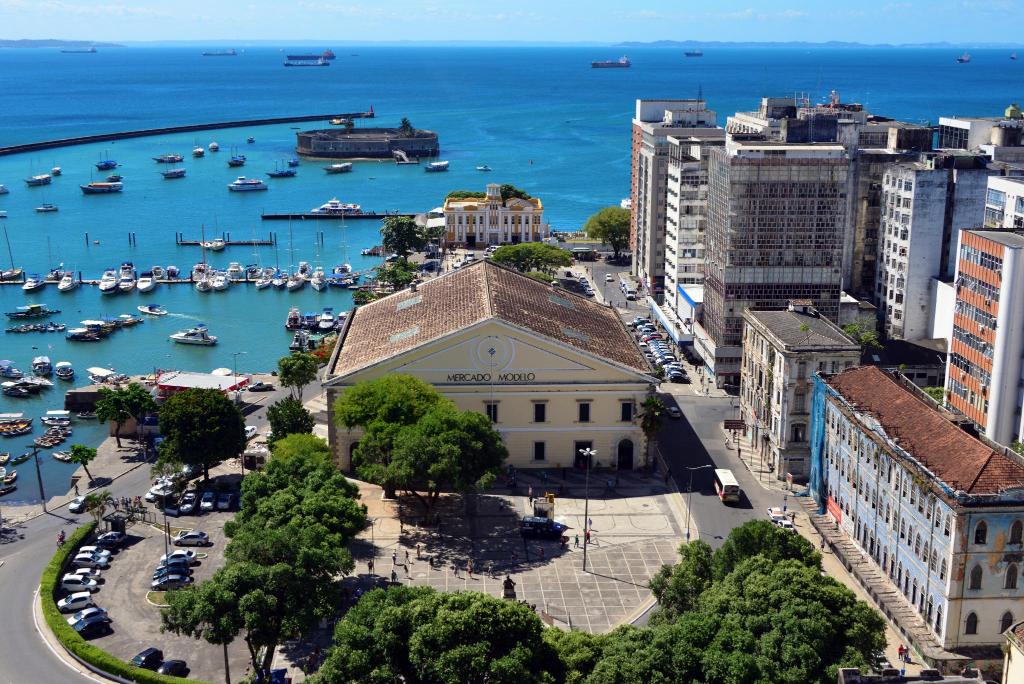
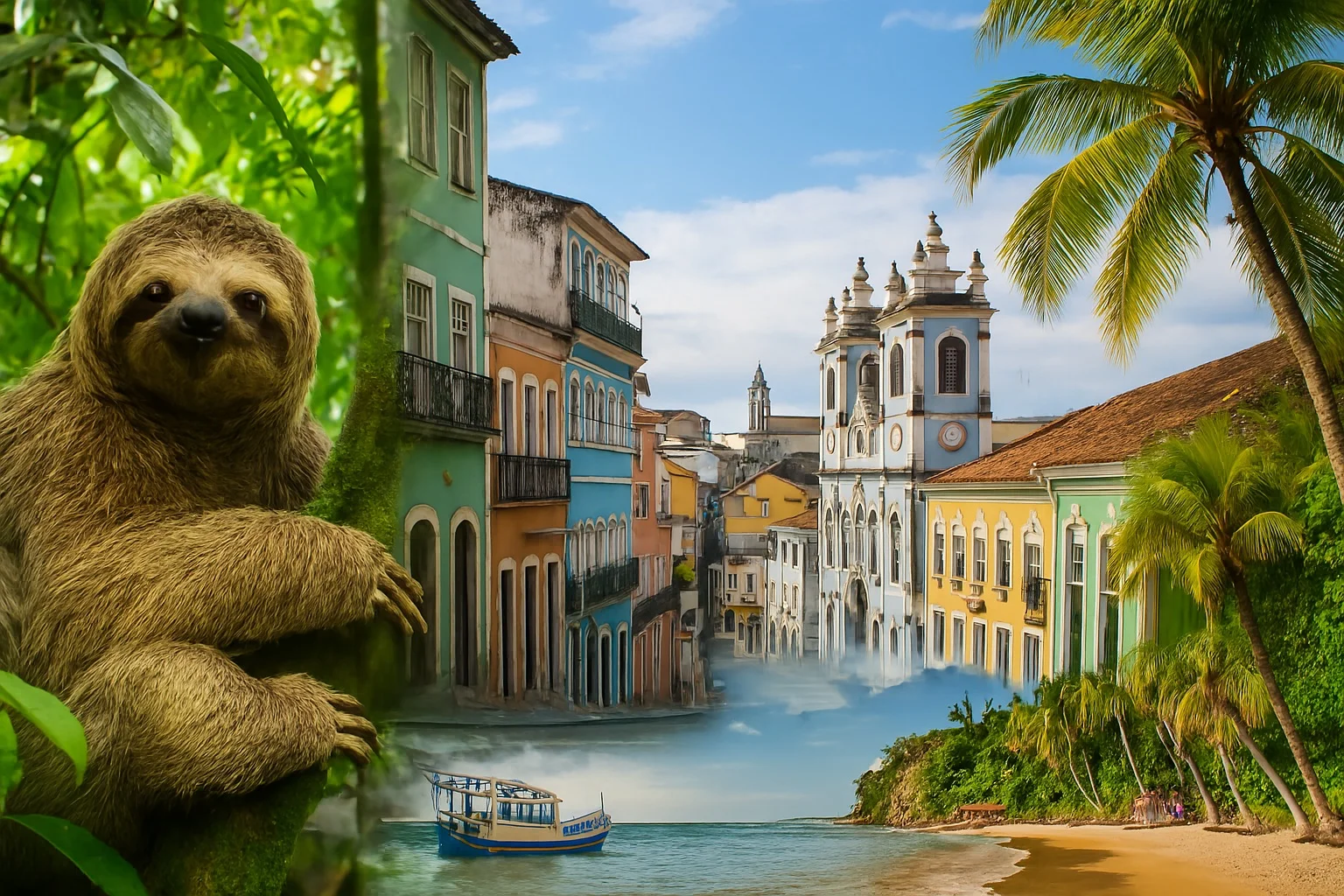
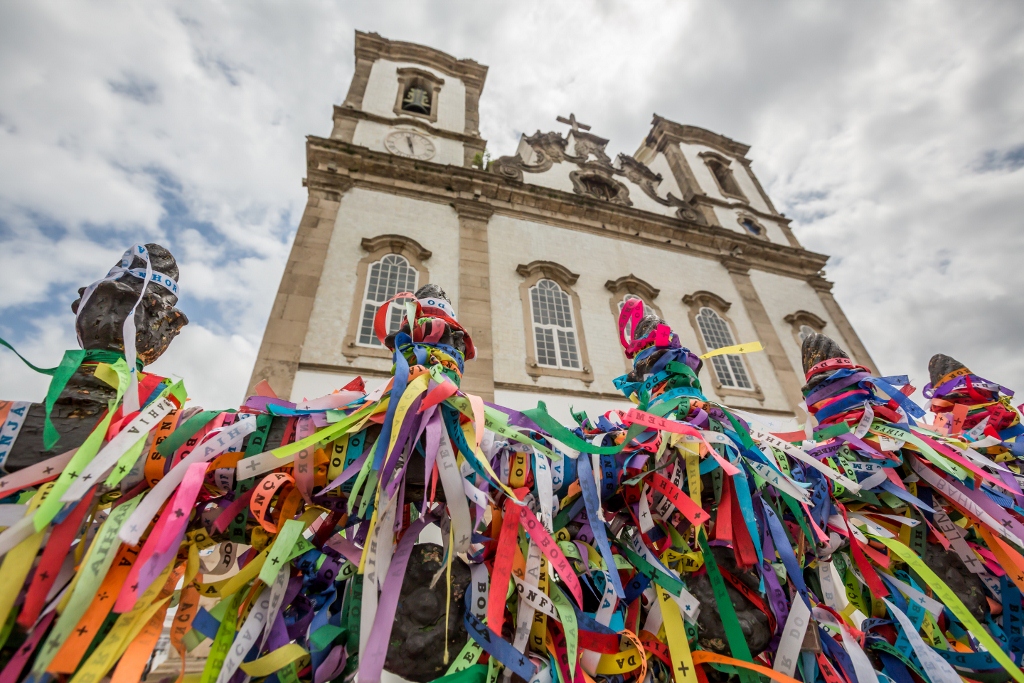
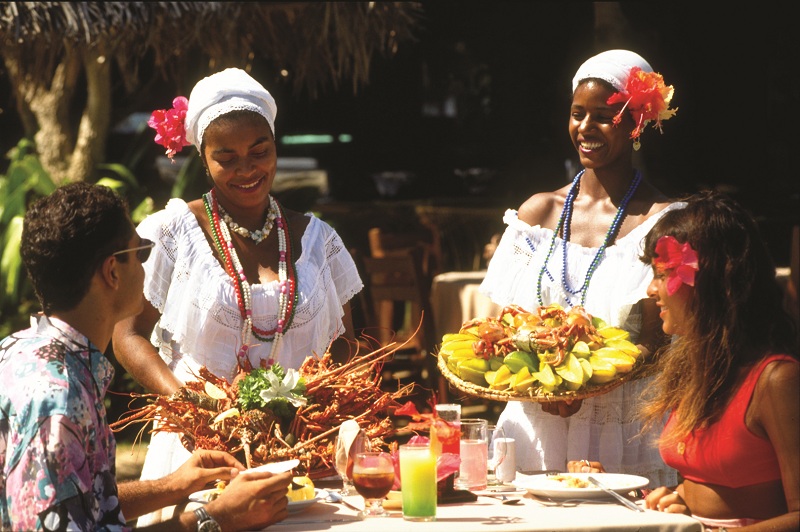
5 / 6Salvador da Bahia, the first capital of Brazil, is the heart of Afro-Brazilian culture: the historic centre of Pelourinho with baroque churches, capoeira, candomblé, live music and the cuisine of Bahia, on a bay in the north-east. Allow 2 to 3 nights, preferably as the start or finale of a trip through Bahia; best time to travel September to March, with carnival in February.
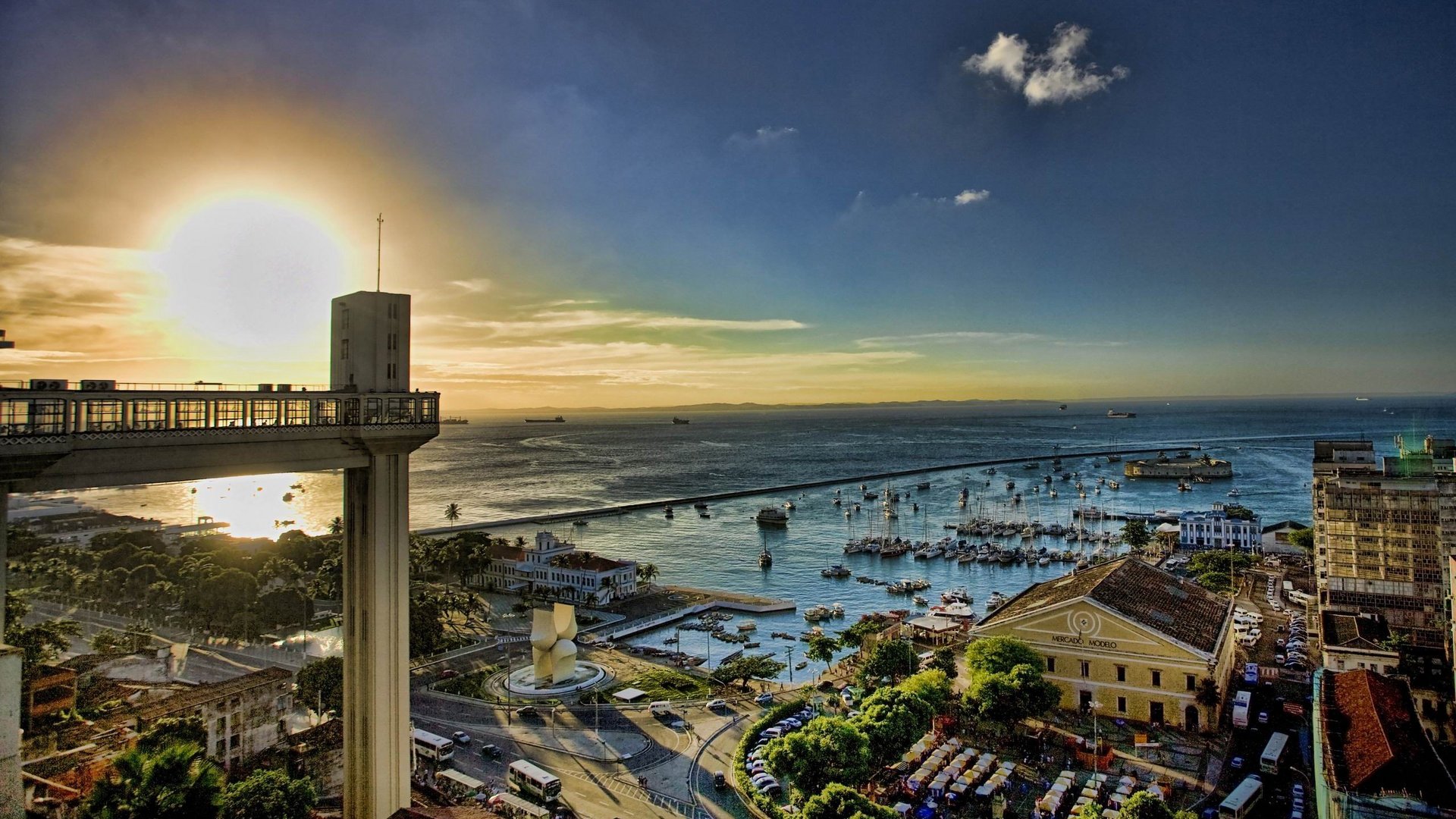
Salvador lies on a peninsula on the Baía de Todos os Santos and is divided into an upper and a lower town, connected by the Elevador Lacerda. For three centuries the city was the most important port for the slave trade; today that painful history shapes the rich culture of music, dance, religion and food that makes Salvador unique.
Highlights of Salvador
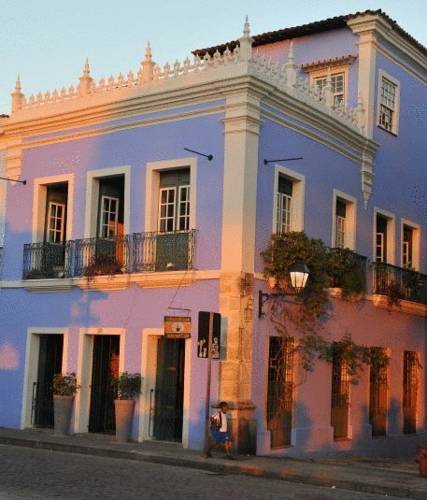
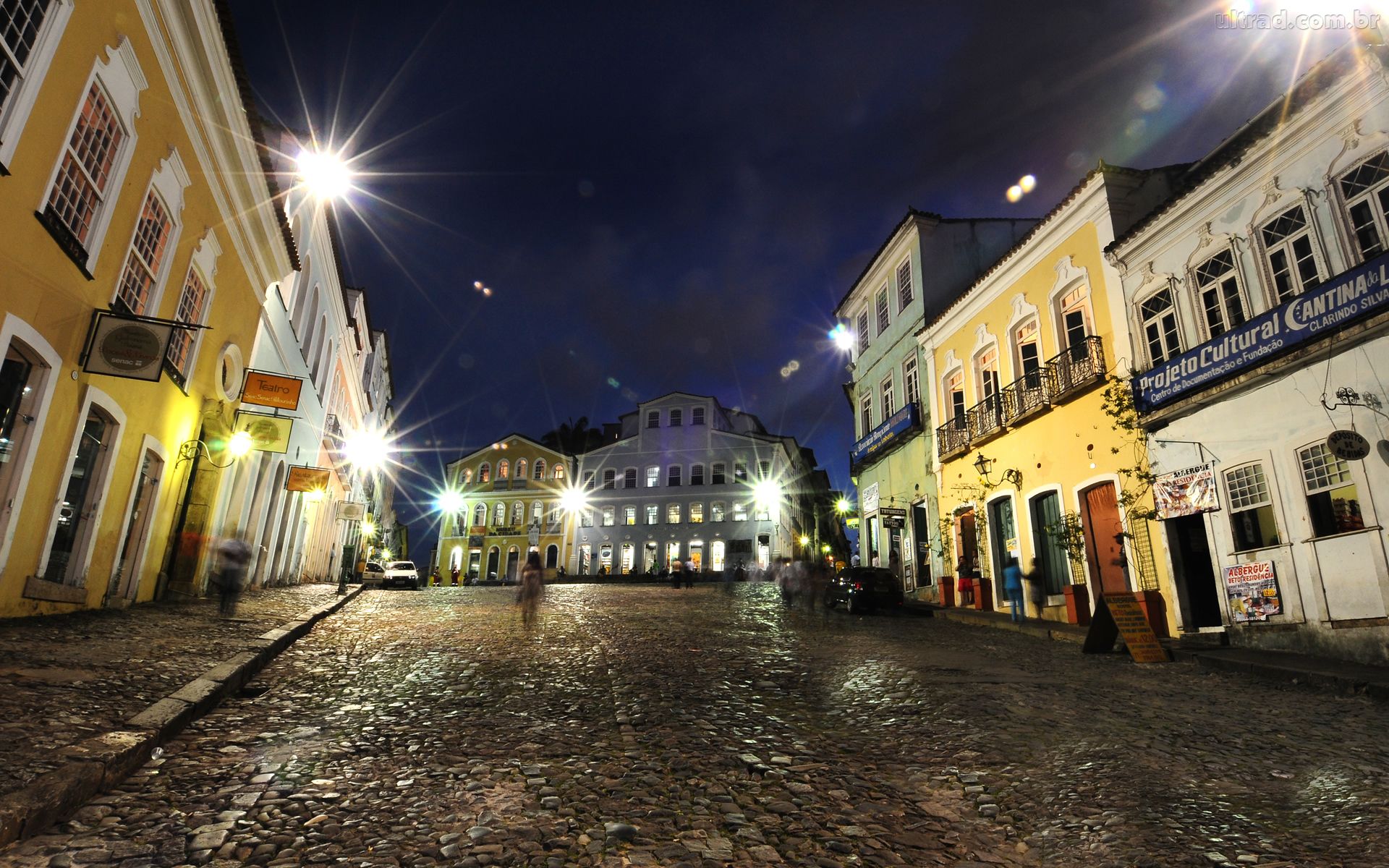
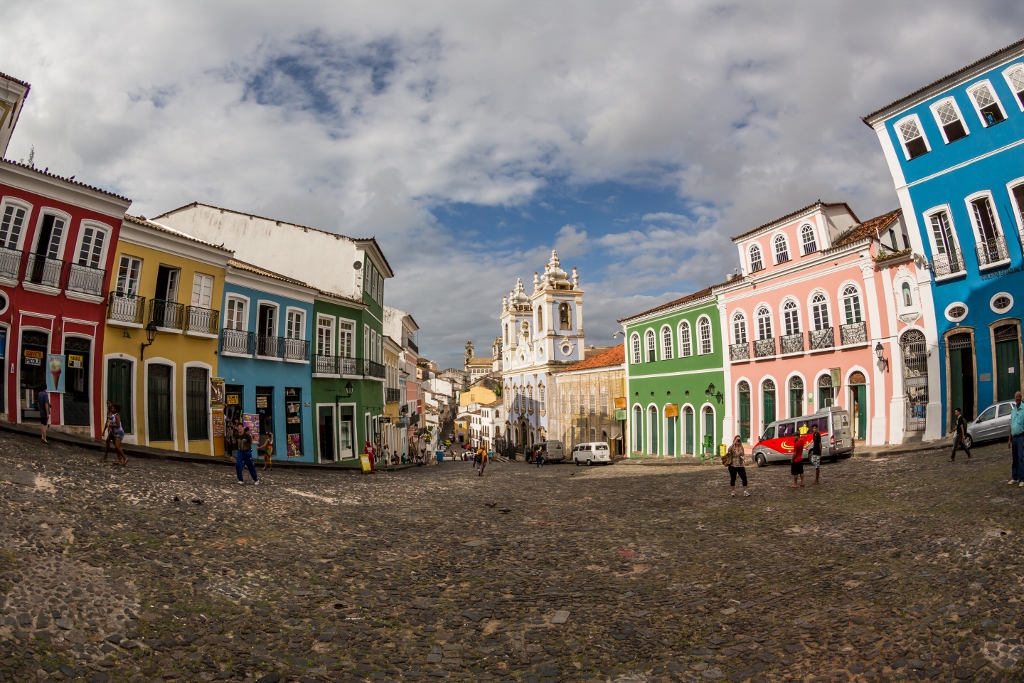
- Pelourinho: the colonial centre (UNESCO World Heritage) with colourful houses, the São Francisco church with its gold leaf and, in the evening, drum groups such as Olodum.
- Elevador Lacerda and Mercado Modelo: the lift dating from 1873 between the upper and lower town and the market by the harbour.
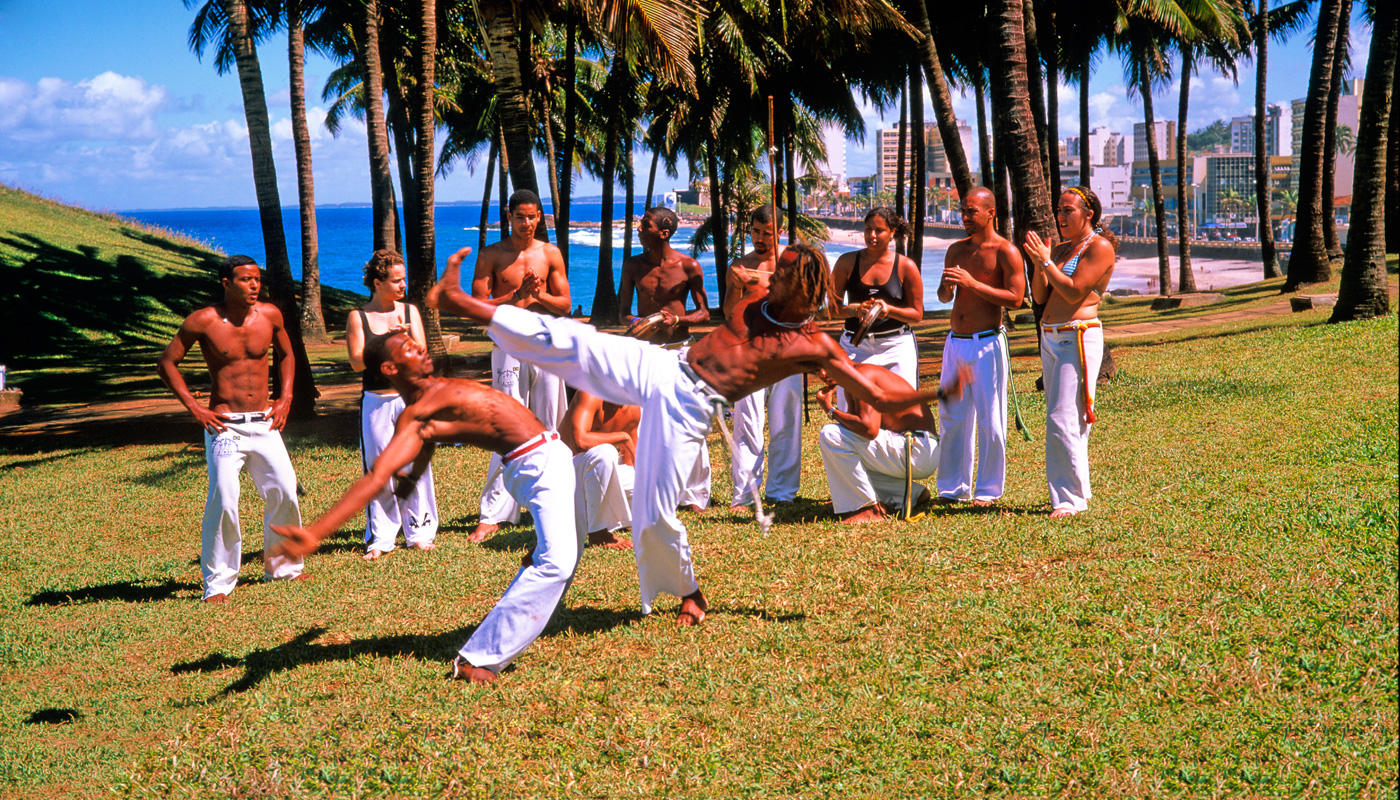
- Capoeira and candomblé: a capoeira roda in the centre or a visit to a candomblé terreiro with a local guide.
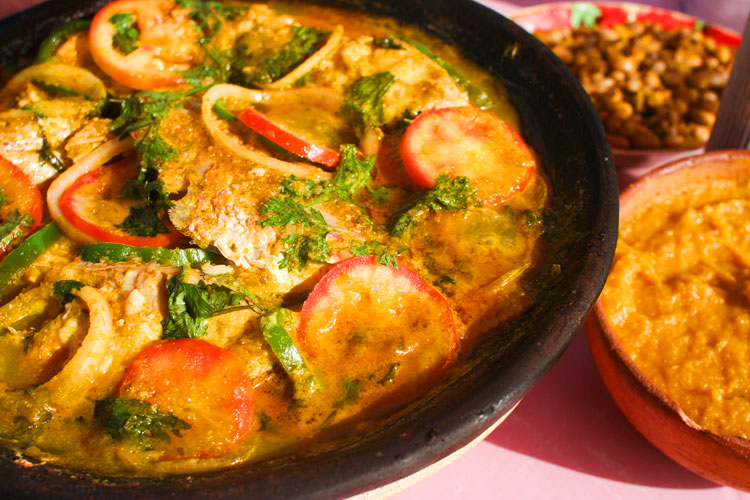
- Cuisine of Bahia: acarajé from the baianas in the street, moqueca in a restaurant on the bay.
- Beaches: Porto da Barra in the city, Itapuã and, further north, Praia do Forte.
- Carnival: the largest street carnival in the world, where you walk along behind the trios elétricos instead of watching.
Best time to visit Salvador
Salvador is warm all year round (25–30 °C). September to March is the driest and sunniest period; carnival falls in February or early March and is therefore also the most expensive and busiest period. Most rain falls from April to July, often in showers with sunshine in between; June is the month of the São João festivals inland.
Getting there and travel time
Salvador has an international airport 40 minutes from the centre, with daily flights from Rio and São Paulo (approx. 2 hours) and TAP flights via Lisbon. We arrange private transfers; the catamaran sails to Morro de São Paulo in 2.5 hours, you drive to Praia do Forte in 1 hour and to the Chapada Diamantina in 6 hours.
How many days in Salvador?
We recommend 2 to 3 nights: a day for Pelourinho and the lower town with a guide, a day for the beaches or a boat trip on the bay to Ilha de Itaparica. With carnival, 4 to 5 nights.
Where to stay in Salvador?
In Pelourinho you sleep in the midst of history, in atmospheric pousadas; in the evening you stay in the lit streets and take a taxi outside the centre. Barra and Rio Vermelho on the coast are more spacious, with beach and restaurants and 15 minutes from the centre.
Combines well with
Salvador is the gateway to Bahia: the car-free island of Morro de São Paulo, the beaches of Praia do Forte, the table mountains of the Chapada Diamantina and the south coast around Trancoso. Examples: Salvador package, self-drive Bahia and the round trips Bahia and Brasil Encantado.
Frequently asked questions about Salvador
Is Salvador safe?
Pelourinho is fine to visit during the day and in the evening thanks to the tourist police; outside the lit streets, take a taxi and do not carry visible valuables. Our local representatives give up-to-date tips on arrival.
How does it differ from carnival in Rio?
In Rio you watch the parades in the Sambadrome; in Salvador you walk along yourself behind the music trucks through the streets. Salvador is more exuberant and more informal.
How many days do I need for Salvador and surroundings?
Two to three nights for the city, plus 3 to 4 nights of beach (Morro de São Paulo or Praia do Forte) and 2 to 3 nights in the Chapada Diamantina for a complete Bahia trip of 8 to 10 days.
Can I combine Salvador with Rio?
Yes, by a 2-hour flight; in addition, TAP flies via Lisbon to and from both cities, so you can fly out to Rio and back from Salvador.
Tip from Brazil Travel Specialist
Plan a Tuesday evening in Pelourinho: that is when the drum groups rehearse and there are open-air concerts. Try an acarajé from the baianas on the Largo do Pelourinho and let us arrange a guide for the São Francisco church; without an explanation you will miss the story behind the gold leaf.


Morro de São Paulo
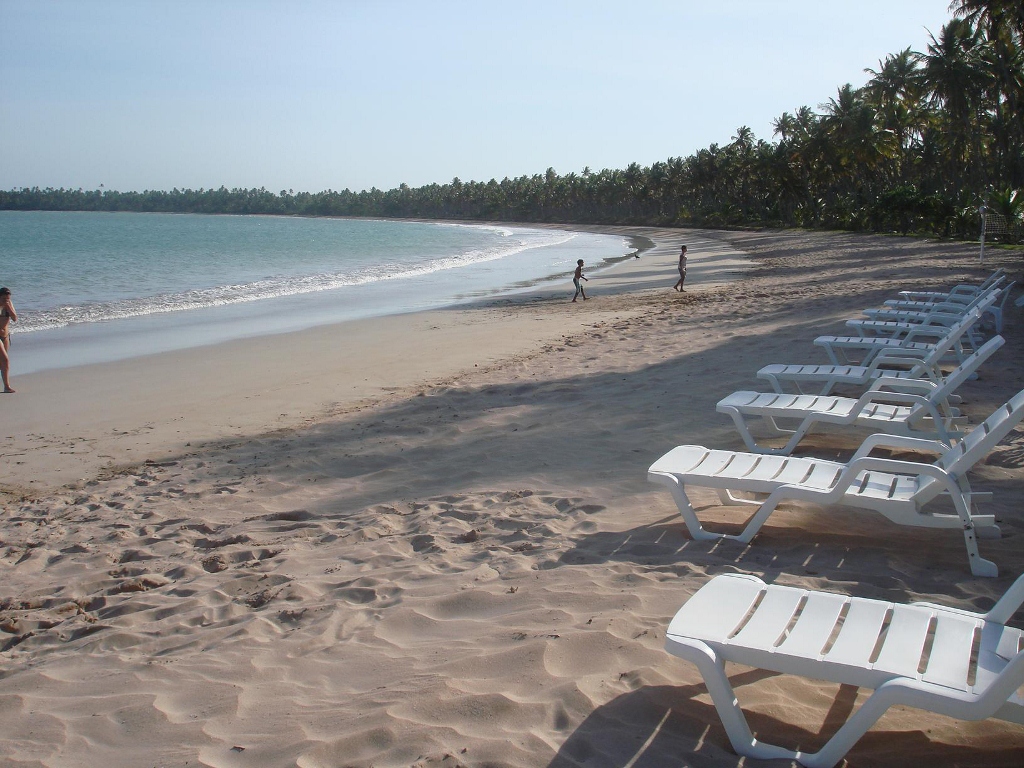
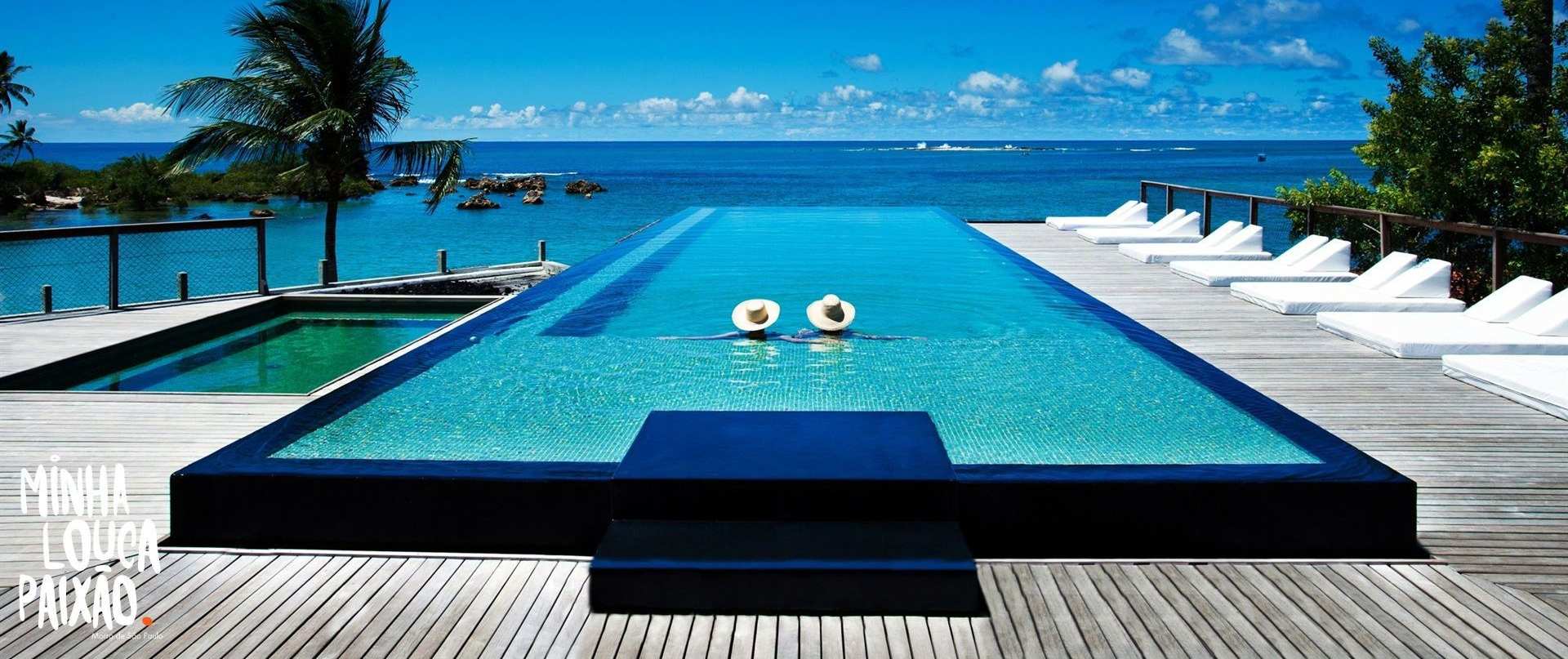
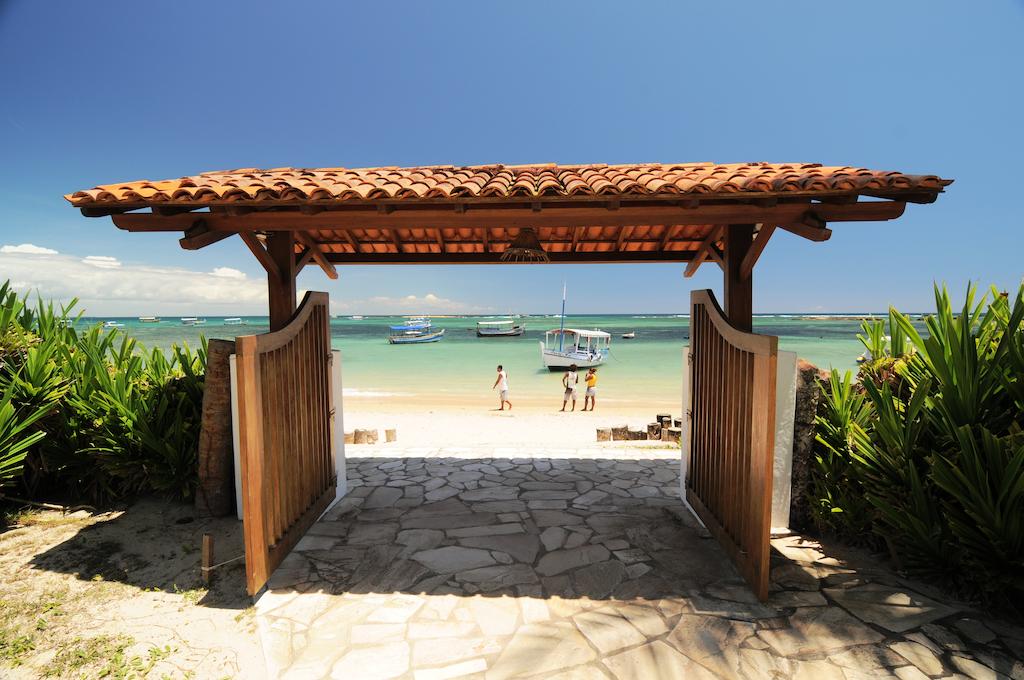
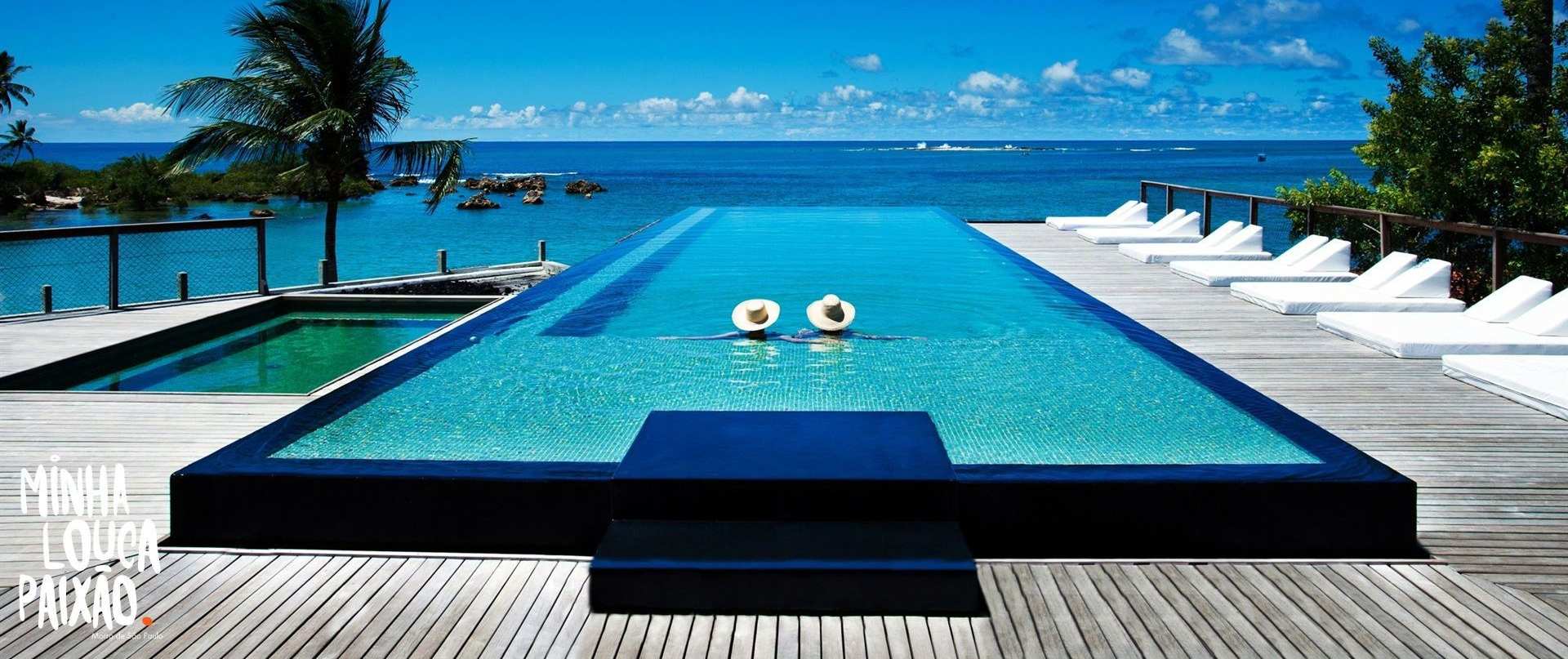
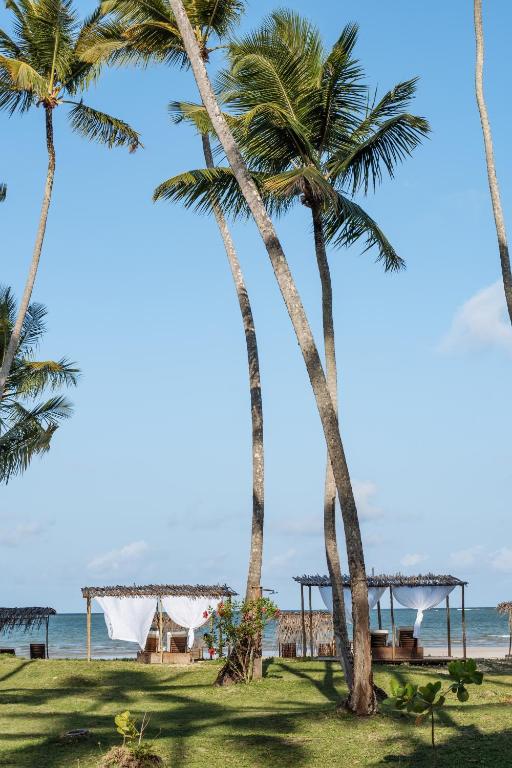
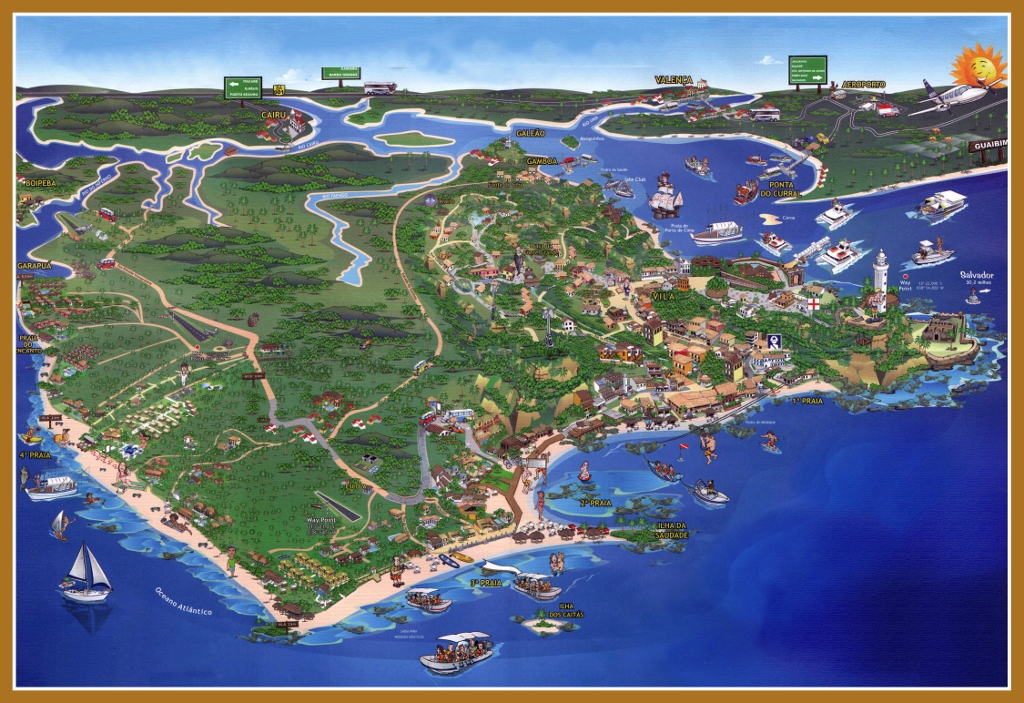
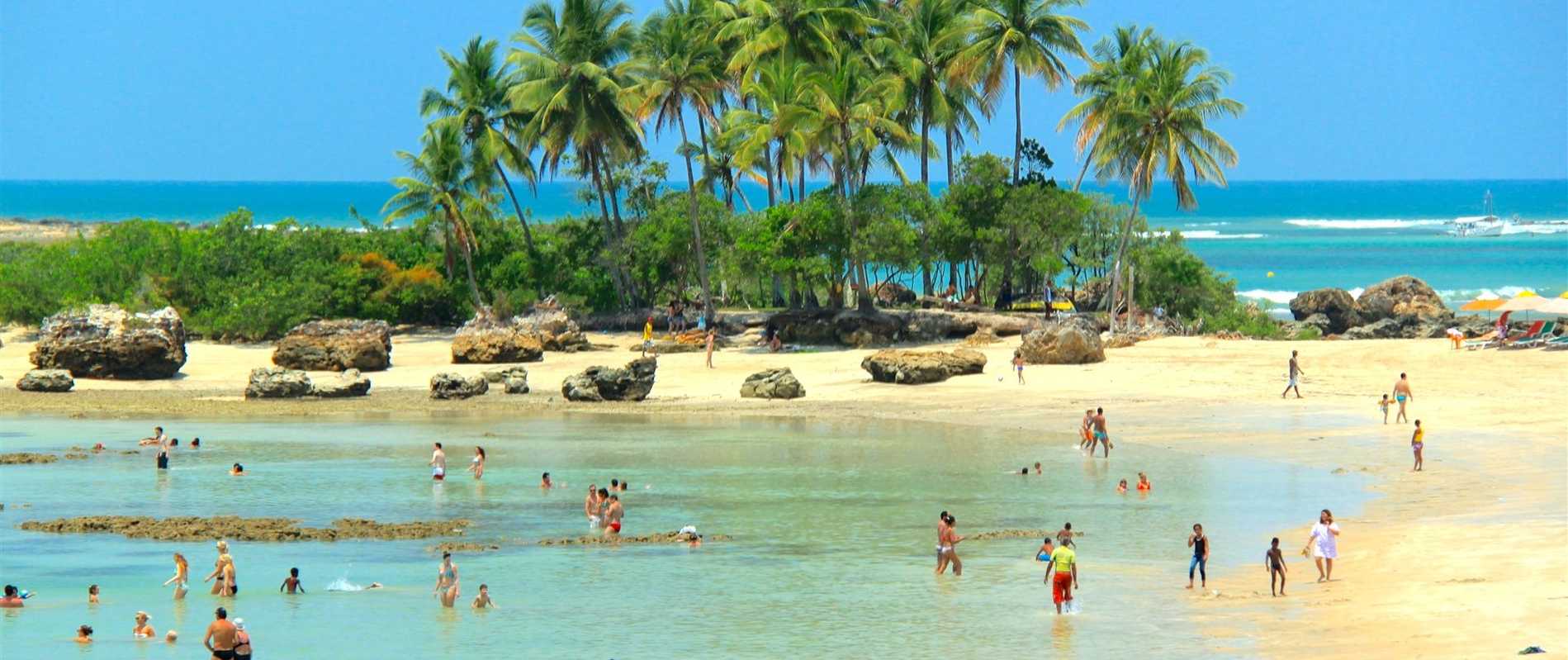
6 / 6Morro de São Paulo is a car-free fishing village on the island of Tinharé in Bahia, 2.5 hours by catamaran from Salvador, with four numbered beaches, palm trees, natural pools and a relaxed atmosphere. Allow 3 to 4 nights as the beach finale of a trip through Bahia; best time to travel is September to March.
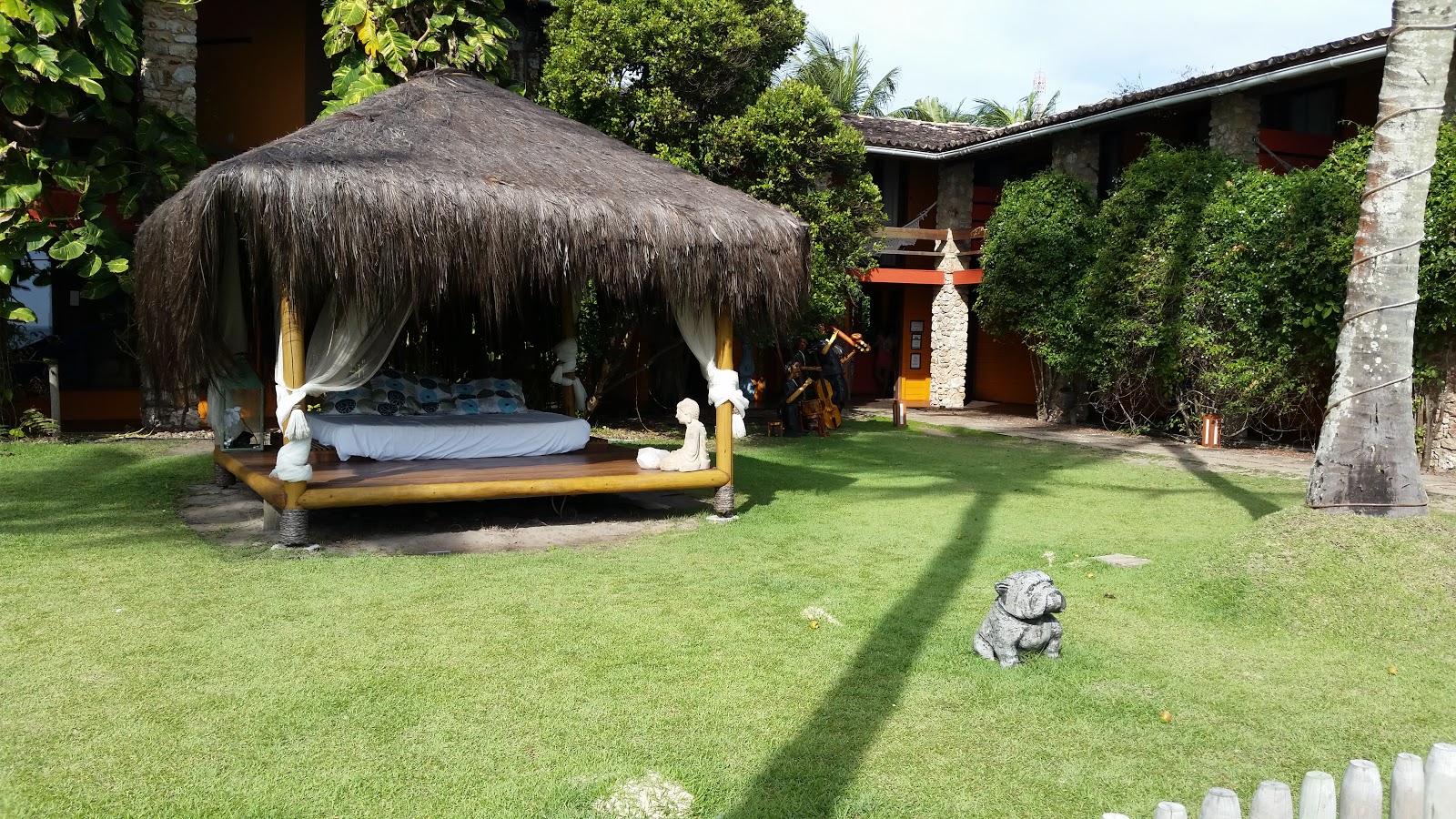
The village sits on a hill with an old fortress and a lighthouse; below, the beaches lie in a row. Luggage goes by wheelbarrow from the jetty to your pousada, because there are no cars.
Highlights of Morro de São Paulo
- First and Second Beach: close to the village, with restaurants, sunloungers and live music in the evening.
- Third and Fourth Beach: quieter, with natural pools at low tide and kilometres of palm-fringed beach towards Garapuá.
- Boat trip around the island: to Garapuá, the snorkelling reef at Moreré and the oyster village of Boipeba.
- Sunset at the fortress and the tirolesa: the zip line from the hill down to the beach.
- Boipeba: the quiet neighbouring island, reachable by boat, for those who want it even more peaceful.
Best time to travel to Morro de São Paulo
From September to March it is dry and sunny (27–30 °C); December to February is busy with Brazilians and fully booked around New Year. Most rain falls from April to July, usually in showers; it stays warm and prices are lower.
Getting there and travel time
From Salvador the catamaran sails directly to Morro in about 2.5 hours (in rough seas the crossing can be choppy); an alternative is the combination of ferry to Itaparica, transfer to Valença and boat to Morro (3 hours in total, calmer). There are also small planes from Salvador (25 minutes). We arrange the crossing and the connection to your hotel.
How many days on Morro de São Paulo?
We recommend 3 to 4 nights: a boat trip, a day at the natural pools by the Fourth Beach and otherwise the beach. With an excursion to Boipeba, 5 nights.
Combines well with
Morro is the beach finale after Salvador and the Chapada Diamantina; it can also be combined with Itacaré further south. Examples: Morro de São Paulo package, Morro de São Paulo beach holiday and the Bahia round trip.
Frequently asked questions about Morro de São Paulo
Is the catamaran suitable for people who suffer from seasickness?
Not always; in windy conditions the crossing can be choppy. In that case we book the route via Itaparica and Valença or the small plane.
Which beach is the best to stay on?
The Second Beach for atmosphere and restaurants within walking distance, the Third or Fourth Beach for peace and quiet and a large beach on your doorstep.
Is Morro suitable for children?
Yes, the sea is calm and shallow and the village is car-free; only the hill from the jetty involves a bit of a climb.
Morro de São Paulo or Praia do Forte?
Morro for an island feel with pousadas and boat trips; Praia do Forte for resorts and a short transfer by road from Salvador.
Tip from Brazil Travel Specialist
Take the morning catamaran: the sea is usually calmer then and you will already have the afternoon on the beach. Let us choose a pousada on the Second Beach with a sea view; the difference from the streets behind is considerable.