


remarks
- Land package from € 3,297 per person based on 2 people travelling, staying in the tourist class accommodation in low season, excluding flights. (2027 rate)
Get in in touch with us and receive a personal travel proposal.
- Included:
- Accommodation;
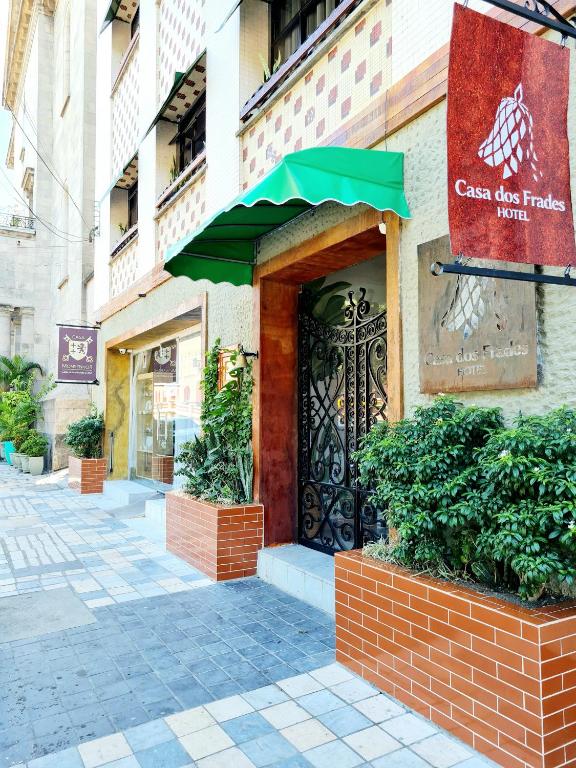
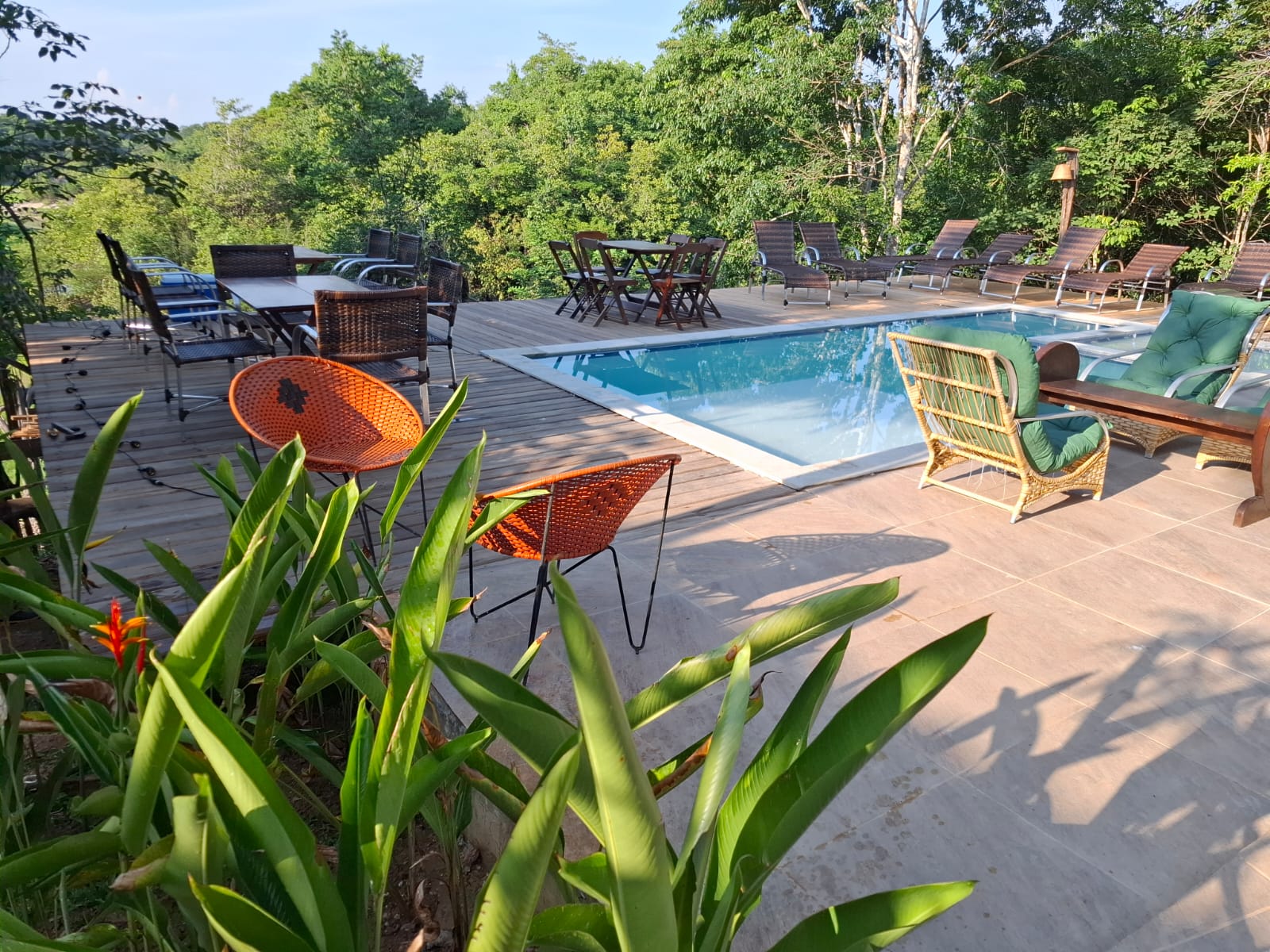
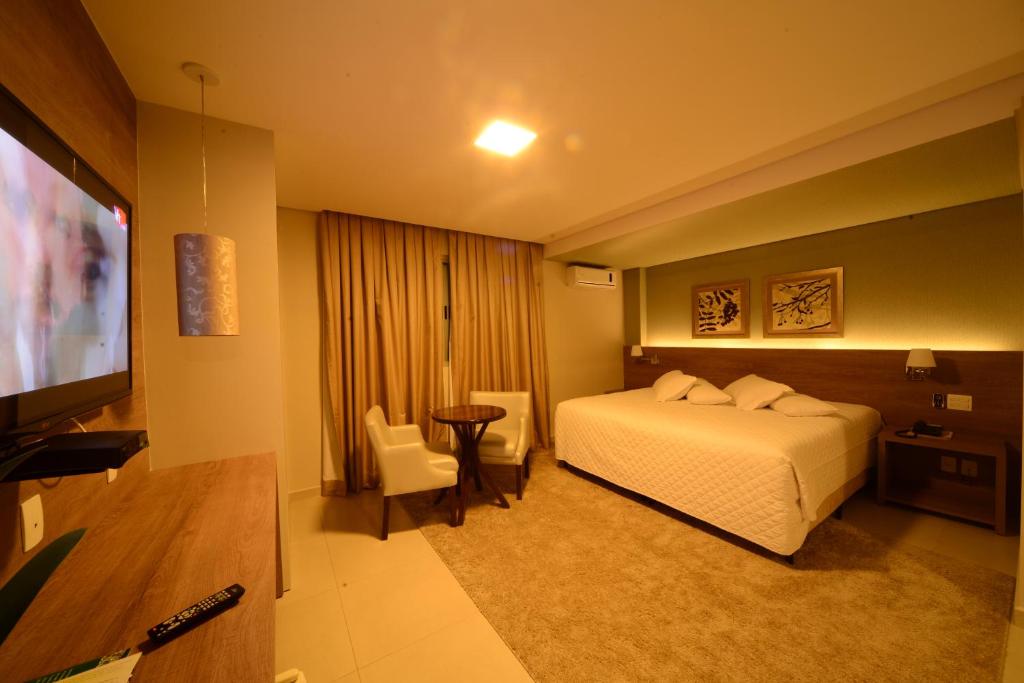
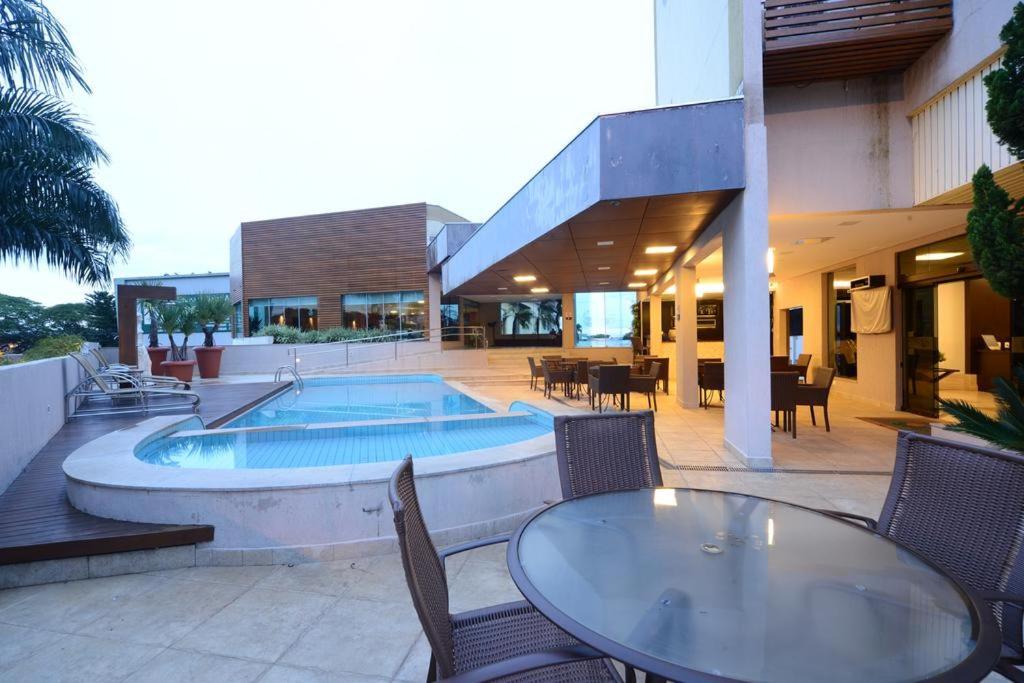
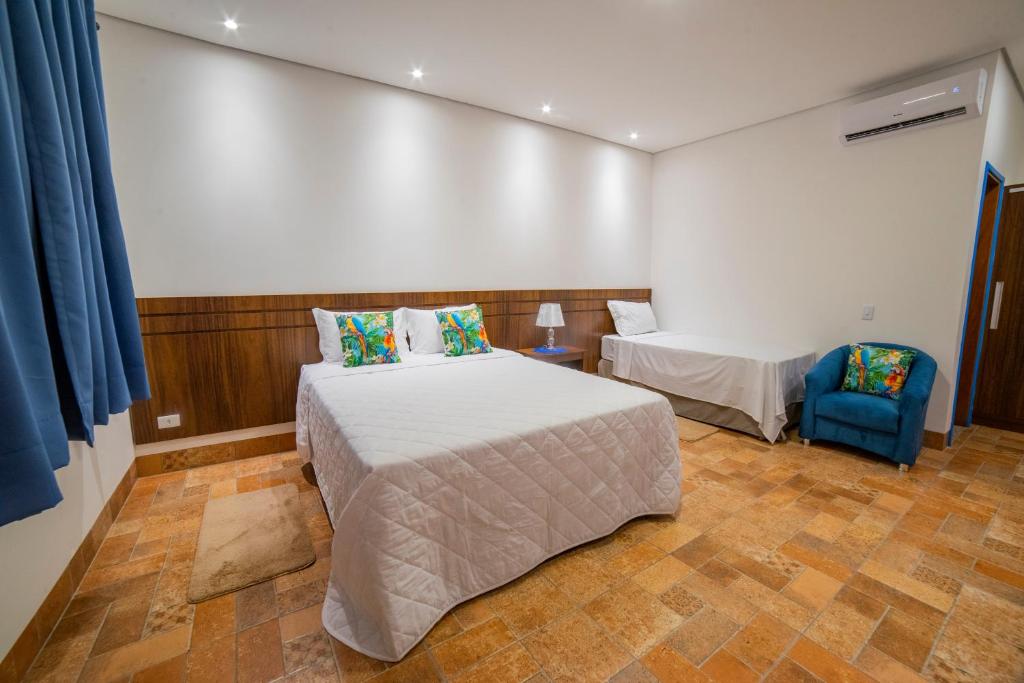
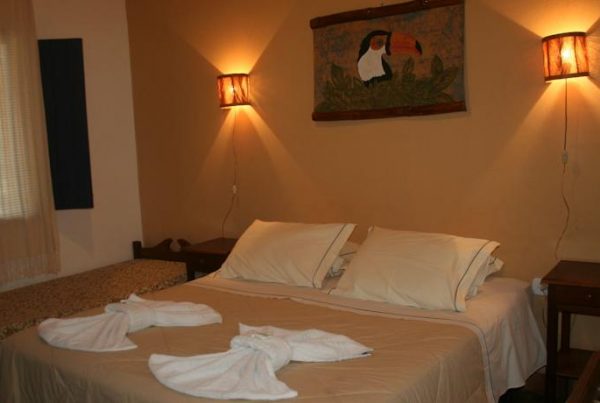
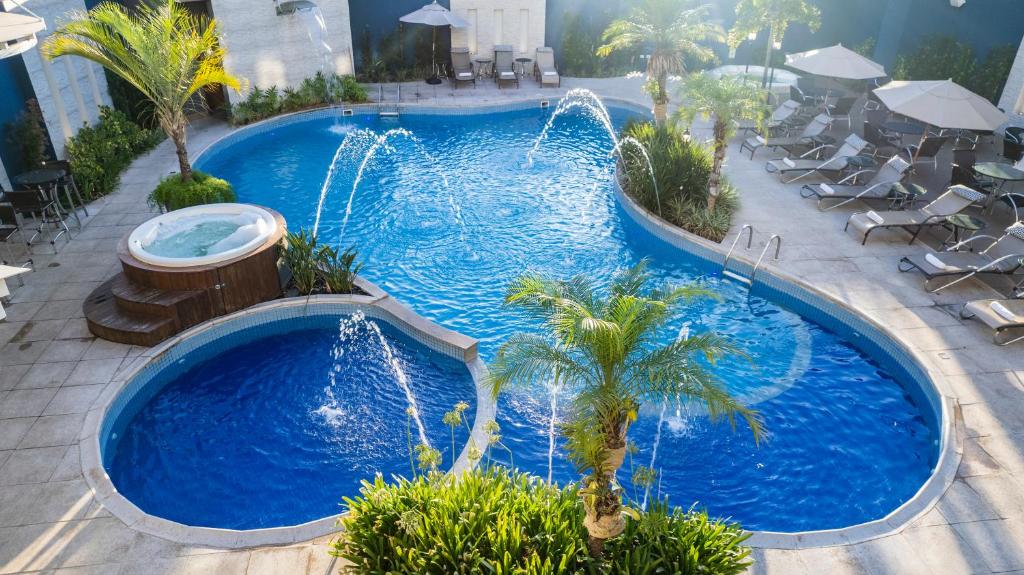
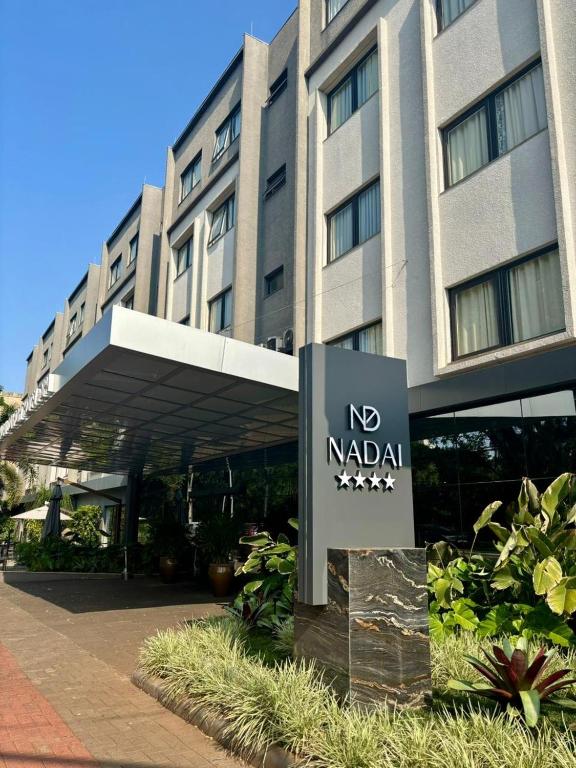
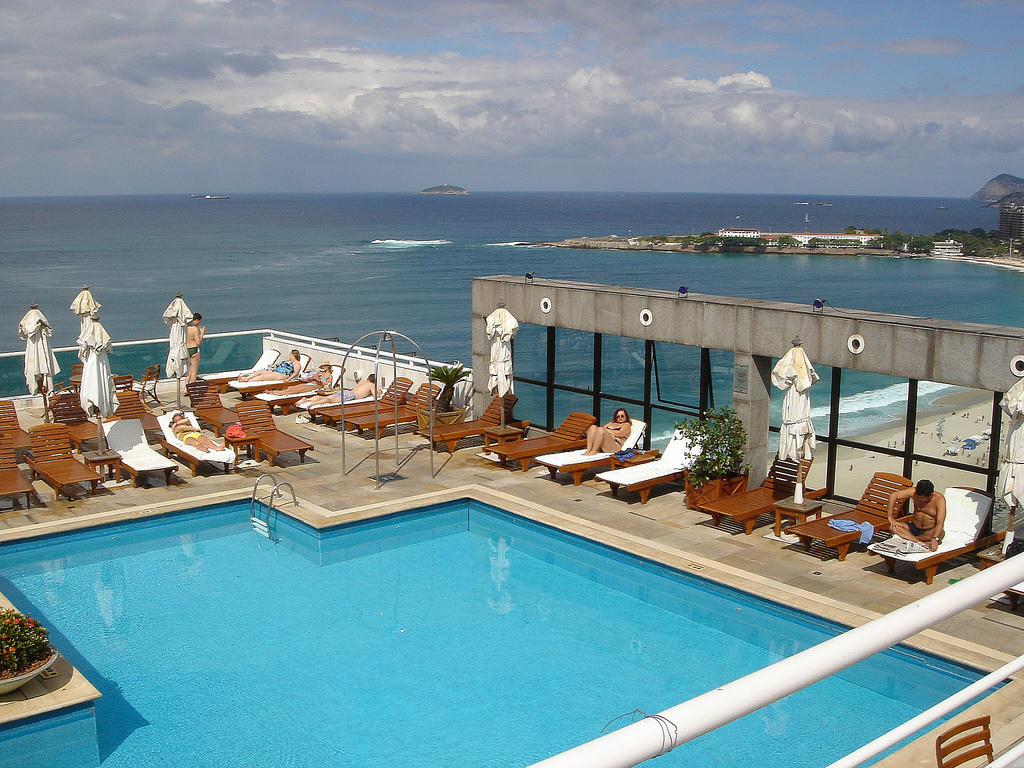
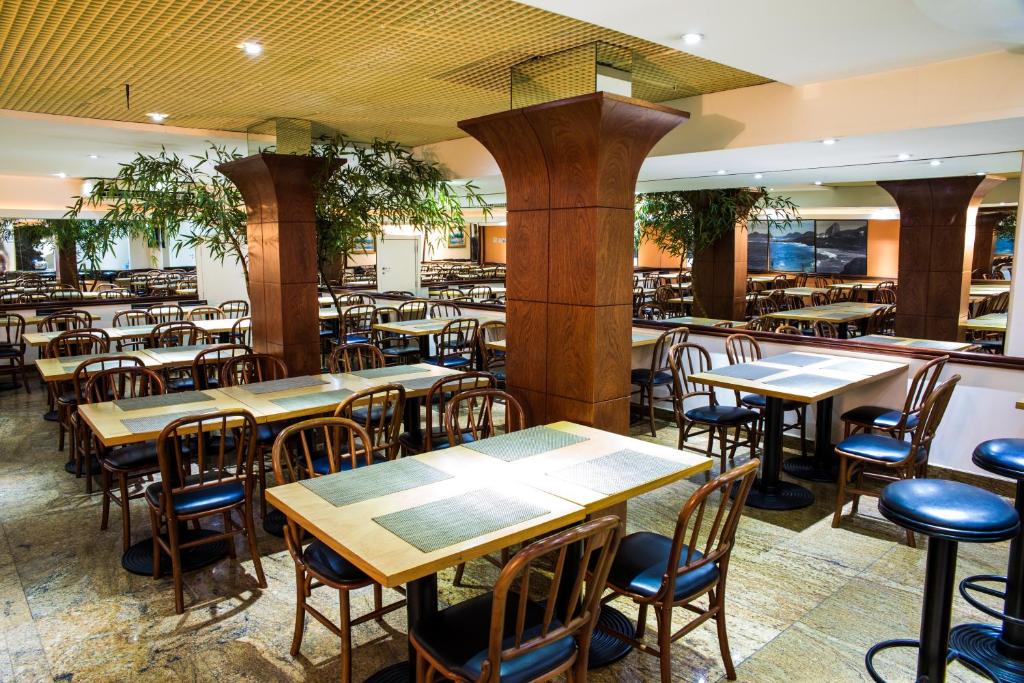
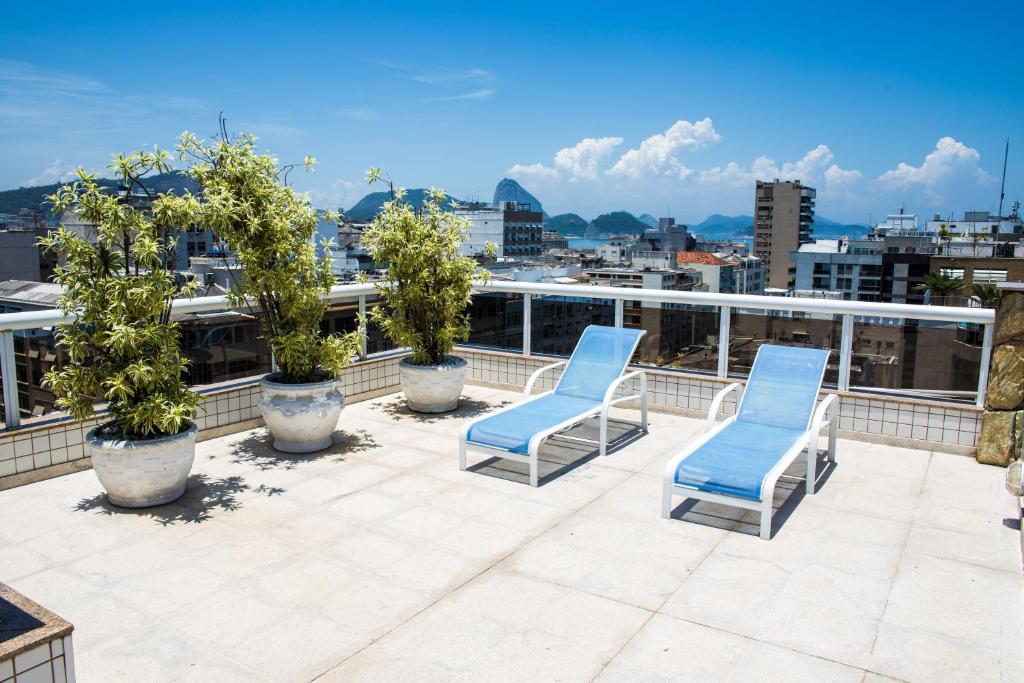
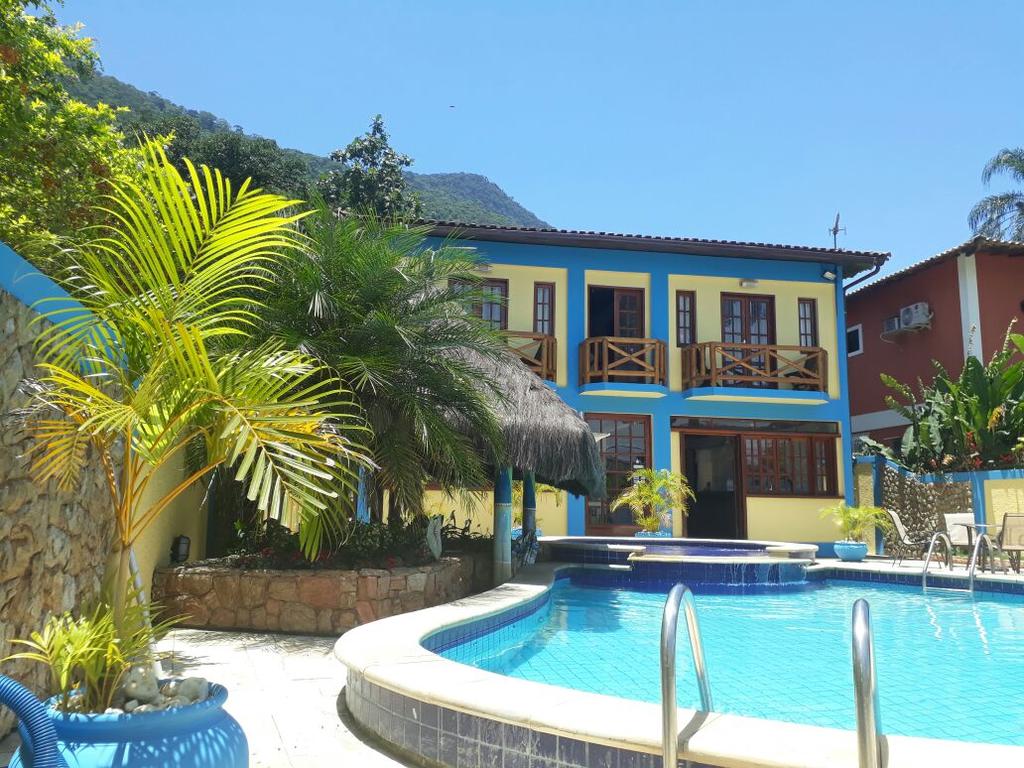
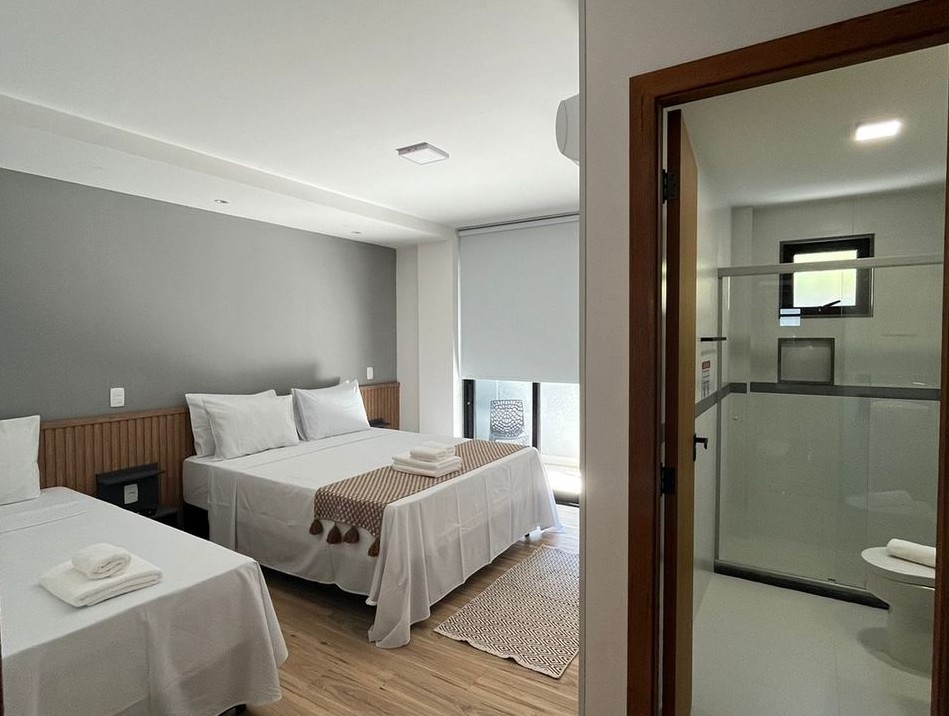
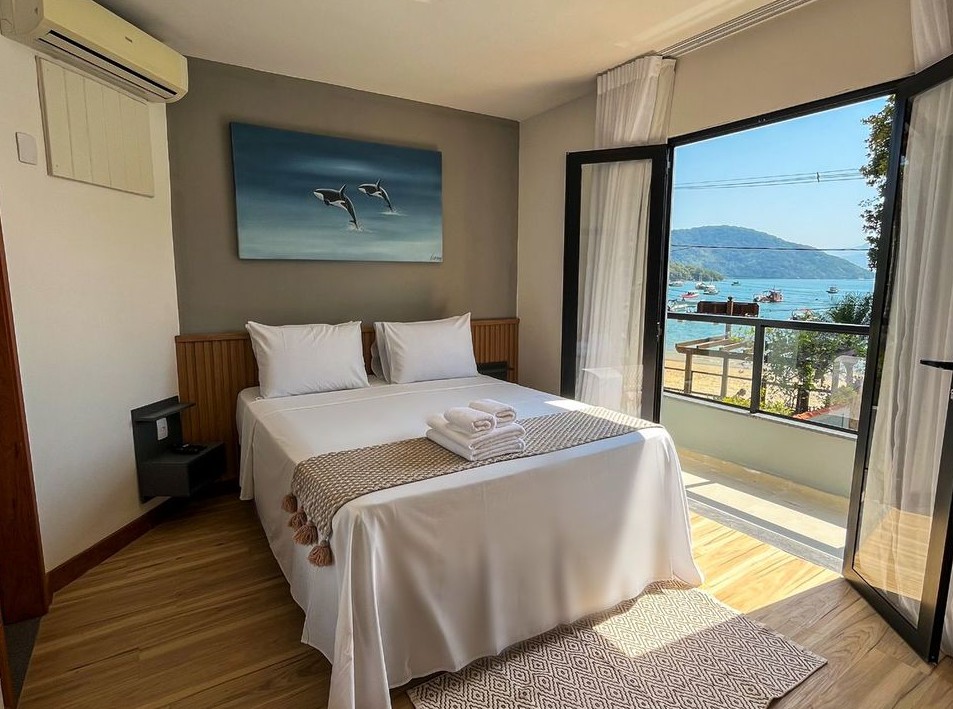
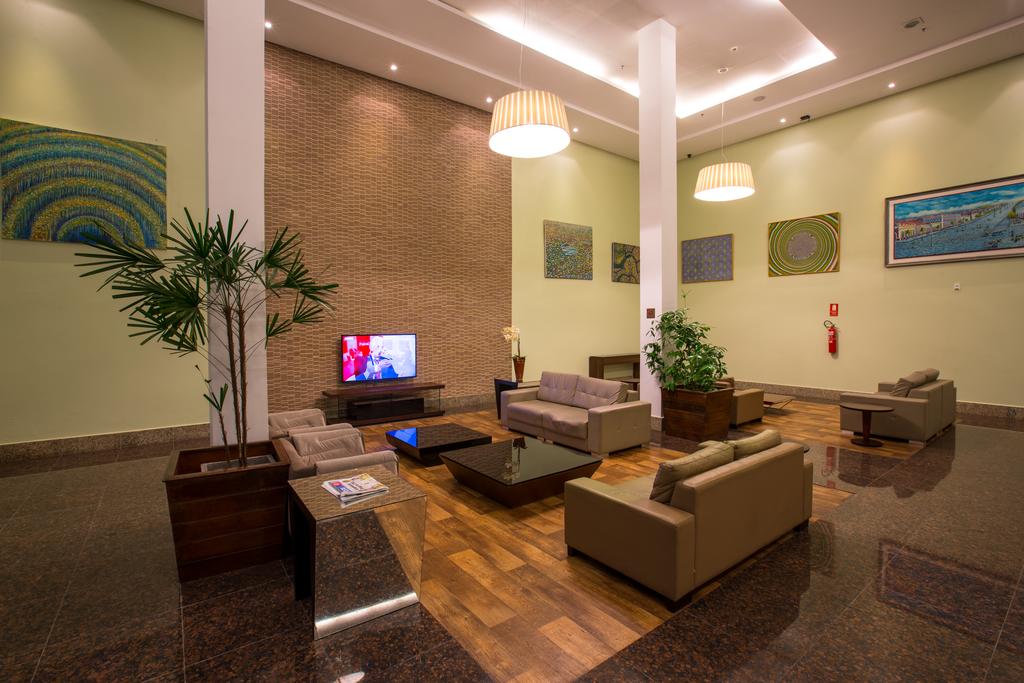
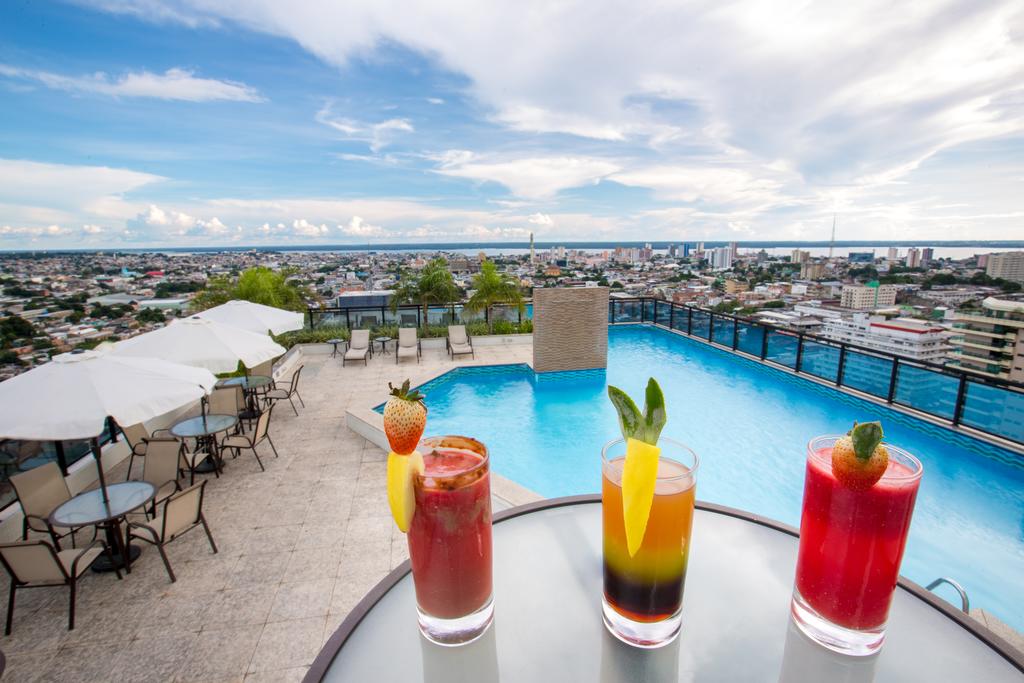
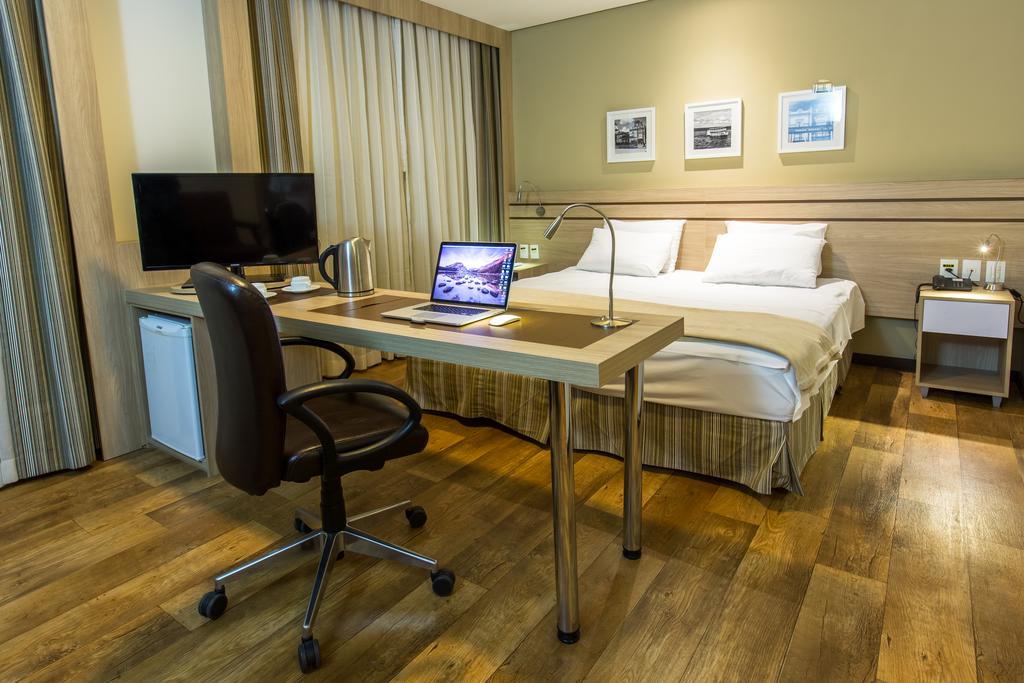
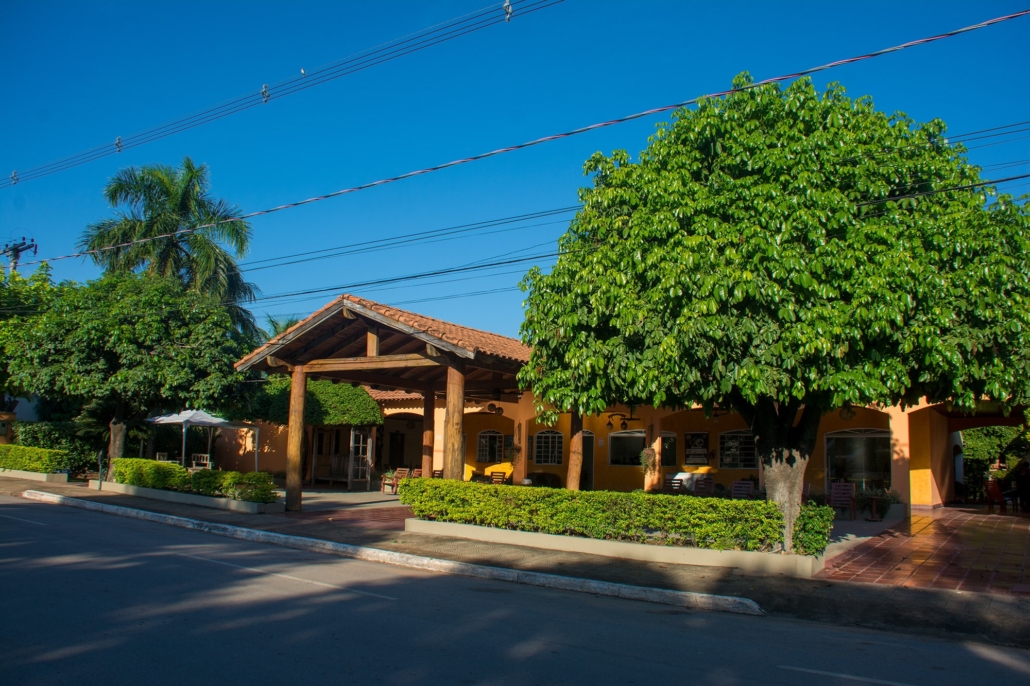
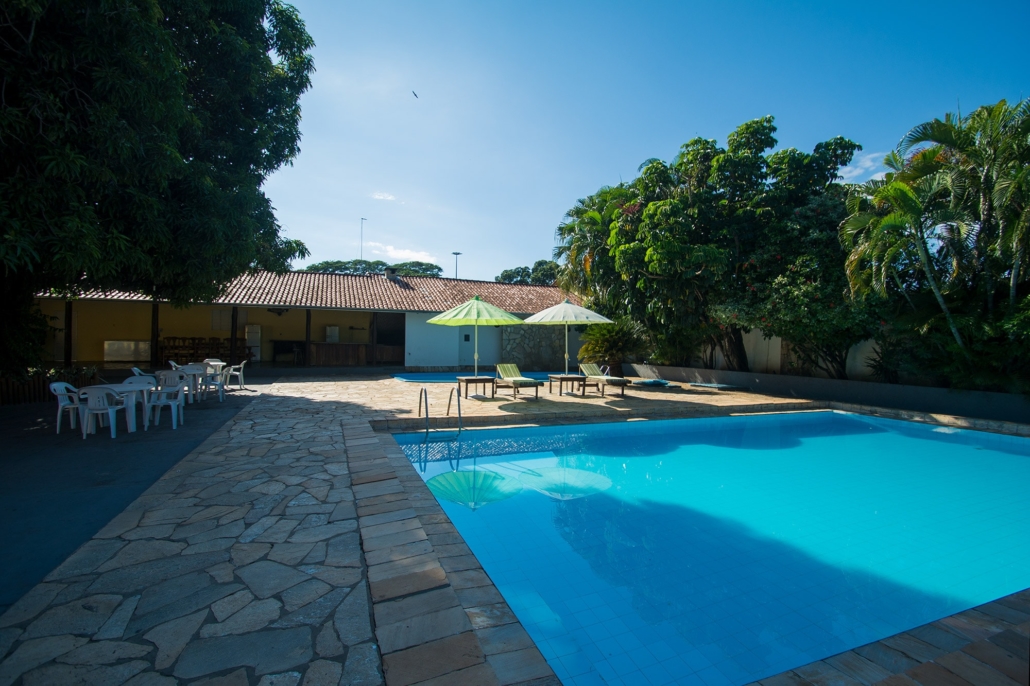
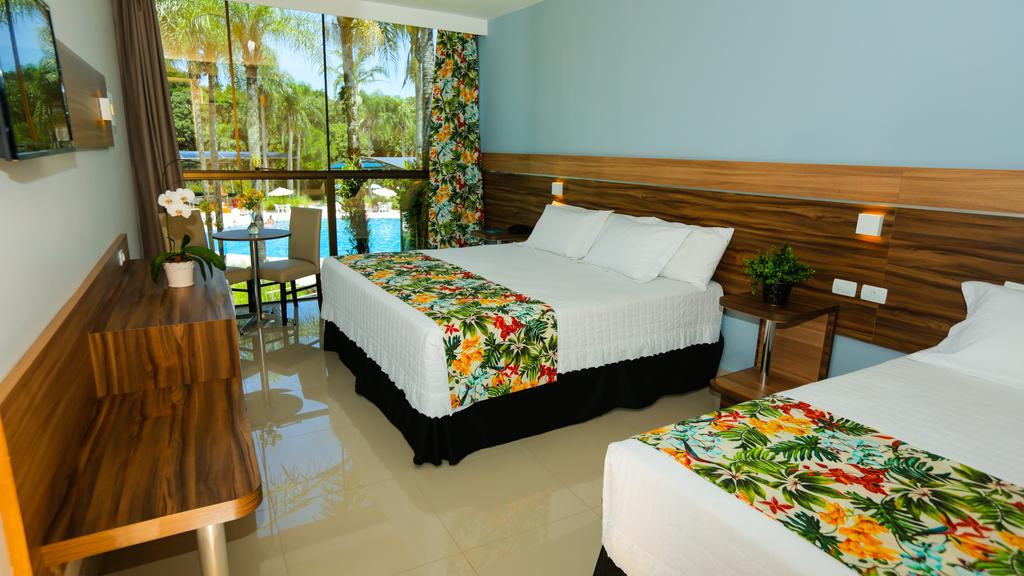
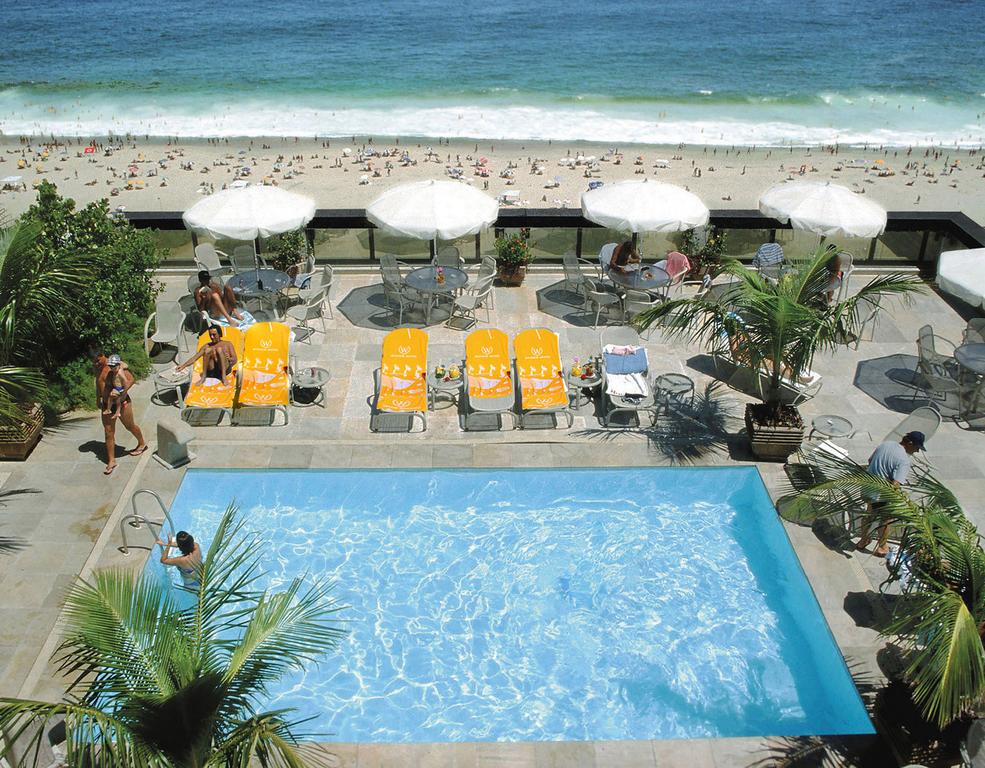
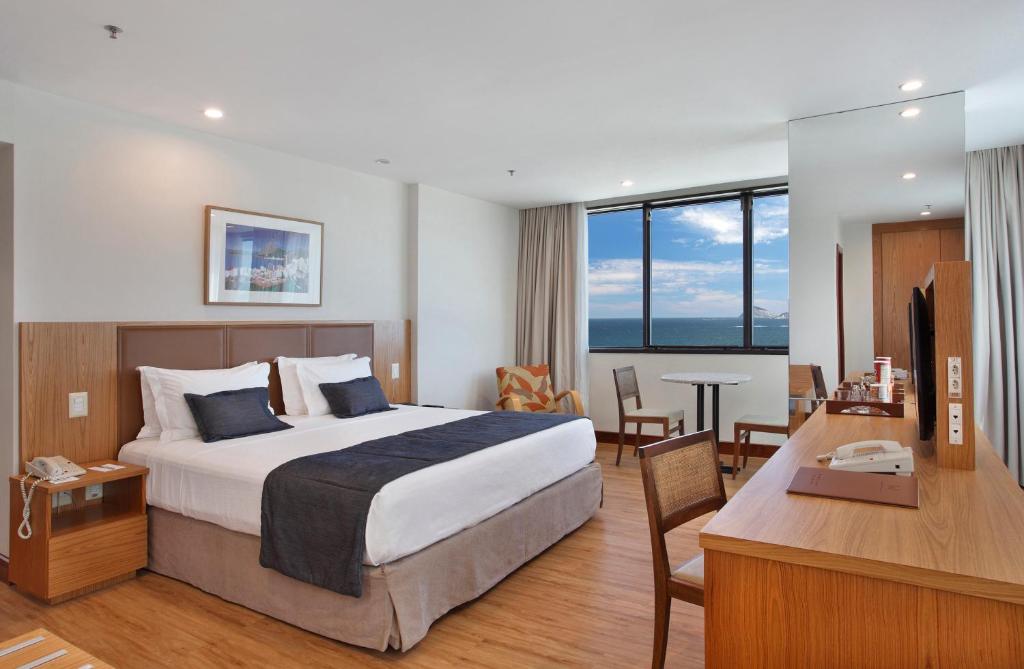
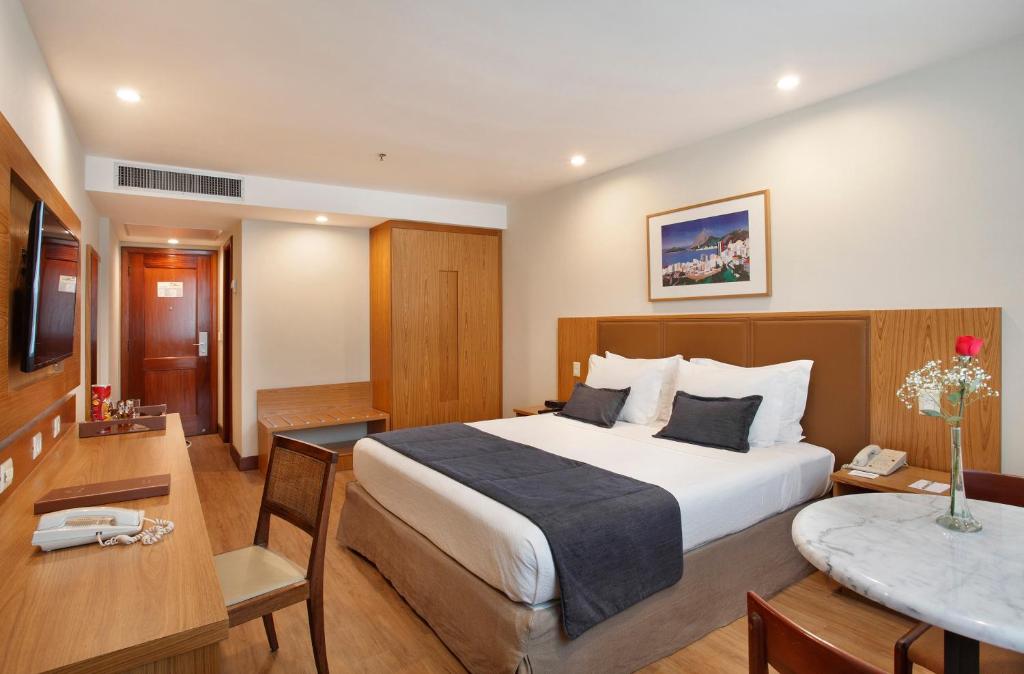
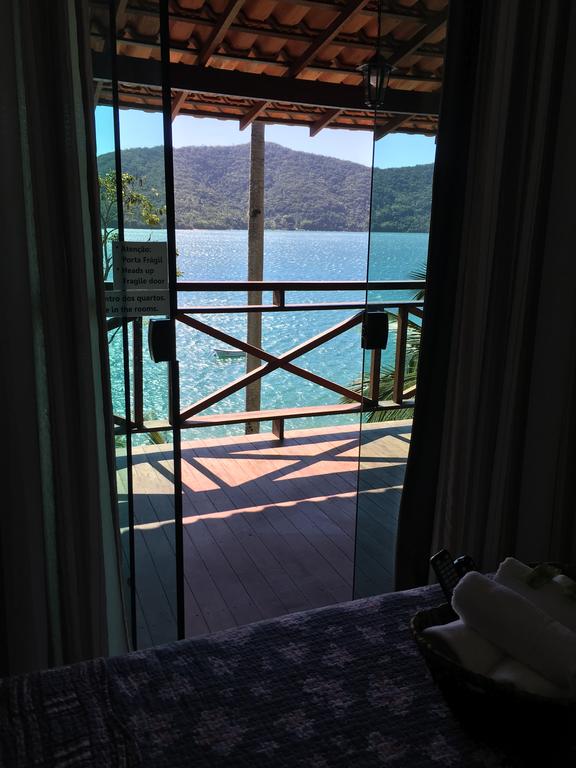
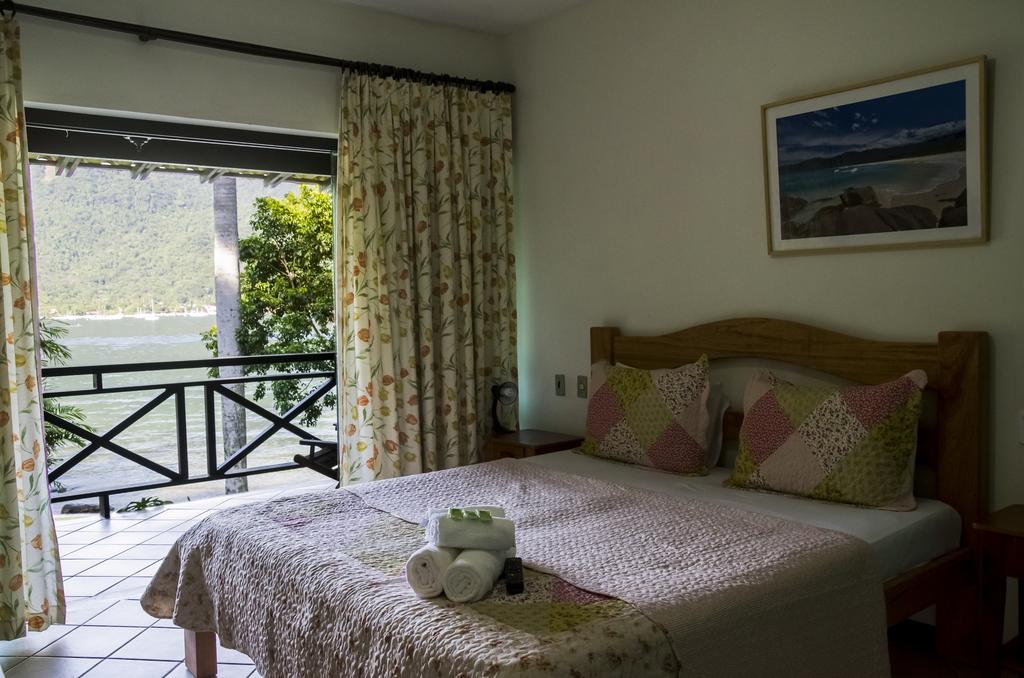
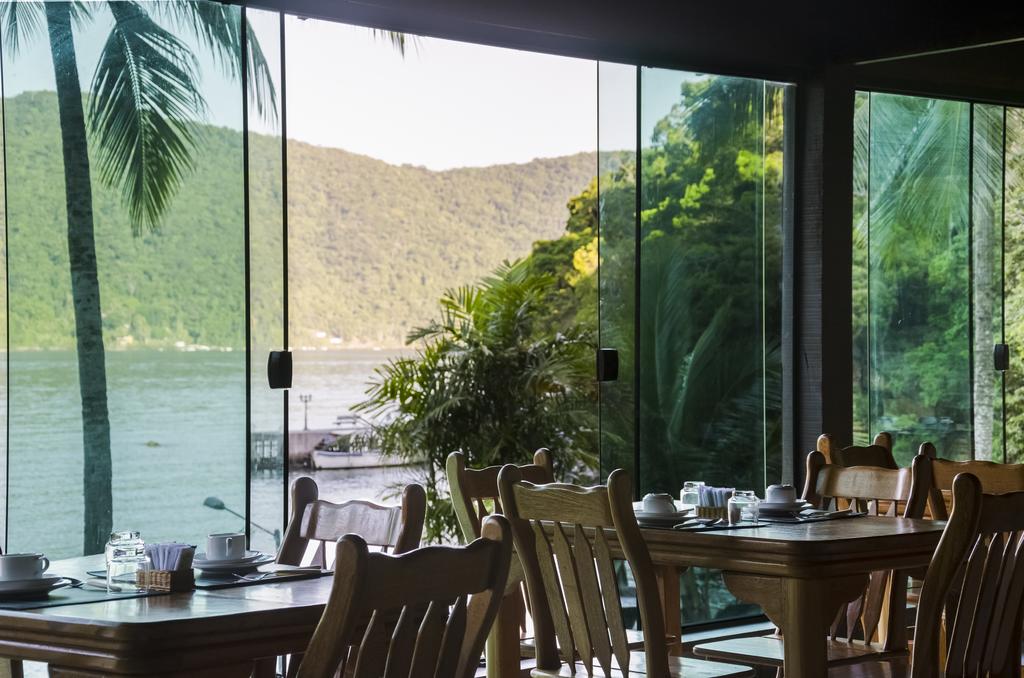
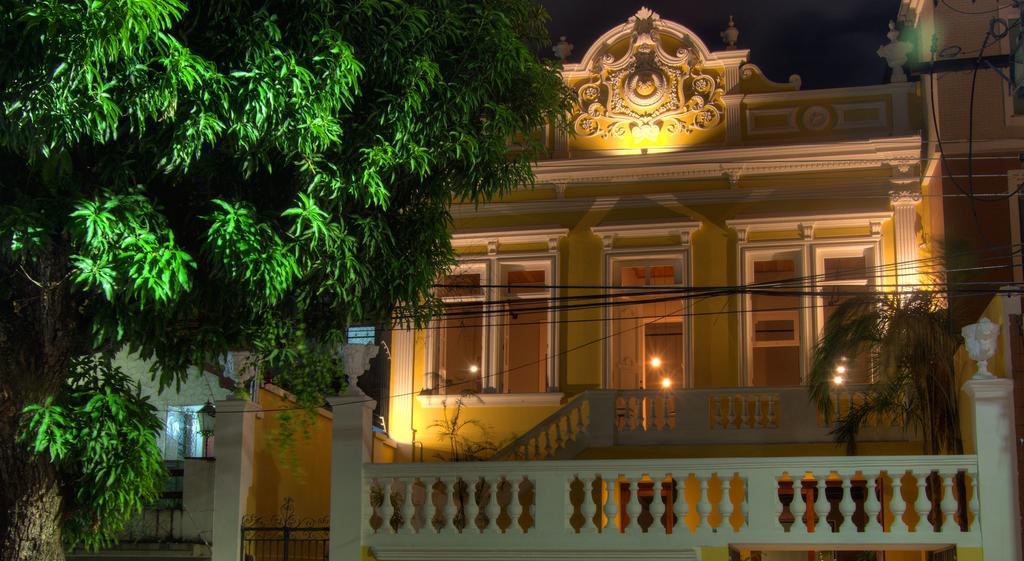
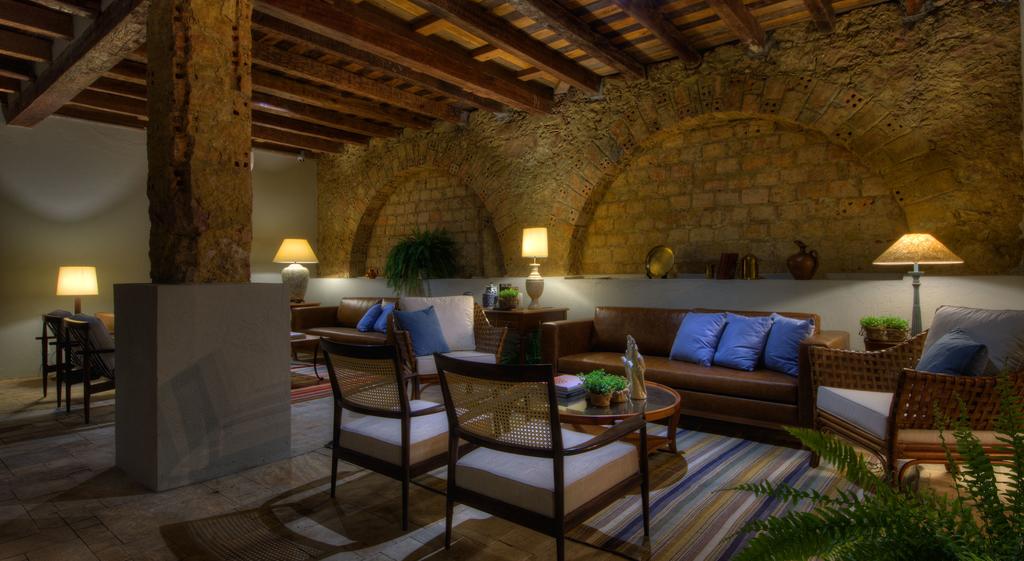
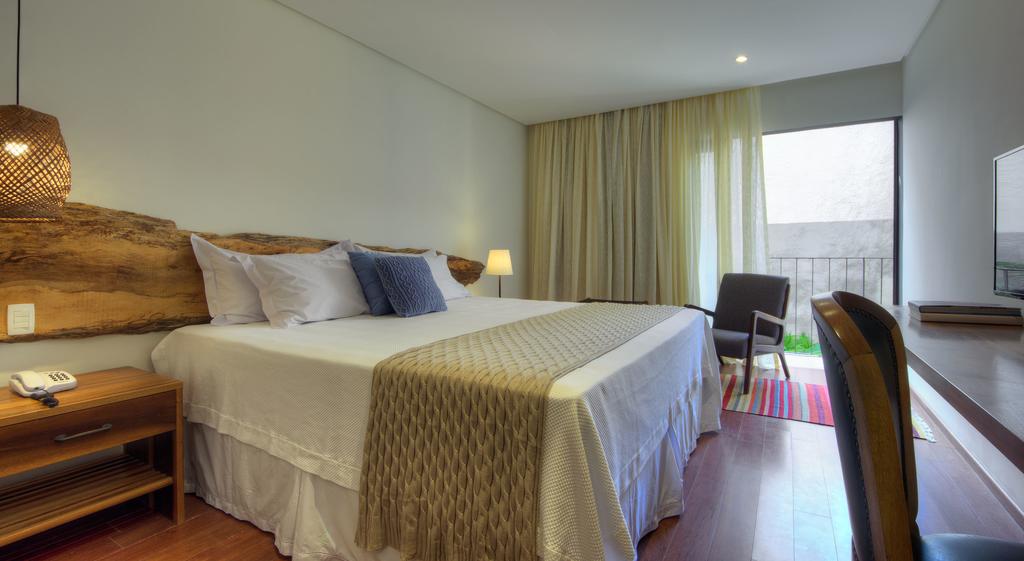
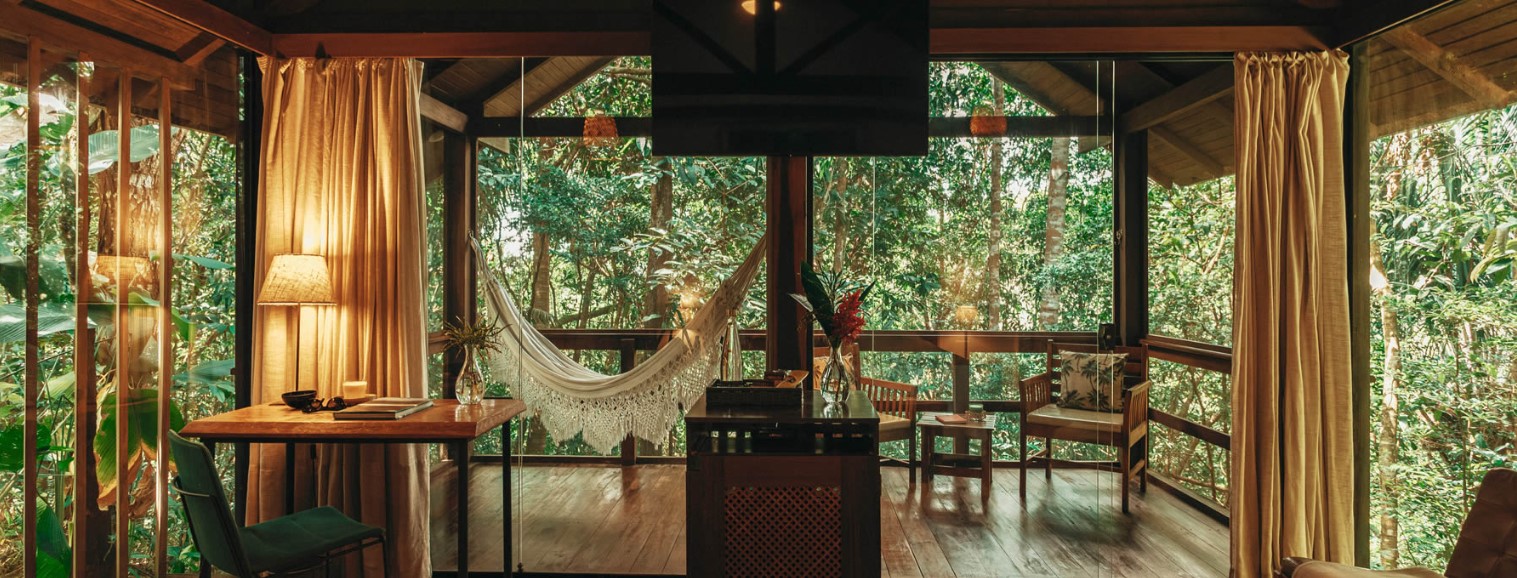
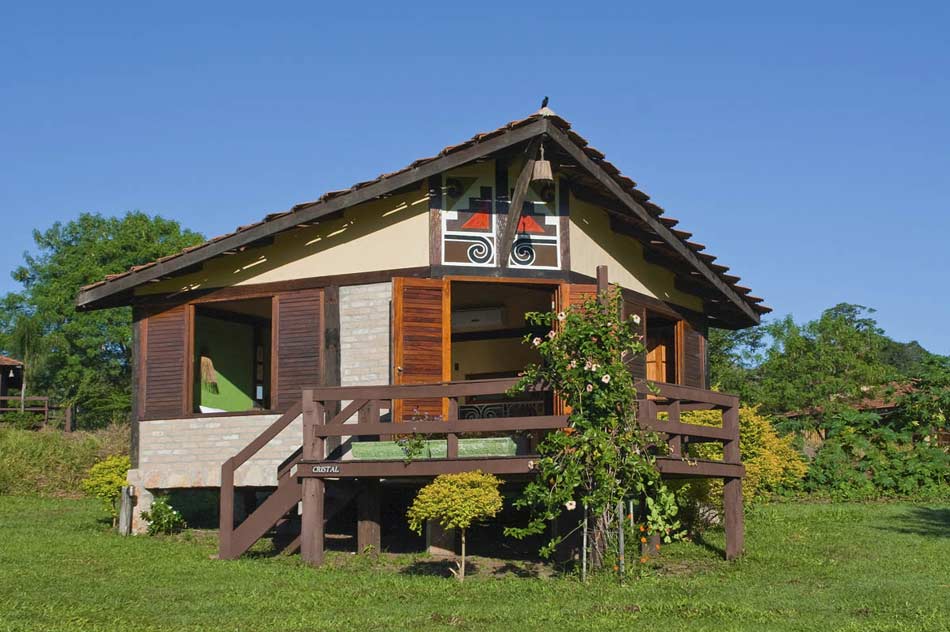
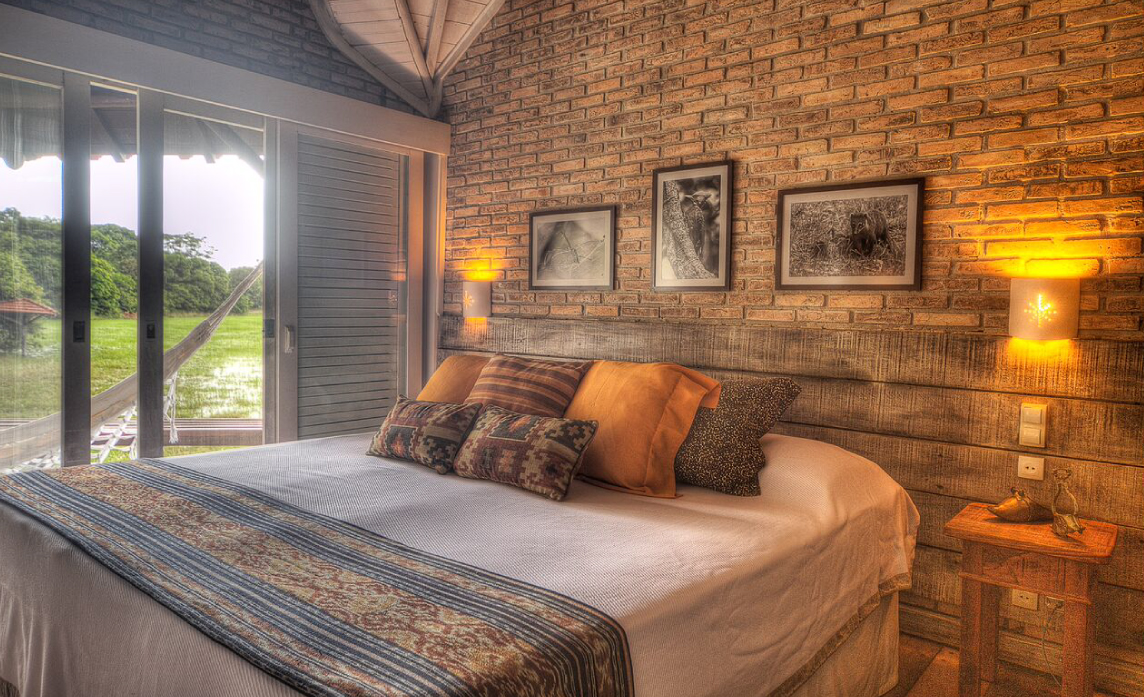
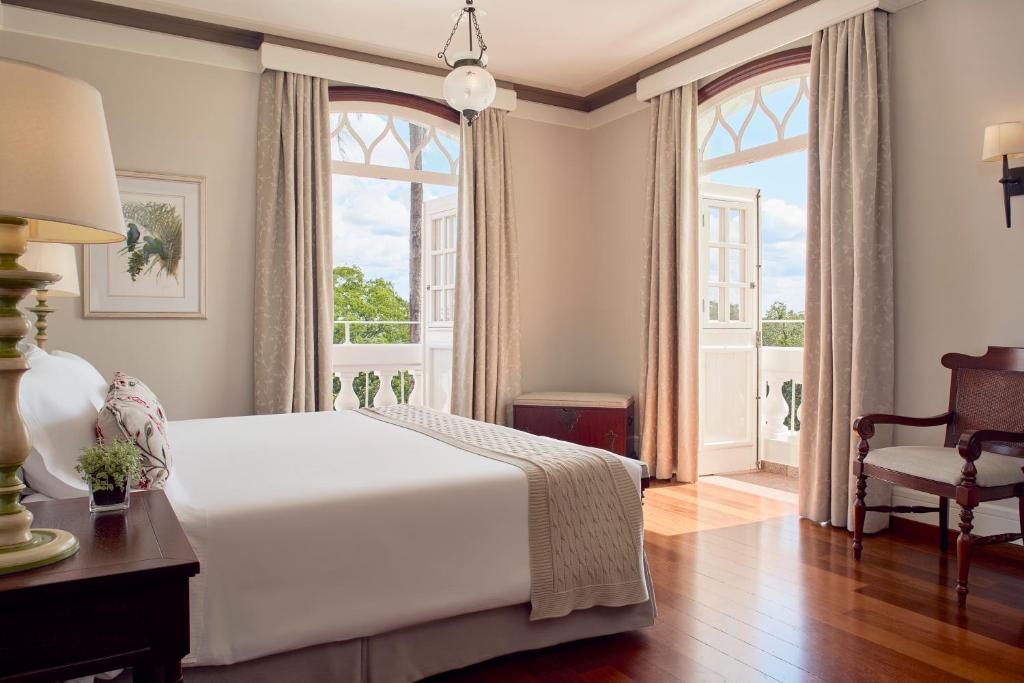
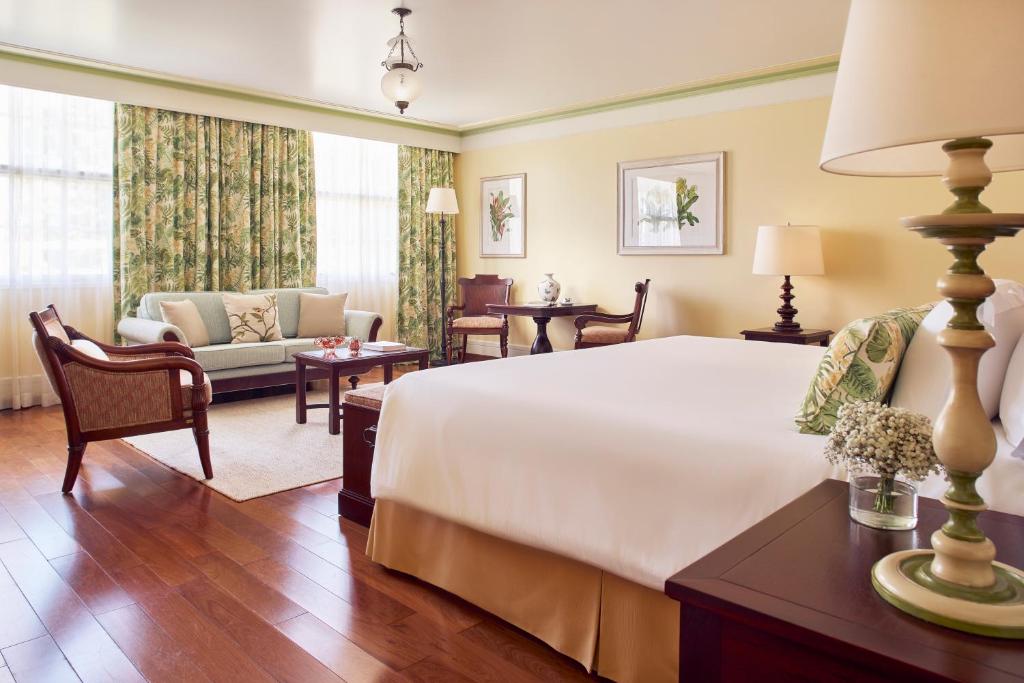
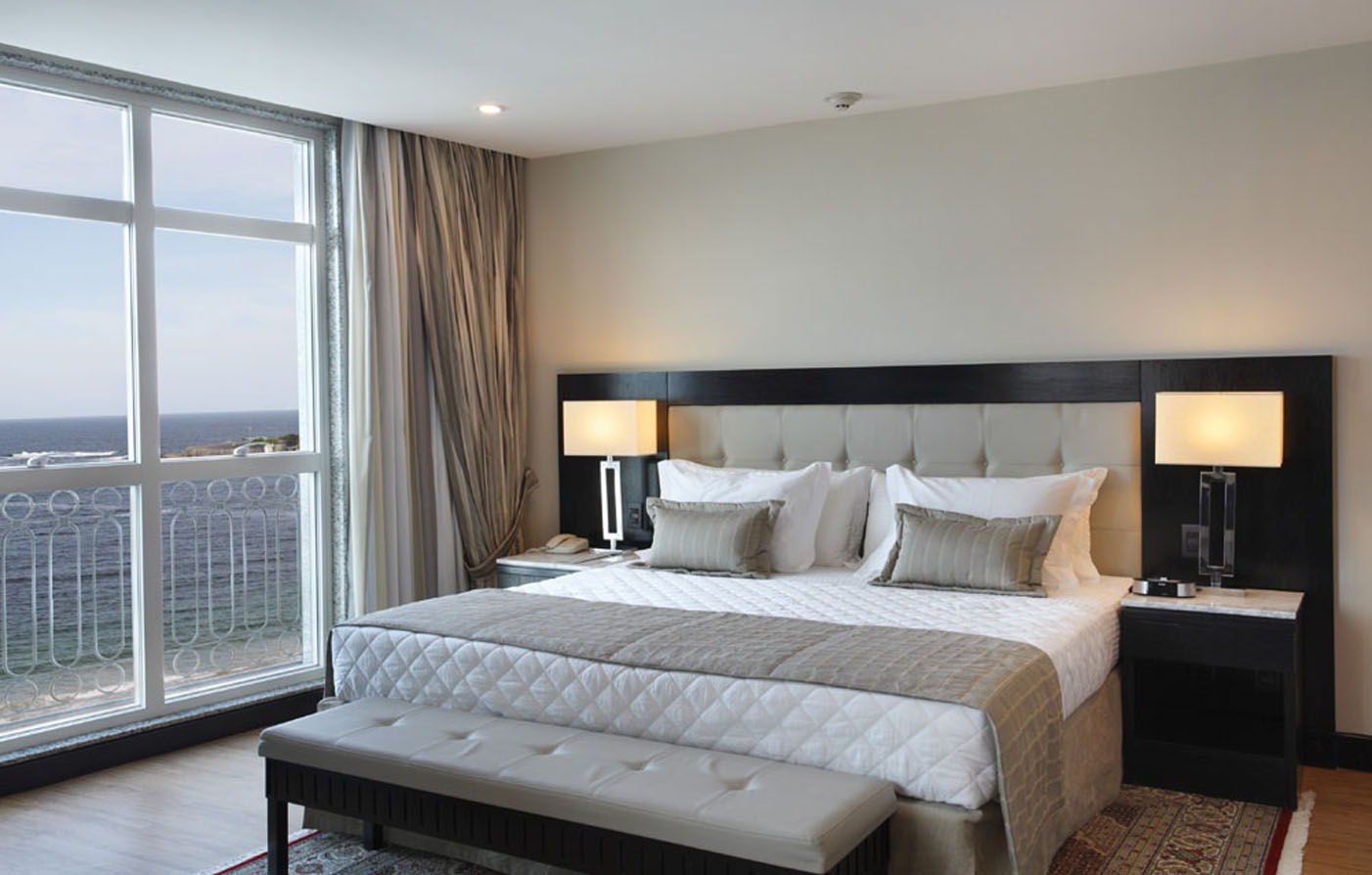
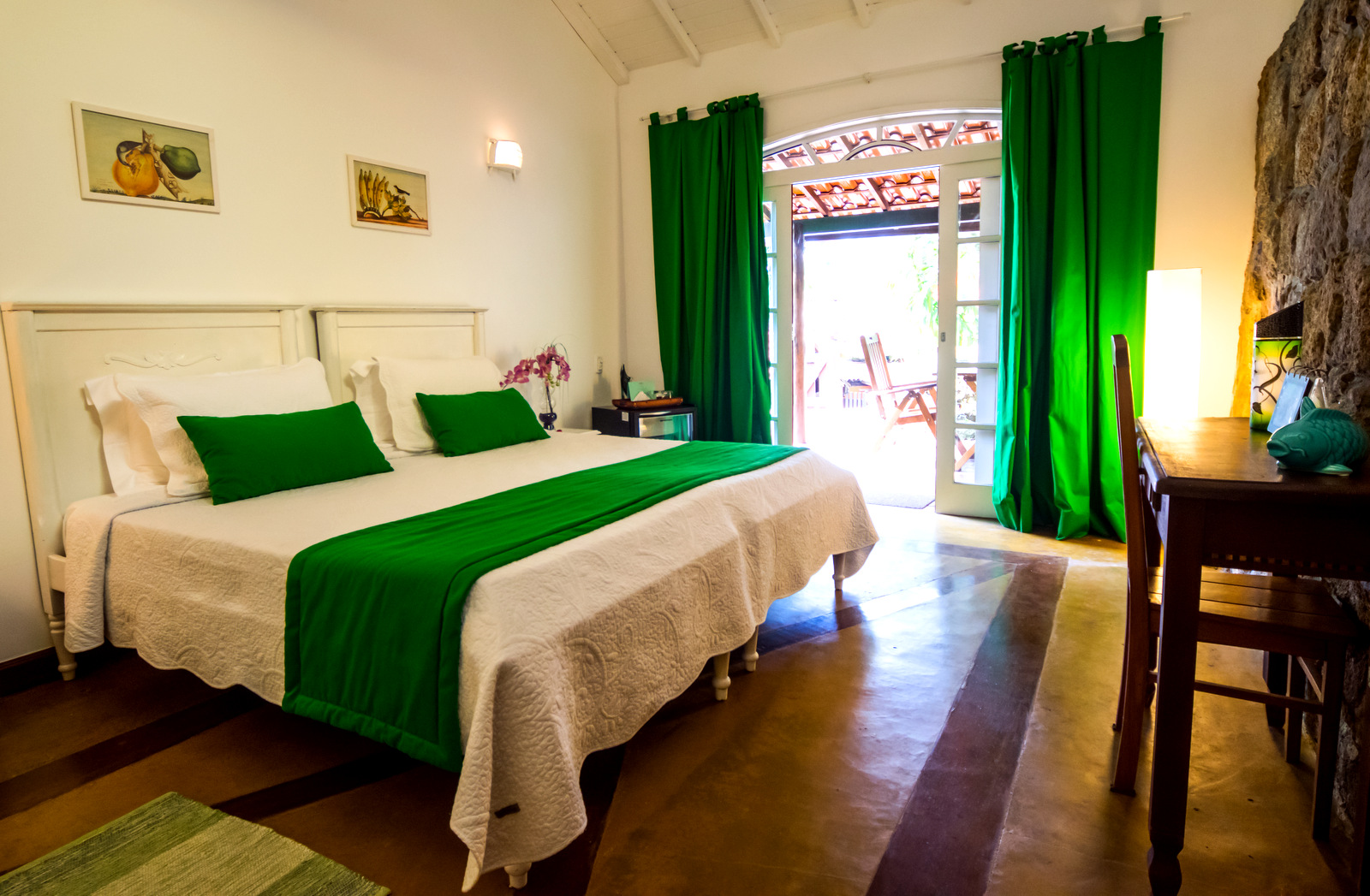
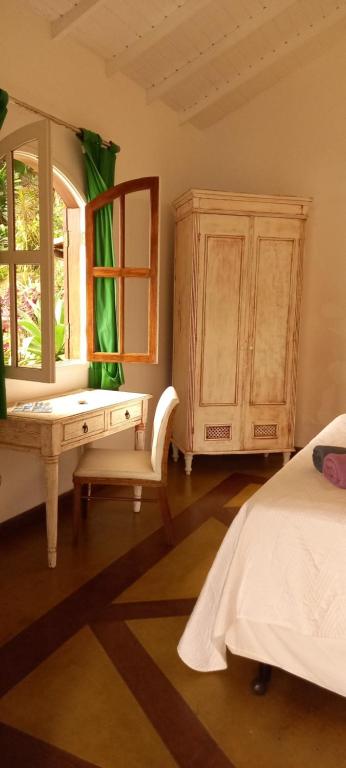
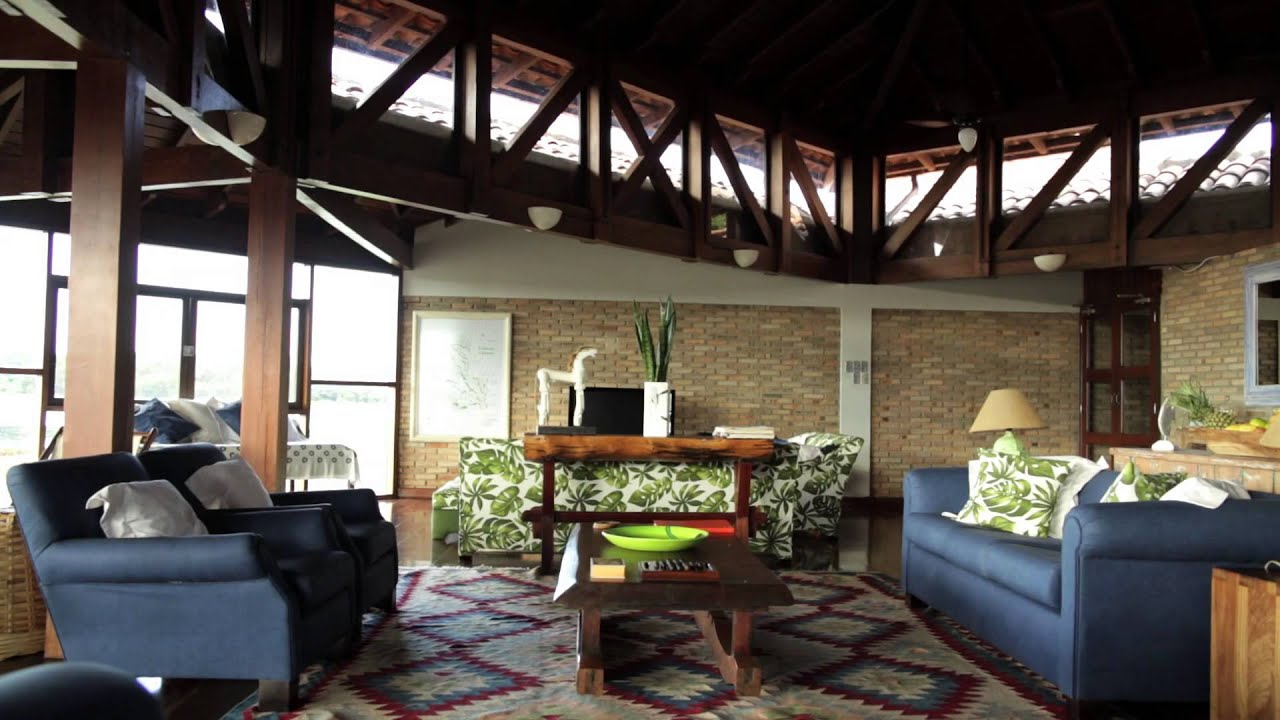
See the hotels tab for the hotel selection. In your personal travel proposal we can also select an accommodation mix, for example tourist class in certain parts of the tour and a more luxurious finish.
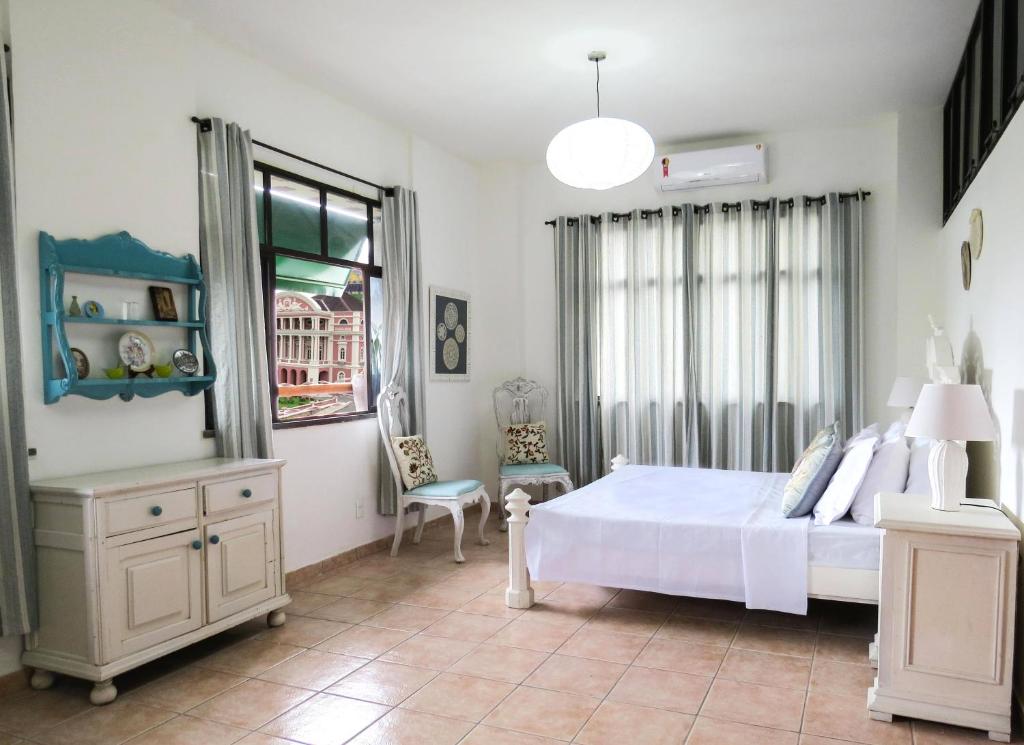
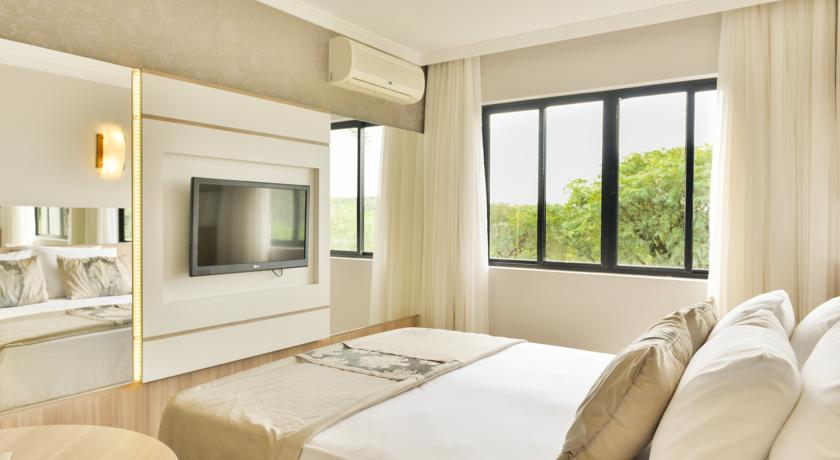
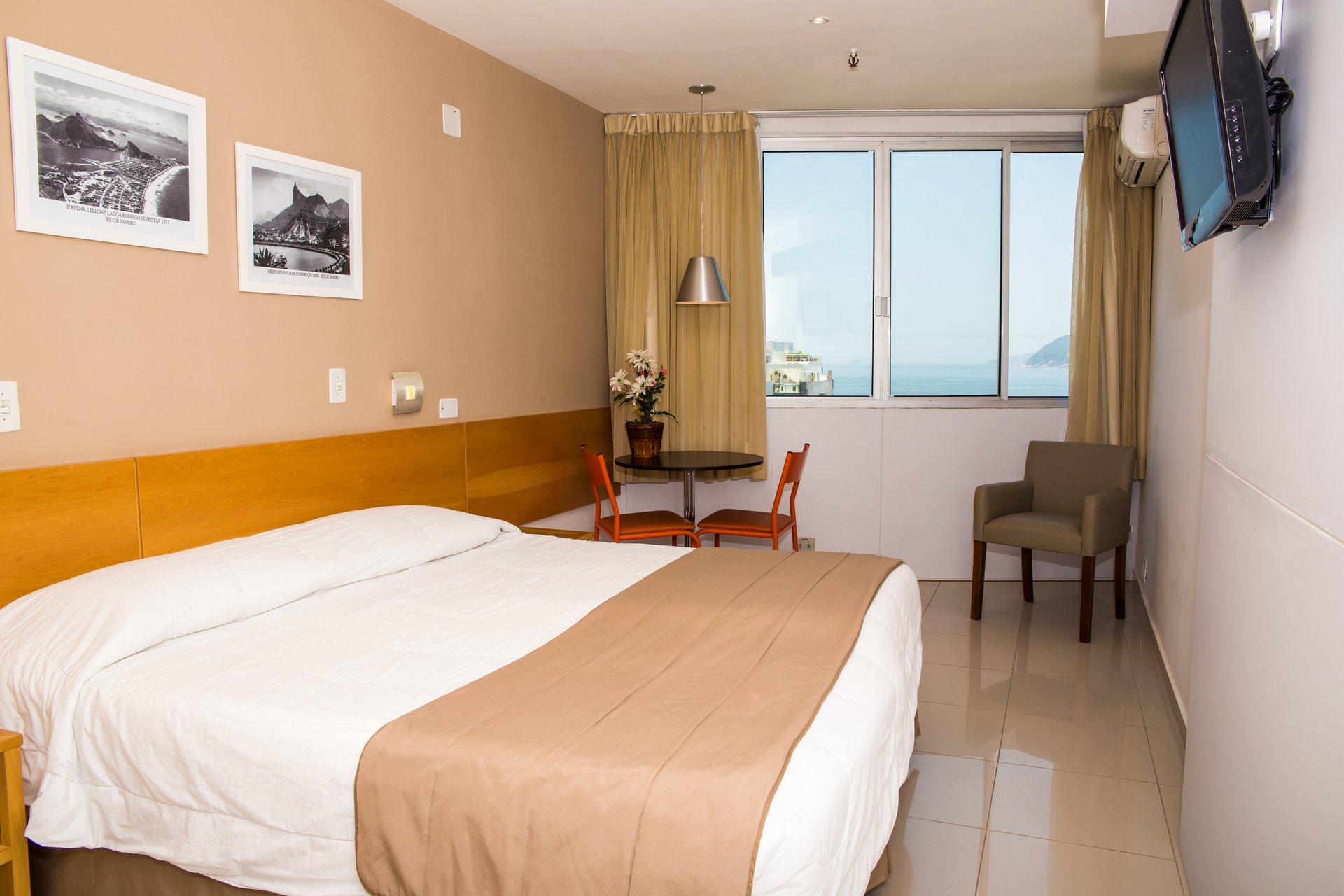
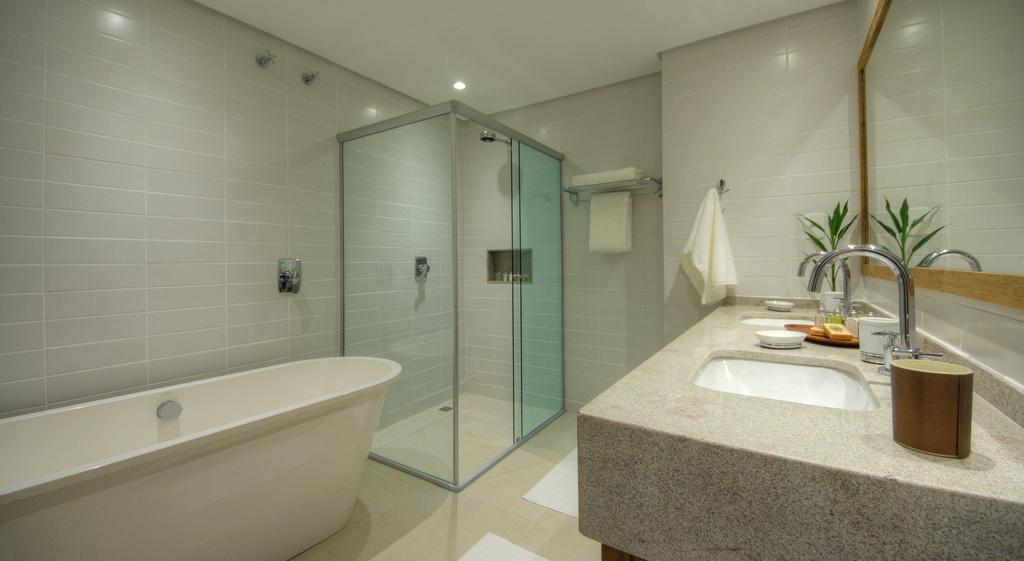
A standard room is included in the hotel of your choice. Upgrades are of course possible, such as an upgrade to a suite, a deluxe room or a family room, for example. The options differ per hotel. Ask us about the upgrade options.
Should a listed accommodation have no availability, we will offer a suitable alternative in the preferred class.
- Meals;
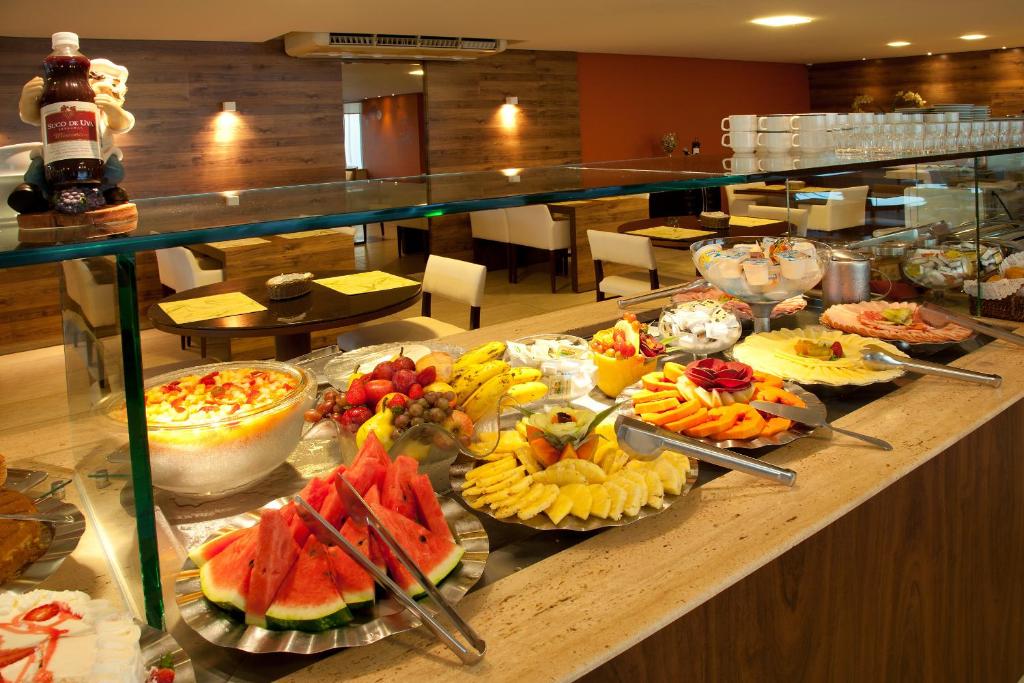
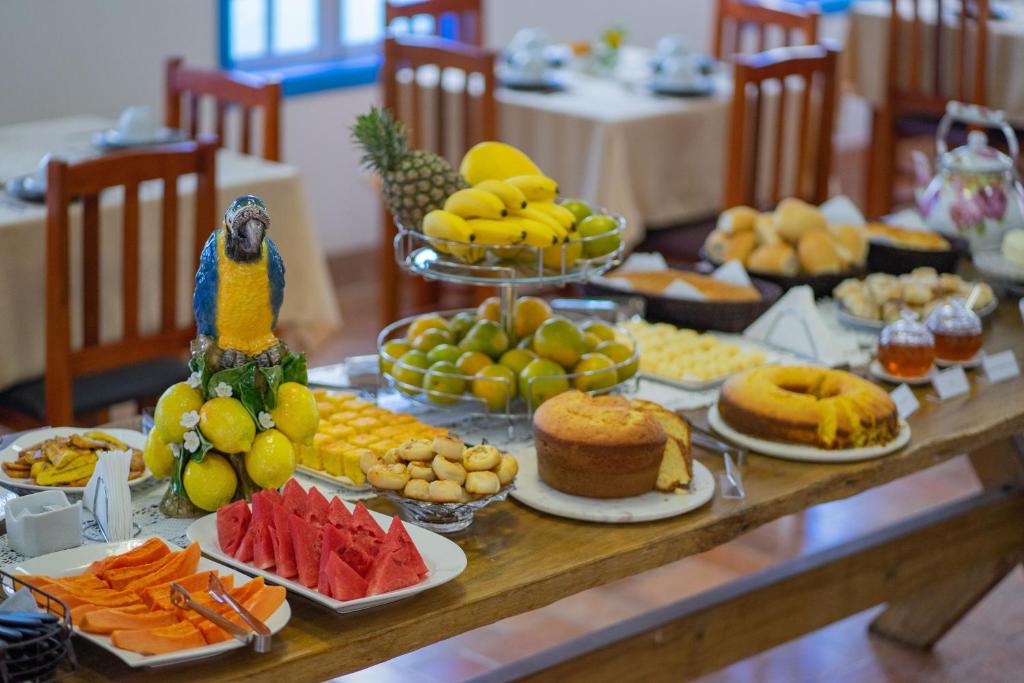
Breakfast is included at all hotels, unless stated otherwise.
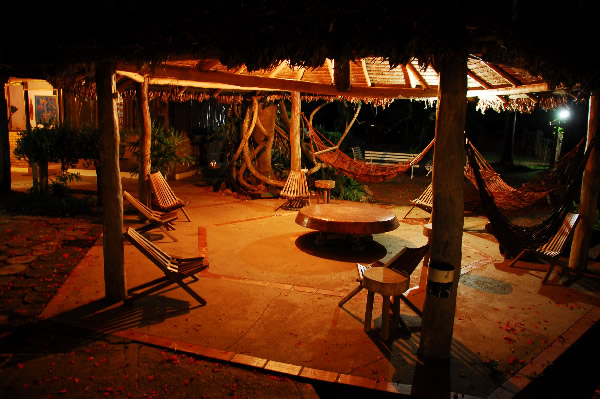
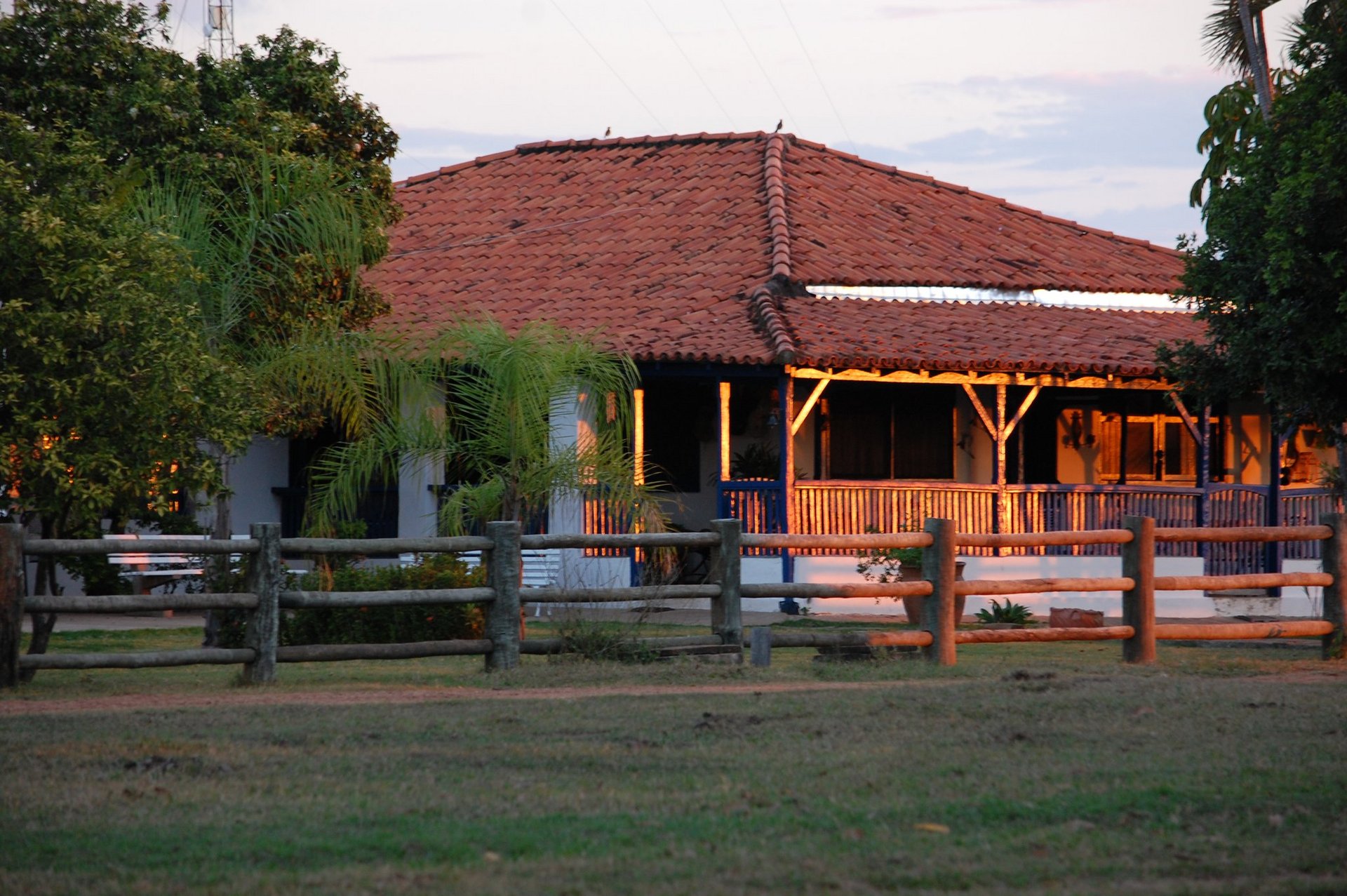
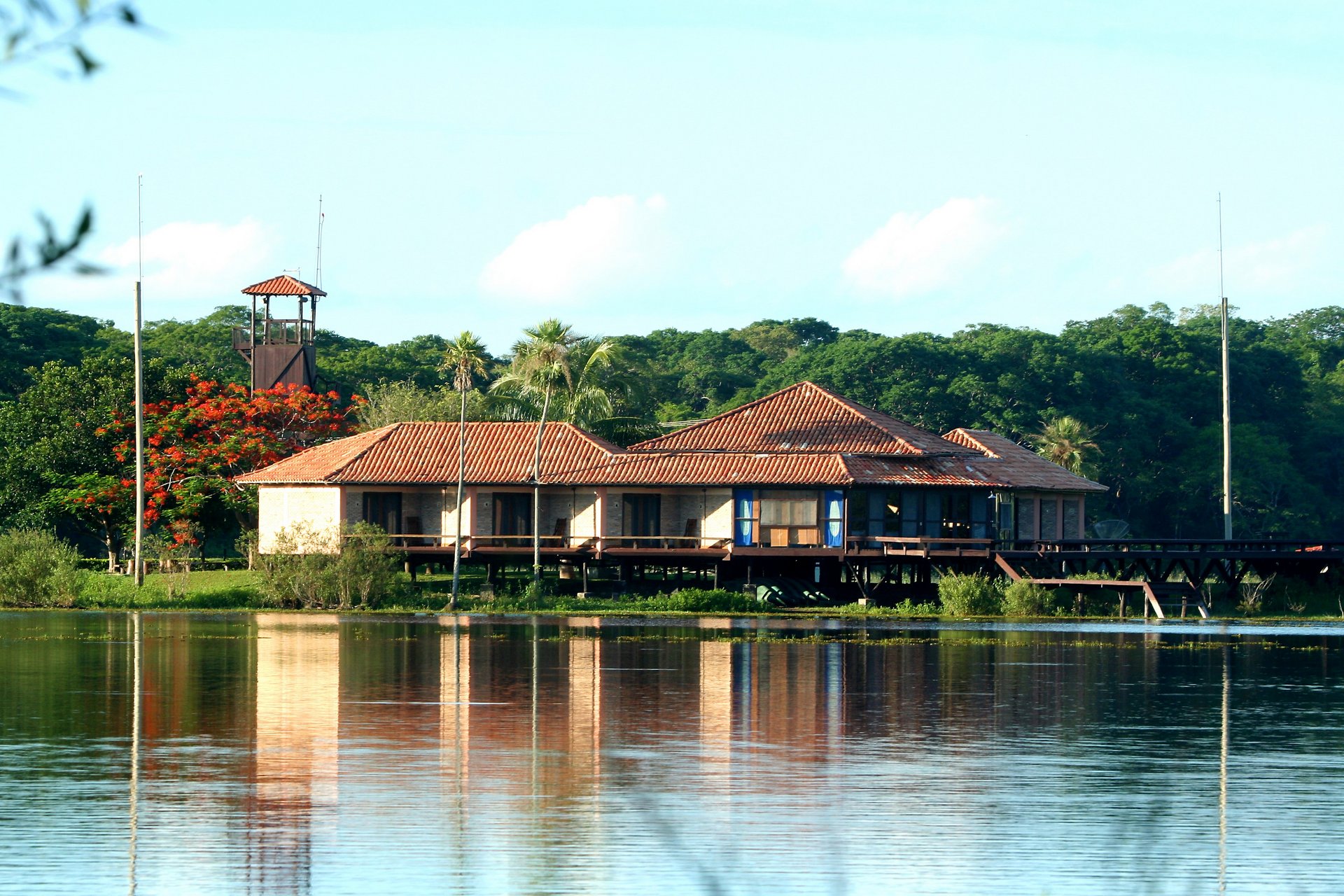
At the lodges in the Pantanal and the Amazon the package is on a full-board basis, so all meals are included there.
- Transport;
Transfers can be offered on a private basis or in the company of other tourists. The description states for each transfer whether it is on a private basis or in the company of other tourists.
- Excursion options;
Excursions can be offered on a private basis or in the company of other tourists. The description states for each excursion whether it is on a private basis or in the company of other tourists. The excursions listed in the description are included in the package. Optional excursions are listed in a separate tab and you can add them to your booking on days when nothing is planned.
- Travel assistance;
During the trip we offer local representation on the spot at each destination in Brazil, whom you can turn to for tips, travel support and optional excursions. This way you enjoy the freedom of travelling independently, but always with support on the spot.
- Guarantees;
Brazil Travel Specialist is a member of VZR Garant, VvKR, DRV and the Calamiteitenfonds. This assures you that BRS meets the strictest standards that can be set for a Dutch travel organisation. VZR Garant protects the prepaid travel funds of travellers who book a trip with a VZR Garant participant. All travel and accommodation agreements are financially covered by VZR Garant, in accordance with the VZR Garant guarantee scheme, https://vzr-garant.nl/reizigers.
- Accommodation;
- Not included:
- Flights;
The flights to and within Brazil are offered by various airlines, as there are several options every day for flying to and within Brazil. We always work with you to find the best-fitting schedule at the most competitive fares on your preferred travel days. This differs per day and per customer, and for this reason the flights are not included in the price of the sample tours on our site.
For this trip we recommend booking an international flight with TAP. The advantage of TAP is that it flies via Lisbon to both Manaus and Rio. If you book well in advance, flights out to Manaus and back from Rio are available from around 900 euros per person in the low season. During the Dutch summer and around the public holidays the flights are somewhat more expensive.
For this tour we need to book a domestic flight on the following routes:
Manaus - Campo Grande - Foz do Iguaçu - Rio de Janeiro. These domestic flights cost between 400 and 500 euros per person, if booked well in advance.
Get in touch with us and we will put together a logistically suitable flight schedule for you.
- Calamiteitenfonds contribution of € 2.50 per booking
- Booking fee of € 15 per person
- VZR Garant contribution of € 7.50 per person
- Flights;
- Price of the trip:
- The price stated for our sample tours is a very good indication. However, it may happen that a particular hotel is not available, so that an alternative is offered at a slightly different price. Or your trip may happen to fall during a public holiday, when hotels charge a different price for that period. So always contact us first, so that we can check availability and calculate the exact price of the trip for you.
- The price is based on 2 people travelling. When more people travel, the price per person drops slightly, because the transfers and excursions are shared with the other travel companions.
- The price stated for our sample tours is a very good indication. However, it may happen that a particular hotel is not available, so that an alternative is offered at a slightly different price. Or your trip may happen to fall during a public holiday, when hotels charge a different price for that period. So always contact us first, so that we can check availability and calculate the exact price of the trip for you.
Day-by-day itinerary
Travel details
1. Manaus - Arrival
After arrival at the airport you will be welcomed and taken to the hotel by private transfer. The rest of the day is free to spend as you wish.
- See the hotels tab for the hotel selection during your stay in Manaus
2. Manaus - Free day
Today you can spend the day as you wish and explore Manaus.
3. Amazon Rainforest - Amazon Turtle Lodge (Start of package)
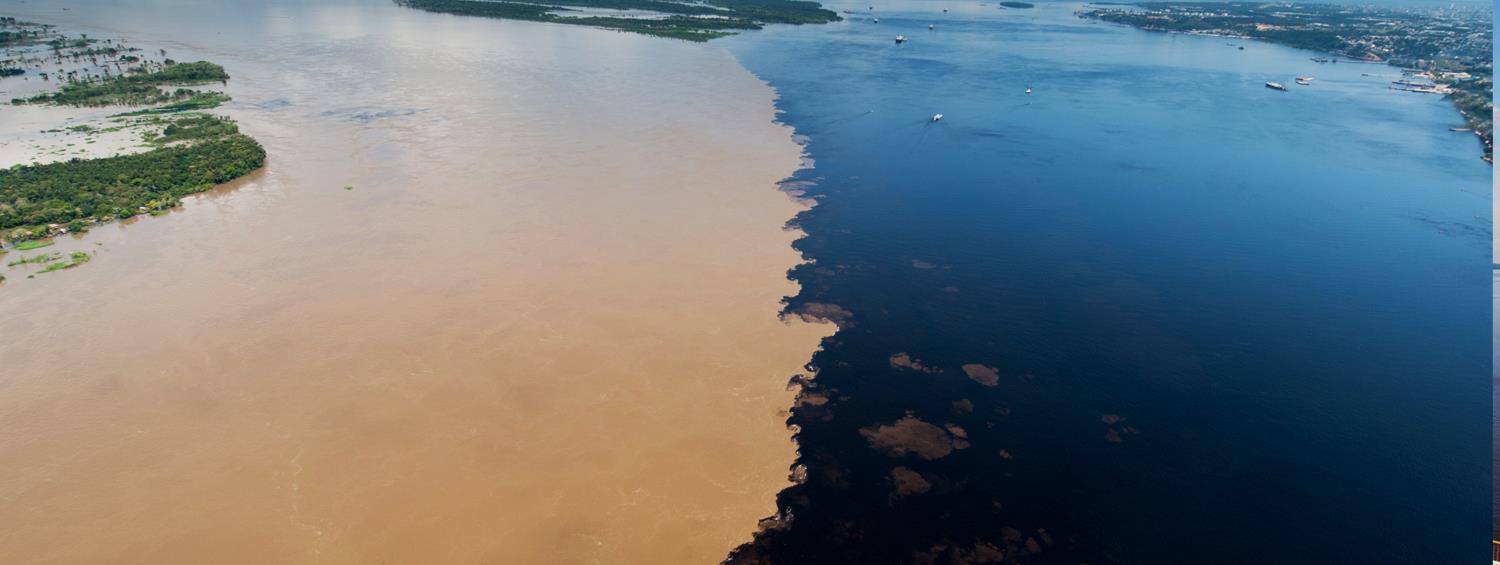
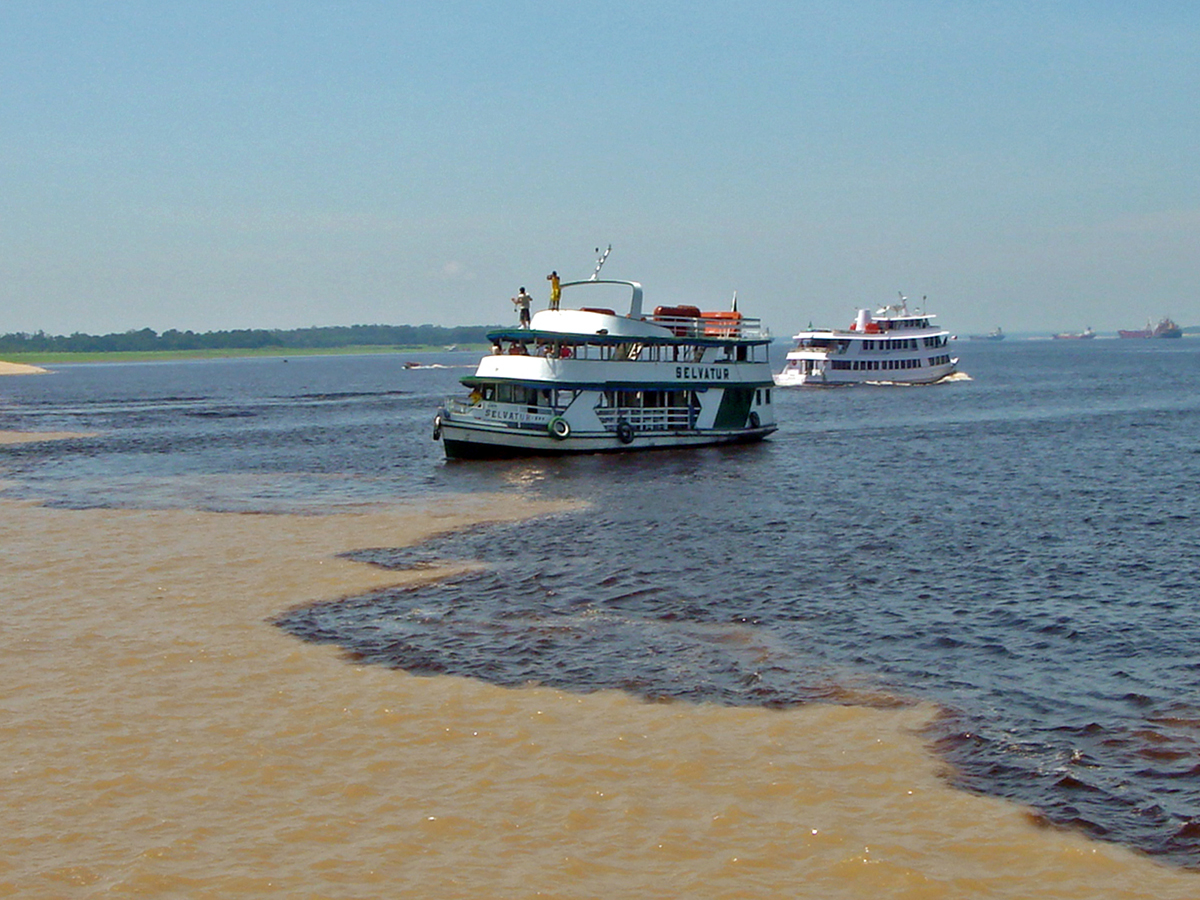
The day begins at 07:30 with a transfer by car to the Ceasa river port in Manaus, a drive of about 20 minutes. From here a speedboat trip follows to the village of Careiro da Várzea, a journey of 30 minutes. During this crossing the boat passes the famous ‘Meeting of the Waters’, where the dark Rio Negro and the sand-coloured Rio Solimões come together without mixing. This natural phenomenon marks the beginning of the mighty Amazon River, which flows from here to the Atlantic Ocean.
After a short stop at the local fruit market, the journey continues with a bus ride of about 40 minutes along the Manaus-Porto Velho road (BR-319) to the Araçá River. Here a boat is waiting for the next leg.
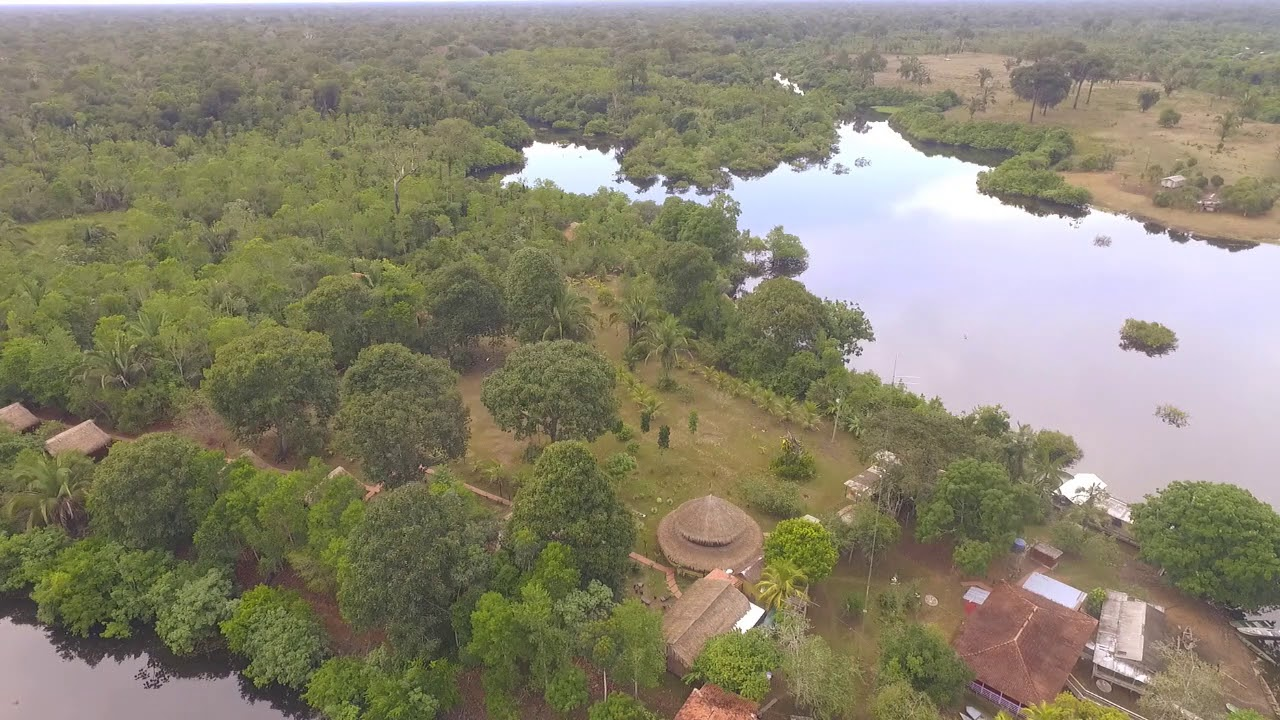
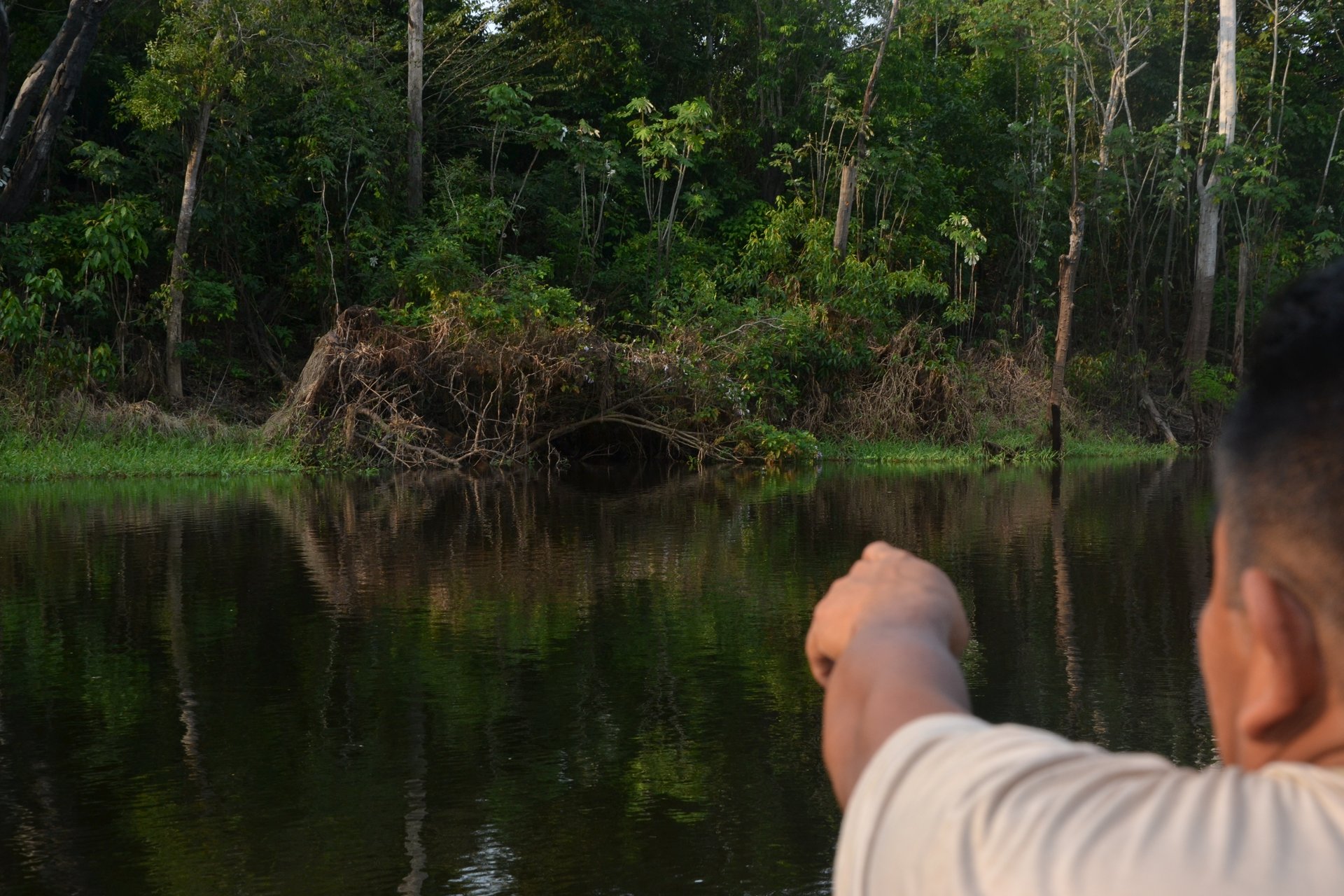
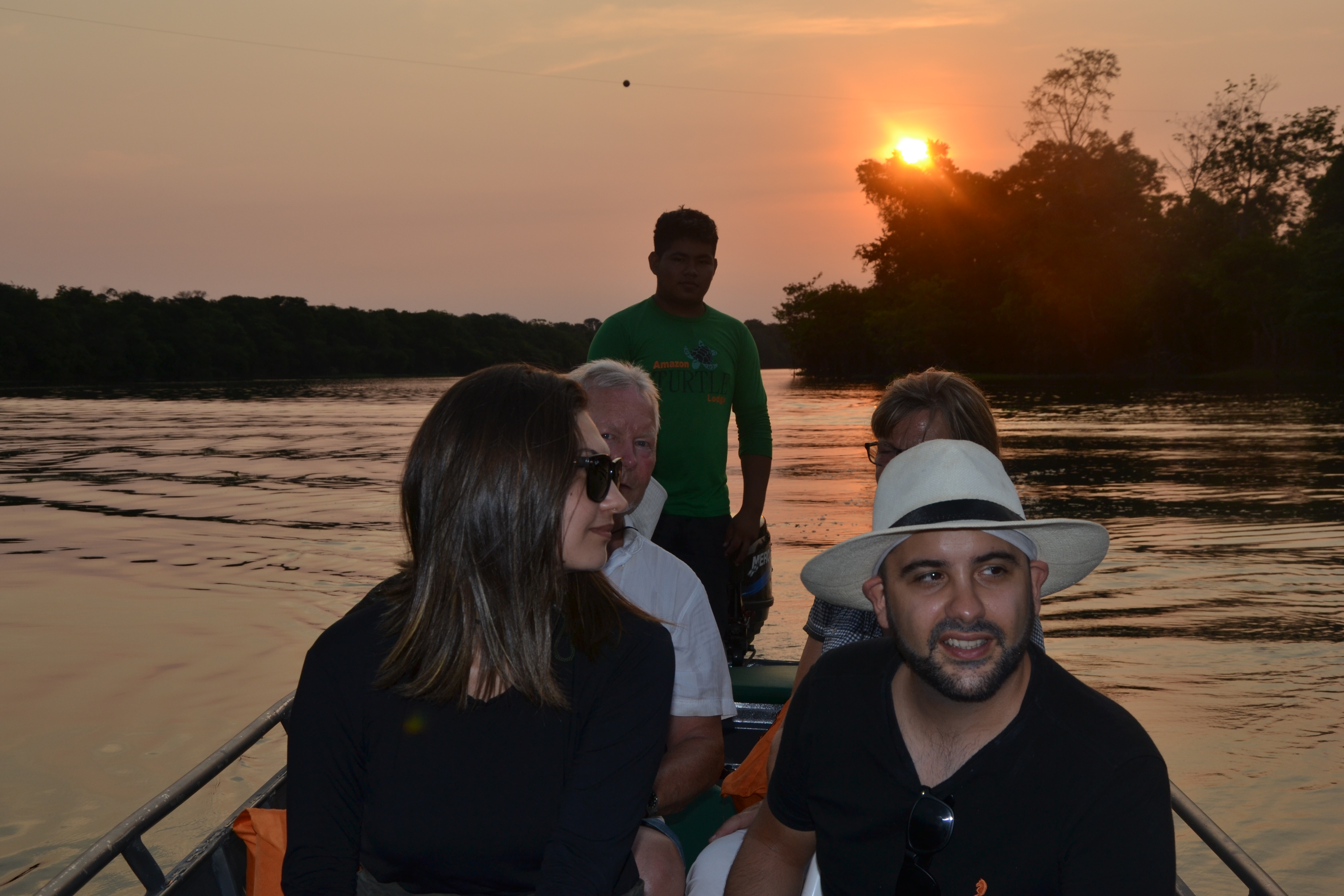
The boat trip offers breathtaking views of the Amazon and takes you past vast lakes, winding creeks and traditional communities. Along the way there is the chance to admire enormous water lilies and to spot a wide range of animals, including birds, caimans, fish, snakes and monkeys. The journey to the lodge is full of surprises; a wild animal may show itself at any moment.
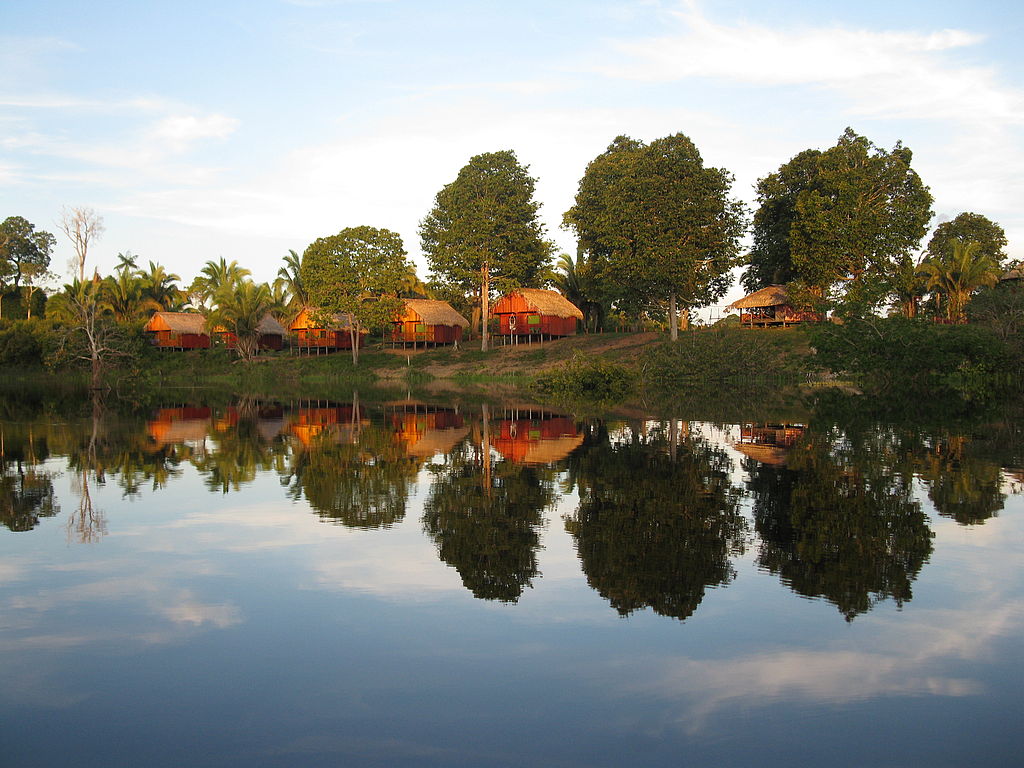
Arrival at the Amazon Turtle Lodge is scheduled for around midday. On arrival a lunch buffet is served with local specialities such as freshwater fish, beef, chicken, salads and exotic fruit from the Amazon.
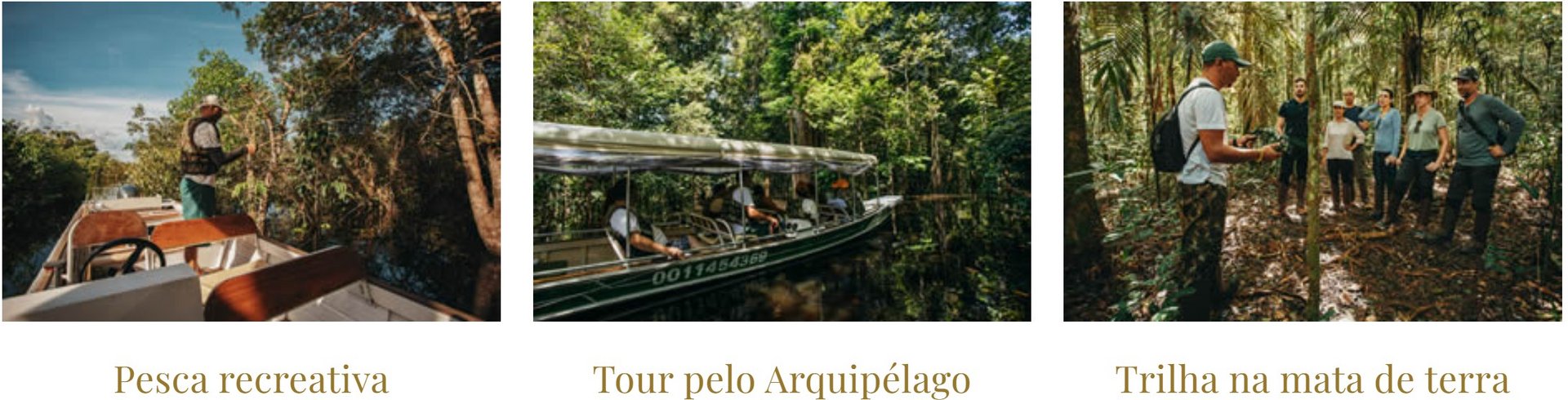
In the afternoon a motorised canoe trip is on the programme, on which you explore the unique surroundings of the lodge. During this trip there is ample opportunity to observe animals such as monkeys, sloths, iguanas, spiders and a great diversity of birds.
Dinner is served at 19:30 in the lodge's restaurant. Here too the buffet offers a wide choice of freshwater fish, meat, chicken, salads and tropical fruit. Any allergies or dietary requirements can be passed on in advance, so that they can be taken into account.
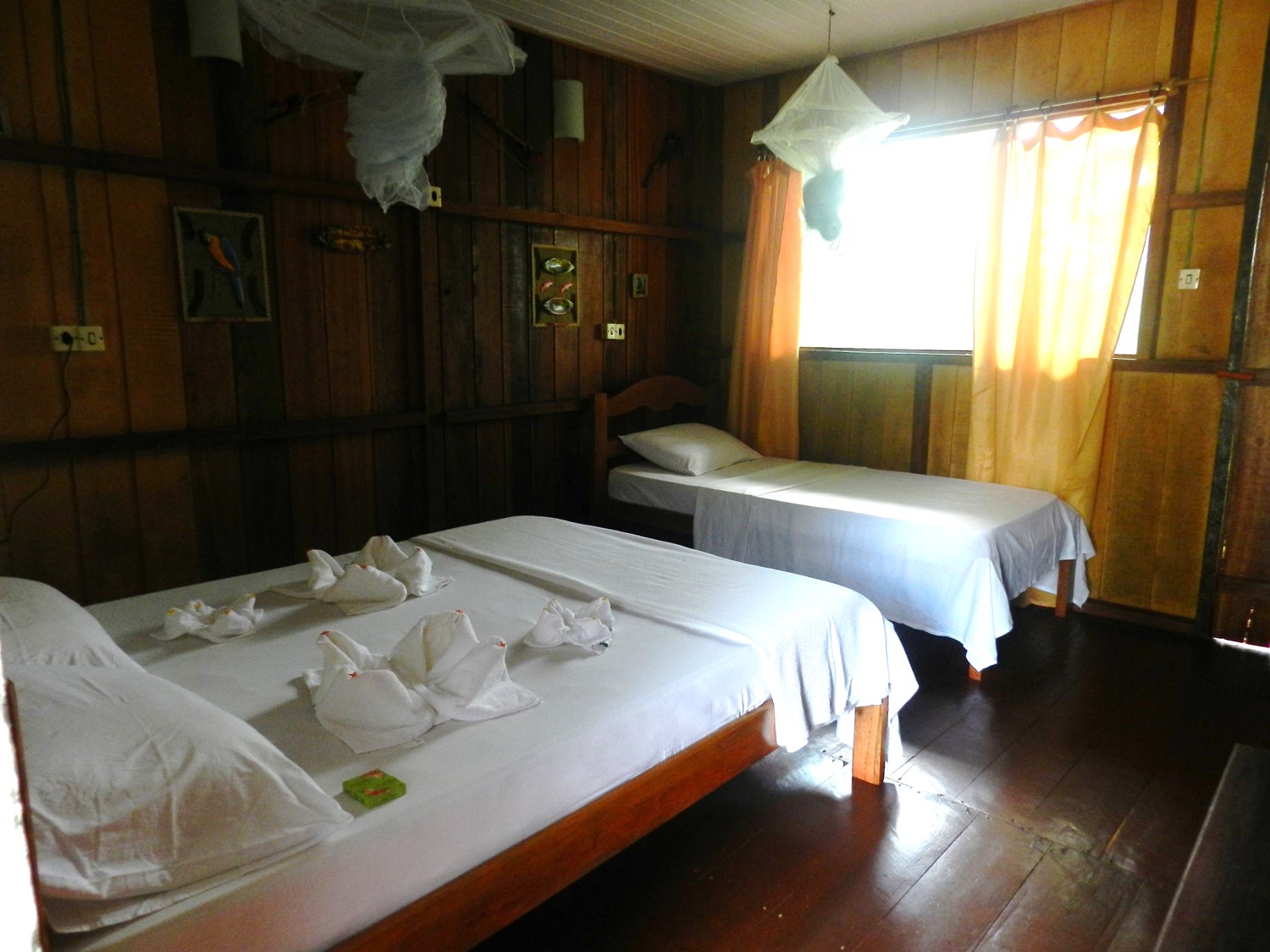
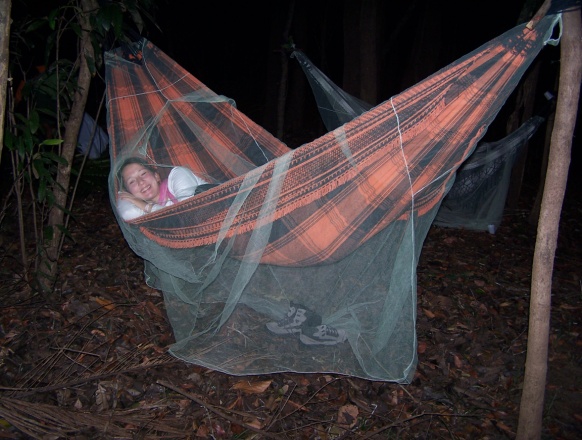
A day full of adventure and nature in the heart of the Amazon comes to an end, with a good night's sleep in the soothing atmosphere of the lodge.
4. Amazon Rainforest - Amazon Turtle Lodge (Day 2 of package)
Day 2: Jungle adventures and experiencing nature
The day begins early, at 05:30, with a sunrise tour. This is the perfect moment to see the Amazon come to life as the first rays of sunlight illuminate the river and the surrounding rainforest. The serene silence is broken only by the sound of birds and animals waking up. After this special experience you return to the lodge for an extensive breakfast.
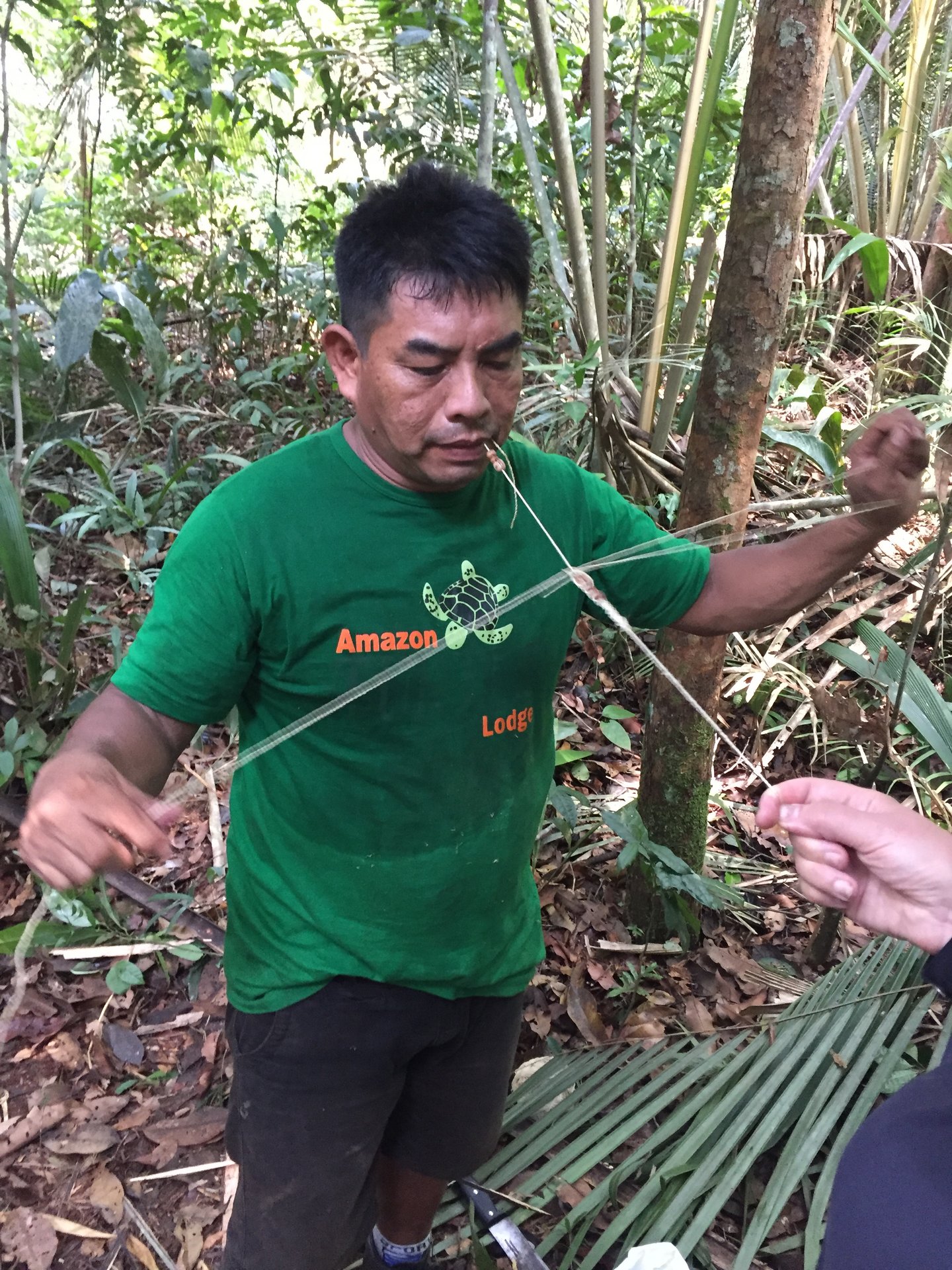
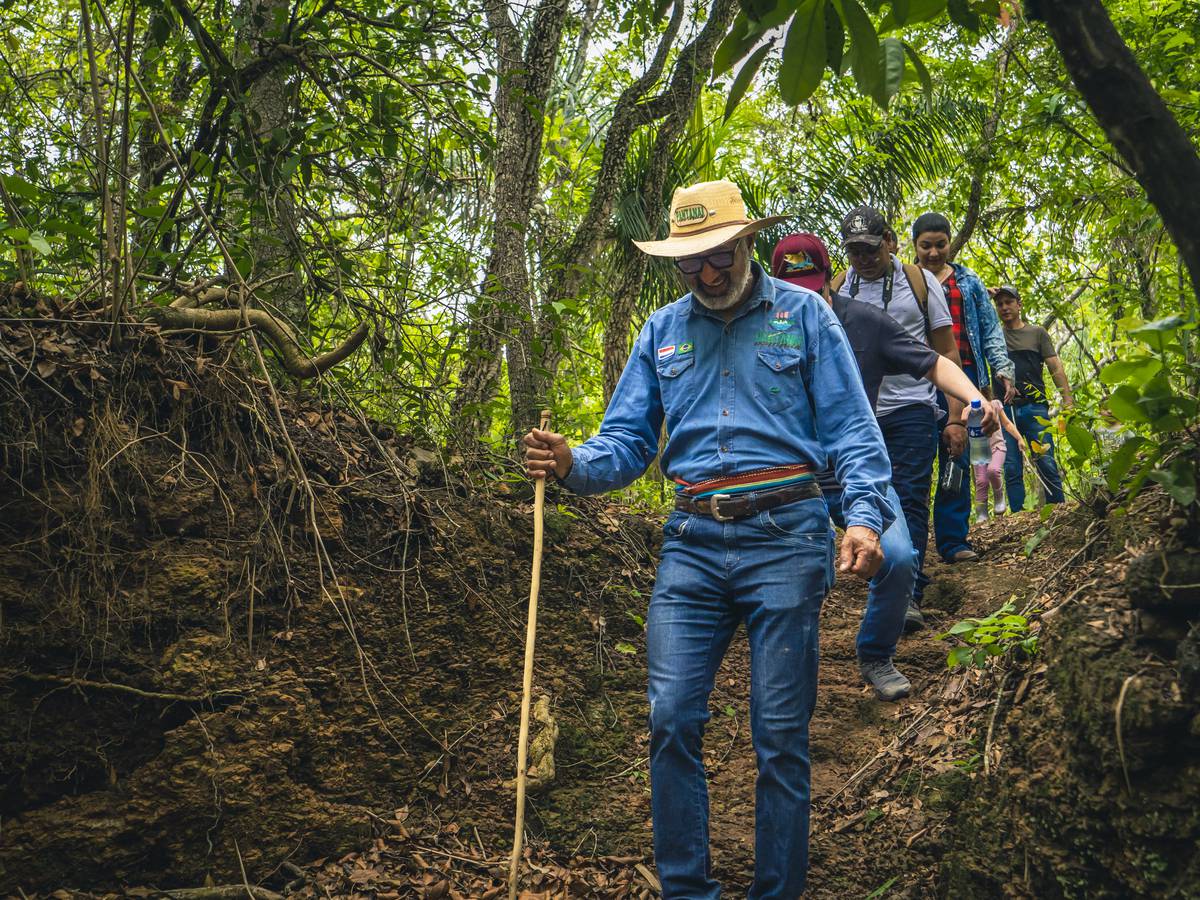
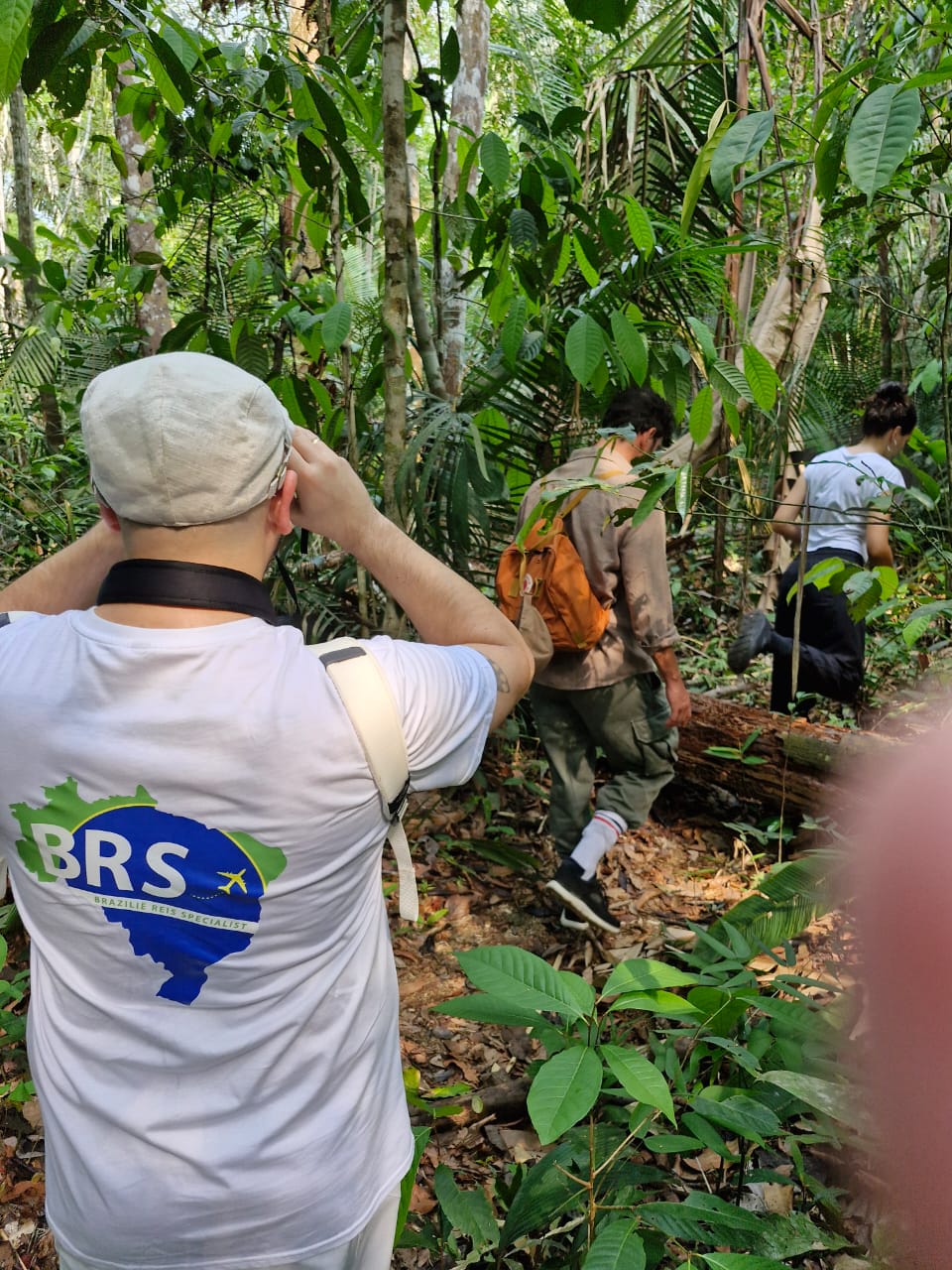
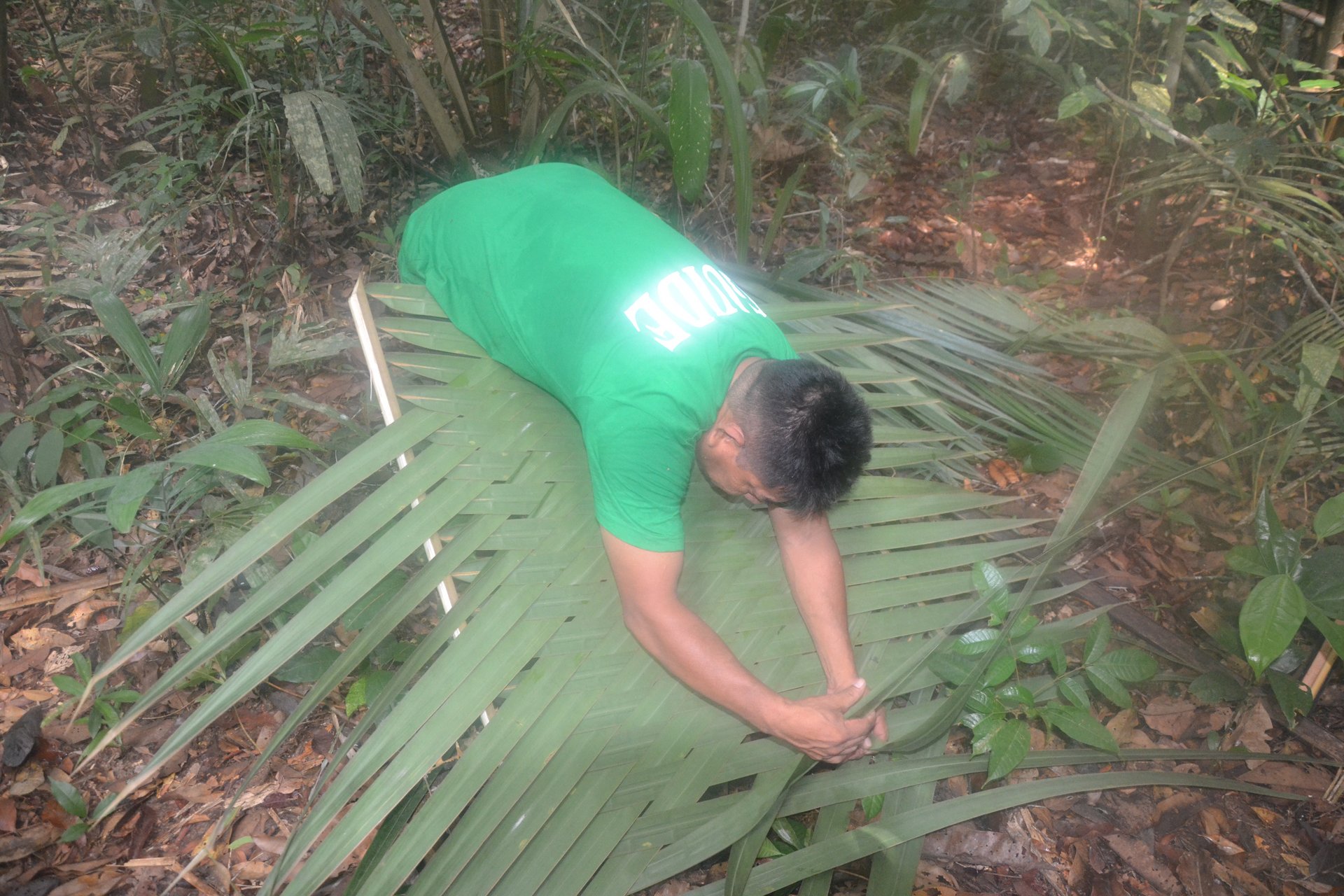
At 08:30 a fascinating jungle trek begins, led by experienced guides. During this walk you learn essential jungle survival techniques, such as using lianas as ropes, climbing trees, finding water and even hunting skills. The guide also shares interesting insights into the biodiversity and the many species of flora and fauna found in the rainforest.
Around midday lunch is served at the lodge, with a selection of local dishes that reflect the flavours of the Amazon.
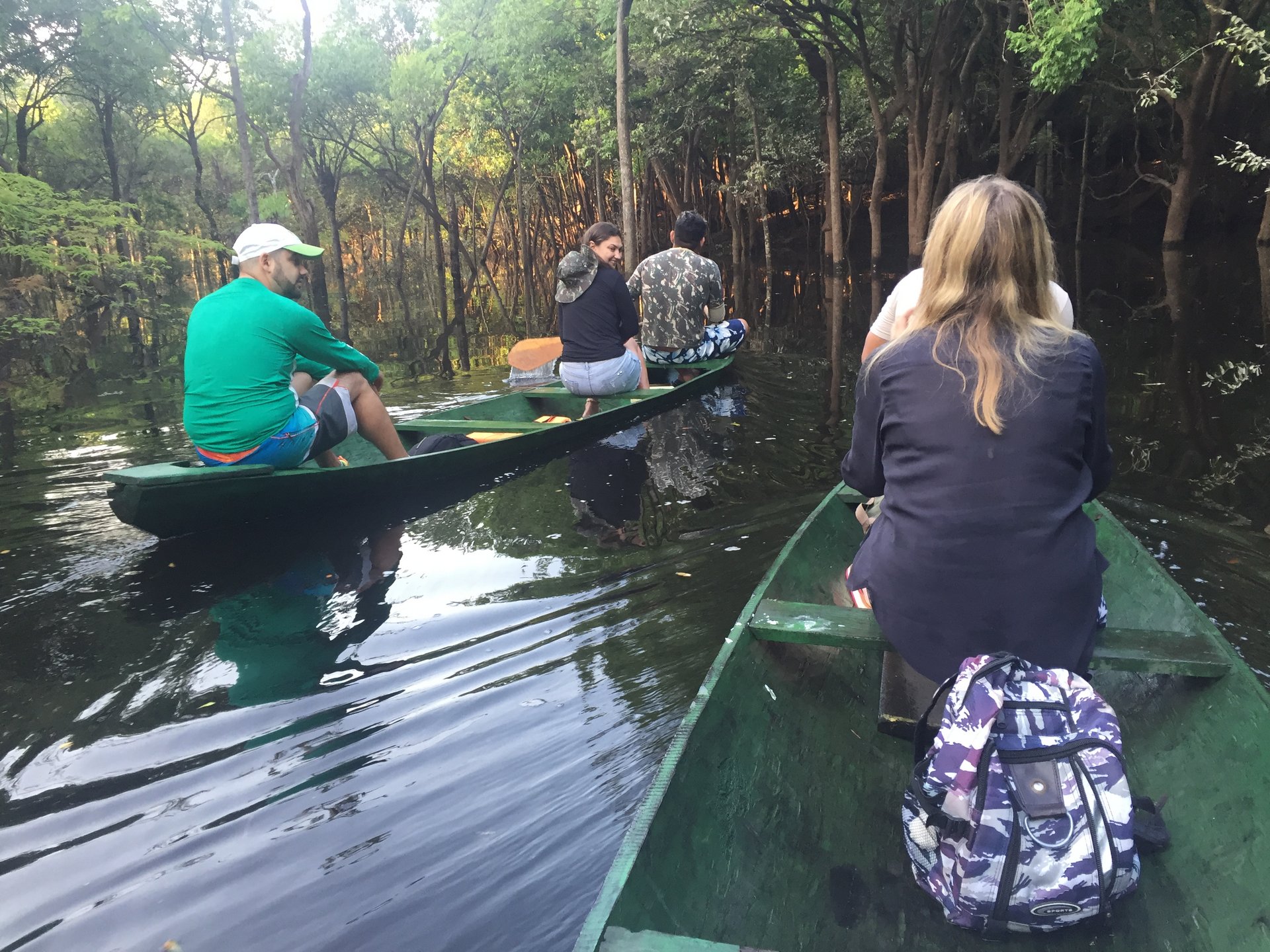
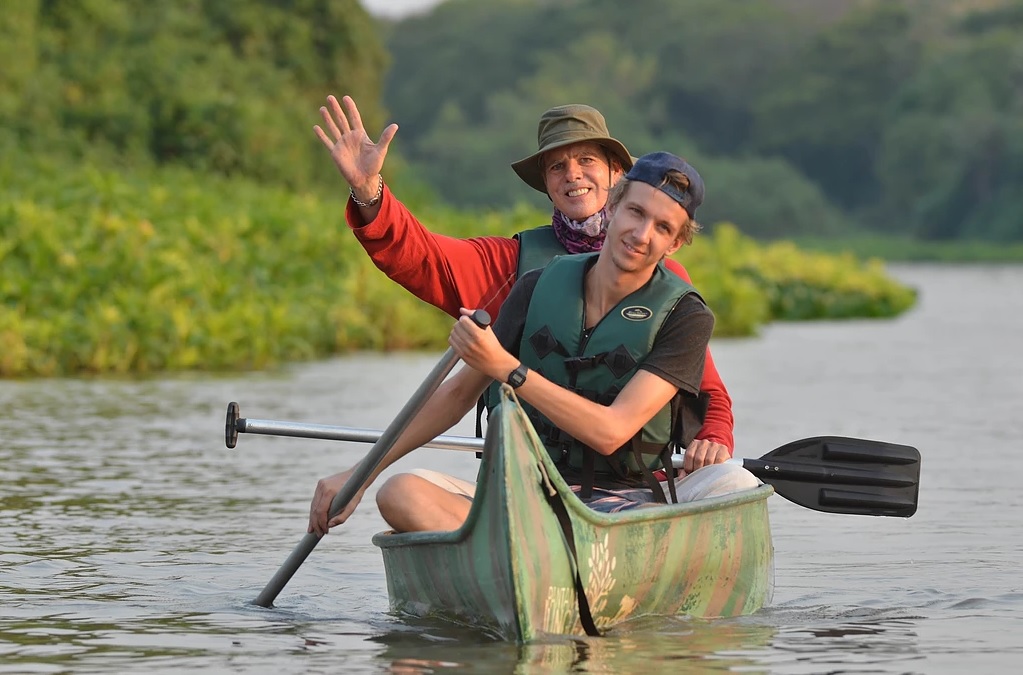
In the afternoon a canoe adventure is on the programme. Depending on the conditions, you can choose a canoe with paddles or a motorised canoe. This is a relaxed way to explore the rivers and creeks further. During this trip you can observe countless birds, monkeys and possibly even sloths. The gentle pace on the water gives you ample opportunity to admire nature in all its glory.
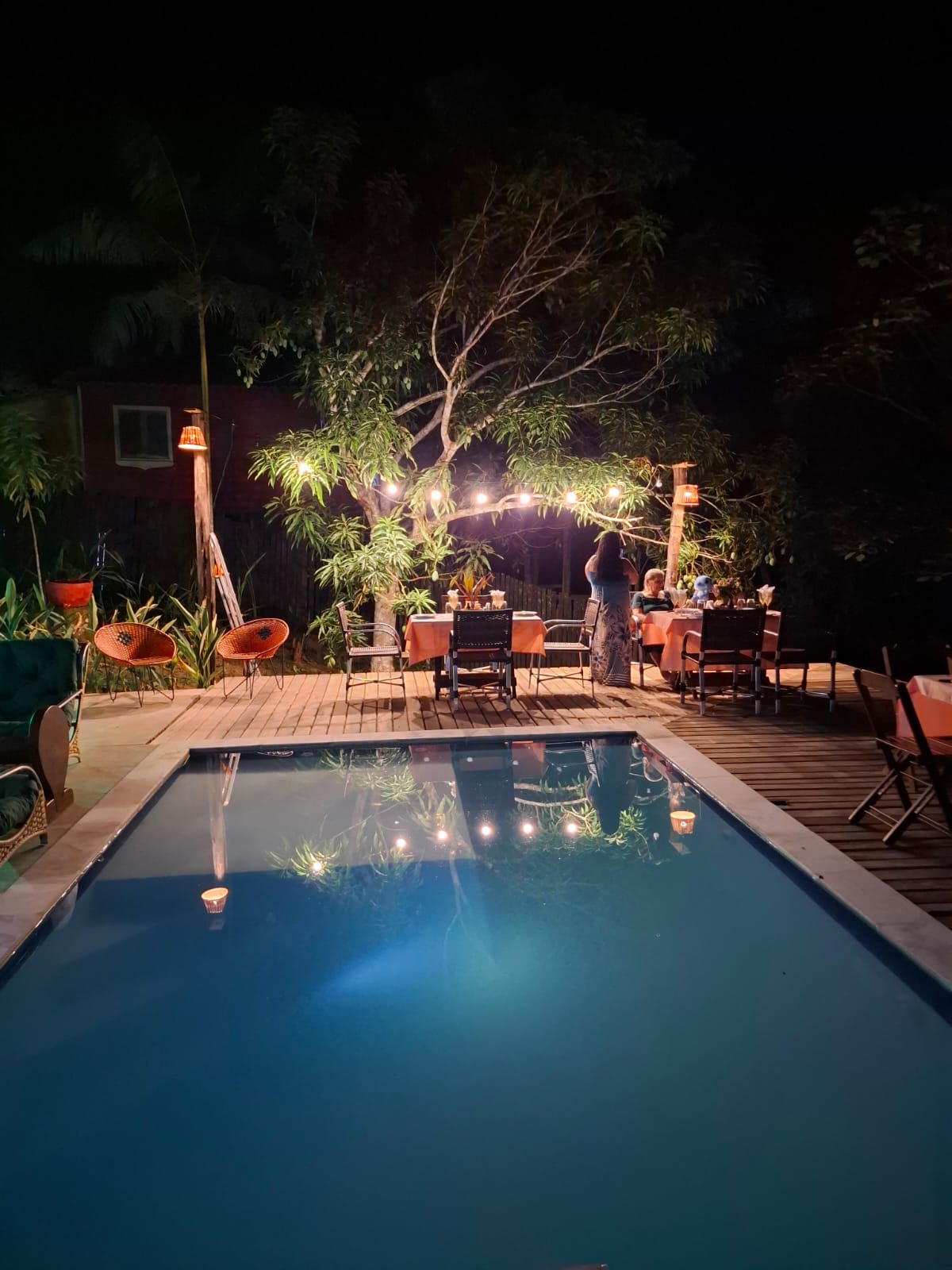
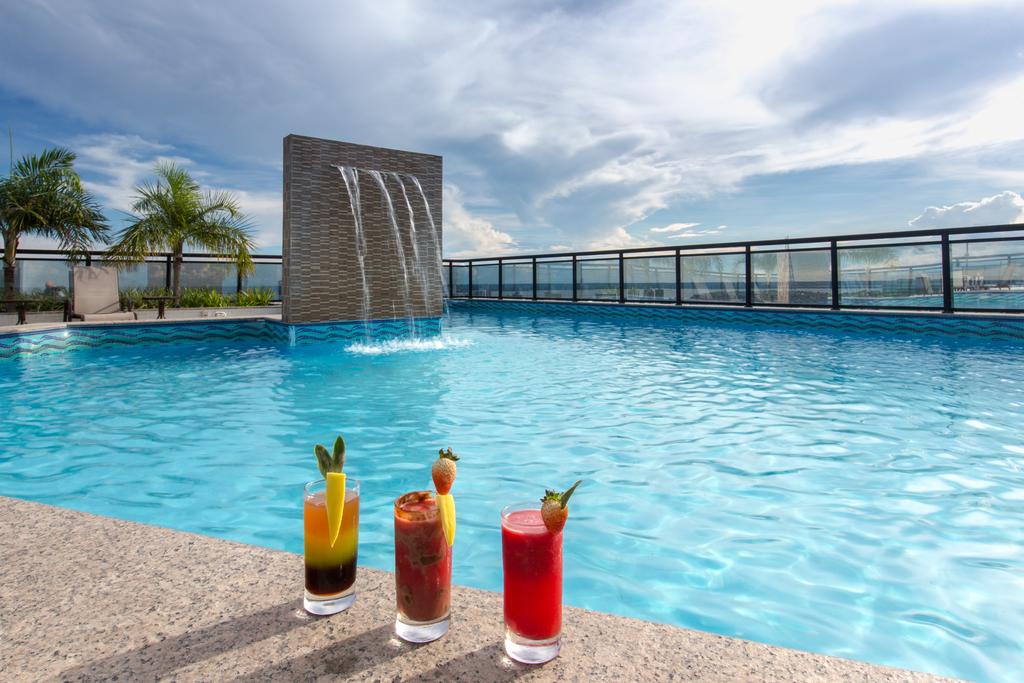
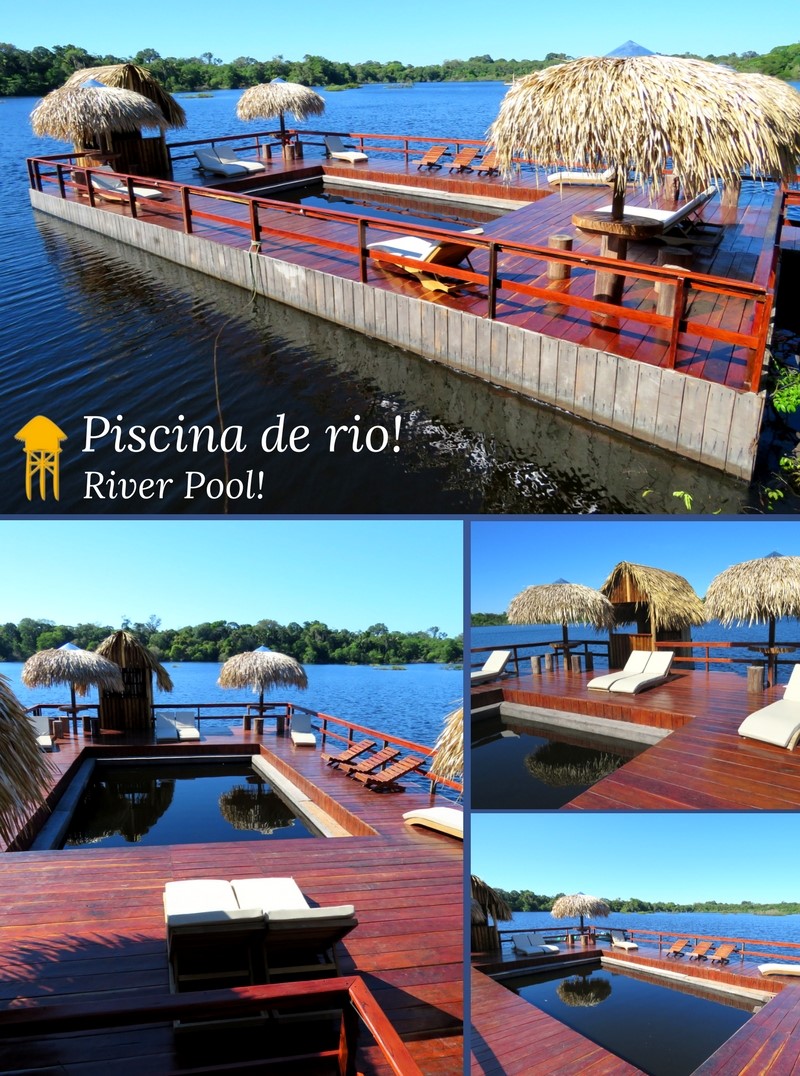
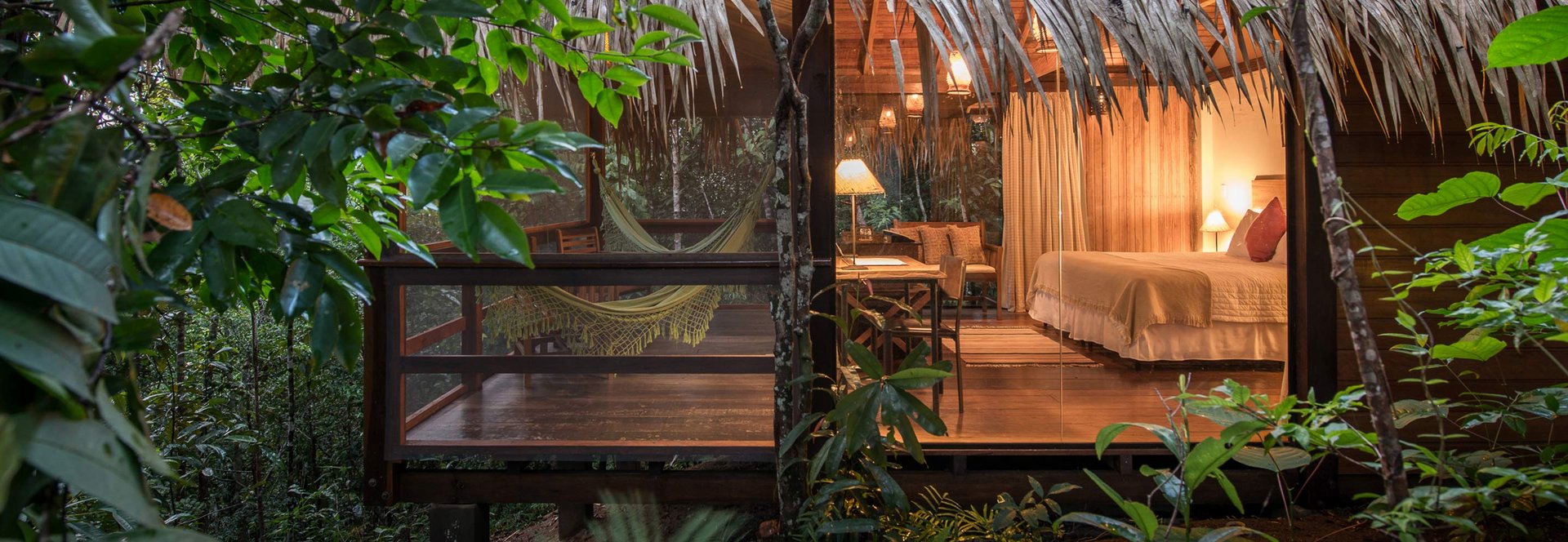
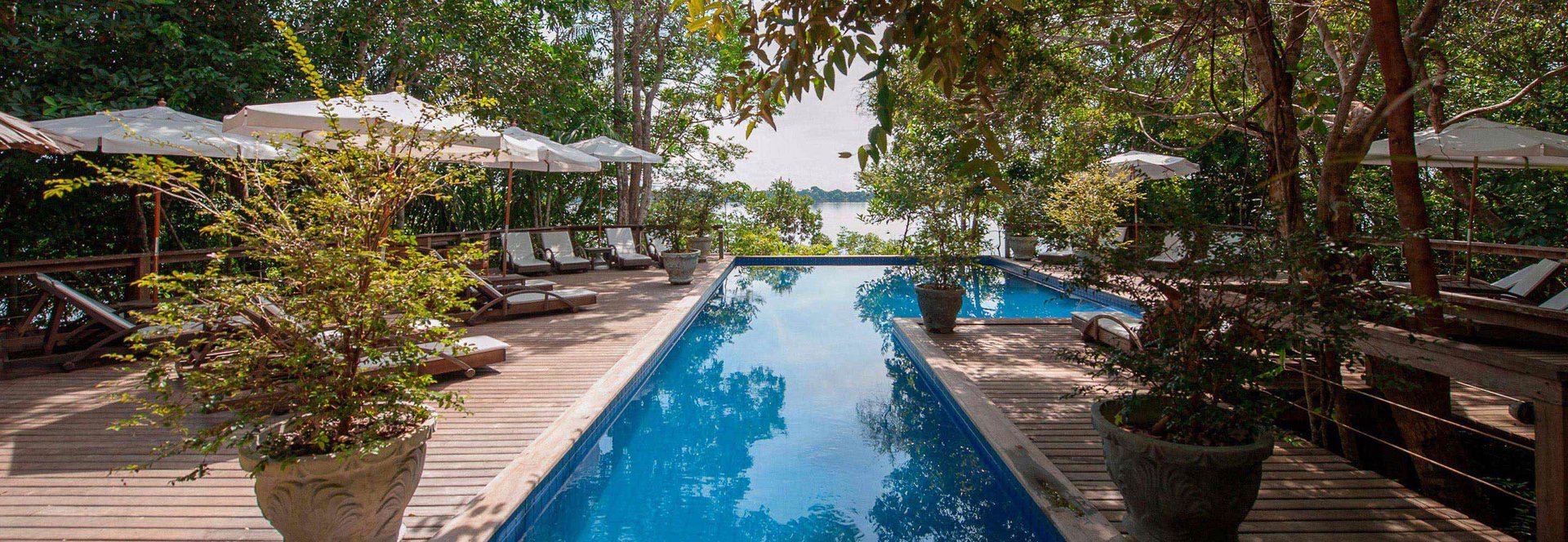
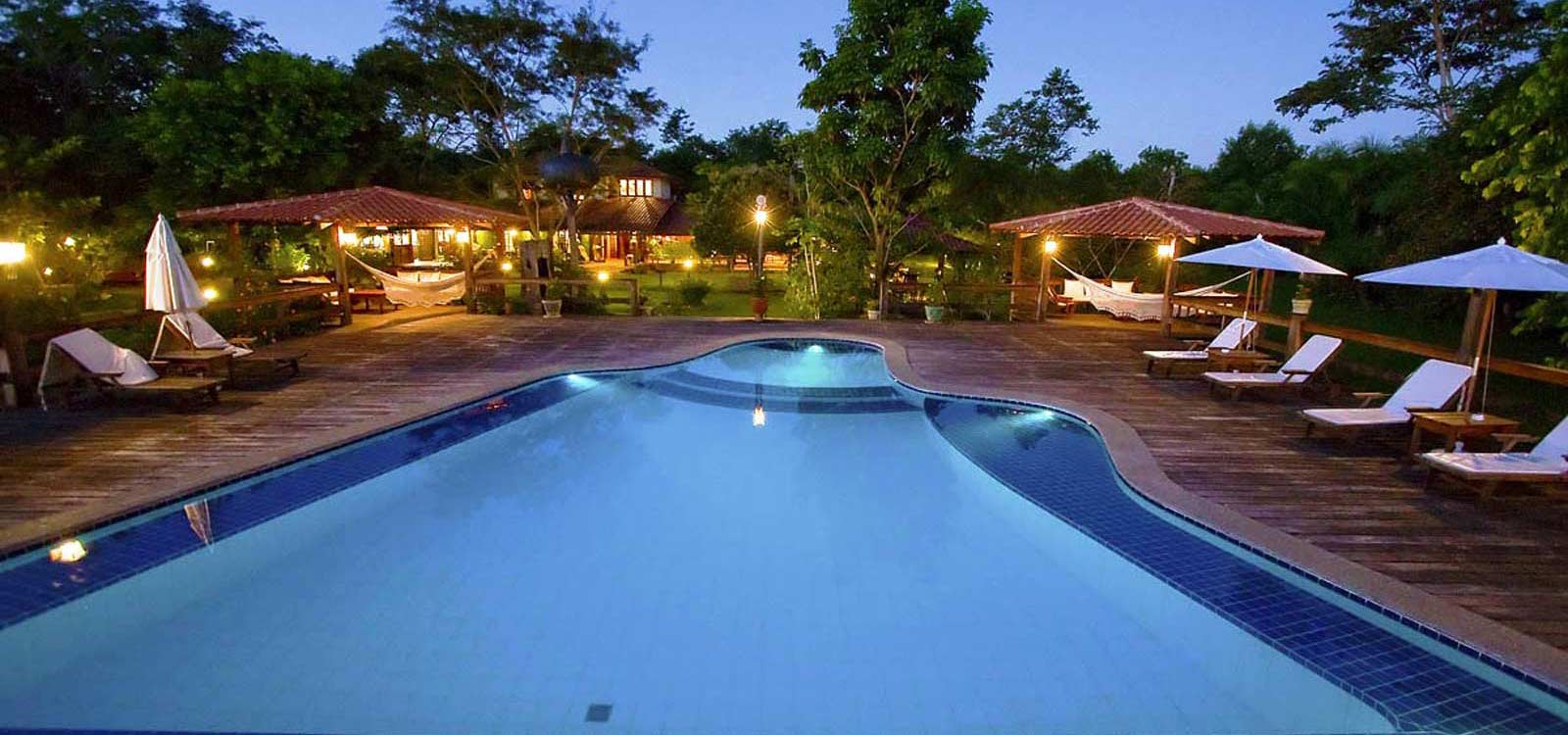
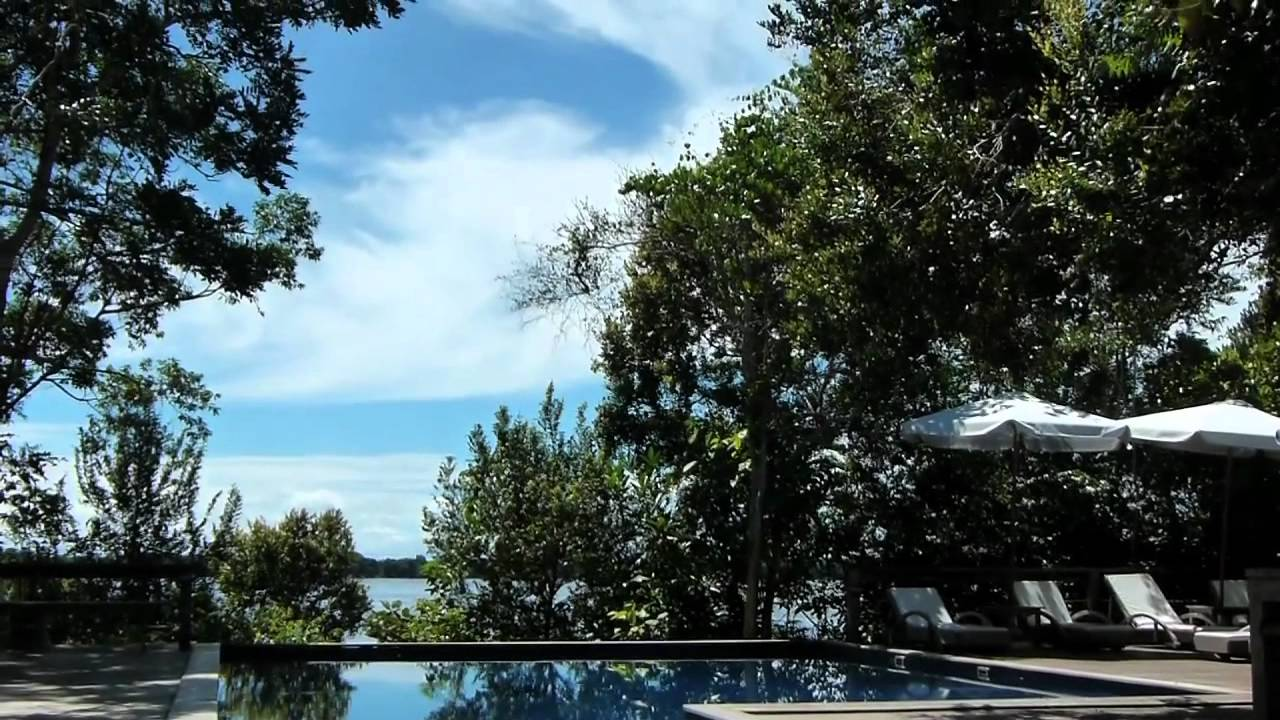
After this voyage of discovery you return to the lodge, where dinner is served at 19:30. After dinner there is time to relax and take in the unique evening sounds of the Amazon. You can unwind by the swimming pool with a refreshing caipirinha in hand or take a quiet stroll through the beautiful Amazon garden of the Turtle Lodge. Both options offer a perfect end to an active and inspiring day in the heart of the jungle.
5. Amazon Rainforest - Amazon Turtle Lodge (Day 3 of package)
Day 3: Local culture, piranha fishing and night-time adventure
The day begins at 08:00 with a visit to the home of a caboclo, a local inhabitant of the Amazon who is not Indigenous but lives off the natural riches of the rainforest. During this visit you get a fascinating glimpse of their daily life, customs and traditions. Among other things, you visit rubber and cassava plantations and learn more about the traditional use of these crops. There is ample opportunity to take photos and to discover more about the harmony in which these people live with nature.
In the surrounding jungle you gather fresh fruit, Brazil nuts, herbs, vegetables and spices together with the guide and the caboclo. Back at the house you are shown how these ingredients are processed and prepared in typical dishes. You can taste some of these unique flavours, a special culinary experience that offers a real connection with the Amazon.
Around midday you return to the lodge, where lunch is served. During this meal you get the chance to taste some of the ingredients and dishes you got to know earlier in the day.
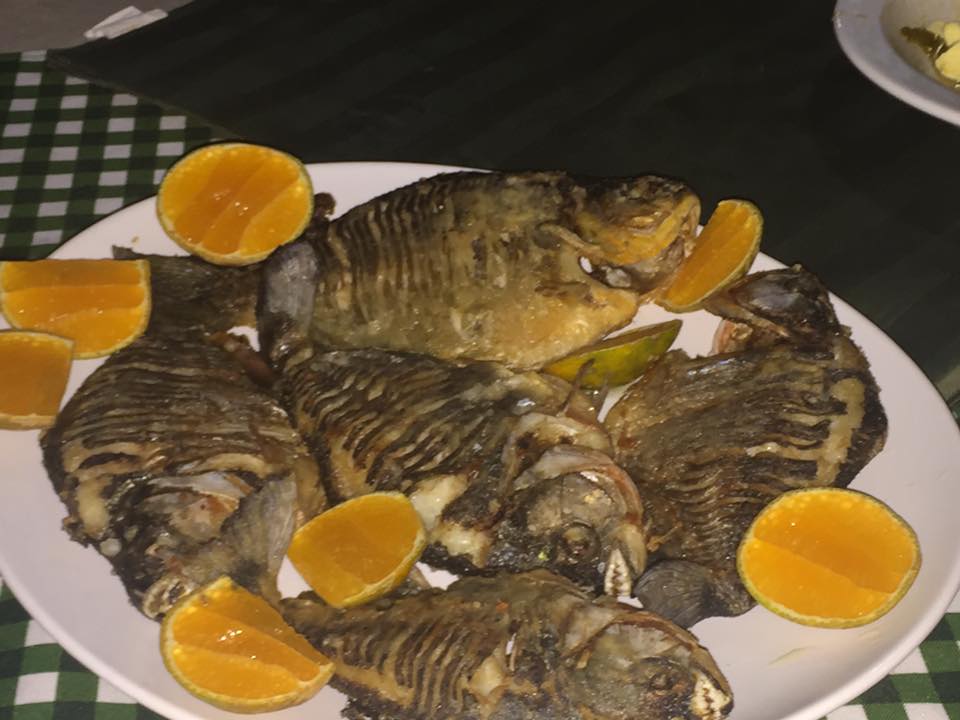
In the afternoon piranha fishing is on the programme, an exciting activity in which you try to catch this iconic Amazon fish species yourself. Besides piranhas, there is a chance of seeing and catching other species of fish. This adventure combines relaxation and fun while you enjoy the tranquillity of the river and the surrounding rainforest.
After dinner, which is served at the lodge at 19:30, a night-time canoe trip begins. This trip focuses on wildlife watching and alligator spotting with the help of torchlight. The mysterious rainforest comes to life in the dark, and with a bit of luck you will see caimans, nocturnal birds and other animals. The thrill of the night and the sounds of the Amazon make this an unforgettable experience.
After this adventurous day you can relax and savour the experience by the swimming pool with a drink, or simply enjoy the serene atmosphere of the Amazon.
6. Amazon rainforest - Campo Grande
Today the Amazon jungle package comes to an end. After breakfast you will be taken back to Manaus by transfer and dropped off at the airport. This is followed by the domestic flight to Campo Grande. After arrival you will be welcomed at the airport and taken to the hotel by private transfer.
- See the hotels tab for the accommodation selection during your stay in Campo Grande
7. Campo Grande - Bonito (Private transfer)
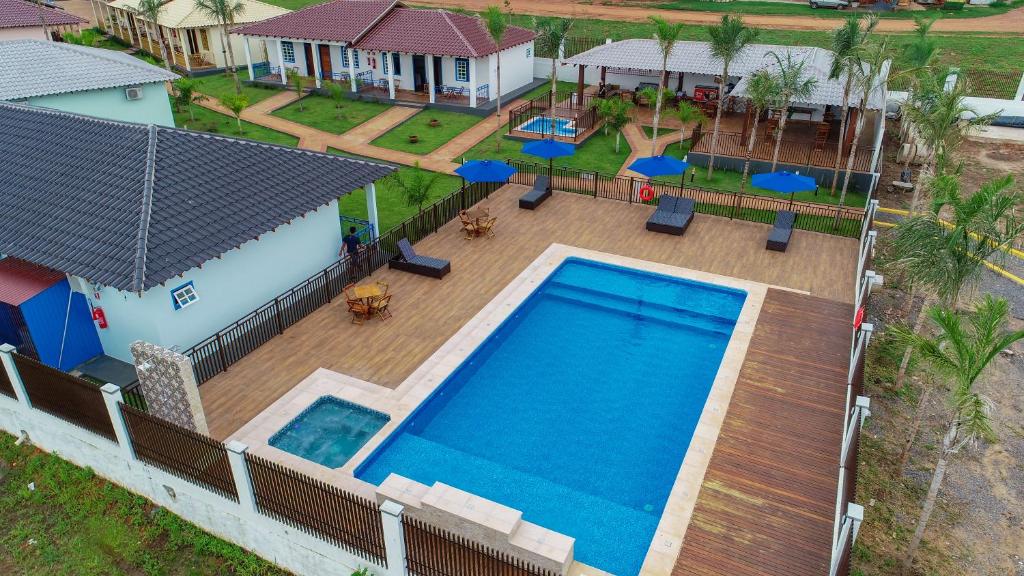
This building block starts at the airport or hotel in Campo Grande. In Campo Grande you will be taken by private transfer to the hotel in Bonito. This transfer takes 3 to 4 hours. You can spend the rest of the day as you wish and start exploring Bonito.
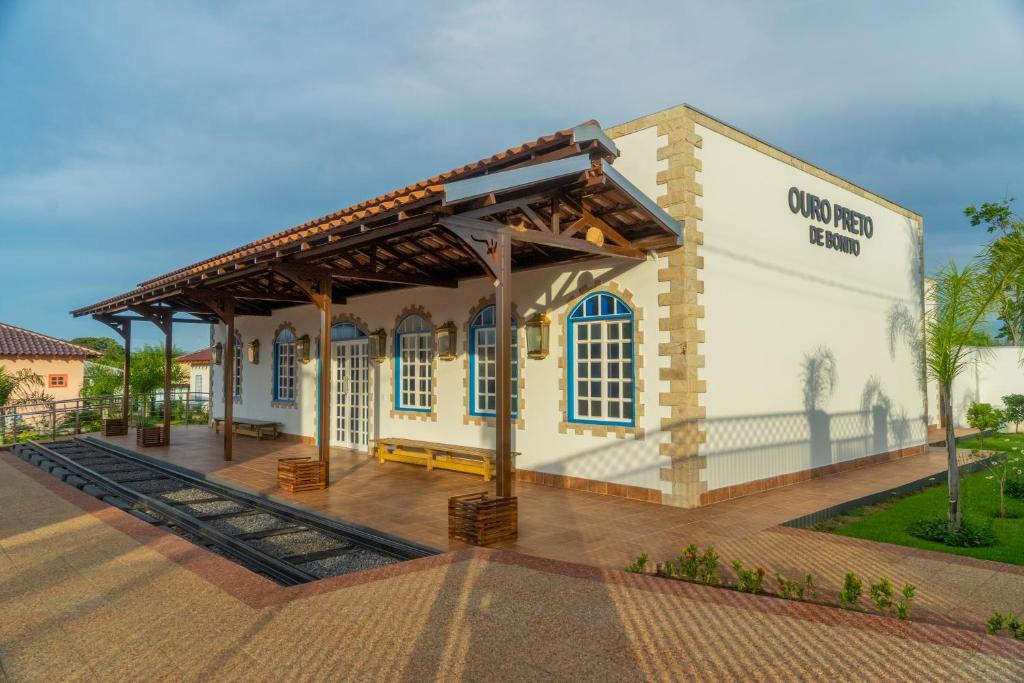
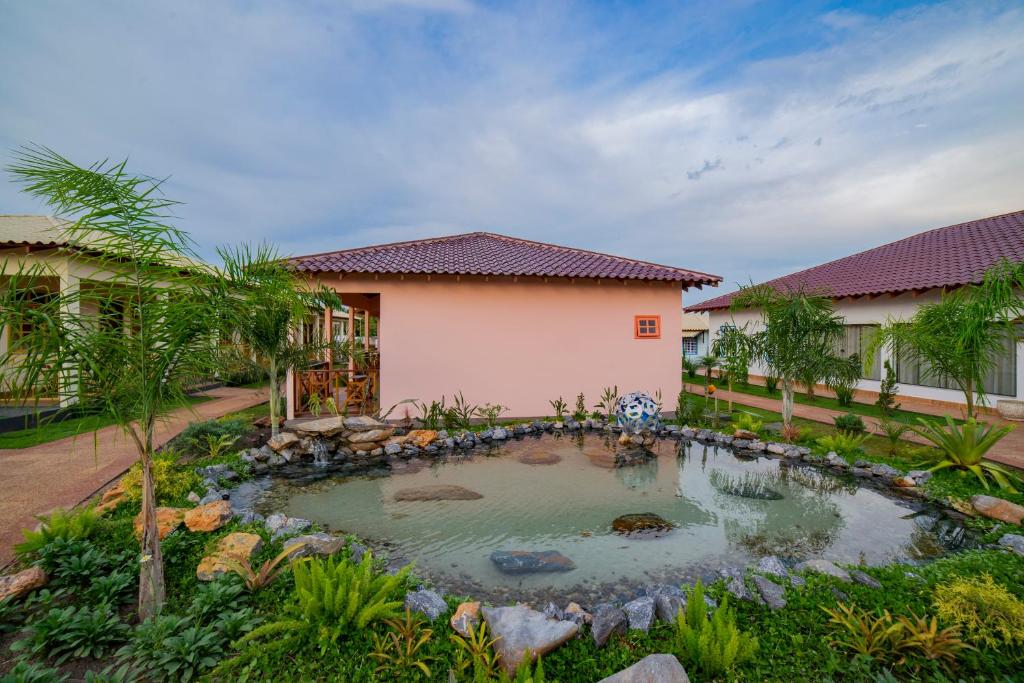
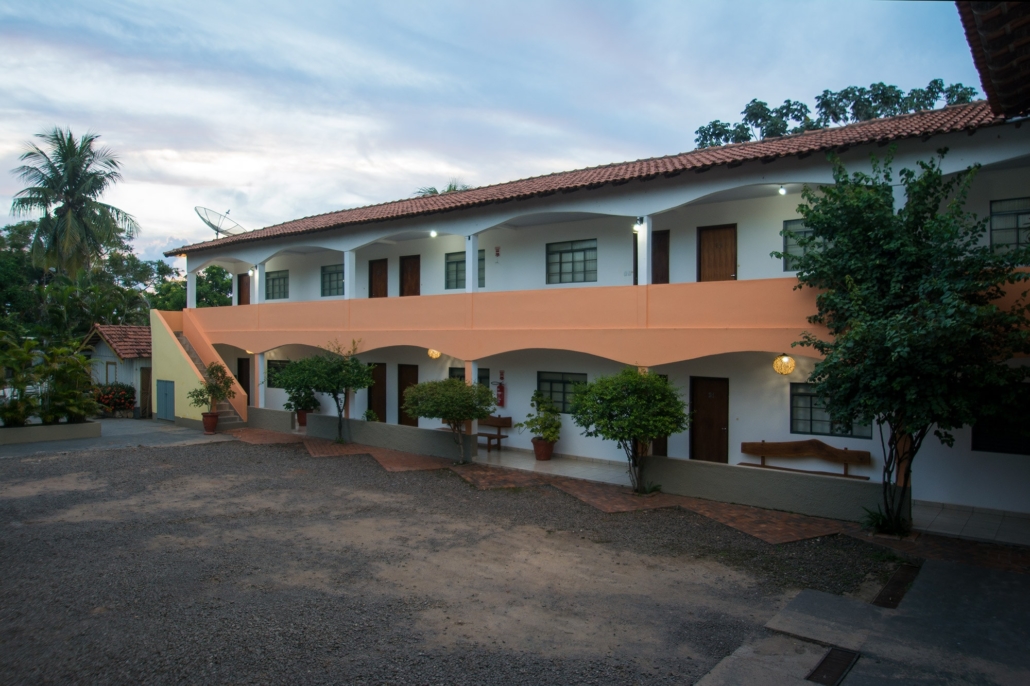
- See the hotels tab for the accommodation selection during your stay in Bonito
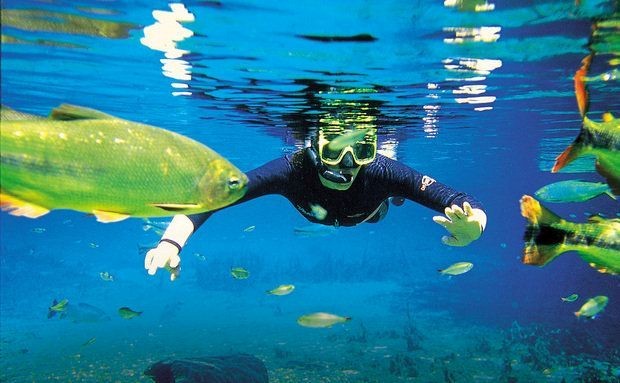
8. Bonito - River snorkelling and visit to 'Buraco das Araras'
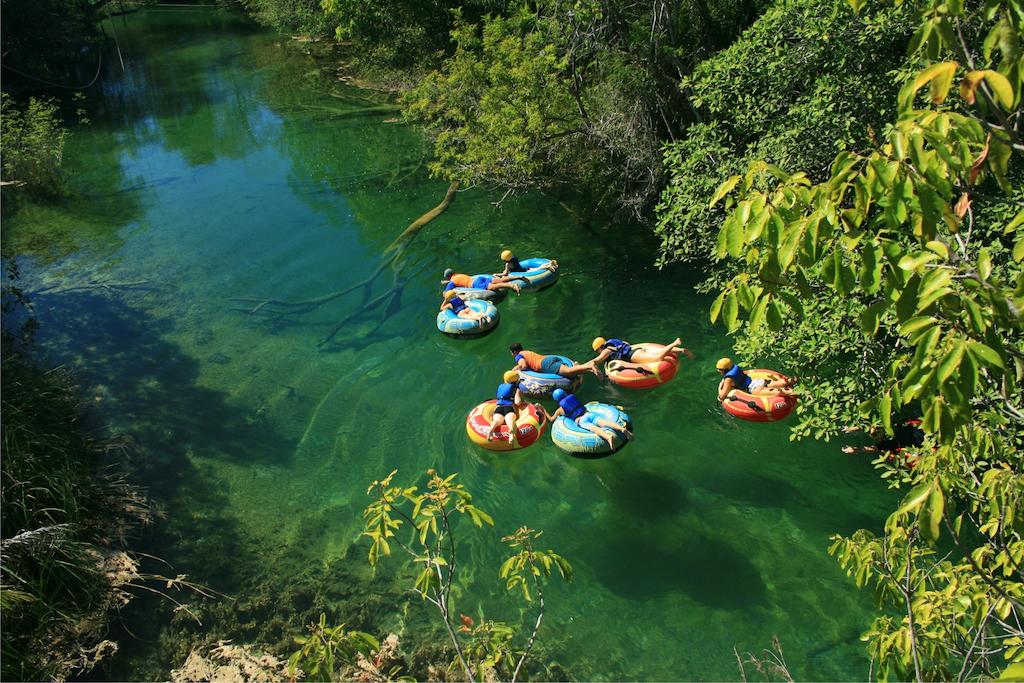
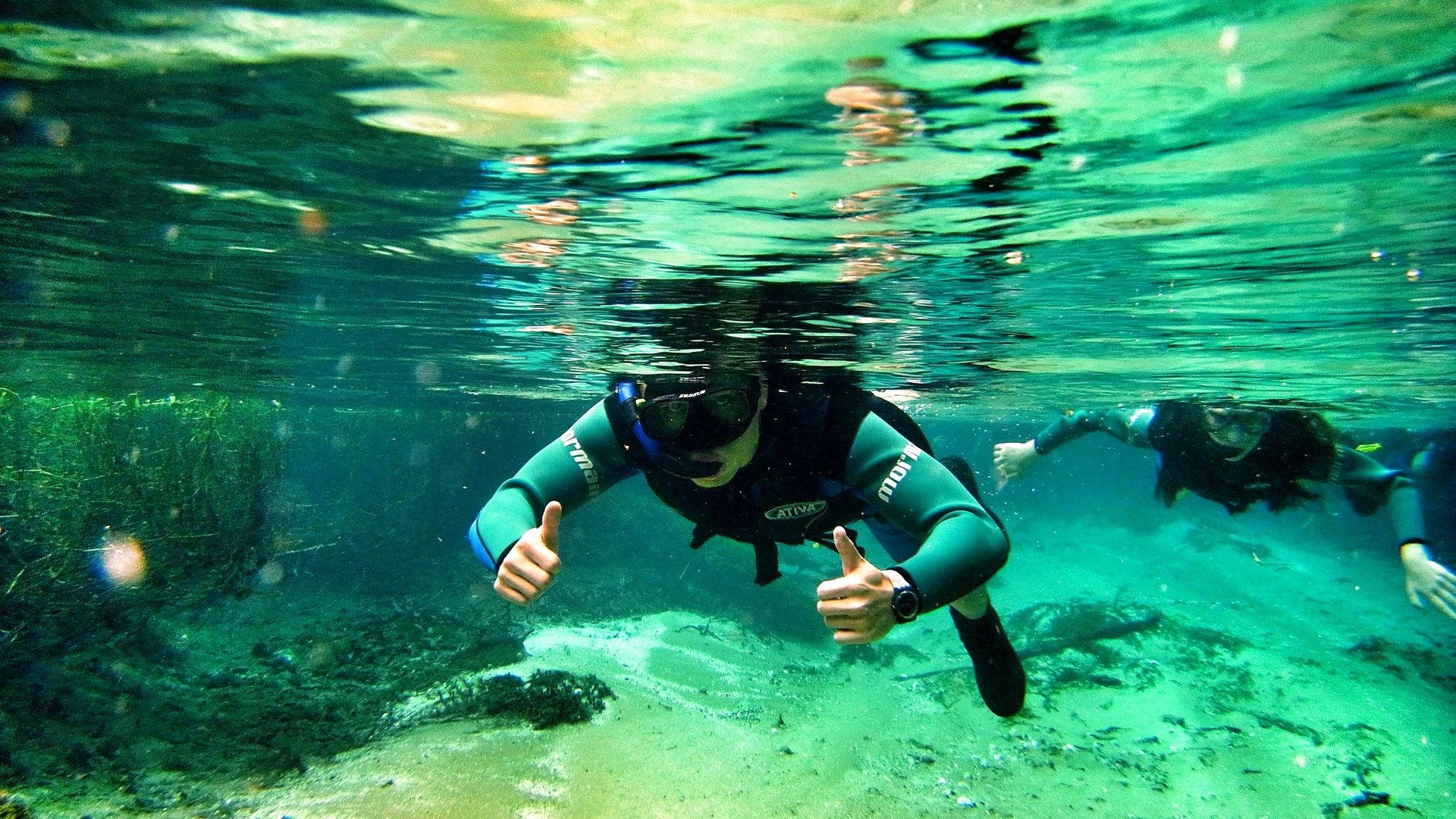
Today a fantastic full-day excursion is on the programme. It combines river snorkelling in the 'Rio da Prata' river with a visit to 'Buraco das Araras'. You will be picked up from the hotel and taken to the 2 excursion sites by private transfer. Afterwards you will be dropped off at the hotel again.
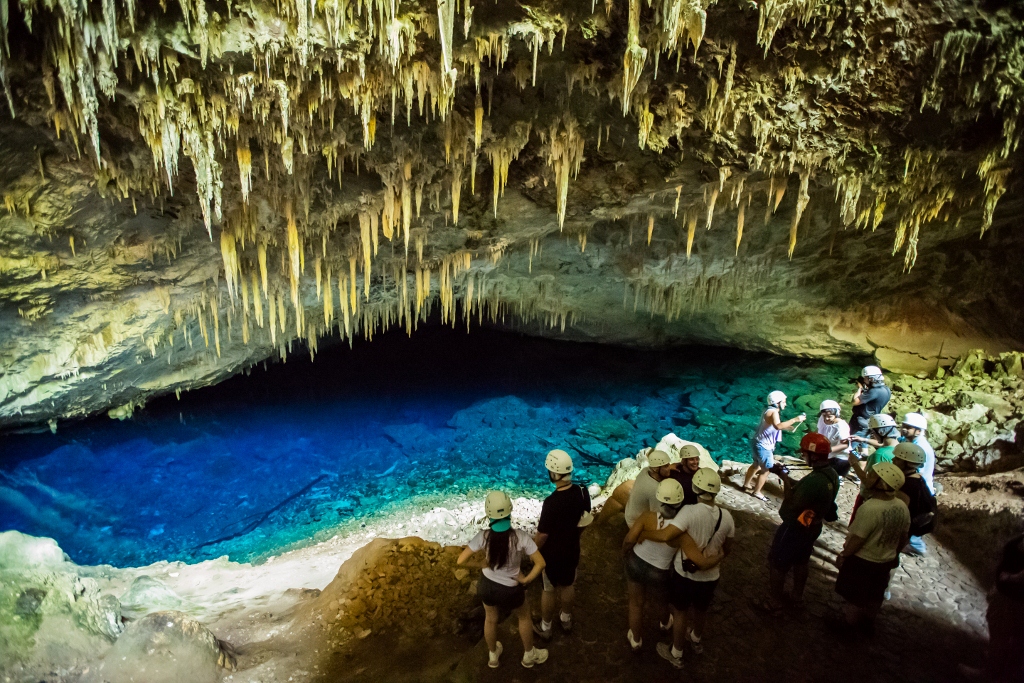
9. Bonito - Visit to the 'Gruta do Lago Azul' cave - Pantanal
This morning an excursion to the 'Gruta do Lago Azul' cave is on the programme. In the morning you will be picked up and taken by private transfer to the entrance of the cave. After the excursion you will be taken back to the hotel. After checking out you continue to the Pantanal with a private transfer to the lodge. After arrival, the programme with all the excursions for the coming days will be gone through with you.
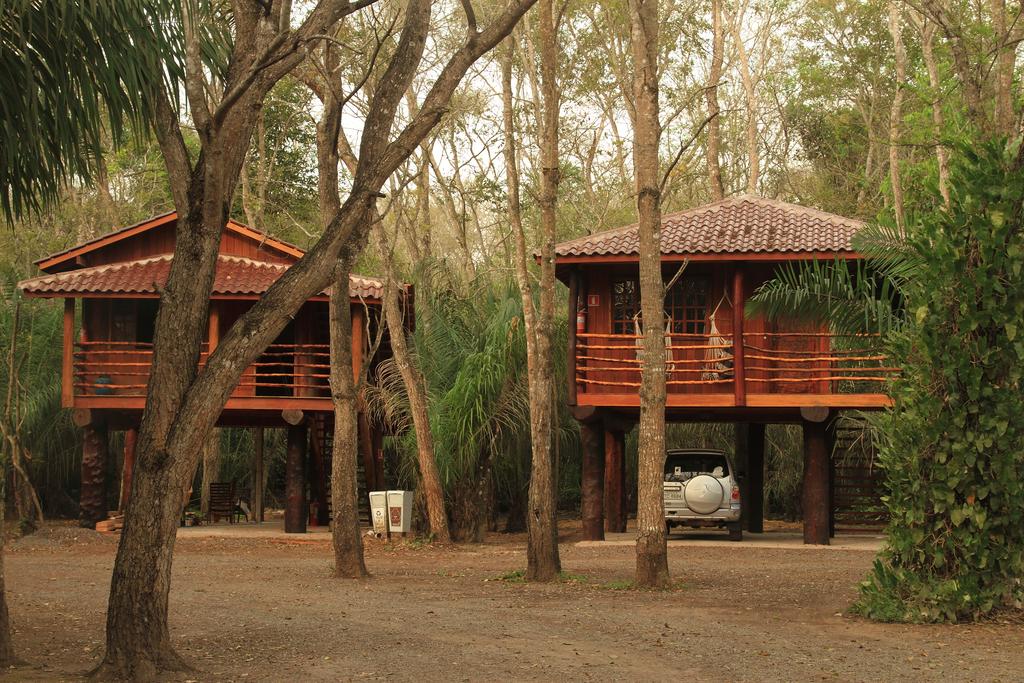
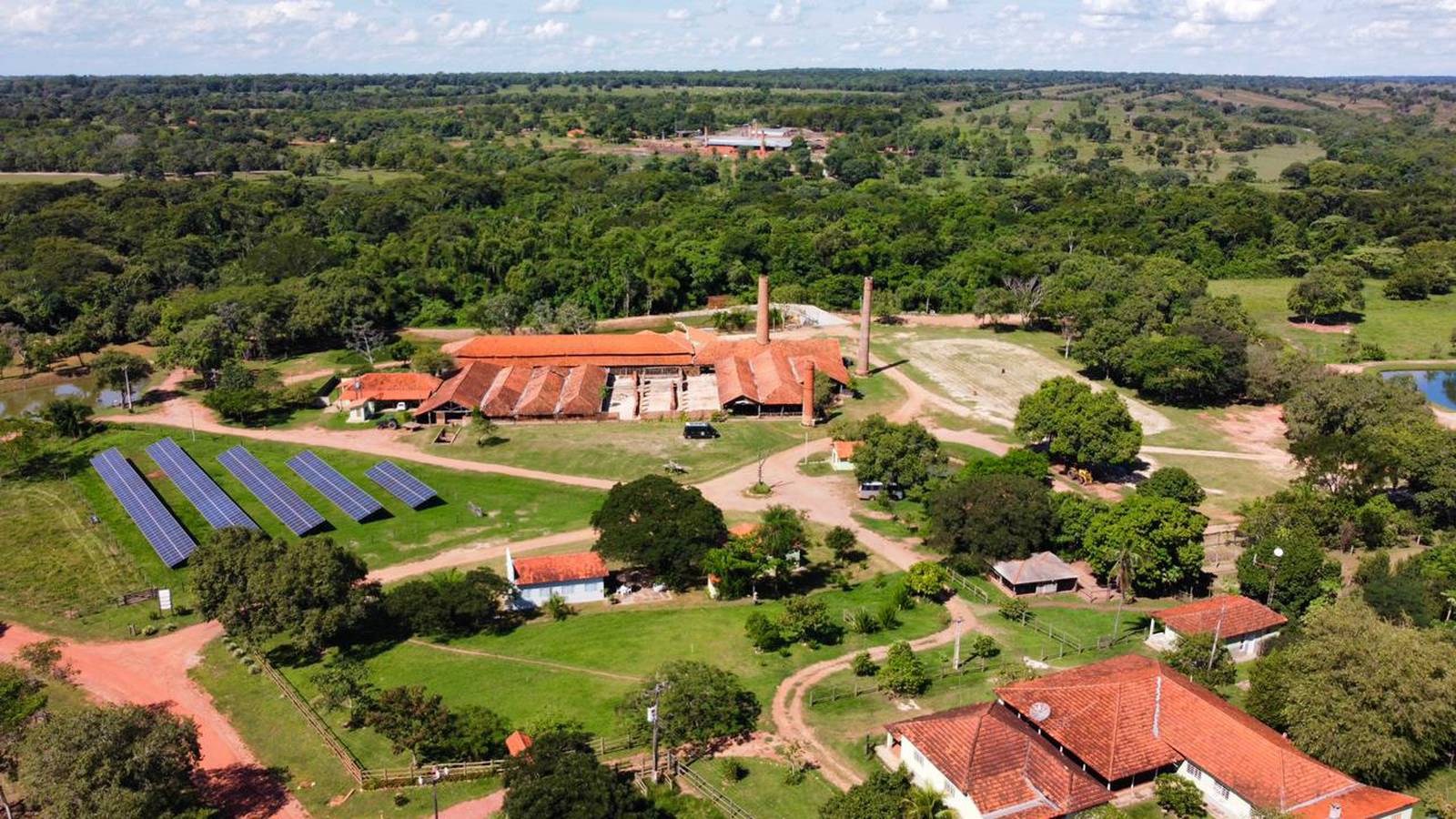
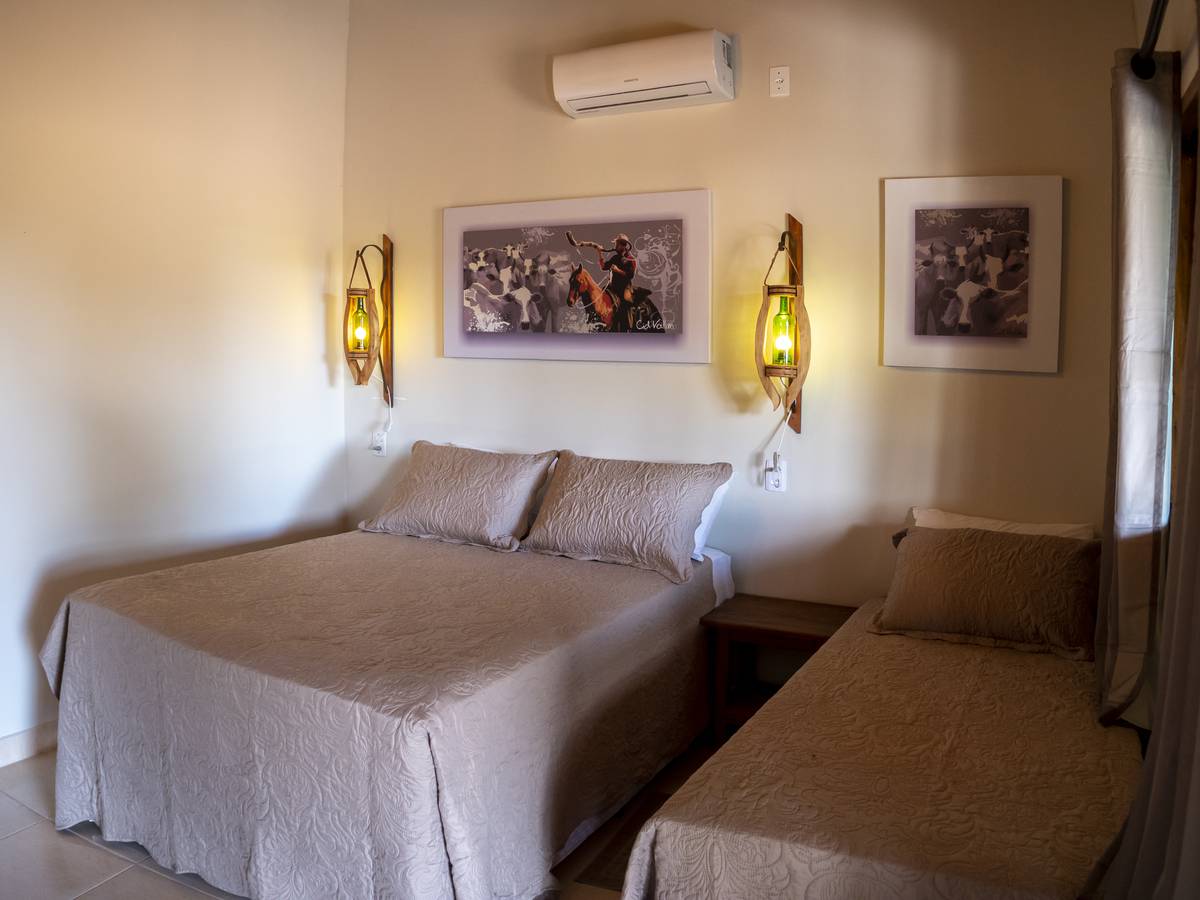
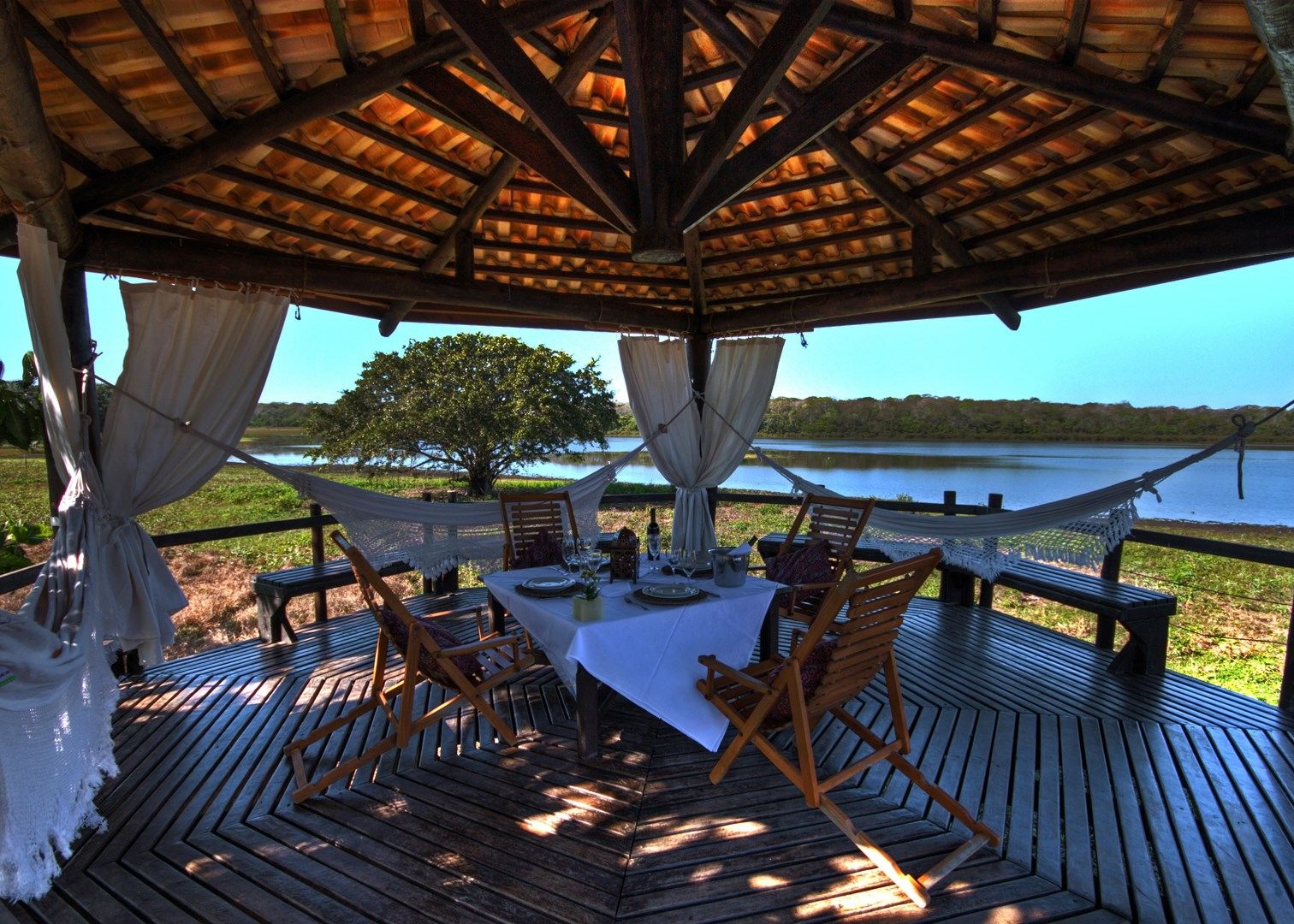
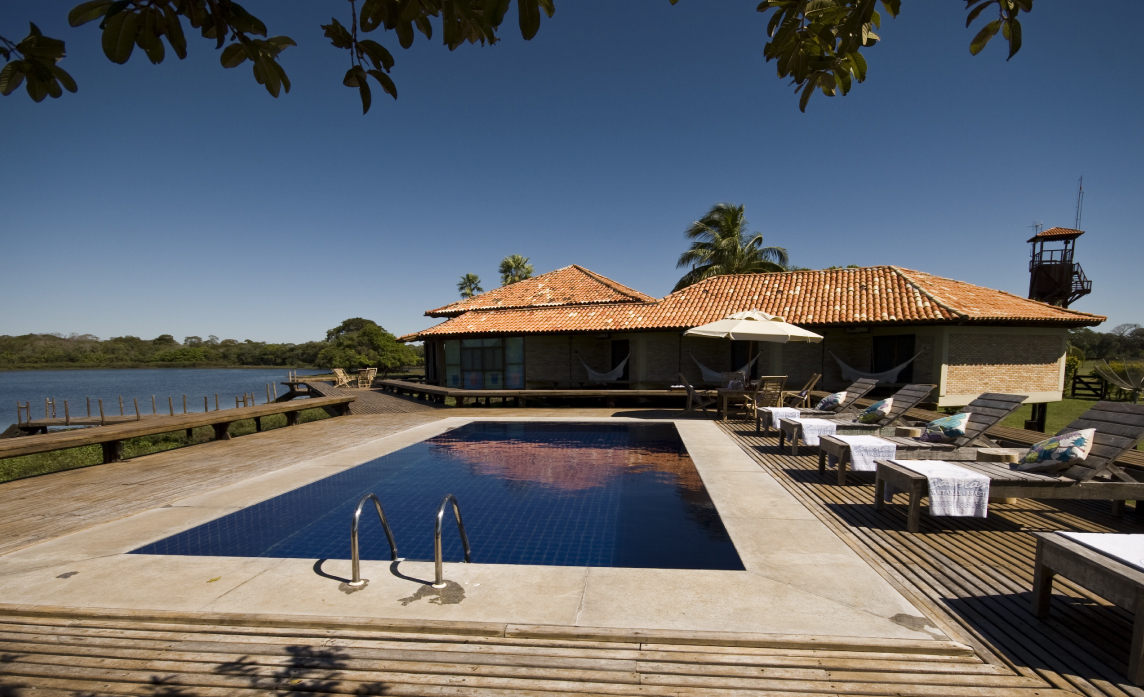
- See the hotels tab for the accommodation selection during your stay in the Pantanal. The stay is on a full-board basis and with daily excursions included
10. Pantanal - Stay at the lodge
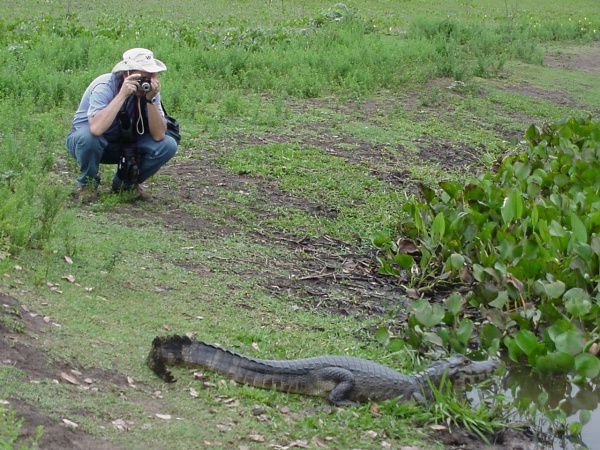
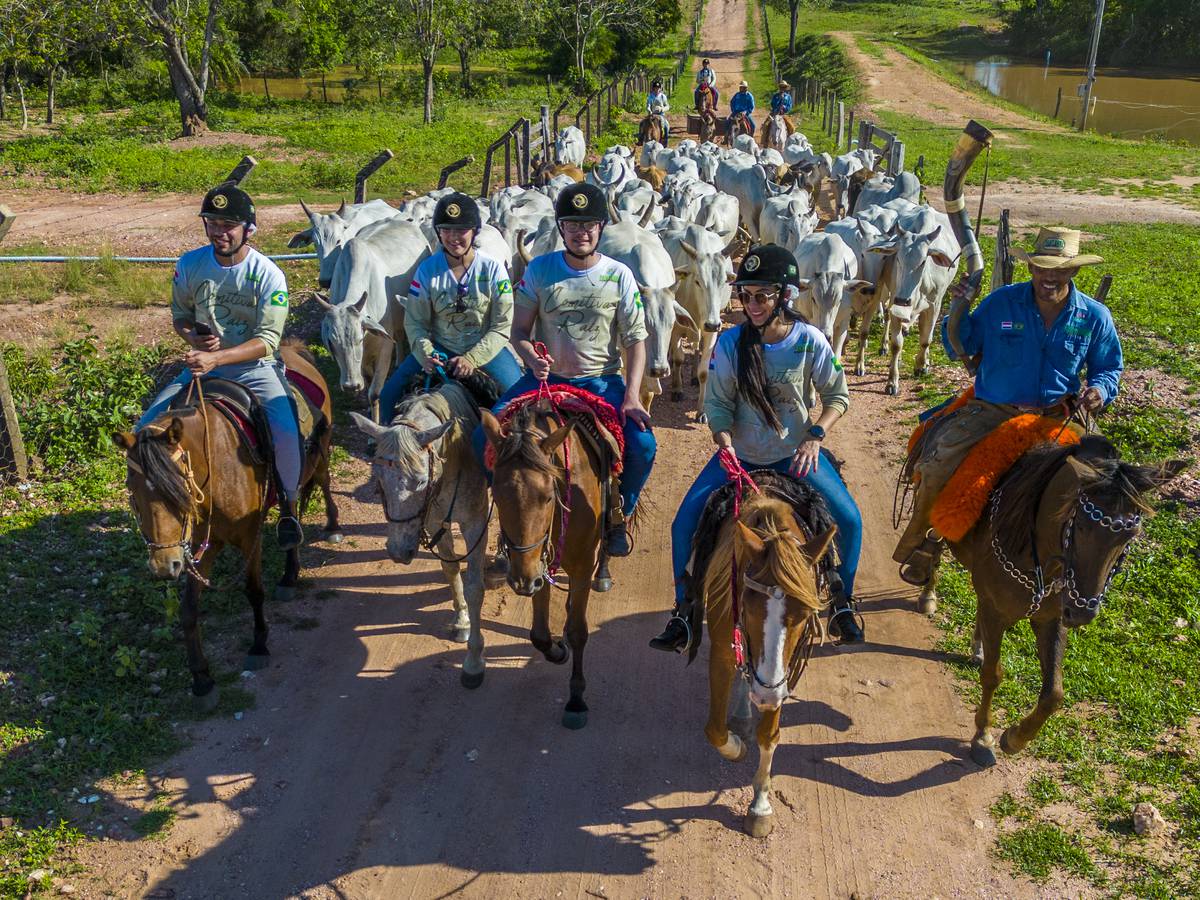
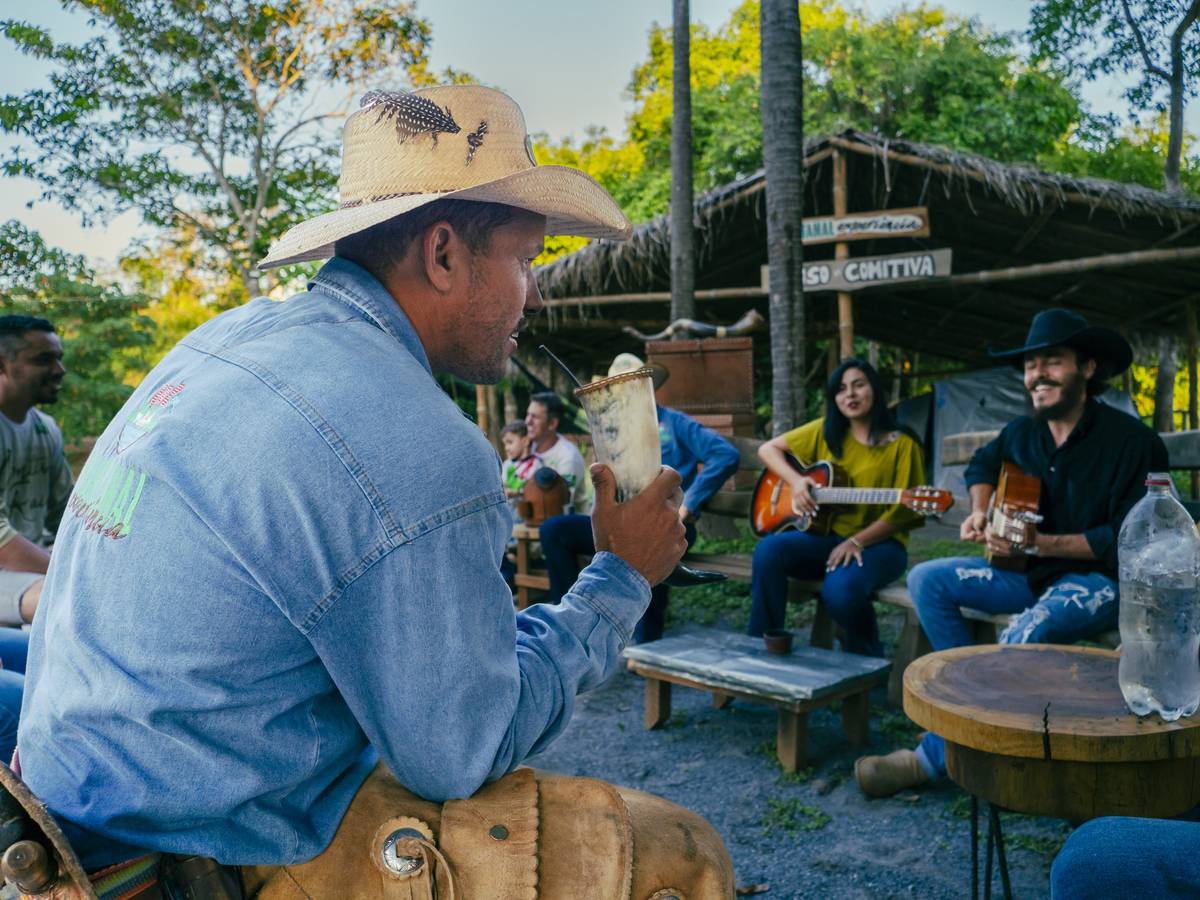
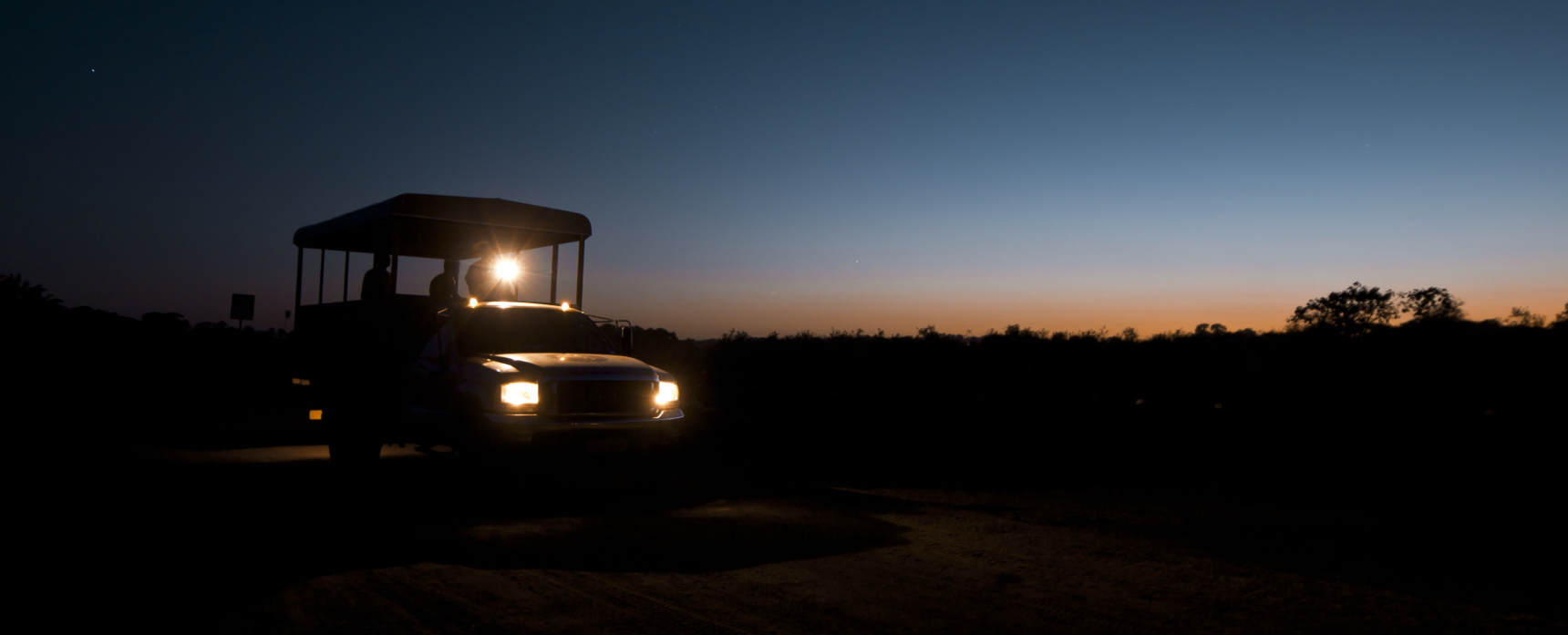
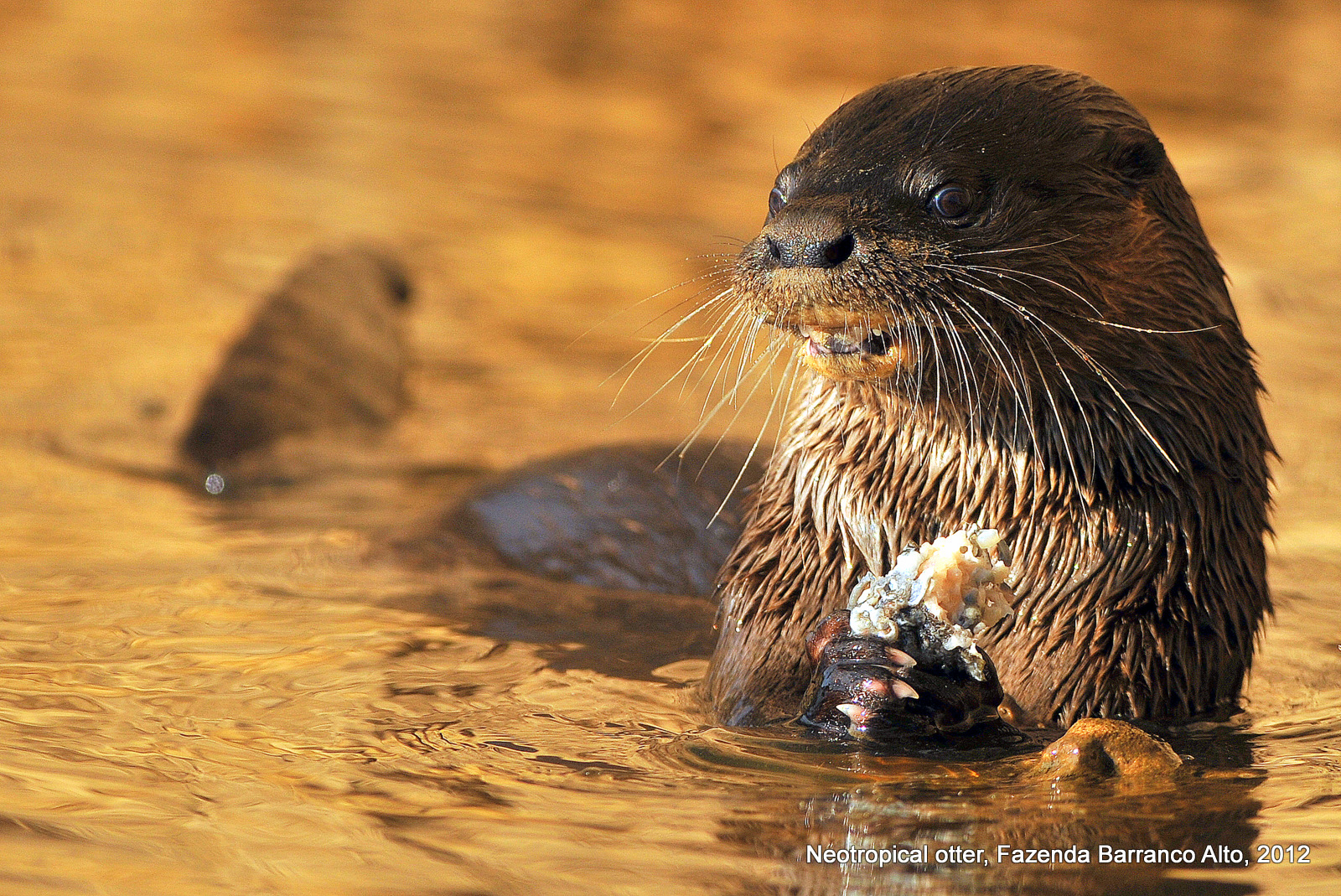
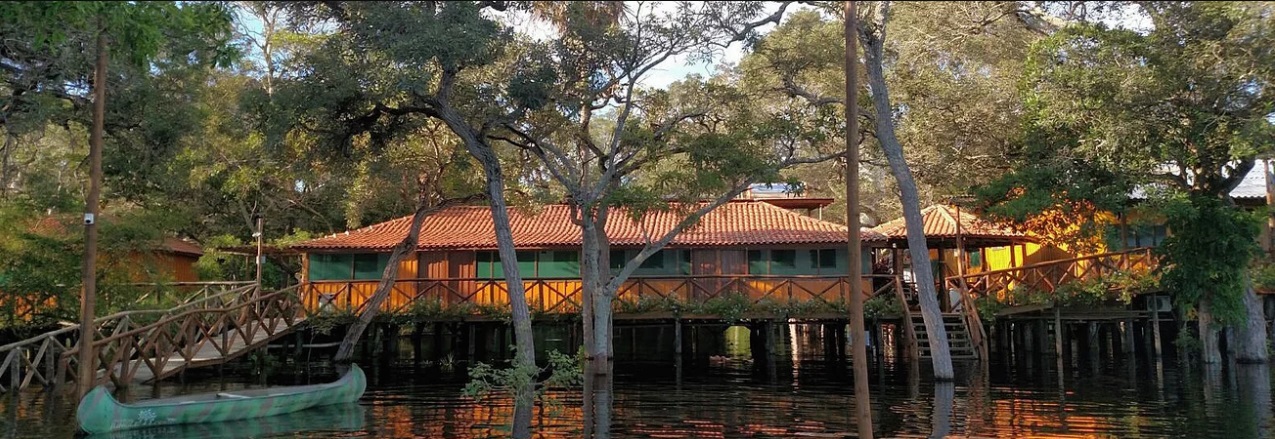
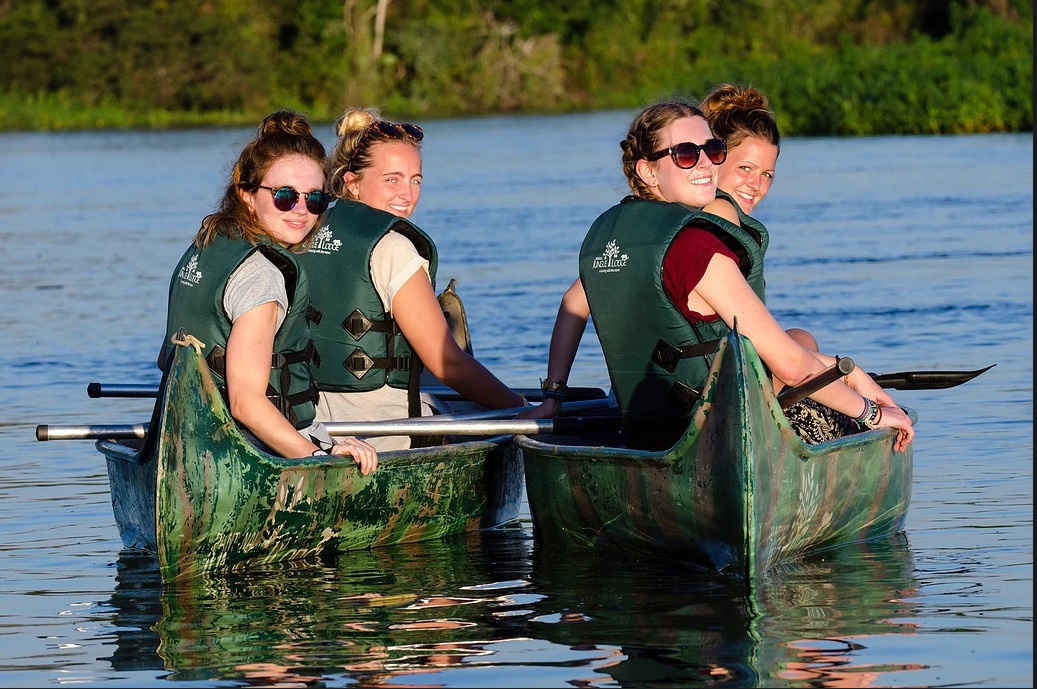
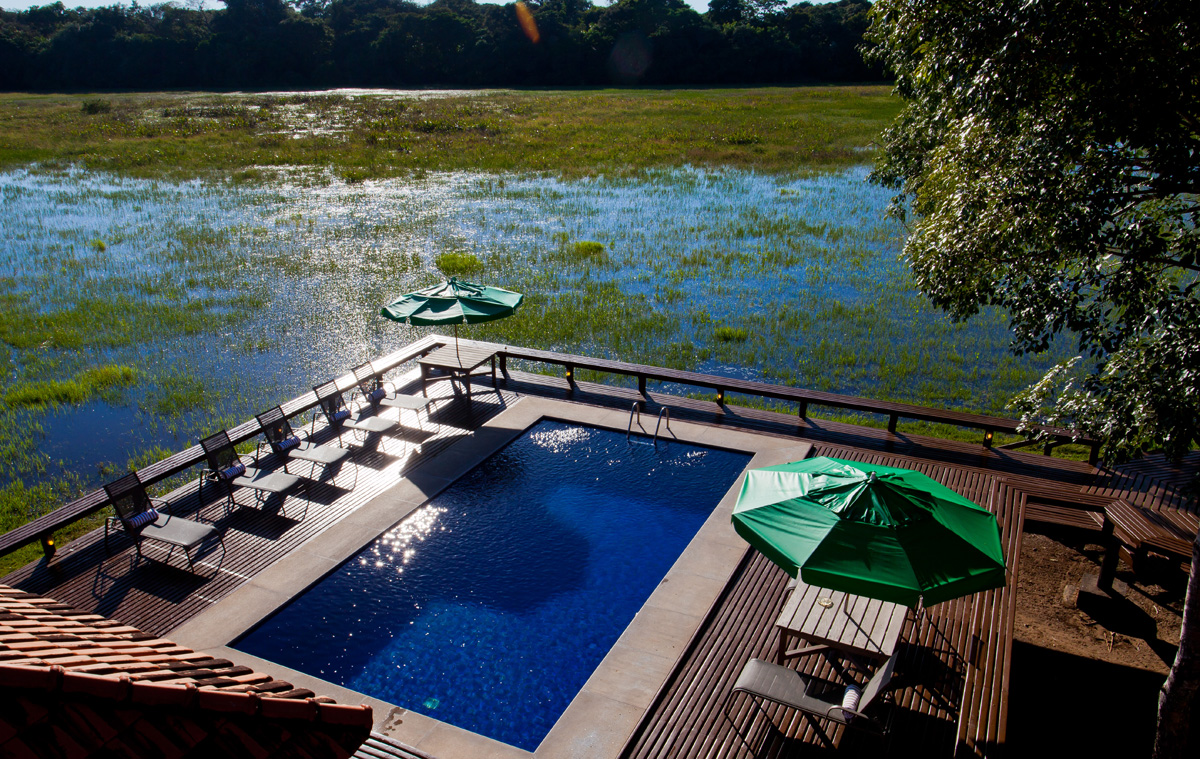
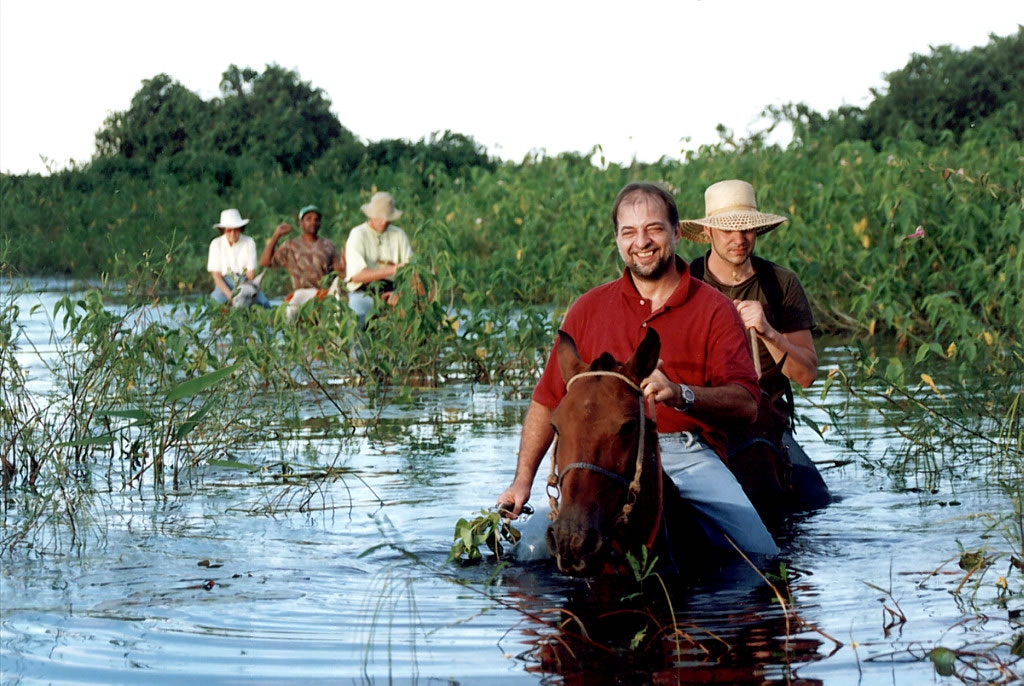
During your stay in the Pantanal the package is on a full-board basis, with daily excursions included. The excursions on offer include nature walks, piranha fishing, canoe trips, horse rides, and sunrise and sunset tours. Evening excursions are also on the programme, to go in search of wild animals that are active at night.
On average there are two excursions on the programme each day. One in the morning and one in the afternoon after lunch, when it is a little cooler. Between the two excursions there is the opportunity to relax and enjoy the facilities at the lodge and a delicious Brazilian buffet lunch.
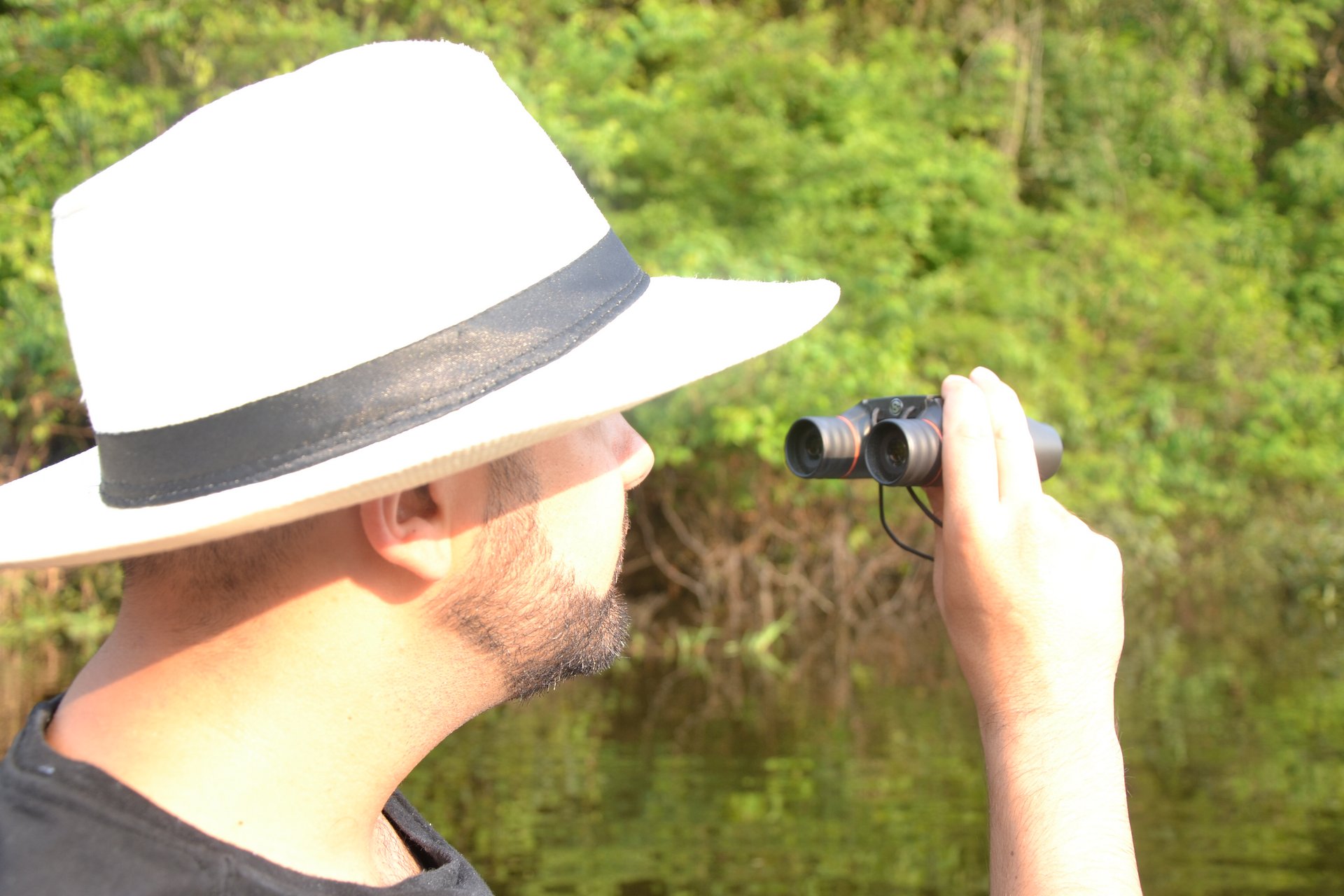
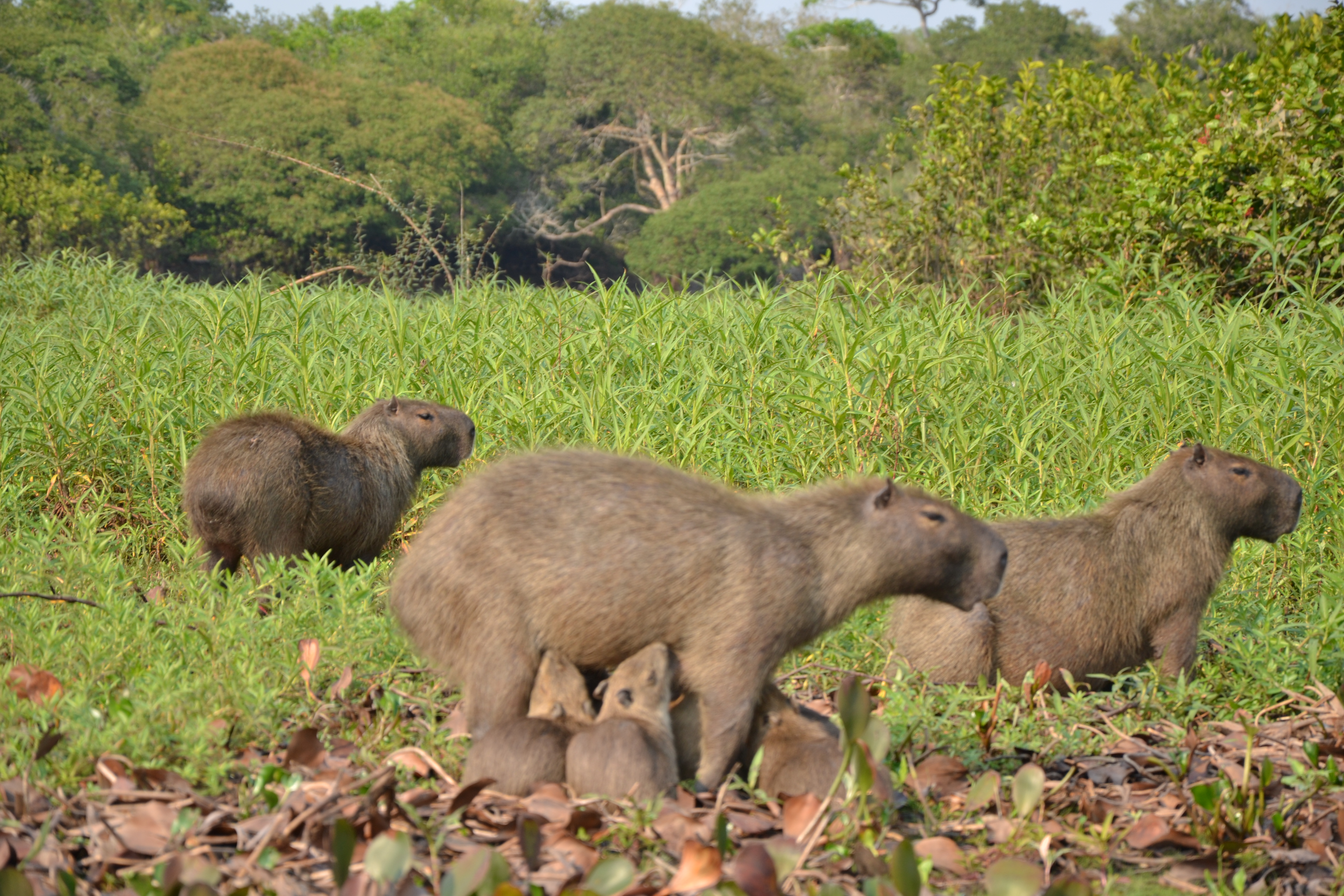
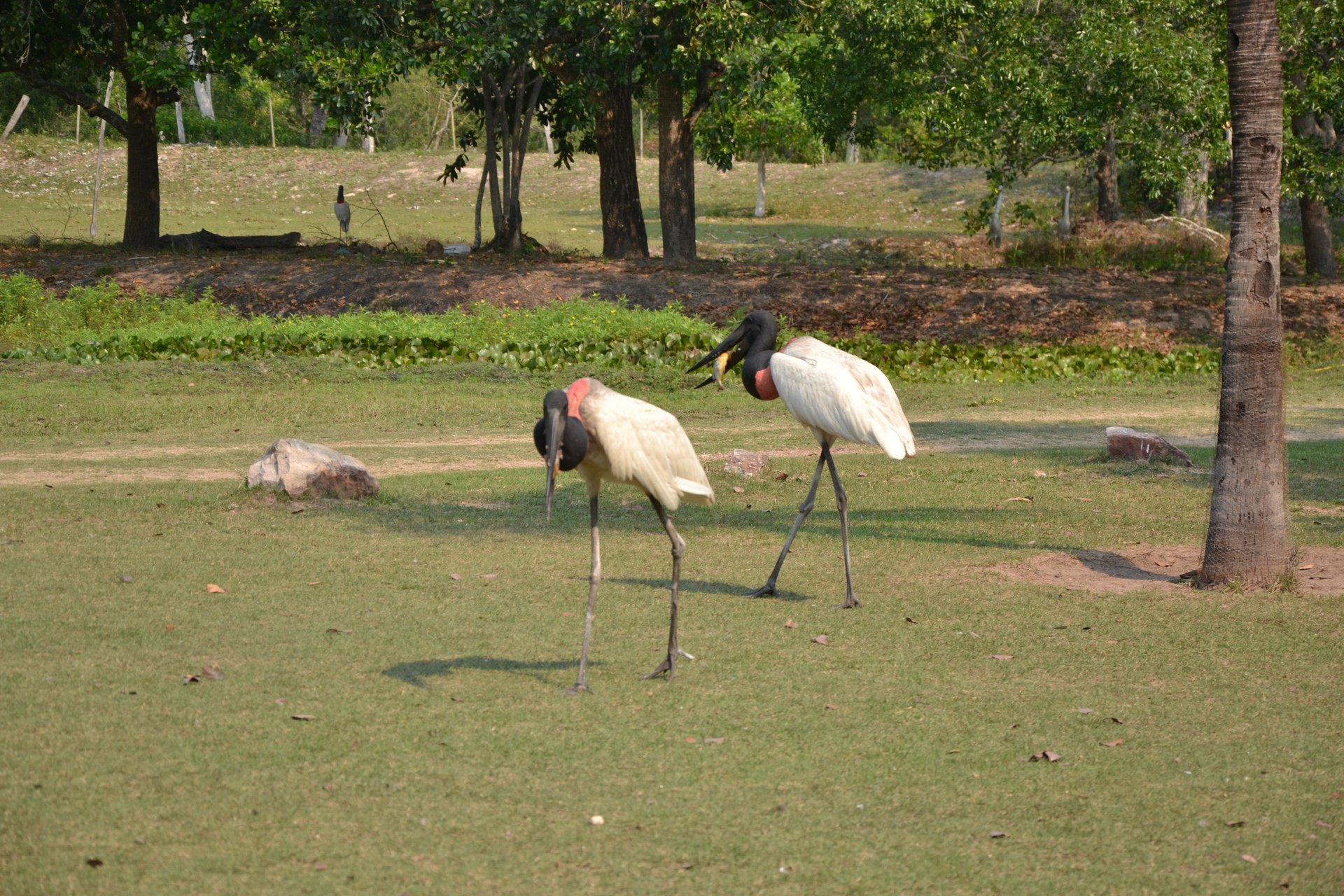
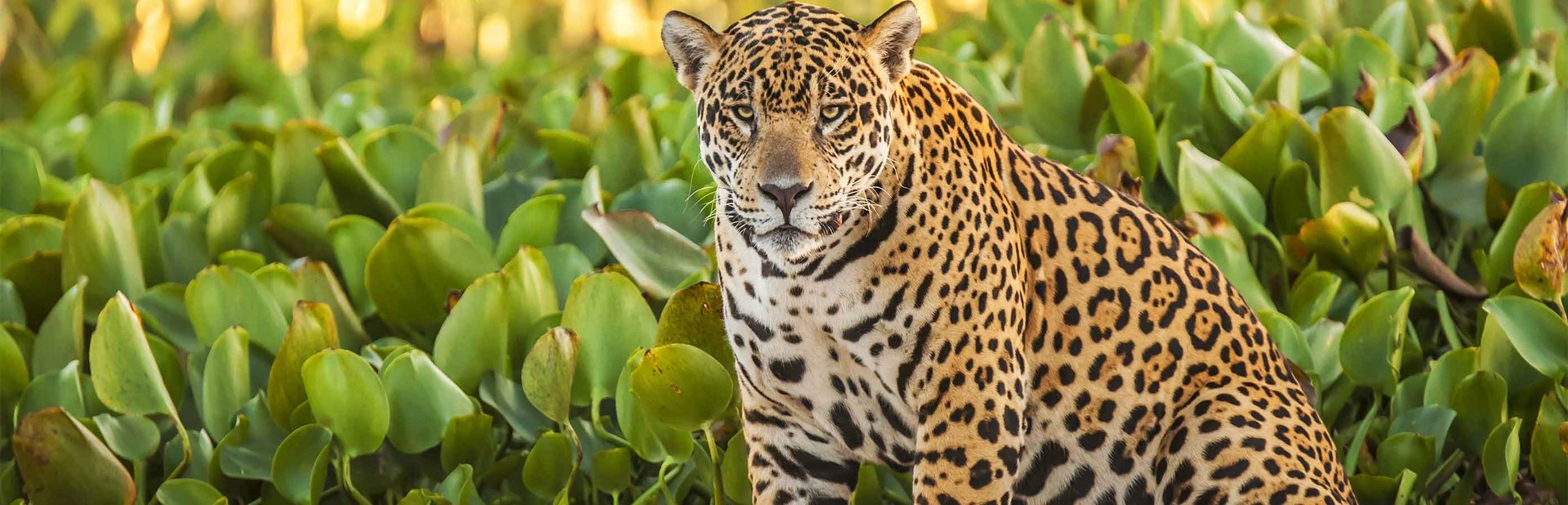
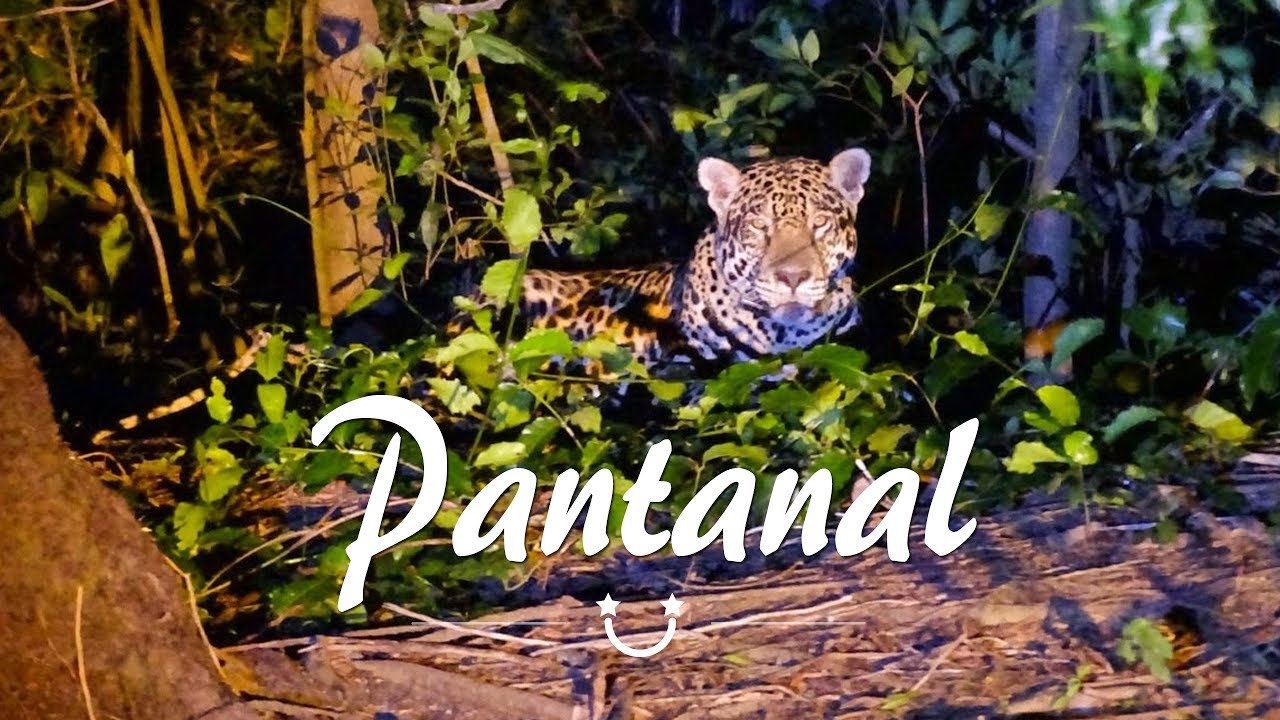
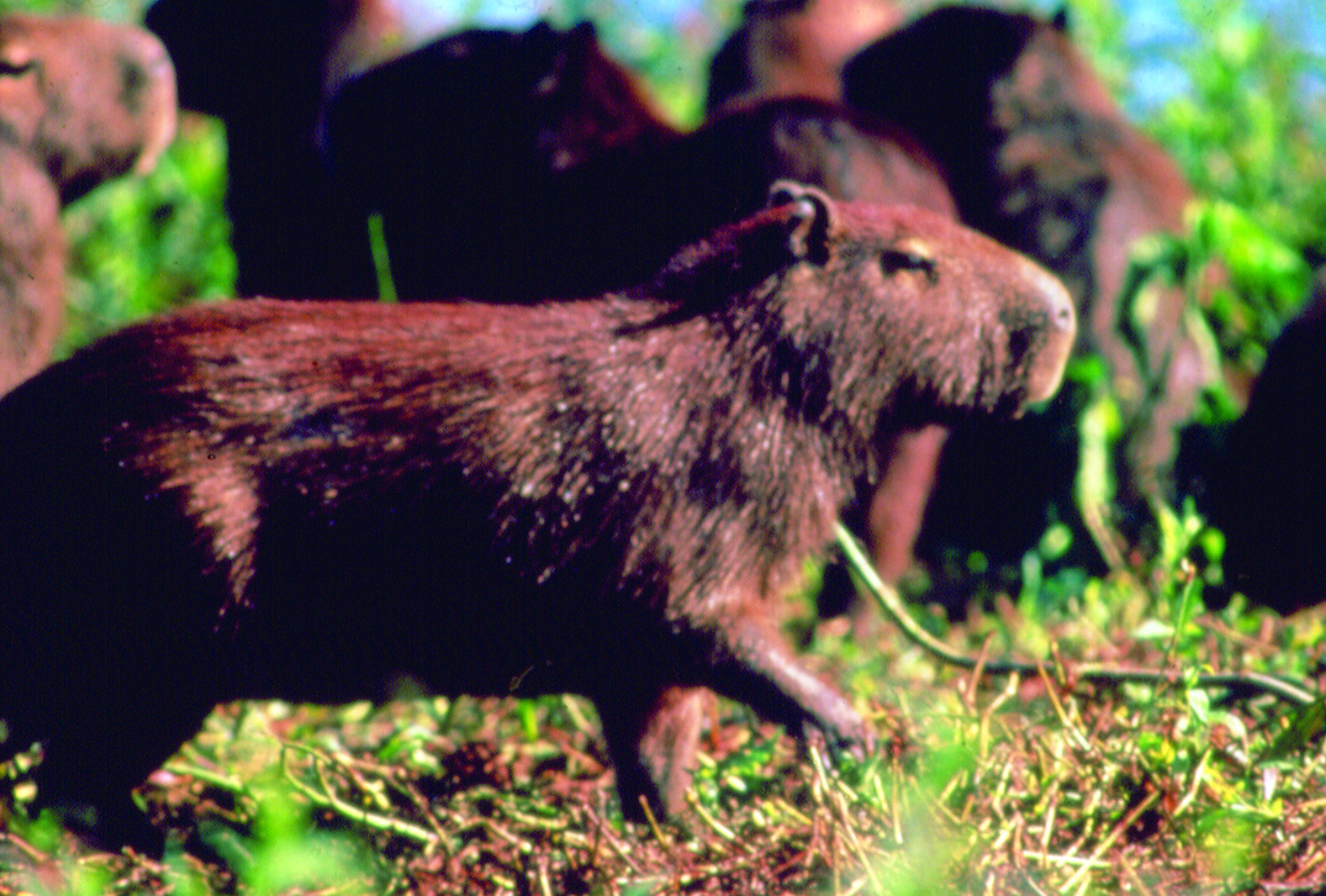
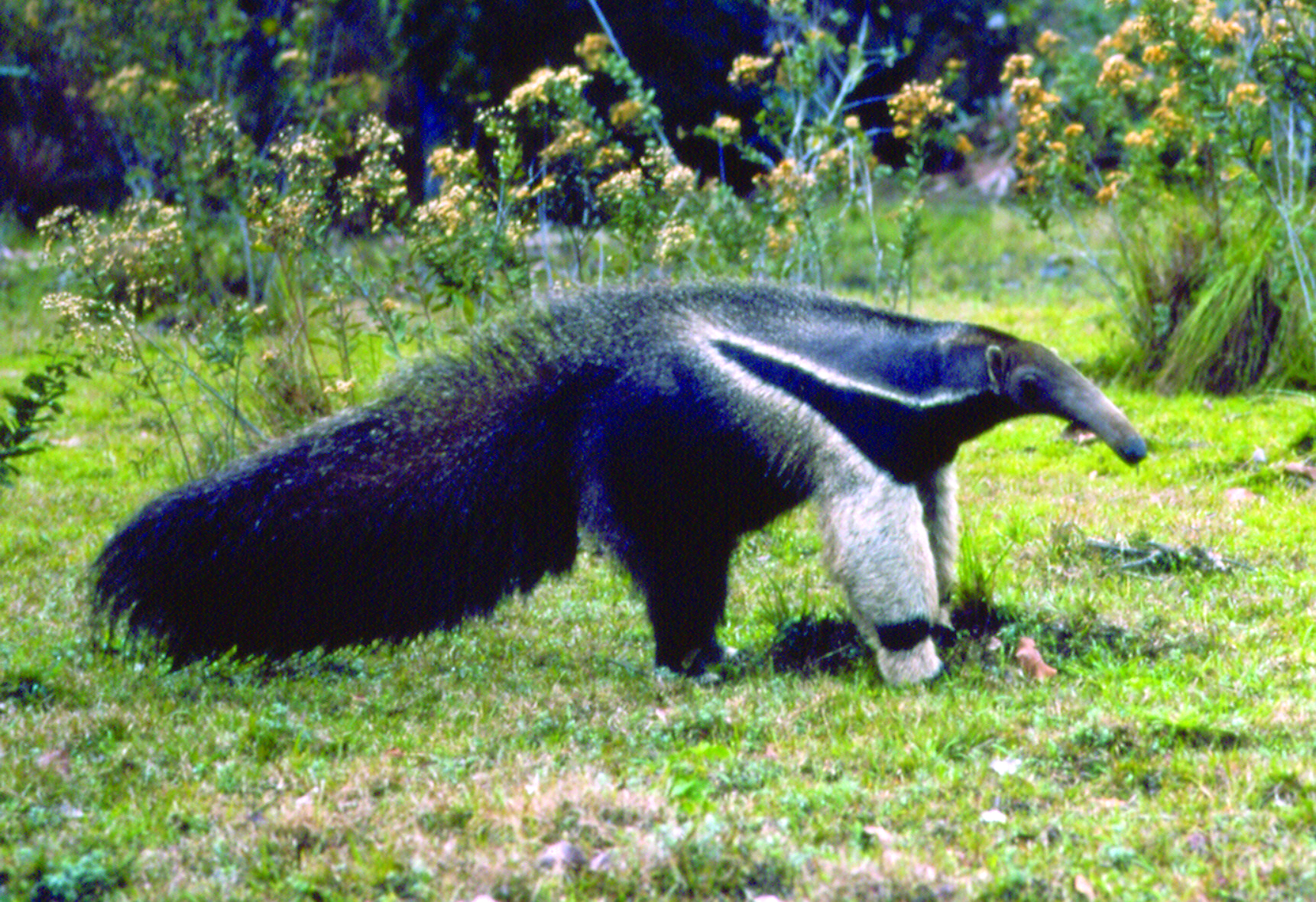
During the stay in the Pantanal at least one evening excursion is scheduled. All tours are intended for enjoying nature and going in search of the unique animals of the Pantanal. Bring your binoculars and go in search of the jaguar, hundreds of species of birds, giant anteaters, caimans and capybaras.
Each lodge has a slightly different programme, but the basis is as described above. In the description of the lodge you will see a link with the exact day-by-day programme during your stay in the Pantanal.
11. Pantanal - Stay at the lodge
You stay at the lodge on a full-board basis, with daily excursions included. If you have a preference for particular excursions, you can let the lodge know and they will take it into account.
12. Southern Pantanal - Foz do Iguaçu
In the course of the day you will be picked up from the lodge and taken to Campo Grande airport by private transfer (duration approximately 3 to 4 hours). This is followed by a domestic flight to Foz do Iguaçu. After arrival you will be welcomed at the airport and taken to the hotel by private transfer.
- See the hotels tab for the accommodation selection during your stay in Foz do Iguaçu
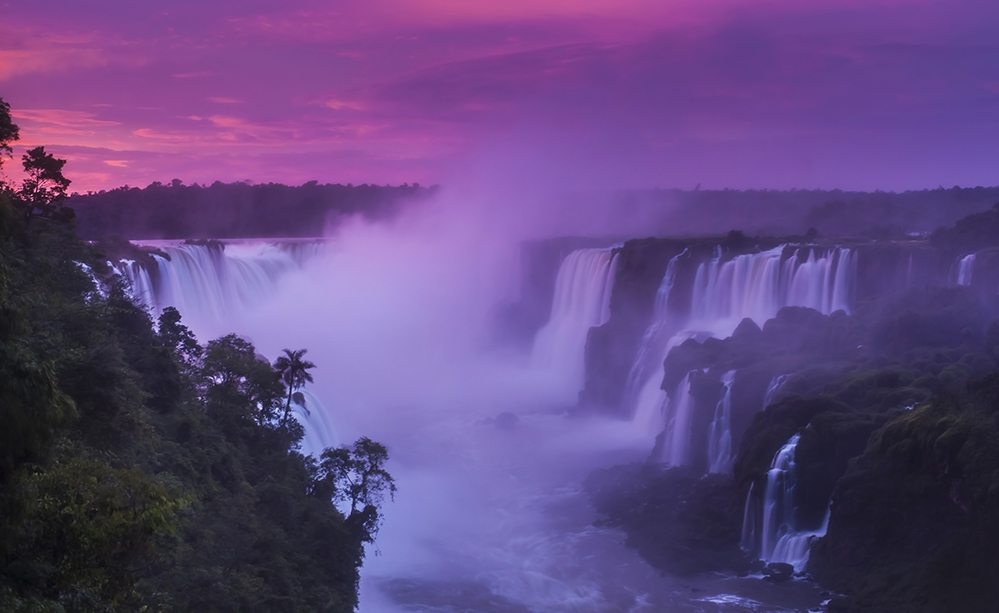
13. Foz do Iguaçu - Excursion to the Brazilian side of the falls (private) (IGUEX1)
Today a 3-hour private excursion to the Brazilian side of the falls is on the programme. You will be picked up from and dropped off at your hotel for this.
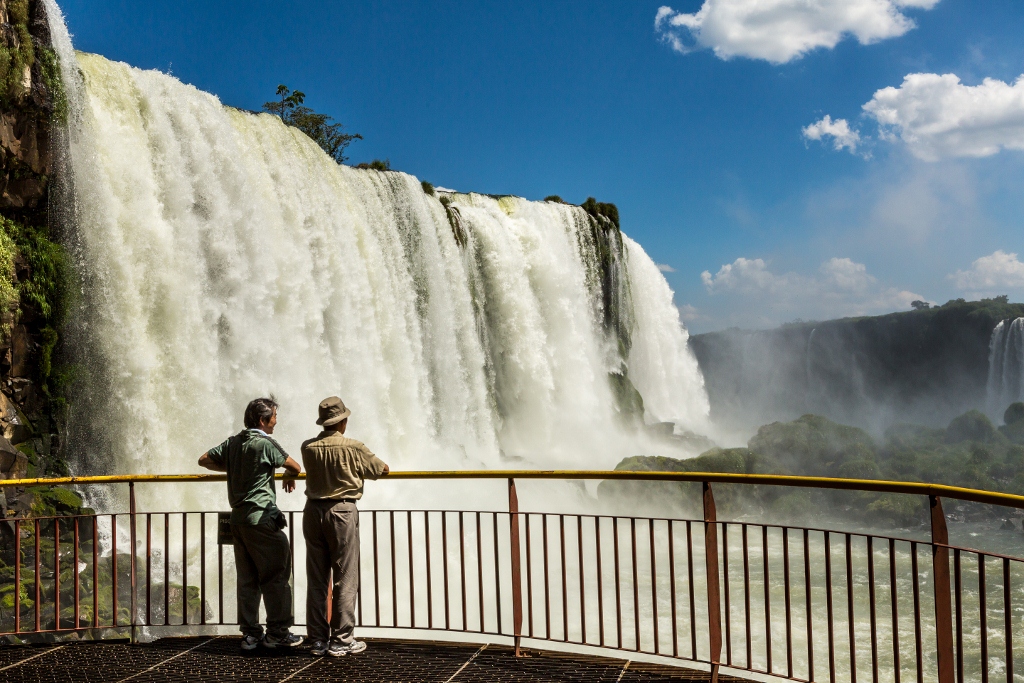
14. Foz do Iguaçu - Excursion to the Argentinian side of the falls (private) (IGUEX3)
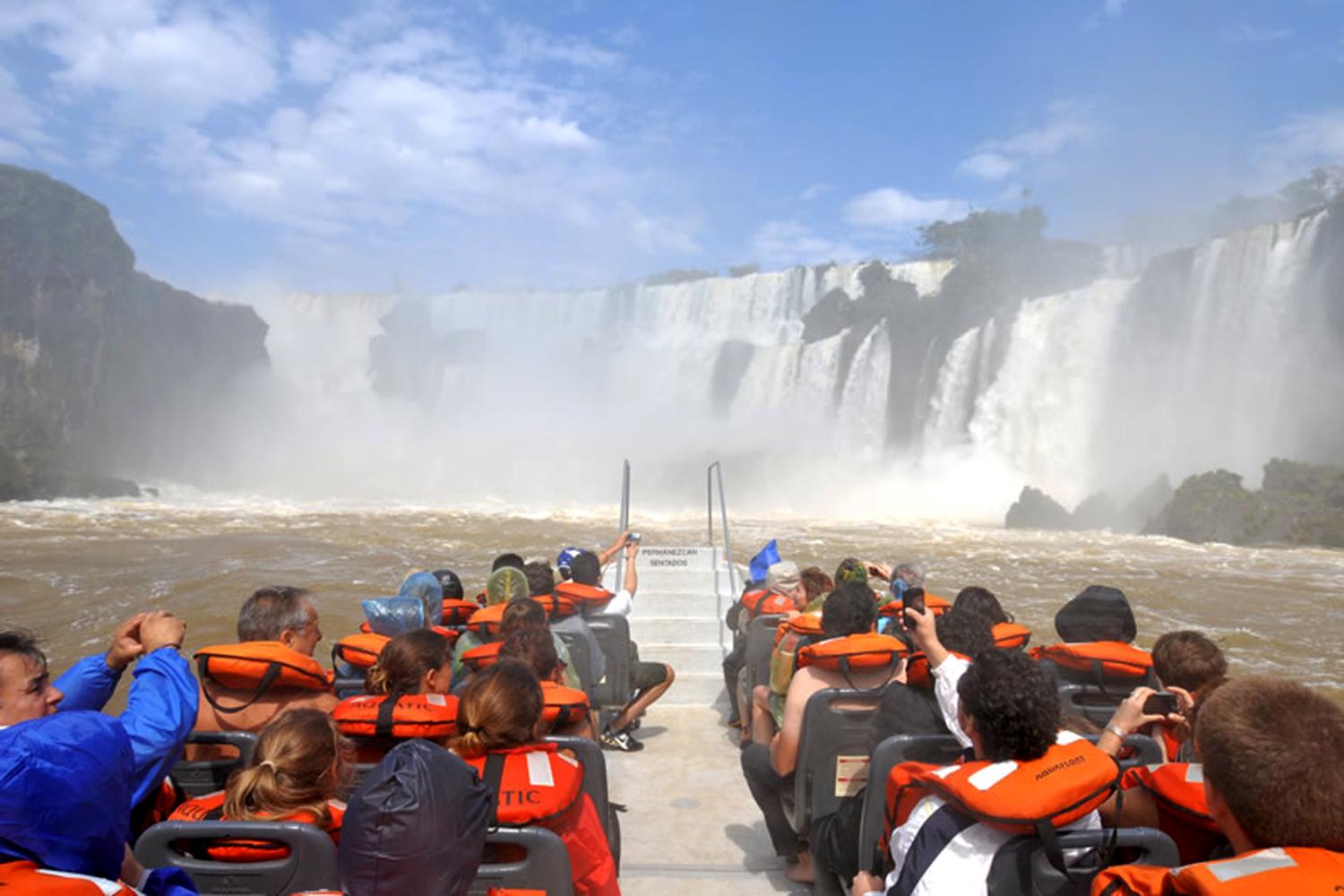
Today a half-day private excursion to the Argentinian side of the falls is on the programme. You will be picked up from and dropped off at your hotel for this. During the visit to the Argentinian side of the falls, it is possible to add a fantastic jungle and waterfall boat excursion to your booking, the Gran Aventura Boat tour.
15. Foz do Iguaçu - Rio de Janeiro
Today the Foz do Iguaçu package ends. You will be picked up from the hotel and taken to the airport by private transfer, followed by the domestic flight to Rio de Janeiro. After arrival you will be welcomed at the airport and taken to the hotel by private transfer.
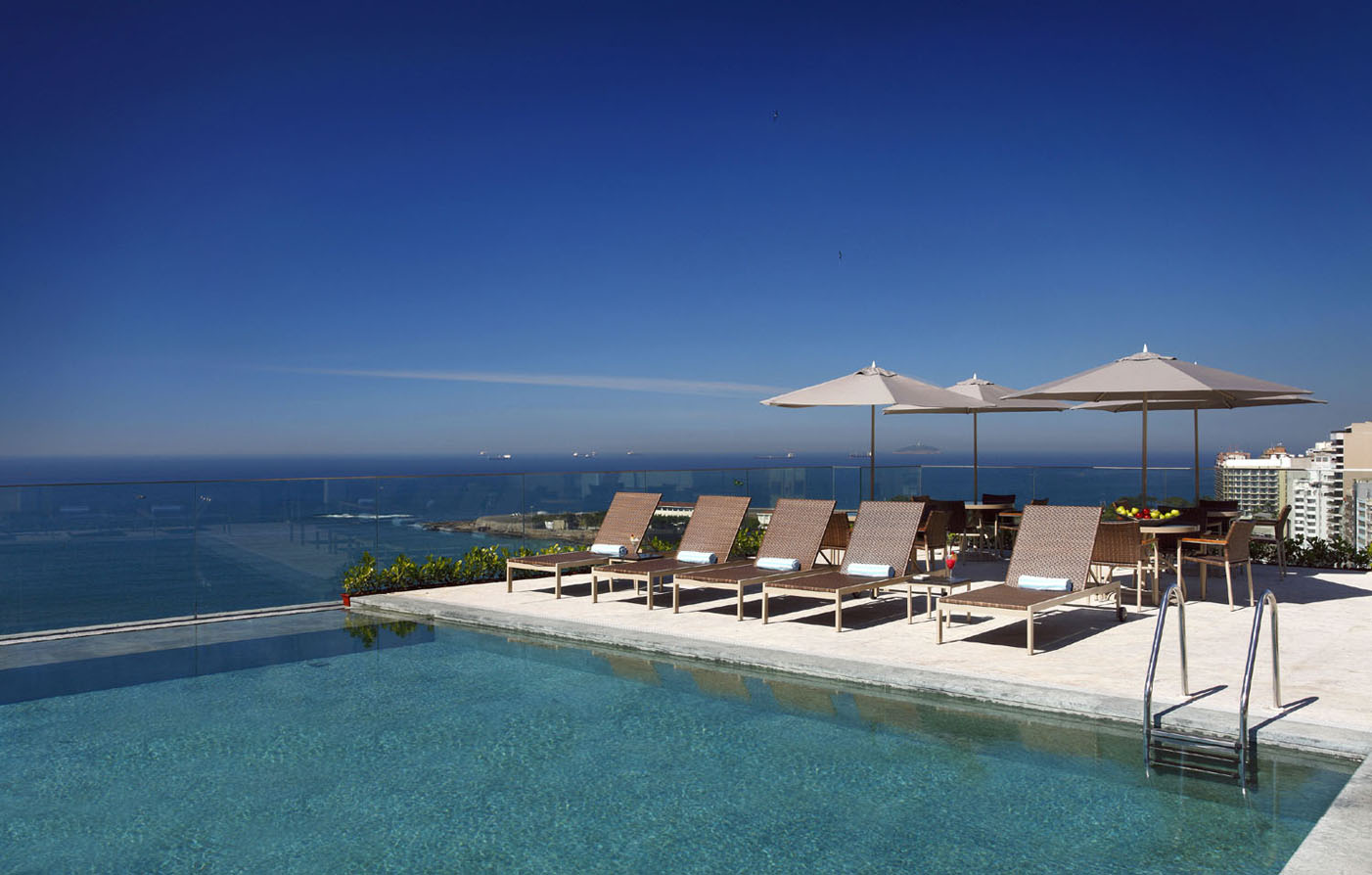
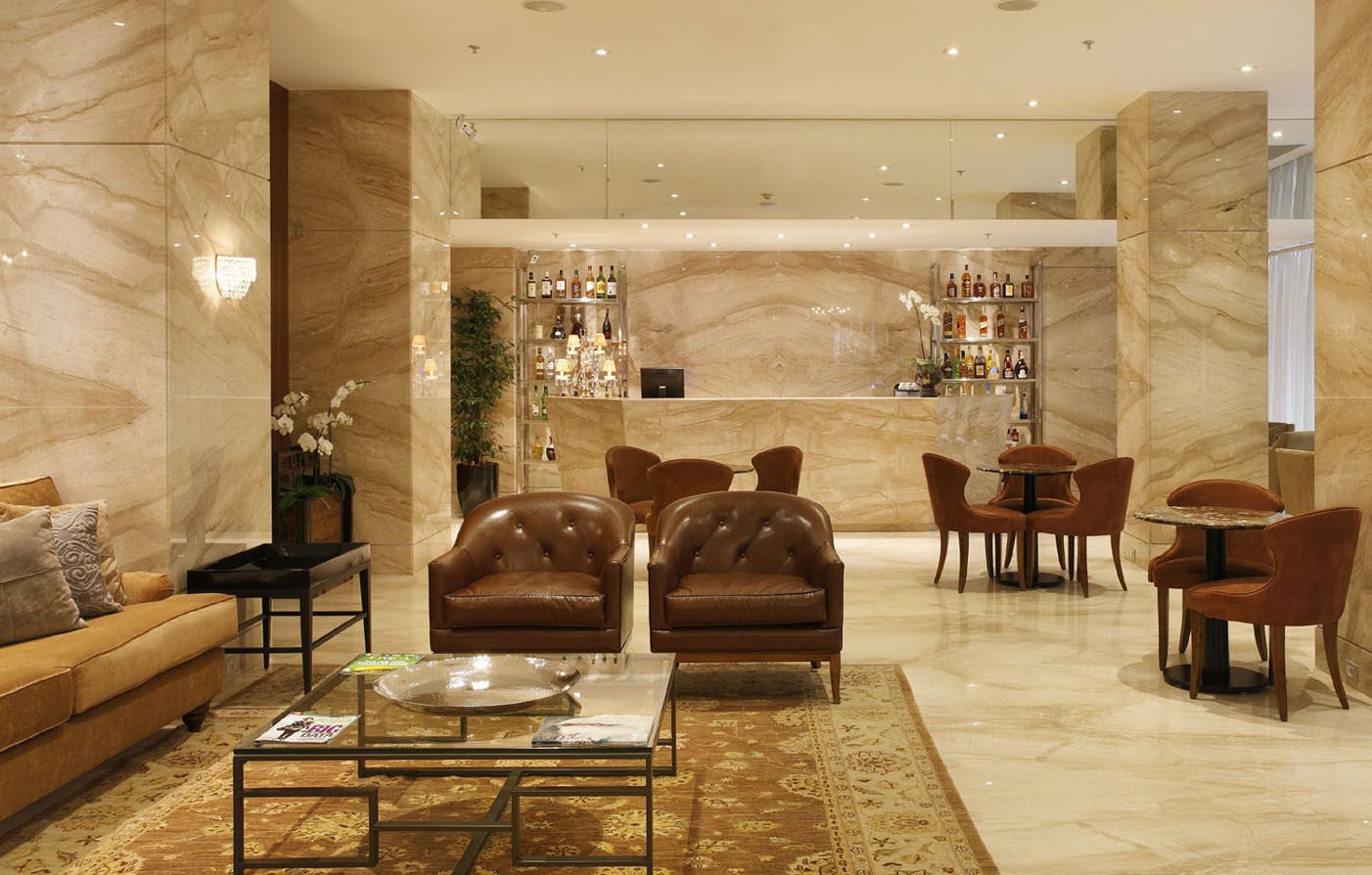
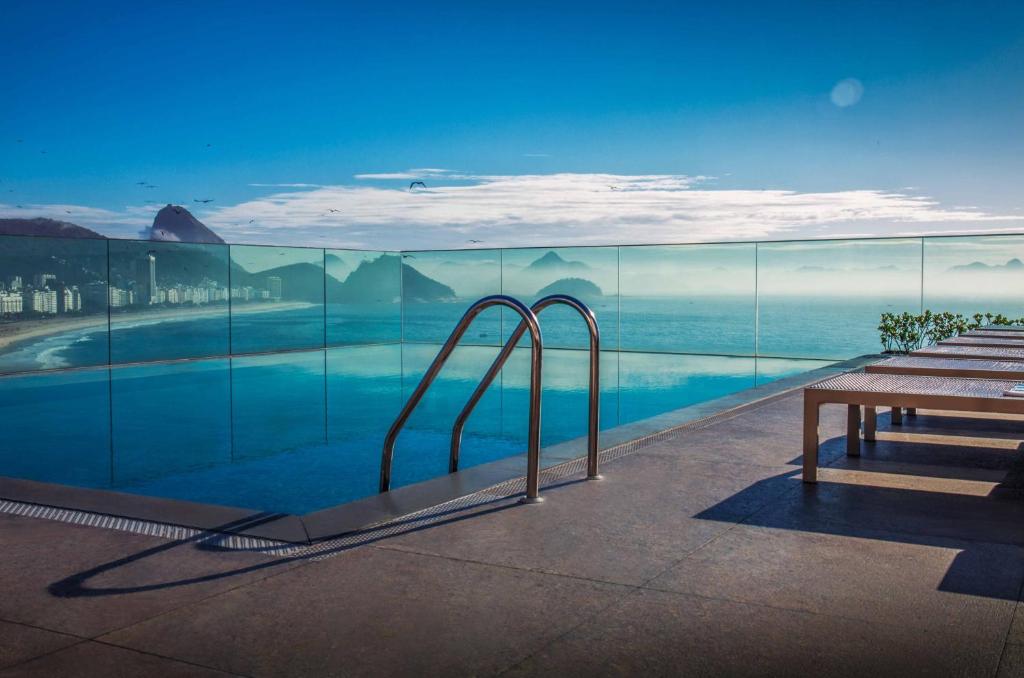
- See the hotels tab for the accommodation selection during your stay in Rio de Janeiro
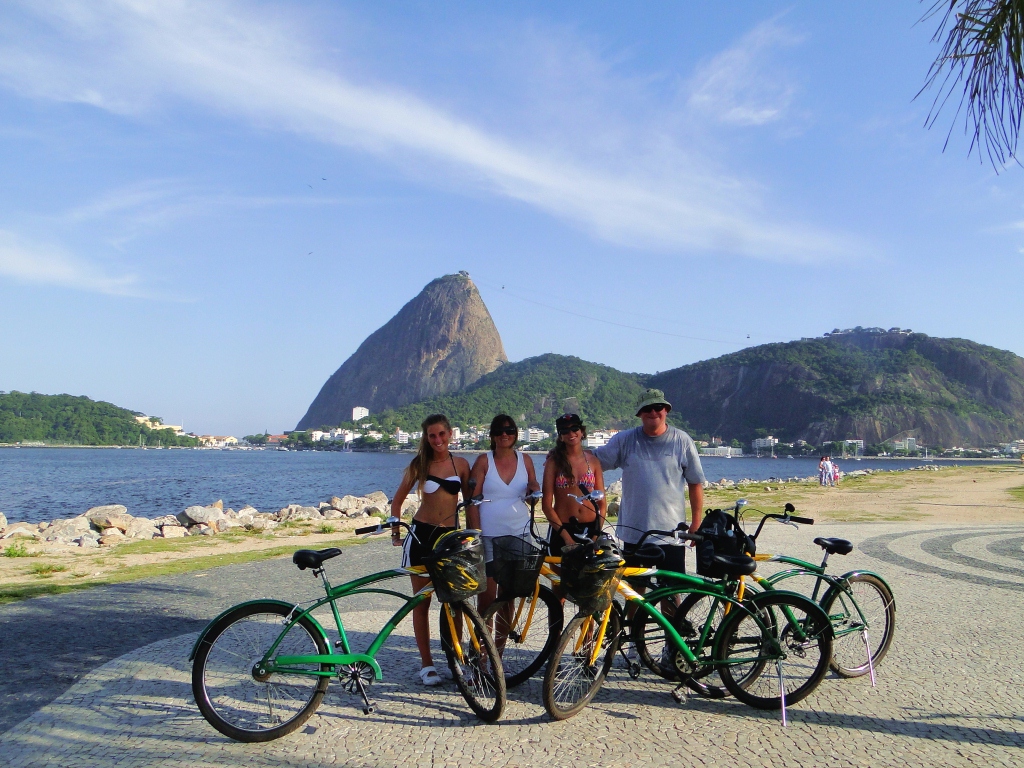
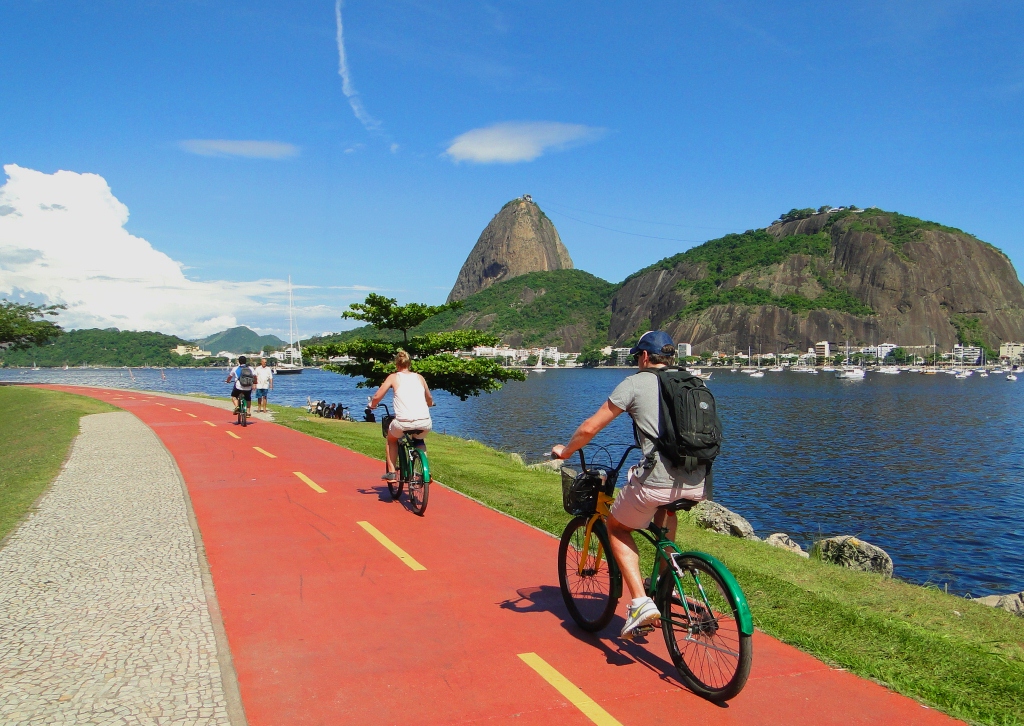
16. Rio de Janeiro - Urban bike tour (SIB) (RIOEX16)
Today the Urban bike tour is on the programme in the morning, in the company of other tourists and with an English-speaking guide. This excursion is perfect as a first introduction to get to know Copacabana and the surrounding neighbourhoods well.
17. Rio de Janeiro - Corcovado excursion (SIB) (RIOEX2)
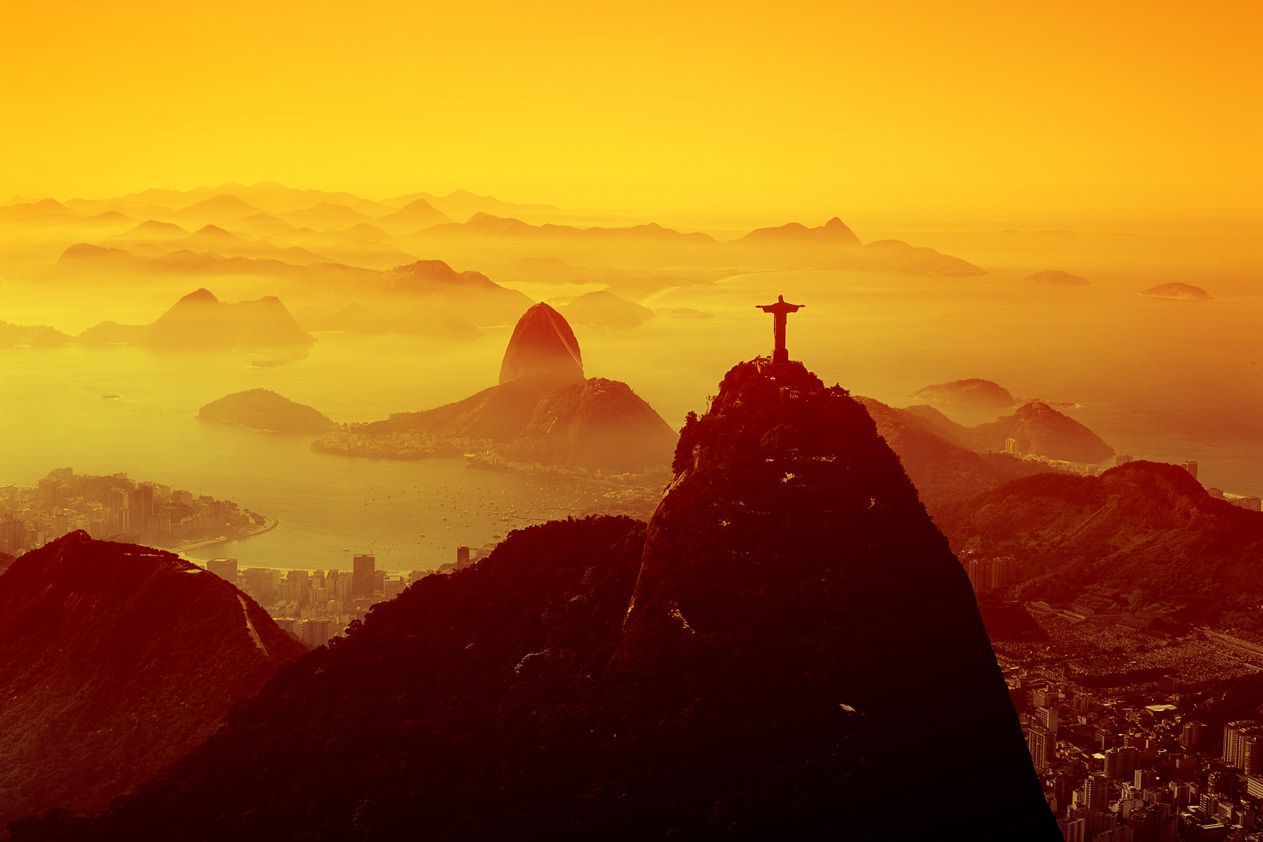
Today's programme features the excursion, in the company of other tourists (duration approx. 4 hours), to Christ the Redeemer on the 710-metre-high Corcovado mountain. This excursion is with an English-speaking guide and you will be picked up from and dropped off at your hotel.
If you would like to book this excursion on a private basis, a supplement applies.
18. Rio de Janeiro hotel - Ilha Grande
In the course of the morning you will be picked up from the hotel and taken by transfer to the small harbour of Angra dos Reis, in the company of other tourists (private transfer available at an extra charge). Angra dos Reis is approximately 2 to 3 hours' drive from Rio de Janeiro, depending on traffic.
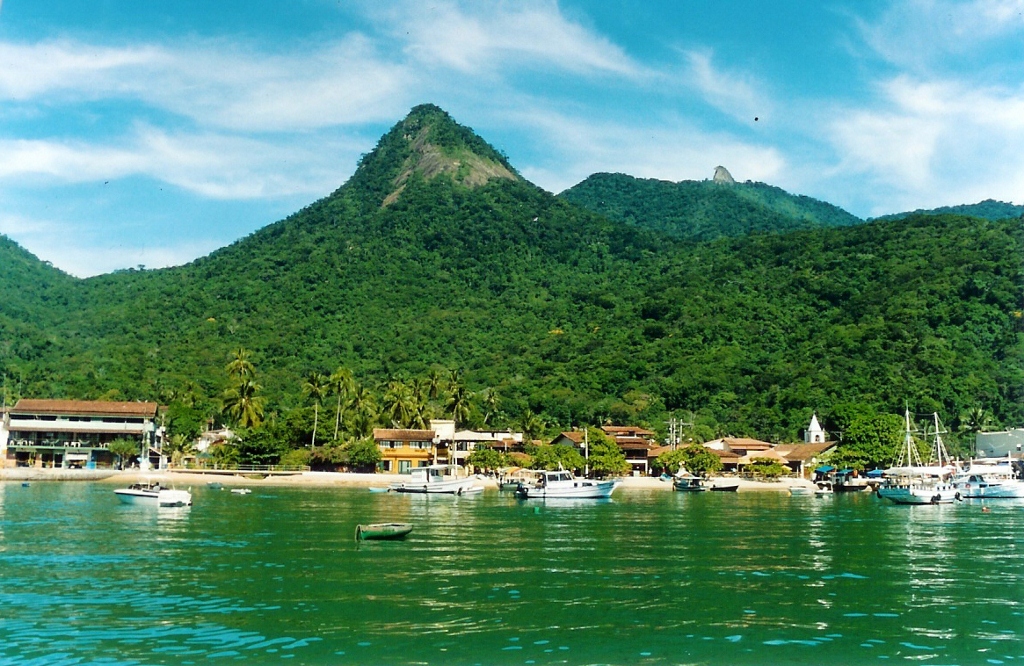
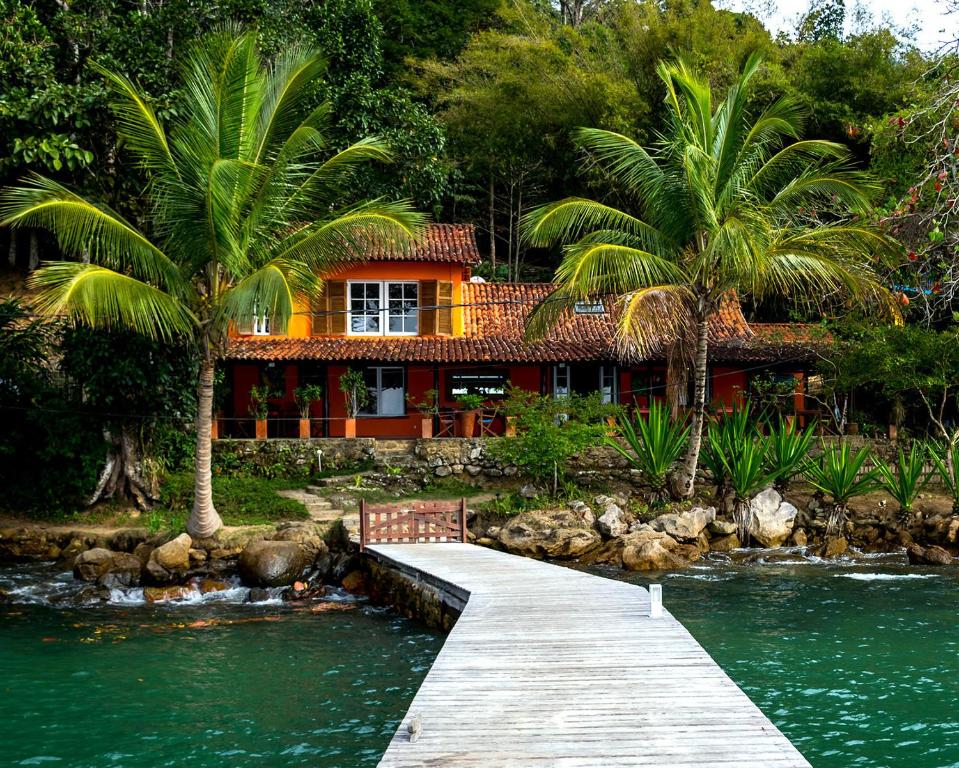
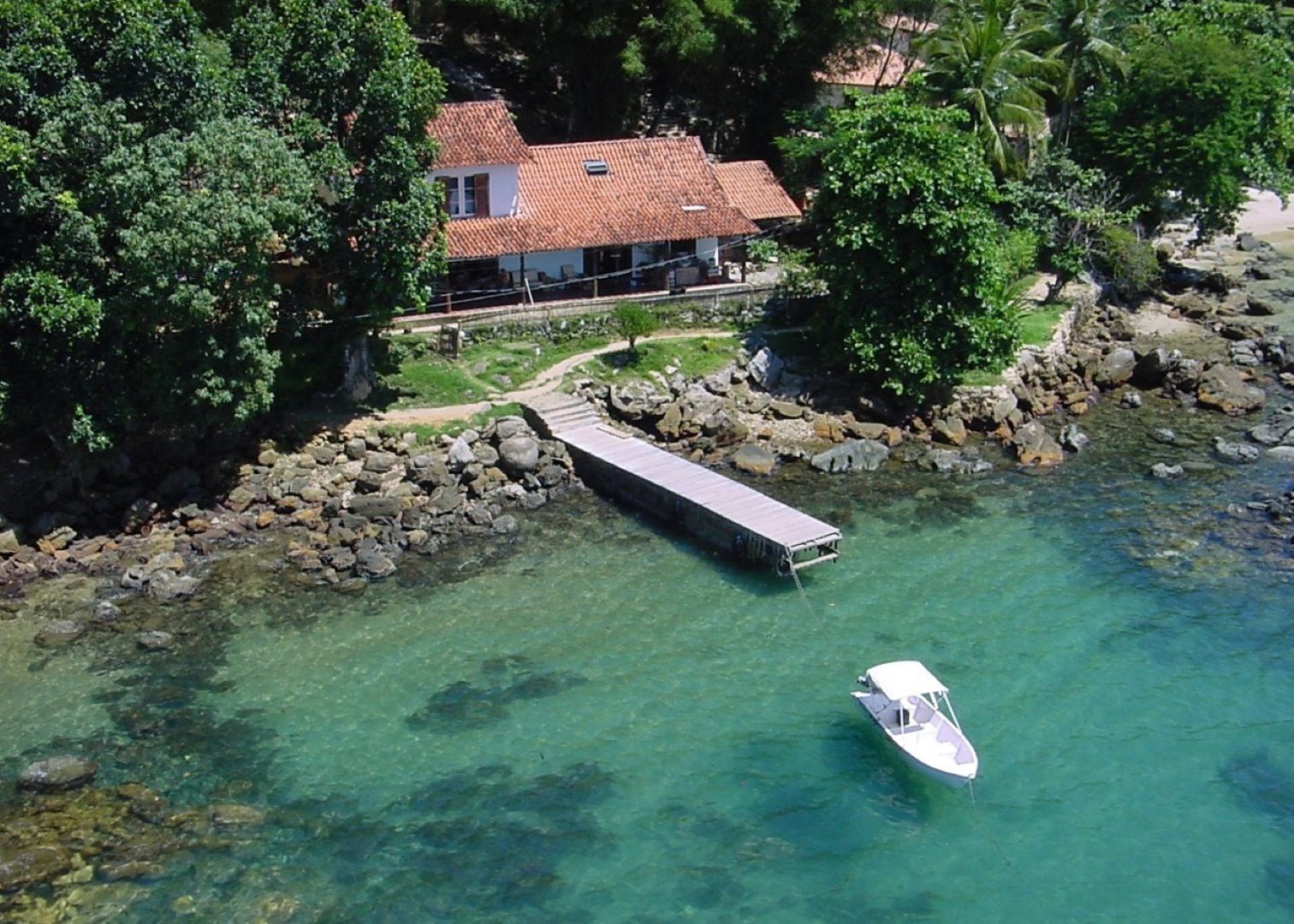
From the small harbour you depart by flexboat for Ilha Grande (tickets included), after which, on arrival, you will be welcomed at the small harbour of Vila do Abraão on the island of Ilha Grande and taken to the accommodation on foot.
During the walk, locals will help you with your luggage (give a small tip). If you are staying at Casa da Ilha Inn or Pousada Asalem, the arrival transfer is slightly different. They have their own small boat and will pick you up in it at the small harbour of Vila do Abraão for the transfer to the accommodation, which is a few minutes further on, near the village.
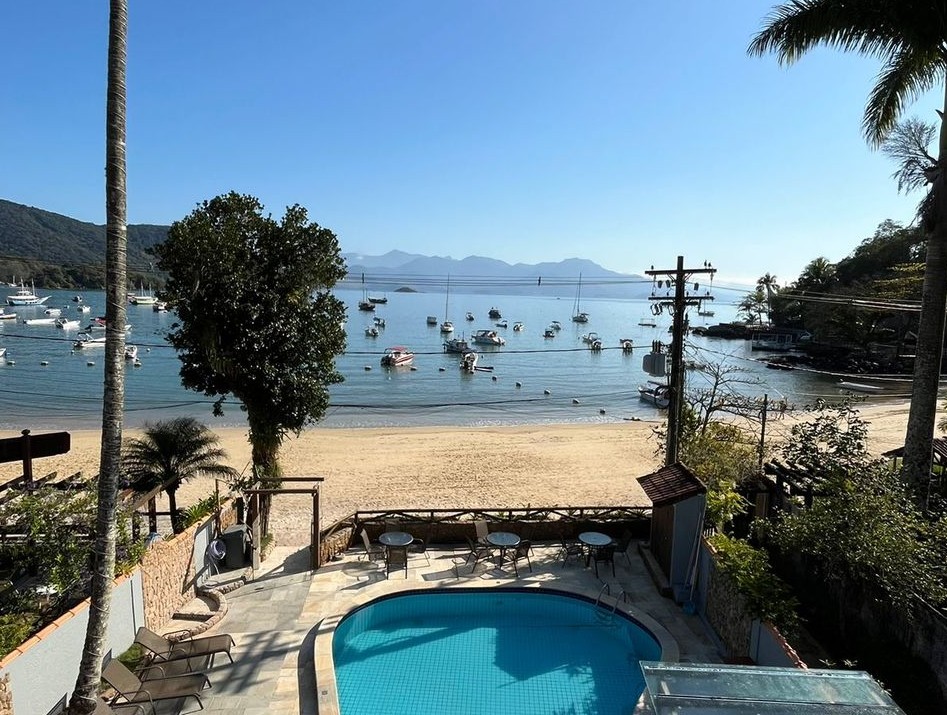
- See the hotels tab for the hotel selection during your stay on the island of Ilha Grande
19. Ilha Grande - Free day
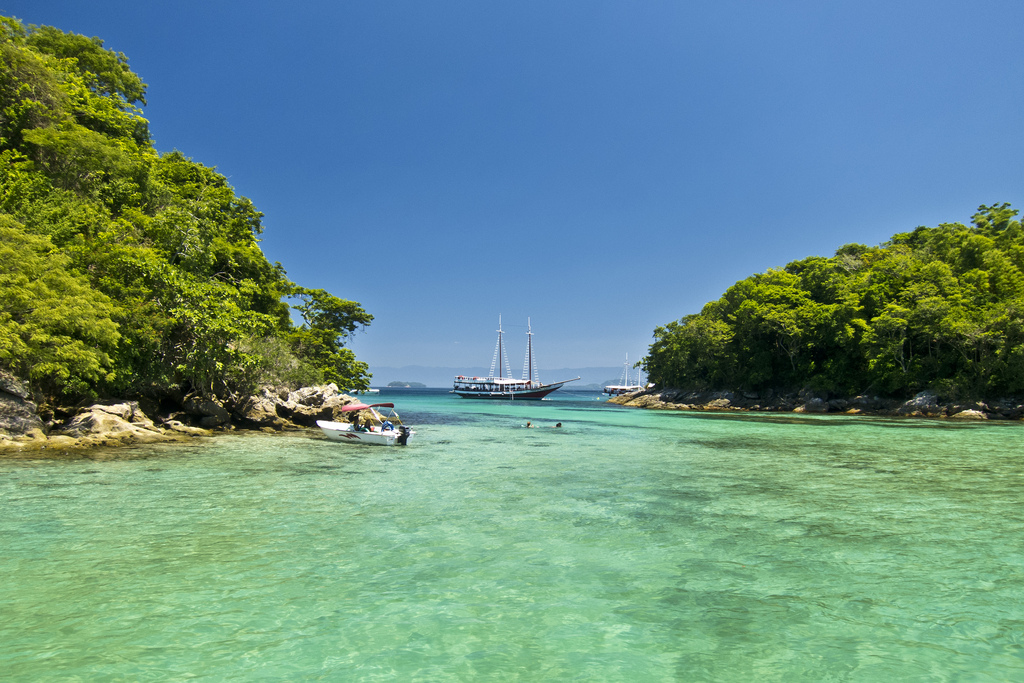
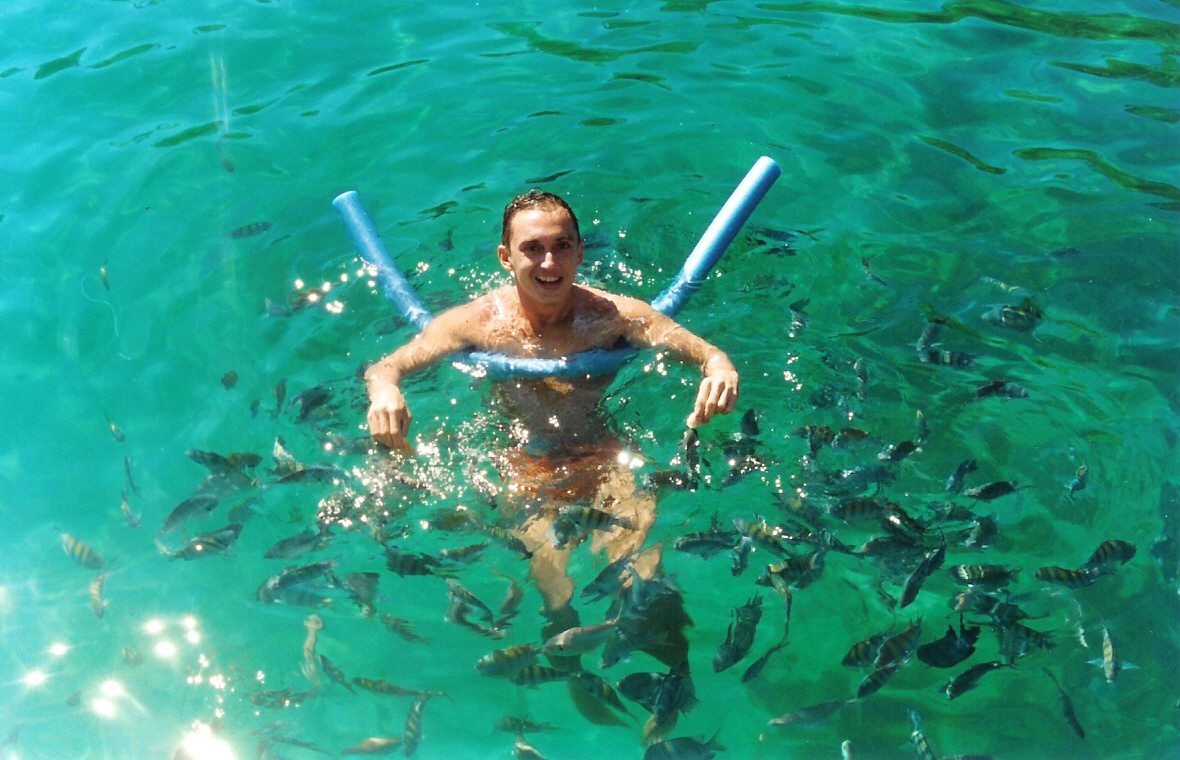
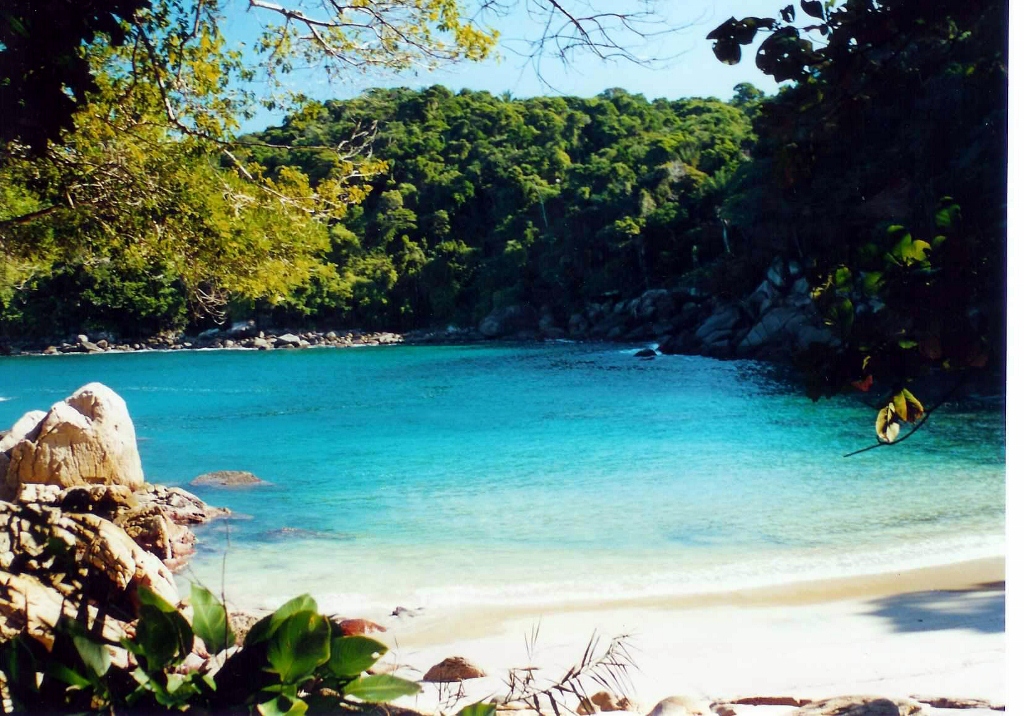
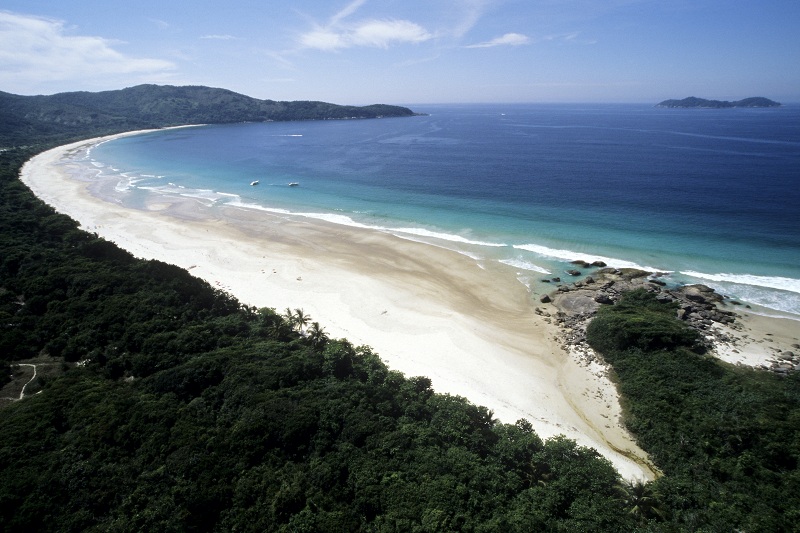
You can spend this day as you wish and enjoy Ilha Grande. Explore the unspoilt nature by walking the numerous trails of this island covered in Atlantic rainforest, or relax on serene beaches such as Lopes Mendes. Kayaking or stand-up paddleboarding through the clear blue waters is also an excellent way to experience the beauty of the island. Taste the local cuisine in the charming village of Vila do Abraao and immerse yourself in the peaceful atmosphere of this beautiful island.
20. Ilha Grande - Free day
You can spend this day as you wish and enjoy Ilha Grande. Explore the unspoilt nature by walking the numerous trails of this island covered in Atlantic rainforest, or relax on serene beaches such as Lopes Mendes. Kayaking or stand-up paddleboarding through the clear blue waters is also an excellent way to experience the beauty of the island. Taste the local cuisine in the charming village of Vila do Abraao and immerse yourself in the peaceful atmosphere of this beautiful island.
21. Ilha Grande - Rio de Janeiro Airport (SIB)
Today the package on Ilha Grande ends. You take the flexboat (boat tickets included) back to the small harbour of Angra dos Reis, followed by the transfer in the company of other tourists to Rio de Janeiro airport (private transfer available at an extra charge).
Destinations
Manaus
1 / 7Manaus, the capital of the state of Amazonas with more than 2 million inhabitants, lies in the middle of the rainforest at the confluence of the Rio Negro and the Solimões and is the gateway to the Amazon. One night is enough for the Theatro Amazonas, the market and the Encontro das Águas, before you leave for a jungle lodge or river cruise. It can be reached by direct flights from São Paulo, Rio and Brasília (approx. 4 hours).
A fifth of all the fresh river water on earth flows through the Amazon. Manaus grew rich during the rubber era at the end of the nineteenth century and from those glory days preserves an opera house, a market hall and palaces in the middle of the jungle.
Highlights of Manaus
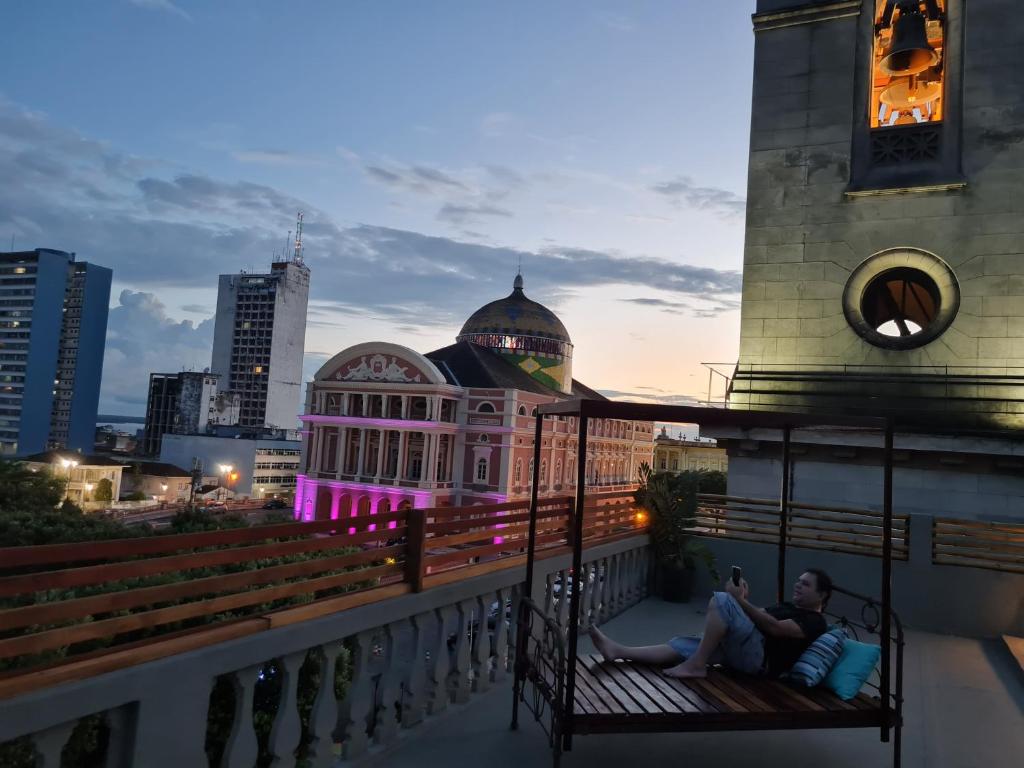
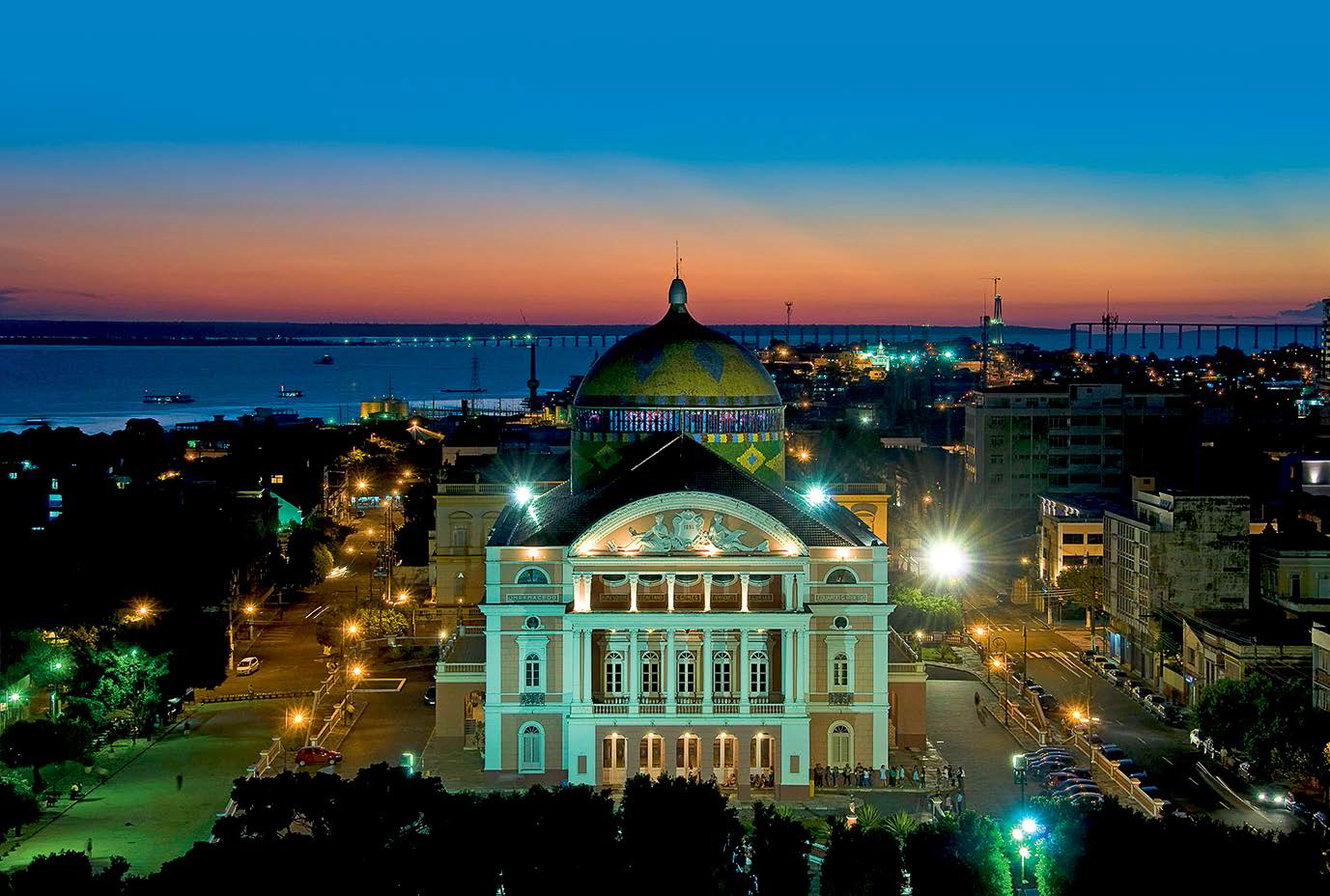
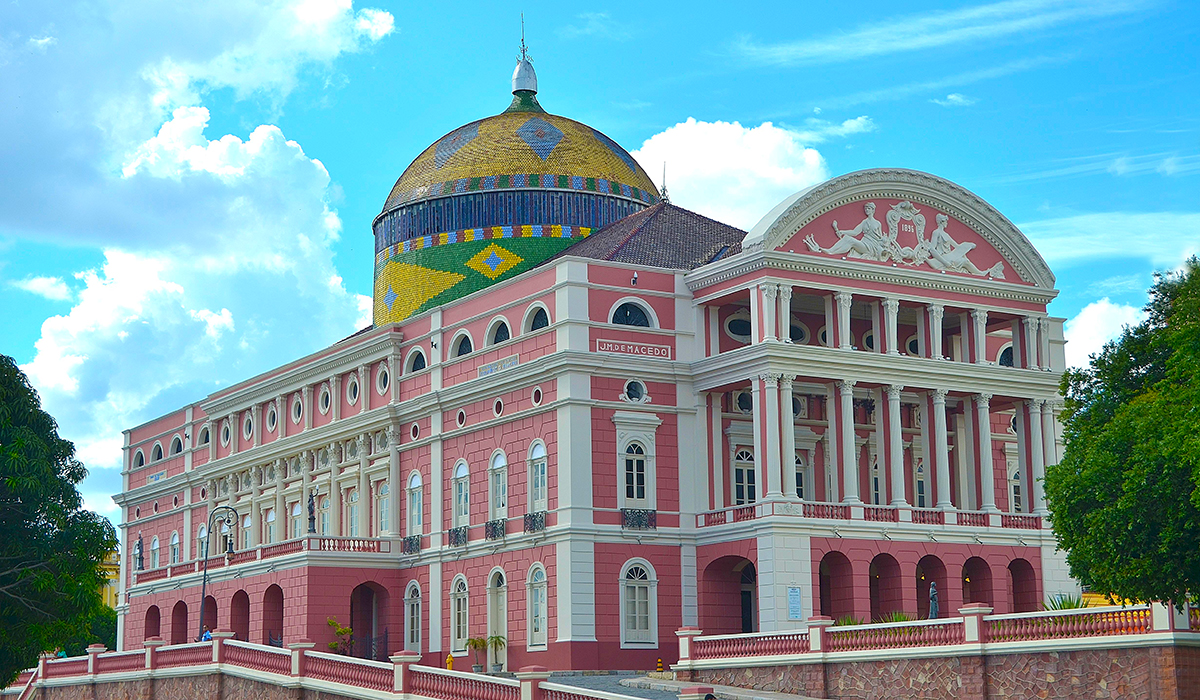
- Theatro Amazonas: the opera house from 1896 in Italian Renaissance style, with a dome in the colours of the Brazilian flag; guided tours daily and regular free concerts.
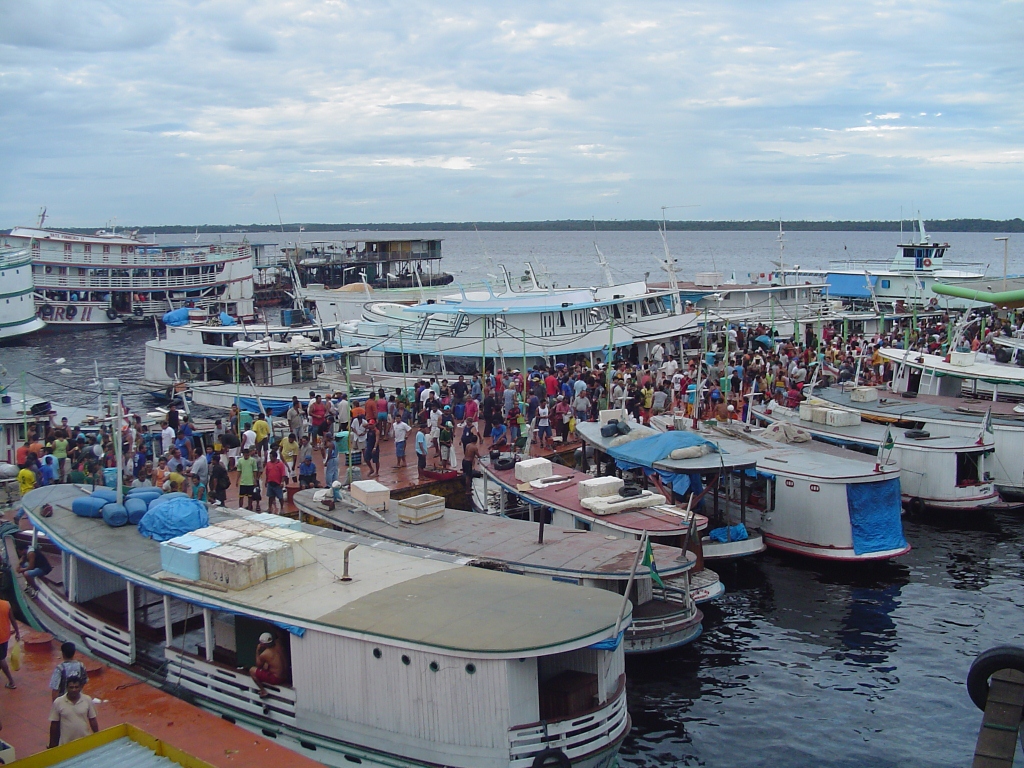
- Mercado Adolpho Lisboa: the market hall modelled on Les Halles in Paris, with Amazon fish, fruit and herbs.
- Encontro das Águas: the place where the black water of the Rio Negro and the brown water of the Solimões flow side by side for kilometres; can be visited by boat, often combined with a lodge transfer.
- Palácio Rio Negro and the historic centre from the rubber era.
- Ponta Negra: the city's river beach and promenade, with a view of the Rio Negro bridge.
Best time to visit Manaus
Warm and humid all year round (26–33 °C). From June to November the least rain falls and the water is low, with small beaches along the river; from December to May it rains more often, usually in short showers, and the water is high. The Amazon is worth visiting in both seasons.
Getting there and travel time
Eduardo Gomes airport is 20 minutes from the centre, with daily flights from São Paulo and Rio (approx. 4 hours), Brasília, Belém and Cuiabá. From the Netherlands you fly with one change (Lisbon or São Paulo). We arrange the private transfer to your hotel and the connection to the lodge or the cruise ship, which usually depart from the port or a jetty outside the city.
How many days in Manaus?
One night before or after your Amazon package is sufficient for a city tour with the theatre and the market. If you want to do the Encontro das Águas as a separate excursion or attend an evening concert, plan two nights.
Restaurant tips in Manaus
- Banzeiro: the best-known restaurant in the Amazon, with chef Felipe Schaedler and dishes of tambaqui, pirarucu and tucupi.
- Caxiri: Amazonian cuisine in a listed building opposite the Theatro Amazonas.
- Tambaqui de Banda: informal and local, the place for grilled tambaqui ribs.
- Bar do Armando: an institution next to the theatre, for a cold beer after the guided tour.
Combines well with
Manaus is the base for the Amazon: lodges such as Amazon Turtle Lodge, Juma Lodge and Anavilhanas Lodge, or cruises with Katerre and the Iberostar Heritage Grand Amazon. After that you fly on to the Pantanal (Cuiabá), Belém or the north-east coast.
Frequently asked questions about Manaus
Do I have to spend a night in Manaus?
Usually yes: most lodges and cruises depart in the morning, and international or domestic flights often arrive in the evening. A night in the city makes the connection relaxed.
Is Manaus safe?
In the centre and at Ponta Negra it is fine during the day; in the evening you take a taxi. As in any large Brazilian city: no visible valuables.
Can I travel directly from Manaus to the Pantanal?
Yes, there are direct flights to Cuiabá (approx. 2 hours), which means the Amazon and the Pantanal fit into one trip of 8 to 9 days.
Do I need vaccinations?
A yellow fever vaccination is recommended for the Amazon; malaria prophylaxis is usually not needed for the lodges around Manaus. Ask the GGD for advice.
Tip from Brazil Travel Specialist
Check the programme of the Theatro Amazonas before departure: there are regular free or inexpensive concerts and during the opera festival (April–May) the building is at its most beautiful. We plan your night in the city so that a performance fits in.
Amazon
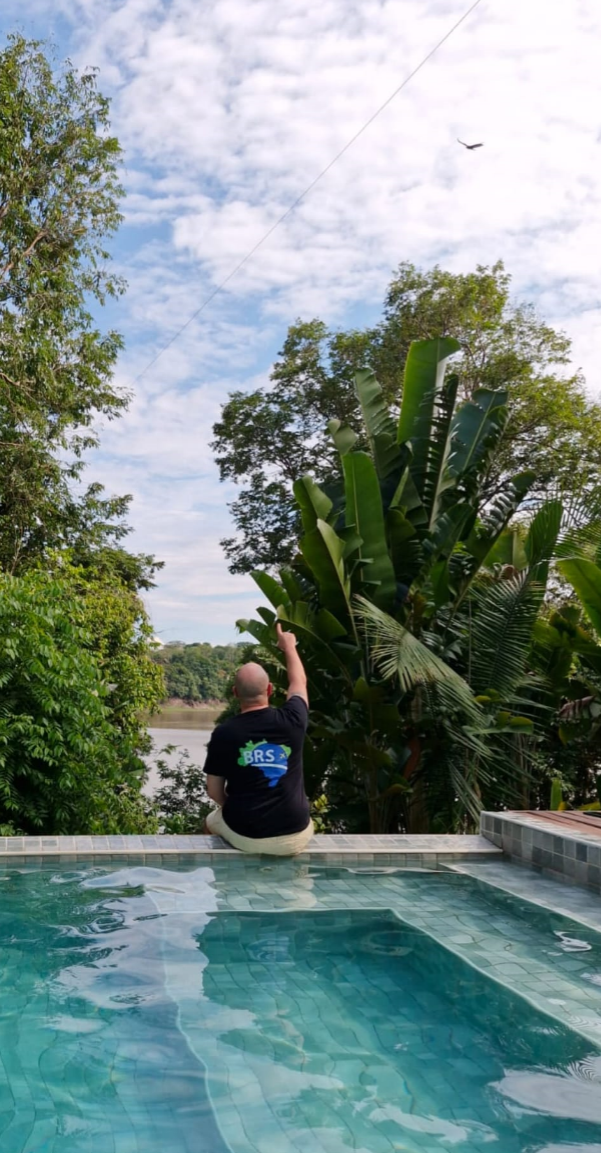
2 / 7The Amazon is the largest rainforest in the world and, from the Netherlands, is best reached via Manaus, with direct flights from São Paulo and Rio (approx. 4 hours). You stay in a jungle lodge or on board a river cruise, on a full-board basis with daily excursions. Allow 3 to 5 nights; the Amazon can be visited all year round, with high water from March to July and low rivers and small beaches from September to November.
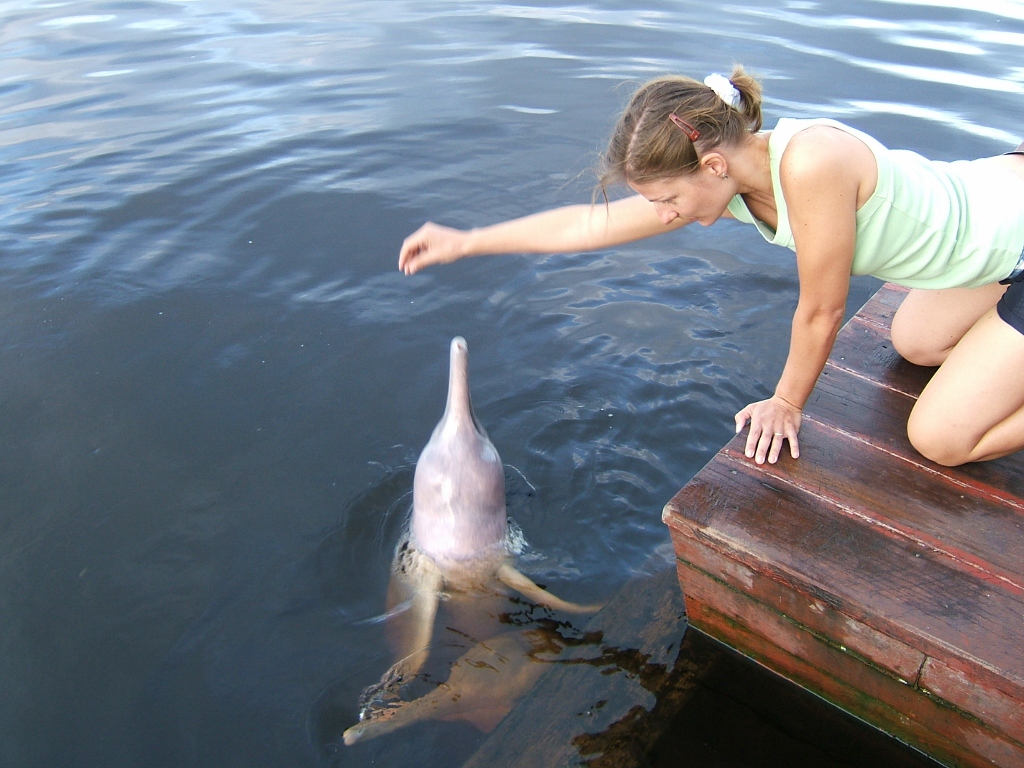
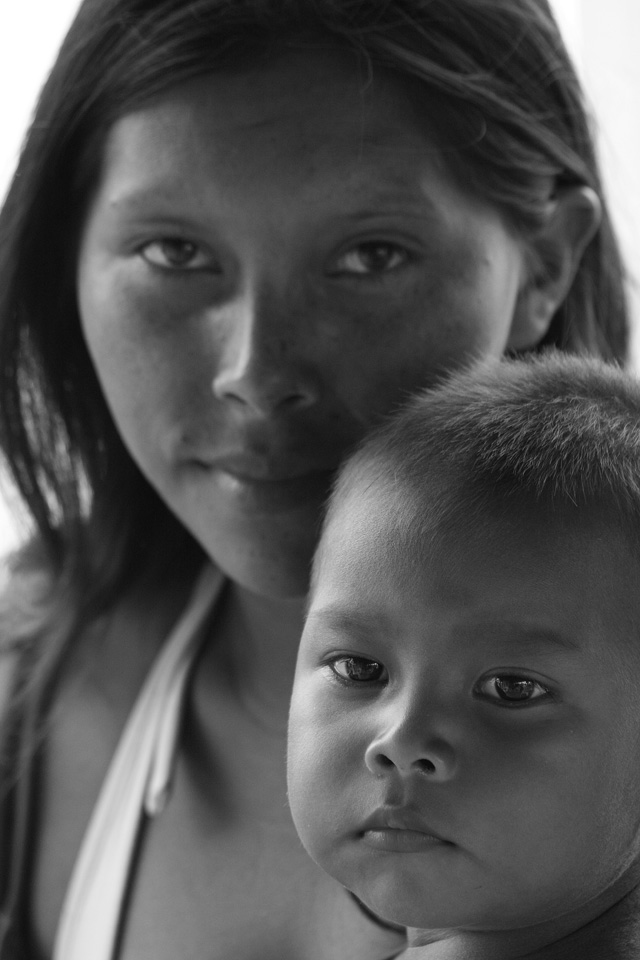
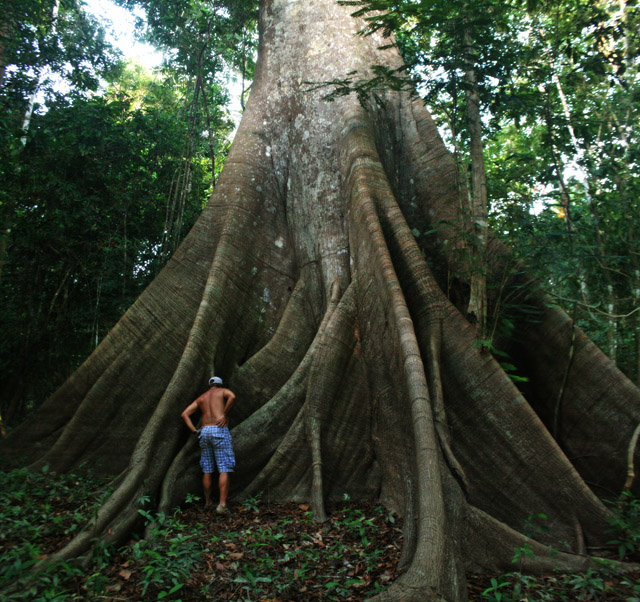
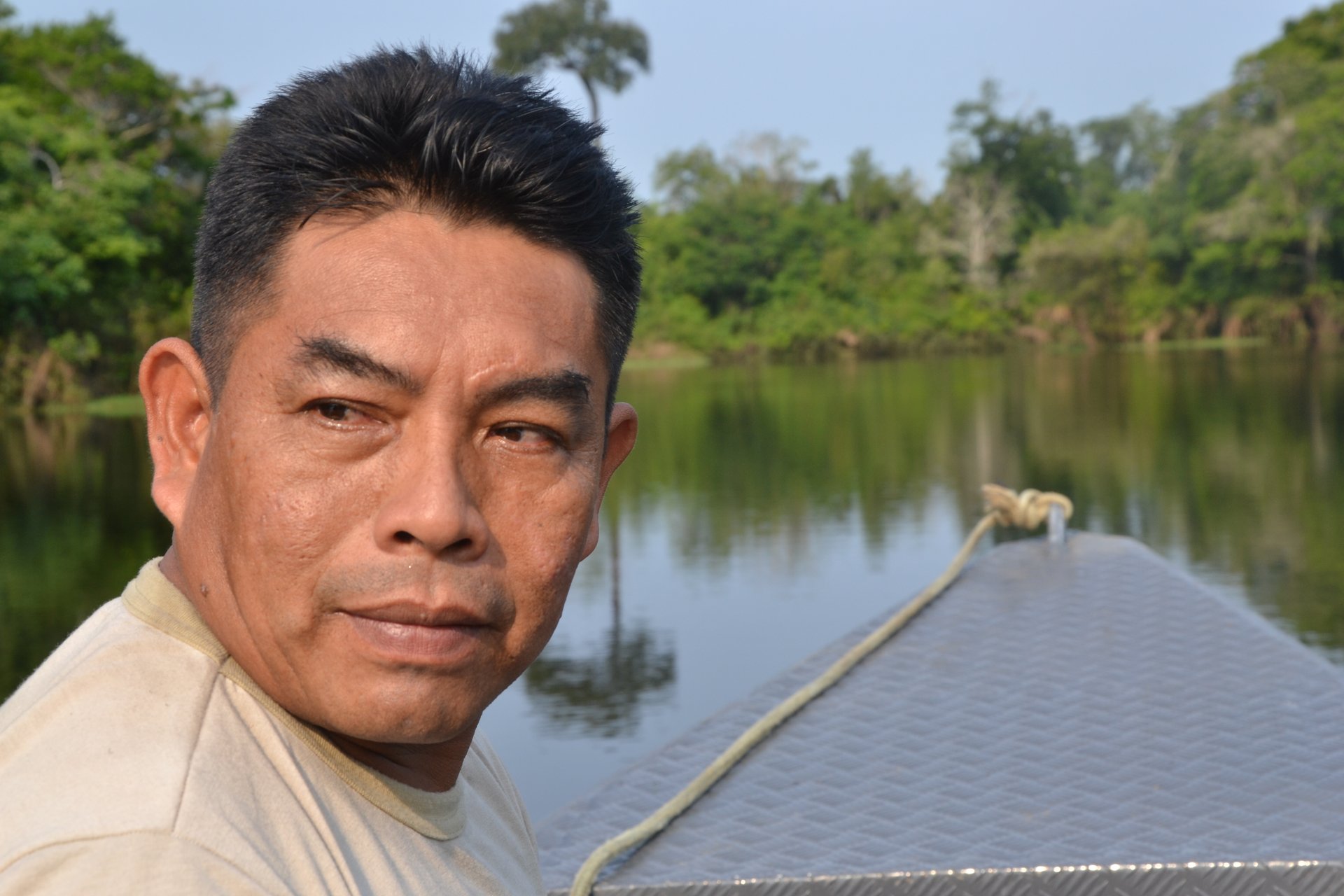
The Amazon basin is so large that the Netherlands would fit into it more than a hundred times. Around Manaus there are dozens of lodges, and expedition vessels sail the Rio Negro and the Solimões; here you see pink river dolphins, sloths, caimans and hundreds of bird species, and you visit river communities.
Highlights of the Amazon
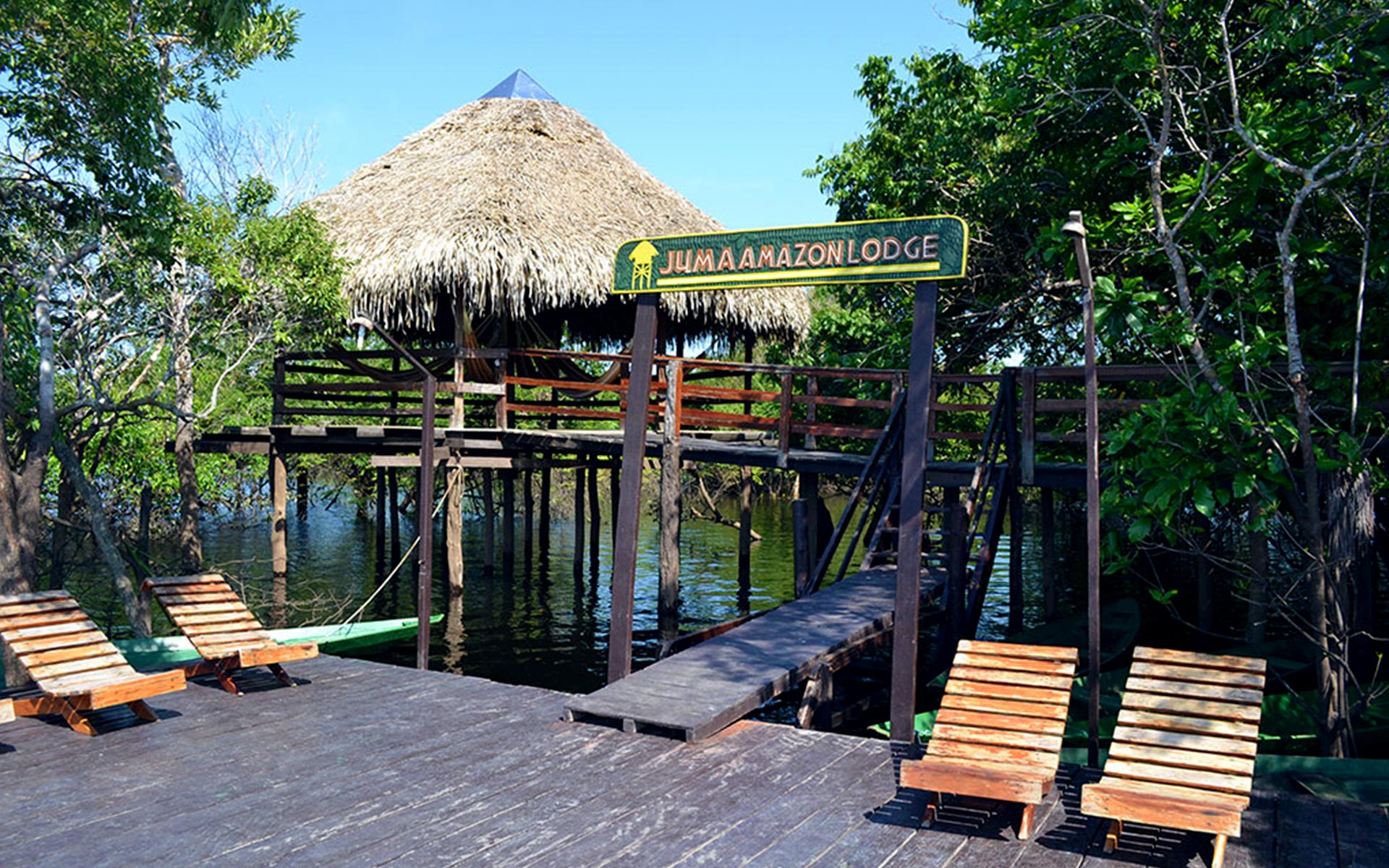
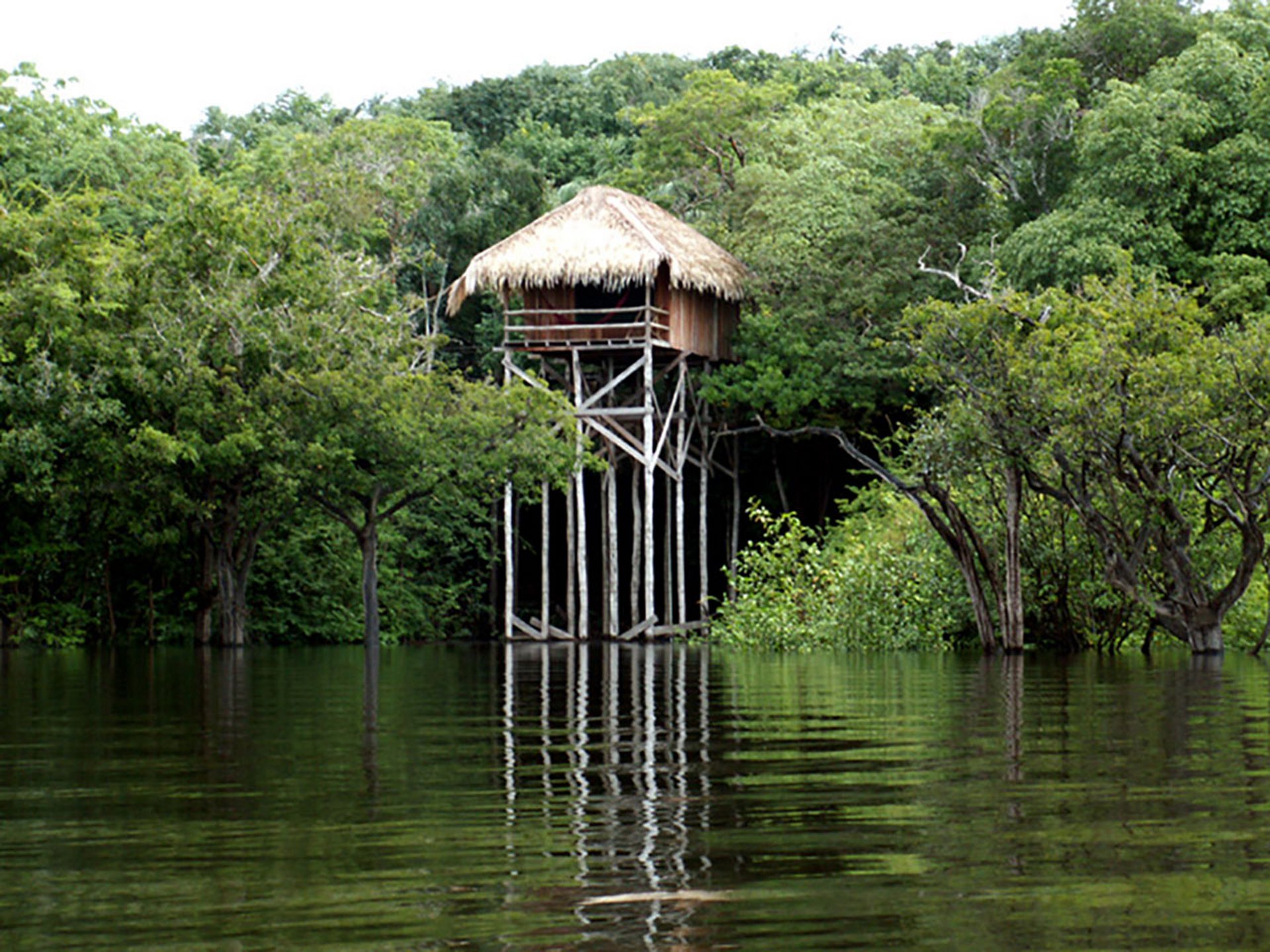
- Jungle lodges: from the authentic Amazon Turtle Lodge and Juma Lodge on stilts above the water to the luxurious Anavilhanas Lodge and Mirante do Gavião on the Rio Negro.
- River cruises: multi-day expeditions with Katerre, the Amazon Clipper or the Iberostar Heritage Grand Amazon to the Anavilhanas archipelago, the largest river archipelago in the world.
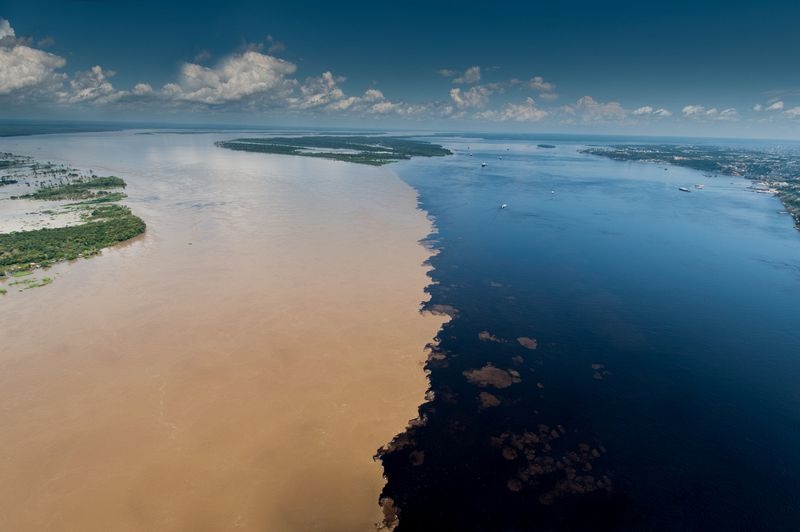
- Encontro das Águas: near Manaus the dark Rio Negro and the pale Solimões flow side by side for kilometres without mixing.
- Canoe and night trips: through the flooded igapó forest, spotting caimans with the spotlight and fishing for piranhas.
- Presidente Figueiredo: the Amazon highlands 107 km from Manaus, with waterfalls, caves and trees up to 80 metres tall; the Amazon Emotions Jungle Lodge is also located here.
- Southern Amazon and Alter do Chão: the Cristalino Jungle Lodge (birdwatching highlight) and the white river beaches of Alter do Chão near Santarém as alternatives to Manaus.
Best time to visit the Amazon
The Amazon is accessible all year round and always warm and humid (26–32 °C). From March to July the water is high: you travel by canoe among the treetops through the flooded forest and the rivers are wide. From September to November the water is low: the river beaches are exposed, walking in the forest is easier and the chance of seeing animals on the banks is greater. Most rain falls in the rainy season (December to May), usually in short, heavy showers.
Getting there and travel time
Manaus has an international airport with daily flights from São Paulo, Rio de Janeiro, Brasília and Cuiabá; from the Netherlands you fly with a change in Lisbon or São Paulo. The lodges are 1 to 4 hours from Manaus, by car and boat; the transfers are included in the package. We usually combine the Amazon with the Pantanal (a 2-hour flight to Cuiabá) or the north-east coast.
How many days in the Amazon?
We recommend 3 to 4 nights in a lodge: that way you take part in all the excursions (canoe trip, jungle walk, night trip, visit to a community, sunrise on the river). For a cruise, allow 4 to 7 nights; if you really want to get to the heart of the Amazon, combine a lodge with a cruise or with the Southern Amazon.
Lodge or cruise?
A lodge offers peace and quiet, a fixed base and personal guides; ideal for families and a first introduction. A cruise takes you further into the wilderness, with a new place every day and more chance of unspoilt nature. Both are on a full-board basis and include excursions.
Combines well with
The Amazon combines well with Manaus (one night for the Theatro Amazonas), the Northern Pantanal, the Lençóis Maranhenses and the beaches of the north-east coast. Examples: Amazon Turtle Lodge, Anavilhanas Lodge, Katerre cruise and the round trip Gostos do Brasil.
Frequently asked questions about the Amazon
Are there many mosquitoes in the Amazon?
Hardly any around the Rio Negro: the acidic, dark water is unsuitable for mosquito larvae. Along the Solimões and in the rainy season there are more; long clothing and DEET are sufficient.
Do I need malaria prophylaxis?
For the lodges around Manaus this is usually not advised; a yellow fever vaccination, however, is recommended. Consult a travel health clinic or a travel vaccination centre.
Will I see many animals?
You will certainly see river dolphins, caimans, sloths, monkeys and many birds. Large mammals often remain hidden in the dense forest; for wildlife in open landscape the Pantanal is the better choice, which is why we combine the two.
Is the Amazon suitable for children?
Yes, most lodges welcome children from about 6 years of age; the excursions are short and by boat.
Tip from Brazil Travel Specialist
Choose your lodge for its location and guide, not just for comfort: a lodge on the Rio Negro means few mosquitoes and black water with reflections, a lodge on the Solimões or the Mamori means more animals but more insects. We know the lodges personally and will be happy to advise you on which one suits your trip.
Bonito
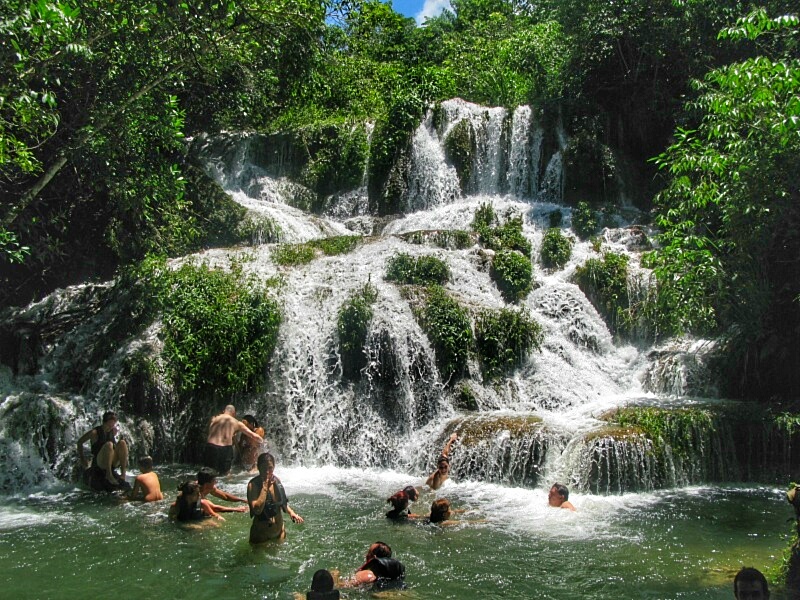
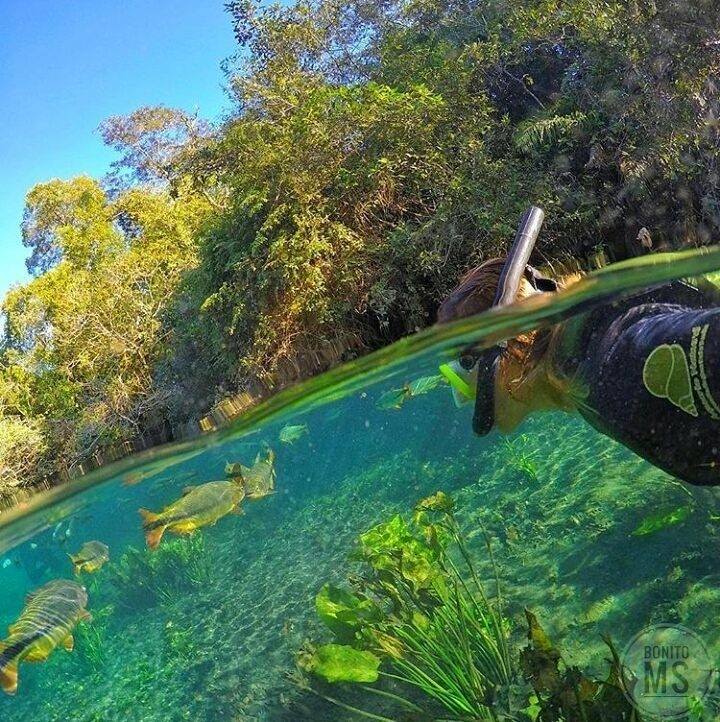
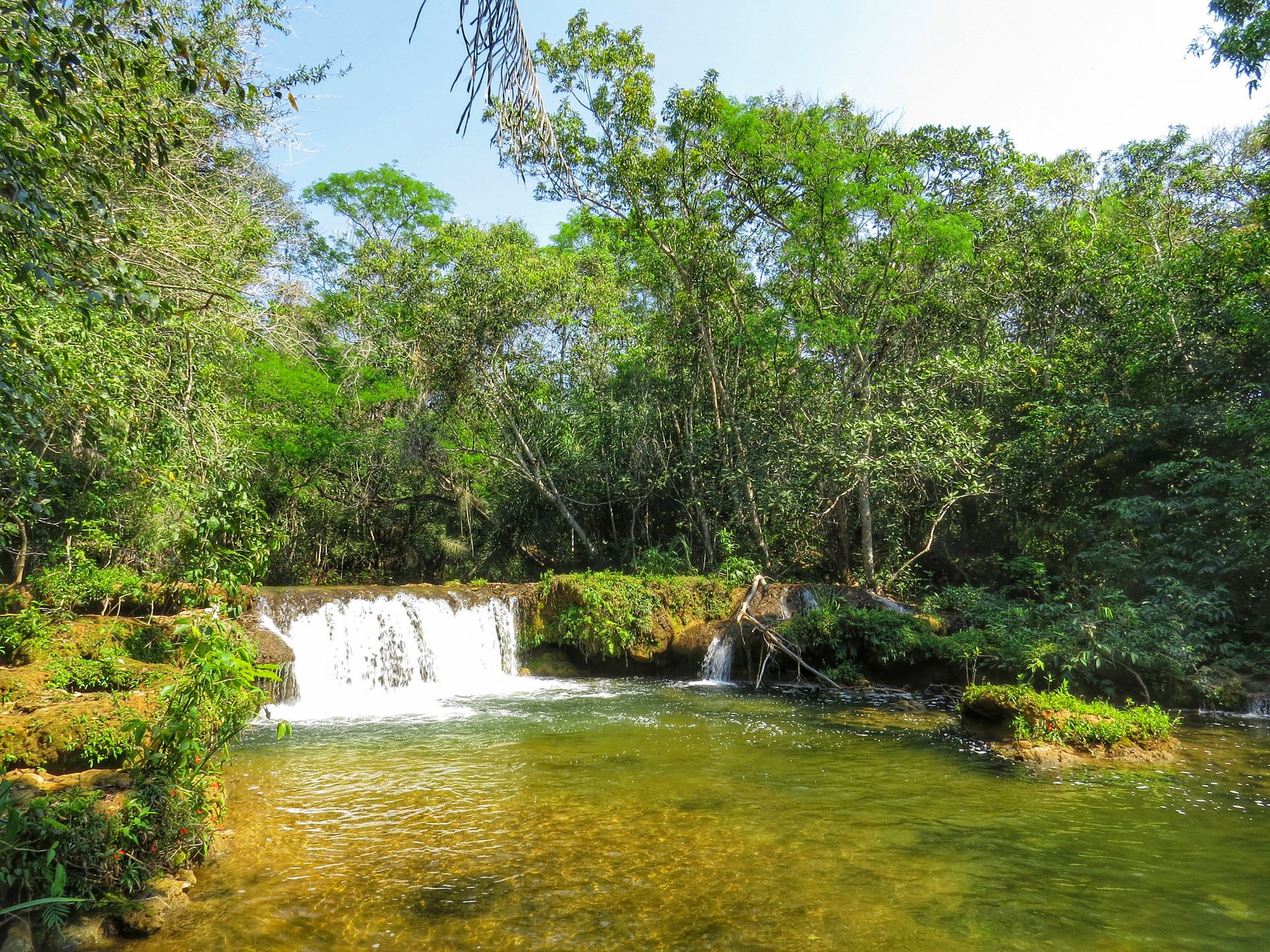
3 / 7Bonito, in the state of Mato Grosso do Sul, a 3-hour drive from Campo Grande, is the capital of Brazilian ecotourism: river snorkelling in crystal-clear water, caves with blue lakes, waterfalls and hundreds of red macaws. Allow 2 to 3 nights, ideal in combination with the Southern Pantanal; it can be visited all year round, with the clearest water from May to September.
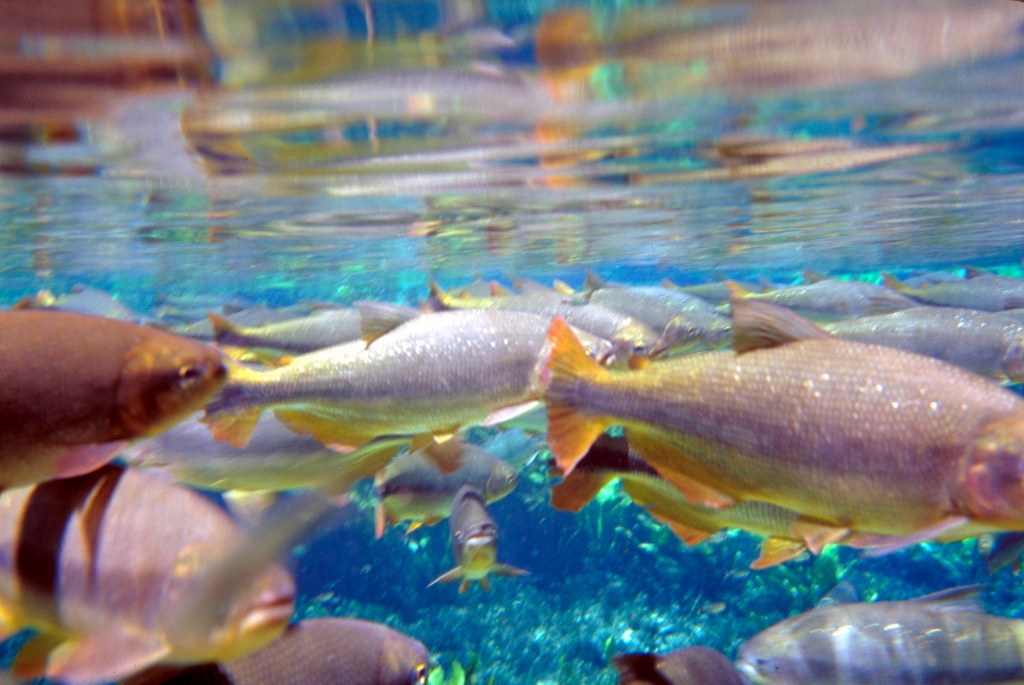
The water of Bonito is so clear because rainwater seeps through the limestone-rich soil before it reaches the rivers; you drift along with the current among shoals of fish. The excursions are strictly regulated with a maximum number of visitors per day, which keeps nature unspoilt but makes booking in advance essential.
Highlights of Bonito
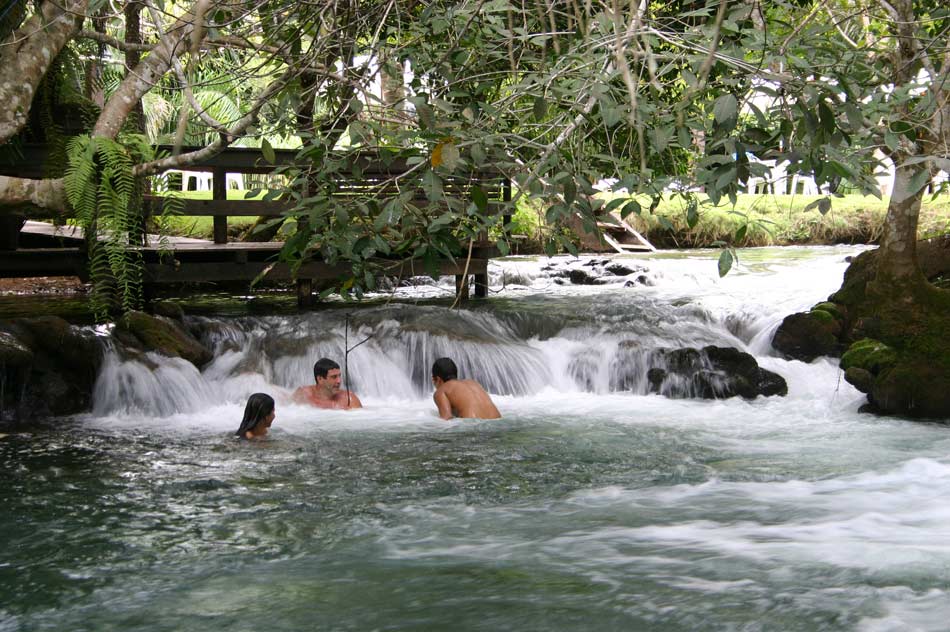
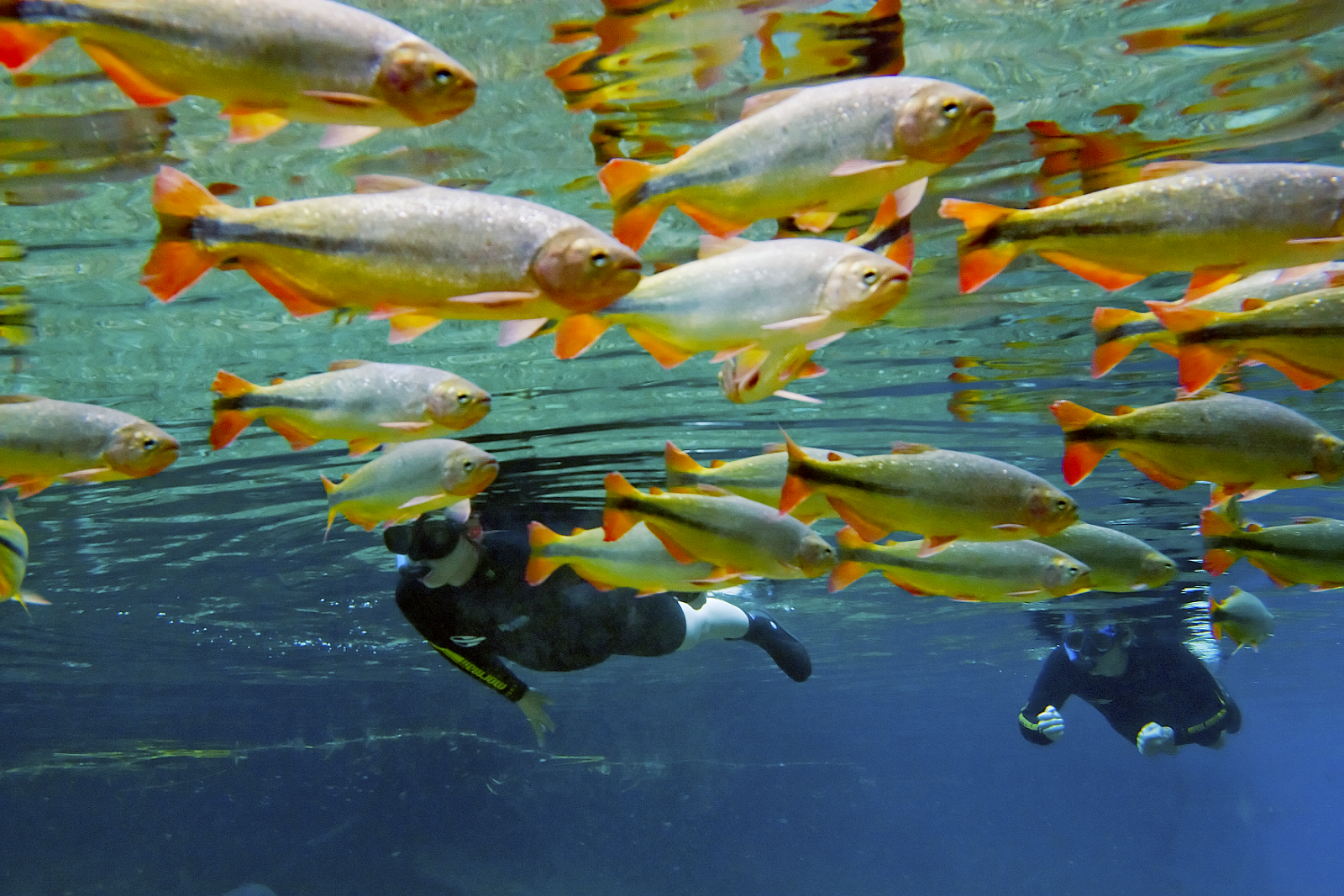
- River snorkelling in the Rio da Prata or Rio Sucuri: in a wetsuit, drifting with the current through a river full of dourados and piraputangas.
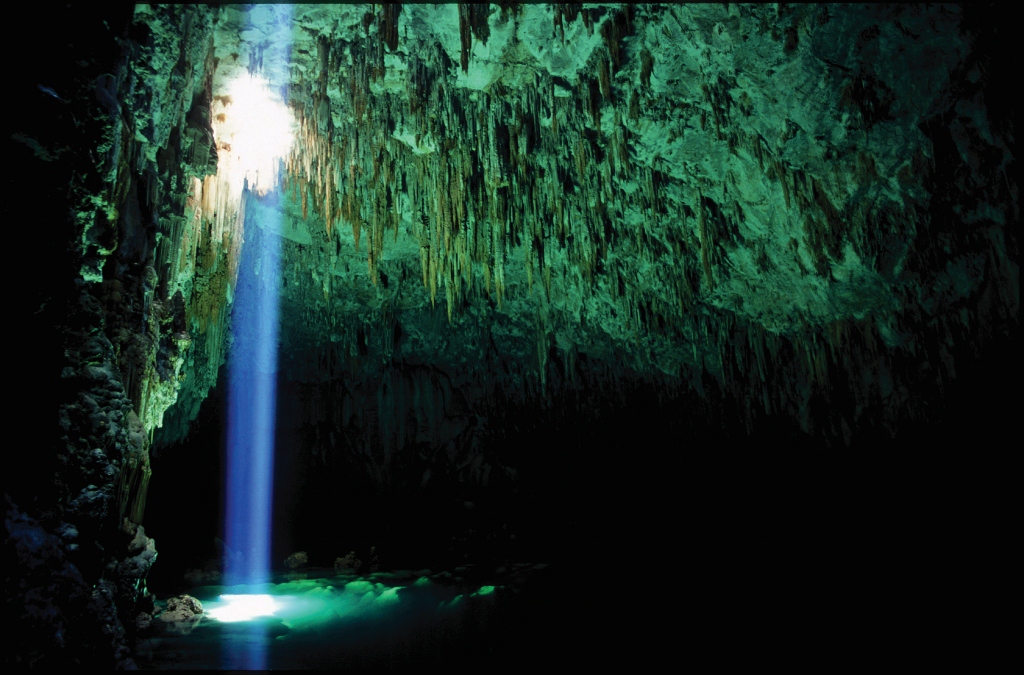
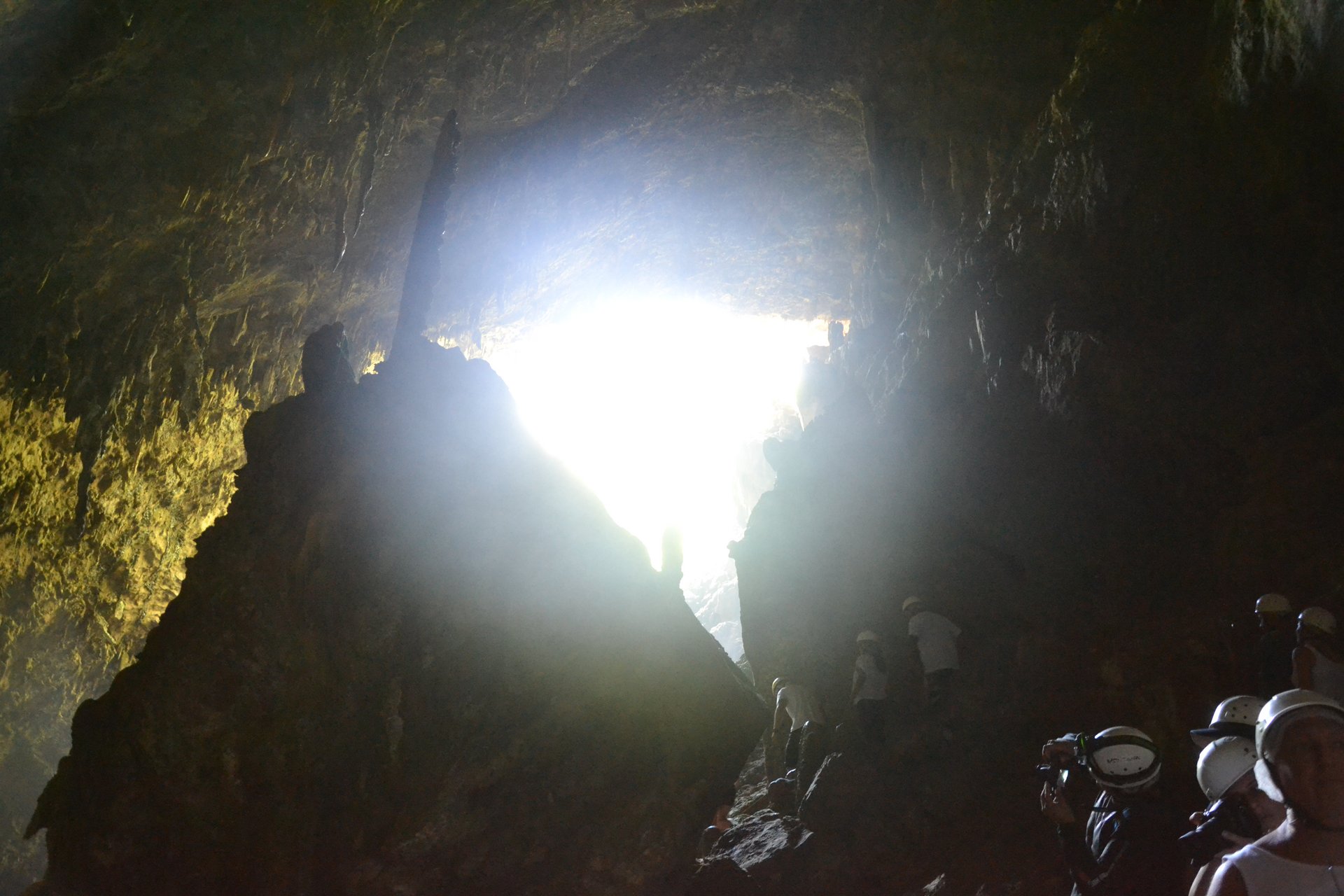
- Gruta do Lago Azul: descend a stone staircase to a cave with a deep-blue lake; mornings only, book early.
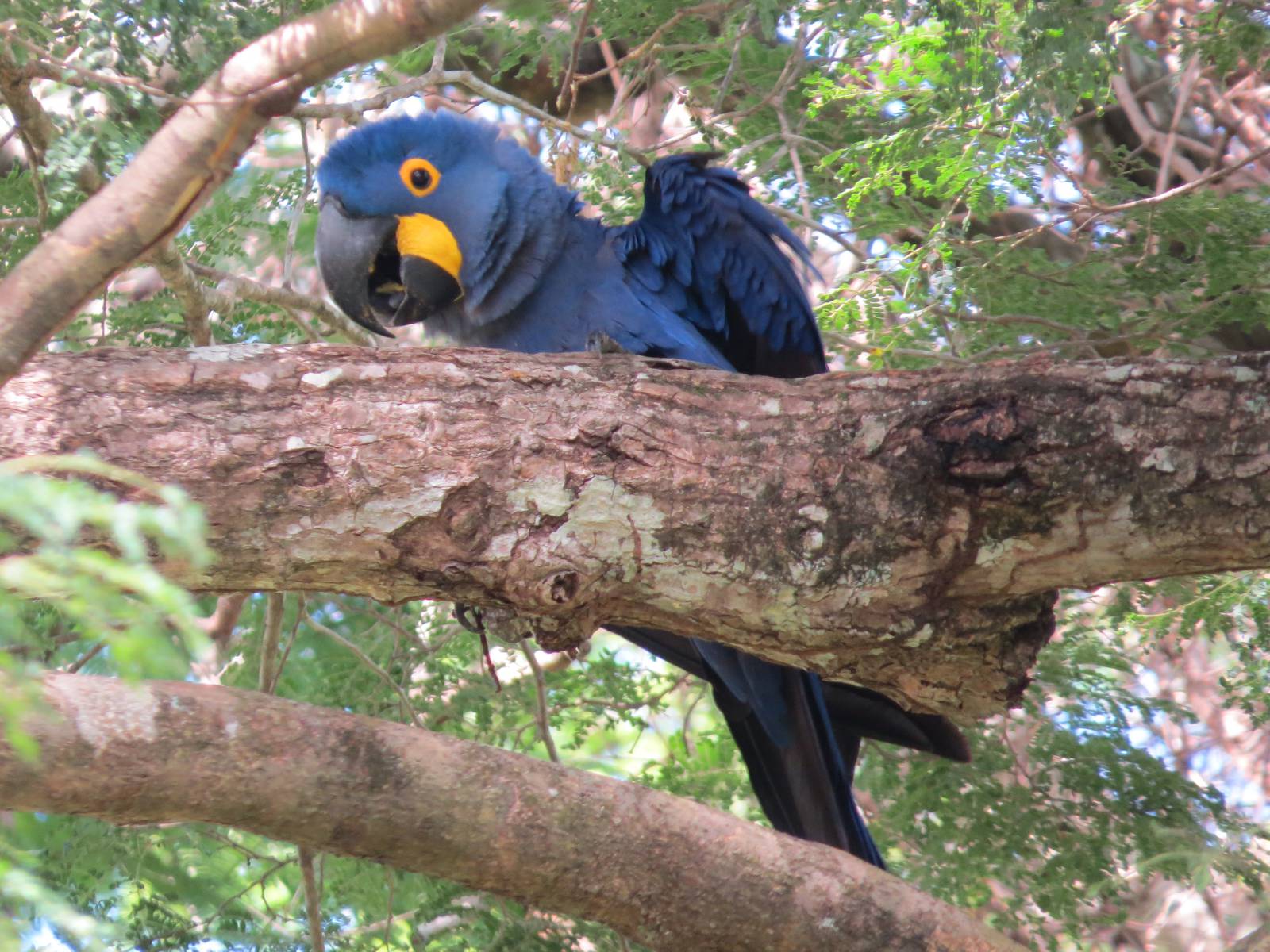
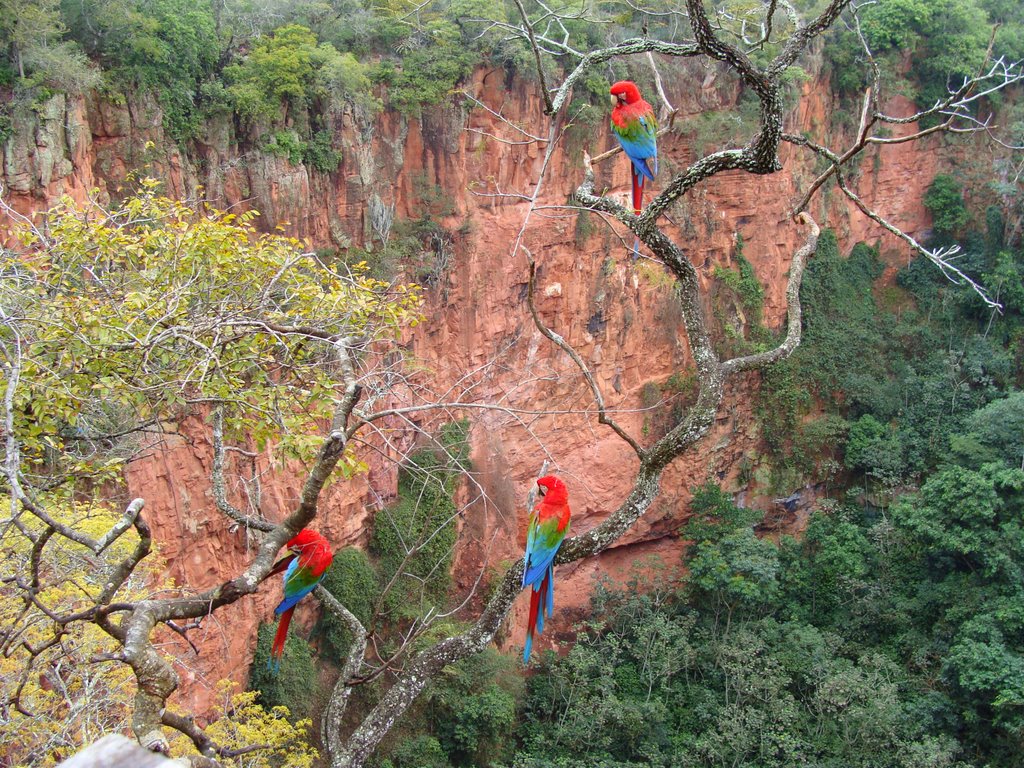
- Buraco das Araras: a huge red sinkhole where hundreds of red macaws nest; at its most beautiful at sunrise and sunset.
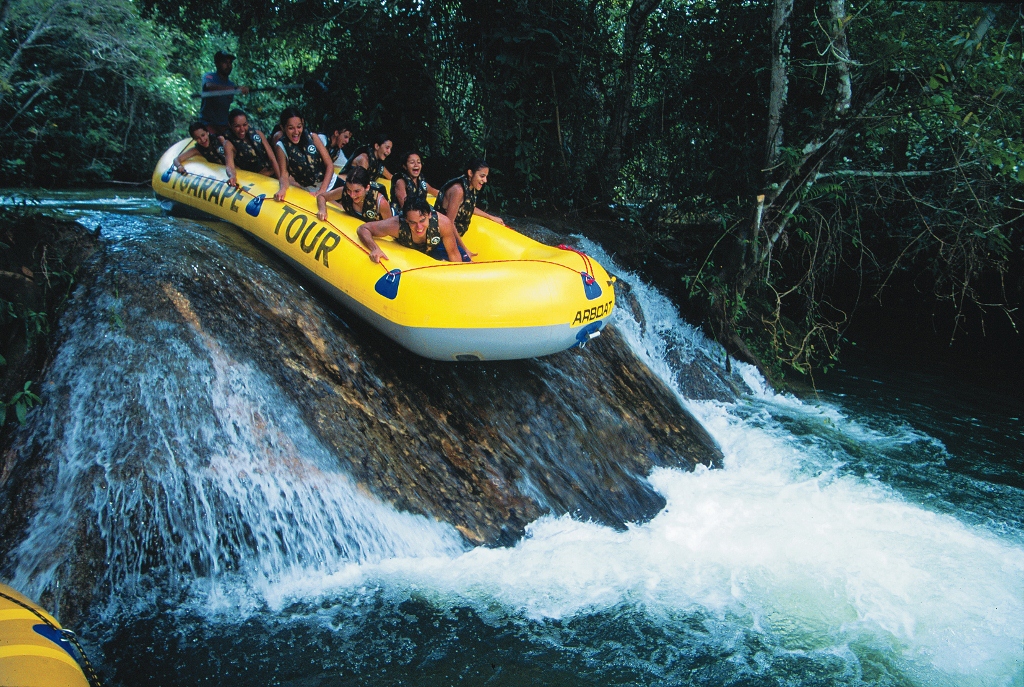
- Waterfalls: Boca da Onça (the highest in the state, with abseiling) and Estância Mimosa.
- Abismo Anhumas: abseiling 72 metres down to an underground lake, for adventurers.
- Balneário Municipal: swimming among the fish in the river near the village, also for children.
Best time to visit Bonito
Bonito is open all year round. From May to September (dry season) the water is at its clearest and the temperatures are pleasant (20–28 °C); July is the busiest month because of the Brazilian holidays. In the rainy season (November to March) the water can be temporarily cloudy after heavy rain and it is hot (30–35 °C), but the waterfalls are then at their most powerful.
Getting there and travel time
Bonito has a small airport with a few flights a week from São Paulo; usually you fly to Campo Grande (1.5 hours from São Paulo) and drive 3 hours on tarmac to Bonito, by transfer or hire car. The excursions are 20 to 60 kilometres outside the village; they include a transfer or you drive yourself.
How many days in Bonito?
We recommend 2 to 3 nights: one excursion per half-day, for example Rio da Prata and Buraco das Araras in one day and the Gruta do Lago Azul with a waterfall on the second day.
Combines well with
Bonito and the Southern Pantanal belong together: jointly a one-week nature block from Campo Grande. Via Campo Grande you fly on to Foz do Iguaçu, Rio de Janeiro or Cuiabá for the Northern Pantanal. Examples: Bonito package, Bonito & Southern Pantanal, self-drive Bonito and the Pantanal and the round trip Brasil Fantastico.
Frequently asked questions about Bonito
Do I need to be able to swim for the river snorkelling?
No, you wear a wetsuit that keeps you afloat and a guide accompanies the group; the current does the work. Children from about 6 years of age can take part.
Why do I have to book excursions in advance?
Each attraction has a daily visitor limit to protect nature. We reserve the excursions at the time of booking; on the spot the most popular ones are often full.
Bonito or Nobres?
Bonito has more choice and better infrastructure; Nobres is smaller and quieter and fits in with the Northern Pantanal via Cuiabá.
Is Bonito suitable for children?
Excellent: swimming with fish, macaws, caves and gentle walks; most pousadas have a swimming pool.
Tip from Brazil Travel Specialist
Plan Bonito after the Pantanal: after the safari days in the heat, drifting down the cool river is the best way to finish. Ask us to schedule the Rio da Prata as your first excursion; for most guests that is the highlight.
Southern Pantanal
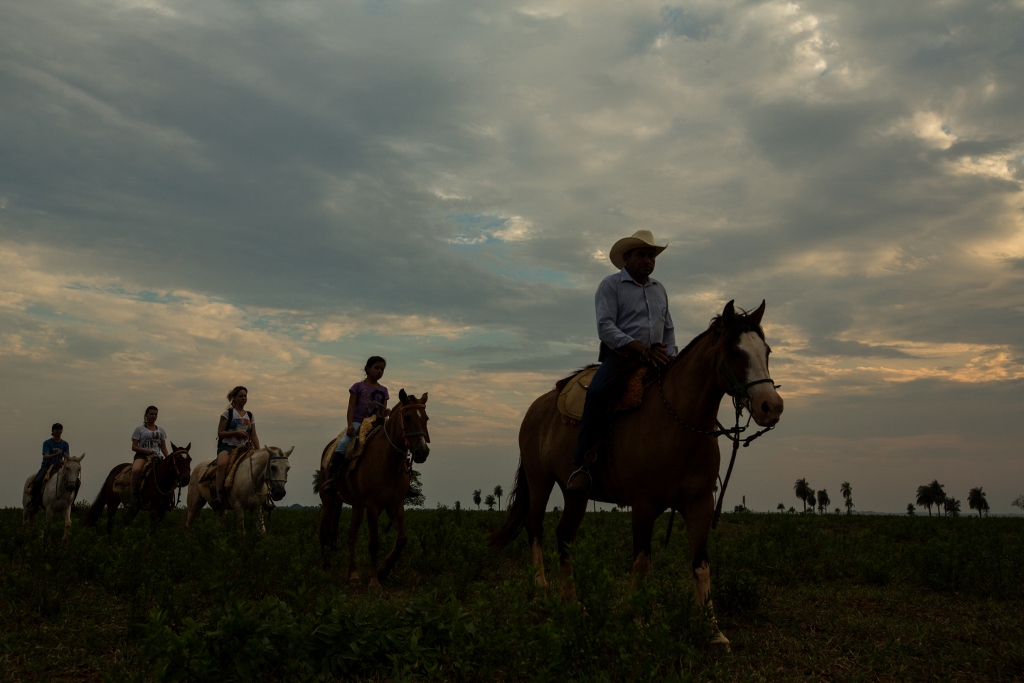
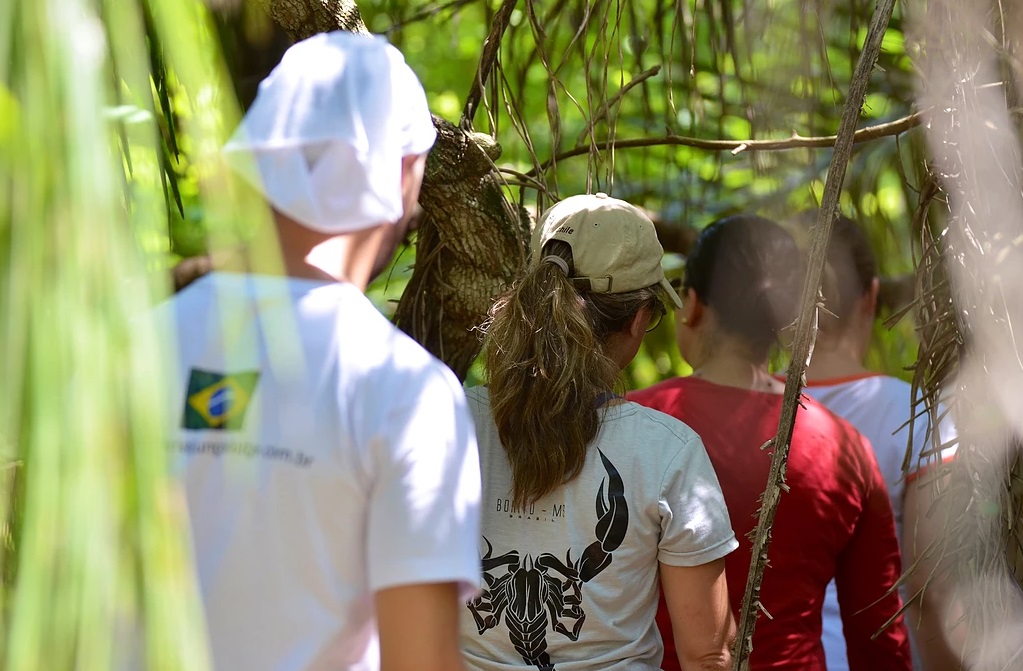
4 / 7The Southern Pantanal, in the state of Mato Grosso do Sul and reached via Campo Grande, is the most accessible part of the largest wetland in the world: fazendas and lodges with daily safaris by truck, by boat, on horseback and on foot, with caimans, capybaras, giant anteaters, macaws and, with a bit of luck, the jaguar. Allow 3 to 4 nights, ideally in combination with the river snorkelling in Bonito; the best time to travel is the dry season from May to October.
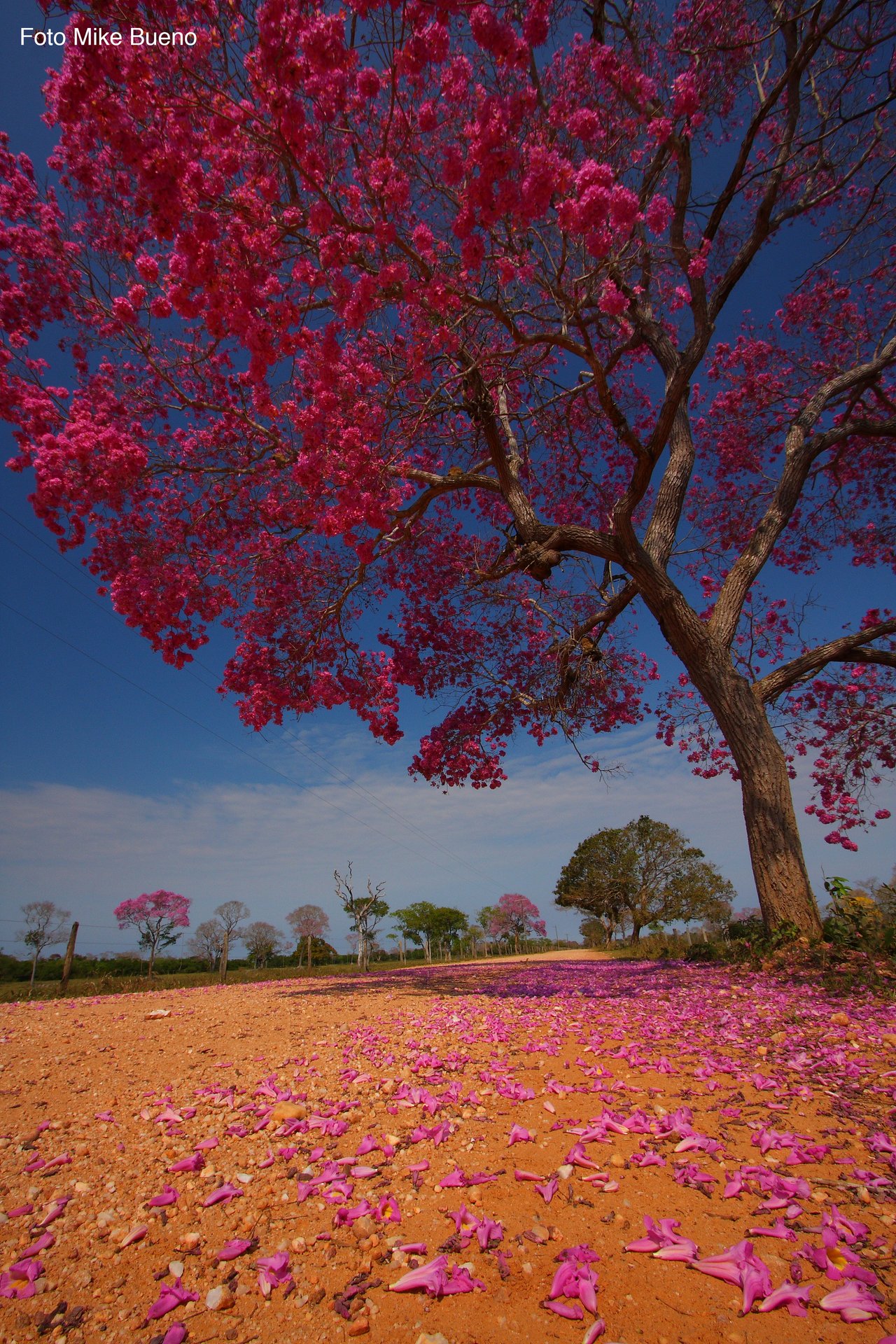
The Pantanal covers more than 150,000 km² of lowland that partly floods in the rainy season. The southern part offers a broader nature experience than the north: besides wildlife, also life on a real cattle fazenda, with pantaneiro cowboys and farmhouse cooking.
Highlights of the Southern Pantanal
- Fazendas and lodges: Pousada Aguapé (best value for money), Fazenda San Francisco (jaguars on the Miranda river), Refúgio da Ilha (small-scale), Pousada Xaraés (remote) and Refúgio Ecológico Caiman (superior class, according to many the best lodge in the Pantanal).
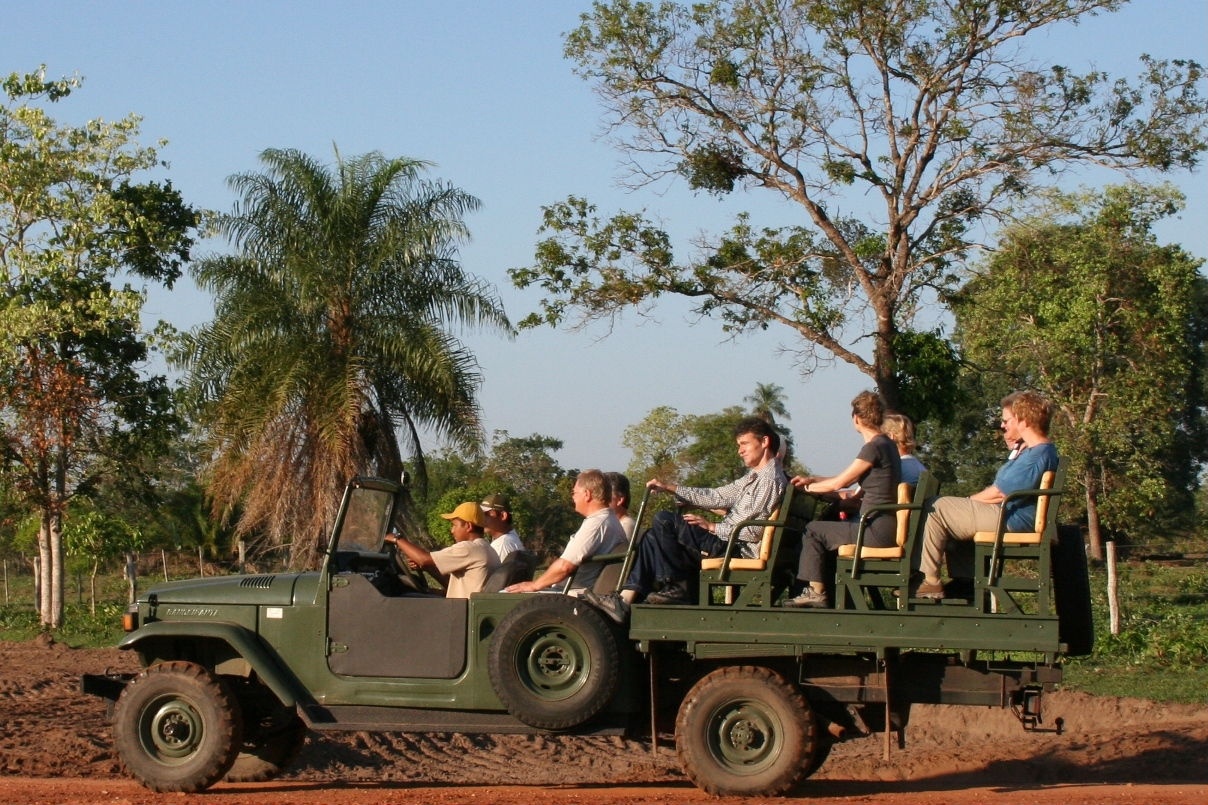
- Safaris: by open truck, by boat, on horseback and on foot, during the day and at night with the spotlight.
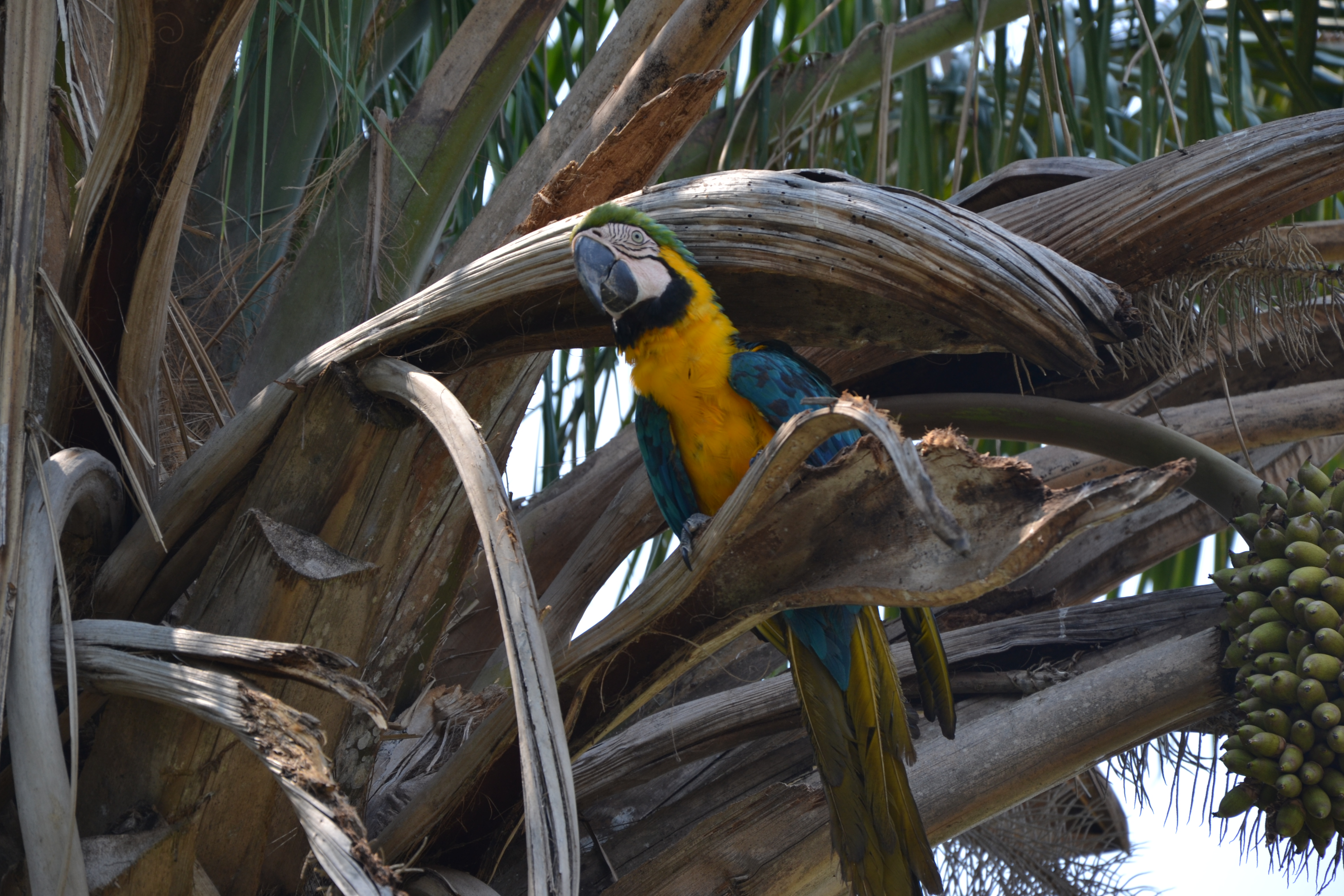
- Wildlife: giant anteaters, tapirs, capybaras, caimans, hyacinth macaws, jabirus and more than 650 bird species; jaguars are regularly seen at San Francisco and Caiman.
- Pantanal-Cerrado Tour: a 4 or 5-day expedition from Campo Grande via Nhecolândia, the Taquari river and the waterfalls of Rio Verde.
- Bonito: a 2 to 3-hour drive away, with river snorkelling in crystal-clear water, the Gruta do Lago Azul and the macaws of Buraco das Araras.
Best time to travel to the Southern Pantanal
The dry season from May to October is the best time: the roads are passable, the animals concentrate around the remaining water and it is less hot than in the north. July to September is the peak for mammals. In the rainy season (November to April) the landscape is green and full of waterbirds, but some fazendas are harder to reach; the lodges usually stay open.
Getting there and travel time
You fly to Campo Grande (about 1.5 hours from São Paulo, also from Rio, Cuiabá and Foz do Iguaçu). The lodges are a 2 to 4-hour drive away, partly on dirt roads; the transfers are included in the packages or you drive yourself on a self-drive. Bonito is 3 hours from Campo Grande and 2 to 3 hours from most fazendas, so that both fit into one route.
How many days in the Southern Pantanal?
We recommend 3 nights in one lodge (two full safari days) or 4 nights divided between two lodges. Together with 2 to 3 nights in Bonito, this is a week-long nature block that fits into almost any round trip.
North or South: which Pantanal suits you?
The Southern Pantanal is the choice for a broad nature experience, families and the combination with Bonito; jaguars are a bonus. Those who mainly want to see jaguars choose the Northern Pantanal with Porto Jofre. Both can be combined in a three-week trip.
Combines well with
Bonito is right next door; Foz do Iguaçu is a direct flight from Campo Grande, and Rio de Janeiro or Salvador round off the trip. Examples: Pousada Aguapé, Fazenda San Francisco, Bonito & Southern Pantanal in 6 days and the Brasil Fantastico round trip.
Frequently asked questions about the Southern Pantanal
Can I see jaguars in the Southern Pantanal?
Yes, but not guaranteed: at Fazenda San Francisco and Refúgio Ecológico Caiman they are regularly seen, especially from July to October. For the highest chance, Porto Jofre in the north is the better choice.
What is included in a fazenda package?
Full board, two to three guided excursions a day and usually the transfer from Campo Grande or Bonito. Drinks and tips are extra.
Is the Southern Pantanal suitable for children?
Yes, excellent: short excursions, horse riding, a swimming pool at most fazendas and plenty of visible animals.
Can I drive myself?
Yes, the roads from Campo Grande are largely tarmac with a final stretch of dirt road; we offer a Bonito & Pantanal self-drive.
Tip from Brazil Travel Specialist
Do the Pantanal first and then Bonito: after three days of safari in the heat, swimming in the cool, crystal-clear rivers of Bonito is the perfect finale. Book the excursions in Bonito early; the number of visitors per day is limited there.

Foz do Iguaçu
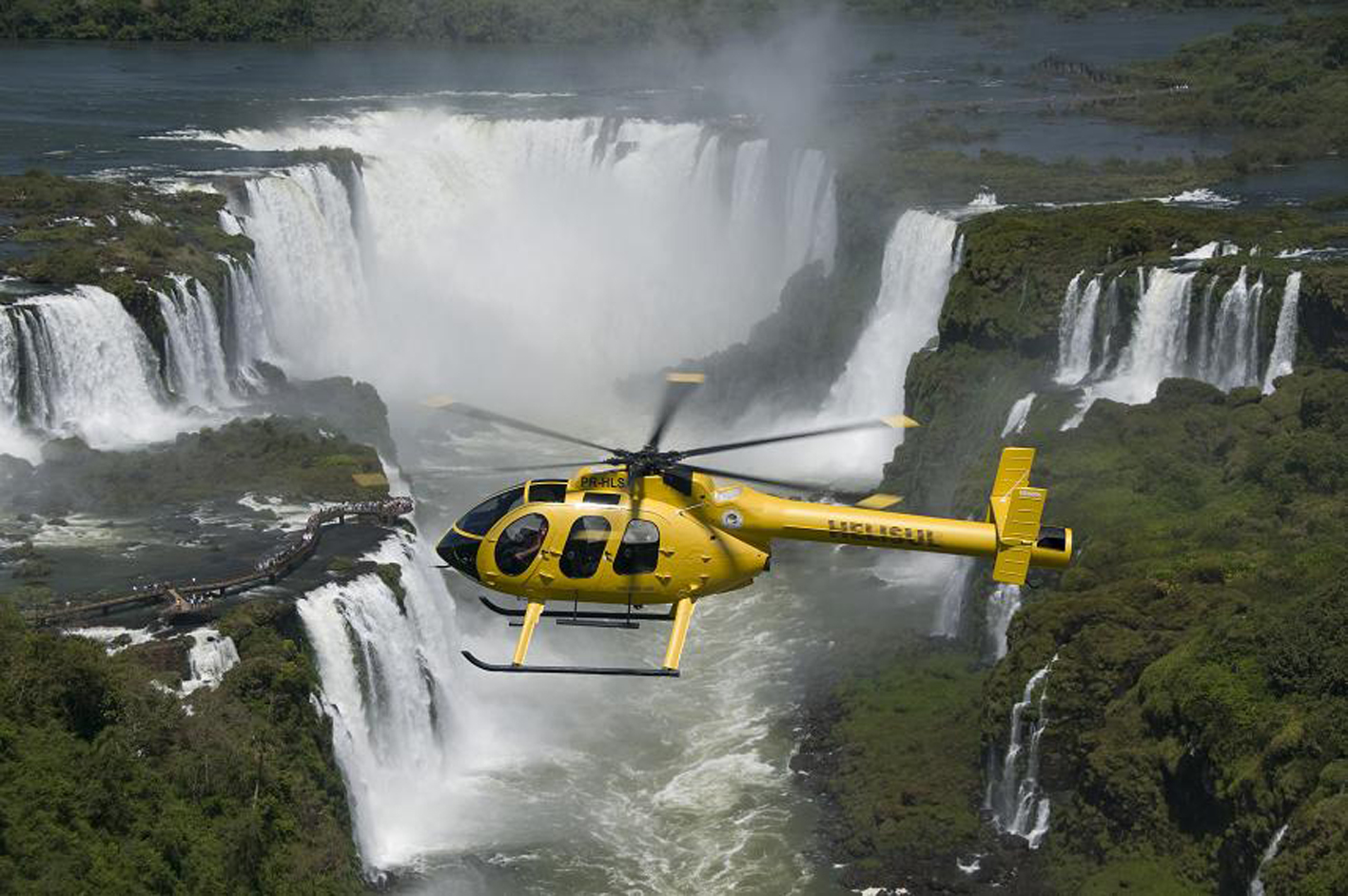
5 / 7Foz do Iguaçu, at the point where Brazil, Argentina and Paraguay meet, is the home of the Iguaçu Falls: 275 waterfalls across a width of 2.7 kilometres, with the Devil's Throat (Garganta do Diabo) as the highlight. Allow 2 to 3 nights to see both sides of the falls; the falls can be visited all year round, with the most water from December to March and the most pleasant temperatures from April to October.
The falls lie in two national parks that together are a UNESCO World Heritage Site. The Brazilian side gives you the panorama, the Argentinian side takes you along walkways to just above and beside the water. That is why we always recommend both sides.
Highlights of Foz do Iguaçu
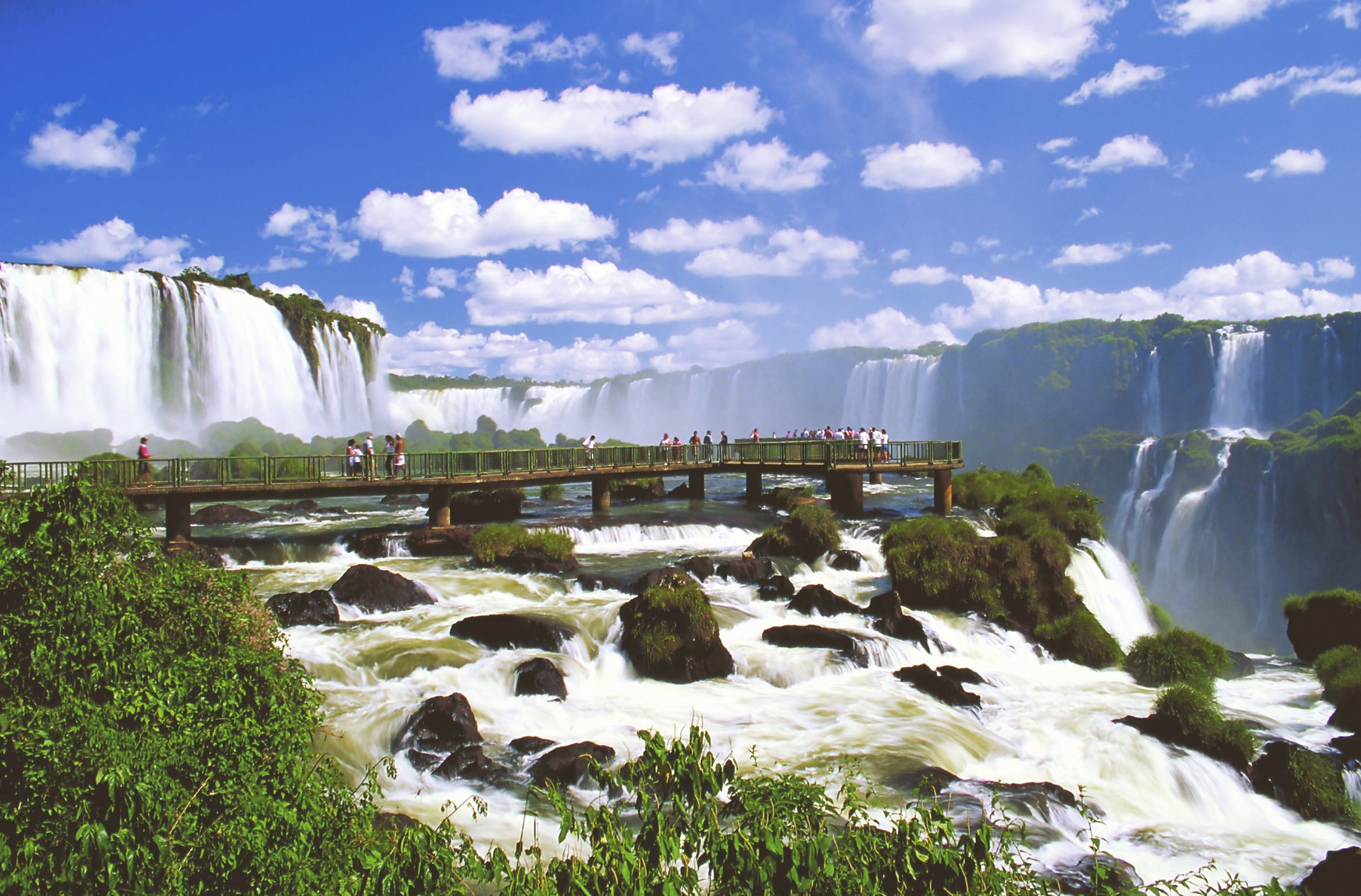
- Brazilian side: a walking trail of approx. 1.5 kilometres along the panorama of the falls, ending on a walkway in the mist of the Devil's Throat. Half a day.
- Argentinian side: the Upper and Lower Circuit and the little train to the platform above the Garganta del Diablo, where 14 waterfalls come together. A full day; bring your passport.
- Macuco Safari: by speedboat right up under the falls. Getting wet is guaranteed.
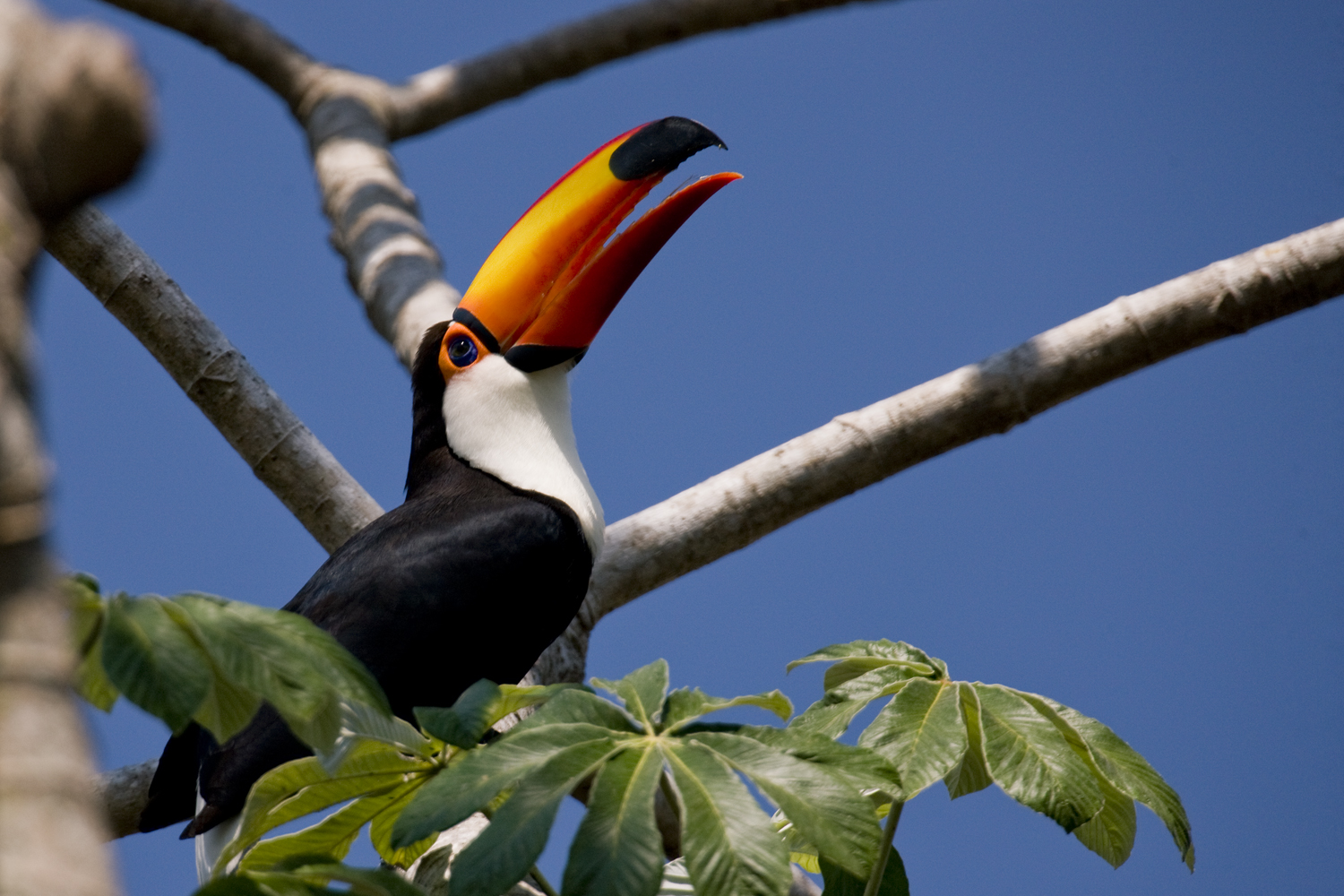
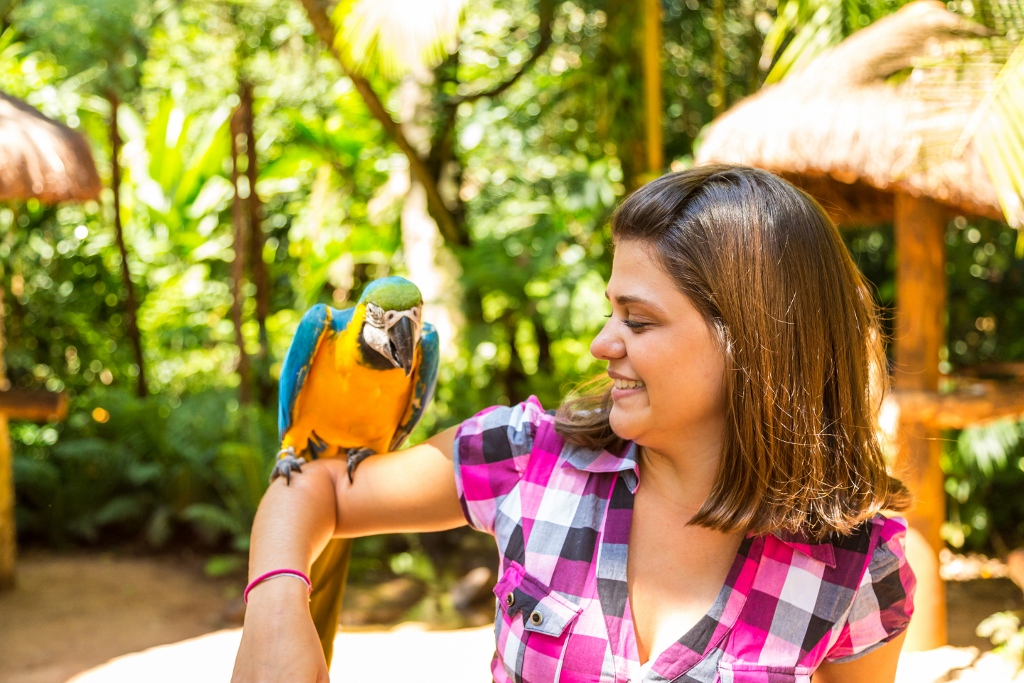
- Parque das Aves: bird park next to the entrance of the Brazilian park, with toucans, macaws and hummingbirds in large aviaries.
- Itaipu Dam: one of the largest hydroelectric power stations in the world, which can be visited on a panoramic tour.
- Helicopter flight: ten minutes above the falls for the most spectacular overview.
Best time to visit Foz do Iguaçu
The falls are impressive all year round. From December to March they carry the most water, but it is then hot (30–35 °C) and humid. April to June and September to October are the most pleasant, with 20–28 °C and fewer crowds. In July and August it can be cool (10–20 °C) and it is busier around the Brazilian school holidays. After prolonged rain, walkways on the Argentinian side may close temporarily.
Getting there and travel time
Foz do Iguaçu airport (IGU) is 15 minutes from the town and 10 minutes from the national park. Direct flights from Rio de Janeiro and São Paulo take approx. 2 hours; there are also connections from Campo Grande (Pantanal) and Curitiba. We arrange private transfers and the excursions to both sides with an English-speaking guide; a valid passport is required for the Argentinian side. Admission to the national parks is approx. € 30,- per person per park and is paid on site.
How many days in Foz do Iguaçu?
We recommend 2 to 3 nights: one day for the Argentinian side, half a day for the Brazilian side and time for the bird park, the Macuco Safari or the Itaipu Dam. With an extra night you can add the jungle package at the Yacutinga Lodge in the Atlantic rainforest.
Where to stay?
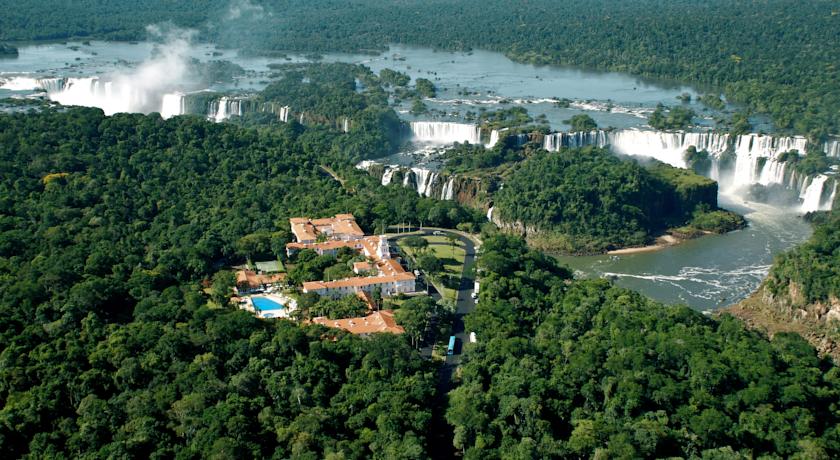
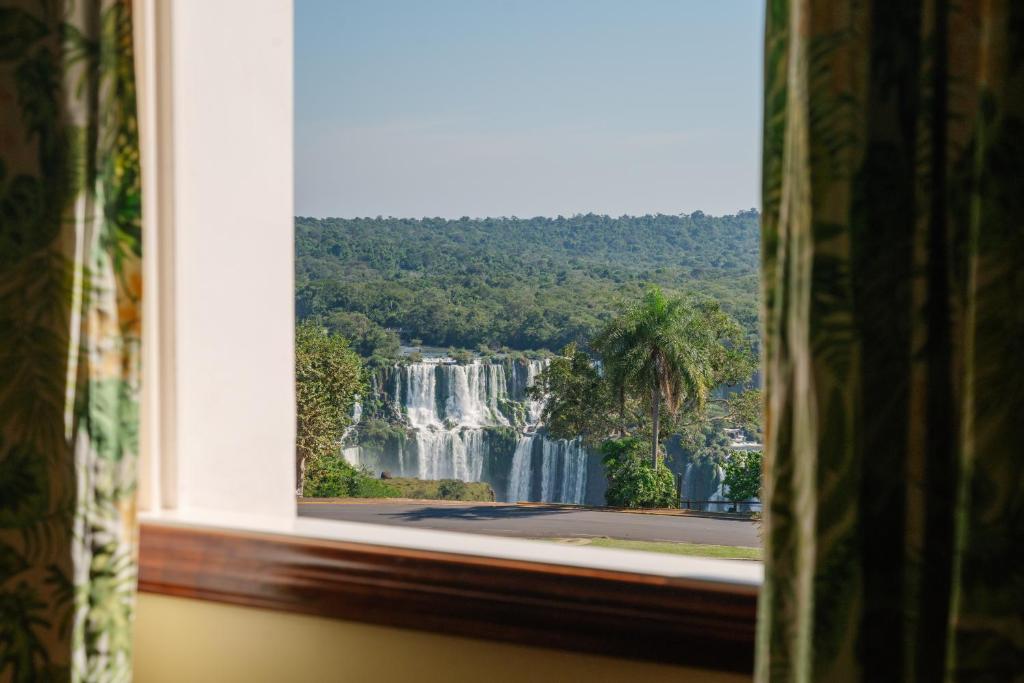
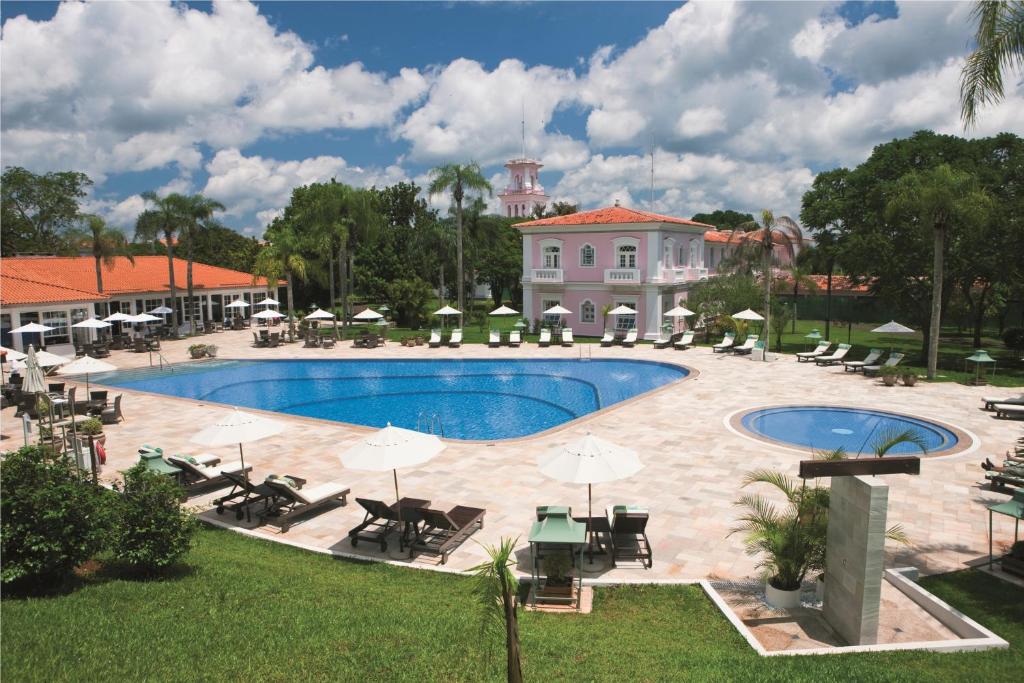
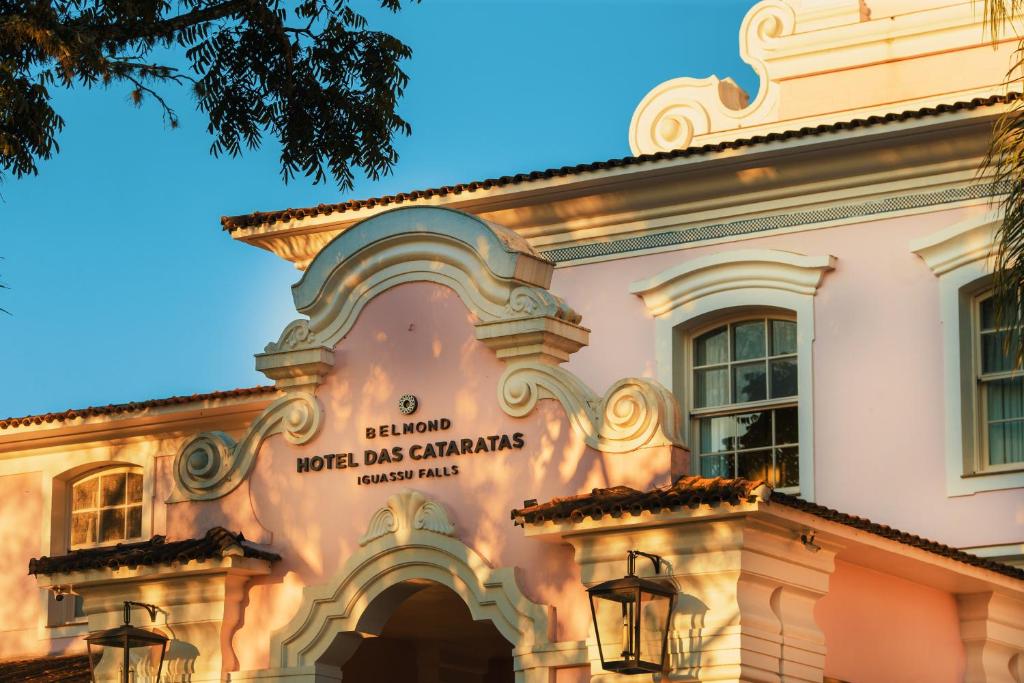
The Belmond Hotel das Cataratas is the only hotel inside the national park: you walk along the falls before and after opening hours without other visitors. In the town of Foz do Iguaçu there is a wide choice in tourist class and mid-range, 15 to 20 minutes from the park; on the Argentinian side, Puerto Iguazú is an atmospheric alternative.
Restaurant tips for Foz do Iguaçu
- Churrascaria do Gaúcho: traditional Brazilian churrascaria, where the meat is carved at the table from large skewers.
- Restaurante Barracão: local buffet restaurant with meat, fish and typical side dishes such as feijoada.
- Itaipu Restaurant: next to the Itaipu Dam, with a view and local and international dishes; ideal after a guided tour.
- La Mafia Trattoria: Italian in a 1920s atmosphere.
- Capitão Bar: informal, with fresh fish and a terrace on the Paraná River.
Combines well with
Foz do Iguaçu is a 2-hour flight from Rio de Janeiro and São Paulo and fits into almost any round trip. Popular onward destinations are Bonito and the Southern Pantanal (via Campo Grande), Curitiba and Florianópolis in the south, or Buenos Aires on the Argentinian side. Examples: the Foz do Iguaçu package and the round trips Rio, Costa Verde & Iguaçu, Beleza do Sul and Brasil Fantastico.
Frequently asked questions about Foz do Iguaçu
Which side of the falls is the most beautiful: Brazil or Argentina?
Both, for different reasons: Brazil gives you the complete overview, Argentina takes you to just above the Devil's Throat. If you only have one day, choose the Argentinian side.
Do I need a visa for the Argentinian side?
No, not with a Dutch passport. You cross the border with your passport; our guide takes care of the formalities.
How many days are needed?
Two nights are enough for both sides; with the bird park, the boat trip or Itaipu it becomes three nights.
What does admission to the parks cost?
Approx. € 30,- per person per park (Brazil and Argentina separately), payable on site and not included in our packages.
Tip from Brazil Travel Specialist
Save the Argentinian side for a day with an early start. Bring a rain poncho and a waterproof cover for your phone: at the Devil's Throat you will get wet anyway.




Rio de Janeiro
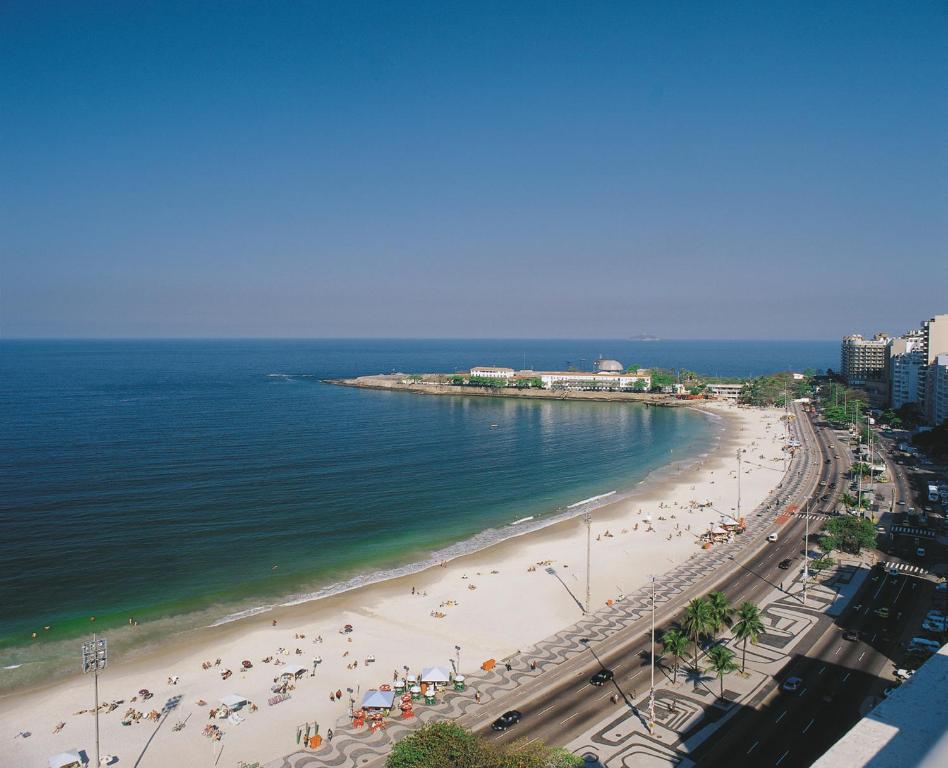
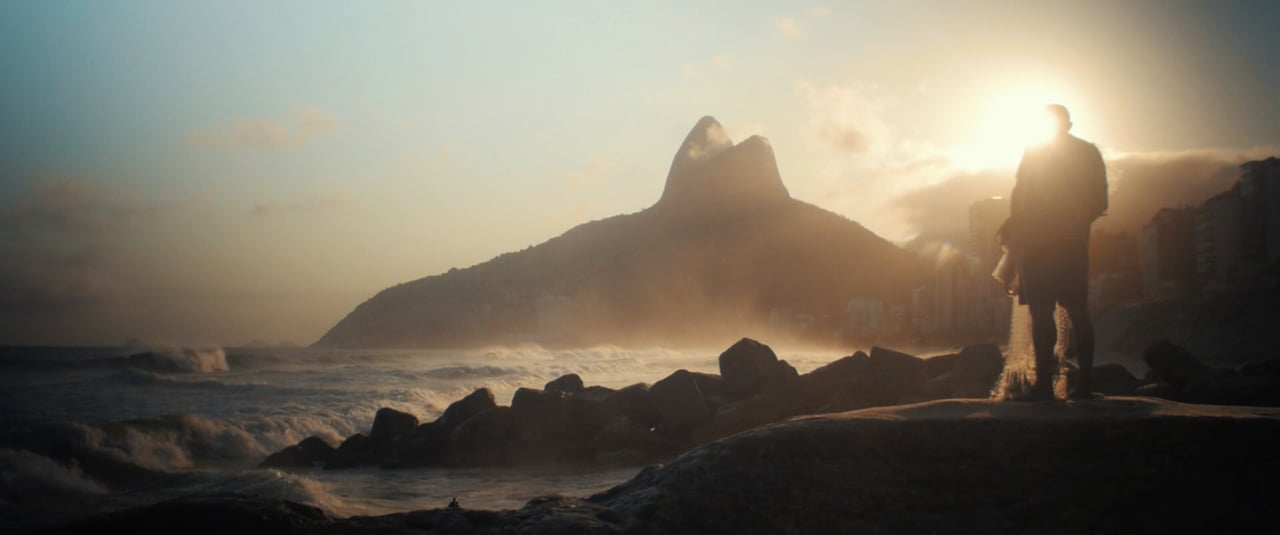
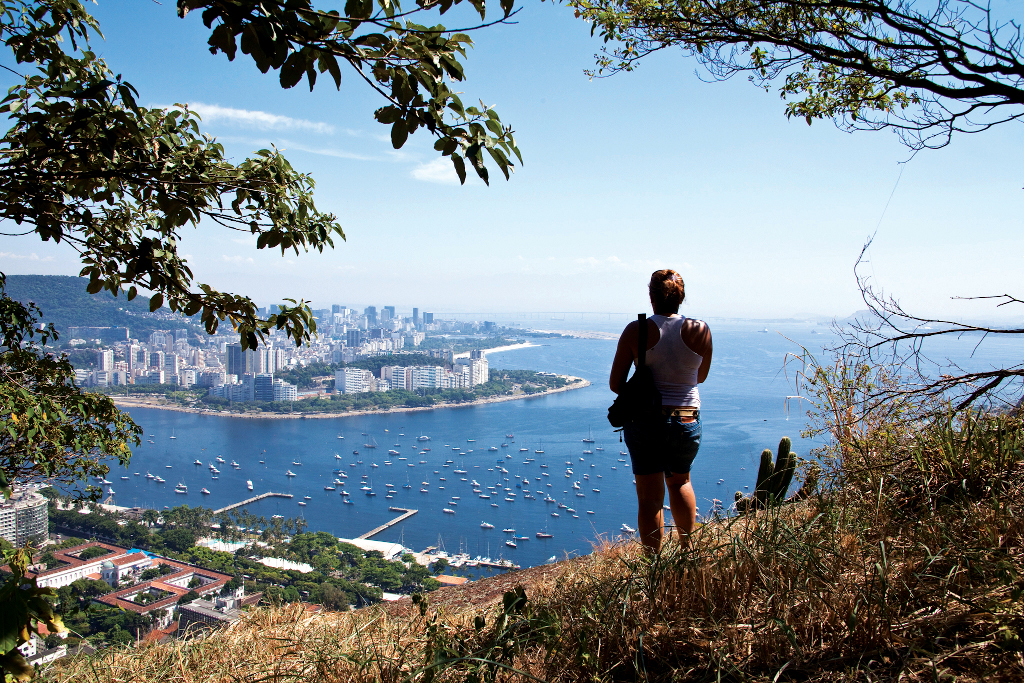
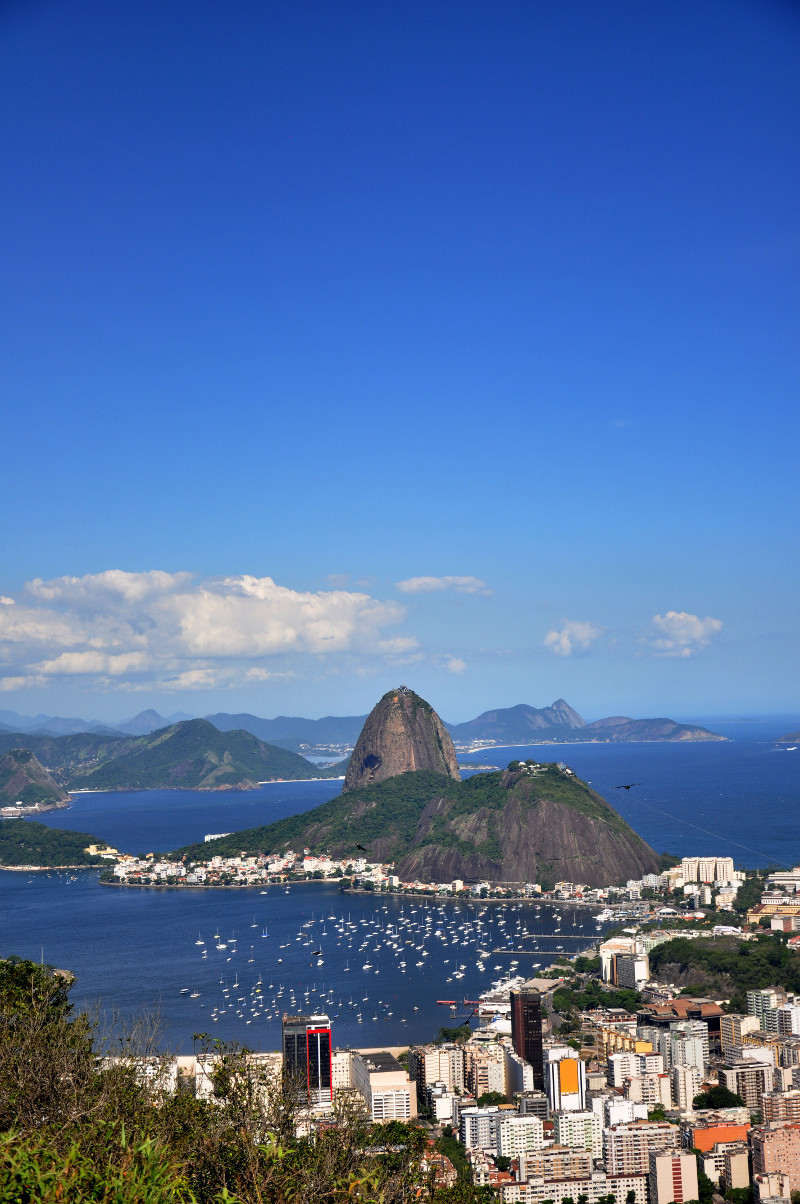
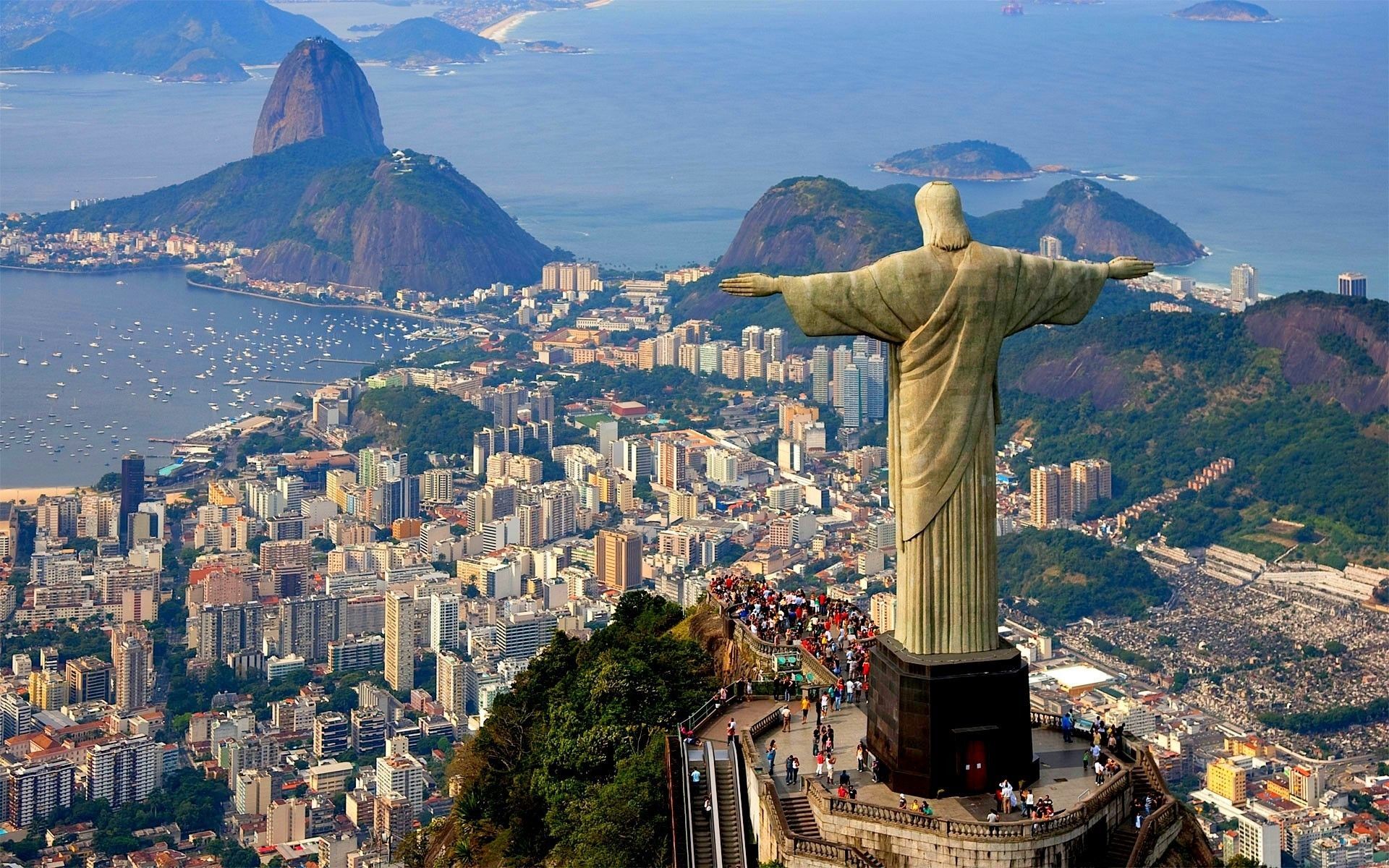
6 / 7Rio de Janeiro is the best-known city in Brazil and the ideal start or end point of a round trip: KLM flies direct from Amsterdam every day (approx. 11.5 hours). Allow 3 to 4 nights for the statue of Christ the Redeemer, Sugarloaf Mountain, the beaches of Copacabana and Ipanema and the neighbourhoods of Lapa and Santa Teresa. Best time to travel: April to October, drier and pleasantly warm; carnival falls in February or early March.
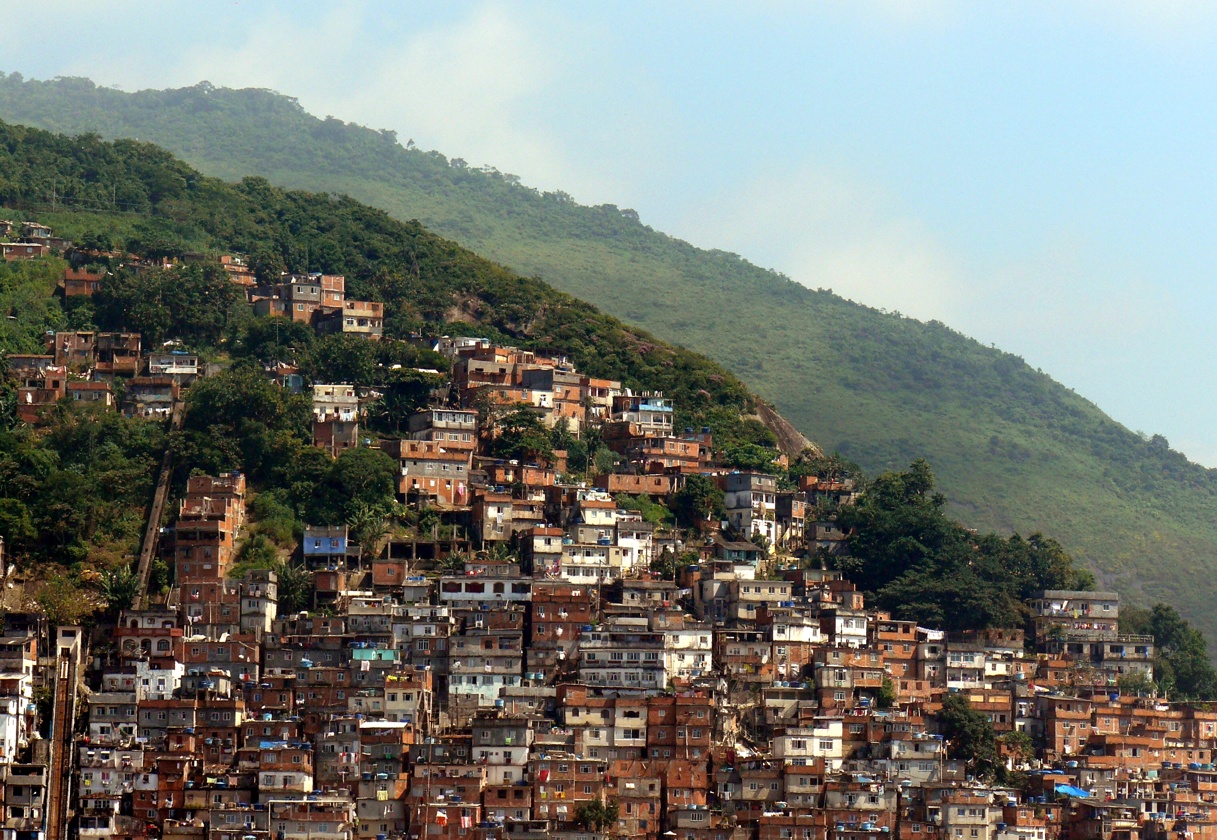
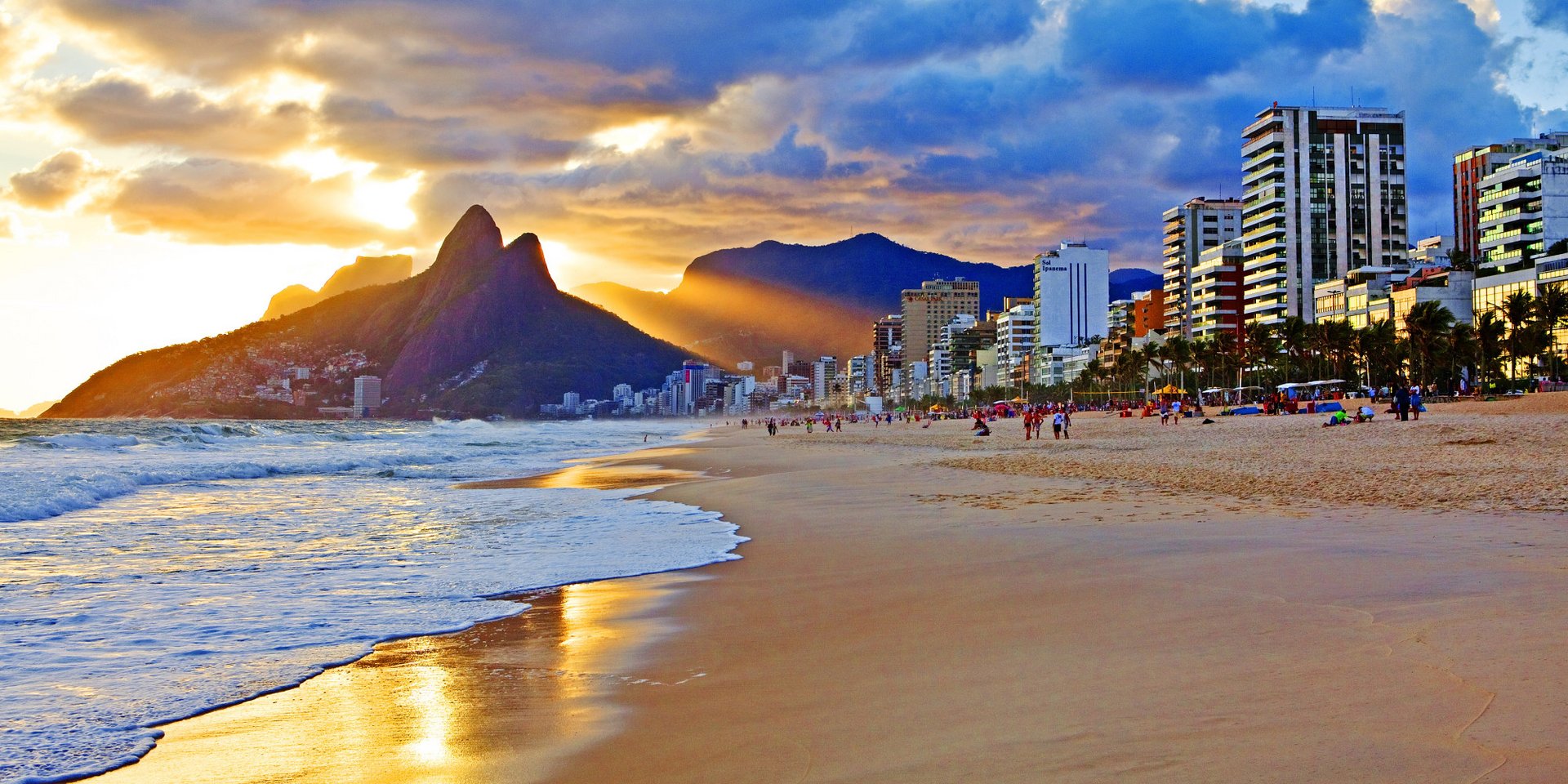
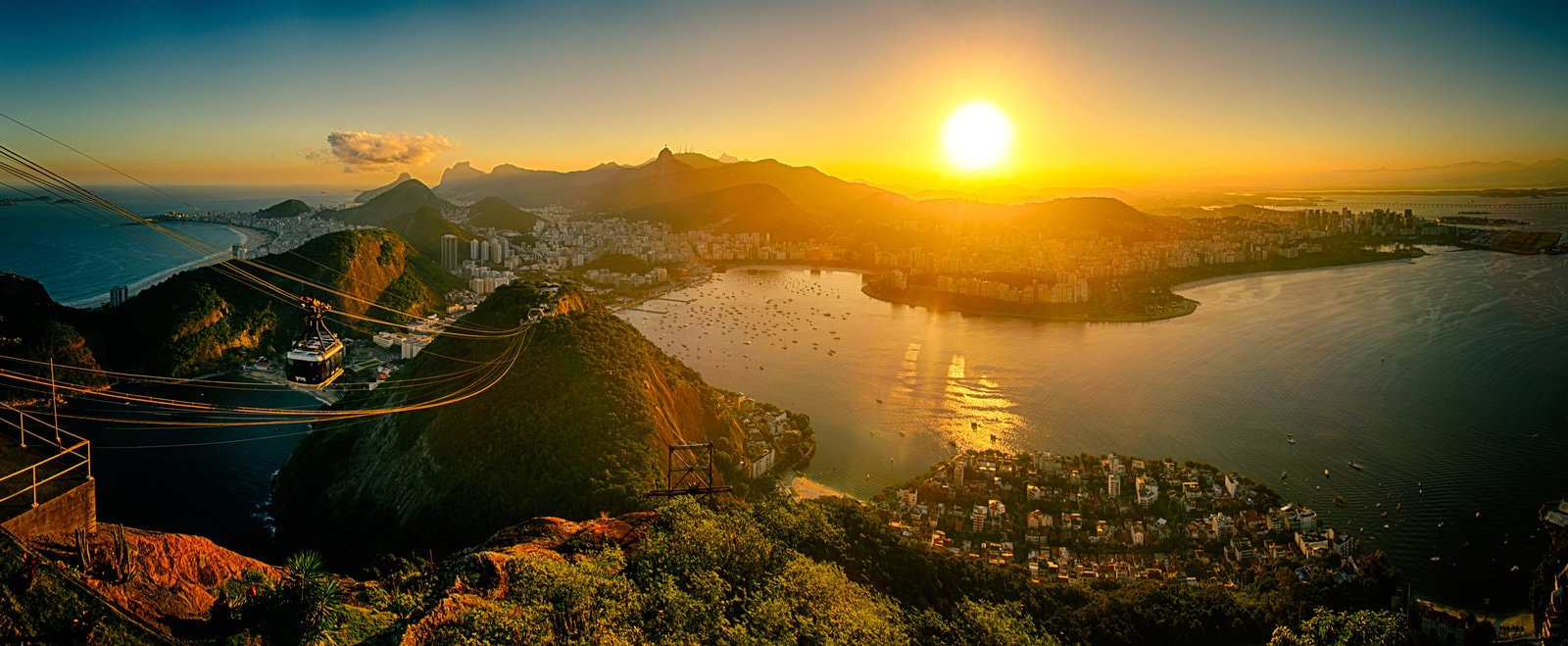
Rio de Janeiro, the 'Cidade Maravilhosa', is a mix of green mountains rising out of the ocean, golden beaches and a vibrant metropolis. The inhabitants, the Cariocas, are known for their zest for life. Below you will find what our specialists pass on to you for a successful stay.
Highlights of Rio de Janeiro
- Corcovado and the statue of Christ the Redeemer: take the little cog railway up through the Tijuca rainforest to the 38-metre-high statue, with the most complete panorama of the city. Go early in the morning: fewer crowds and often a clearer view.
- Sugarloaf Mountain (Pão de Açúcar): two cable cars to the top of the granite rock; at sunset the most beautiful view over Guanabara Bay and Copacabana.
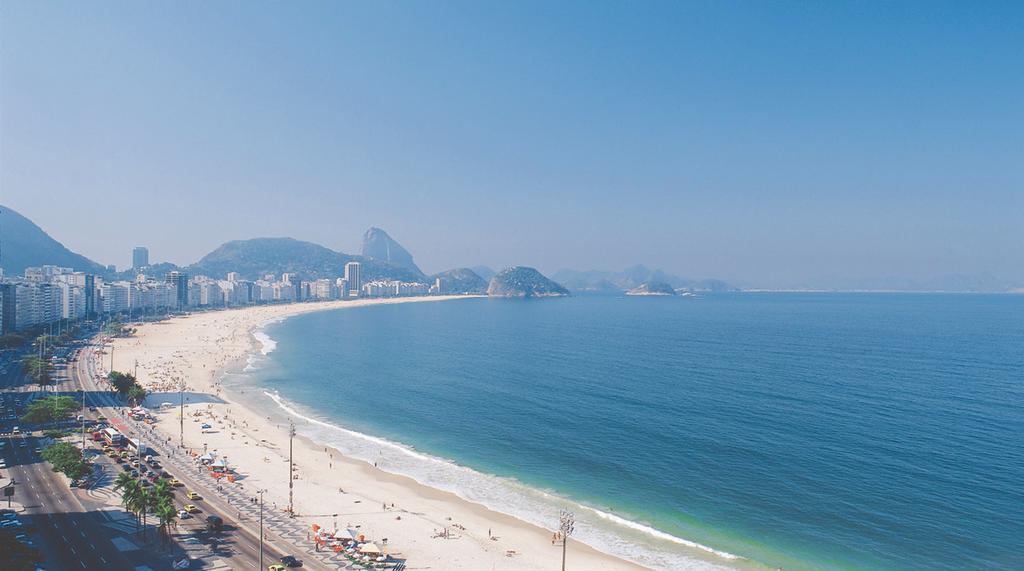
- Copacabana and Ipanema: the most famous beaches in the world, with footvolley, beach kiosks and an ice-cold caipirinha. On Sundays the seafront boulevard is car-free: hire a bike and cycle along with the Cariocas.
- Lapa and Santa Teresa: the bohemian heart of the city. In Lapa live samba in the evening; during the day, climb the colourful Escadaria Selarón steps up to artistic Santa Teresa with its studios and viewpoints.
- Tijuca National Park: a complete rainforest in the middle of the city. The Vista Chinesa viewpoint is a lesser-known but magnificent panorama.
- Sambadrome: during carnival, the parades of the samba schools; outside carnival, the samba schools' rehearsals (August to January) are a fun alternative.
Best time to visit Rio de Janeiro
Rio can be visited all year round. From April to October it is drier and pleasantly warm (22–28 °C), ideal for the city, the beach and the viewpoints. December to March is the Brazilian summer: hot (30 °C and above), humid and with tropical showers in the late afternoon, but also the time of carnival and the liveliest beach atmosphere. In June and July it can be cool in the evening (around 18 °C). Around New Year and carnival, hotels are full well in advance; book in good time for those periods.
Getting there and travel time
KLM flies direct from Amsterdam to Rio de Janeiro (Galeão airport, GIG) every day; TAP via Lisbon is also a good option. Domestic flights depart from GIG and from the centrally located Santos Dumont (SDU). We arrange a private transfer from the airport to your hotel (30–60 minutes to the Zona Sul). From Rio you can reach the Costa Verde by car: Ilha Grande in approx. 2.5 hours plus a boat trip, Paraty in approx. 4 hours and Búzios in approx. 2.5 hours.
How many days in Rio de Janeiro?
We recommend 3 to 4 nights: one day for Corcovado and Sugarloaf Mountain, one day for Lapa, Santa Teresa and the centre, and time for the beach and an excursion such as a cycling tour along the boulevards or a walk in the Tijuca park. If you are coming for carnival, plan 4 to 5 nights.
Where to stay in Rio de Janeiro?
Copacabana and Ipanema are the best base: safe, on the beach and with restaurants and bars within walking distance. Leblon is quieter and more upmarket; Santa Teresa is full of atmosphere but less practical for the beach. See the hotels tab of our packages for our selection in tourist class and superior class.
Culinary Rio: our restaurant tips
- Churrascaria Palace (Copacabana): award-winning churrascaria where waiters bring skewers of grilled meat to your table. A must for meat lovers.
- Aprazível (Santa Teresa): authentic Brazilian dishes with a panoramic view over the city.
- Bar do Mineiro (Santa Teresa): informal and local, the place for a traditional feijoada.
- Zazá Bistrô Tropical (Ipanema): colourful and creative, a feast for the eyes and the palate.
- Sushi Leblon (Leblon): one of the most renowned Japanese restaurants in Brazil.
Combines well with
Rio is the perfect starting point for almost any route through Brazil. Popular combinations are the car-free island of Ilha Grande and colonial Paraty on the Costa Verde, the seaside resort of Búzios, the waterfalls of Foz do Iguaçu (2-hour flight) and the wildlife of the Pantanal. As an example, take a look at our Rio de Janeiro city package or the round trips Parels van Rio and Rio, Costa Verde & Iguaçu.
Frequently asked questions about Rio de Janeiro
Is Rio de Janeiro safe for tourists?
Yes, with the usual precautions: stay in the Zona Sul (Copacabana, Ipanema, Leblon), do not wear visible jewellery or carry expensive cameras in the street, use a taxi or app-based taxi in the evening and leave valuables in the hotel safe. Our local representatives will give you up-to-date tips on arrival.
How many days do I need for Rio?
Three to four nights are enough for the highlights and a beach day; with carnival or a day trip to Petrópolis or Búzios, allow an extra day.
When is carnival in Rio?
Carnival falls every year in February or early March (the week before Ash Wednesday). The parades in the Sambadrome are the highlight; we arrange tickets and hotels well in advance.
Can I combine Rio with the beach?
Certainly: Ilha Grande and Búzios are a few hours' drive away and are ideal as the finale of a round trip.
Tip from Brazil Travel Specialist
Plan a cycling tour through Copacabana and the little neighbourhoods behind it to get a good picture of the area straight away. Rio can be overwhelming; together with you we choose the hotel in the right location and arrange the excursions with English-speaking guides. Contact us for a no-obligation travel proposal.
Ilha Grande
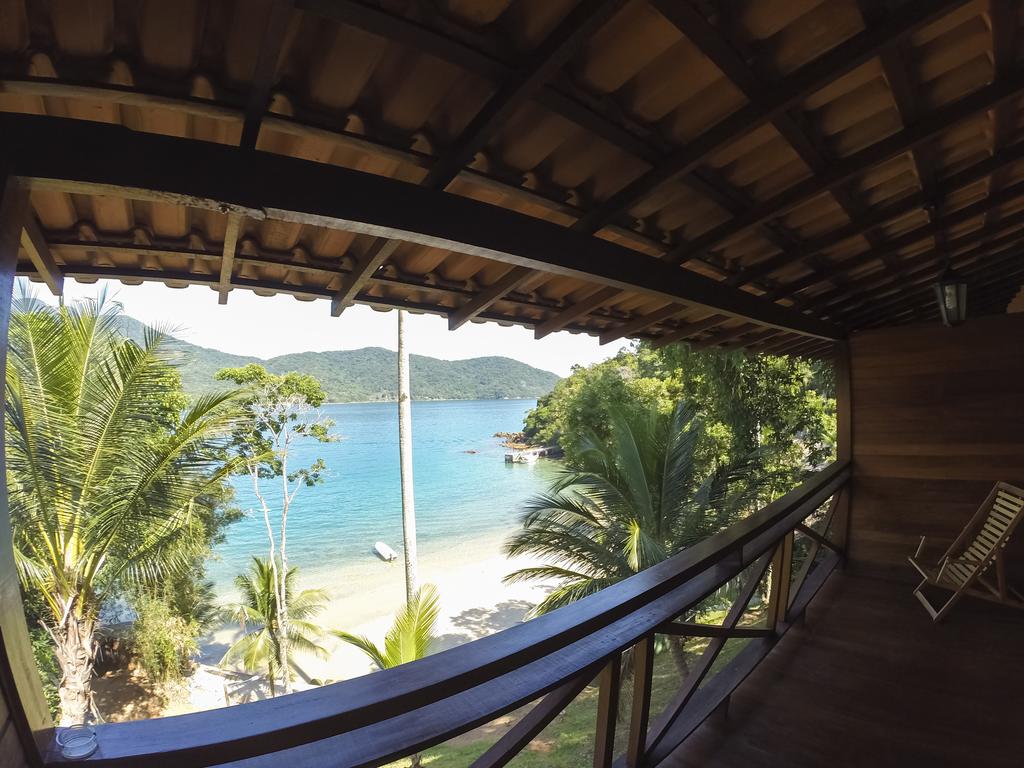
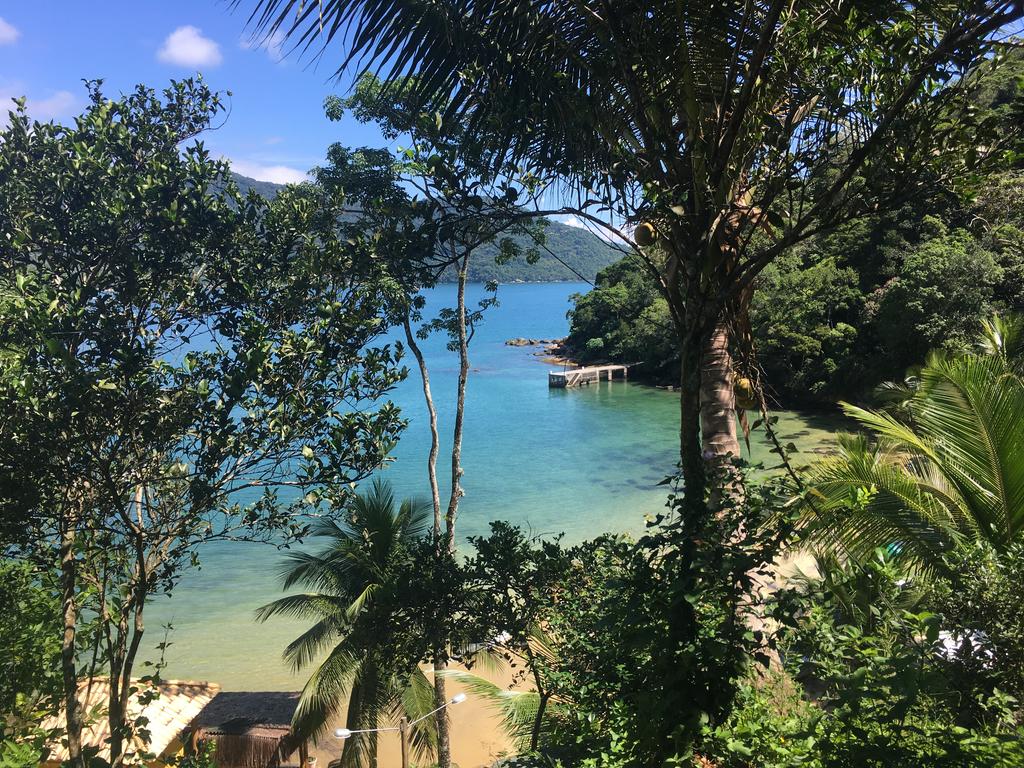
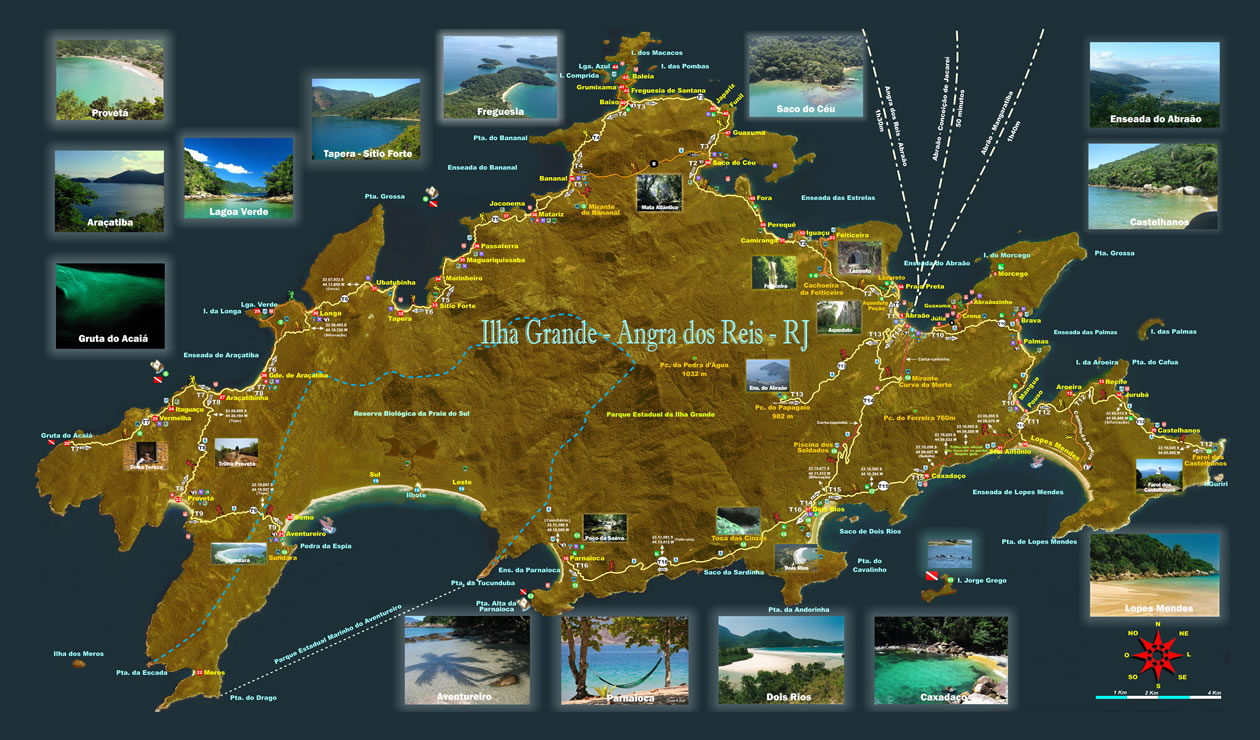
7 / 7Ilha Grande is a car-free island 100 kilometres from Rio de Janeiro, almost entirely covered in Atlantic rainforest and fringed by more than a hundred beaches, including Lopes Mendes. You reach it by boat from Conceição de Jacareí or Angra dos Reis (approx. 3 hours from Rio). Allow 3 nights; best time to visit April to October.
The island was once a pirate hideout, quarantine station and prison island; since the prison closed in 1994, it has been a natural paradise without cars. The village of Vila do Abraão is the only real settlement: pousadas, restaurants and the harbour from which the boat trips depart.
Highlights of Ilha Grande
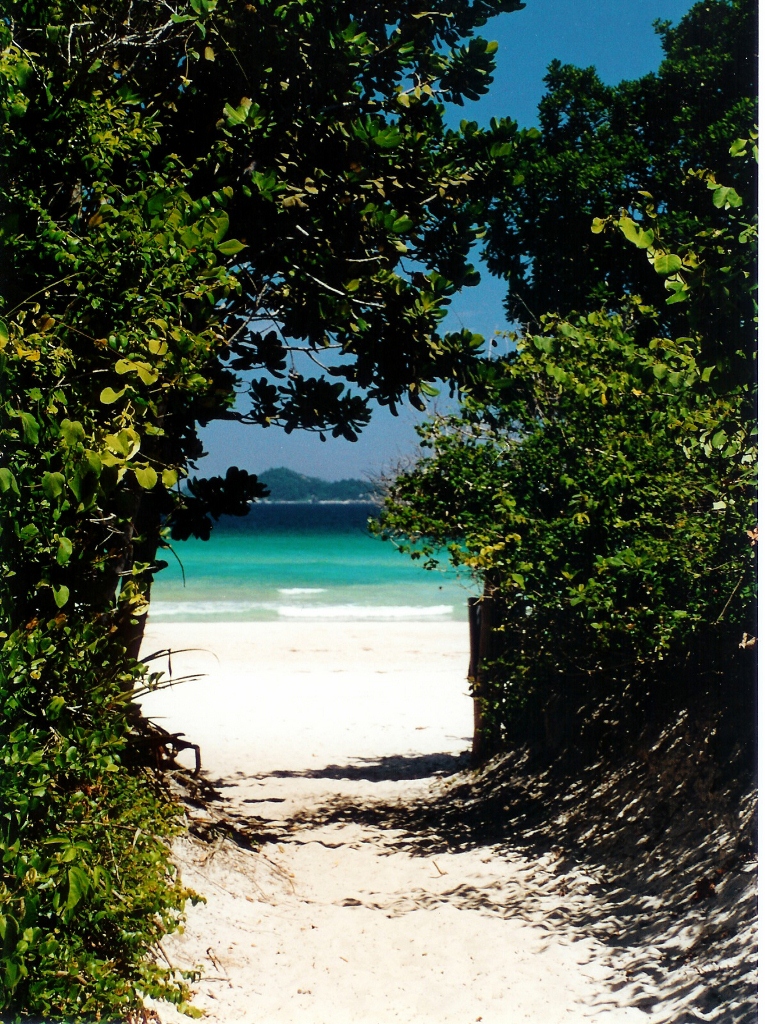
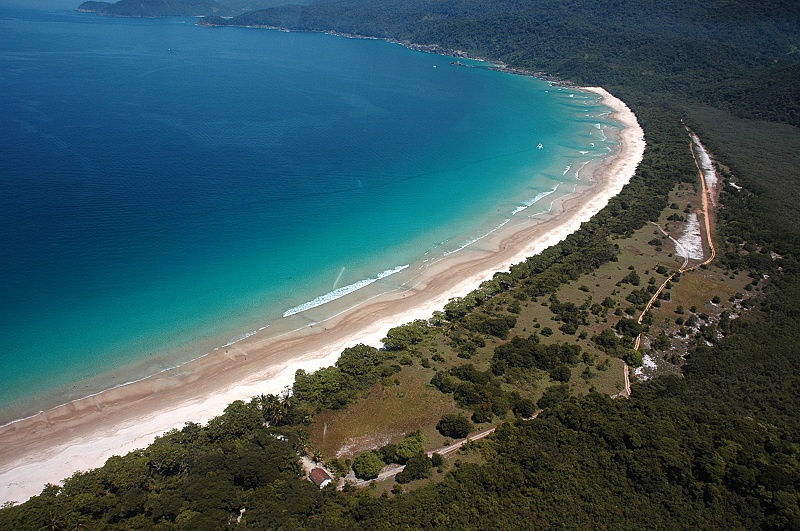
- Praia de Lopes Mendes: three kilometres of powdery sand and turquoise water, often named the most beautiful beach in Brazil; by boat to Pouso and then a 20-minute walk.
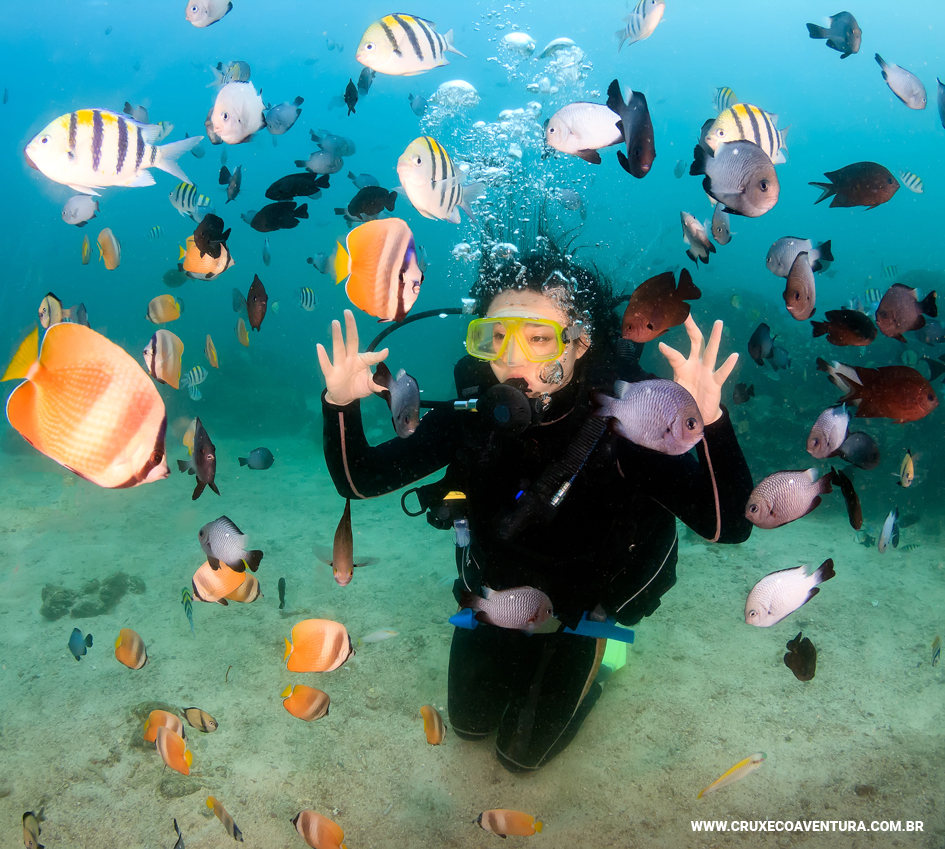
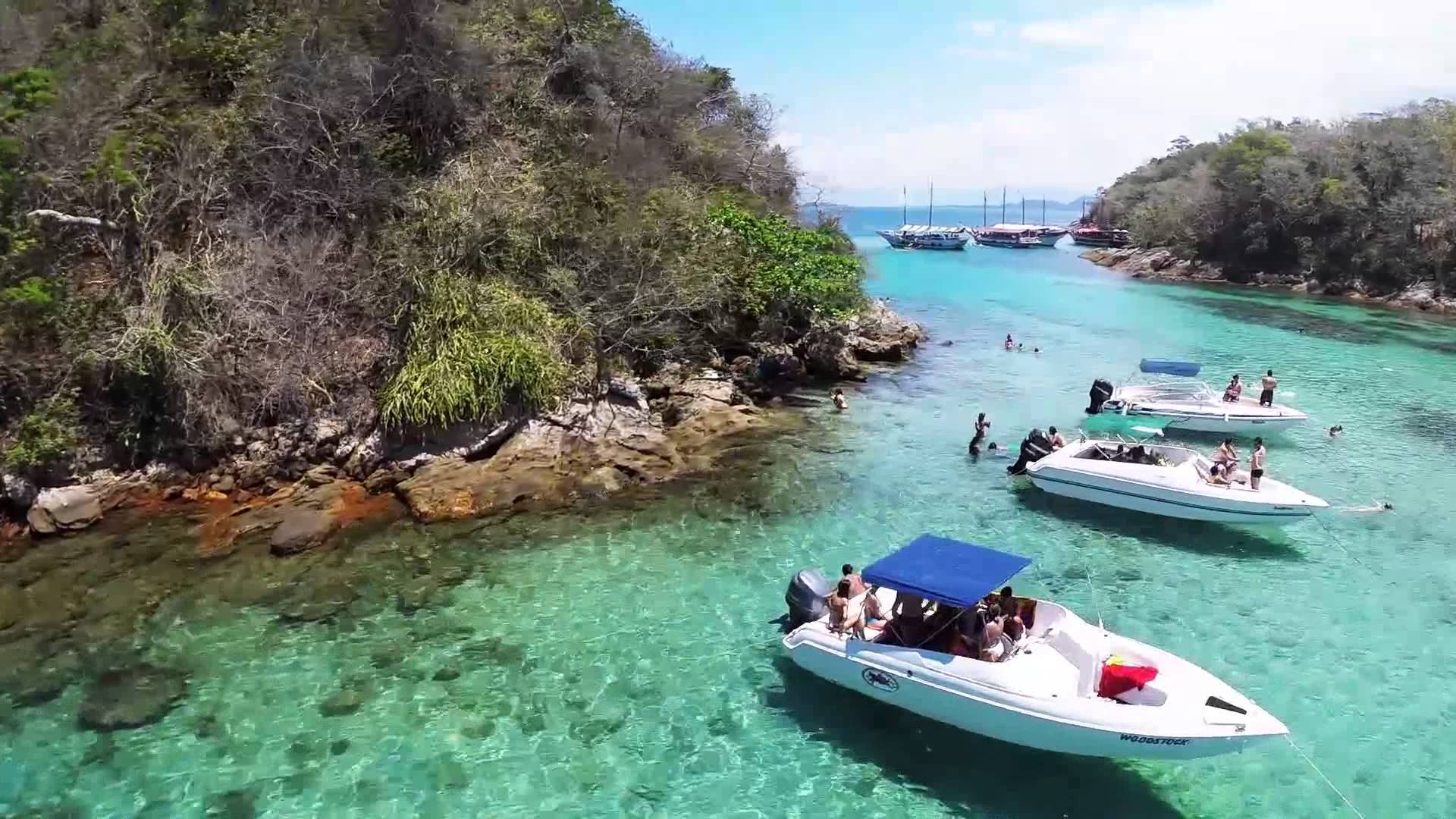
- Boat trip around the island: with stops at Lagoa Azul and Lagoa Verde to snorkel among the fish.
- Walking: from short trails to the Cachoeira da Feiticeira to the climb up Pico do Papagaio (982 m) at sunrise.
- Dois Rios: the abandoned prison village on the other side of the island, on foot or by jeep.
- Saco do Céu and Praia do Aventureiro: a mirror-smooth bay and a remote beach with the famous leaning palm.
Best time to visit Ilha Grande
From April to October it is drier, quiet and pleasant (22–27 °C); July and August can be cool for swimming. The summer (December to March) is hot and wet, with the most rain and the biggest crowds around New Year and carnival. The island can be visited all year round; short tropical showers are part of it.
Getting there and travel time
From Rio de Janeiro you drive in 2 to 2.5 hours to Conceição de Jacareí, from where a fast boat sails to Vila do Abraão in 20 minutes; from Angra dos Reis the ferry takes approx. 1.5 hours. We arrange the transfer and the boat, also from Paraty (2 hours by boat). On the island everything is done on foot or by small boat; luggage is taken by cart from the jetty to your pousada.
How many days on Ilha Grande?
We recommend 3 nights: a day at Lopes Mendes, a day on a boat trip around the island and a day of walking or simply doing nothing. Two nights are enough as a short beach break between Rio and Paraty.
Where to stay on Ilha Grande?
Most pousadas are in Vila do Abraão, within walking distance of restaurants and the harbour; those looking for peace and quiet choose a pousada on one of the bays outside the village, such as at Praia Grande das Palmas or Araçatiba, accessible by boat only.
Combines well with
Together with Rio de Janeiro and Paraty, Ilha Grande forms the classic Costa Verde route; Angra dos Reis is the alternative for those who want an all-inclusive resort. Examples: Ilha Grande package, Parels van Rio and Rio, Costa Verde & Iguaçu.
Frequently asked questions about Ilha Grande
Are there cars or cash machines on Ilha Grande?
No cars; there is one cash machine in Abraão that does not always work. Bring cash with you; most pousadas and restaurants do accept cards.
Can I go to Ilha Grande with children?
Yes, the beaches near Abraão are calm and the boat trips are short. Lopes Mendes requires a 20-minute walk.
Ilha Grande or Búzios?
Ilha Grande for nature, walking and unspoilt beaches; Búzios for a seaside resort with shops, restaurants and nightlife.
What about mosquitoes and borrachudos?
There are small biting flies, especially at the end of the afternoon; a good insect repellent is sufficient.
Tip from Brazil Travel Specialist
Go to Lopes Mendes on the first boat of the morning: then you will have the beach almost to yourself. Plan Ilha Grande before Paraty, so that you travel on by boat and skip the drive back to the mainland.