



remarks
- Day 01: 4 October 2027 (Arrival in São Paulo, shuttle bus to the airport hotel, start of land package)
- Day 16: 19 October 2027 (End of land package: private transfer from Chapada dos Guimarães to Cuiabá airport for the return flight)
Price of the land package:
- € 5,288 per person, based on 2 people sharing one double room
- Discount if you confirm up to and including 5 November 2026: € 200 per person; price of the trip after discount € 5,088 per person.
- After your confirmation we will book all parts of the trip, and once we have received all confirmed travel elements (this takes a number of days) we will send the travel documents and invoice.
- The deposit for this trip is 20% of the price of the trip and the remaining amount must be paid 6 weeks before departure.
Price of the flight package:
- The international flights to São Paulo and back from Cuiabá and the domestic flight São Paulo – Campo Grande are not available at the moment; the flight package with price and flight schedule will follow as a supplement to this proposal.
- Flights are day prices, are guaranteed upon issue, must be paid 100% in advance and are invoiced separately.
Included:
- All hotels and meals mentioned, see hotels tab
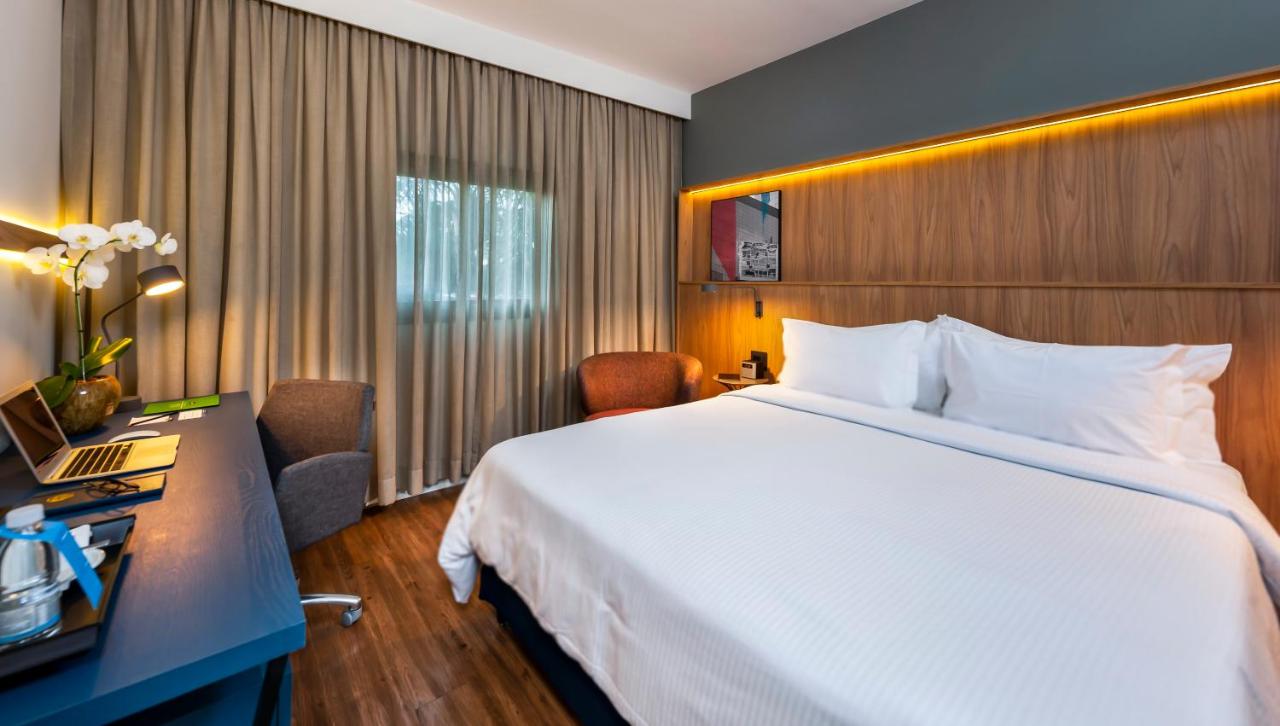
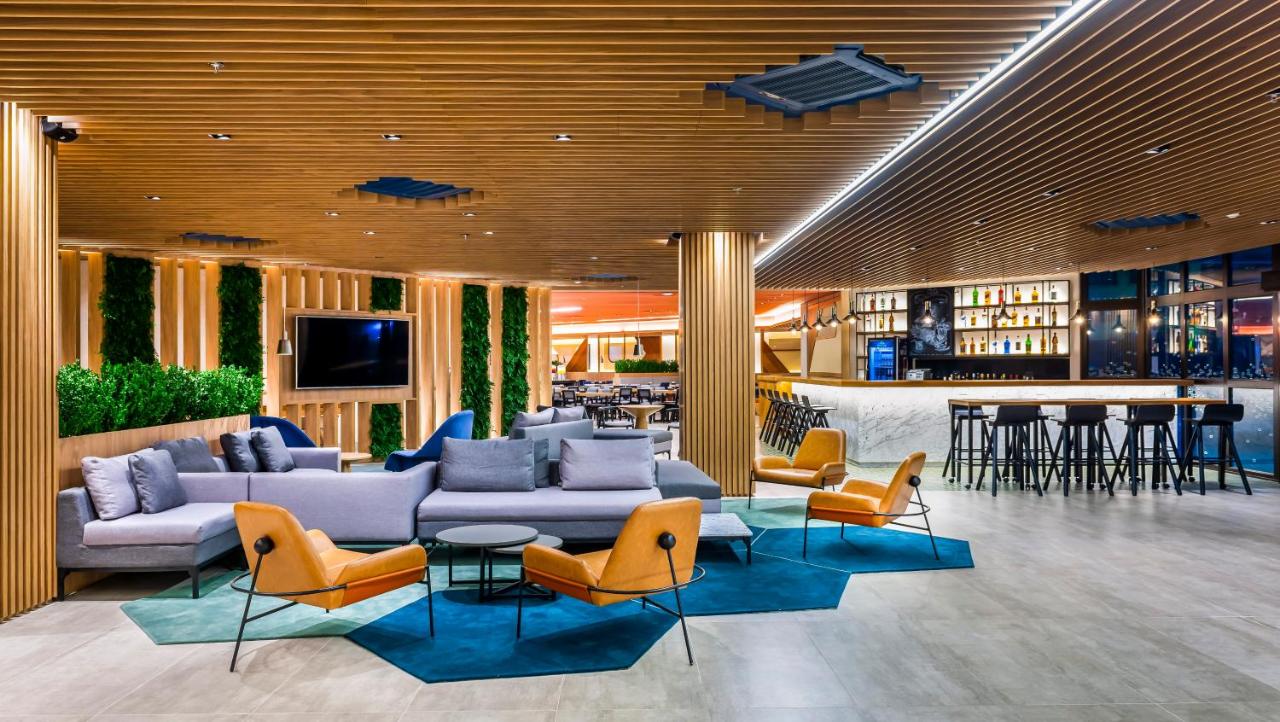
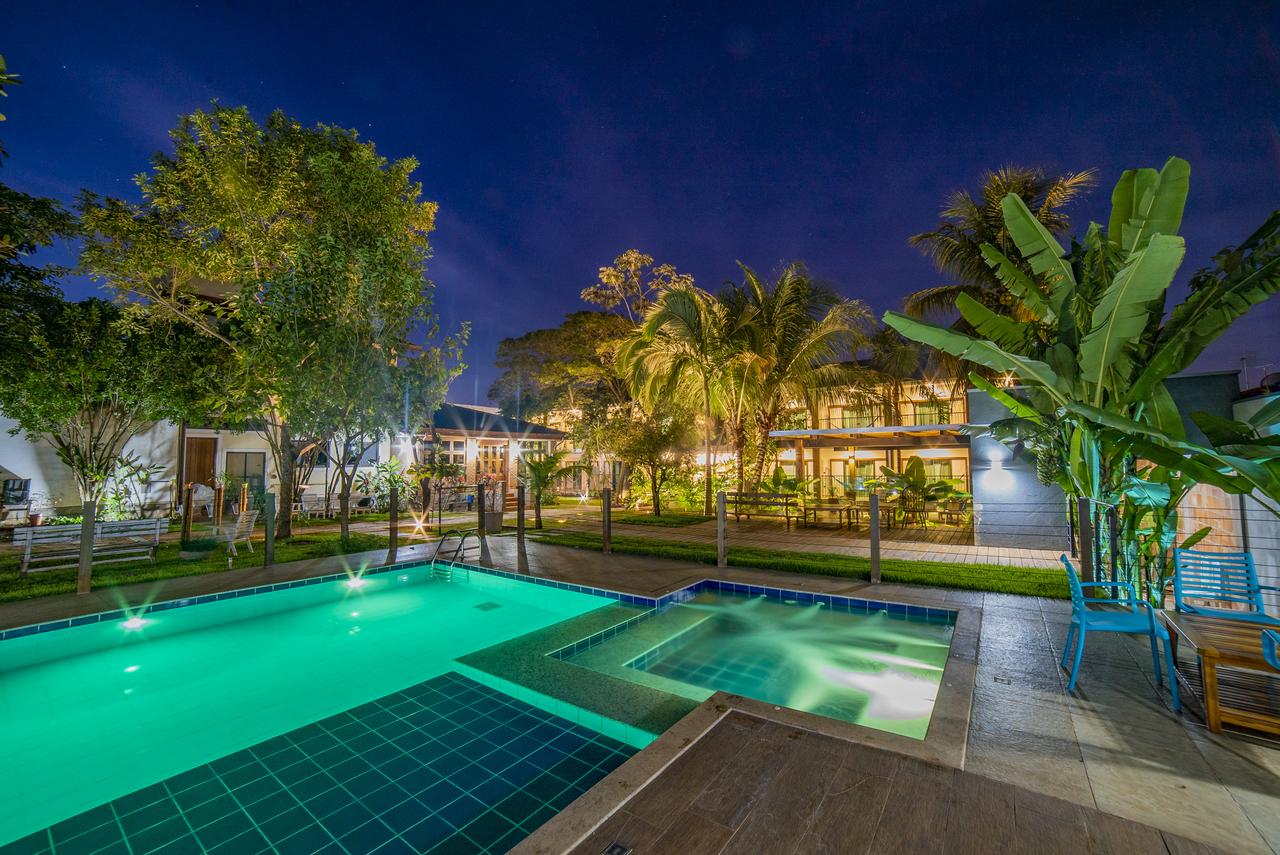
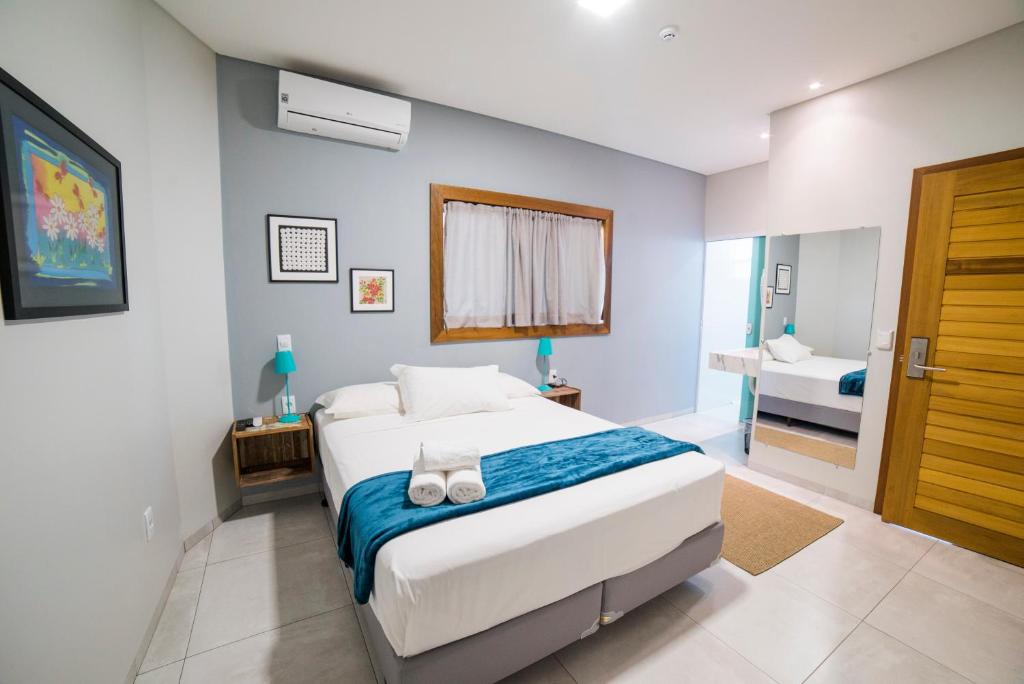
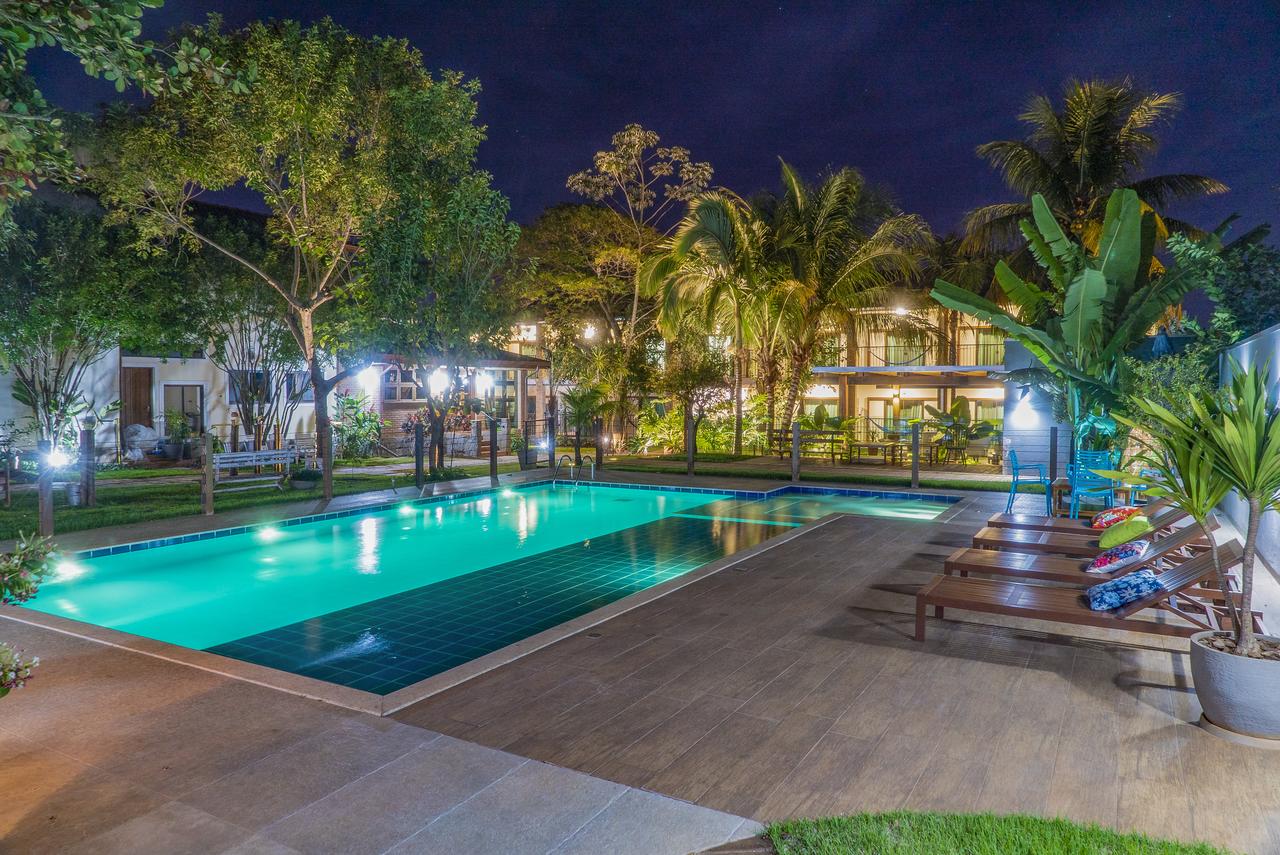
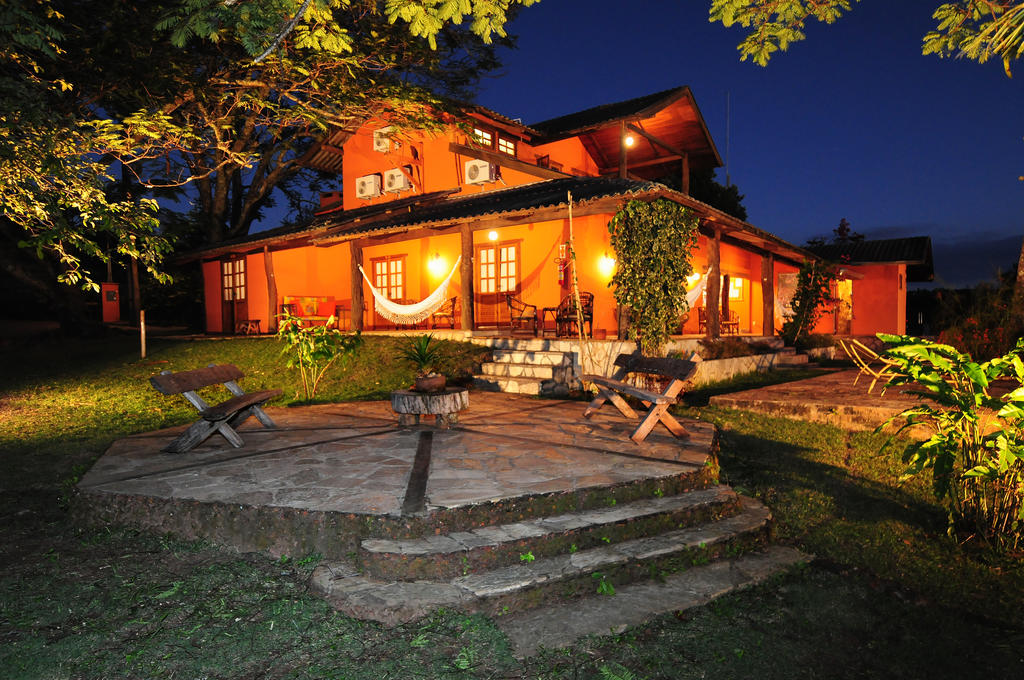
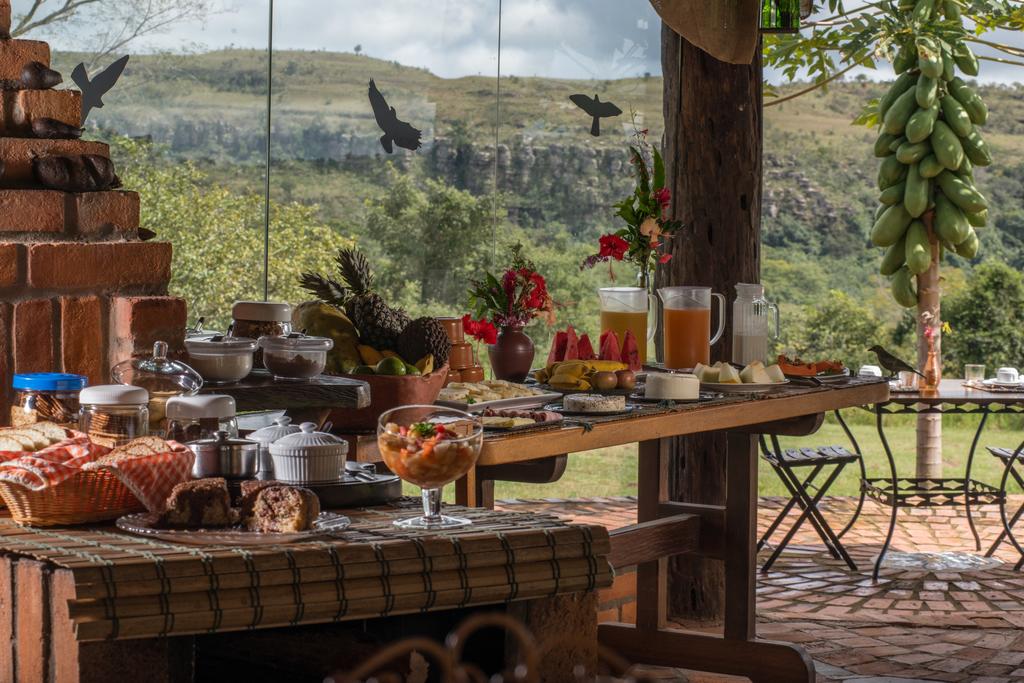
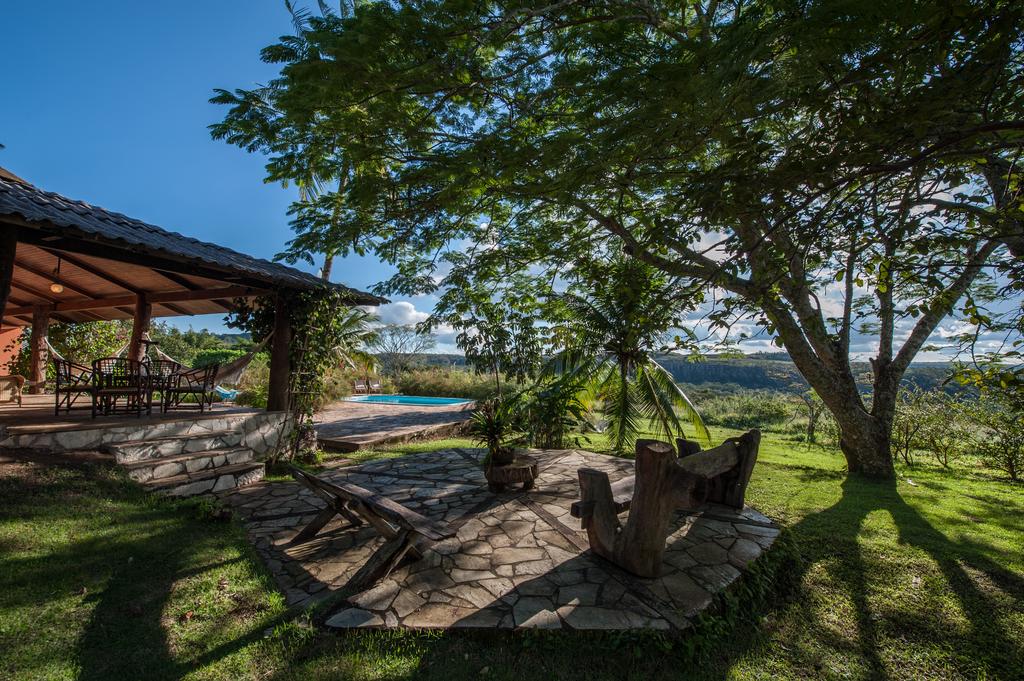
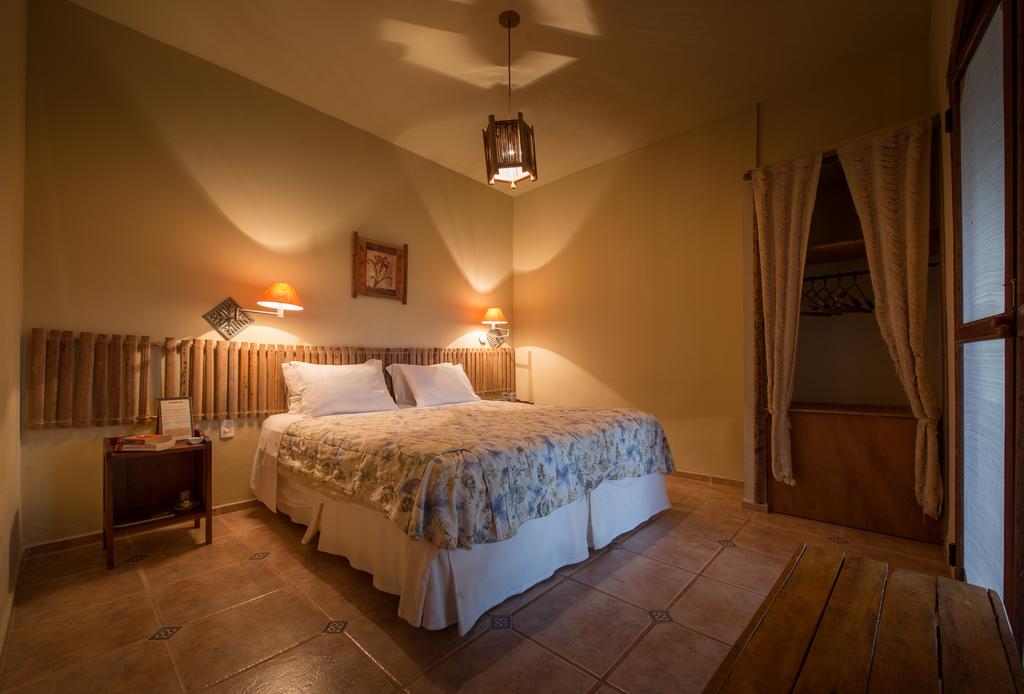
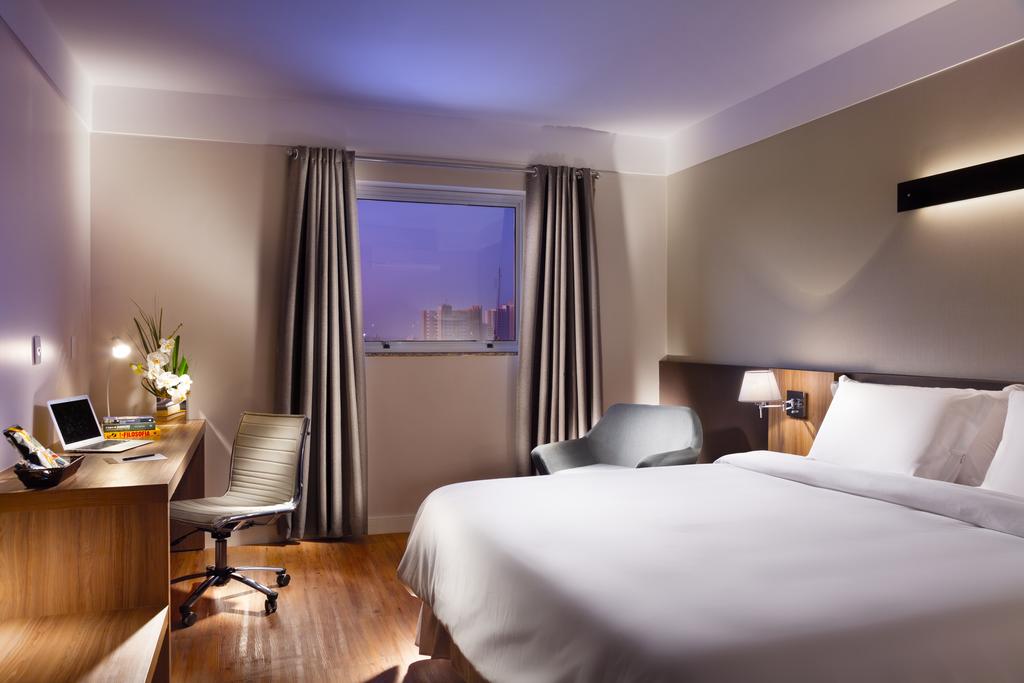
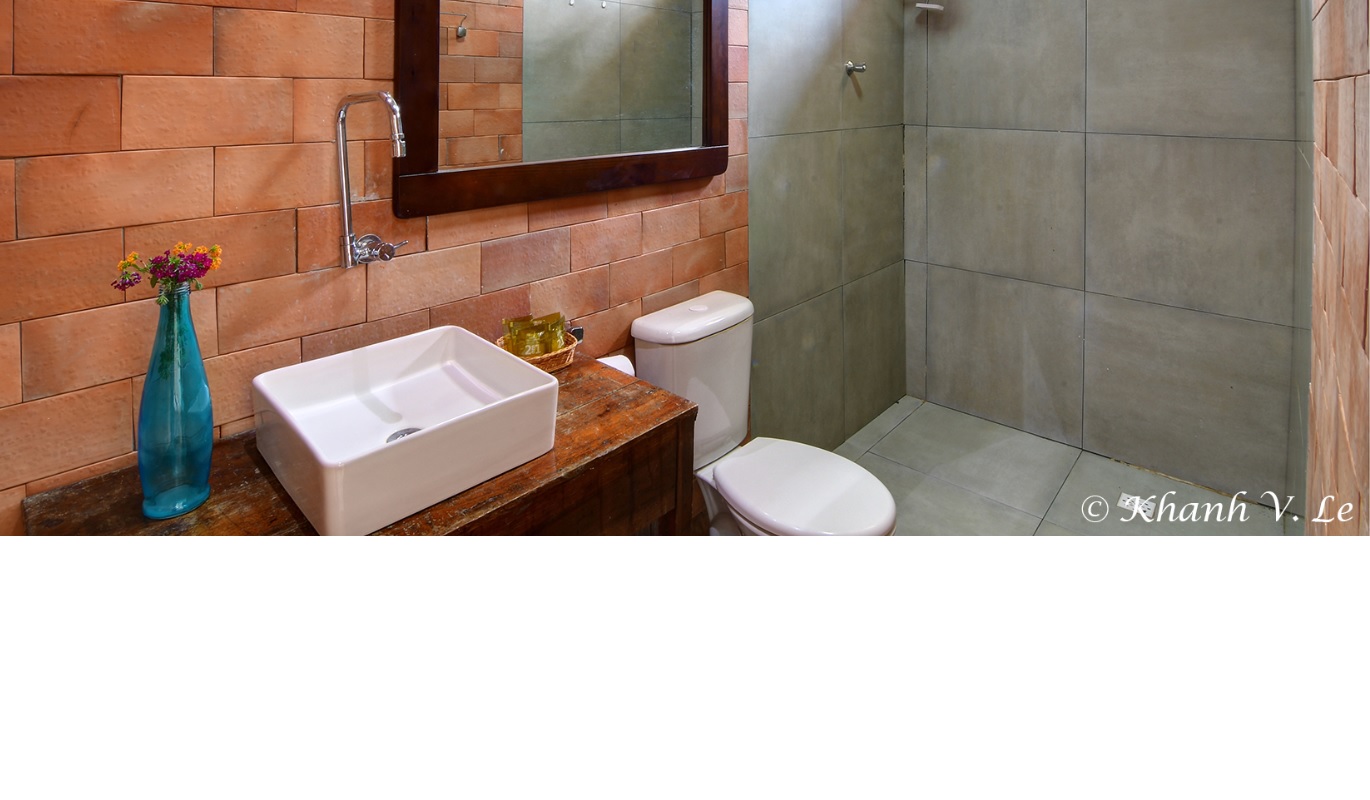
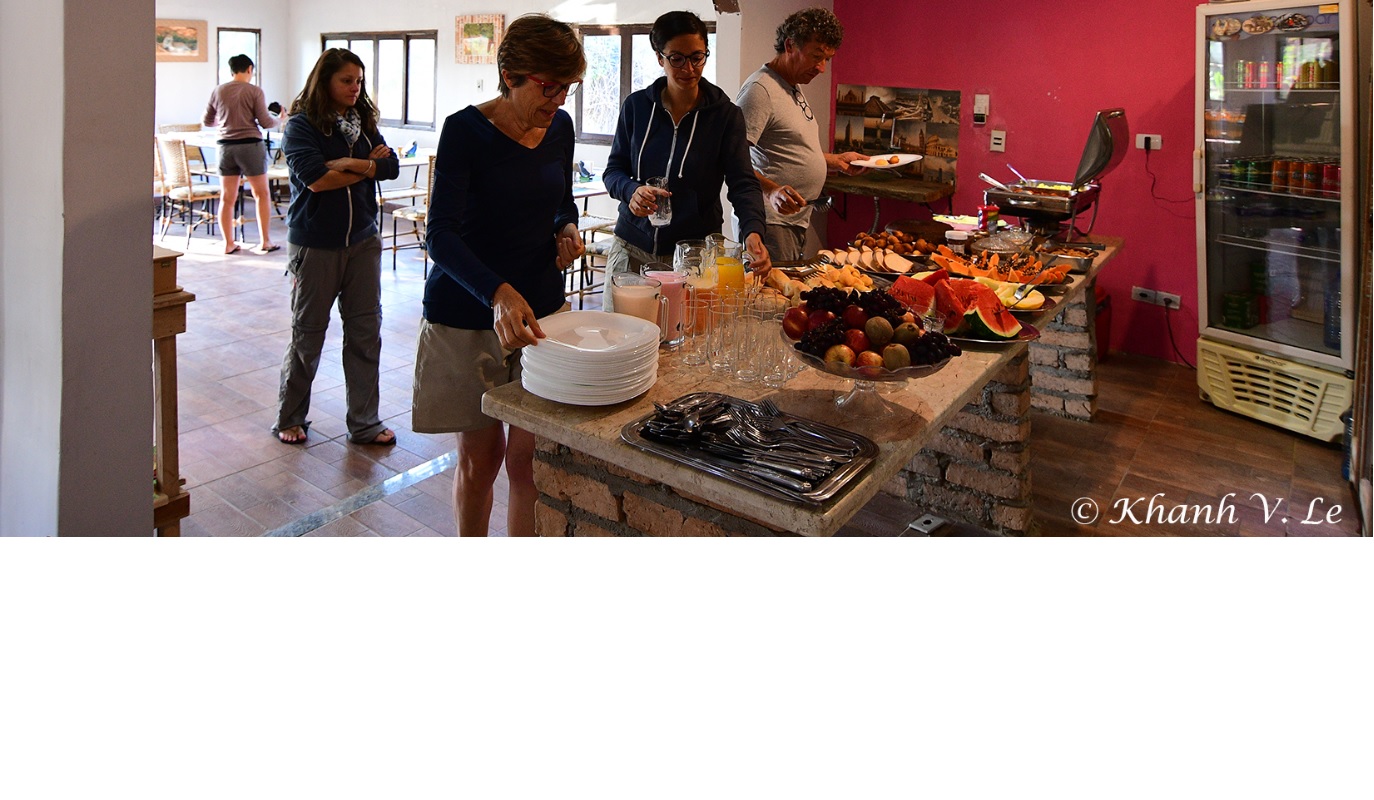
One night in São Paulo (Hampton by Hilton Guarulhos), three nights in Bonito (Pousada Gira Sol), four nights during the Pantanal Cerrado expedition (full board including excursions), one night in Cuiabá (Delmond Hotel), four nights in the northern Pantanal (Jaguar Ecological Reserve, full board including excursions) and two nights in Chapada dos Guimarães (Pousada do Parque), in one double room, including breakfast. - Transport;
All transfers mentioned: private transfer Campo Grande airport – Bonito, private pick-up in Bonito and private drop-off in Cuiabá for the Pantanal Cerrado expedition, private transfer Cuiabá – Chapada dos Guimarães and Chapada dos Guimarães – Cuiabá airport. The transfers to and from the Jaguar Ecological Reserve are part of the lodge package; in São Paulo you use the free shuttle bus of the airport hotel. - Excursions;
Excursions mentioned in the excursions tab or the day-by-day description: river snorkelling in the Rio da Prata with a visit to the Buraco das Araras and the Gruta do Lago Azul (both shared, including transfers), the full programme of the five-day Pantanal Cerrado expedition with an English-speaking guide, the excursion package of the Jaguar Ecological Reserve (shared excursions, including two boat trips from Porto Jofre) and a day tour by 4x4 through Chapada dos Guimarães to Cidade de Pedra and Vale do Rio Claro. - Travel assistance;
During the trip we offer local representation on the spot at each destination in Brazil, whom you can turn to for tips, travel support and optional excursions. This way you enjoy the freedom of travelling independently, but always with support on the spot. - The general terms and conditions of BRS apply to this trip. https://www.braziltravelspecialist.com/terms-and-conditions
- Sustainable travel: Our mission is not only to let you experience the breathtaking beauty of Brazil, but also to actively contribute to its preservation. By choosing a trip with Brazil Travel Specialist, you contribute directly to the reforestation efforts of the Black Jaguar Foundation. For every booking, part of the proceeds goes to planting trees along the Araguaia River, a crucial biodiversity corridor that connects the Amazon River and the Cerrado savannah.
Every traveller who books with us receives a certificate from the Black Jaguar Foundation as proof of the contribution to this transformative project. This certificate not only gives satisfaction about supporting nature, but also serves as a lasting reminder of your unique travel experience in Brazil. Find more information about the project here. - Guarantees;
Brazil Travel Specialist is a member of VZR Garant, VvKR, DRV and the Calamiteitenfonds. This assures you that BRS meets the strictest standards that can be set for a Dutch travel organisation. VZR Garant protects prepaid travel money of travellers who book a package holiday with a VZR Garant participant. All travel and accommodation agreements are financially covered by VZR-Garant in accordance with the guarantee scheme https://vzr-garant.nl/reizigers - BRS Travel Companion - support on the road
a digital travel assistant for travel tips, practical questions and support with travel problems. - Travel advice Brazil:
Make sure you take out travel insurance that provides cover in case of code orange, corona, repatriation and extended stay.
The most recent travel advice for travel to Brazil can be found on the website of the Ministry of Foreign Affairs. https://www.nederlandwereldwijd.nl/landen/brazilie/reizen/reisadvies
Not included:
- Entrance fees in Bonito that are not included in the excursions.
- Flights (see Price of the flight package).
- Meals and drinks that are not mentioned, tips and personal expenses.
- Any local tourist tax that is levied on the spot.
- Travel and cancellation insurance.
Day-by-day itinerary
Travel details
04.10.2027 São Paulo Guarulhos - Arrival
After arrival at São Paulo airport you can take the free shuttle bus to the hotel. For the rest of the day you can recover from the long flight and get used to the Brazilian climate.
- Choice of tourist class or superior class accommodation during your stay in Guarulhos
05.10.2027 Sao Paulo Guarulhos - Bonito
Today the journey to Bonito is on the programme. You take the free shuttle bus from the airport hotel to the airport, followed by a domestic flight to Campo Grande. After arrival you are welcomed at the airport and taken by transfer to Bonito, duration approximately 3 hours. The rest of the day can be spent as you wish.
- See the hotels tab for the accommodation selection during your stay in Bonito.
06.10.2027 Bonito – Rio da Prata and Buraco das Araras (SIB)
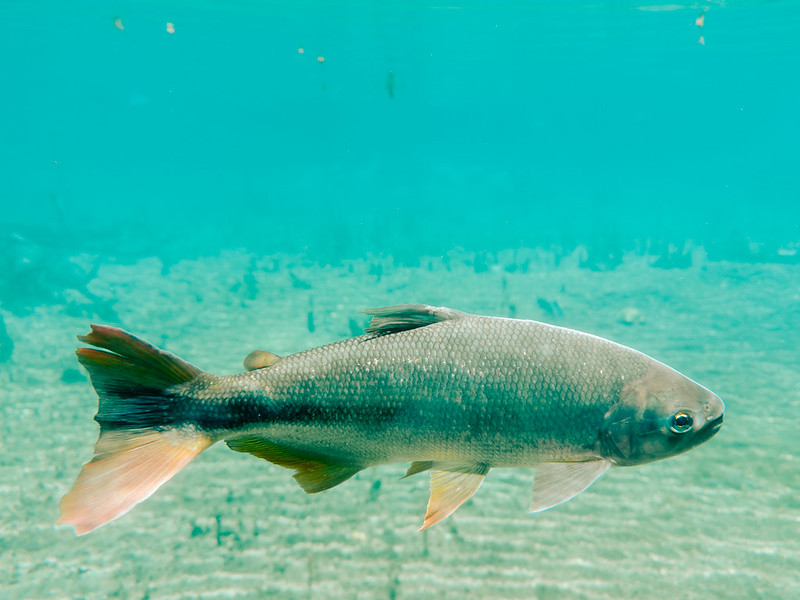
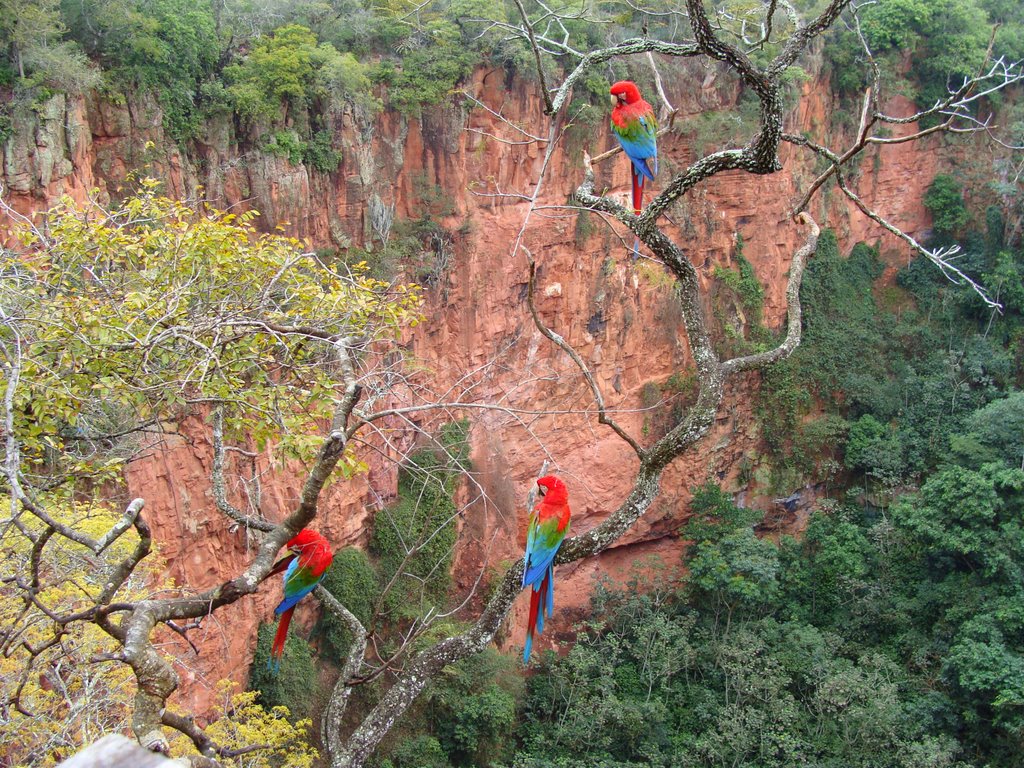
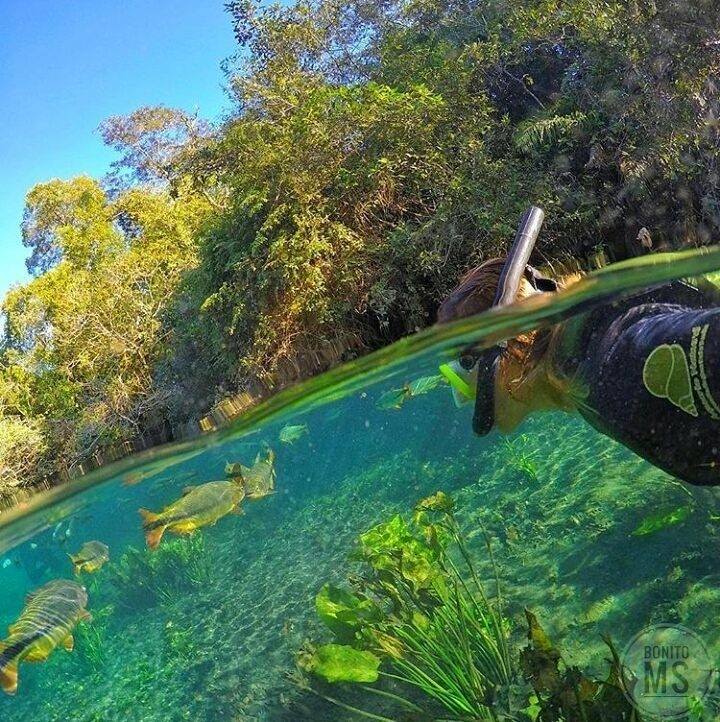
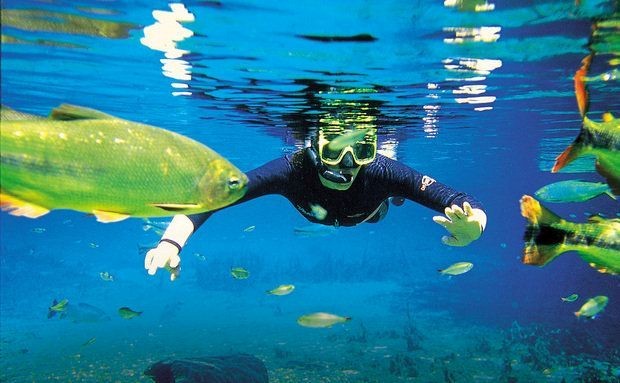
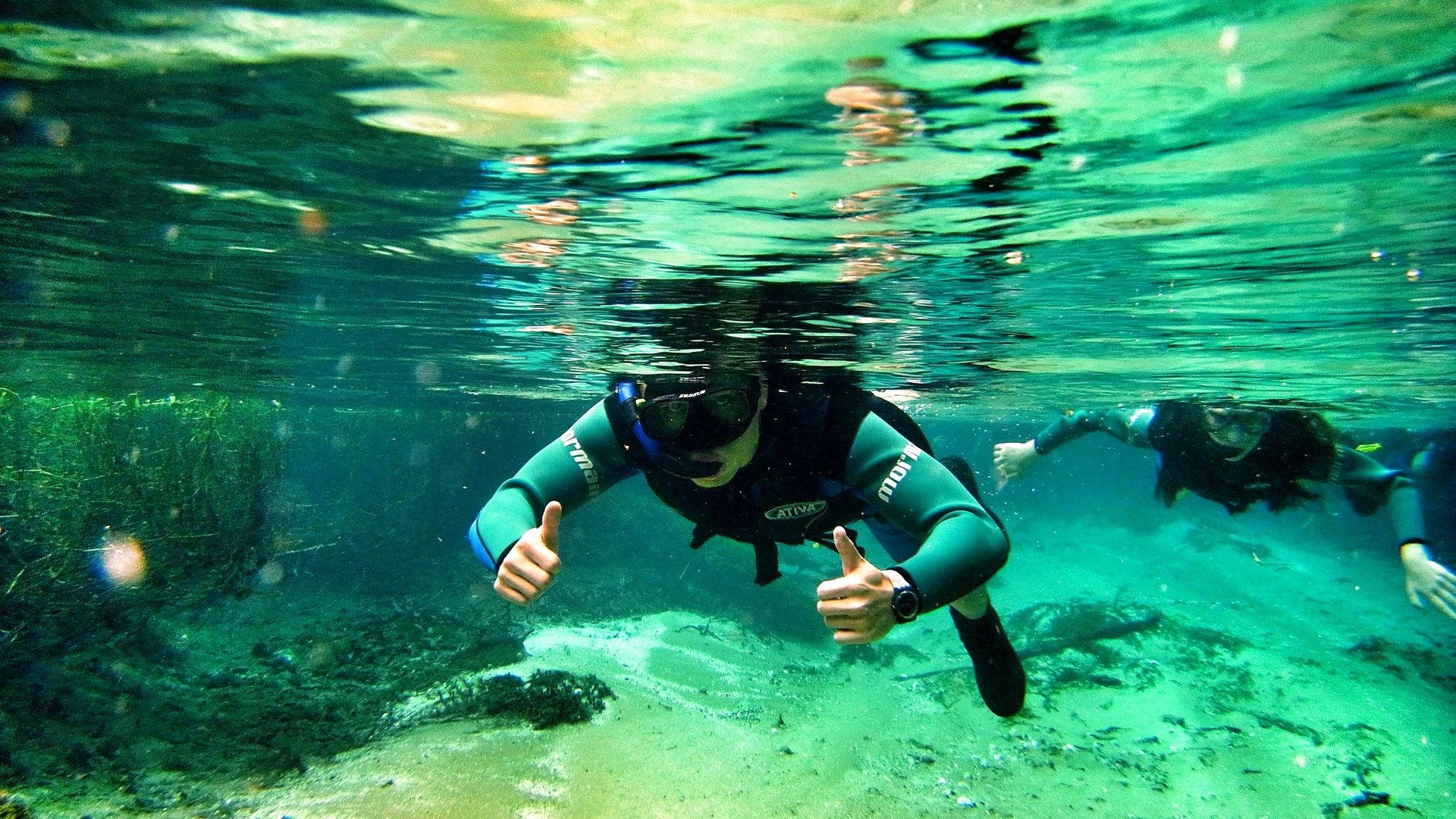
Today you combine snorkelling in the Rio da Prata river with a visit to Buraco das Araras. The excursions take place in a group. You are picked up at your hotel and taken to both excursion locations. Afterwards you are taken back to the hotel.
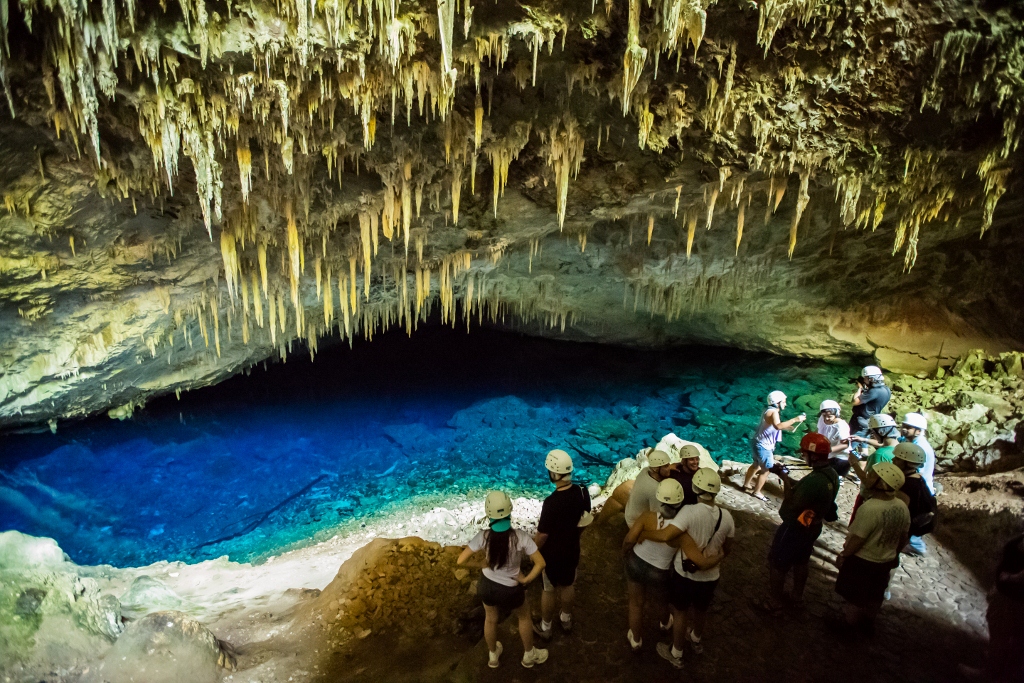
07.10.2027 Bonito - Visit to the 'Gruta do Lago Azul' cave
In the morning you will be collected for the transfer, in the company of other tourists, to the 'Gruta do Lago Azul' cave. A private transfer is available at an additional cost. Afterwards you will be dropped off at the hotel again.
The rest of the day is yours to spend as you wish, or you can book optional excursions in advance.
08.10.2027 Bonito - Pantanal (South)
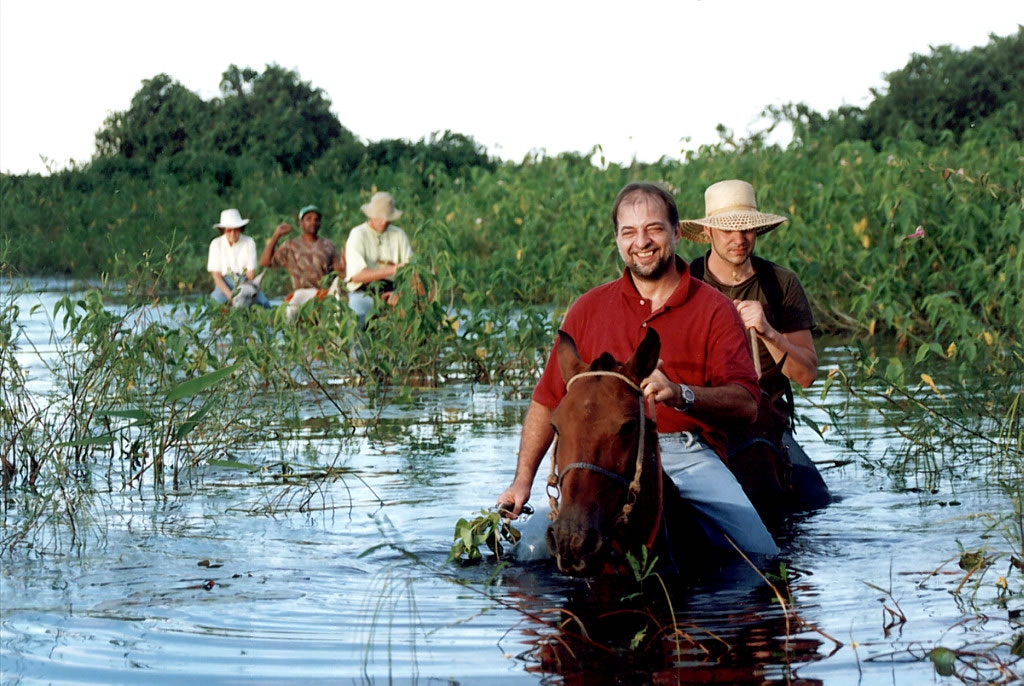
In the morning you will be collected from the hotel in Bonito and taken by private transfer to the lodge in the Pantanal. You will stay here for the coming days on a full-board basis, with daily excursions included to observe the magnificent wildlife of the Pantanal.
- See the hotels tab for the accommodation selection during your stay in the Pantanal. The stay is on a full-board basis and with daily excursions included
09.10.2027 Pantanal Cerrado Expedition - day package
10.10.2027 Pantanal Cerrado Expedition - day package
11.10.2027 Pantanal Cerrado Expedition - day package
12.10.2027 End of Pantanal Cerrado expedition - Cuiaba hotel
Today the Pantanal adventure ends. In the afternoon you are dropped off at your hotel in Cuiaba.
- See the hotels tab for the accommodation selection during your stay in Cuiaba
13.10.2027 Cuiabá - Pantanal - Jaguar Ecological Reserve (Start of package)
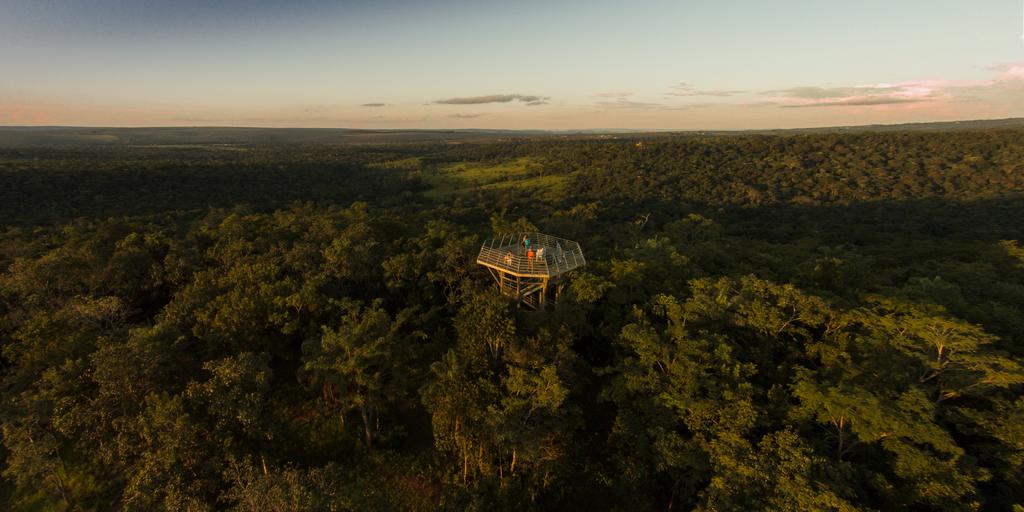
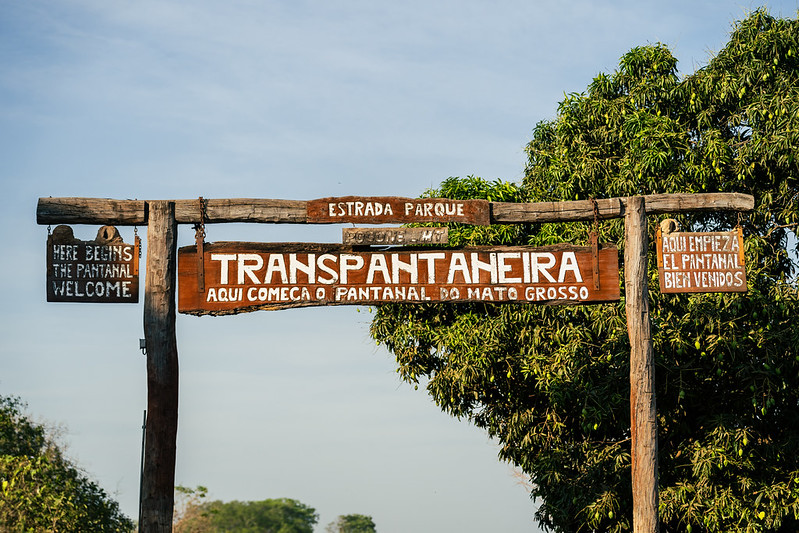
Today the package of the Jaguar Ecological Reserve starts. You are picked up in Cuiaba, followed by a drive to Poconé (100 km on a paved road). Lunch in Poconé. After lunch the safari begins on the Transpantaneira highway (unpaved) in our custom-built open-air 4-wheel drive truck. We will see herons, egrets, ibises, parrots, parakeets and macaws, caimans, capybaras, and possibly other wild animals such as the crab-eating raccoon, fox, coati, anacondas, rheas, etc. Arrival at the Jaguar Ecological Reserve in the late afternoon. Dinner at the lodge. After dinner you can enjoy a night safari in one of our trucks equipped with a safari lamp. We go looking for nocturnal birds such as nightjars and owls, and mammals such as ocelots, jaguars, margays, tapirs, Pantanal deer, armadillos, crab-eating foxes, raccoons, etc.
- The stay at the Jaguar Ecological Reserve is on a full board basis and with daily excursions included to spot wildlife
14.10.2027 Pantanal - Jaguar Ecological Reserve (Day 2 of the package)
Early morning walk around the lodge to spot birds and monkeys, breakfast and then a guided walk through the forest of the private reserve. Lunch and time for a siesta at the lodge. In the afternoon you drive south along the Transpantaneira to the wetlands of Campo Jofre, a rich area for water birds, anacondas, capybaras and caimans, with a sunset over the wetlands. After dinner there is a night safari.
See the excursions tab for the detailed description of the programme in the reserve.
15.10.2027 Pantanal - Jaguar Ecological Reserve (Day 3 of the package)
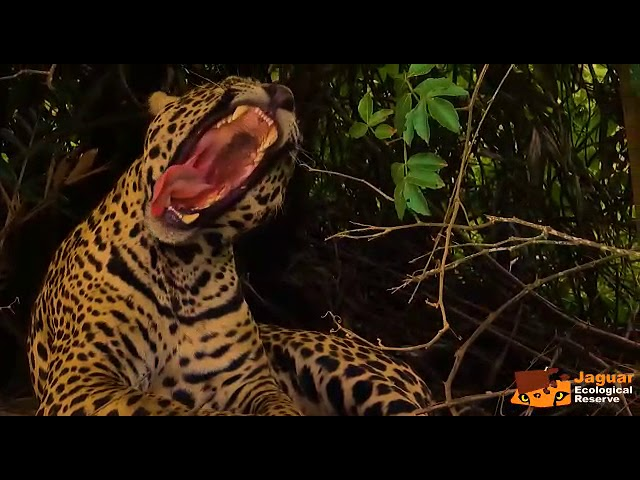
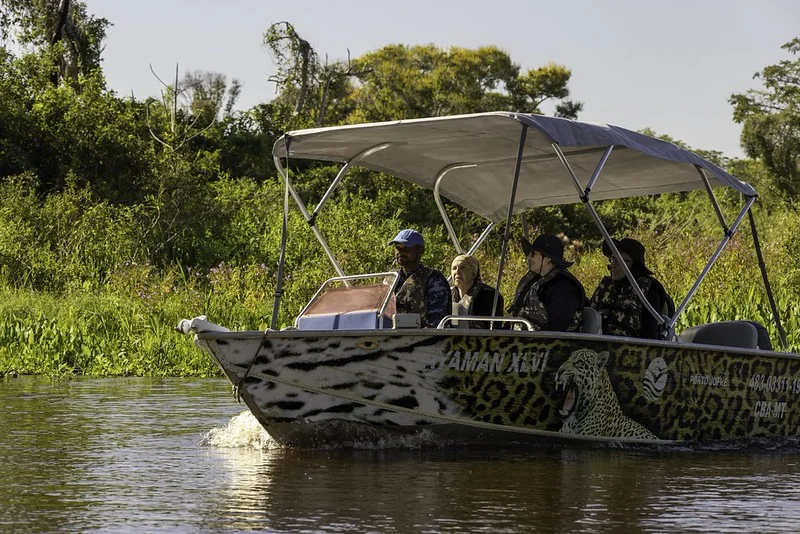
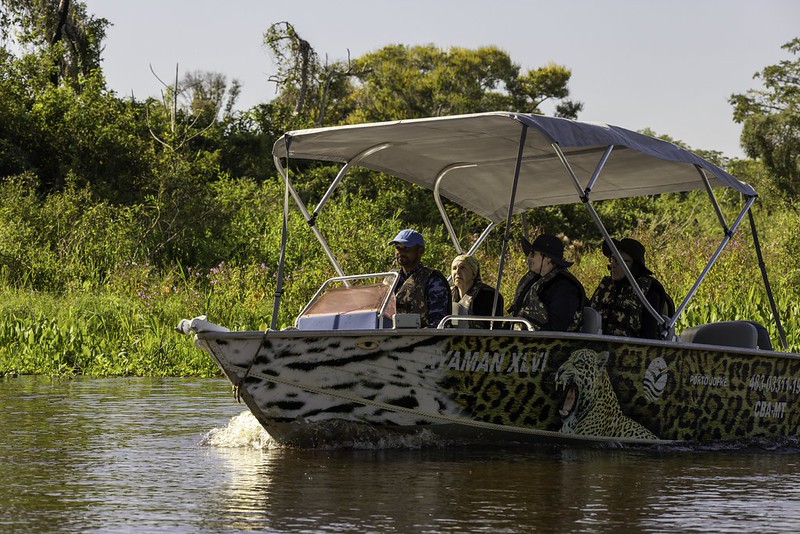
After the morning walk and breakfast you take a forest walk along one of the trails of the reserve. After lunch you drive to Porto Jofre (about one hour) for the boat trip on the Cuiabá and Piquiri rivers and smaller tributaries: the chance to see jaguars, especially in the dry season (June to October inclusive), as well as giant otters, monkeys and many water birds. Back to the lodge for dinner and a night safari.
See the excursions tab for the detailed description of the programme in the reserve.
16.10.2027 Pantanal - Jaguar Ecological Reserve (Day 4 package)
Breakfast and a forest walk in the reserve. After lunch you drive back to Porto Jofre for a second boat trip in search of the jaguar; with a stay of four nights, two boat trips are included. Sunset on the river or at the wetlands of Campo Jofre, followed by dinner at the lodge.
See the excursions tab for the detailed description of the programme in the reserve.
17.10.2027 Northern Pantanal - Chapada dos Guimarães (private transfer)
Today the package in the Pantanal ends. During the morning you are collected at the lodge and taken by private transfer to Chapada dos Guimarães. Duration a number of hours. After arrival you can spend the rest of the day as you wish.
- See the hotels tab for the accommodation selection during your stay in Chapada dos Guimarães
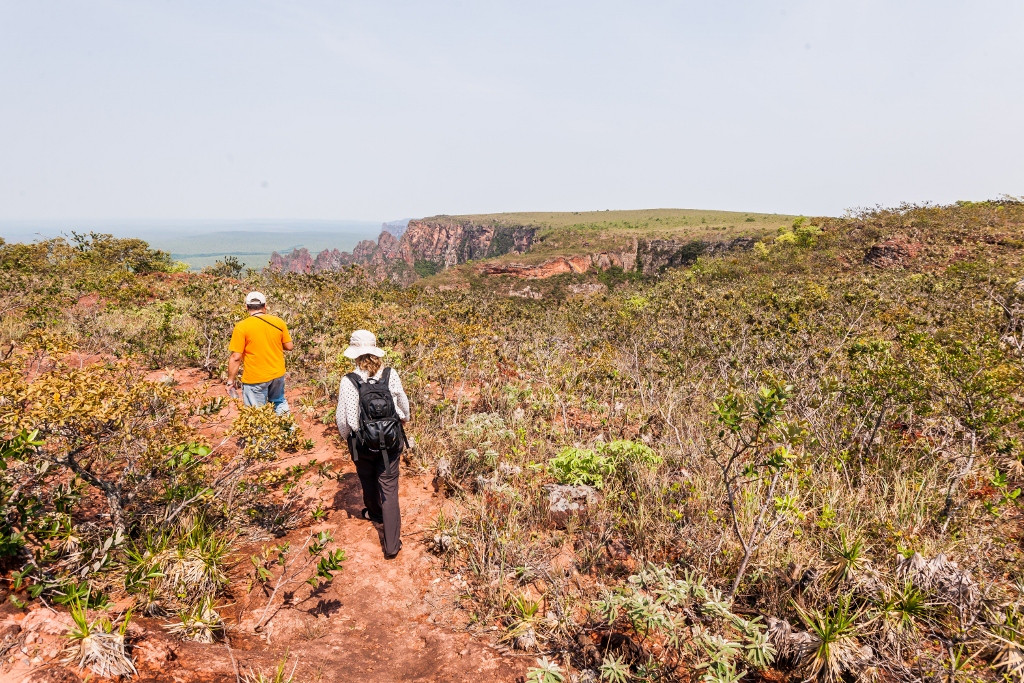
18.10.2027 Chapada dos Guimarães - Day excursion to Cidade de Pedras and Vale do Rio Claro
A fantastic day excursion is on the programme to discover the national park by 4x4, together with an English-speaking guide. You will be picked up at the hotel and dropped off there again at the end of the excursion. See the excursions tab for the full description.
19.10.2027 Chapada dos Guimarães - Cuiabá (end of package)
Today the package ends in the nature area of Chapada dos Guimarães. During the day you are collected at the hotel and taken by private transfer to Cuiaba airport. End of package
Destinations
São Paulo
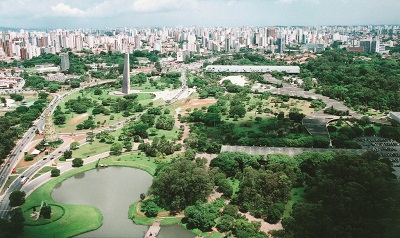
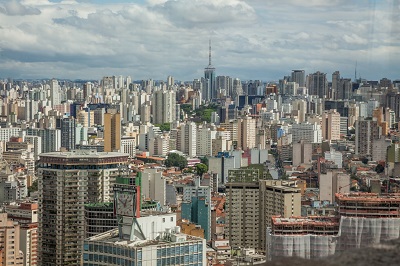
1 / 8São Paulo, with more than 20 million inhabitants in the metropolitan area, is the largest city in the southern hemisphere and the economic and cultural heart of Brazil: museums, the Avenida Paulista, Ibirapuera Park and the best restaurants in South America. With the airports of Guarulhos and Congonhas it is the hub for flights to the rest of the country. Allow 1 to 2 nights as a start or stopover; it can be visited all year round, with the driest months from May to September.
São Paulo is not a beach city but a world city: Japanese, Italian and Lebanese neighbourhoods, street art in Vila Madalena, a huge cultural scene and a nightlife that never stops.
Highlights of São Paulo
- Avenida Paulista and MASP: the main street with the art museum on pillars; car-free on Sundays.
- Ibirapuera Park: the green lung of the city with museums by Niemeyer.
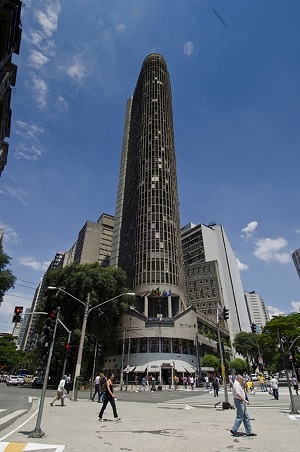
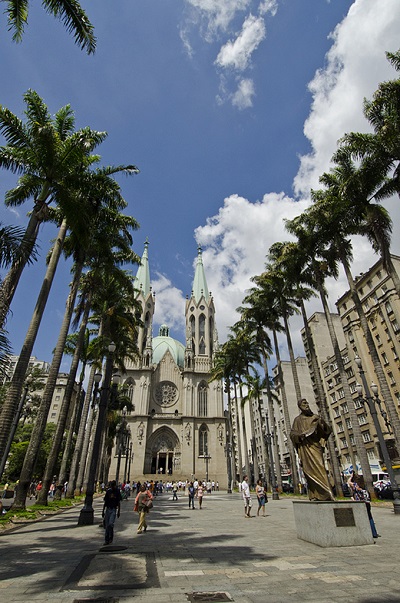
- Centro: Theatro Municipal, Mercado Municipal (the mortadella sandwich), Edifício Martinelli and the cathedral.
- Vila Madalena and Beco do Batman: street art, bars and galleries.
- Liberdade: the largest Japanese neighbourhood outside Japan, with a Sunday market.
- Restaurants: from D.O.M. and A Casa do Porco to the pizzerias of Bela Vista.
Best time to visit São Paulo
São Paulo can be visited all year round. From May to September it is dry and cool (12–24 °C); from December to March warm (25–32 °C) with afternoon showers. In January and July many Paulistanos are on holiday and the city is quieter.
Getting there and travel time
Guarulhos (GRU) is the largest airport in South America, with KLM flights from Amsterdam (approx. 12 hours) and connections to every Brazilian destination; Congonhas (CGH) is in the city and handles domestic flights. We arrange private transfers; from Guarulhos to the Jardins or Paulista neighbourhoods it takes 45 to 90 minutes, depending on the traffic.
How many days in São Paulo?
We recommend 1 to 2 nights on arrival or as a stopover: a day for Paulista, MASP and Ibirapuera, and an evening dining out. Culture lovers and foodies take 3 nights.
Combines well with
With Rio de Janeiro and the Costa Verde (Paraty, Ubatuba, Ilhabela) and with the south (Foz do Iguaçu, Curitiba). Examples: São Paulo package, self-drive Costa Verde and the round trips Latino Metropolis and Beleza do Sul.
Frequently asked questions about São Paulo
Is São Paulo worth a visit or just a place to change planes?
For culture and food it is the most interesting city in Brazil; if you are mainly looking for nature and beach, a connection there is enough.
Where is the best place to stay?
Jardins or around the Avenida Paulista: safe, central and with restaurants within walking distance; Vila Madalena for a younger atmosphere.
Is São Paulo safe?
Jardins, Paulista and Ibirapuera are fine to visit during the day and in the evening; visit the centre during the day, and in the evening go by taxi or app-based taxi.
Guarulhos or Congonhas?
International flights go via Guarulhos; domestic flights often via Congonhas, closer to the city. We plan the connection so that you do not have to travel between the two.
Tip from Brazil Travel Specialist
Plan a Sunday: that is when the Avenida Paulista is car-free with street musicians, MASP is free and the market in Liberdade is open. Book restaurants in advance; the good ones are full.
Campo Grande
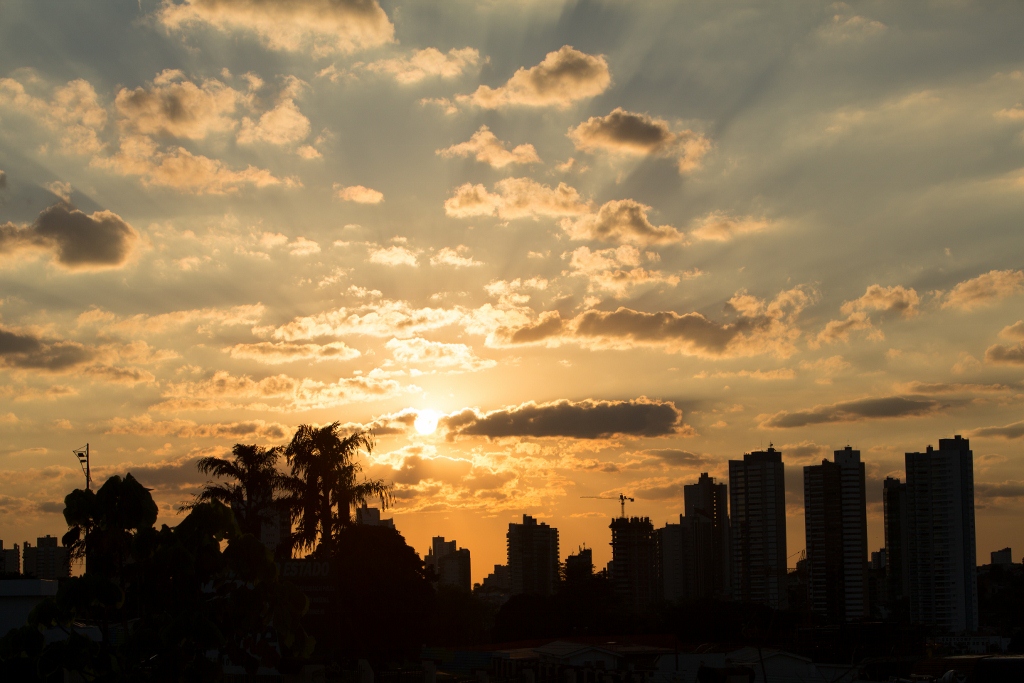
2 / 8Campo Grande, capital of Mato Grosso do Sul with almost 1 million inhabitants, is the gateway to the Southern Pantanal and Bonito: the airport has daily flights from São Paulo (1.5 hours), Rio, Cuiabá and Foz do Iguaçu. Most travellers drive straight on to a fazenda or Bonito, or stay for one night. Best time to travel to the region: May to October.
In forty years the city grew from a village into a metropolis on the back of cattle ranching and agriculture; it is a modern, green city with wide avenues, a large Japanese and Paraguayan community and good food.
Highlights of Campo Grande and the surrounding area
- Southern Pantanal: fazendas such as Pousada Aguapé, Fazenda San Francisco and Refúgio Ecológico Caiman, a 2 to 4 hour drive away.
- Bonito: a 3 hour drive away, river snorkelling, caves and macaws.
- Pantanal-Cerrado Tour: expeditions of 4 or 5 days from the city to Nhecolândia and the Taquari River.
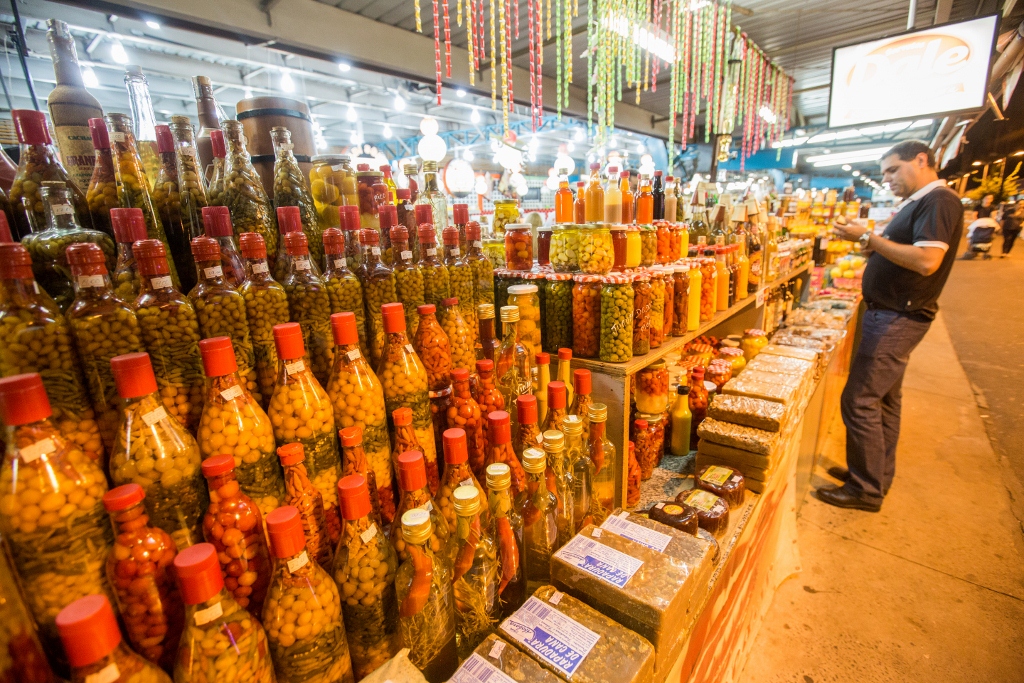
- In the city: the Feira Central (evening market with sobá noodles), the Museu das Culturas Dom Bosco and the Parque das Nações Indígenas.
Best time to visit Campo Grande
From May to October it is dry and the Pantanal is at its best; July and August are pleasant (20–30 °C), September and October hot. The rainy season runs from November to April, with green landscapes and sometimes impassable dirt roads in the Pantanal.
Getting there and travel time
The airport is 15 minutes from the centre, with direct flights from São Paulo (1.5 hours), Rio, Brasília, Cuiabá and Foz do Iguaçu. From the airport you drive with our private transfer or a hire car to Bonito in 3 hours or to the fazendas in 2 to 4 hours; the first kilometres are asphalt, the last stretch dirt road.
How many days in Campo Grande?
Usually no nights or one night: with a morning flight you drive straight on, with an evening arrival you stay overnight in the city. For the Pantanal-Cerrado Tour, Campo Grande is the start and end point.
Combines well with
Southern Pantanal and Bonito are the standard combination; via the airport you connect to Foz do Iguaçu or Cuiabá for the Northern Pantanal. Examples: Bonito & Southern Pantanal, Pantanal-Cerrado Tour and self-drive Bonito and the Pantanal.
Frequently asked questions about Campo Grande
Campo Grande or Cuiabá?
Campo Grande for the Southern Pantanal and Bonito (a wide range of nature, families); Cuiabá for the Northern Pantanal and jaguars near Porto Jofre.
Can I drive myself from Campo Grande?
Yes, the road to Bonito is asphalt and the road to most fazendas is a dirt road that is easy to drive in the dry season; we offer self-drives.
Is there a direct flight to Foz do Iguaçu?
Yes, a few times a week; otherwise via São Paulo. We plan the route so that you do not have to make a detour.
What is there to do in the city?
An evening at the Feira Central with sobá and Paraguayan snacks is the nicest introduction to the local culture.
Tip from Brazil Travel Specialist
Choose a morning flight to Campo Grande and drive on to the fazenda the same day: you will then enjoy your first safari that very afternoon. Save the night in the city for the return journey.
Bonito
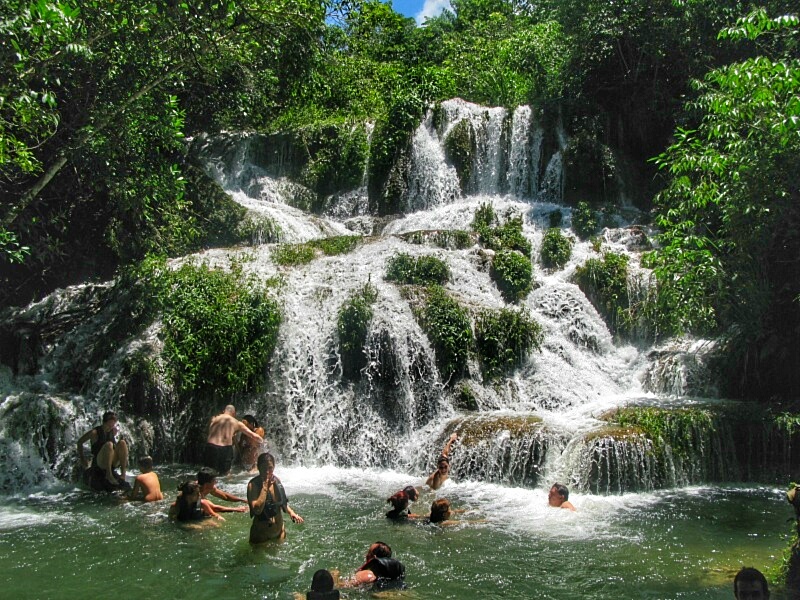
3 / 8Bonito, in the state of Mato Grosso do Sul, a 3-hour drive from Campo Grande, is the capital of Brazilian ecotourism: river snorkelling in crystal-clear water, caves with blue lakes, waterfalls and hundreds of red macaws. Allow 2 to 3 nights, ideal in combination with the Southern Pantanal; it can be visited all year round, with the clearest water from May to September.
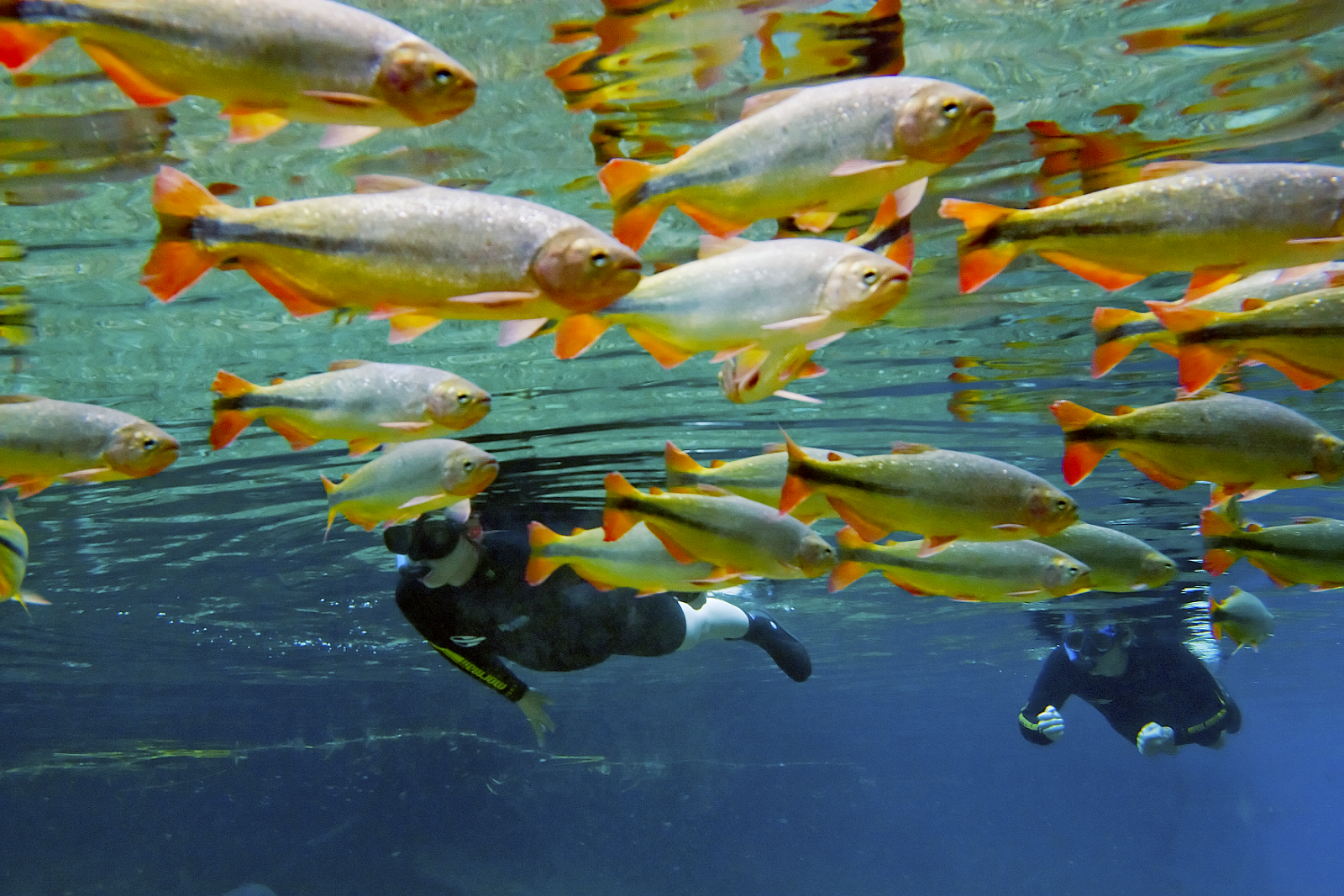
The water of Bonito is so clear because rainwater seeps through the limestone-rich soil before it reaches the rivers; you drift along with the current among shoals of fish. The excursions are strictly regulated with a maximum number of visitors per day, which keeps nature unspoilt but makes booking in advance essential.
Highlights of Bonito
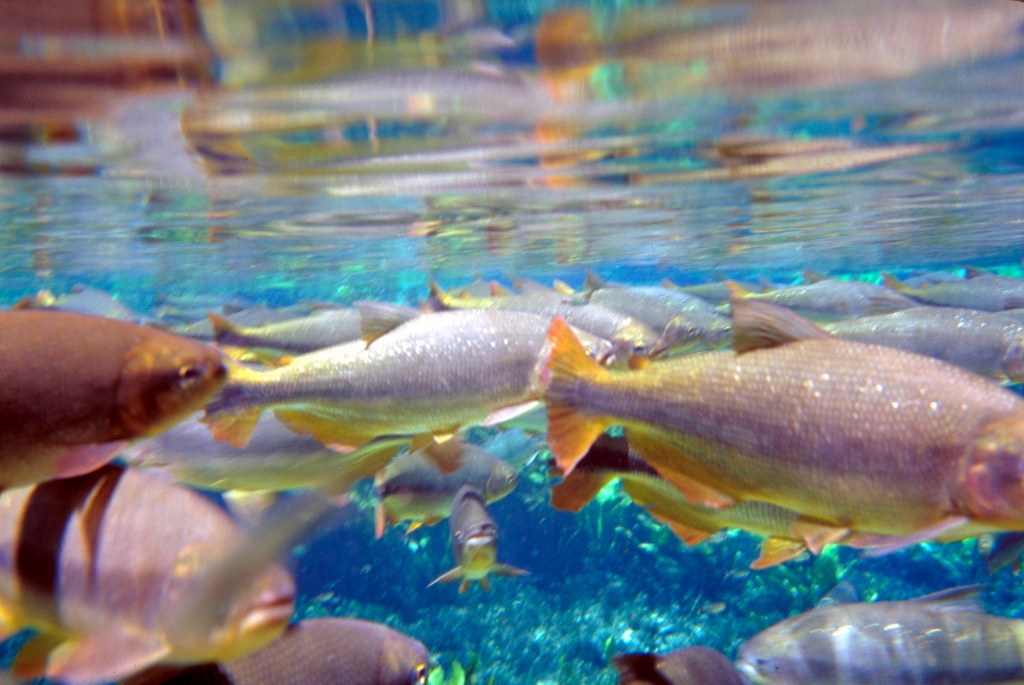
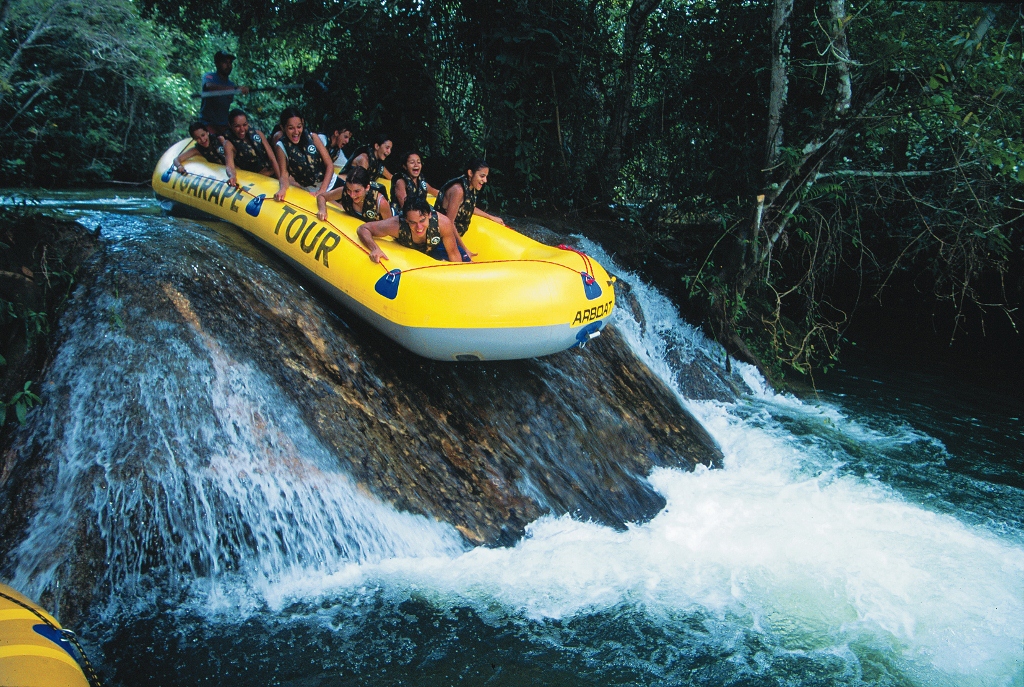
- River snorkelling in the Rio da Prata or Rio Sucuri: in a wetsuit, drifting with the current through a river full of dourados and piraputangas.
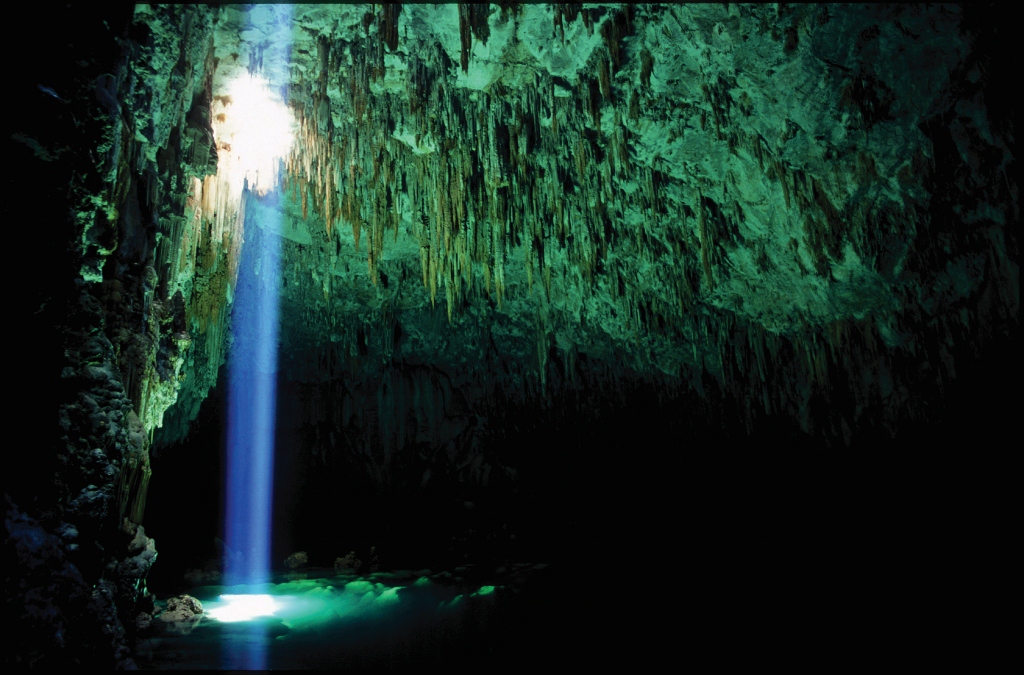
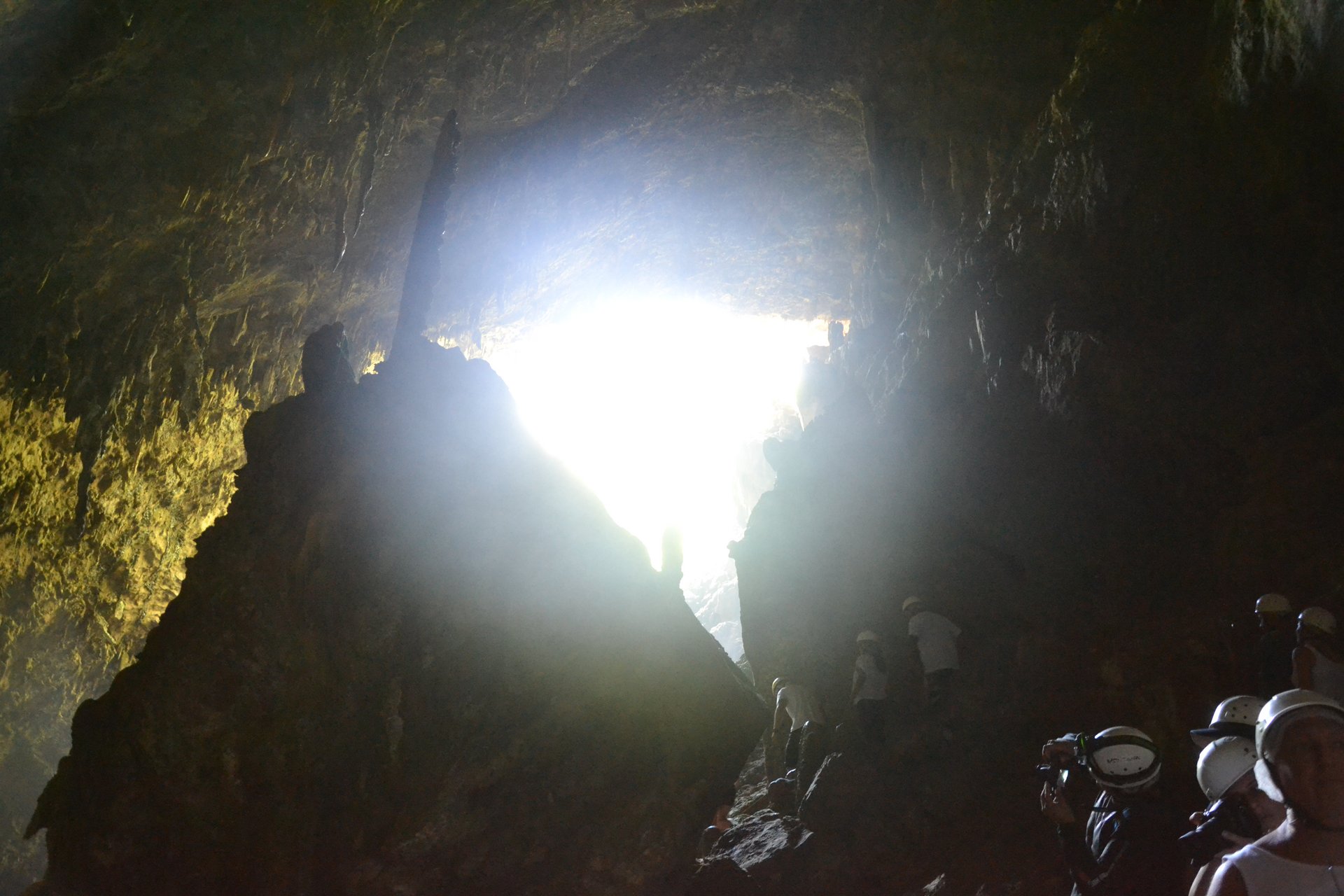
- Gruta do Lago Azul: descend a stone staircase to a cave with a deep-blue lake; mornings only, book early.
- Buraco das Araras: a huge red sinkhole where hundreds of red macaws nest; at its most beautiful at sunrise and sunset.
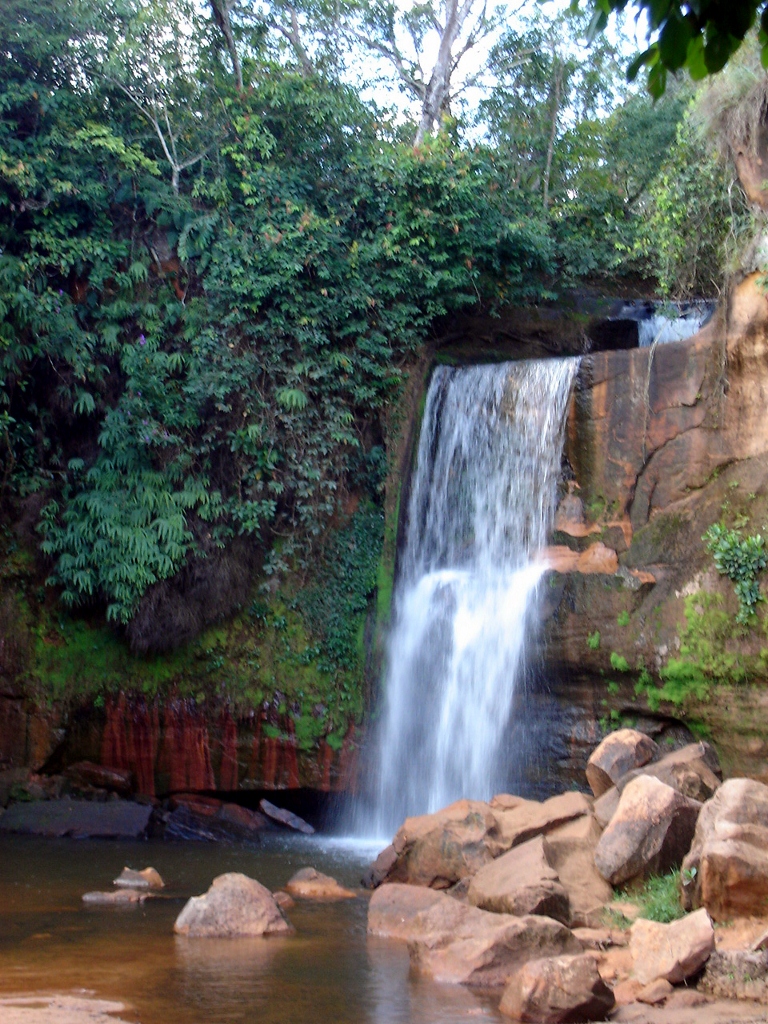
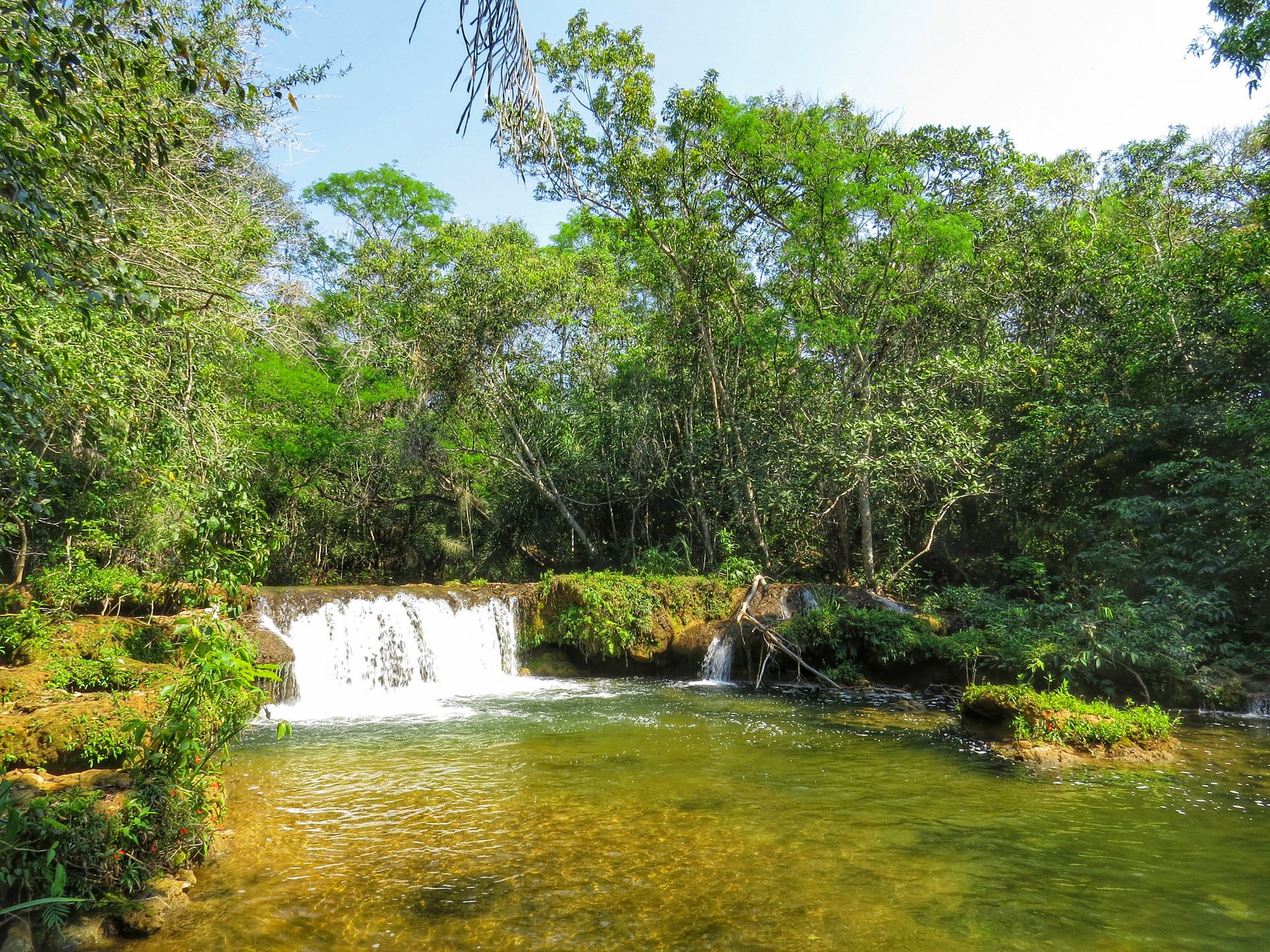
- Waterfalls: Boca da Onça (the highest in the state, with abseiling) and Estância Mimosa.
- Abismo Anhumas: abseiling 72 metres down to an underground lake, for adventurers.
- Balneário Municipal: swimming among the fish in the river near the village, also for children.
Best time to visit Bonito
Bonito is open all year round. From May to September (dry season) the water is at its clearest and the temperatures are pleasant (20–28 °C); July is the busiest month because of the Brazilian holidays. In the rainy season (November to March) the water can be temporarily cloudy after heavy rain and it is hot (30–35 °C), but the waterfalls are then at their most powerful.
Getting there and travel time
Bonito has a small airport with a few flights a week from São Paulo; usually you fly to Campo Grande (1.5 hours from São Paulo) and drive 3 hours on tarmac to Bonito, by transfer or hire car. The excursions are 20 to 60 kilometres outside the village; they include a transfer or you drive yourself.
How many days in Bonito?
We recommend 2 to 3 nights: one excursion per half-day, for example Rio da Prata and Buraco das Araras in one day and the Gruta do Lago Azul with a waterfall on the second day.
Combines well with
Bonito and the Southern Pantanal belong together: jointly a one-week nature block from Campo Grande. Via Campo Grande you fly on to Foz do Iguaçu, Rio de Janeiro or Cuiabá for the Northern Pantanal. Examples: Bonito package, Bonito & Southern Pantanal, self-drive Bonito and the Pantanal and the round trip Brasil Fantastico.
Frequently asked questions about Bonito
Do I need to be able to swim for the river snorkelling?
No, you wear a wetsuit that keeps you afloat and a guide accompanies the group; the current does the work. Children from about 6 years of age can take part.
Why do I have to book excursions in advance?
Each attraction has a daily visitor limit to protect nature. We reserve the excursions at the time of booking; on the spot the most popular ones are often full.
Bonito or Nobres?
Bonito has more choice and better infrastructure; Nobres is smaller and quieter and fits in with the Northern Pantanal via Cuiabá.
Is Bonito suitable for children?
Excellent: swimming with fish, macaws, caves and gentle walks; most pousadas have a swimming pool.
Tip from Brazil Travel Specialist
Plan Bonito after the Pantanal: after the safari days in the heat, drifting down the cool river is the best way to finish. Ask us to schedule the Rio da Prata as your first excursion; for most guests that is the highlight.
Southern Pantanal
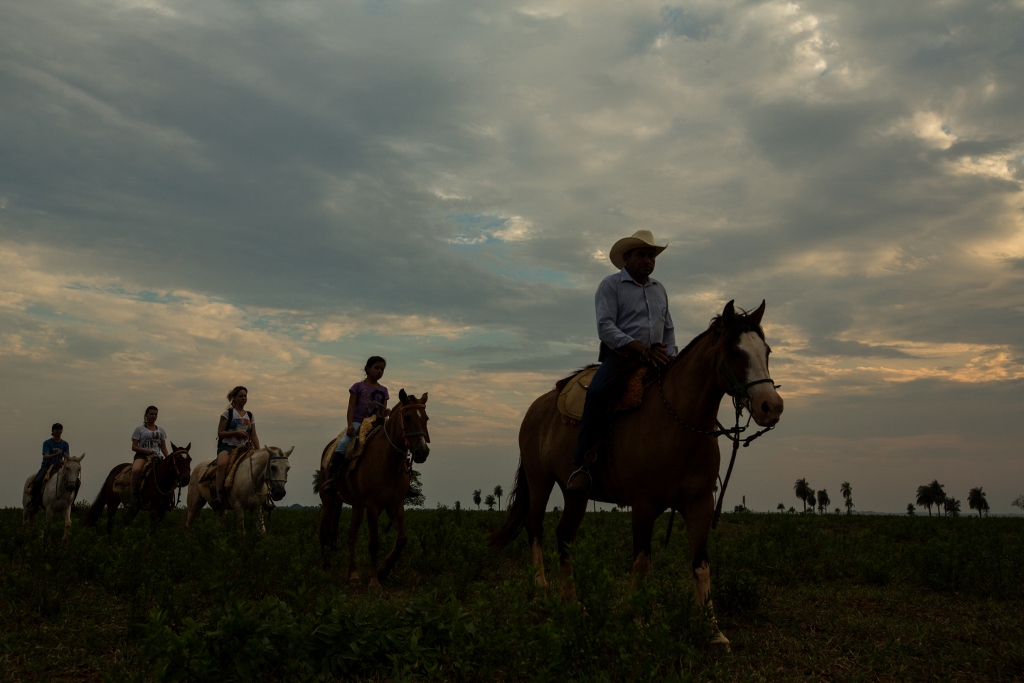
4 / 8The Southern Pantanal, in the state of Mato Grosso do Sul and reached via Campo Grande, is the most accessible part of the largest wetland in the world: fazendas and lodges with daily safaris by truck, by boat, on horseback and on foot, with caimans, capybaras, giant anteaters, macaws and, with a bit of luck, the jaguar. Allow 3 to 4 nights, ideally in combination with the river snorkelling in Bonito; the best time to travel is the dry season from May to October.
The Pantanal covers more than 150,000 km² of lowland that partly floods in the rainy season. The southern part offers a broader nature experience than the north: besides wildlife, also life on a real cattle fazenda, with pantaneiro cowboys and farmhouse cooking.
Highlights of the Southern Pantanal
- Fazendas and lodges: Pousada Aguapé (best value for money), Fazenda San Francisco (jaguars on the Miranda river), Refúgio da Ilha (small-scale), Pousada Xaraés (remote) and Refúgio Ecológico Caiman (superior class, according to many the best lodge in the Pantanal).
- Safaris: by open truck, by boat, on horseback and on foot, during the day and at night with the spotlight.
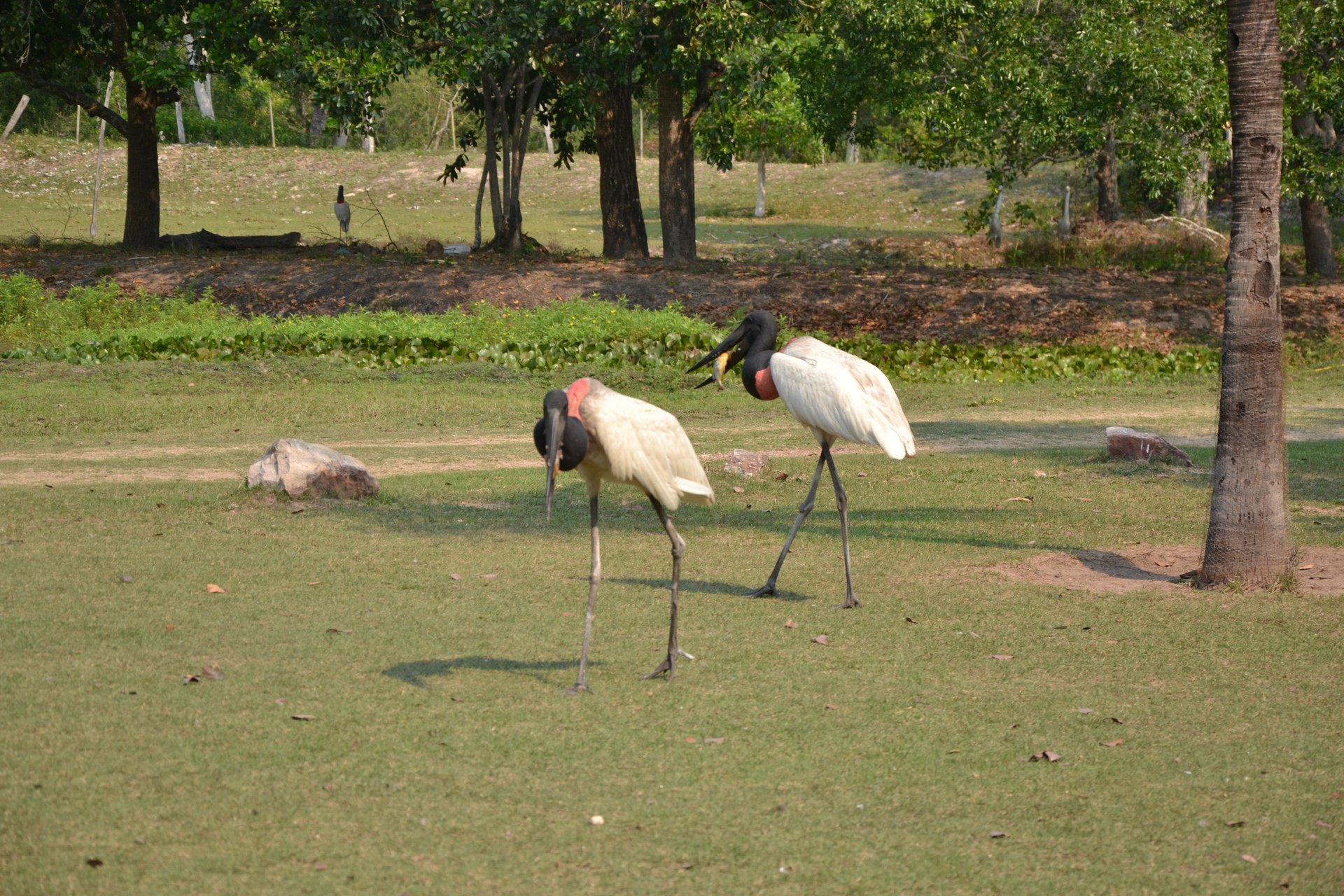
- Wildlife: giant anteaters, tapirs, capybaras, caimans, hyacinth macaws, jabirus and more than 650 bird species; jaguars are regularly seen at San Francisco and Caiman.
- Pantanal-Cerrado Tour: a 4 or 5-day expedition from Campo Grande via Nhecolândia, the Taquari river and the waterfalls of Rio Verde.
- Bonito: a 2 to 3-hour drive away, with river snorkelling in crystal-clear water, the Gruta do Lago Azul and the macaws of Buraco das Araras.
Best time to travel to the Southern Pantanal
The dry season from May to October is the best time: the roads are passable, the animals concentrate around the remaining water and it is less hot than in the north. July to September is the peak for mammals. In the rainy season (November to April) the landscape is green and full of waterbirds, but some fazendas are harder to reach; the lodges usually stay open.
Getting there and travel time
You fly to Campo Grande (about 1.5 hours from São Paulo, also from Rio, Cuiabá and Foz do Iguaçu). The lodges are a 2 to 4-hour drive away, partly on dirt roads; the transfers are included in the packages or you drive yourself on a self-drive. Bonito is 3 hours from Campo Grande and 2 to 3 hours from most fazendas, so that both fit into one route.
How many days in the Southern Pantanal?
We recommend 3 nights in one lodge (two full safari days) or 4 nights divided between two lodges. Together with 2 to 3 nights in Bonito, this is a week-long nature block that fits into almost any round trip.
North or South: which Pantanal suits you?
The Southern Pantanal is the choice for a broad nature experience, families and the combination with Bonito; jaguars are a bonus. Those who mainly want to see jaguars choose the Northern Pantanal with Porto Jofre. Both can be combined in a three-week trip.
Combines well with
Bonito is right next door; Foz do Iguaçu is a direct flight from Campo Grande, and Rio de Janeiro or Salvador round off the trip. Examples: Pousada Aguapé, Fazenda San Francisco, Bonito & Southern Pantanal in 6 days and the Brasil Fantastico round trip.
Frequently asked questions about the Southern Pantanal
Can I see jaguars in the Southern Pantanal?
Yes, but not guaranteed: at Fazenda San Francisco and Refúgio Ecológico Caiman they are regularly seen, especially from July to October. For the highest chance, Porto Jofre in the north is the better choice.
What is included in a fazenda package?
Full board, two to three guided excursions a day and usually the transfer from Campo Grande or Bonito. Drinks and tips are extra.
Is the Southern Pantanal suitable for children?
Yes, excellent: short excursions, horse riding, a swimming pool at most fazendas and plenty of visible animals.
Can I drive myself?
Yes, the roads from Campo Grande are largely tarmac with a final stretch of dirt road; we offer a Bonito & Pantanal self-drive.
Tip from Brazil Travel Specialist
Do the Pantanal first and then Bonito: after three days of safari in the heat, swimming in the cool, crystal-clear rivers of Bonito is the perfect finale. Book the excursions in Bonito early; the number of visitors per day is limited there.
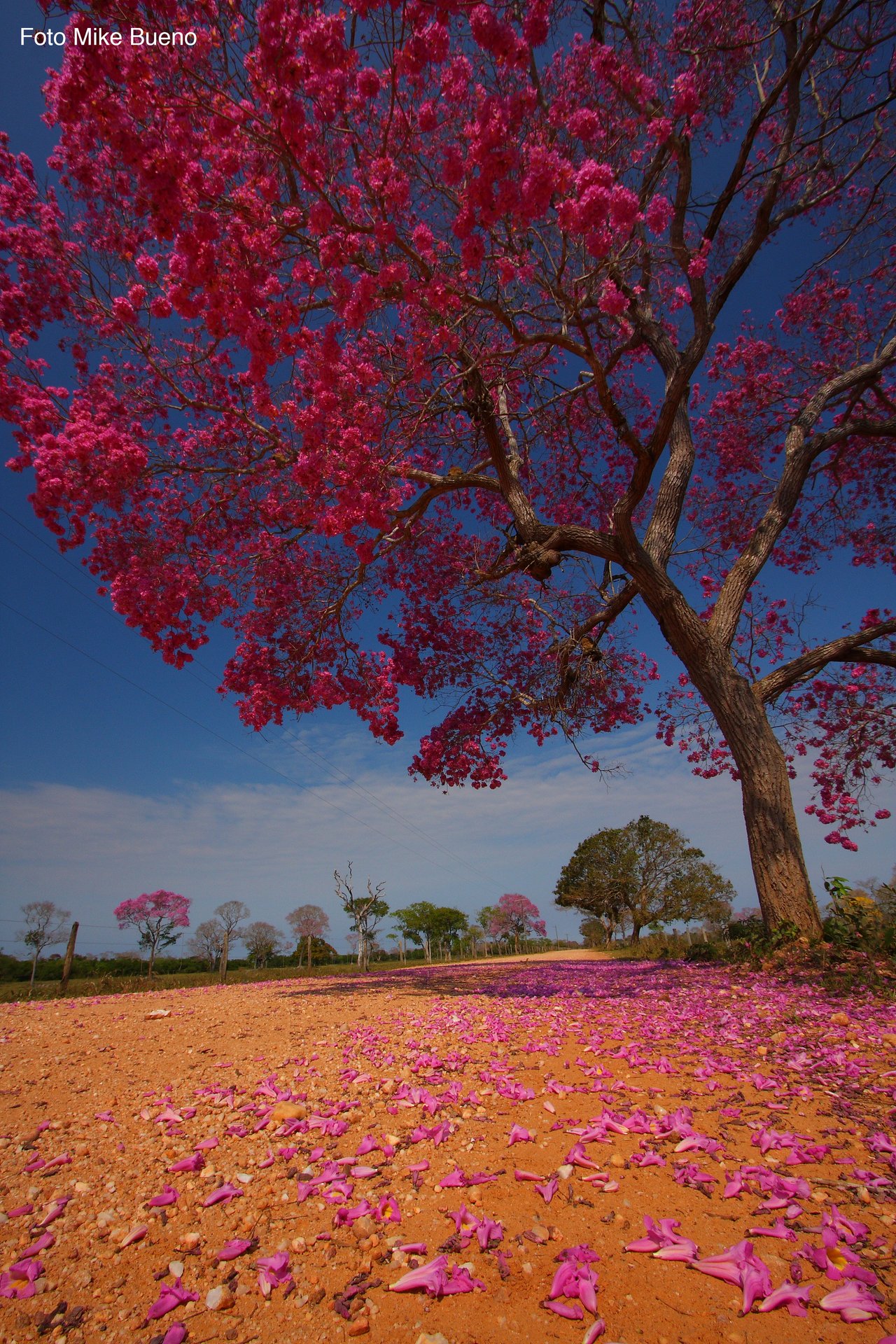
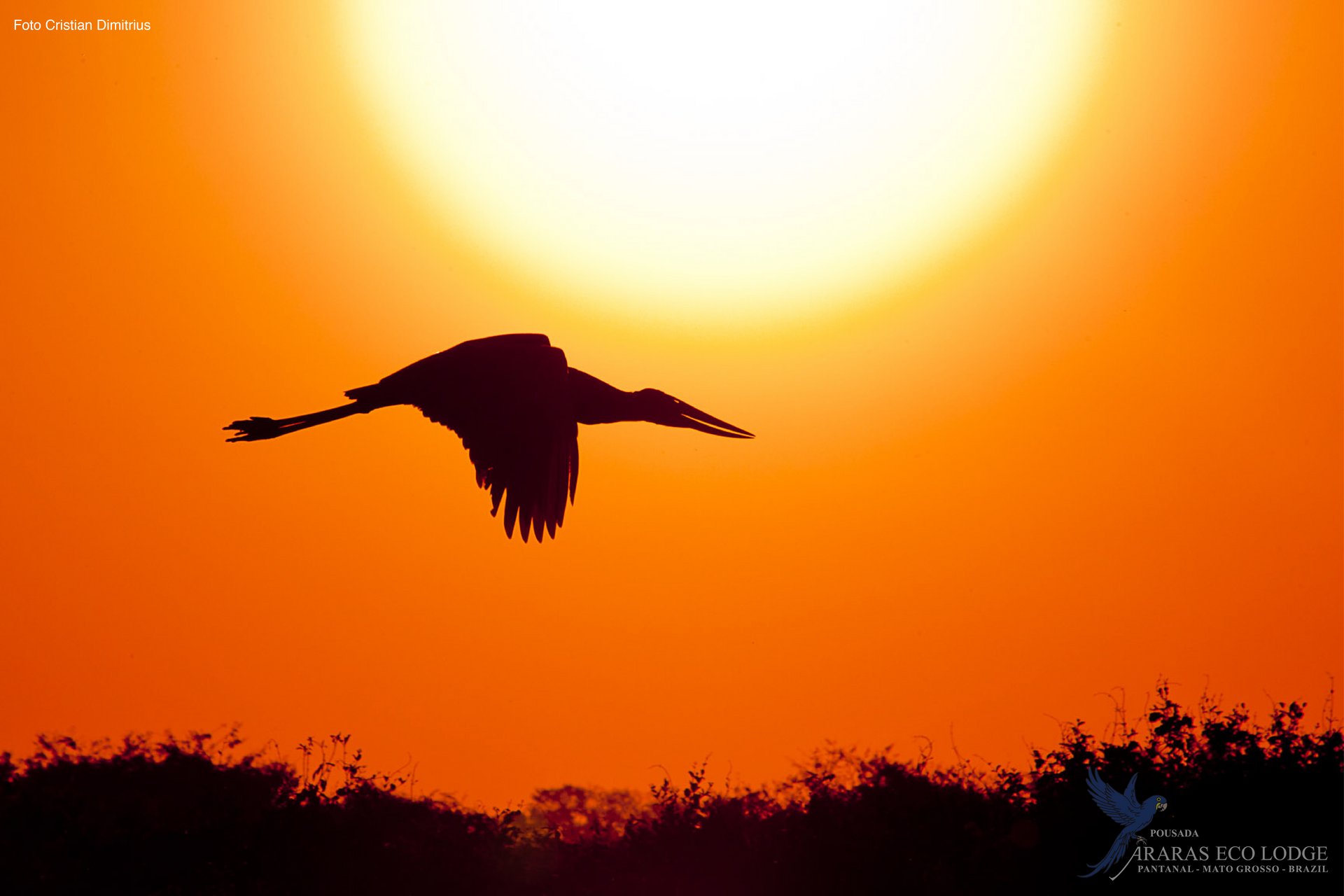
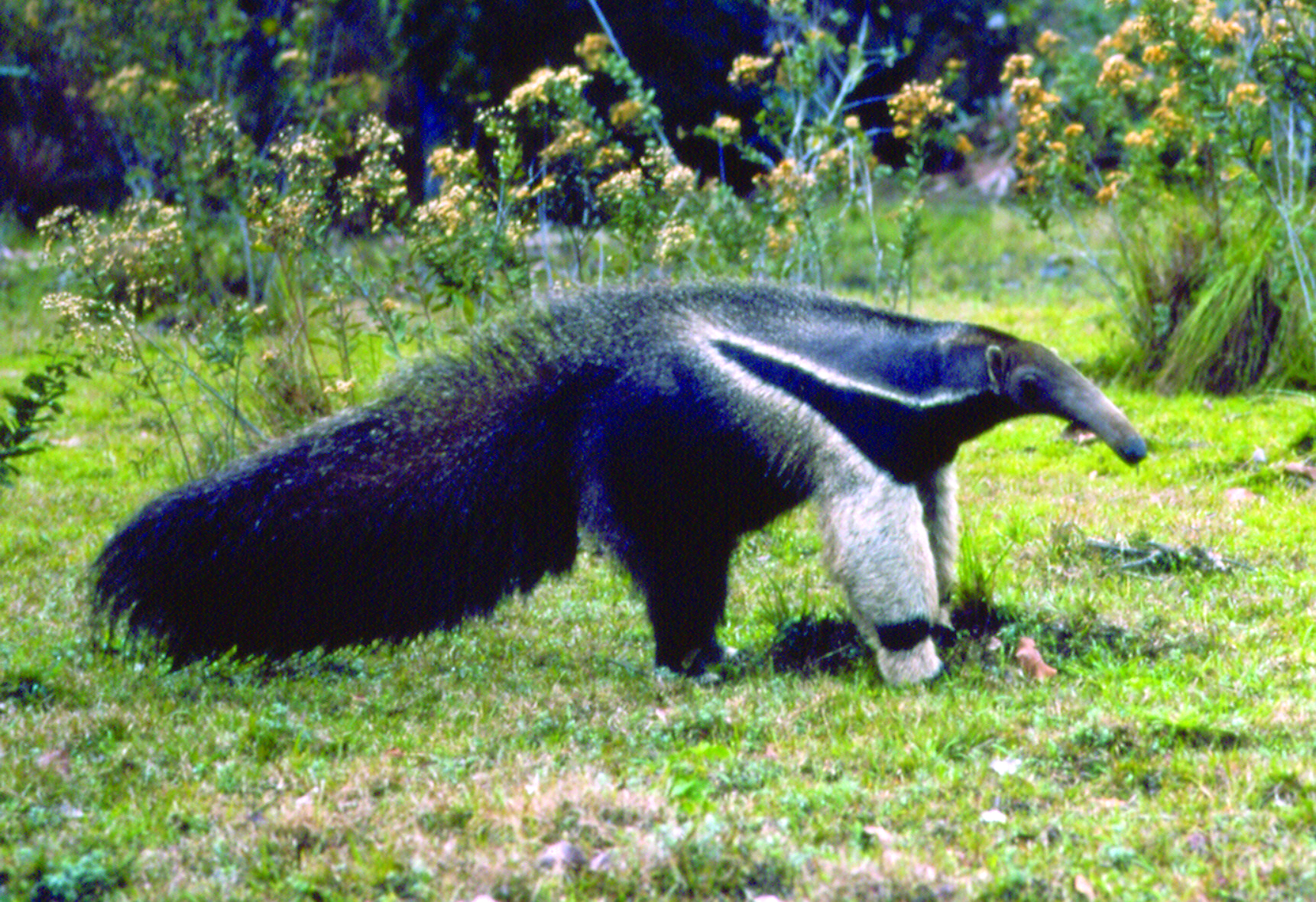
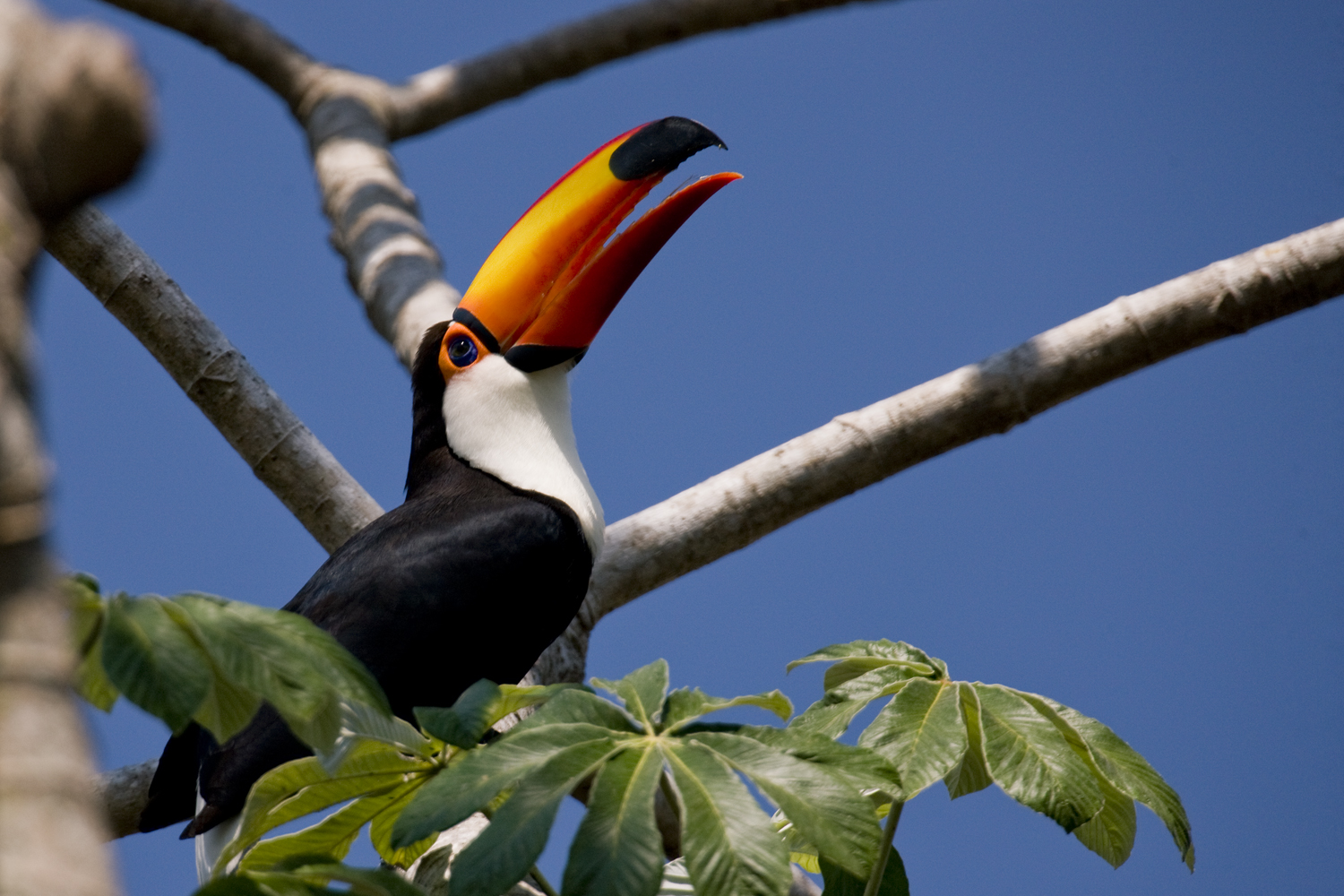
Cuiabá
5 / 8Cuiabá, capital of Mato Grosso with more than 600,000 inhabitants, is the gateway to the Northern Pantanal, Chapada dos Guimarães, Nobres and the Southern Amazon. Most travellers spend one night here on arrival or departure; the airport has daily flights from São Paulo, Rio, Brasília, Manaus and Campo Grande (approx. 2 hours). Best time to travel to the region: May to October.
Cuiabá lies at the geographical centre of South America and is one of the hottest cities in Brazil. The city itself is a mix of colonial villas and modern high-rise buildings; the surrounding nature areas are the reason to come here.
Highlights of Cuiabá and the surrounding area
- Northern Pantanal: via Poconé (100 km) the Transpantaneira begins, with lodges and, at the end, Porto Jofre for jaguars.
- Chapada dos Guimarães: a 1 hour drive away, with the Véu de Noiva waterfall and the red plateaus.
- Nobres: 2 hours away, river snorkelling in crystal-clear water.
- Southern Amazon: Jardim da Amazônia and the Cristalino Jungle Lodge (via Alta Floresta).
- In the city: the Museu Rondon with indigenous art, the historic centre and the fish market on the Cuiabá River.
Best time to visit Cuiabá
From May to October it is dry; July to September is the best time for the Pantanal, with temperatures of 30 to 40 °C in September and October. November to April is the rainy season, with flooding in the Pantanal and green landscapes in Chapada.
Getting there and travel time
Marechal Rondon airport is in Várzea Grande, 15 minutes from the centre. Direct flights from São Paulo and Rio take approx. 2 hours, from Manaus 2.5 hours, from Campo Grande 1 hour. We arrange private transfers to the hotels and the 4x4 transfers along the Transpantaneira, or a hire car for a self-drive to Chapada and Nobres.
How many days in Cuiabá?
One night on arrival, so that you set off along the Transpantaneira well rested the next morning, and possibly one night on departure if your flight leaves early. For the city itself, an afternoon is enough.
Combines well with
Everything in Mato Grosso starts here: Chapada dos Guimarães, Nobres, the Northern Pantanal, Porto Jofre and the Southern Amazon. Examples: self-drive Chapada, Nobres & Pantanal, 3 ecosystems and the Biomas do Brasil round trip.
Frequently asked questions about Cuiabá
Cuiabá or Campo Grande for the Pantanal?
Cuiabá for the Northern Pantanal and jaguars near Porto Jofre; Campo Grande for the Southern Pantanal and Bonito.
Can I drive along the Transpantaneira myself from Cuiabá?
Yes, in the dry season as far as the first lodges with an ordinary car; to Porto Jofre we recommend a 4x4 transfer with a driver.
Where do I stay in Cuiabá?
We choose hotels near the airport or in the centre, depending on your flight times.
Do I need vaccinations?
A yellow fever vaccination is recommended for Mato Grosso; consult a travel health clinic.
Tip from Brazil Travel Specialist
Fly in in the morning and drive on to Chapada dos Guimarães the same day (1 hour, cooler and more beautiful than the city); save the night in Cuiabá for the end of the trip, just before the return flight.
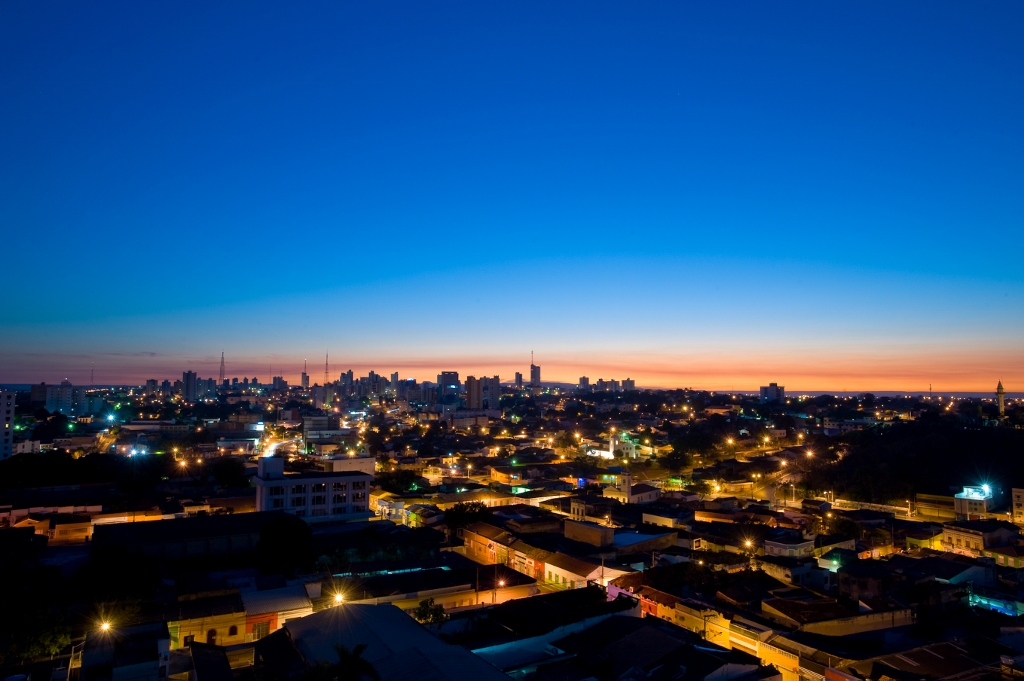
Northern Pantanal
6 / 8The Northern Pantanal, in the state of Mato Grosso and reached via Cuiabá, is the best place in the world to see jaguars in the wild. Along the Transpantaneira, the 147-kilometre unpaved road to Porto Jofre, lie the lodges from which you go on safari by boat, on foot and by truck. Allow 4 to 6 nights; the best time to travel for jaguars is July to October.
The Pantanal is the largest wetland in the world and the best wildlife area in South America: caimans, capybaras, giant otters, hyacinth macaws, jabirus and – in the north – the jaguar. Unlike in the Amazon, the landscape is open, which means you actually see the animals.
Highlights of the Northern Pantanal
- Porto Jofre, the jaguar capital: at the end of the Transpantaneira, where you search the banks of the Cuiabá and Piquiri rivers by boat. In the dry season the chance of seeing a jaguar here is very high.
- The Transpantaneira: 147 kilometres of dirt road with more than a hundred wooden bridges; the drive alone is a safari, with caimans and waterbirds along the road.
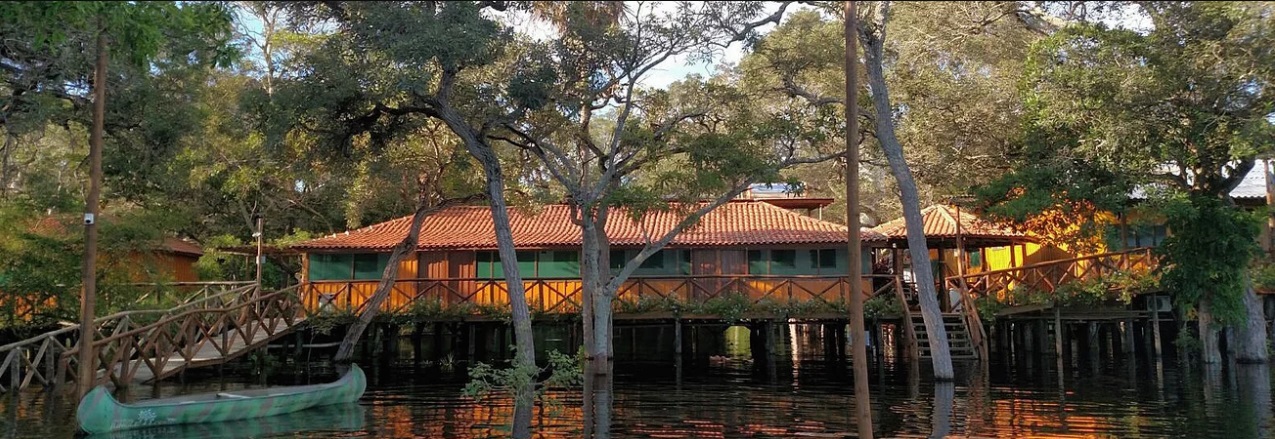
- Lodges with their own guides: from tourist class (Pousada Piuval, UeSo Lodge) to superior class (Pousada do Rio Mutum, Araras Eco Lodge), on a full-board basis and with daily excursions.
- Night safaris and horse riding: at night with the spotlight in search of ocelot, tapir and caimans; during the day on horseback through the flooded plains.
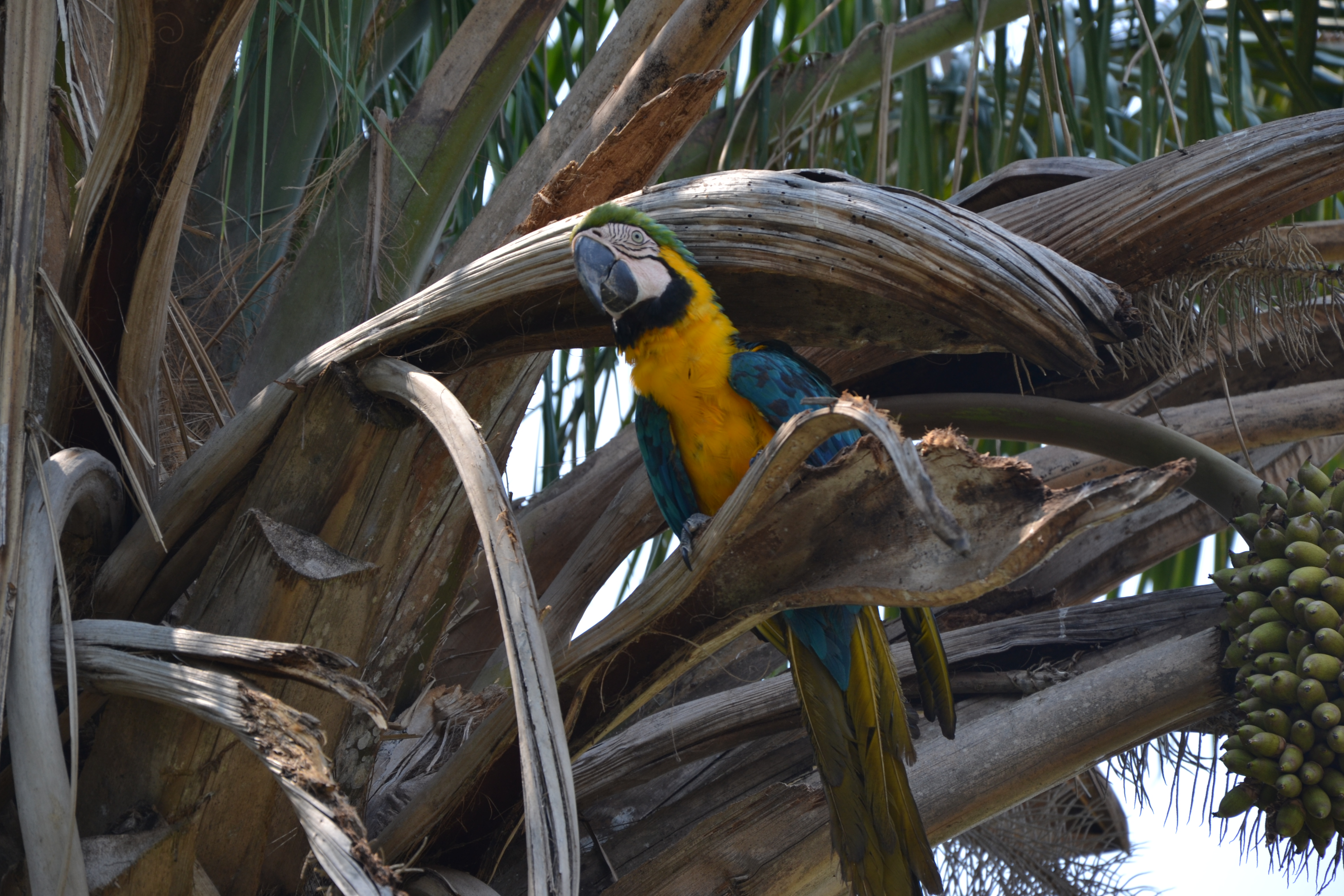
- Wealth of birdlife: more than 650 bird species, including the hyacinth macaw, the largest parrot in the world.
Best time to travel to the Northern Pantanal
The best period for jaguars and other mammals is the dry season from July to October: the water recedes, animals concentrate along the rivers and the roads are easily passable. April to June is a lovely shoulder season with mild temperatures and plenty of activity around the shrinking pools. In the wet season (December to March) the landscape is green and full of waterbirds, but parts of the Transpantaneira are difficult to pass and jaguars are harder to see. September and October are hot (35 °C and more).
Getting there and travel time
You fly to Cuiabá (about 2 hours from São Paulo or Rio de Janeiro, also direct from Manaus and Campo Grande). From Cuiabá it is around 100 kilometres of tarmac to Poconé, where the Transpantaneira begins. The first lodges are a 1 to 2-hour drive from Cuiabá; Porto Jofre is 4 to 5 hours away. We arrange the transfers by 4x4, or you drive yourself; in the dry season the road is manageable in an ordinary car.
How many days in the Northern Pantanal?
We recommend approx. 3 to 4 nights: 2 nights in a lodge along the Transpantaneira for the general wildlife and 2 to 3 nights in Porto Jofre for the jaguars. Those who only want to see jaguars book 3 nights in Porto Jofre; those who also want to experience the birds and the landscape take 5 to 6 nights.
North or South: which Pantanal suits you?
The Northern Pantanal is the choice for jaguars and combines well with Chapada dos Guimarães and Nobres. The Southern Pantanal (via Campo Grande) offers fazendas with a broader nature experience, jaguars with a bit of luck, and combines with the river snorkelling in Bonito. A combination of both is possible in a three-week trip.
Combines well with
A few hours' drive from Cuiabá lie the red cliffs and waterfalls of Chapada dos Guimarães and the crystal-clear rivers of Nobres; together they make up a 5-day self-drive. The Pantanal can also easily be linked by plane to the Amazon at Manaus, the waterfalls of Foz do Iguaçu and the Southern Amazon at Jardim da Amazônia. Examples: UeSo Lodge with jaguar tour, Porto Jofre package and the nature round trip Into the Wild.
Frequently asked questions about the Northern Pantanal
How likely am I to see a jaguar?
In Porto Jofre between July and October, very likely: most guests see several jaguars in two to three days on the river. Outside the dry season the chance is clearly smaller.
What is included at a Pantanal lodge?
Almost always full board and two to three excursions a day with a nature guide (boat, walk, truck, horse riding, night safari). Drinks and tips are usually not included.
Is the Pantanal suitable for children?
Yes, from around 6 years old: the boat trips are calm and the animals are easy to see. Bear in mind the heat and mosquitoes; long clothing and DEET are advisable.
Do I need vaccinations?
A yellow fever vaccination is recommended for Mato Grosso; malaria hardly occurs in the Pantanal. Always consult the GGD or a travel vaccination clinic for personal advice.
Tip from Brazil Travel Specialist
Combine two lodges: first a lodge at the start of the Transpantaneira for the birds, caimans and capybaras, then Porto Jofre for the jaguars. That way you see the Pantanal in all its variety and spread out the driving time. We know the lodges and guides personally and will be happy to put together a tailor-made route for you.
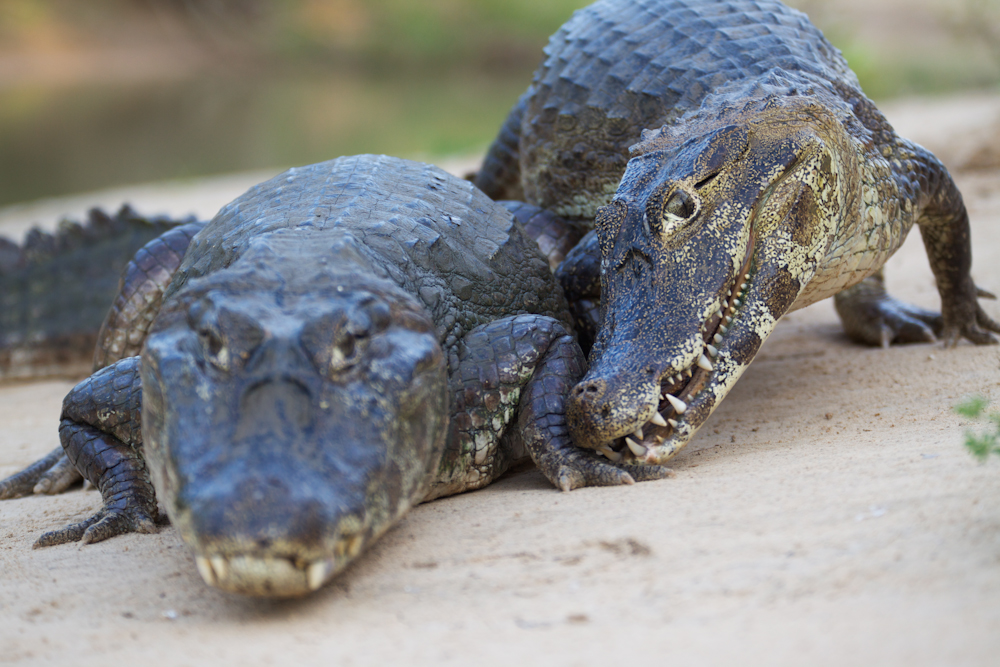
Pantanal - Porto Jofre - Jaguar region
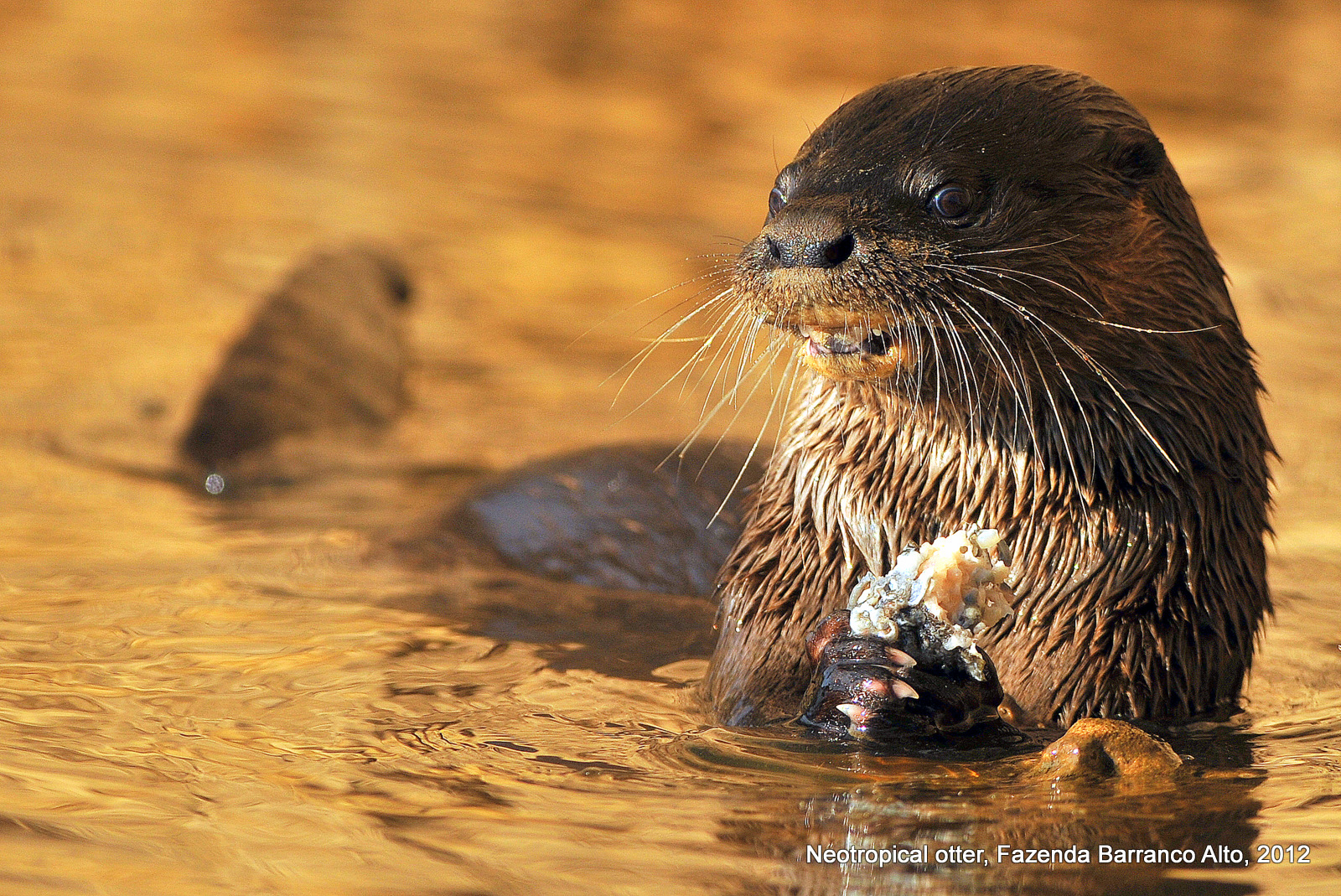
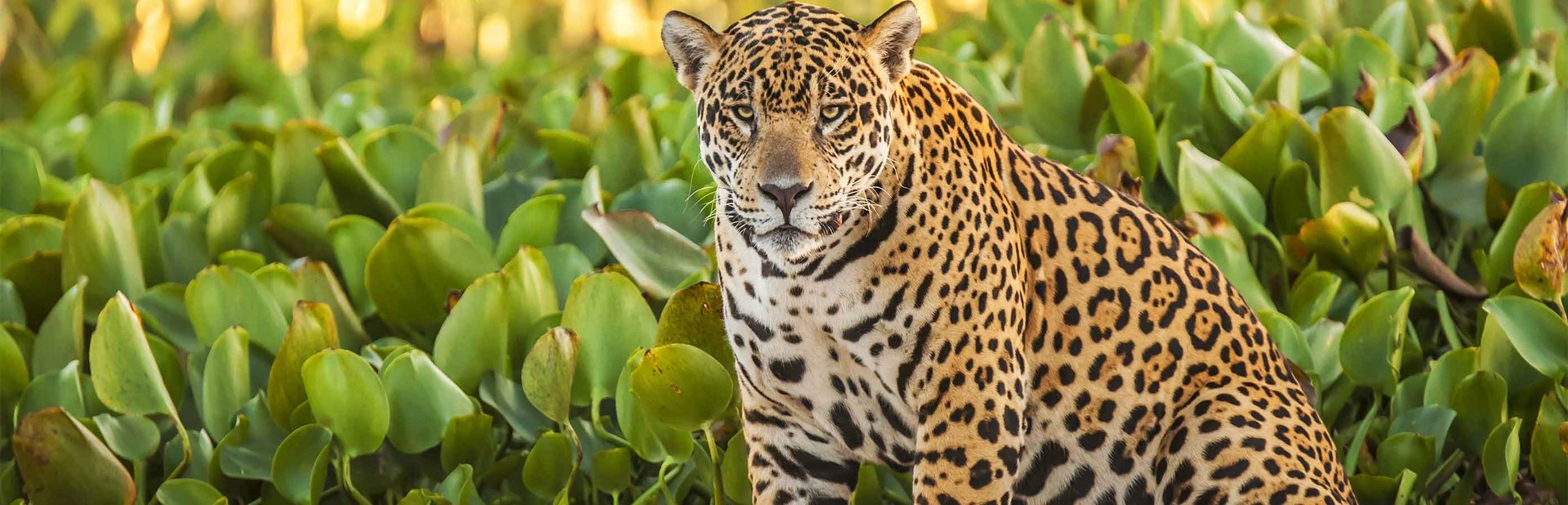
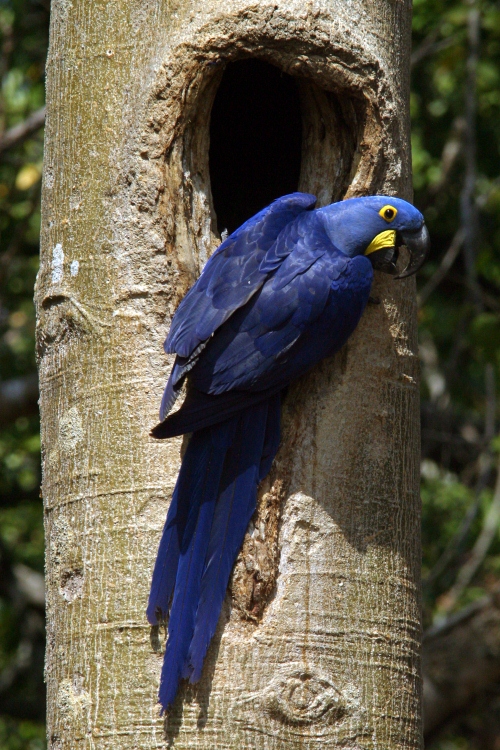
7 / 8Porto Jofre, at the end of the Transpantaneira in the Northern Pantanal, is the best place in the world to see jaguars in the wild: by boat along the banks of the Cuiabá, Piquiri and Três Irmãos rivers, where the animals hunt and bask in the sun during the dry season. Allow 3 nights; the best time to travel is July to October, with the highest chance in August and September.
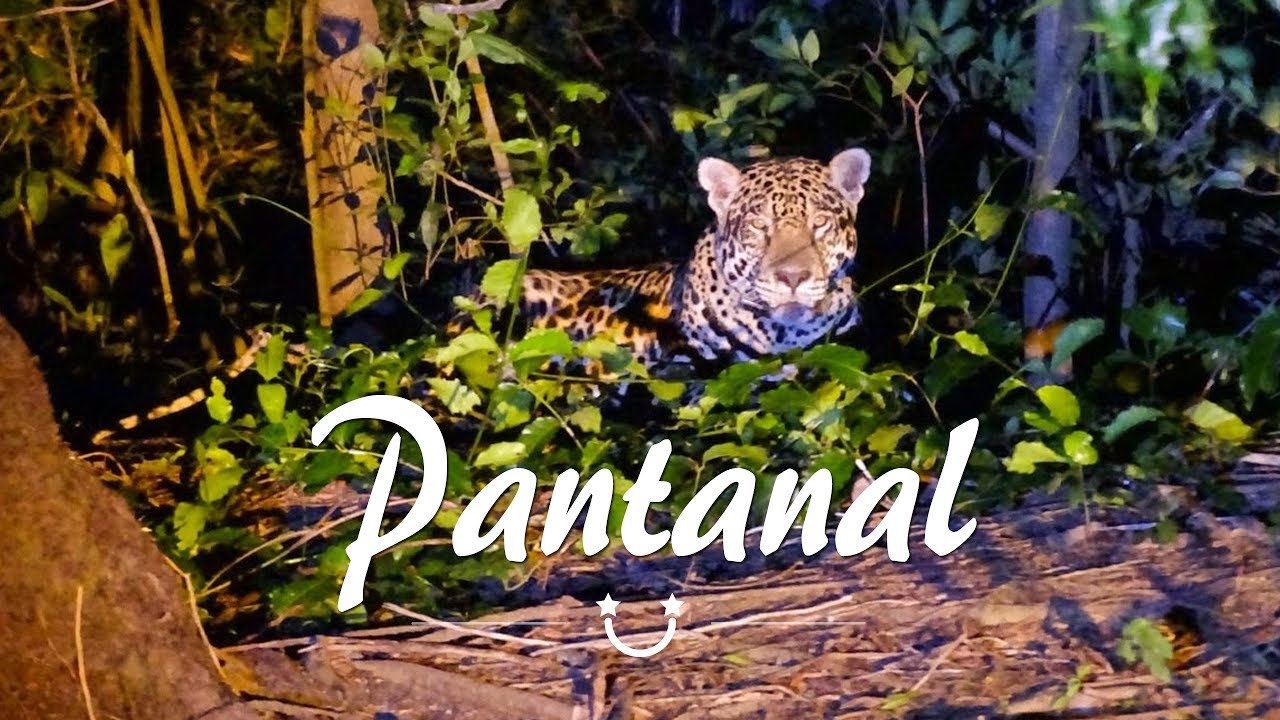
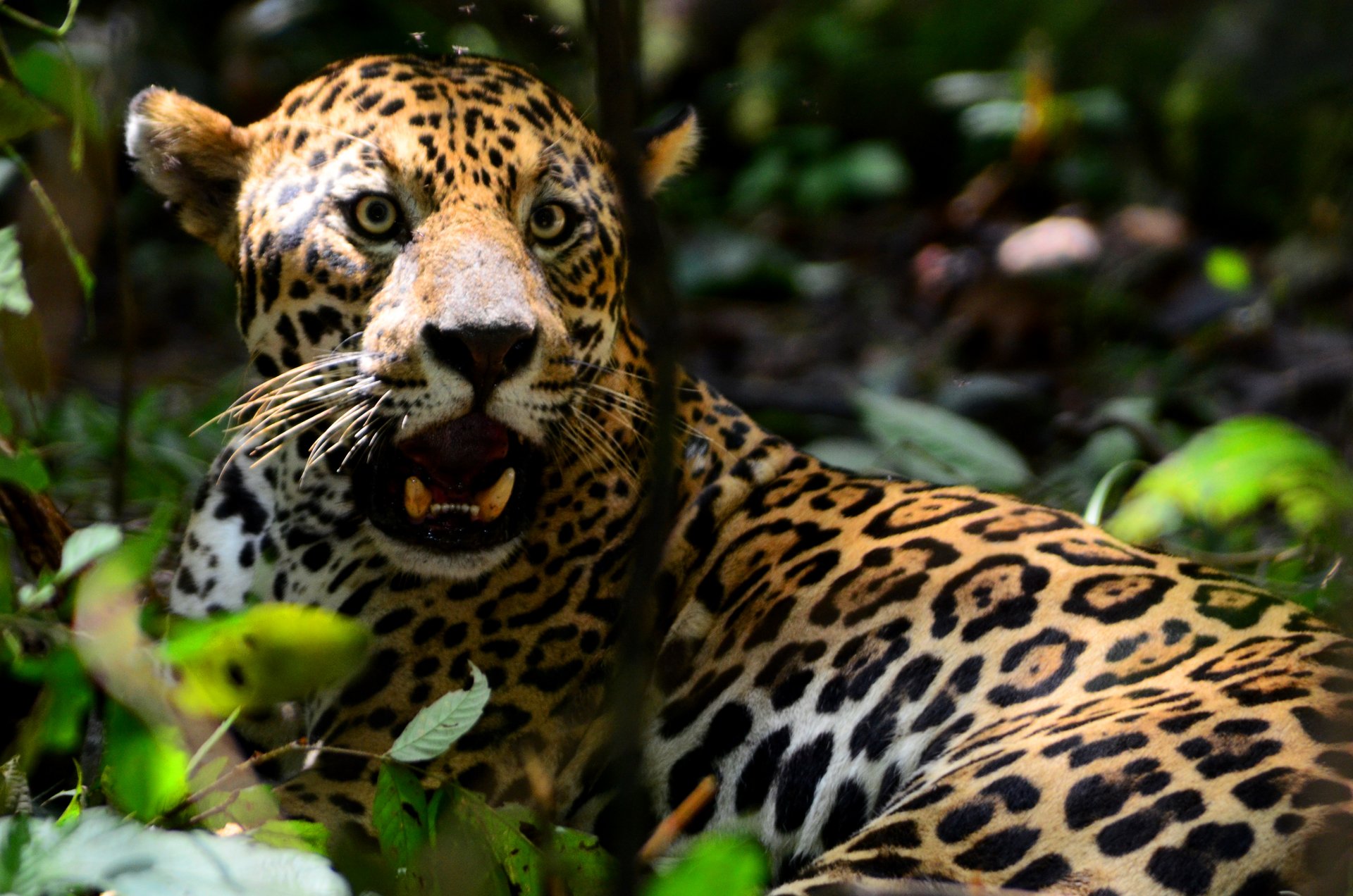
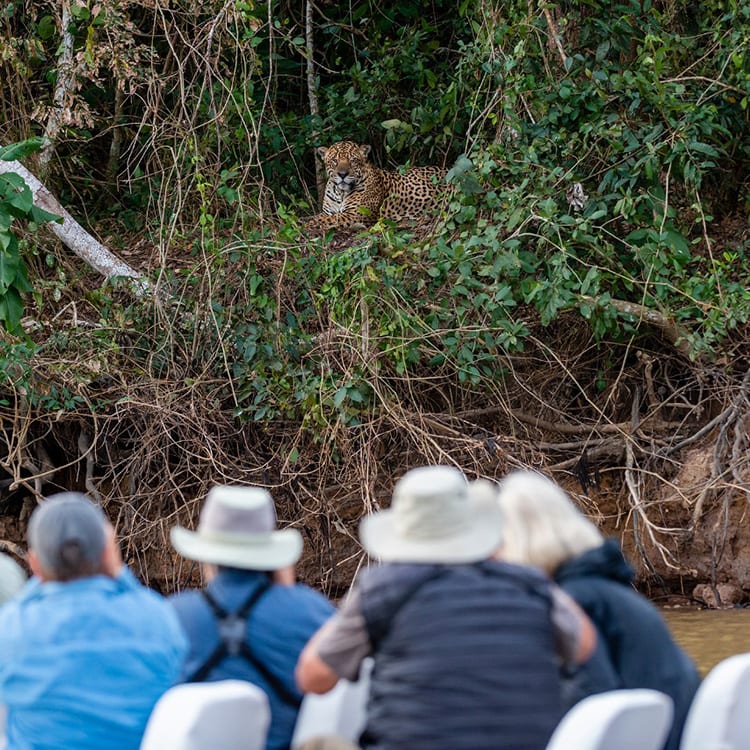
The jaguar is the largest cat in the Americas and very shy in the rest of the continent. The Encontro das Águas reserve near Porto Jofre is home to an exceptionally high density and the animals are used to boats. As a result, you do not see them here as a fleeting shadow, but often for minutes at a time on the riverbank, hunting caimans or capybaras.
Highlights of Porto Jofre
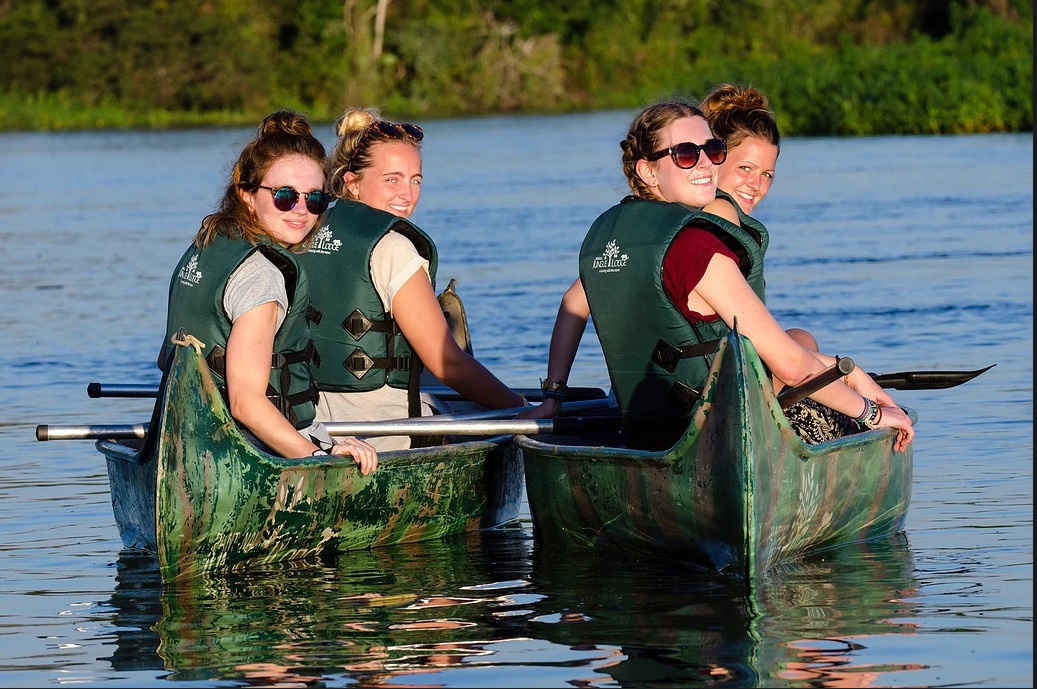
- Jaguar safaris by boat: two trips a day, in the cool morning and the late afternoon, with specialised guides and boatmen (piloteiros) who share sightings by radio.
- Giant otters: playful family groups in the river channels, often just as spectacular as the jaguars.
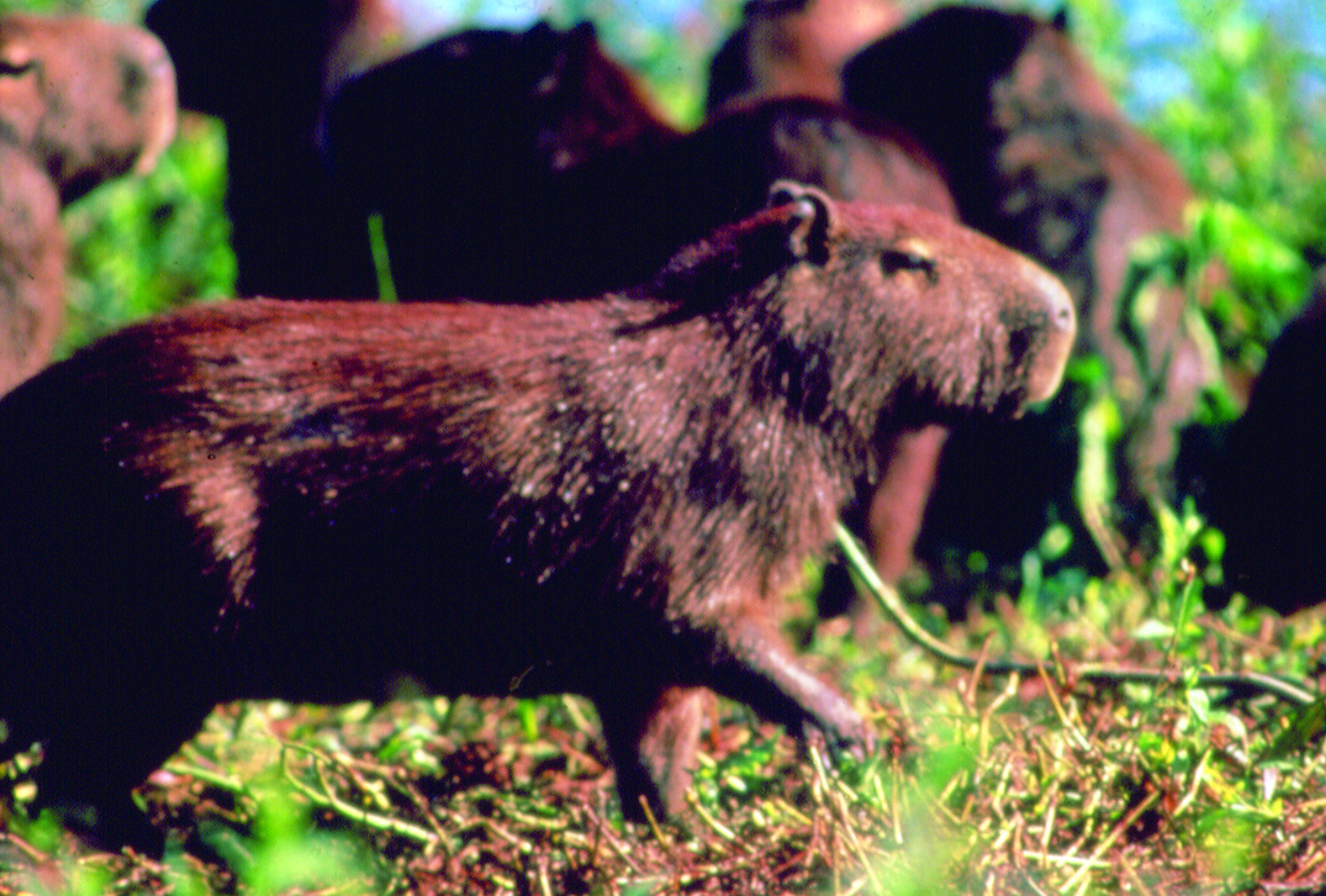
- Caimans, capybaras and tapirs on the sandbanks and in the grass along the water.
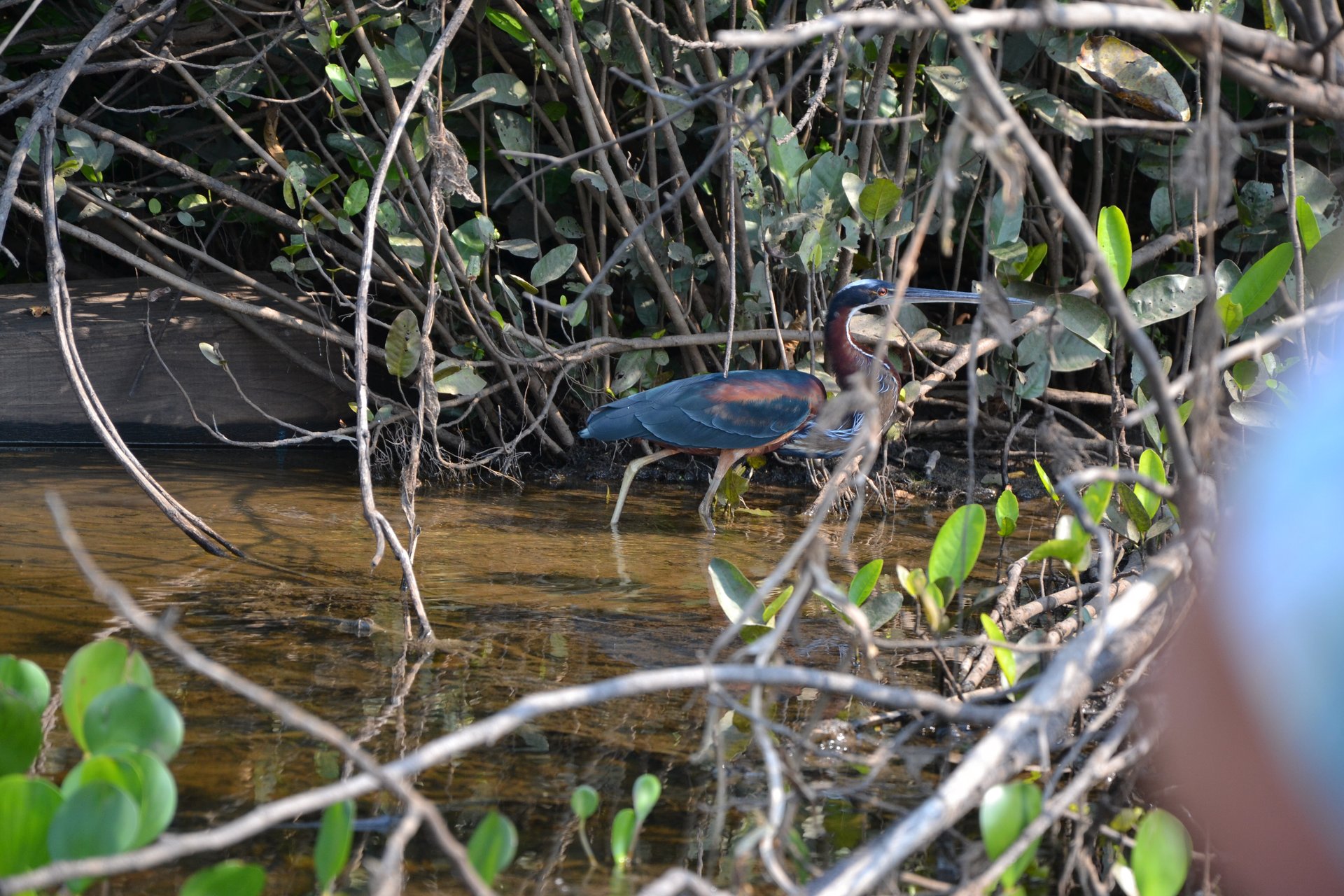
- Birds: kingfishers, hyacinth macaws, jabirus, herons and the rare agami heron.
- The Transpantaneira: 147 kilometres of dirt road with more than a hundred wooden bridges and lodges along the way, a safari in itself.
Best time to travel to Porto Jofre
The season runs from June to November; from July to October the chance of jaguars is greatest, because the low water forces the animals to the riverbanks. August and September are the peak, but also the busiest and hottest months (35–40 °C). In the rainy season (December to May) large areas are under water, the Transpantaneira is often difficult to pass and most accommodation in Porto Jofre is closed.
Getting there and travel time
You fly to Cuiabá (about 2 hours from São Paulo or Rio). From Cuiabá it is 100 kilometres of tarmac to Poconé and then 147 kilometres of Transpantaneira; allow 4 to 5 hours' drive by 4x4. We arrange the transfers, usually with a stopover at a lodge along the Transpantaneira. On the way back you can also travel by boat to Porto Jofre and by 4x4 to Cuiabá.
How many days in Porto Jofre?
We recommend 3 nights: two full days on the river give a very high chance of several jaguars. Photographers take 4 nights. Combine with 2 nights in a lodge along the Transpantaneira for the other wildlife and to spread out the driving time.
Where to stay in Porto Jofre?
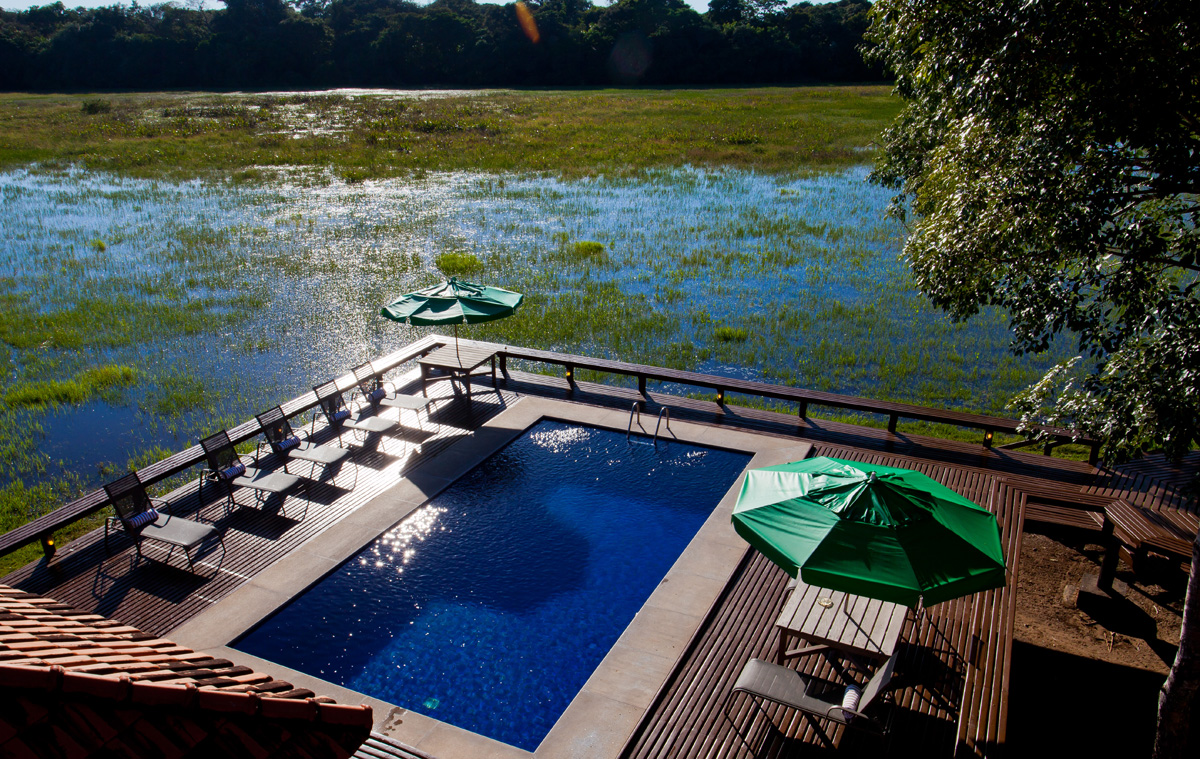
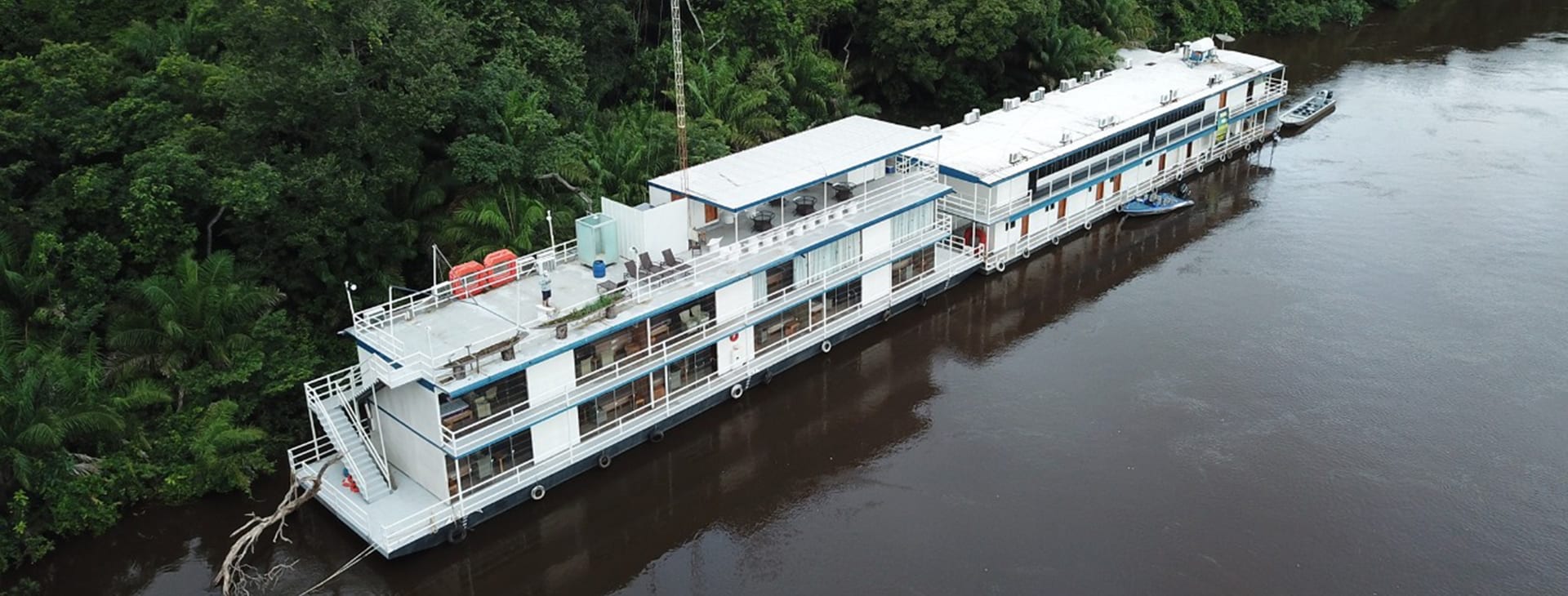
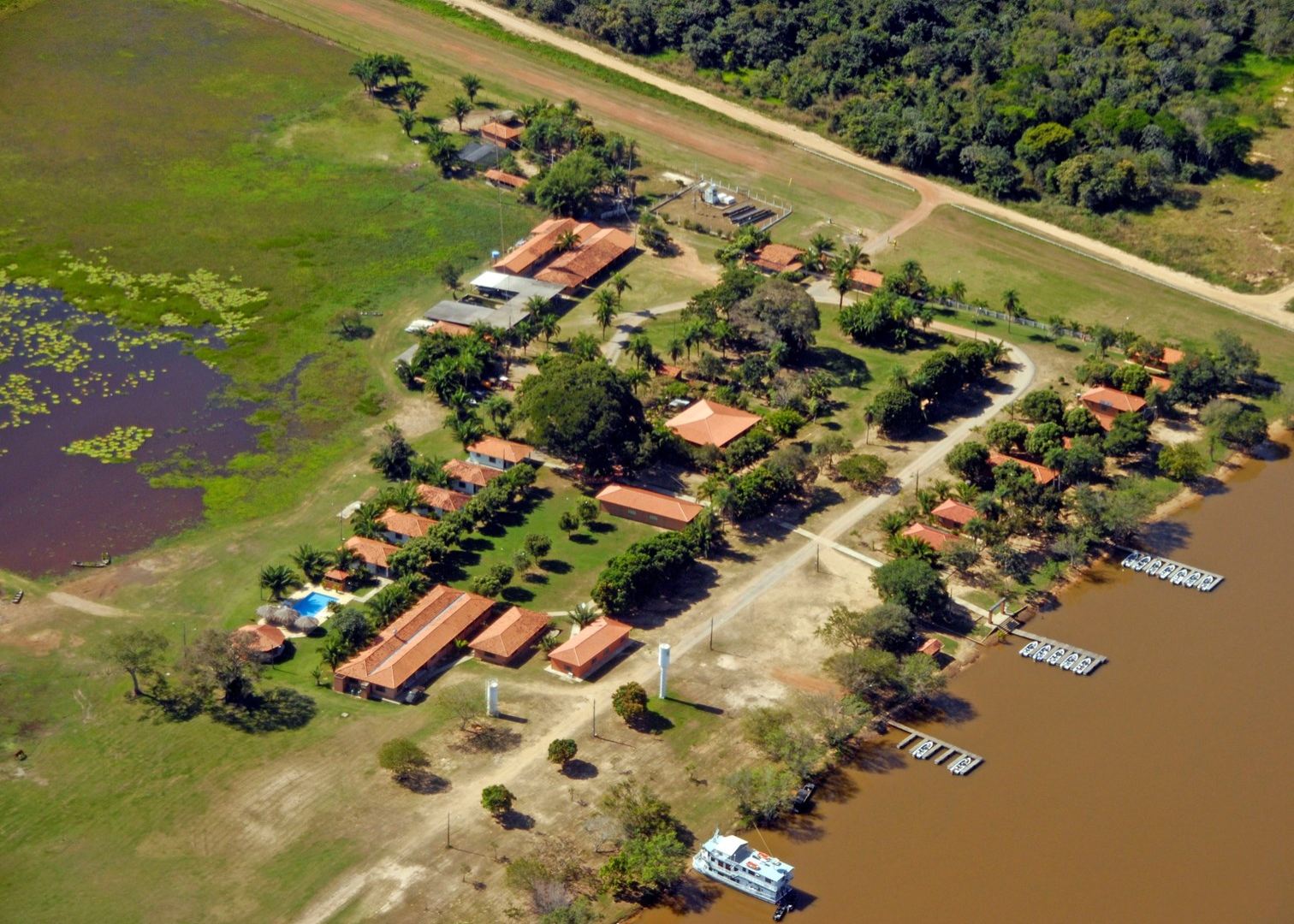
The choice is between the lodges on land, such as Berço Pantaneiro with its own boats, and the floating Flotel and Jaguar Suites on the Piquiri river, in the middle of jaguar territory. All packages are on a full-board basis with daily boat trips. Book early: the number of beds in Porto Jofre is limited and the season is short.
Combines well with
Almost always with the lodges of the Northern Pantanal along the Transpantaneira, and from Cuiabá with Chapada dos Guimarães, Nobres and the Amazon. Examples: Porto Jofre package, UeSo Lodge with jaguar tour and the nature round trip Into the Wild.
Frequently asked questions about Porto Jofre
How likely am I to see a jaguar?
In high season, very likely: with two full days on the river almost everyone sees several jaguars. Nobody can give a guarantee; it remains wild nature.
How close do I get to the jaguars?
The boats keep their distance, but jaguars along the riverbank can often be approached to within a few dozen metres. A telephoto lens of 300 mm or more is advisable for photos.
Is a jaguar tour also possible as a day excursion?
Yes, from lodges halfway along the Transpantaneira we offer a long day trip to Porto Jofre, for example at the UeSo Lodge. For the best chance, staying overnight in Porto Jofre remains the first choice.
Is it suitable for children?
From about 8 years old: the boat trips last 3 to 4 hours in the sun; bring a hat, sunscreen and plenty of water.
Tip from Brazil Travel Specialist
Plan Porto Jofre in August or September and book a year ahead if you want a specific lodge. Ask us about a private boat: then you decide for yourself how long you stay with a jaguar, which makes all the difference for photographers.
Chapada dos Guimarães
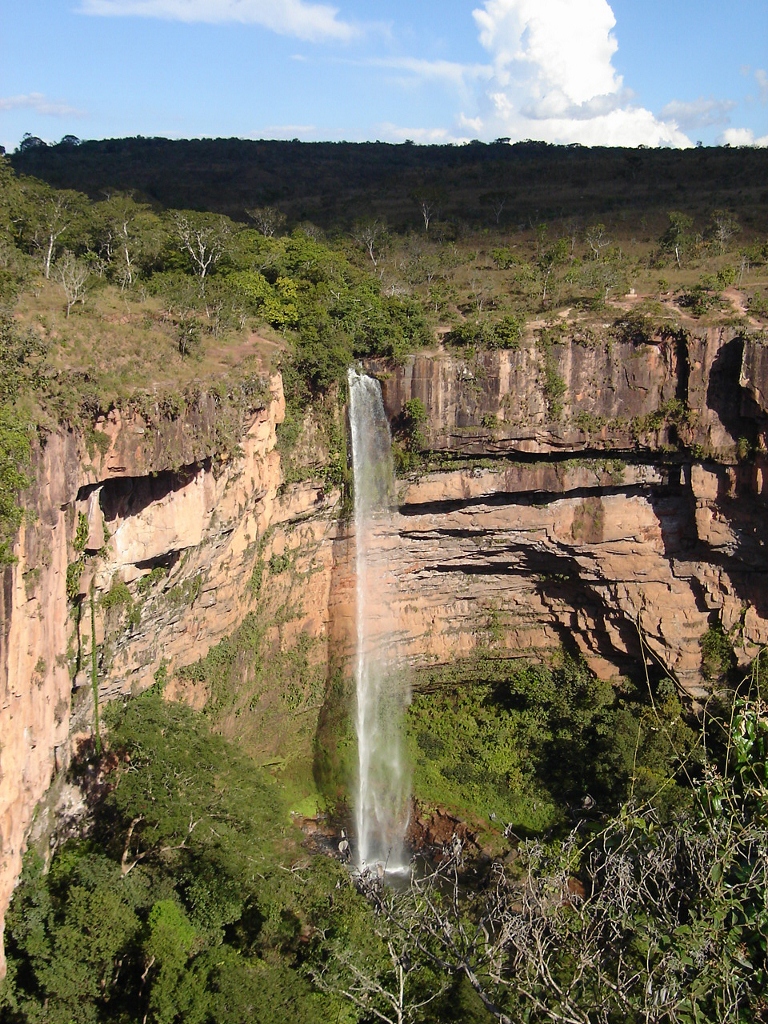
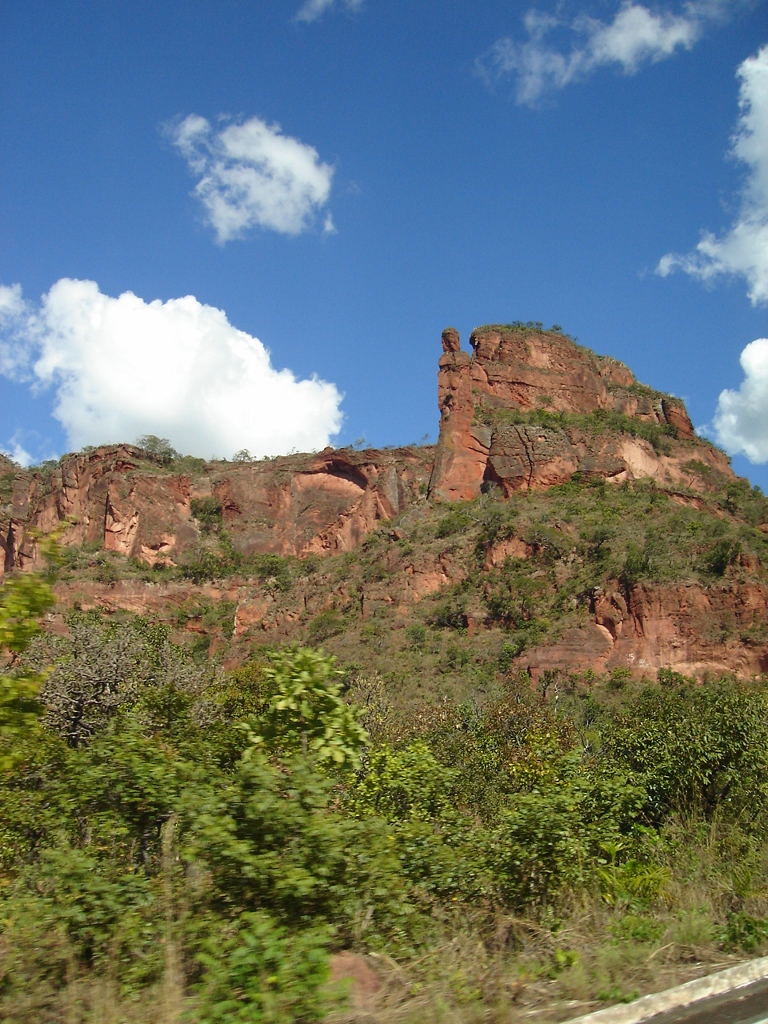
8 / 8Chapada dos Guimarães is a national park 64 kilometres (1 hour) from Cuiabá in Mato Grosso: red sandstone plateaus of 600 to 800 metres, the Véu de Noiva waterfall, canyons, caves and the savannah of the Cerrado with macaws and toucans. Allow 2 nights, usually as a prelude to the Northern Pantanal; best time to travel May to September.
The plateau lies on the watershed between the Amazon basin and the Pantanal and at the geographical centre of South America. The village of Chapada dos Guimarães is small and full of character, with pousadas, restaurants and guides for the walks.
Highlights of Chapada dos Guimarães
- Véu de Noiva: the 86 metre high 'bridal veil' waterfall, the symbol of the park, with a viewpoint and macaws flying along the rock face.
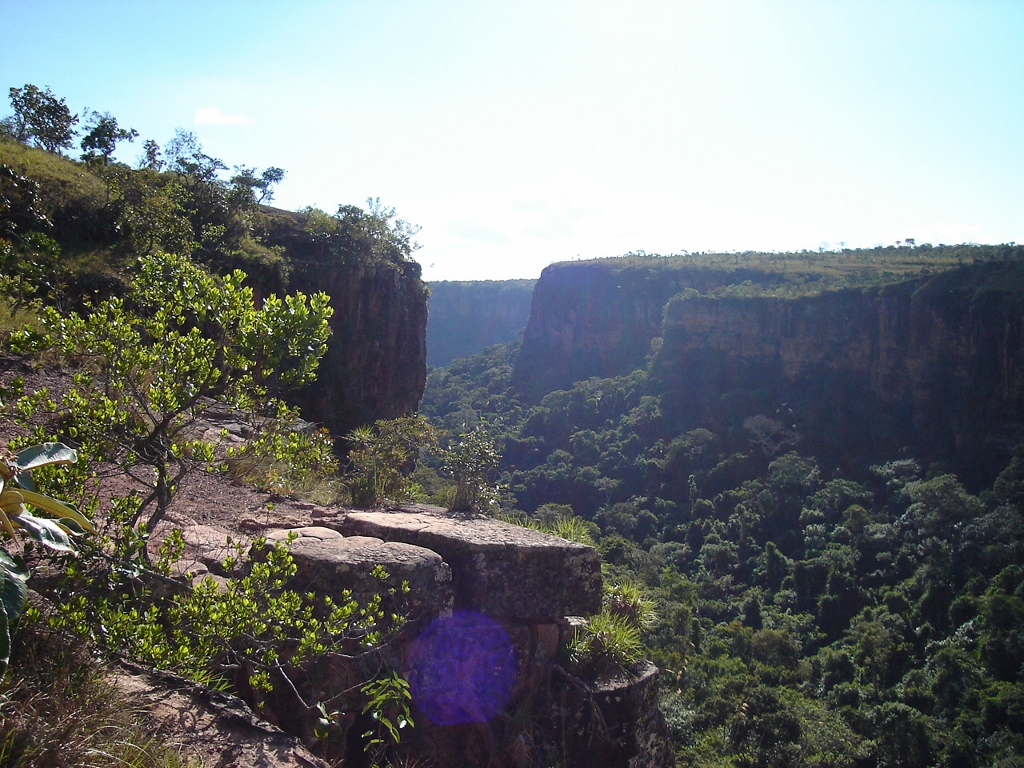
- Cidade de Pedra: the 'stone city' on the edge of the plateau, with a view from 350 metres up over the plain.
- Circuito das Cachoeiras: a walk past seven waterfalls with swimming spots.
- Vale do Rio Claro and the Caverna Aroe Jari: a canyon walk and the longest sandstone cave in Brazil with the blue Lagoa Azul.
- Mirante do Centro Geodésico: the centre of South America, at its most beautiful at sunset.
- Birds and wildlife: macaws, toucans, the maned wolf and prehistoric rock paintings.
Best time to visit Chapada dos Guimarães
From May to September it is dry with clear views and cool nights (15–30 °C); ideal for walking. From October to April the rain falls: the waterfalls are then at their most powerful and the landscape green, but paths may be closed after heavy rain. August and September are dry but hot and sometimes hazy because of fires in the Cerrado.
Getting there and travel time
From Cuiabá (airport with flights from São Paulo, Rio, Brasília and Manaus) it is a 1 hour drive on asphalt; we arrange a transfer or a hire car, because Chapada is perfectly suited to a self-drive. Nobres is 2 hours away, the Pantanal 2 to 3 hours.
How many days in Chapada dos Guimarães?
We recommend 2 nights: one day for Véu de Noiva, Cidade de Pedra and the geodesic centre, one day for the waterfall walk or the Aroe Jari cave.
Combines well with
Chapada is the first block of the classic Mato Grosso route: next comes Nobres for river snorkelling and the Northern Pantanal with Porto Jofre; the Southern Amazon at Jardim da Amazônia is also within reach. Examples: self-drive Chapada dos Guimarães, self-drive Chapada & Nobres and Chapada, Nobres & Pantanal with transfers.
Frequently asked questions about Chapada dos Guimarães
Do I need a guide in the park?
A registered guide is compulsory for the waterfall walk and the Aroe Jari cave; you can visit Véu de Noiva and Cidade de Pedra on your own. We arrange the guides.
Can I drive myself?
Yes, the road from Cuiabá is asphalt and the distances in the park are short; an ordinary car is sufficient.
Is it suitable for children?
Yes, the walks are short and the swimming spots at the waterfalls are great fun; the canyon walk is suitable from about 8 years old.
Why Chapada before the Pantanal?
The plateau is cooler and quieter, you get used to the climate, and the macaws and toucans are a fine prelude to the wildlife in the Pantanal.
Tip from Brazil Travel Specialist
Go to the Véu de Noiva viewpoint at the end of the afternoon: that is when the red macaws return to their nests in the rock face and skim right past you.